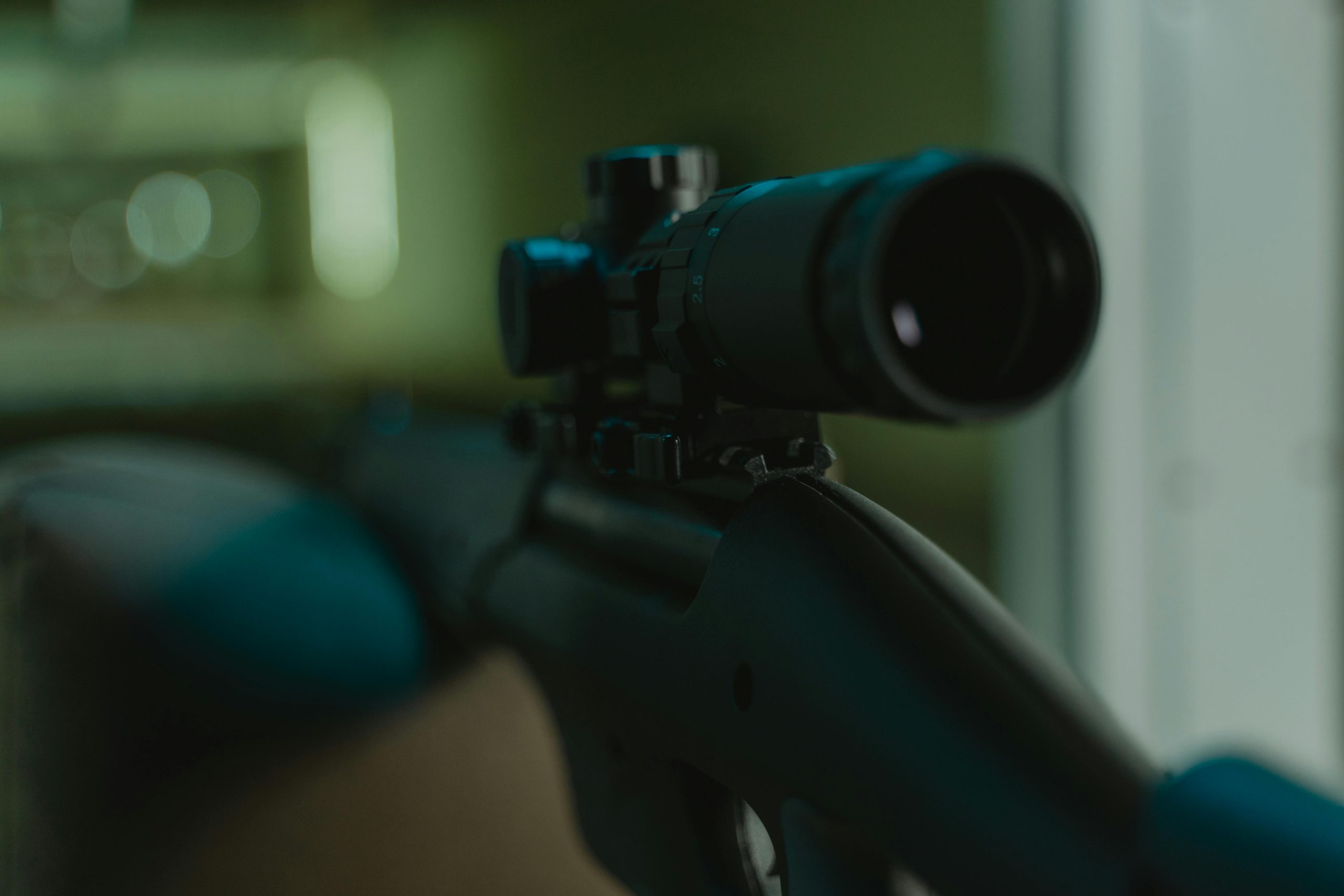
There is a specific kind of regret that only hits you in the field, not at the checkout, not when the box arrives, but somewhere between a missed shot and a fogged-up lens at the worst possible moment. Cheap optics have a way of making their failures personal. The initial price feels like a win. The specs on the packaging sound convincing enough. But optics are one of those categories where corners cut at the factory quietly follow you into the hunt, the range, or the glassing session. Replacements, recalibrations, and mounting frustration have a way of erasing that original discount fast. What follows are seven specific types of budget optics that reliably cost shooters and hunters far more over time than the sticker price ever suggested.
1. Budget Red Dot Sights That Fog Up When It Matters Most
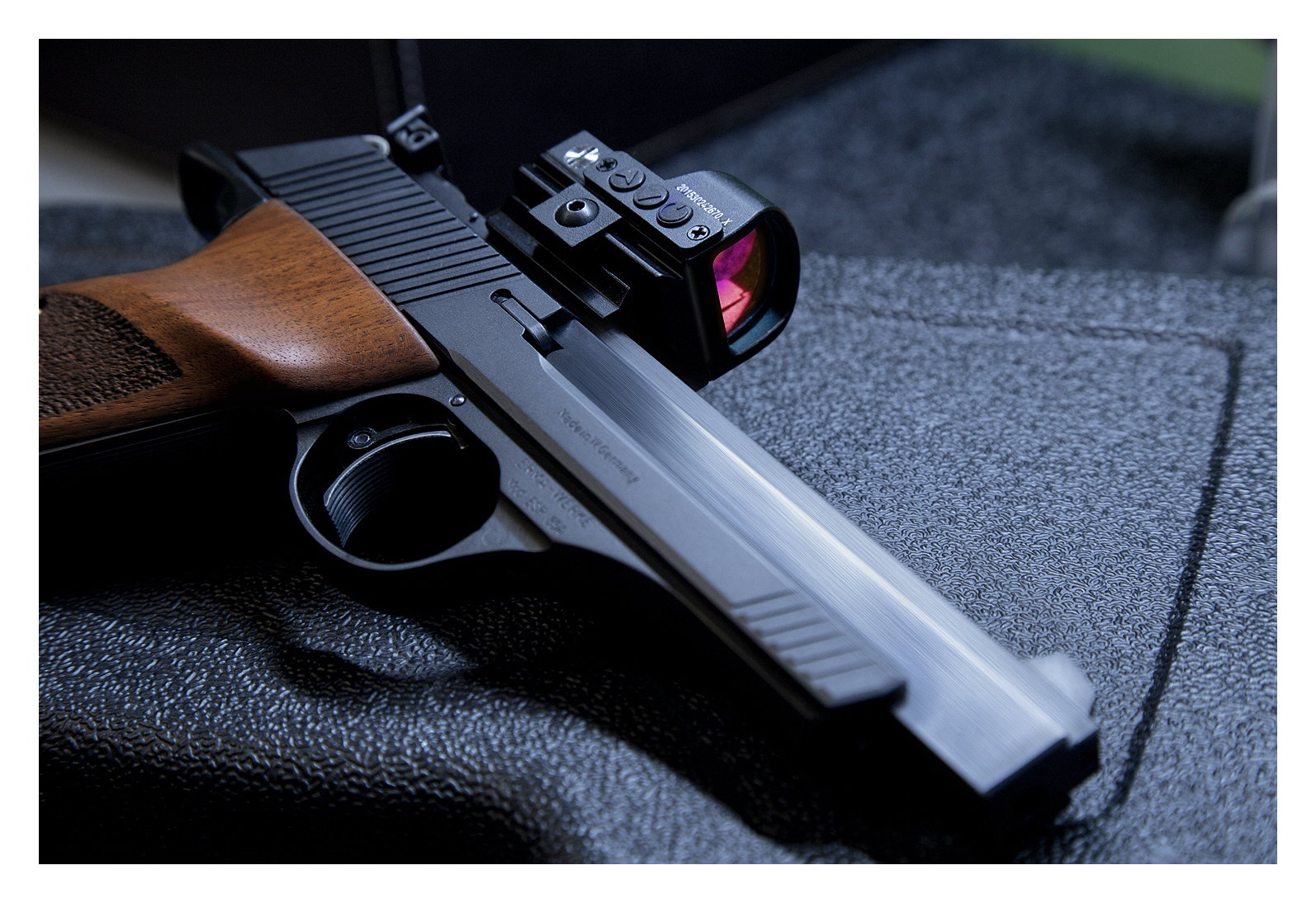
Dropping $30–$50 on a red dot feels clever until the lens fogs internally during a cold morning. Most budget red dots under $60 skip nitrogen purging entirely, a cost-cutting move that lets moisture invade the housing within 6 to 12 months of regular use. Zero retention is the next issue: cheaper models shift an average of 1.5–2 MOA after 200 rounds. The reticle brightness controls also tend to fail, with tactile clicks wearing out inside 18 months. At that point, you are back shopping again. That $40 purchase quietly becomes $80 once you factor in the replacement. Meanwhile, a proven optic like a Vortex Crossfire II sits around $150 and survives years of field use without any drama.
2. Cheap Rifle Scopes With Turrets That Simply Lie to You
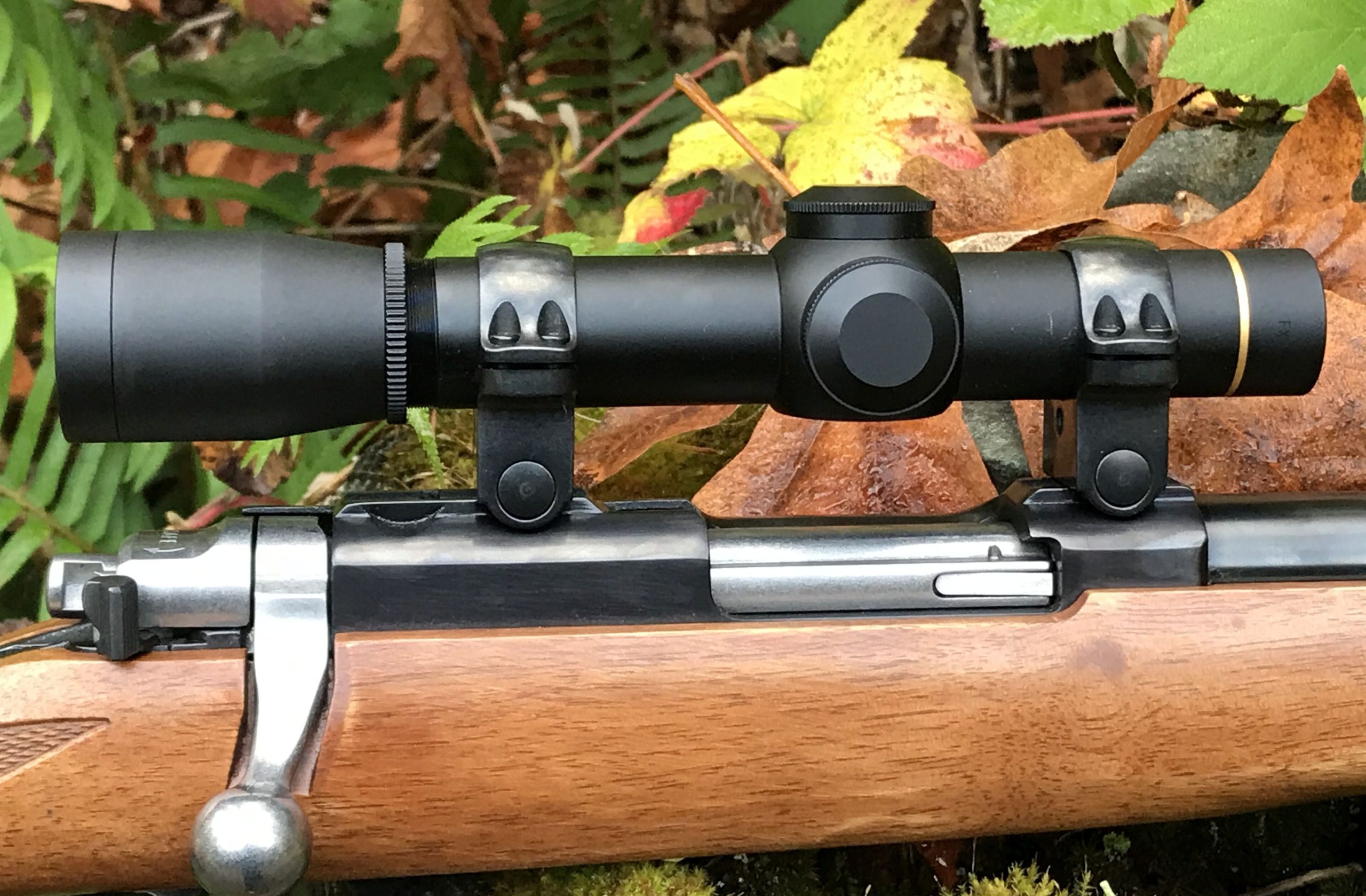
A rifle scope under $80 might look the part sitting on a shelf, but the turrets on budget models are notoriously inconsistent in practice. Independent testing shows that scopes in the $50–$80 range frequently drift 3–5 MOA when adjusted and returned to a marked zero. Internal erector springs in cheap scopes are thin and lose tension after roughly 300–400 adjustments, which is not a large number for any active shooter. Parallax errors become obvious beyond 150 yards, turning tight groups into scattered patterns. Glass quality compounds the problem. Entry-level scopes commonly use single-coated lenses that cut light transmission down to around 78%, compared to 95% or better in premium options. You end up chasing zero and never quite finding it, one range session at a time.
3. Discount Holographic Sights That Drain Every Battery You Own
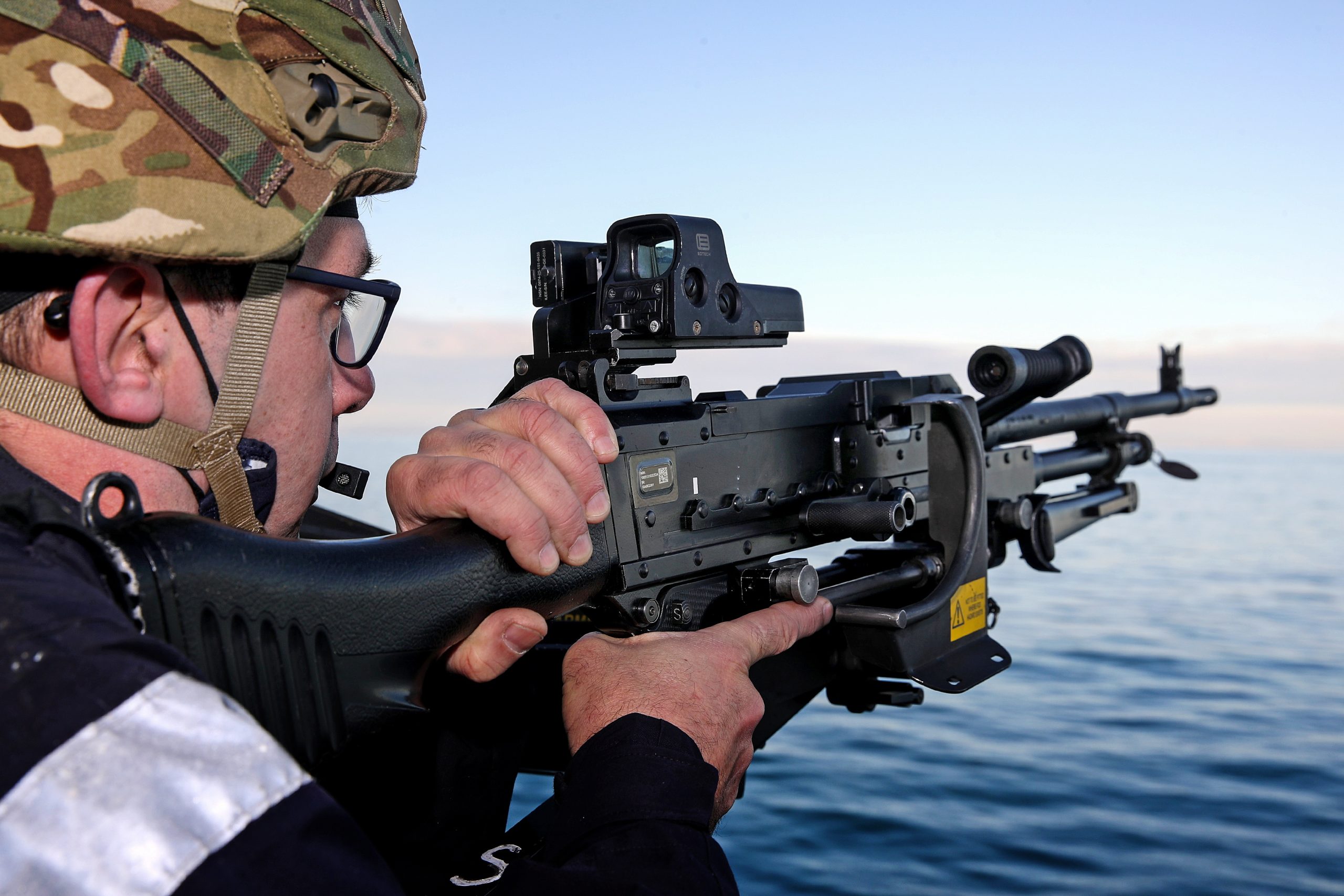
Holographic sights are battery-hungry by nature, but budget versions take that problem to a frustrating extreme. A quality holographic sight averages around 500–600 hours of battery life under normal use. Cheap clones priced under $70 frequently drain a CR2032 in fewer than 80 hours, sometimes dropping to 40 hours on higher brightness settings. Emitter diodes in bargain models degrade faster too, with noticeable reticle sharpness loss arriving within 14–18 months of regular use. Parallax correction, which matters significantly beyond 50 yards, is absent in most sub-$80 options. When the emitter fails, and it typically does, htheunit cannot be repaired. You simply discard it and spend again. A $65 saving stretches into $130 across two failed units inside 24 months.
4. Bargain Spotting Scopes That Blur Everything Above 30x
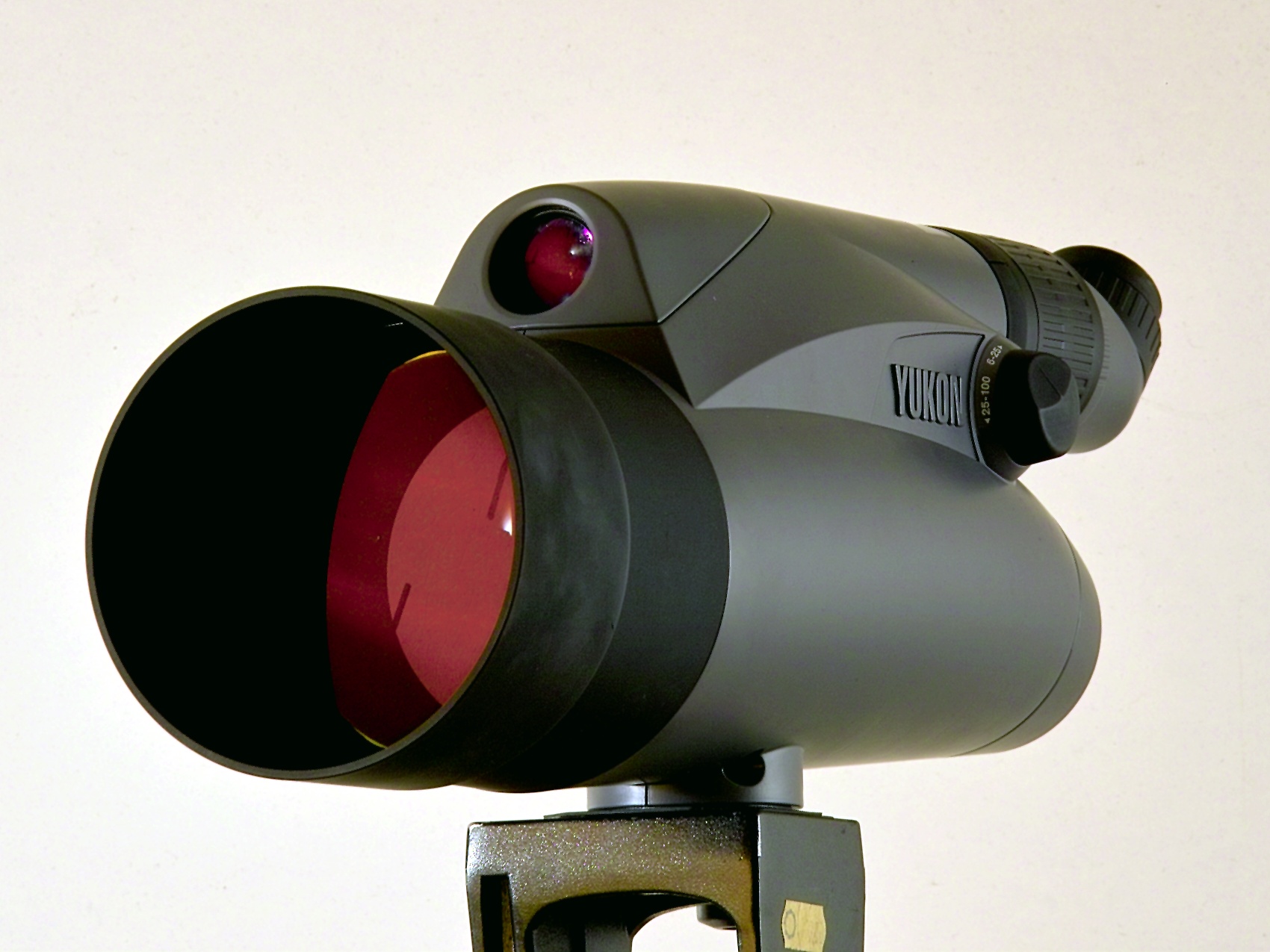
Spotting scopes are supposed to pull distant detail into sharp focus, but cheap ones often do the opposite the moment magnification climbs past 30x. Budget spotters in the $60–$90 range typically use BK-7 prisms instead of BAK-4, which clips edge sharpness noticeably and introduces color fringing beyond 200 yards. Field of view also suffers, as many budget models deliver only 20–25 feet at 1,000 yards, compared to 40-plus feet in quality glass. Eye relief on cheap spotters averages around 14mm, causing real strain during extended glassing sessions. Waterproofing is typically rated IP44 at best, meaning heavy rain can compromise interior optics without warning. What seemed like a $75 deal routinely turns into a full replacement purchase within two years of use.
5. Low-Cost Magnifiers That Quietly Ruin a Good Red Dot Setup
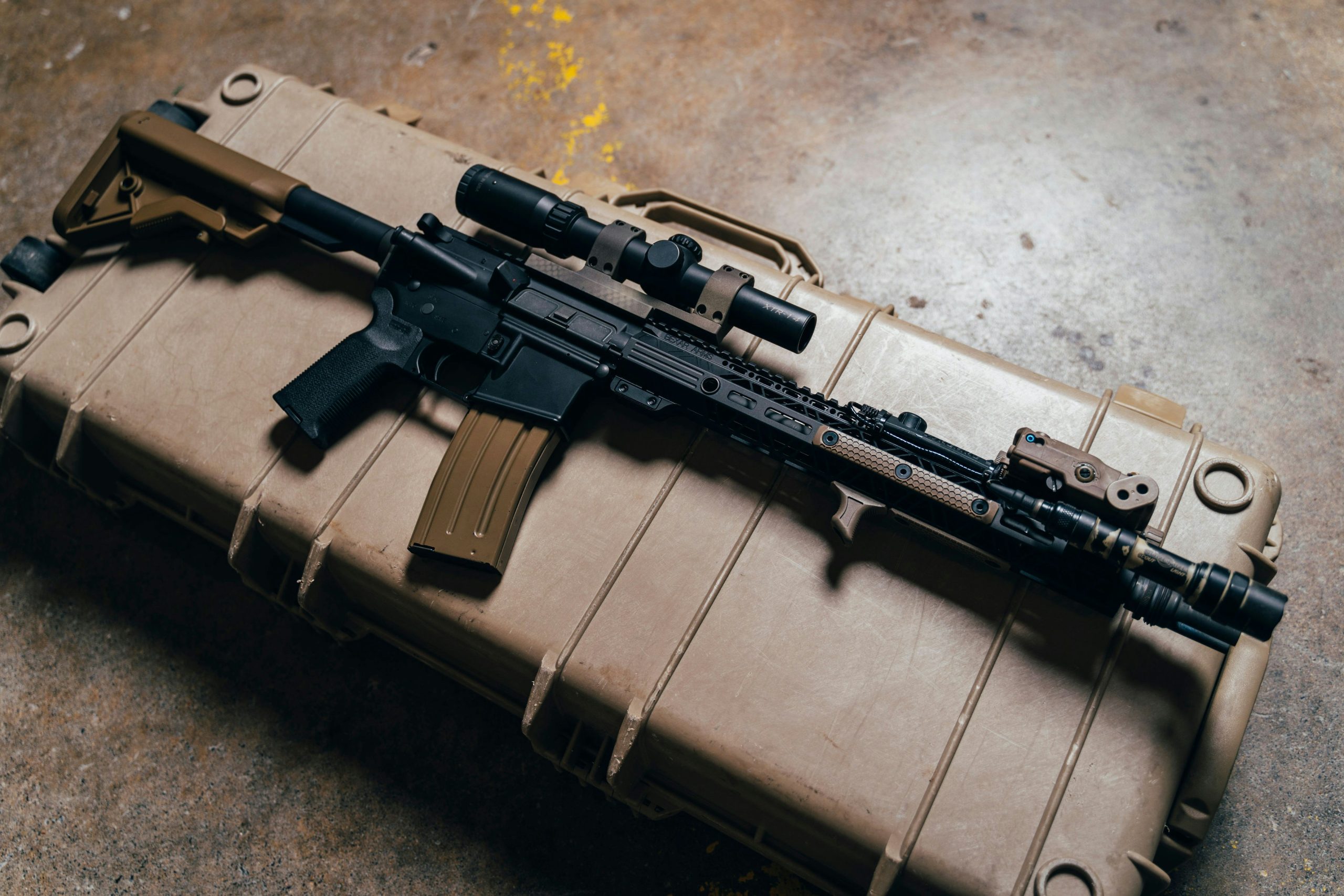
Pairing a cheap magnifier with your red dot feels like a logical and affordable upgrade, but budget 3x magnifiers under $60 introduce more problems than they actually solve. Most use glass with an Abbe number below 45, causing chromatic aberration that surrounds targets with color halos at magnified distances. Eye relief on these magnifiers often sits under 30mm, pushing your face closer to the optic during recoil than is safe or comfortable. Flip-to-side mounts on budget models loosen after just 150–200 actuations, meaning the magnifier drifts off-center mid-session. At 100 yards, even a half-degree tilt introduces 1.7 inches of point-of-impact error. Spending $55 on a magnifier that degrades a $200 red dot setup is simply a losing trade, anyway you calculate it.
6. Budget Binoculars That Leave You Squinting After an Hour
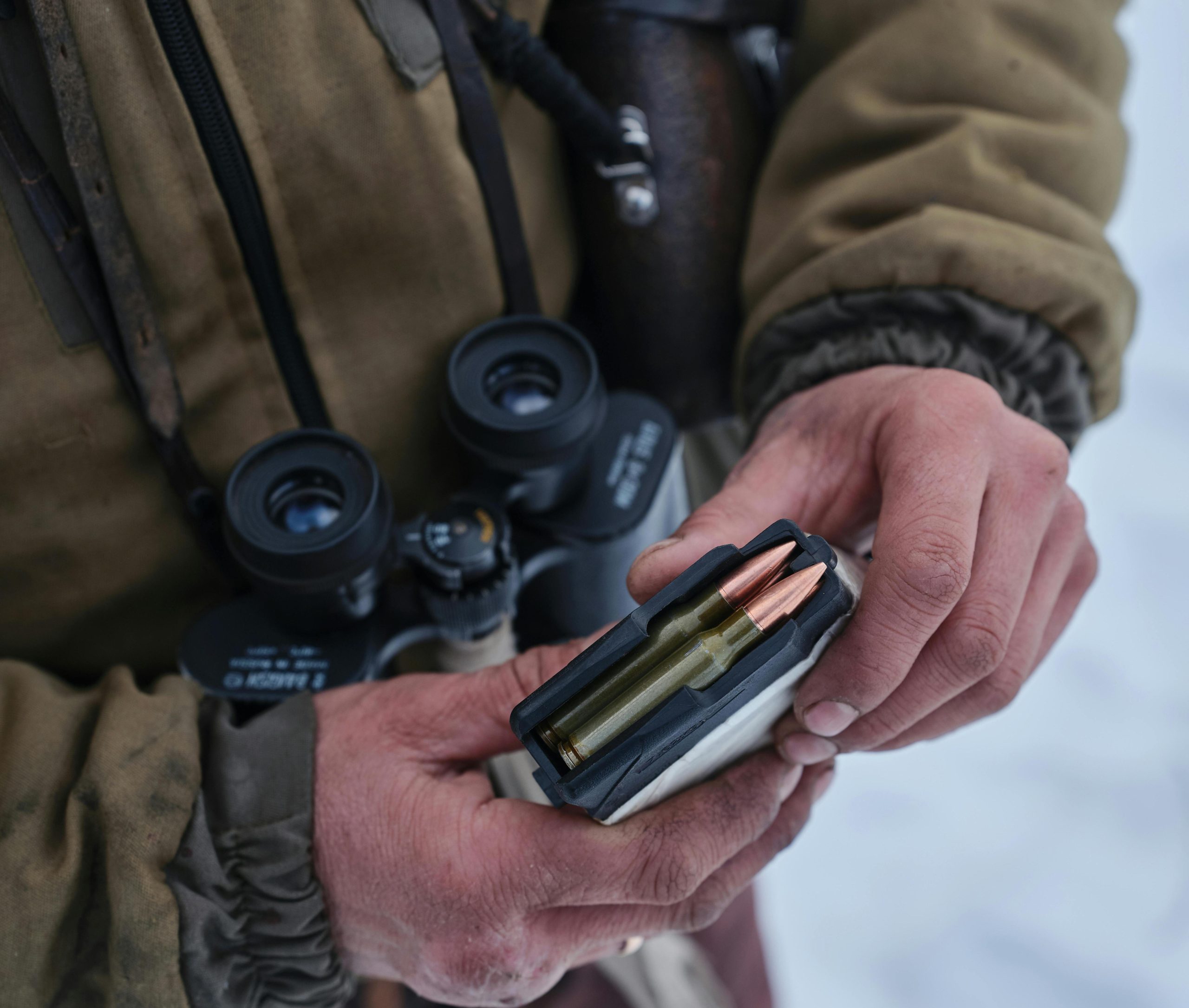
Binoculars are among the most heavily used tools in any hunter’s kit, which makes cheapness here particularly painful over time. Budget binoculars in the $30–$60 range commonly have interpupillary distance adjustments that slip during use, forcing your eyes to work harder to compensate throughout the day. Diopter controls on cheap models drift when ambient temperature shifts by more than 15°F, meaning focus changes without you touching anything at all. Exit pupil size is often undersized at 3.5–4mm on budget 8×42 models, compared to the full 5.25mm a proper 8×42 should deliver. After 4–5 hours of glassing, the eye strain becomes genuinely distracting. Most hunters replace these within their first full season outdoors, turning a $45 pair into a $130 lesson paid across 8 months.
7. Cheap Night Vision Optics That Fail Precisely When Darkness Falls
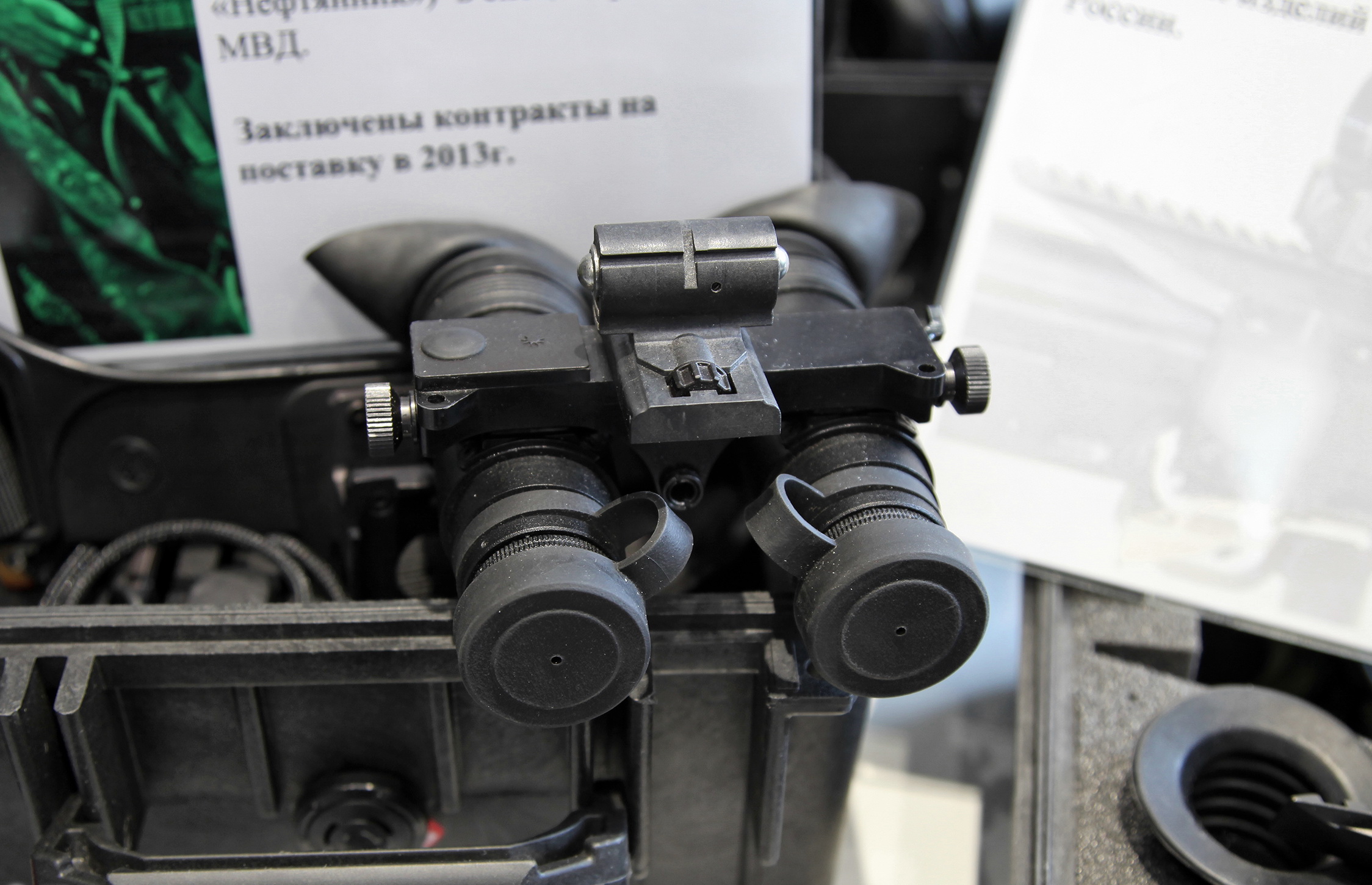
Night vision might be the single worst category in which to prioritize savings, because the consequences show up immediately and without mercy. Budget digital night vision units in the $100–$150 range typically use quarter-inch CMOS sensors at 640×480 resolution, producing grainy, washed-out images beyond 40 yards. Detection range in true darkness drops to 50–80 yards, compared to 200–300 yards in gen-2 analog units. Refresh rates average 15–20 fps on cheap digital models, creating motion blur on any moving target. IR illuminators in budget units drain batteries in 2–3 hours per charge, which is rarely enough for a full night session. You take these into the field once and immediately understand why experienced hunters never carry them twice. The gap between advertised specs and actual field performance is staggering and expensive to discover firsthand.