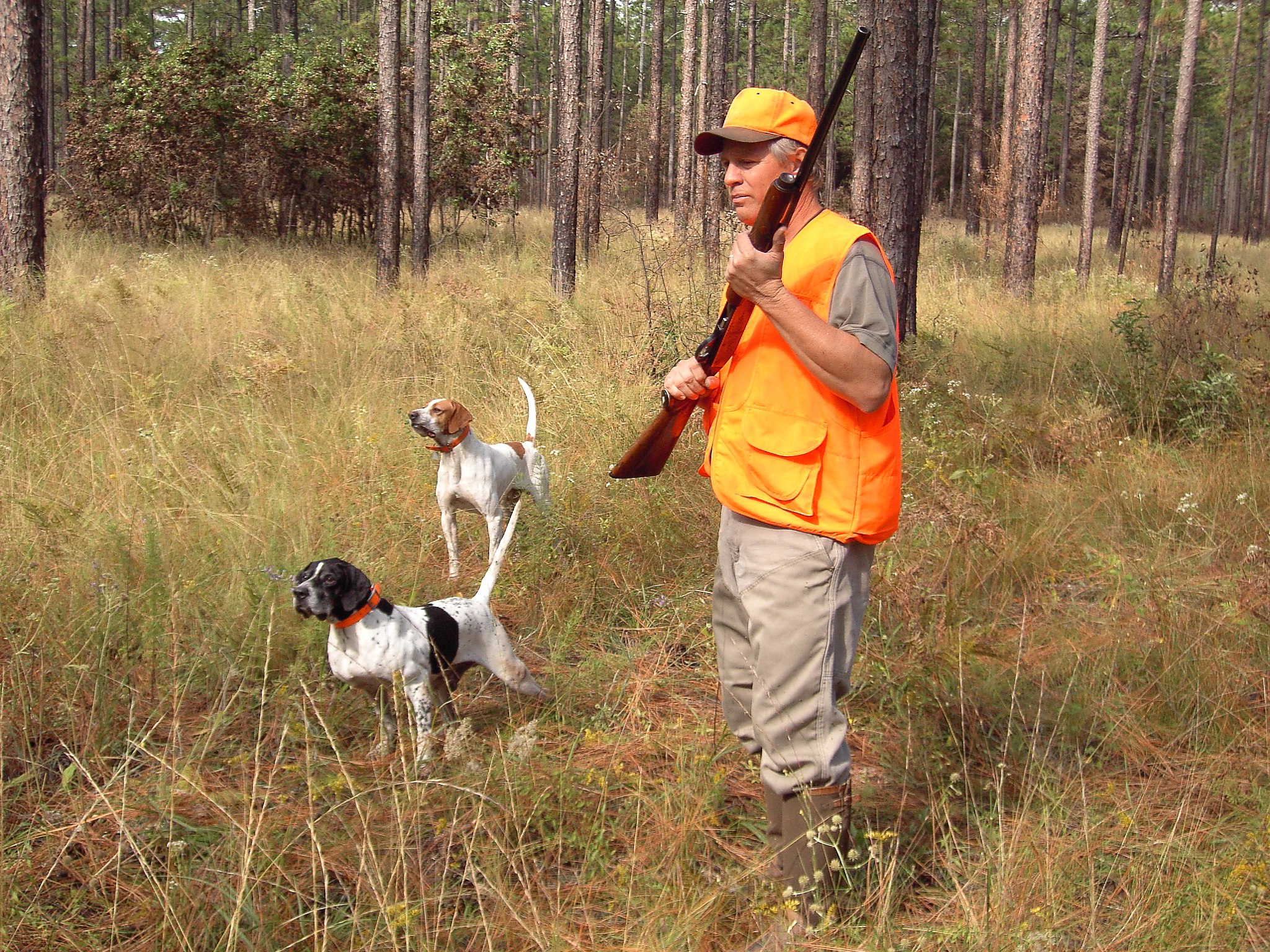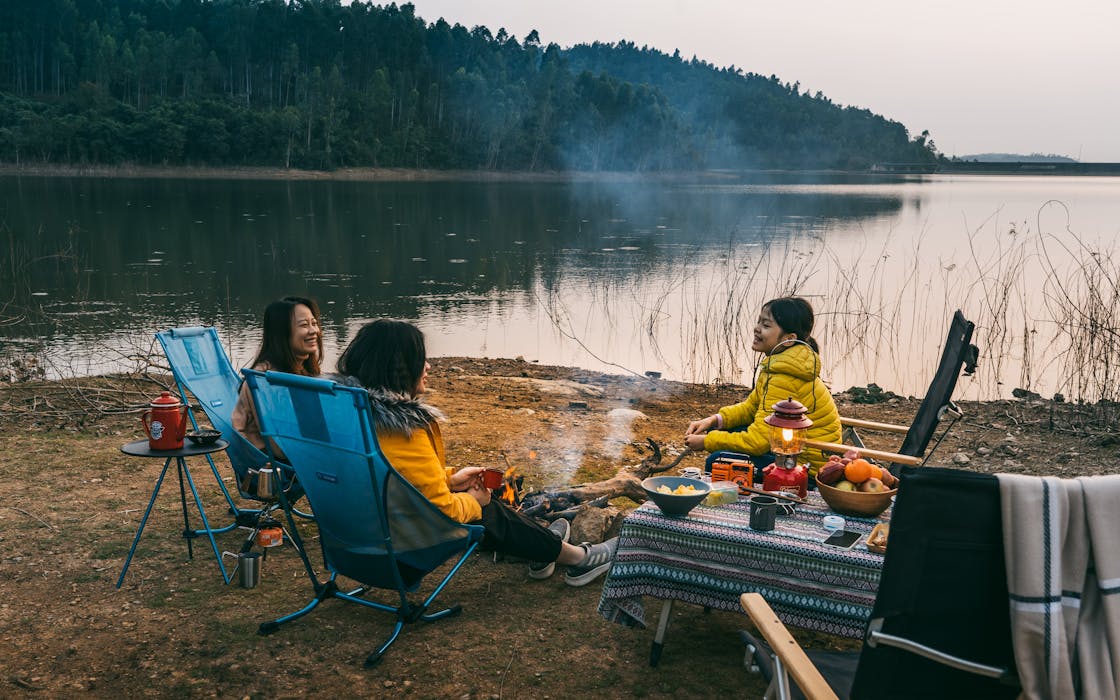
Remote camping offers solitude but comes with significant risks regarding emergency medical access. 7 camping spots where rescue won’t reach you in time highlight the danger of true isolation. Adventurers often underestimate how long it takes for help to arrive in vast wilderness areas. Weather conditions and rugged terrain frequently ground helicopters or delay ground teams for days. Being injured in these locations often means stabilizing the situation alone until professional aid eventually appears. Understanding the logistics of evacuation is critical before packing a bag. This guide explores seven destinations that demand absolute self-reliance and advanced survival skills.
Gates of the Arctic National Park
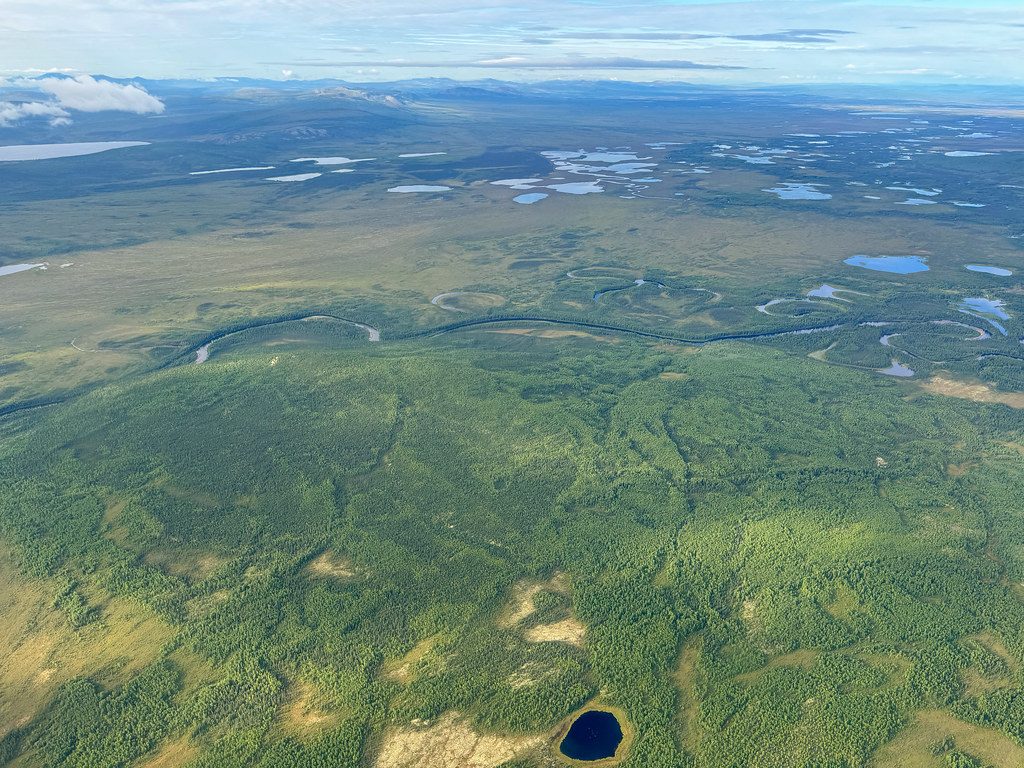
Gates of the Arctic National Park in Alaska is the definition of remote wilderness. No roads lead into this vast park, and visitors must hike or fly in. Severe weather changes rapidly and often grounds bush planes for days at a time. An injury here means waiting indefinitely for the clouds to clear before a rescue is possible. The terrain includes freezing rivers and steep mountains that make ground evacuation physically impossible. Hikers must carry satellite communication devices, but even those cannot control the flying conditions. Survival depends entirely on preparation and the ability to endure.
The Maze District
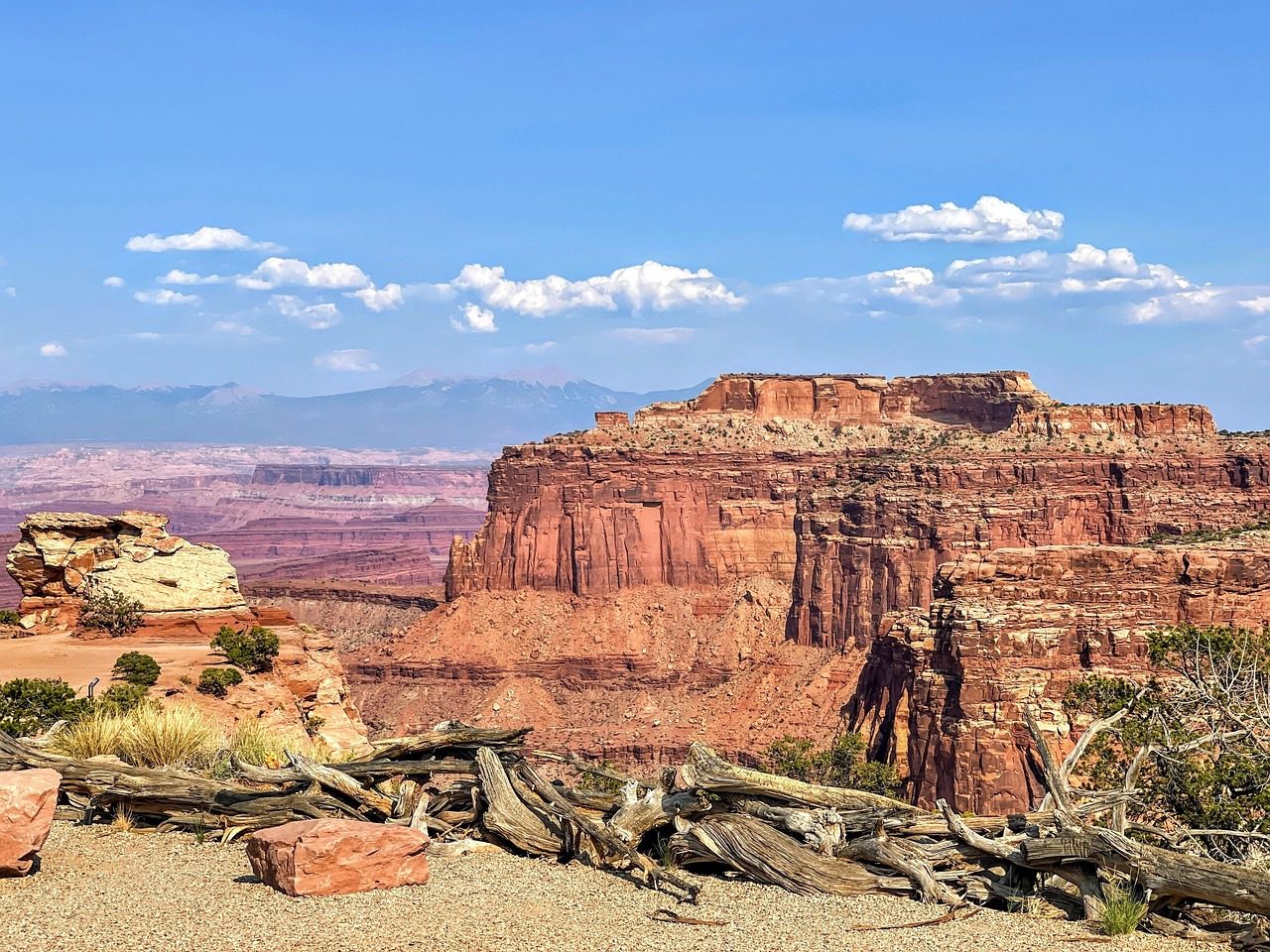
The Maze District in Canyonlands National Park is one of the most inaccessible areas in the contiguous United States. Rangers warn that rescue efforts here can take up to three days to initiate successfully. The landscape consists of twisting canyons and dead ends that confuse even experienced navigators. High temperatures and a lack of water add immediate urgency to any medical emergency. Vehicles require high clearance and often break down miles from the nearest paved road. Solving a crisis in this red rock labyrinth requires calmness and the supplies to survive an extended stay alone without support.
Isle Royale National Park
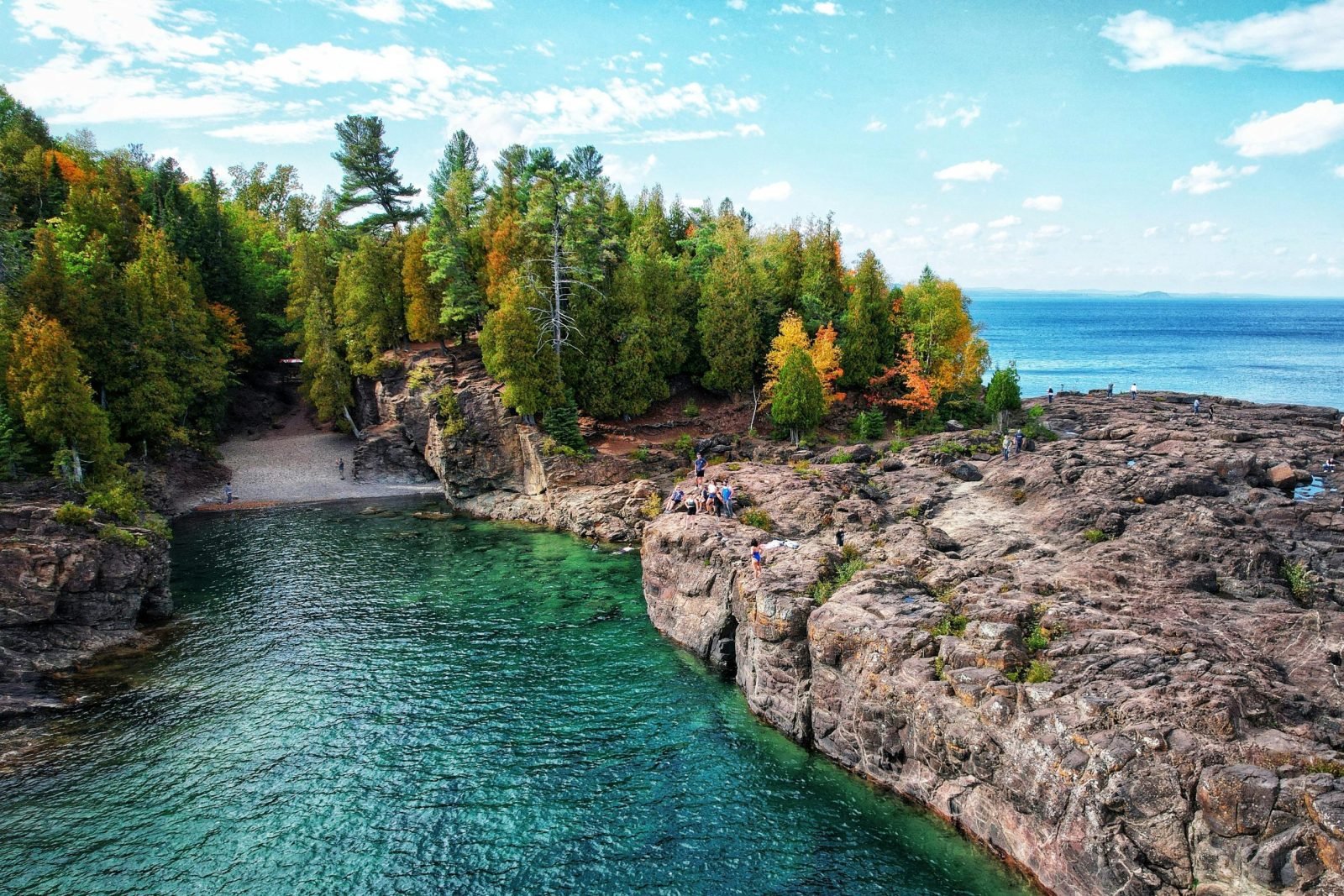
Isle Royale National Park sits isolated in the middle of the unpredictable Lake Superior. Reaching the island requires a ferry or seaplane that operates only when the weather permits safe travel. Storms frequently create waves that prevent any boats from docking or leaving the harbor for days. A camper suffering from a medical issue might find themselves trapped on the island with no way out. The dense forests and rocky trails slow down carrying parties significantly during a ground evacuation. Help is technically available, but the lake ultimately decides when the relief team arrives to provide assistance.
Gila Wilderness
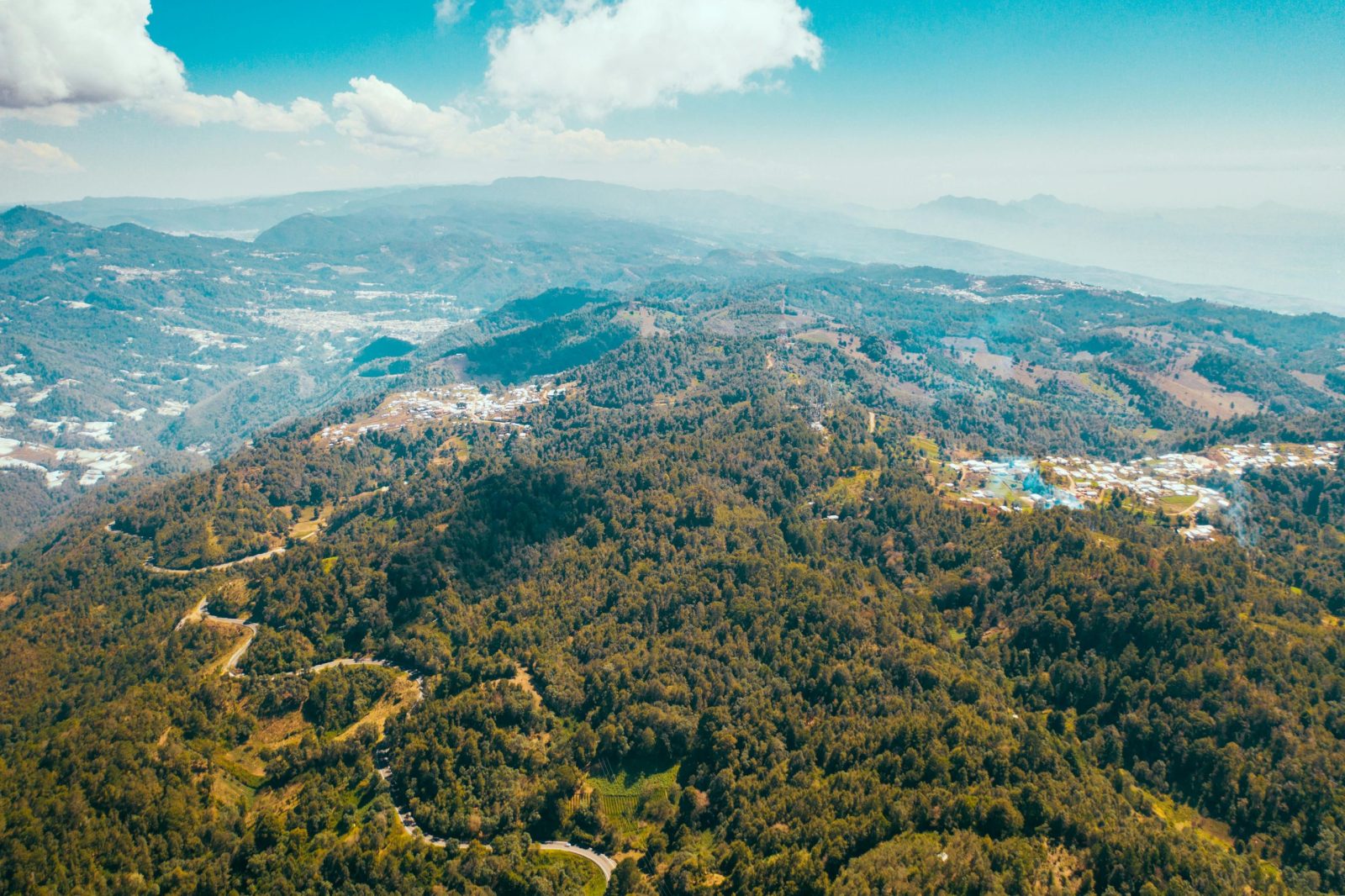
The Gila Wilderness in New Mexico covers a massive expanse of rugged mountains and deep canyons. Cell service is virtually nonexistent throughout the entire region, which makes calling for help extremely difficult. The trails are rough and often washed out by flash floods during the monsoon season. Horseback is often the only way to transport an injured person out of the deep interior. This method is slow and jarring for a patient suffering from broken bones or internal injuries. Visitors must accept that they are stepping back into a time before rapid emergency response existed.
Boundary Waters Canoe Area Wilderness
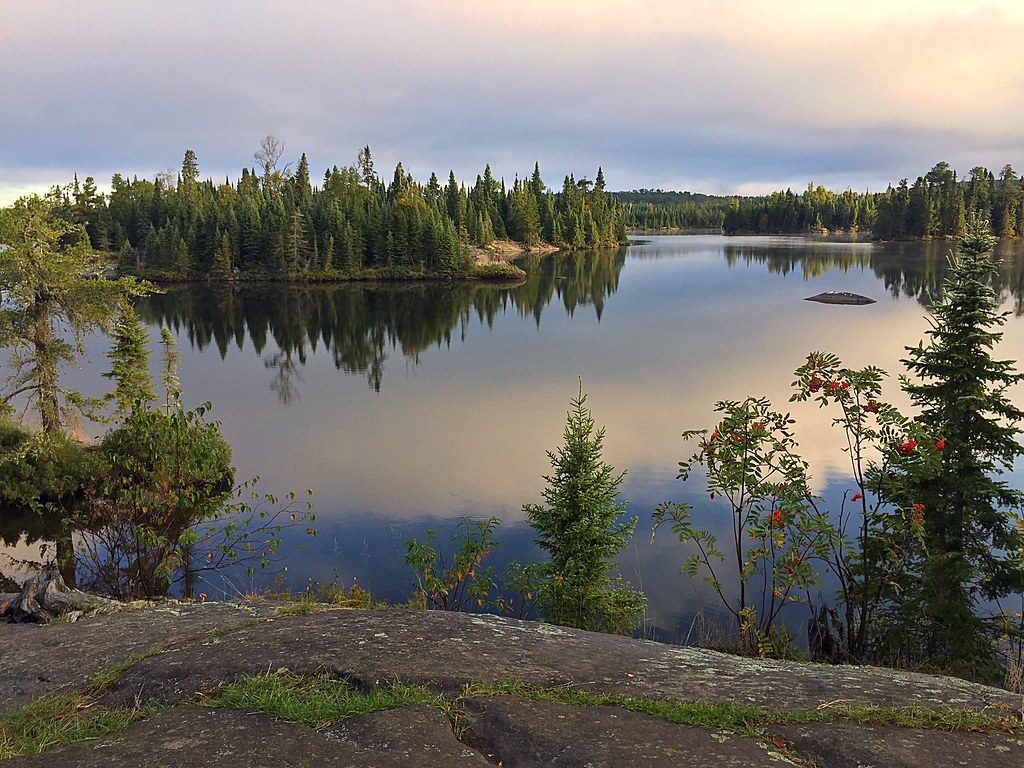
The Boundary Waters Canoe Area Wilderness requires travel by paddle and portage across hundreds of lakes. Evacuating an injured paddler involves carrying them over rough trails between bodies of water repeatedly. This process is exhausting for the rescue team and incredibly slow for the victim in pain. Floatplanes can land on some lakes, but only during daylight hours and good weather conditions. A simple broken arm can turn into a multi-day ordeal involving numerous transfers and hardships. Canoeists must paddle with caution because the journey out is always much harder than the journey in.
Olympic National Park Interior
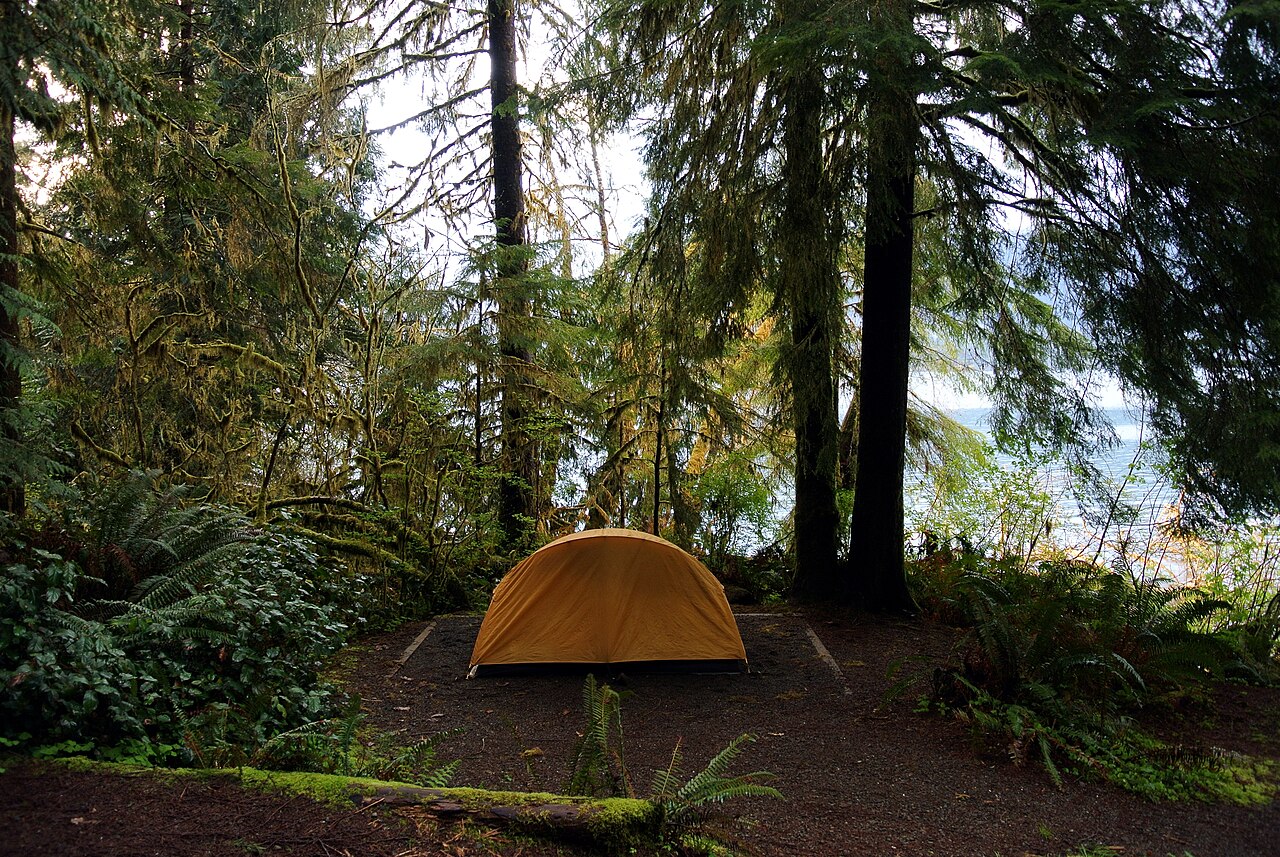
The interior of Olympic National Park features dense temperate rainforests that swallow hikers whole. Massive trees and thick undergrowth block satellite signals and make aerial searching nearly impossible. Low clouds and constant rain frequently prevent helicopters from lowering rescue baskets into the valleys. Ground teams must hike for days to reach remote accident sites near the glaciers. The wet and cold environment increases the risk of hypothermia for anyone immobilized by an injury. Staying dry and warm while waiting for assistance is the primary challenge in this lush but unforgiving Pacific Northwest landscape.
Death Valley Remote Corridors
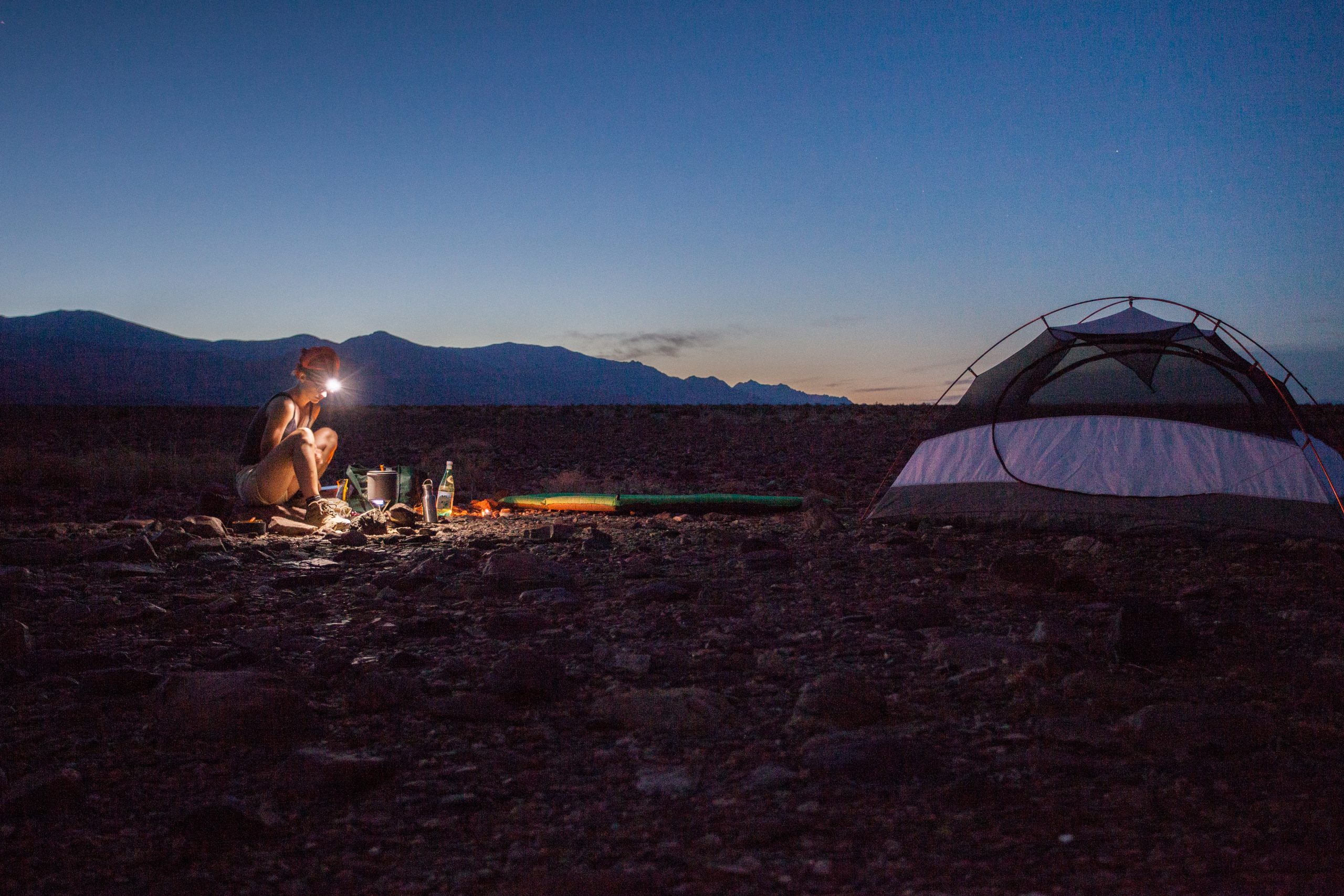
Death Valley National Park contains vast corridors where heat kills faster than any rescue team can drive. A flat tire on a backcountry road in summer can become a fatal incident within hours. Temperatures soar above one hundred and twenty degrees, and cell phones have zero reception. The sheer size of the park means that rangers might be hundreds of miles away on patrol. Walking for help is suicide in the extreme heat, and dehydration sets in rapidly. Survival requires staying with the vehicle and having gallons of extra water stored for emergencies.