Many hunters start a season convinced that a certain rifle caliber will be the perfect match, only to find that reality steps in quickly. Ballistics tables rarely capture how recoil feels after repeated practice, how loud muzzle blast becomes in a light rifle, or how annoying it is to hunt with ammo that is hard to find locally. Price matters too, because expensive boxes can quietly cut range time and shrink confidence when the moment arrives. By the end of the season, many shooters realize that a cartridge looked great in theory but proved inconvenient, uncomfortable, or unnecessary in the field.
.300 Remington Ultra Magnum
Big velocity and long-range energy make the .300 Remington Ultra Magnum sound irresistible, but daily use can bring second thoughts. Recoil can feel abrupt in common hunting-weight rifles, and the blast is often intense enough to make practice sessions shorter than planned. Many setups benefit from extra rifle weight or a muzzle brake, which adds bulk, noise, or complexity on a hunt. Factory ammunition also costs more than mainstream .30-caliber choices, and local shelves may not offer many loads. After one season, a more balanced cartridge often feels like the smarter, easier companion.
7mm Remington Magnum
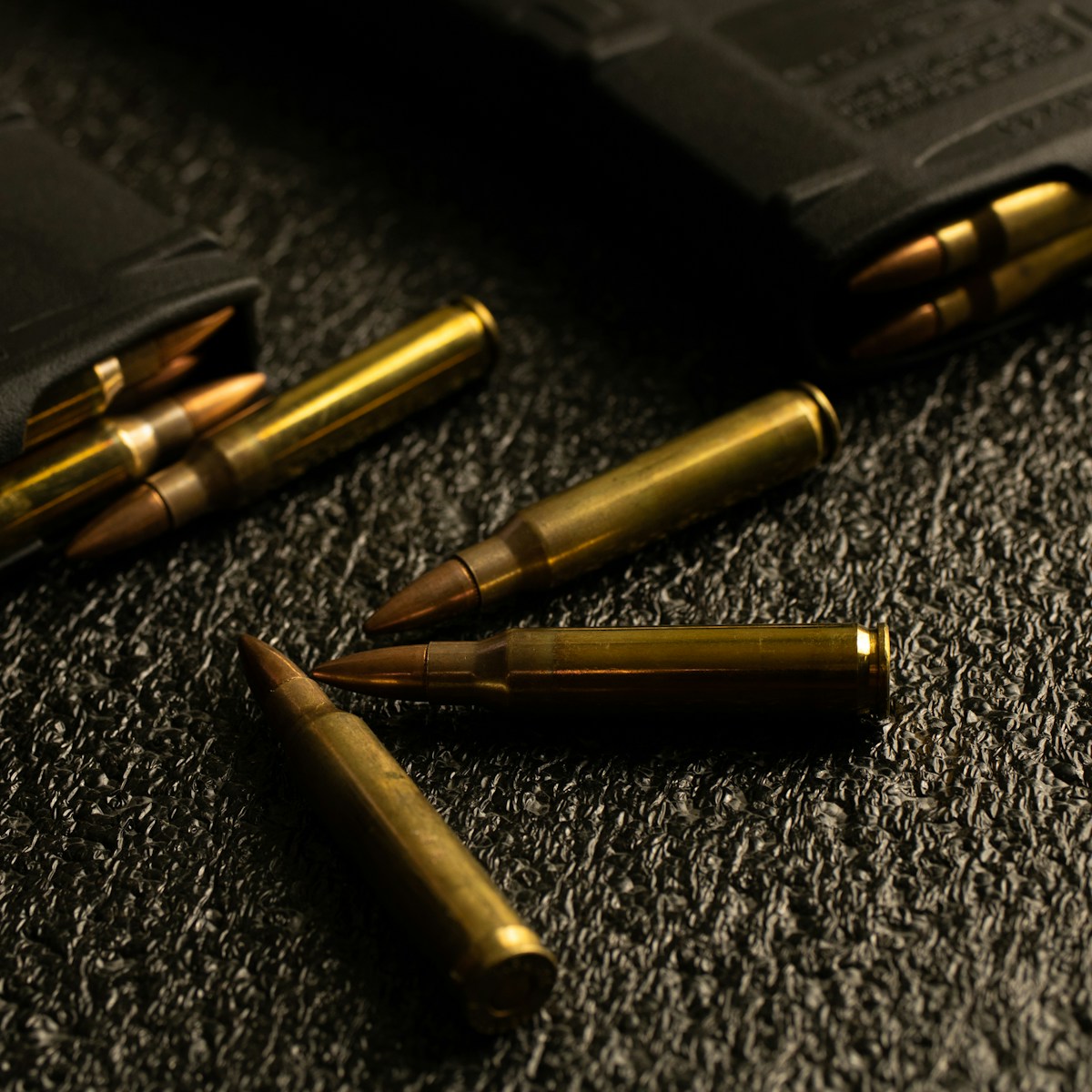
The 7mm Remington Magnum remains popular for its flatter trajectory and solid downrange performance, yet not everyone enjoys living with a magnum for a full year. Lighter rifles can magnify recoil and make the report seem harsh, especially during frequent range days. Magnum cartridges also burn more powder, which can accelerate barrel wear for high-volume shooters. Store selection exists, but prices for premium hunting loads often exceed standard deer rounds, and that can discourage practice. When comfort and cost start driving decisions, many hunters step down to a calmer option.
.338 Winchester Magnum
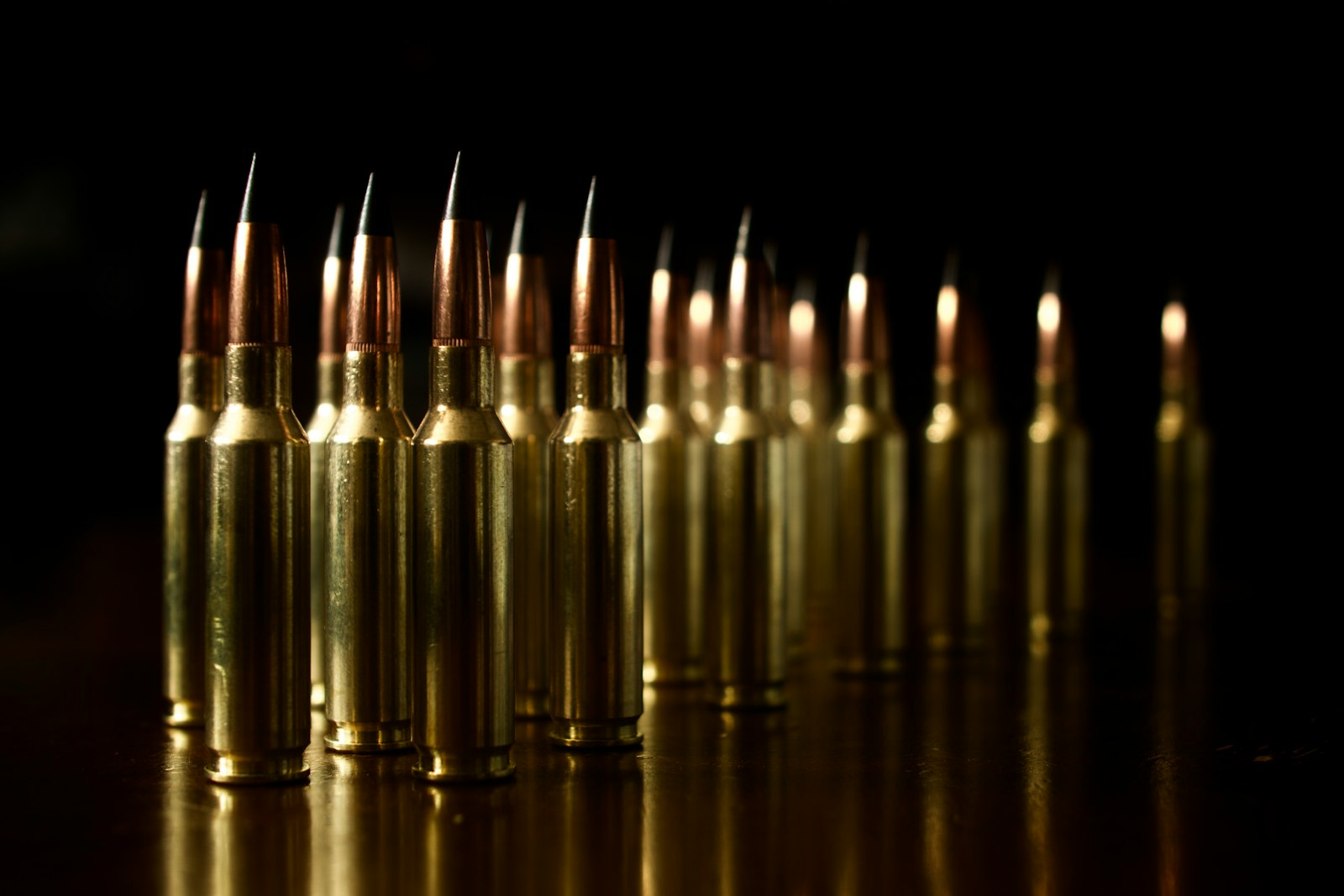
The .338 Winchester Magnum has a strong reputation for big game, but it can feel like overkill for many seasons focused on deer-sized animals. Heavy recoil can encourage flinching, which hurts field accuracy more than extra energy helps. Rifles chambered for .338 often run heavier to tame that kick, and the added weight becomes noticeable on long carries. Ammunition is typically pricier and less varied than common hunting calibers, creating extra planning for trips. After one season, many hunters prefer a cartridge that stays effective while remaining pleasant to shoot.
.350 Legend
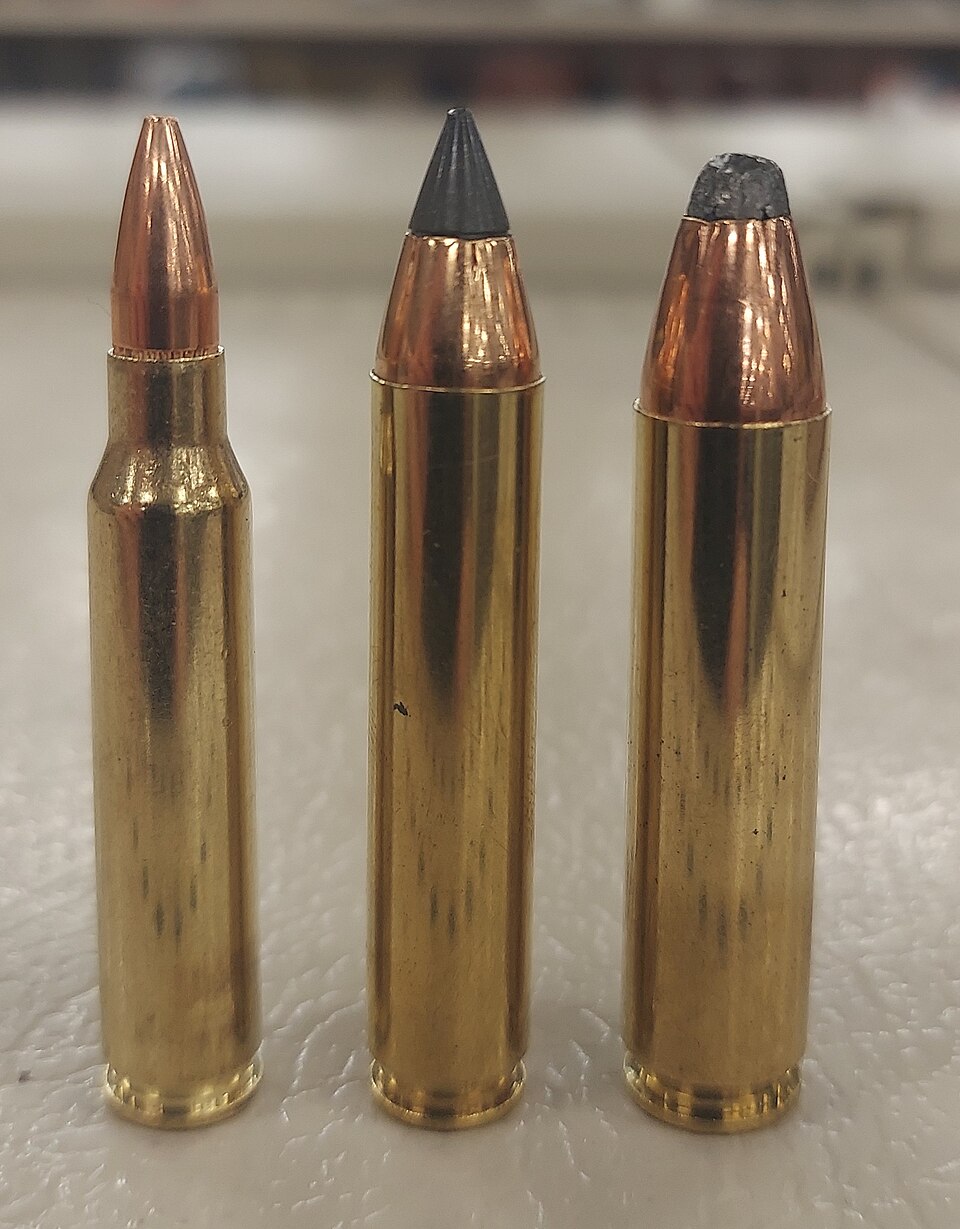
The .350 Legend can be a practical choice in straight-wall states, but its specialized role can feel restrictive once hunting expands. Effective ranges are usually shorter than what bottleneck deer cartridges offer, and trajectory management can become more demanding as distance grows. Travel between regions also complicates ownership, since regulations and typical terrain vary widely. Ammunition availability depends heavily on local demand, and some stores carry only a narrow selection. After a season of juggling range limits and supply, many hunters trade toward a more universal deer caliber that works across more places and conditions.
.224 Valkyrie
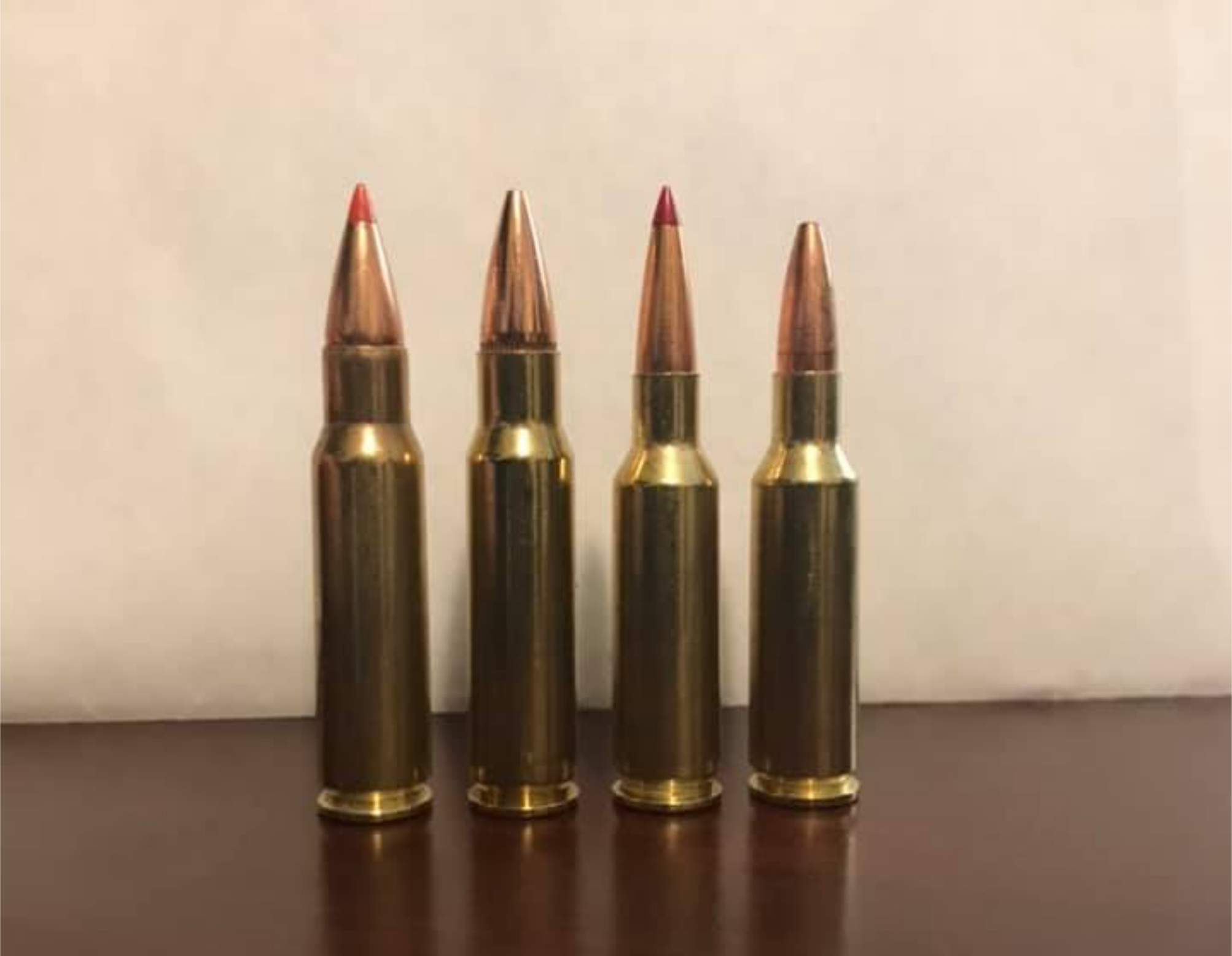
AR-platform hunters often eye the .224 Valkyrie for mild recoil and reach, yet field use can reveal limitations for general hunting. Bullet diameter and typical weights place more pressure on precise shot placement, especially on larger animals where legal. Wind calls and load choice matter, and inconsistent ammunition availability can make tuning and resupply frustrating. Many shops stock fewer Valkyrie loads than more established cartridges, which becomes obvious during travel or busy seasons. After one year, a lot of hunters return to simpler, widely supported options that offer broader hunting flexibility.
.204 Ruger
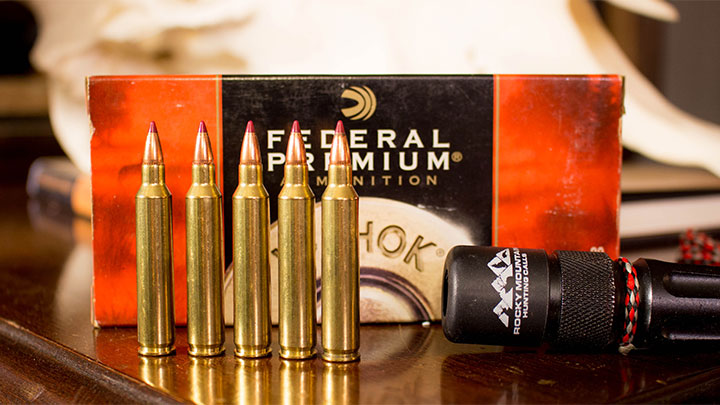
Varmint hunters love the .204 Ruger for speed and low recoil, but it often fails the all-season, one-rifle test. Lightweight bullets can drift more in the wind, and performance depends heavily on realistic distances and bullet design. Legal restrictions in many areas limit its usefulness for deer hunting, so it can become a single-purpose tool rather than a do-it-all choice. Ammo can be less common than .223 Remington on store shelves, creating problems during last-minute prep. After one season, many hunters consolidate into a more versatile predator-and-deer caliber.
6.5 PRC
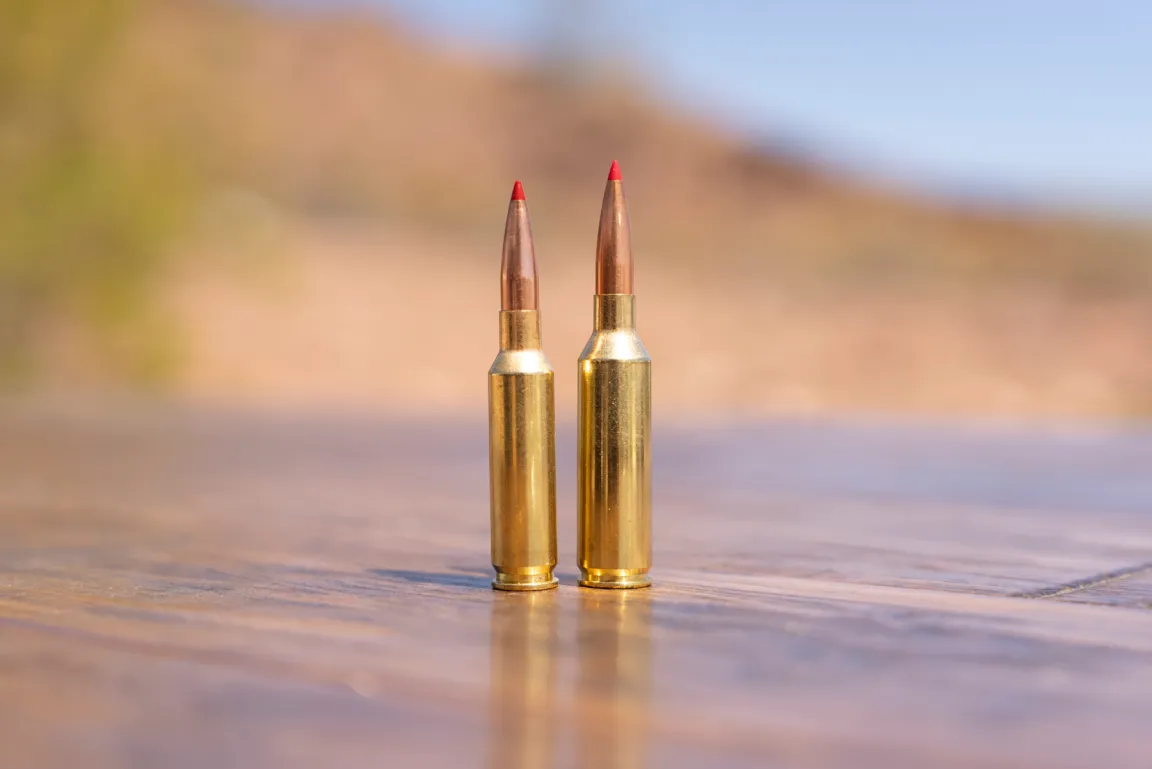
The 6.5 PRC offers modern long-range performance, but practical ownership can feel expensive and unnecessary for typical hunting distances. Factory ammunition costs often run higher than classic choices, and that can reduce practice time or limit experimentation across loads. Availability varies by region, so quick restocks are not always reliable during peak season. Recoil is not extreme, yet it still exceeds softer cartridges that encourage longer training sessions without fatigue. After one season of budgeting, planning, and comparing results, many hunters settle into cheaper, easier-to-find chamberings that deliver dependable performance.