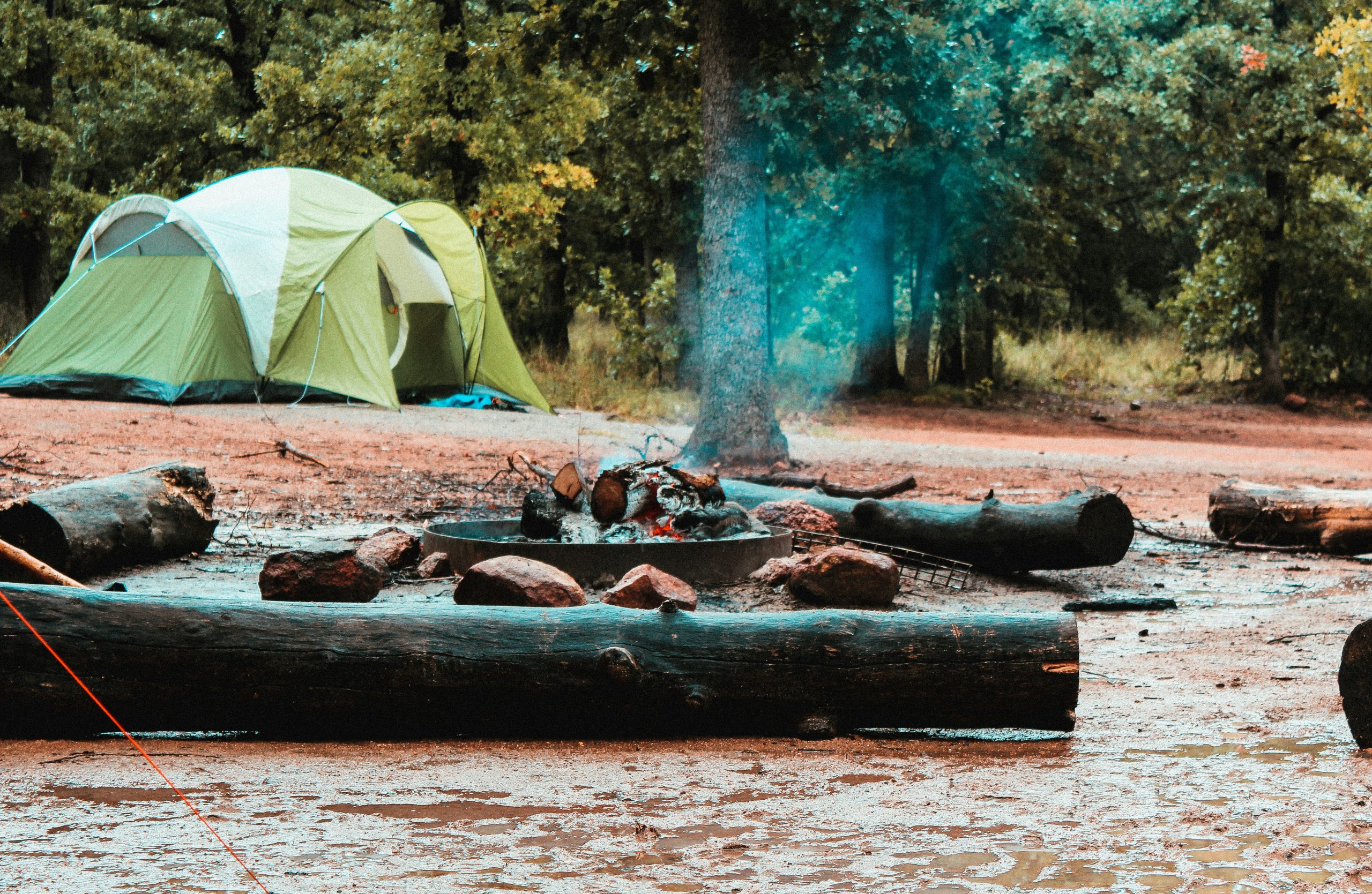
Bushcraft rewards patience, foresight, and restraint more than bold action. Early decisions shape what remains possible later, especially when resources thin and conditions change. Choices that feel efficient can quietly close doors, limiting shelter, food, mobility, or safety. Many constraints appear only after time passes, when reversal becomes costly or impossible. Understanding which decisions restrict future flexibility helps maintain options. Thoughtful planning preserves adaptability and reduces regret. These seven bushcraft decisions commonly narrow possibilities, turning short term convenience into long term constraint, and demonstrating how survival success depends on protecting options while solving immediate problems.
Overharvesting Local Resources
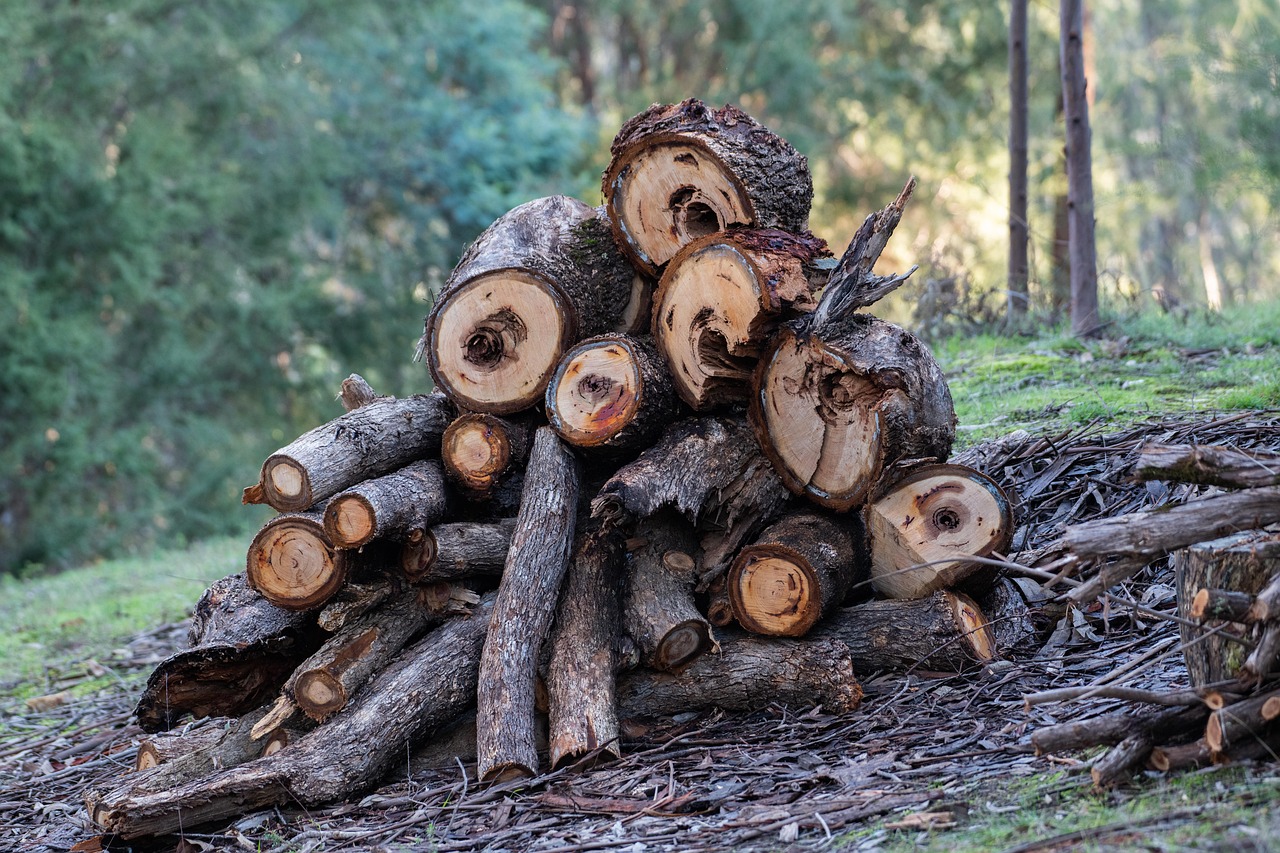
Overharvesting local resources limits future options quickly. Cutting too much firewood depletes nearby supplies and forces longer travel later. Taking excessive plants or game reduces regeneration. Heavy impact draws attention and alters animal behavior. Wasteful harvesting also damages ecosystems relied upon for days or weeks. Early restraint preserves availability and flexibility. Gathering only what is needed maintains renewable cycles. Overuse creates scarcity where abundance once existed. Bushcraft favors measured collection over maximum extraction. Decisions made early determine whether the landscape continues supporting shelter, warmth, and food, or becomes exhausted and unreliable when needs increase unexpectedly.
Building Permanent Shelter Too Early
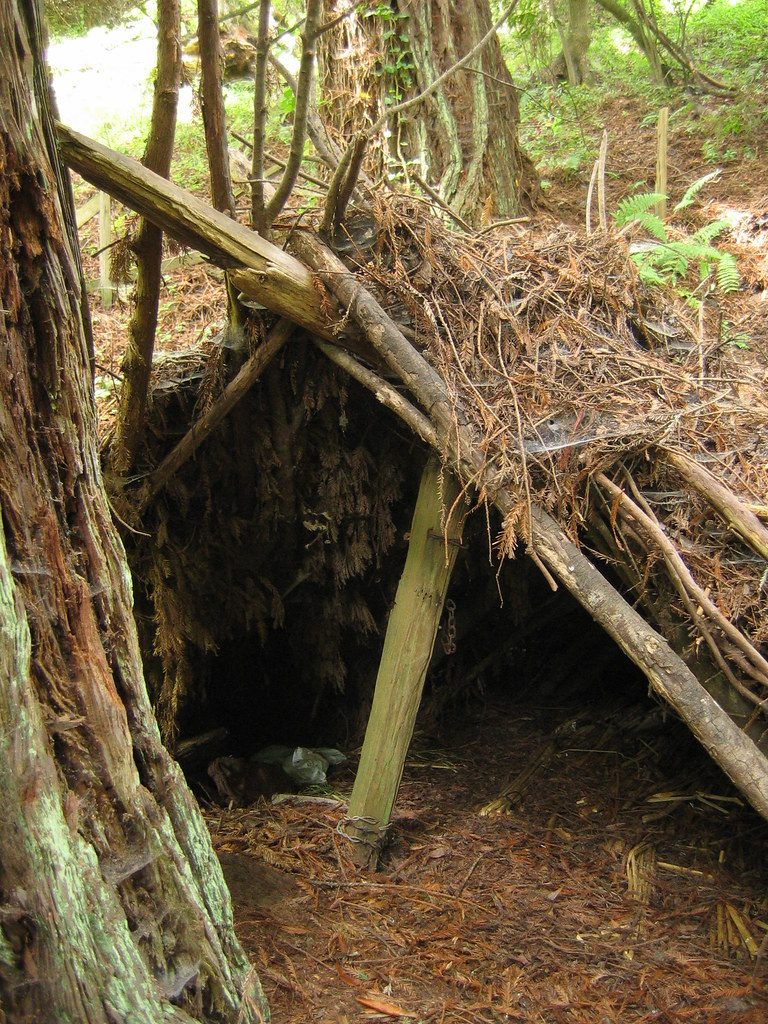
Building a permanent shelter too early can restrict movement and adaptability. Investing heavy labor commits time and energy before understanding terrain fully. Locations may flood, funnel wind, or lack resources. Early permanence discourages relocation when conditions change. Materials become locked into one spot. Flexibility declines as attachment grows. Temporary shelters allow reassessment and movement. Waiting reveals patterns of weather, wildlife, and water. Bushcraft rewards gradual commitment. Choosing permanence prematurely narrows future options, making it harder to respond to seasonal shifts, threats, or opportunities, and increasing risk if the chosen site proves unsuitable after familiarity develops.
Consuming Emergency Supplies Immediately
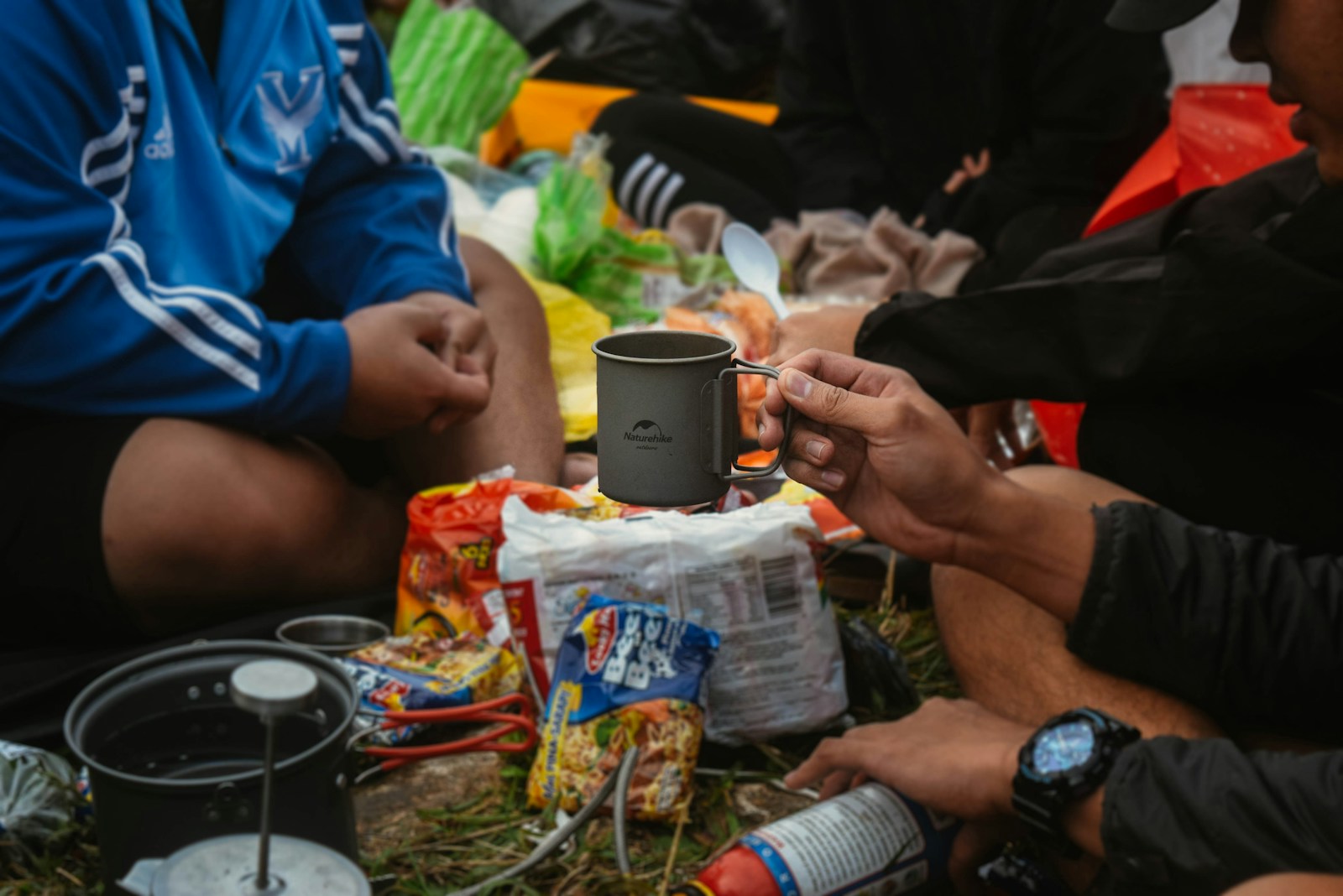
Consuming emergency supplies immediately limits future resilience. Rations eaten early remove buffers against uncertainty. Appetite and comfort can override planning. Early abundance creates false security. Once supplies diminish, stress increases and decisions worsen. Stretching resources extends options and time. Pacing consumption allows adaptation if rescue delays occur. Emergency gear exists for later crises, not initial comfort. Bushcraft emphasizes rationing and foresight. Using reserves too soon narrows choices, forcing riskier foraging or movement later, when energy drops and conditions worsen, reducing the ability to respond calmly and creatively to changing survival demands over extended uncertain periods.
Overusing Firewood Early
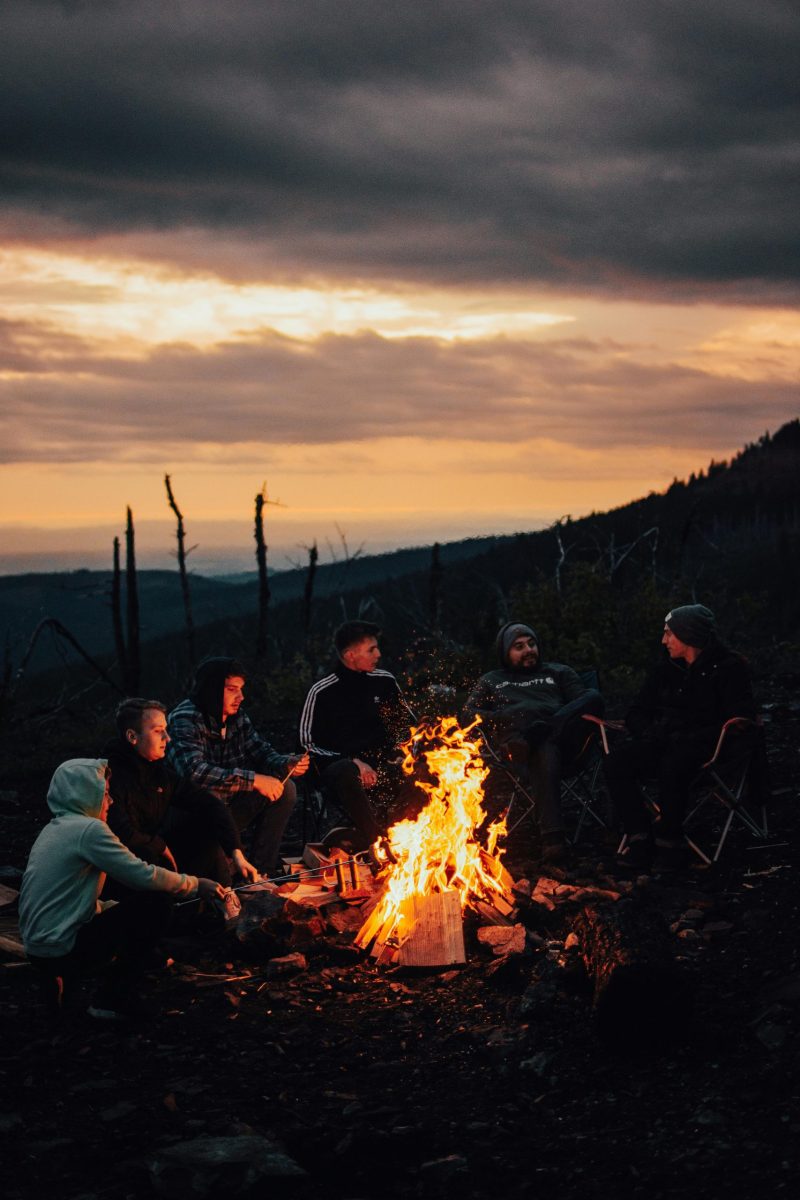
Overusing firewood early reduces future warmth and security. Large fires feel comforting but consume fuel rapidly. Nearby deadwood disappears quickly. Longer collection trips increase exposure and fatigue. Nighttime cold becomes harder to manage. Smaller controlled fires preserve resources. Fire also signals presence. Early extravagance limits later concealment and endurance. Bushcraft values efficiency over display. Managing fire size and frequency protects options. Burning too much too soon forces difficult tradeoffs later, when weather worsens or injury limits mobility, leaving fewer choices for heat, cooking, and signaling when conditions become less forgiving during prolonged unexpected survival scenarios.
Ignoring Footwear Preservation

Ignoring footwear preservation limits travel options dramatically. Boots and shoes degrade faster than expected. Wetness, abrasion, and heat break materials down. Early neglect leads to blisters and injury. Repair becomes harder as damage spreads. Without functional footwear, movement slows or stops. Preserving soles, seams, and dryness maintains mobility. Bushcraft requires protecting critical gear continuously. Waiting to address wear narrows escape routes and resource access. Small maintenance actions early preserve long term options, while delayed care forces painful decisions between immobility, exposure, and increased risk during necessary movement across rough terrain in prolonged survival situations.
Revealing Position Unnecessarily
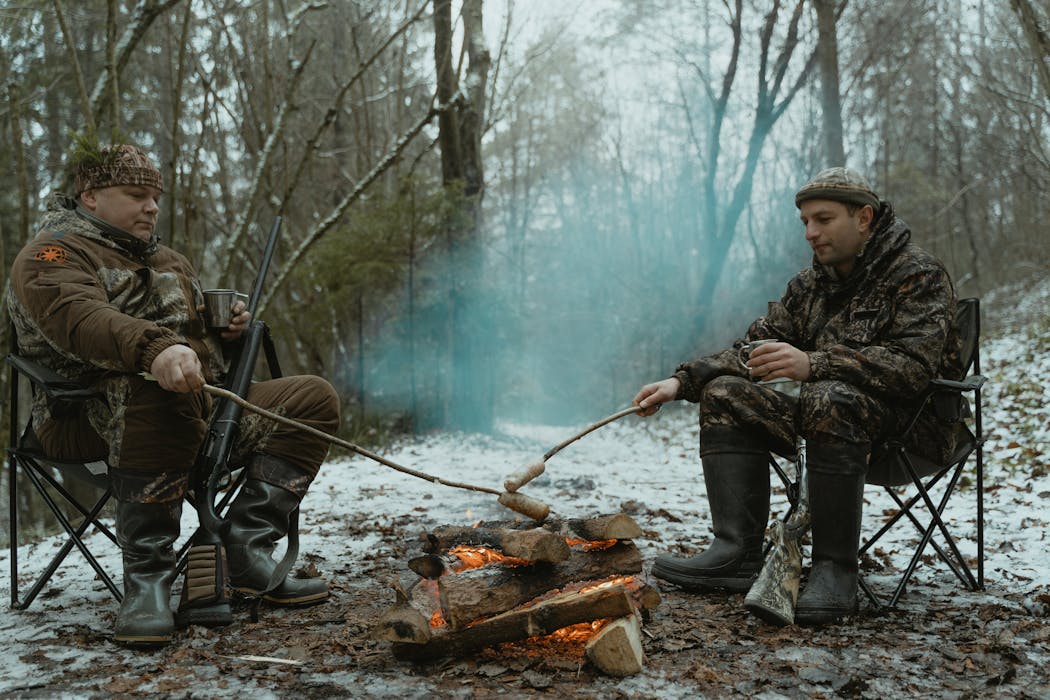
Revealing position unnecessarily limits safety and future choices. Loud noise, smoke, and visible trails attract attention. Attention may come from rescuers or threats. Early exposure reduces concealment options later. Movement becomes constrained by observation. Remaining discreet preserves control. Bushcraft often favors low profile actions. Waiting to signal selectively improves outcomes. Broadcasting presence too soon commits to outside responses. Once seen, relocation becomes harder. Unnecessary signaling early reduces autonomy, forcing reactions to others rather than maintaining flexibility, especially when intentions of observers remain unknown and environmental cover is limited or disappearing over time under harsh conditions.
Using One Resource For Multiple Needs
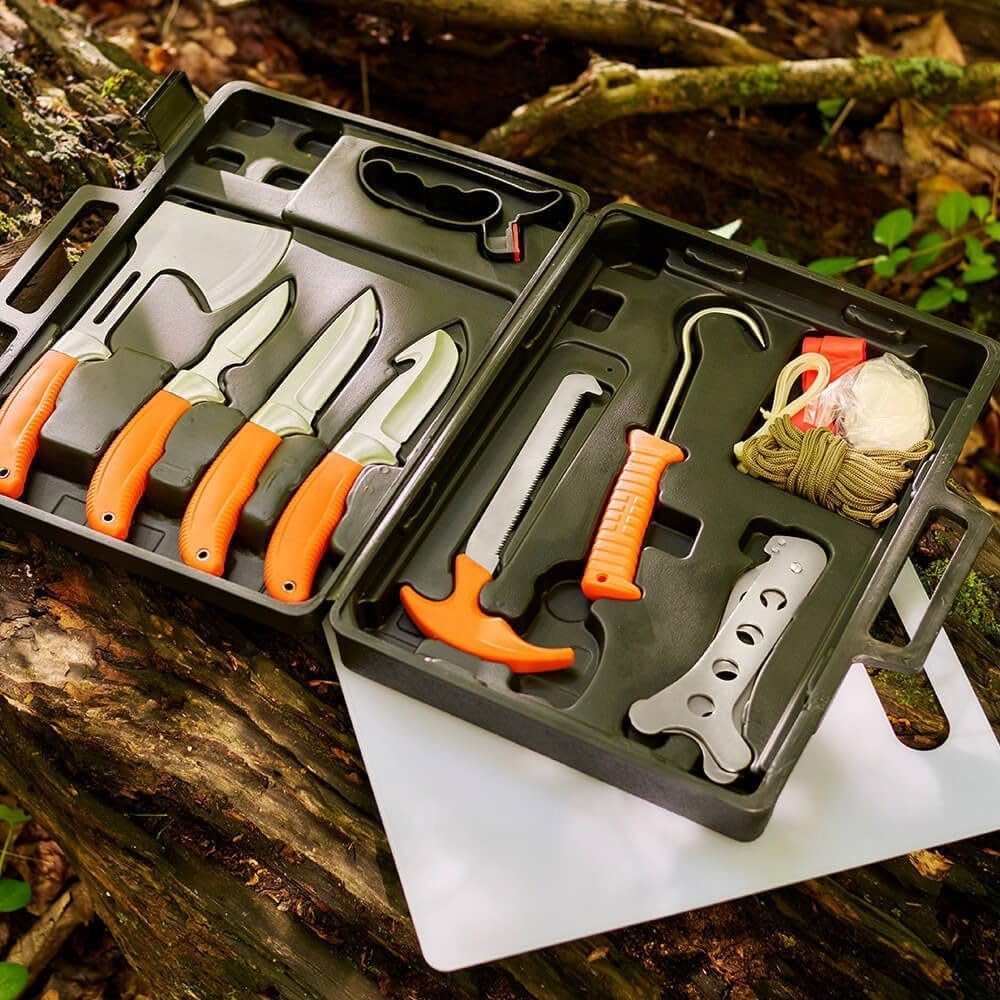
Using one resource for multiple needs limits adaptability. A single tool or material assigned many roles wears quickly. Failure removes several capabilities at once. Early overuse accelerates breakage. Redundancy protects options. Bushcraft encourages diversified solutions. Saving primary tools preserves backups. Relying on one resource increases risk exposure. Once lost or damaged, recovery becomes difficult. Spreading tasks across materials extends longevity. Early consolidation feels efficient but creates vulnerability later, when repairs are harder and substitutes unavailable, narrowing responses to changing challenges and increasing dependence on fragile systems instead of resilient layered approaches during extended unpredictable periods.