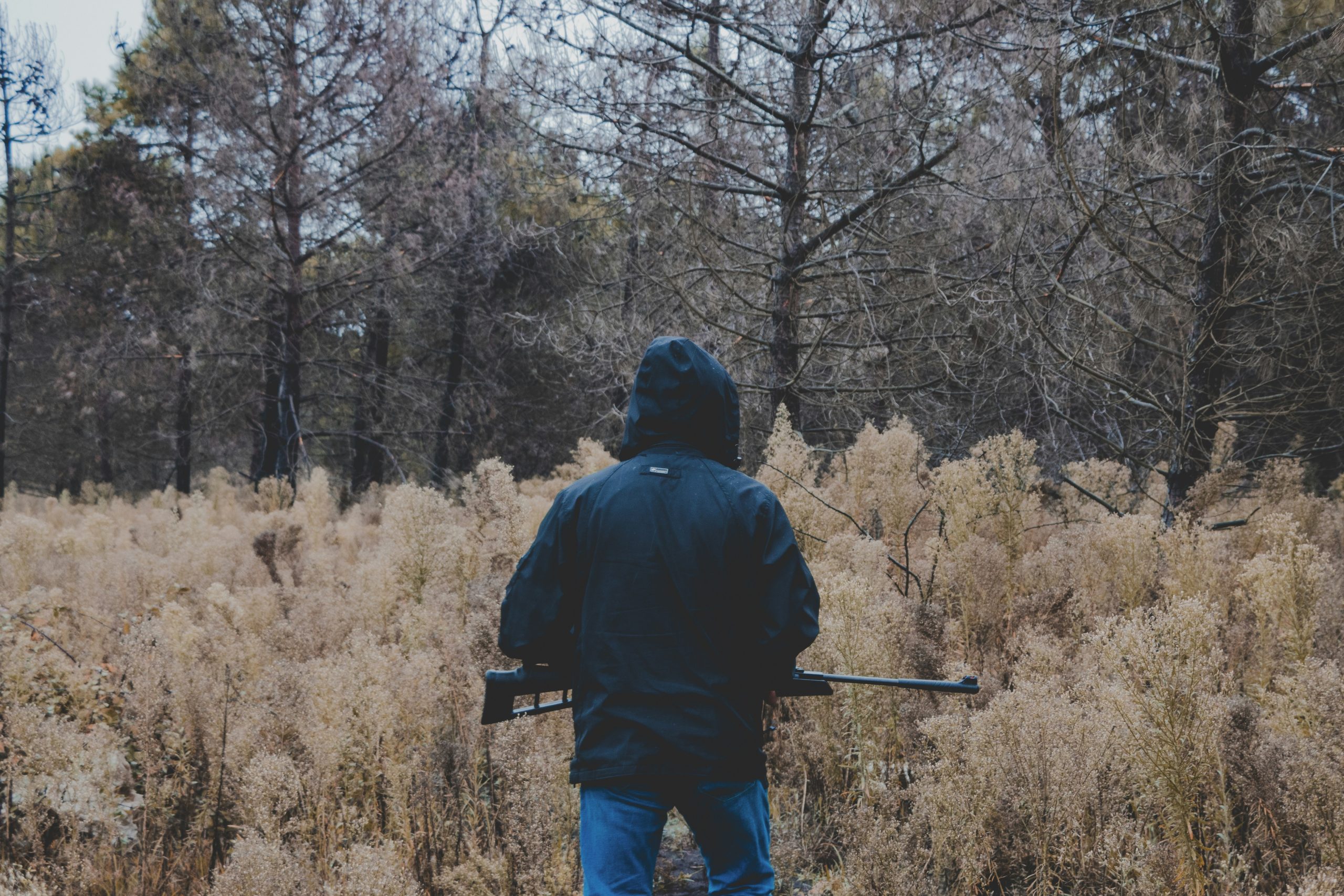
Bowhunting in Pennsylvania becomes more rewarding when the landscape offers quiet trails, healthy wildlife populations, and a mix of dense cover and open pockets that support clear visibility. Many of the state’s forests create ideal settings where patience, skill, and timing work together naturally. Rolling hills, tall hardwoods, and cool valleys shape each region with its own sense of rhythm and charm. With thoughtful planning, time spent in these wooded areas develops into a comfortable and satisfying outdoor experience.
Allegheny National Forest
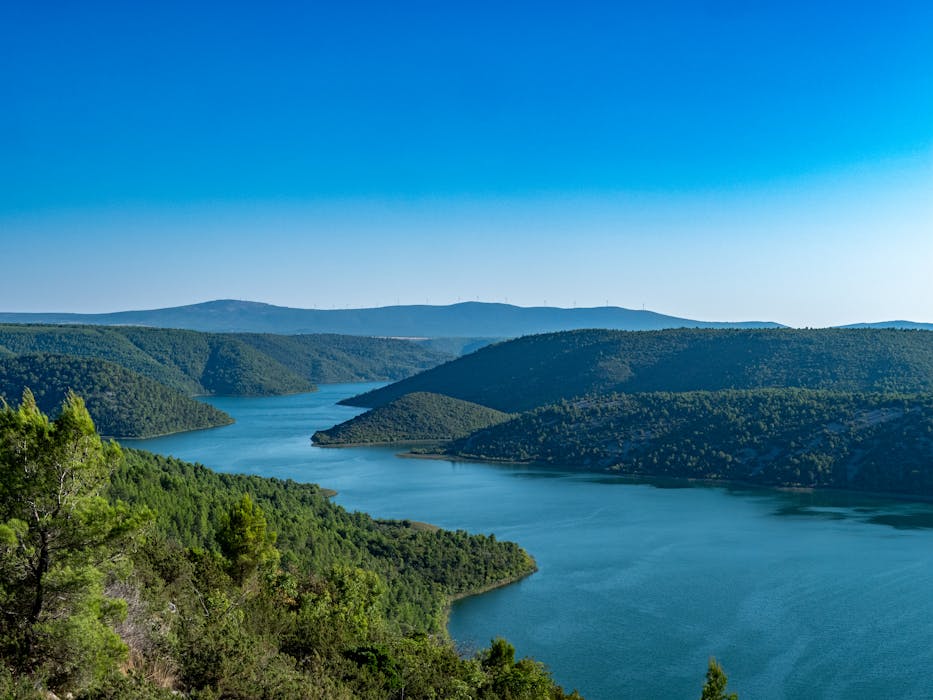
Allegheny National Forest delivers wide stretches of hardwoods and evergreens that support steady wildlife movement throughout the season. Trails weave through ridges, valleys, and quiet pockets where game often settles during cooler hours of the day. Rich food sources scattered across the forest help guide decisions on where to focus attention. Long, uninterrupted expanses create a peaceful atmosphere that encourages slow pacing and careful observation from one section to the next.
Rothrock State Forest
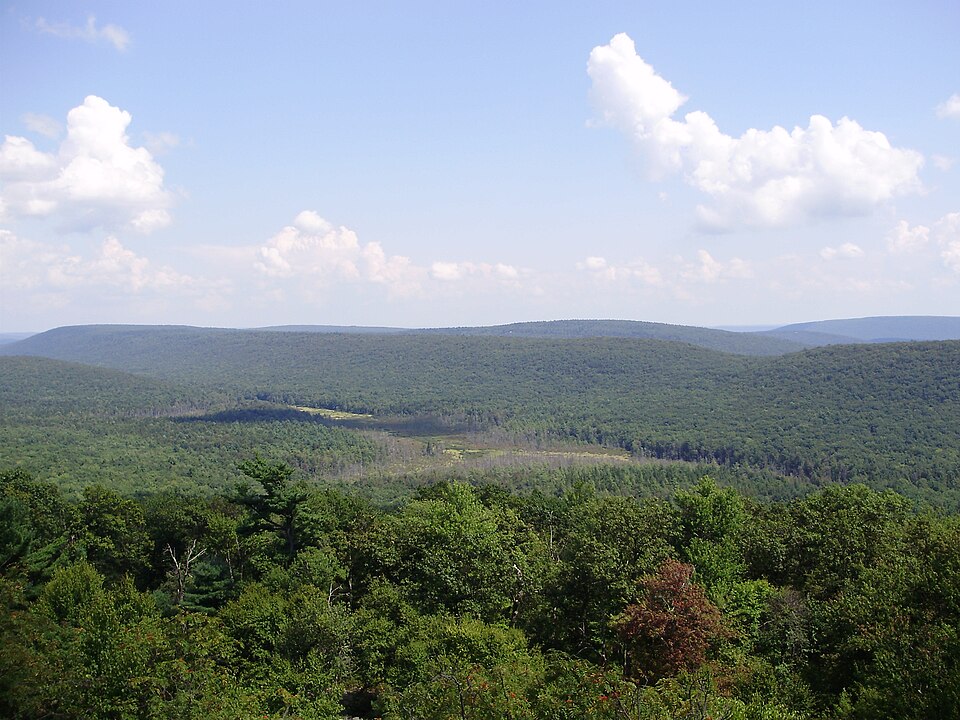
Rothrock State Forest features rolling hills, rocky overlooks, and dense tree lines that create dependable cover for deer and other game. The varied elevation shifts offer natural vantage points that make morning and evening scouting more productive. Oak stands, brushy edges, and narrow corridors reveal subtle movement patterns hidden within the landscape. With each new turn, the forest presents different terrain that rewards careful positioning and steady patience.
Bald Eagle State Forest
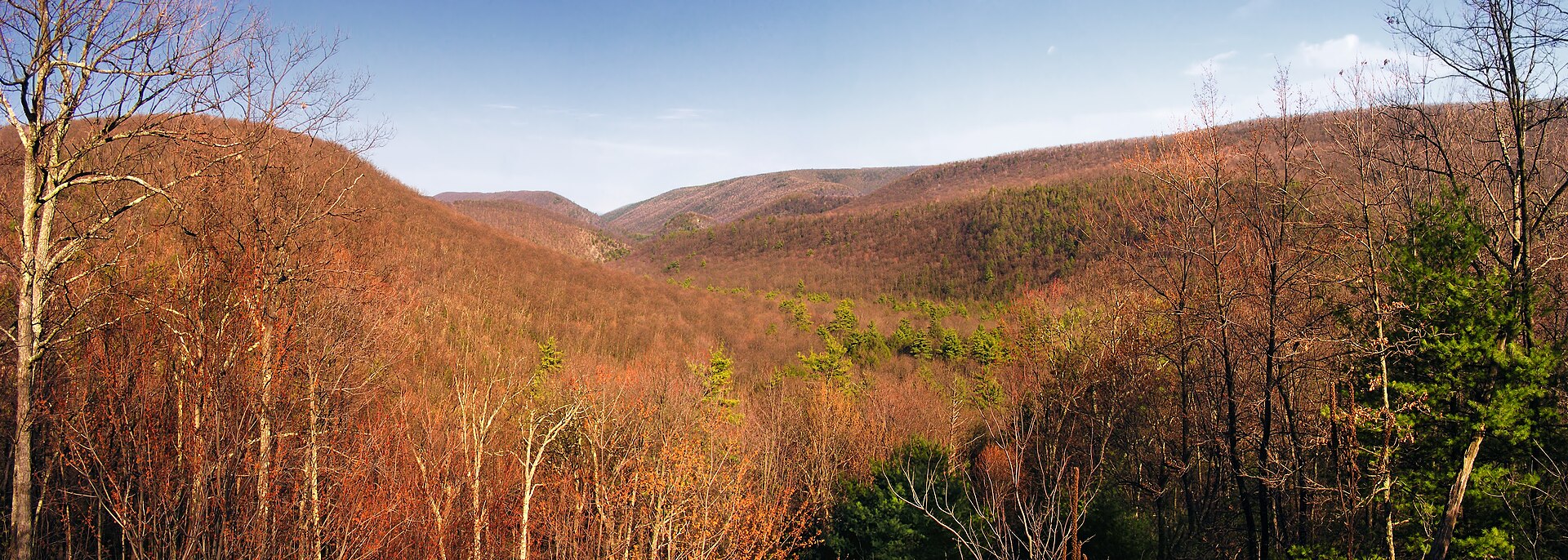
Bald Eagle State Forest brings thick woodlands, long ridges, and rugged slopes that appeal to those who favor challenging terrain. Game often follows the natural contours of the forest, making predictable pathways that can be read with accuracy. Small openings appear between clusters of pine and hardwood, offering brief yet valuable visibility. The quiet character of this region creates an environment where focus stays sharp and uninterrupted during long hours outdoors.
Michaux State Forest
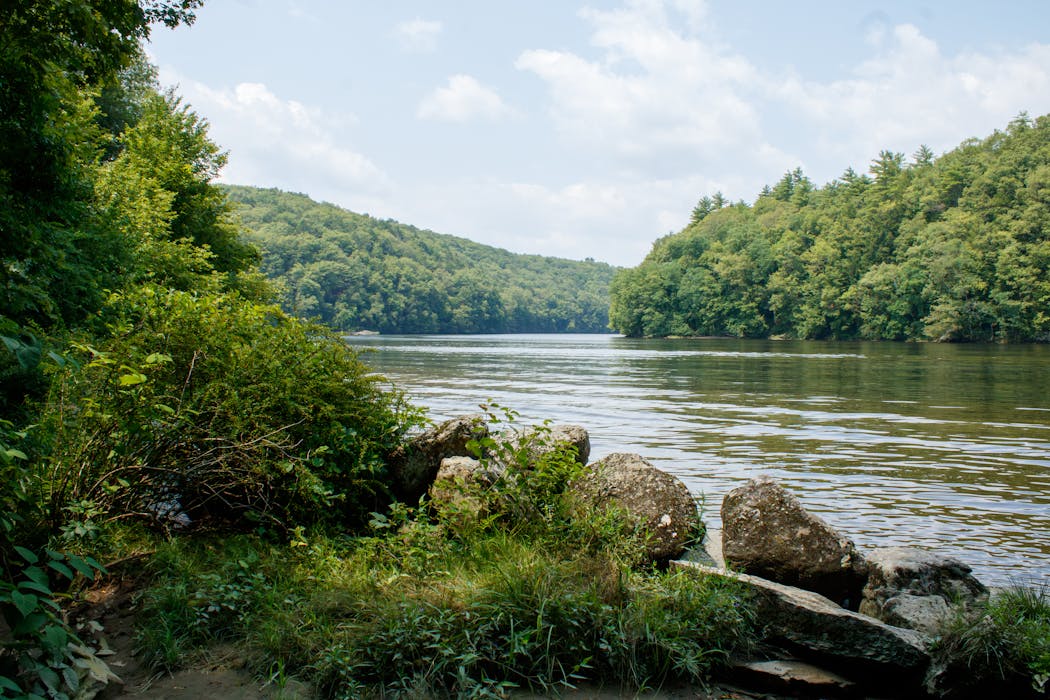
Michaux State Forest combines hemlock groves, oak ridges, and stream-fed hollows to form a rich and varied habitat. Gentle trails wind through shaded corridors that allow for quiet movement without disturbing nearby wildlife. Breaks in the canopy create occasional lookout points that help track early morning or late day activity. Subtle transitions across the land make it easy to shift strategies naturally as conditions change throughout the day.
Tiadaghton State Forest
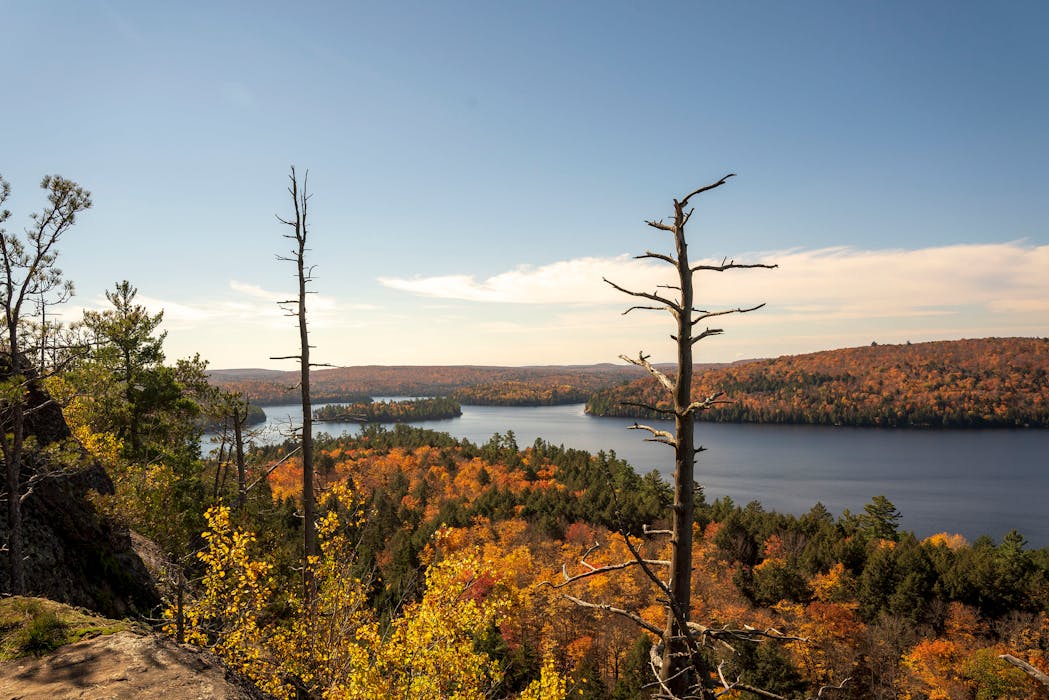
Tiadaghton State Forest offers sweeping plateaus, broad vistas, and hidden pockets of dense cover that attract deer seeking food and shelter. The forest’s blend of new growth and established timber creates clear indicators of recent movement. Well-worn game paths lead into secluded hollows where natural resources remain plentiful. With rolling terrain and long stretches of quiet woodland, this region provides an environment that feels remote yet approachable for extended exploration.
Loyalsock State Forest
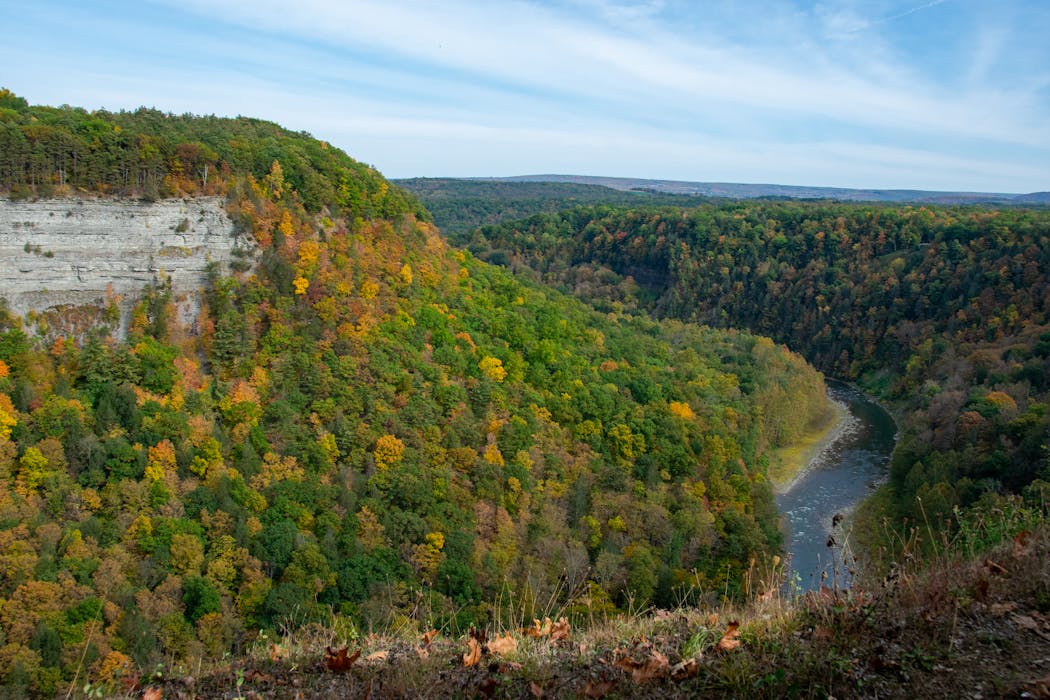
Loyalsock State Forest showcases fern-covered valleys, flowing creeks, and steep ridges that support consistent wildlife presence. The layered canopy creates a balance of visibility and shelter, making it easier to spot subtle signs of activity along the slopes. Overlooks near higher elevations reveal broad views of movement across the forest floor. With its calm pathways and diverse plant life, Loyalsock encourages a patient and attentive rhythm that complements quiet outdoor pursuits.
Susquehannock State Forest
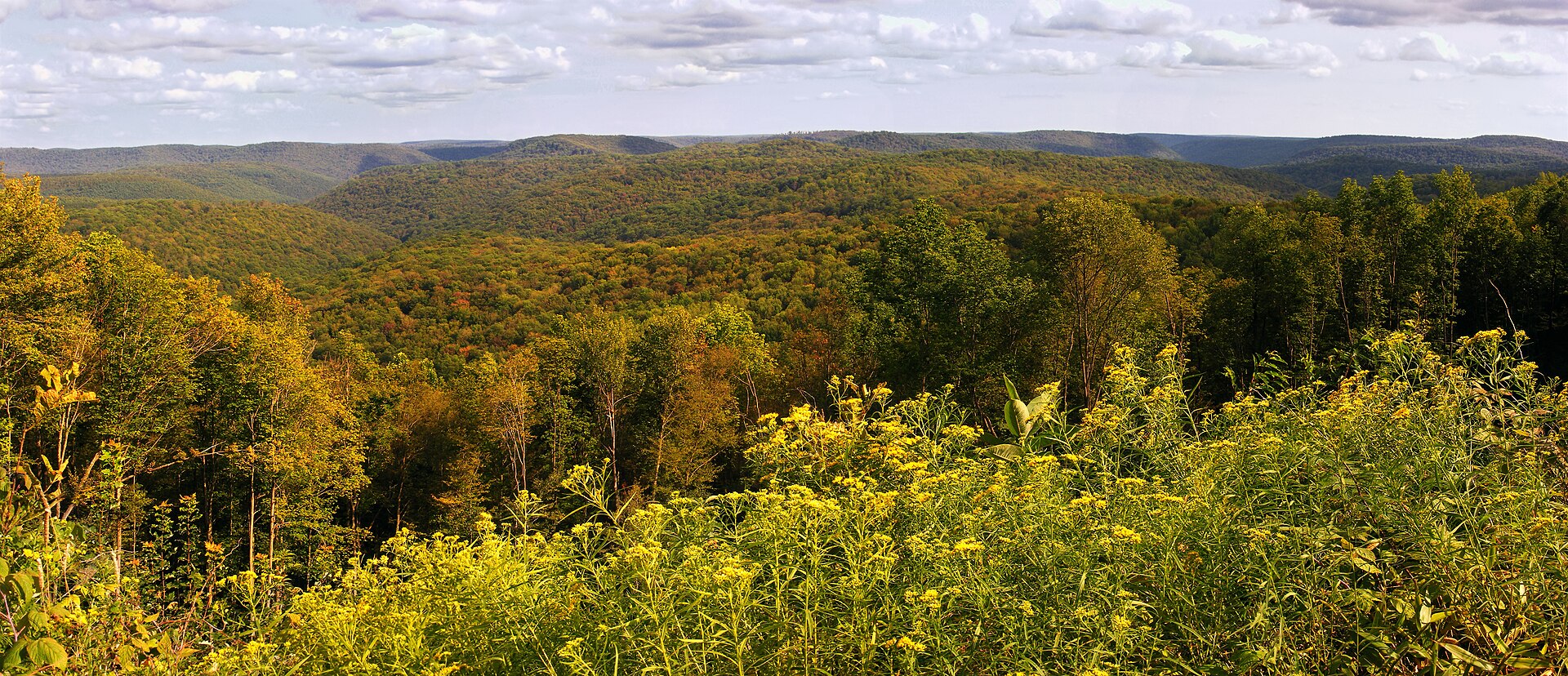
Susquehannock State Forest features tall pines, thick underbrush, and high plateaus that cover a wide range of habitat favored by deer. Natural corridors formed by dense vegetation help guide travel through the woods while preserving a sense of seclusion. Occasional glades open to bright pockets of visibility that reward slow, thoughtful progress. This expansive landscape maintains a peaceful atmosphere that supports long stretches of focused time in the forest.