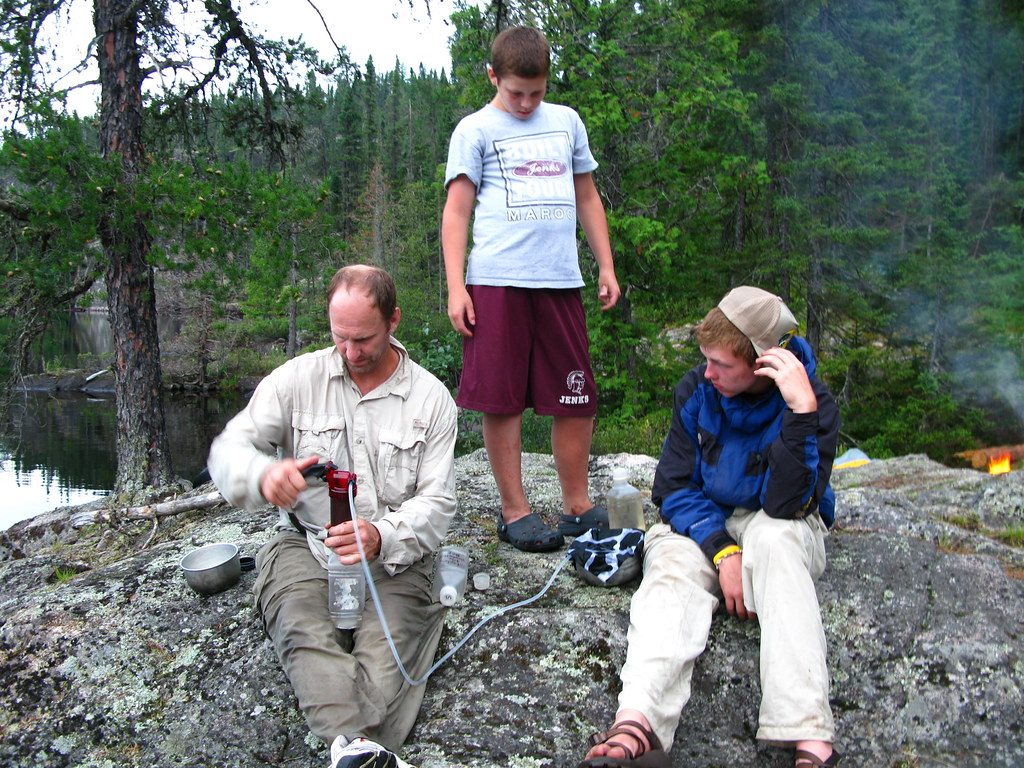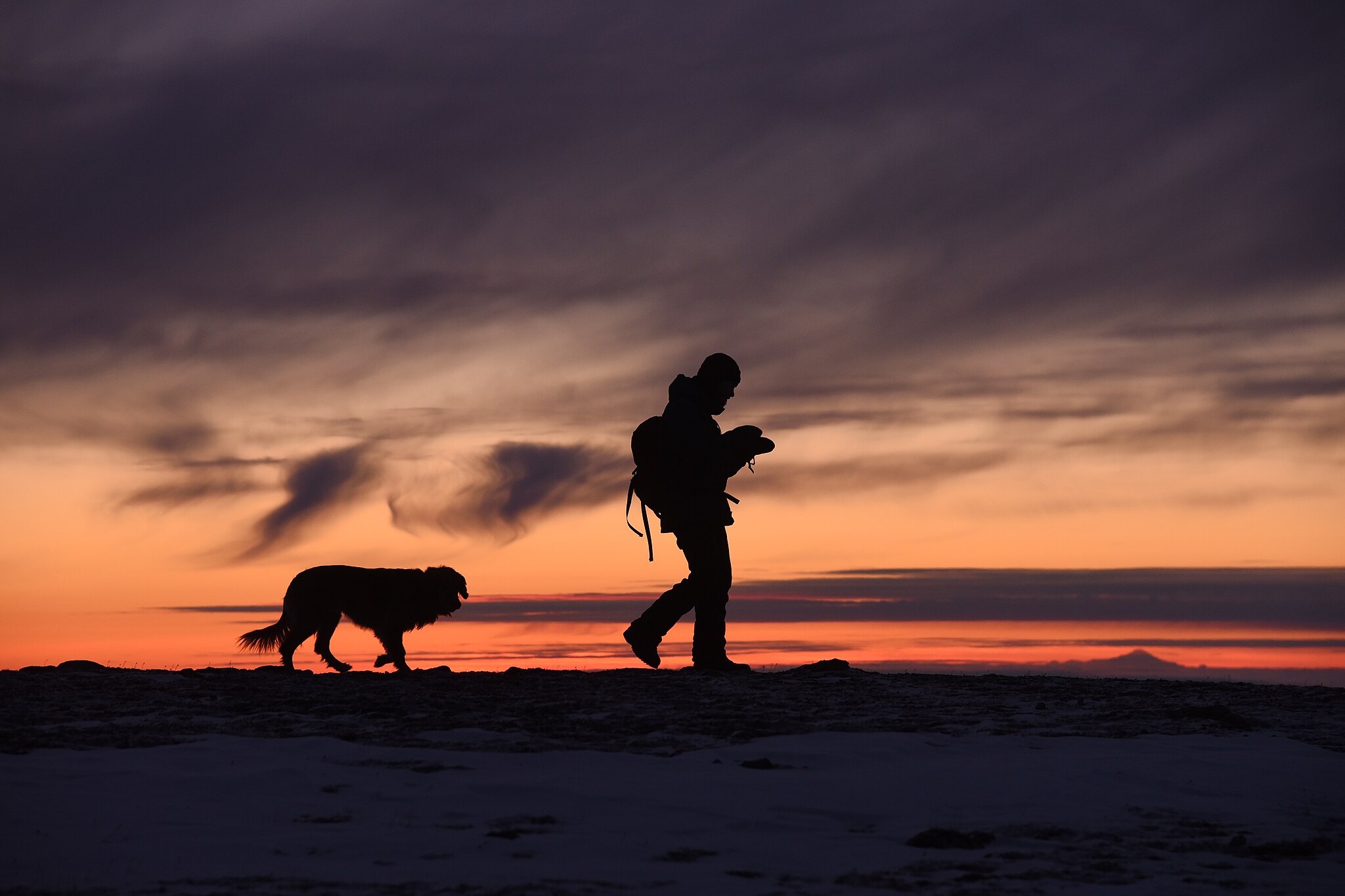
Building strong hunting skills increasingly depends on time spent outdoors practicing fundamentals rather than relying only on equipment or technology. In 2026, many hunters focus on activities that sharpen awareness, patience, and physical readiness while reinforcing ethical decision making. These outdoor pursuits strengthen tracking ability, navigation confidence, and understanding of wildlife behavior across seasons. They also support safety by encouraging realistic practice under varied conditions. Each activity below emphasizes preparation over shortcuts and experience over theory. Together, they reflect practical ways to develop hunting skills through movement, observation, and disciplined repetition rather than simulated environments alone.
Backcountry Hiking With Navigation Practice

Backcountry hiking with deliberate navigation practice builds essential hunting skills by strengthening spatial awareness and endurance. Traveling through varied terrain teaches pacing, route selection, and energy management over long distances. Using maps, compasses, and GPS devices together reinforces orientation skills when landmarks disappear. Hikers learn to read contours, vegetation changes, and water sources, which later supports game movement prediction. Carrying appropriate gear builds load management awareness. Weather exposure improves judgment and adaptability. This activity develops confidence in remote environments, helping hunters move quietly, plan efficiently, and return safely while maintaining focus and decision making under physical strain.
Wildlife Tracking And Sign Identification
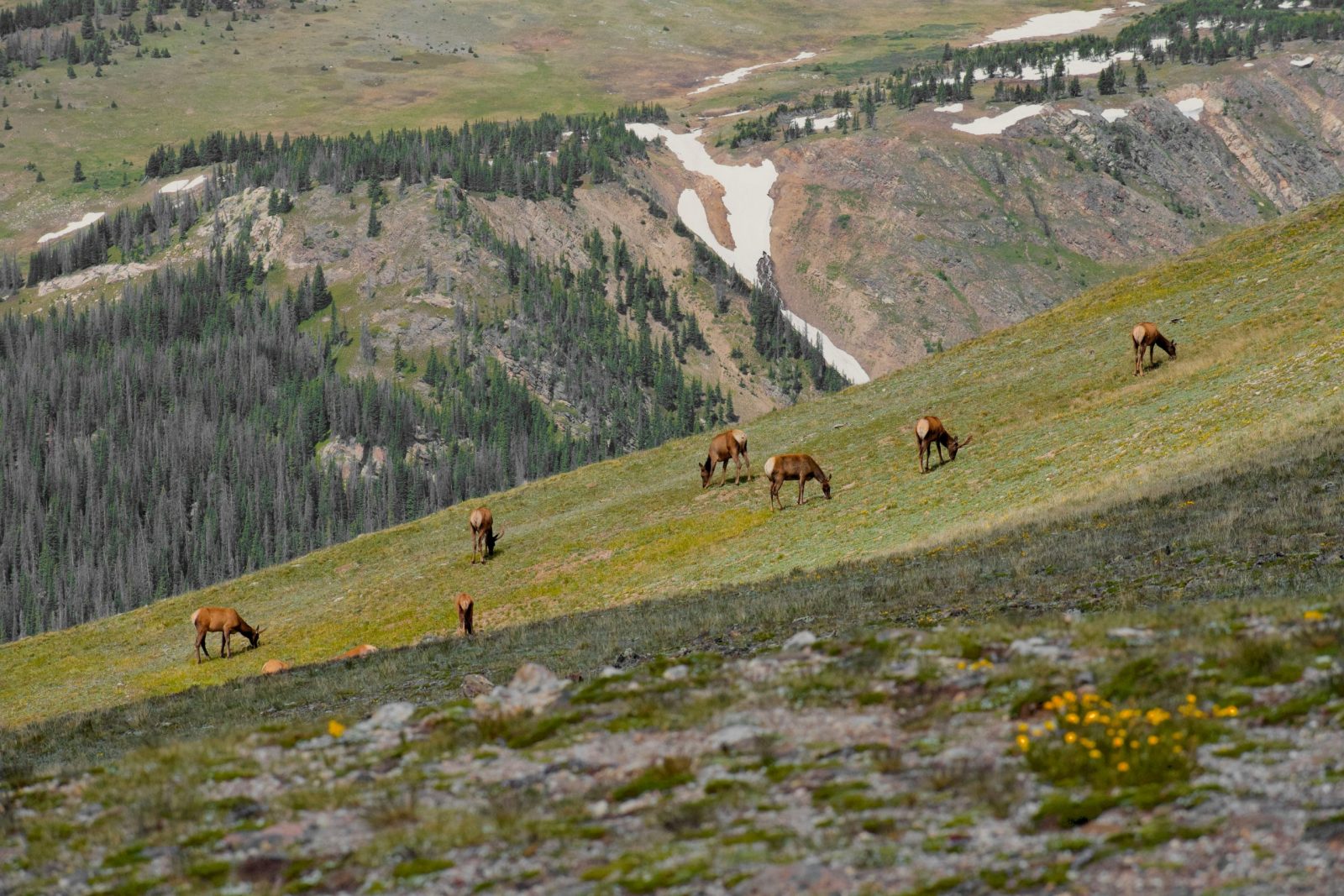
Wildlife tracking and sign identification sharpen observation skills critical to ethical hunting. Learning to recognize tracks, scat, bedding areas, and feeding signs teaches how animals move and behave without direct contact. Time spent following trails builds patience and attention to detail. Subtle ground disturbances, broken vegetation, and track depth reveal direction, speed, and size. Seasonal changes add complexity, requiring adaptation. Practicing tracking without harvesting reinforces respect for wildlife and ecosystems. This activity improves situational awareness, helping hunters anticipate movement patterns, choose appropriate locations, and reduce unnecessary disturbance while developing deeper understanding of animal behavior.
Archery Or Firearm Marksmanship Training Outdoors

Outdoor marksmanship training builds hunting proficiency by introducing realistic variables absent from indoor ranges. Wind, uneven footing, and changing light conditions challenge consistency and focus. Practicing from multiple positions improves stability and shot selection. Archery training enhances muscle memory and controlled breathing, while firearm practice reinforces recoil management and follow through. Setting ethical distance limits encourages discipline. Regular outdoor sessions also promote equipment familiarity and maintenance awareness. This activity emphasizes accuracy over volume, helping hunters build confidence in clean, humane shots while adapting to environmental factors encountered during actual hunts.
Orienteering And Land Navigation Events
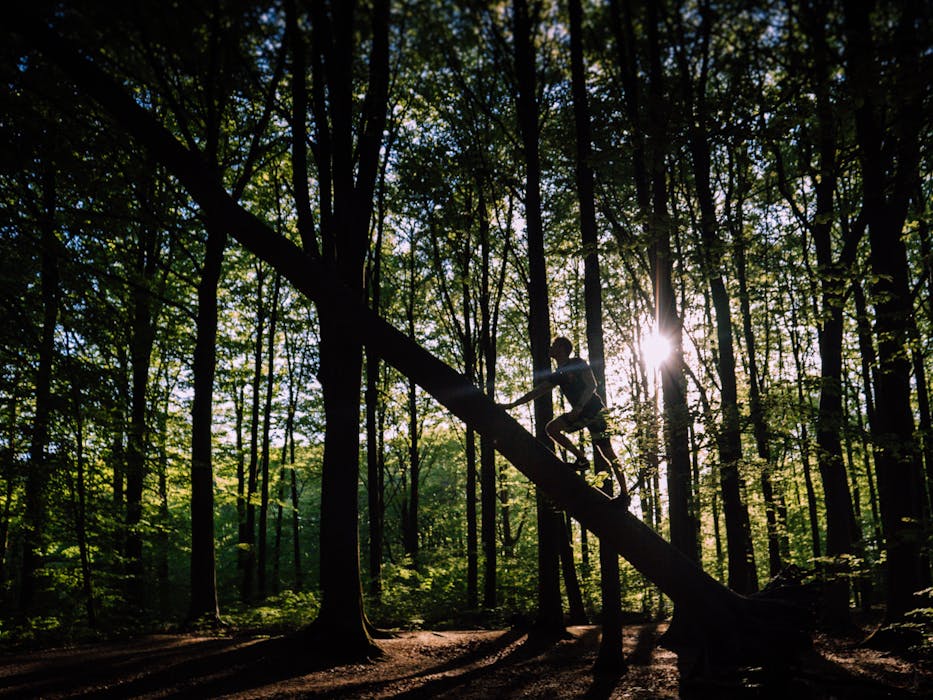
Orienteering events combine physical movement with rapid decision making, closely aligning with hunting demands. Participants navigate courses using maps and compasses under time pressure, improving terrain interpretation. Dense forests, open fields, and elevation changes teach adaptability. Mistakes provide immediate feedback, reinforcing learning. Orienteering builds efficient movement, quiet travel, and route planning skills. It also strengthens mental resilience when plans change unexpectedly. These events encourage independence and accountability. For hunters, the experience translates directly into better navigation, reduced reliance on technology, and improved confidence when operating in unfamiliar landscapes.
Cold Weather Camping And Survival Skills
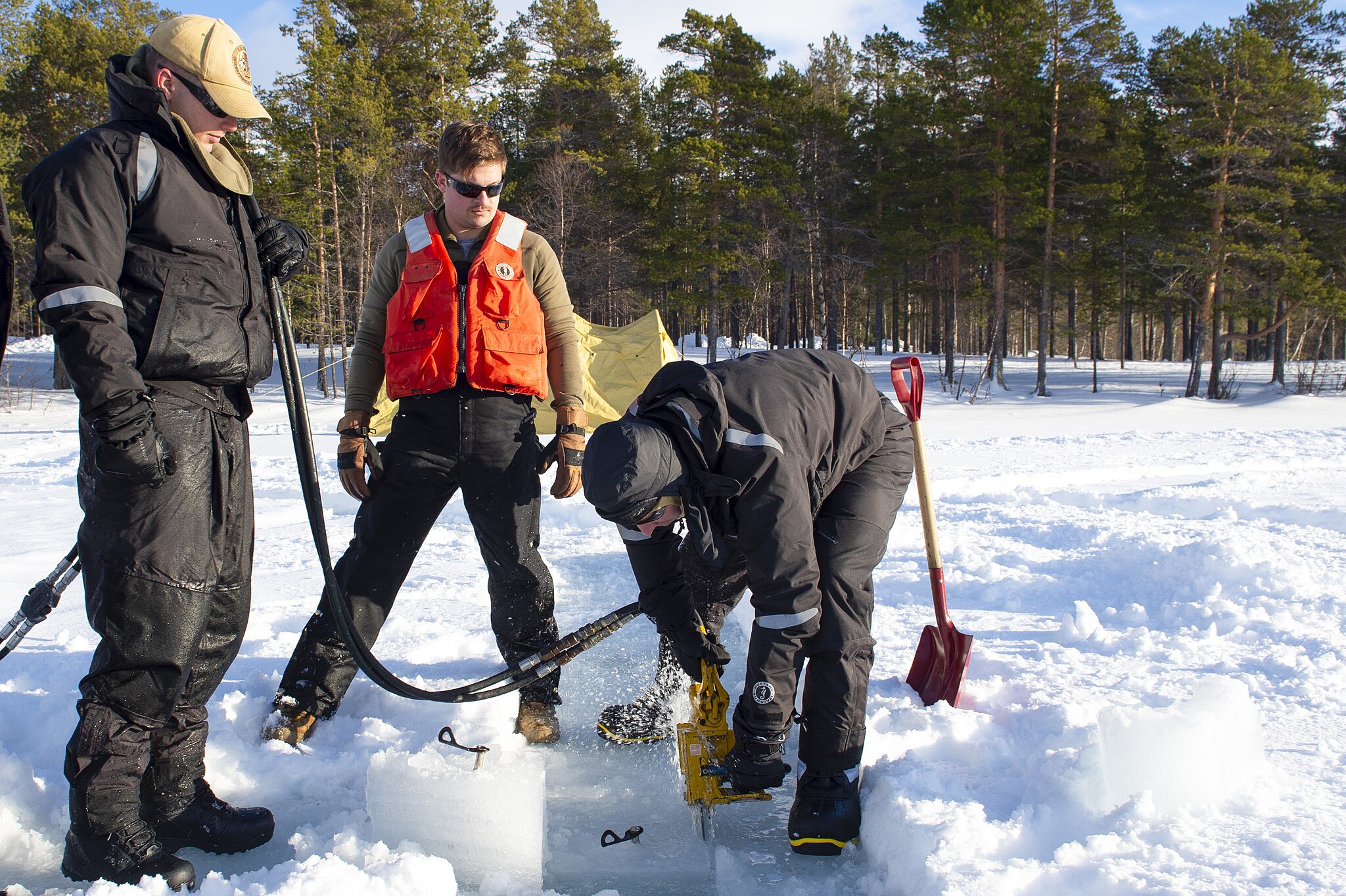
Cold weather camping develops resilience and preparation skills vital for late season hunting. Managing shelter, fire, and nutrition in low temperatures teaches efficiency and safety. Camp setup reinforces site selection based on wind, terrain, and drainage. Learning to regulate body temperature through layering improves comfort and endurance. Limited daylight sharpens planning and time management. Equipment testing in harsh conditions reveals weaknesses before hunts. This activity builds confidence and respect for environmental limits. Hunters gain practical knowledge that reduces risk, supports longer outings, and improves judgment during challenging weather conditions.
Field Observation And Still Hunting Practice
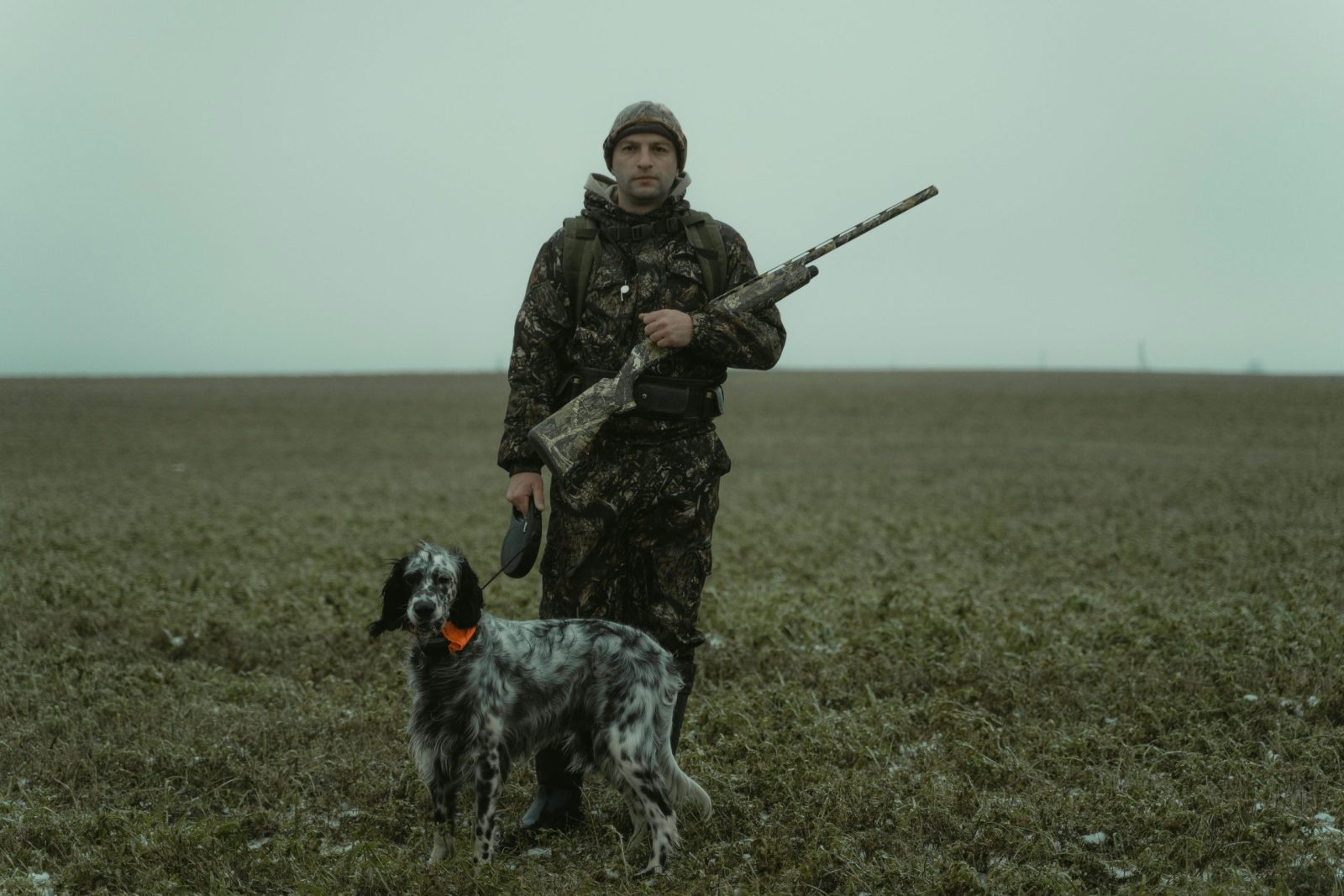
Field observation and still hunting practice strengthen patience and situational awareness. Moving slowly while scanning terrain trains hunters to notice subtle movement, sound, and changes in light. Remaining stationary for extended periods builds discipline and quiet endurance. This practice emphasizes reading wind direction and sun position. Observing wildlife without immediate pursuit reinforces ethical restraint. Over time, hunters learn to blend into surroundings and minimize disturbance. This activity develops focus and emotional control, helping hunters make thoughtful decisions and recognize opportunities without rushing or forcing outcomes.
Physical Conditioning Through Trail Running Or Rucking
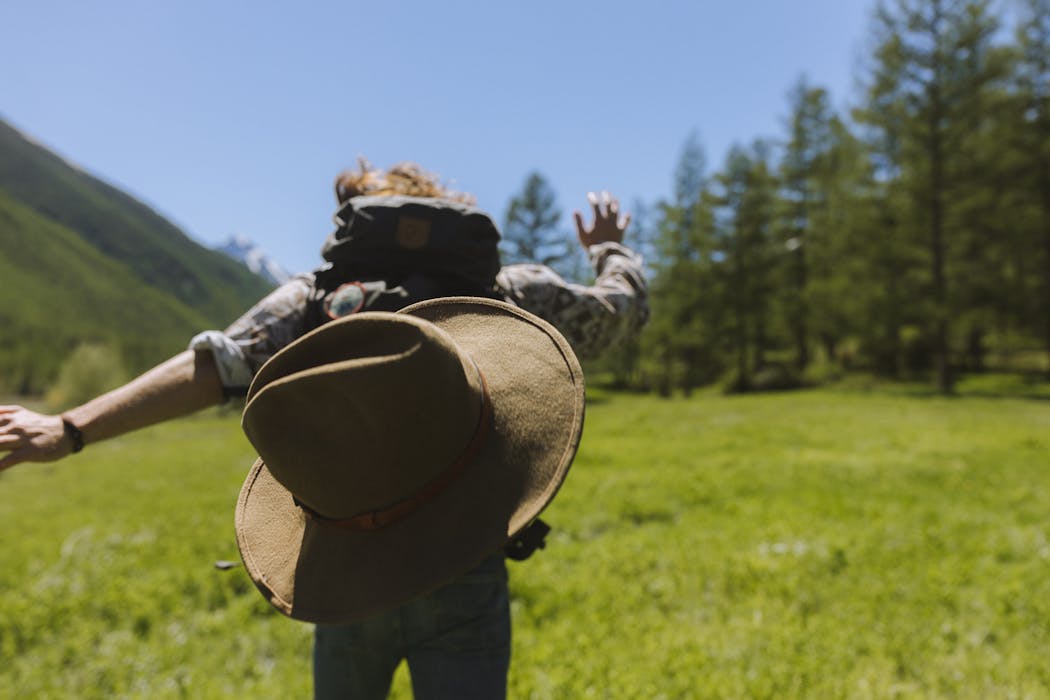
Trail running or rucking builds physical readiness essential for demanding hunts. Uneven terrain strengthens balance, coordination, and lower body endurance. Carrying weighted packs during rucking improves load tolerance and posture. Cardiovascular conditioning supports sustained effort during long days afield. Exposure to hills, mud, and obstacles enhances adaptability. Mental toughness grows through consistent training. This activity also reduces injury risk by improving joint stability. For hunters, better conditioning translates into quieter movement, quicker recovery, and sustained focus, allowing skills learned elsewhere to be applied effectively under physical stress.