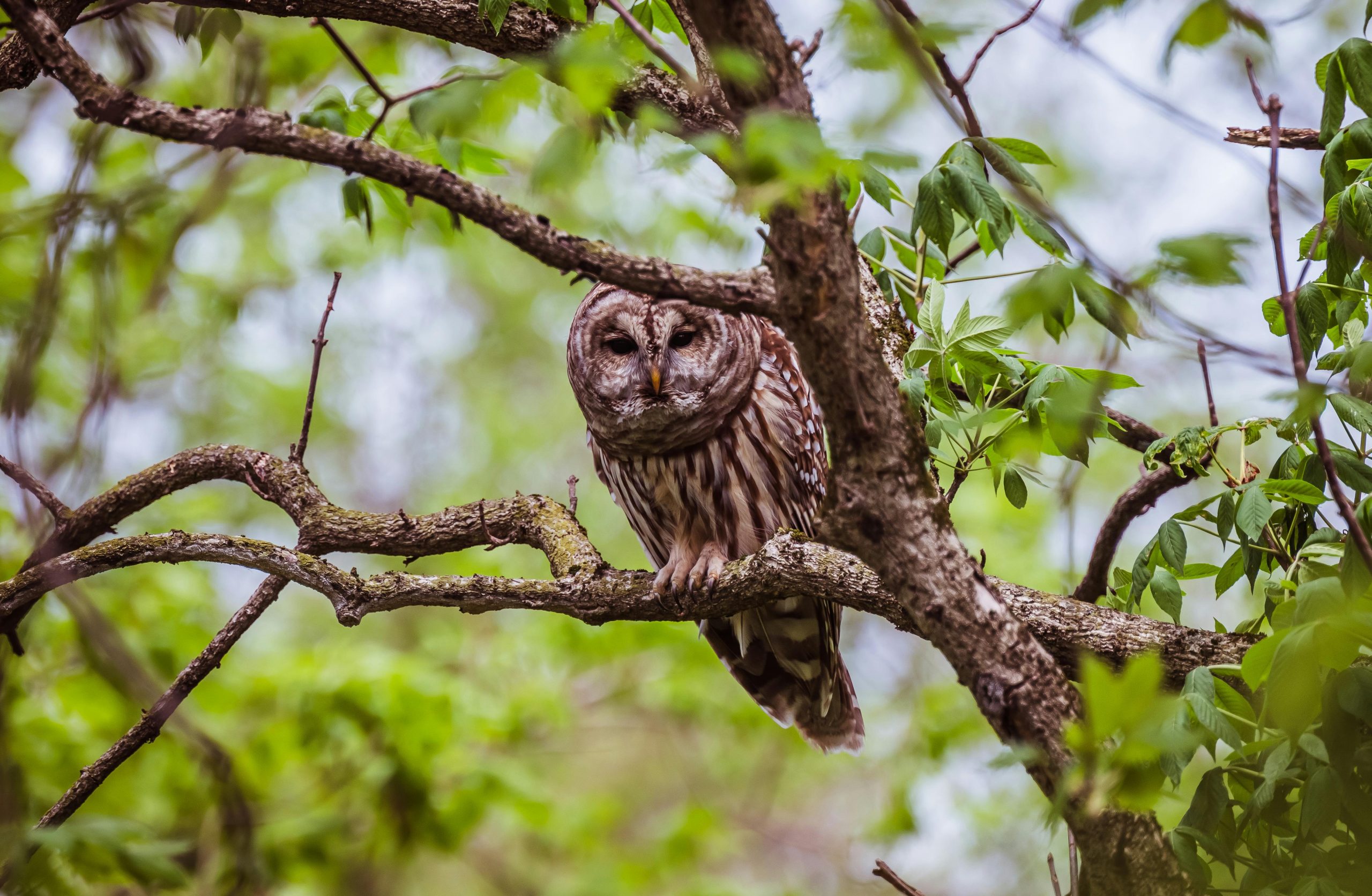
The Appalachian Trail is not only a haven for hikers seeking scenic views and fresh air, but also a corridor for diverse wildlife. Stretching over 2,000 miles, it passes through forests, ridges, and wetlands, giving hikers a chance to see creatures both common and elusive. Observing animals along the trail enhances the hiking experience, teaches respect for nature, and encourages safe interaction with wildlife. Here are seven animals you are likely to encounter while exploring this iconic trail.
1. White Tailed Deer
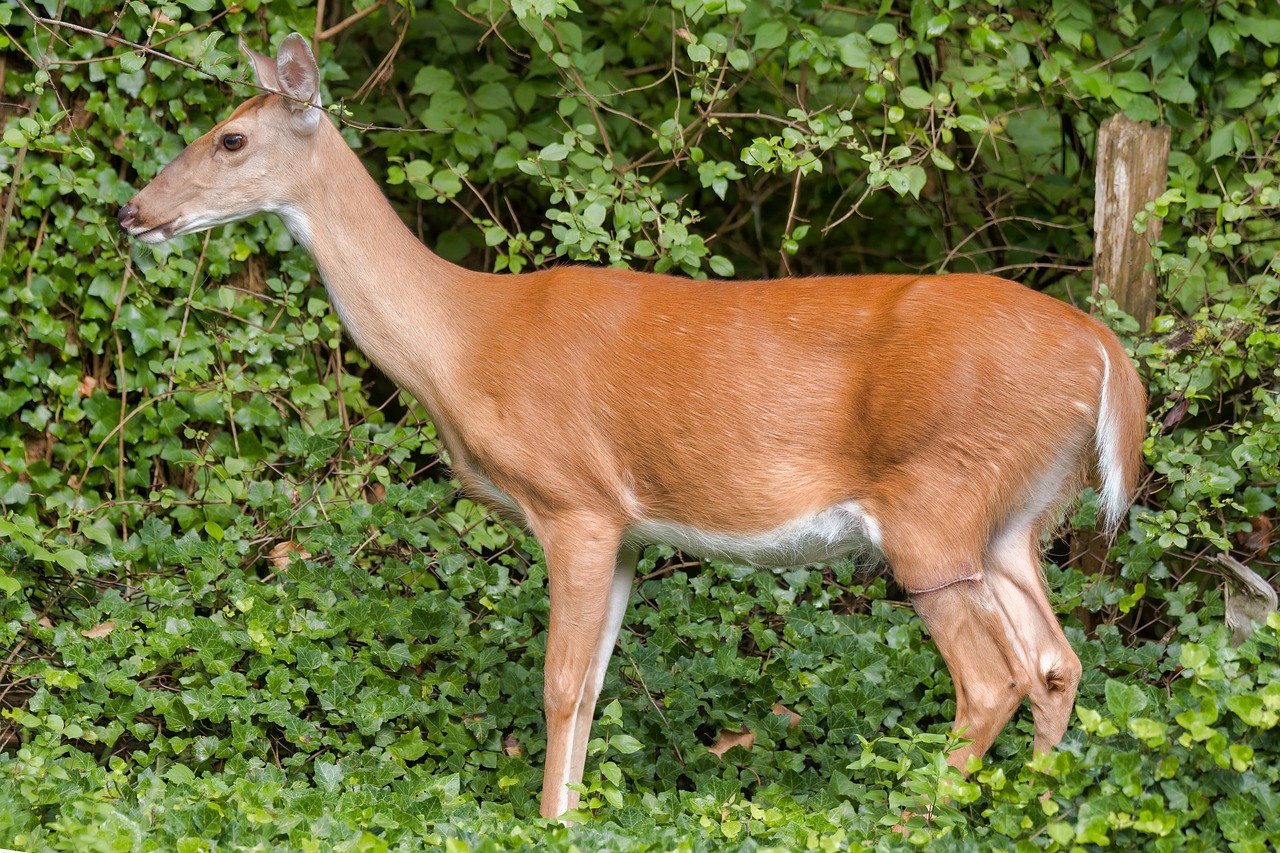
White tailed deer are among the most frequently spotted animals along the Appalachian Trail. Their reddish brown coats in summer and grayish winter fur help them blend with the forest surroundings. They are primarily active at dawn and dusk, gracefully moving through meadows and forest edges. Observing them from a distance is essential, as sudden movements can startle them. These herbivores play a crucial ecological role, influencing vegetation patterns and supporting the balance of the forest ecosystem.
2. Black Bear
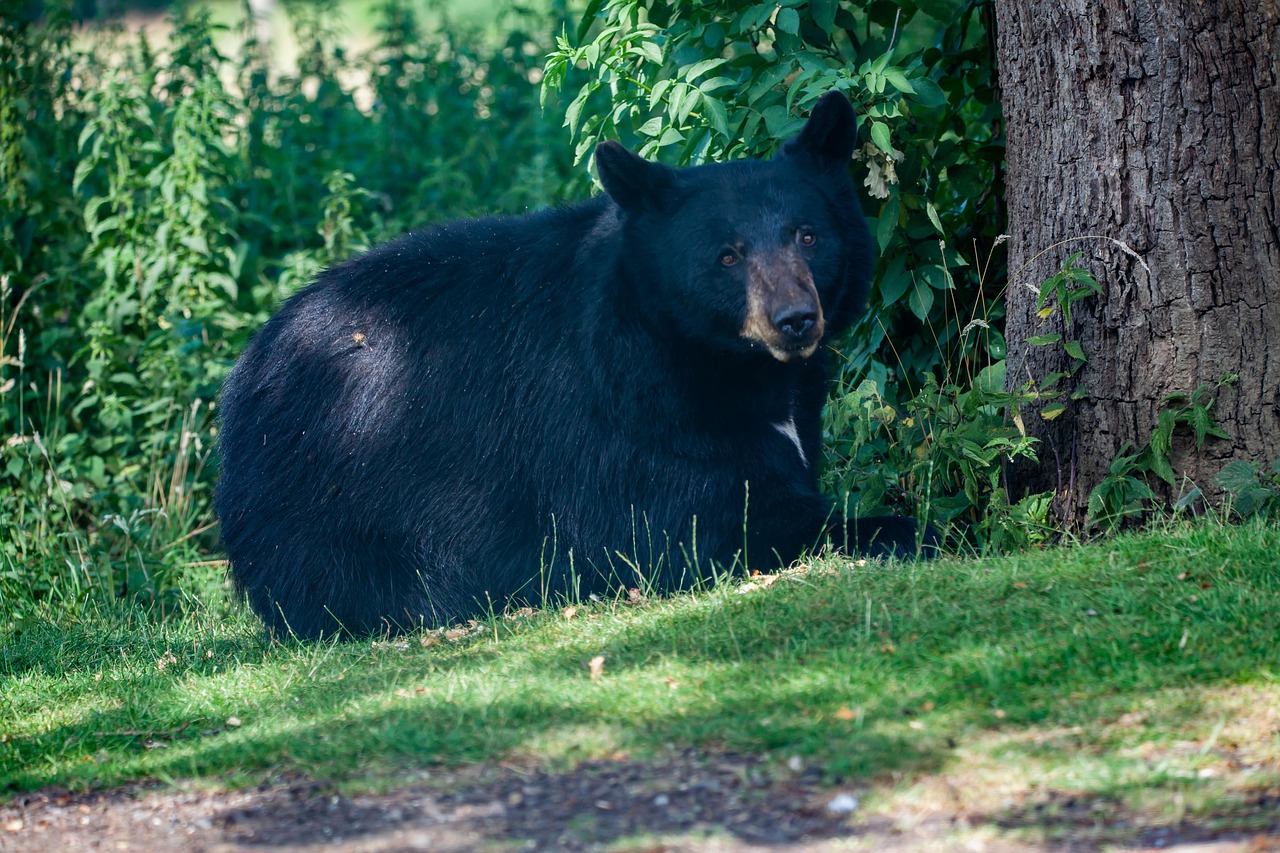
Black bears inhabit much of the Appalachian Trail region, though they are generally shy and avoid humans. They forage for plants, berries, insects, and small mammals, particularly in forested areas and near streams. Hikers should remain alert and practice safe habits such as storing food securely and making noise while walking. Spotting a black bear from a safe distance is thrilling and serves as a reminder of the wild, untamed nature of the trail. Respecting their space ensures both hiker and bear remain safe.
3. Eastern Box Turtle
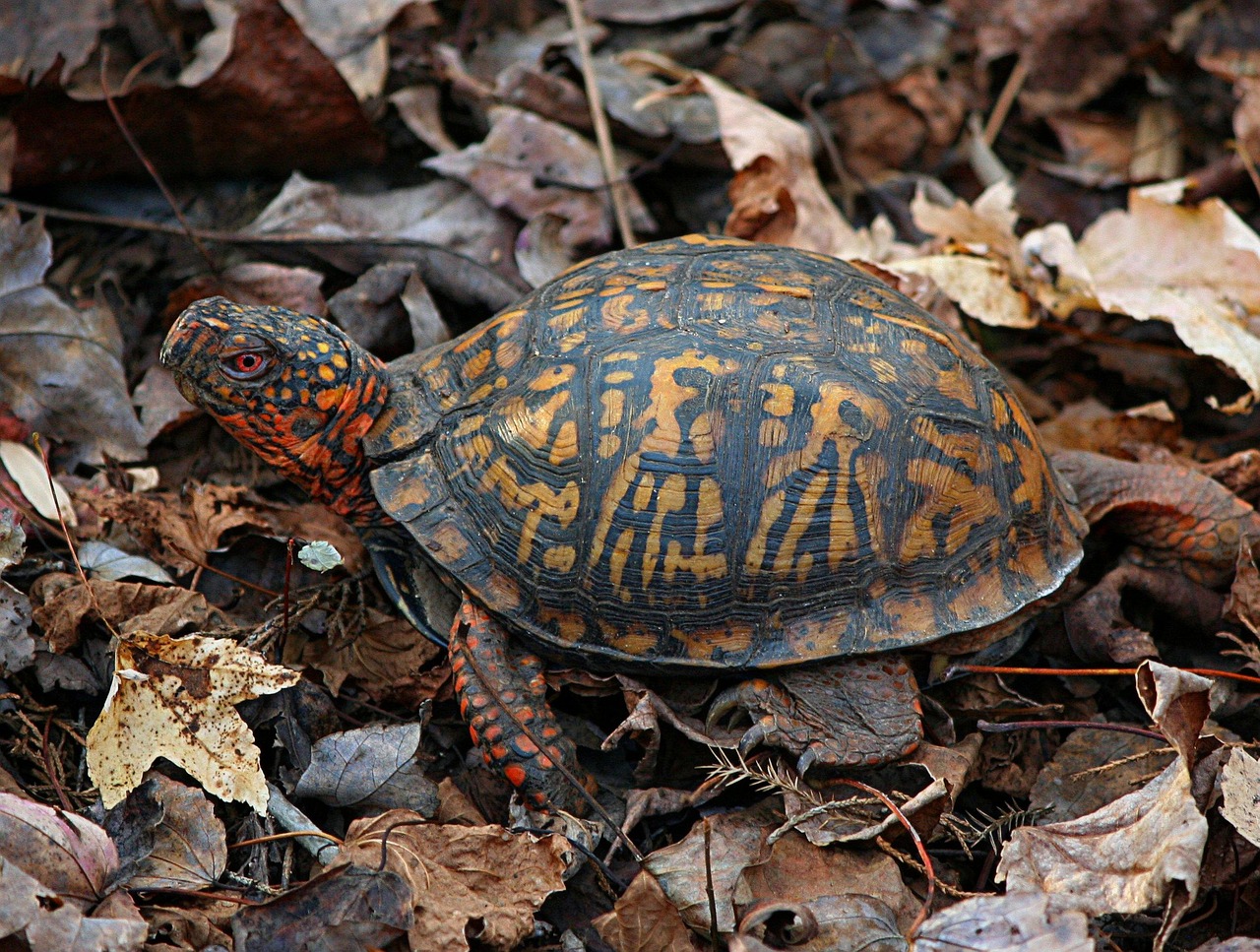
Eastern box turtles are small, terrestrial reptiles commonly found on moist forest floors and along wooded trails. They have domed shells and intricate, colorful patterns that make them easy to recognize. These turtles are slow-moving and tend to retreat into their shells when approached, offering a lesson in patience and observation. They feed mainly on plants, berries, and fungi. Encountering a box turtle highlights the trail’s smaller, often overlooked wildlife, emphasizing the importance of treading lightly and protecting fragile habitats.
4. Red Fox
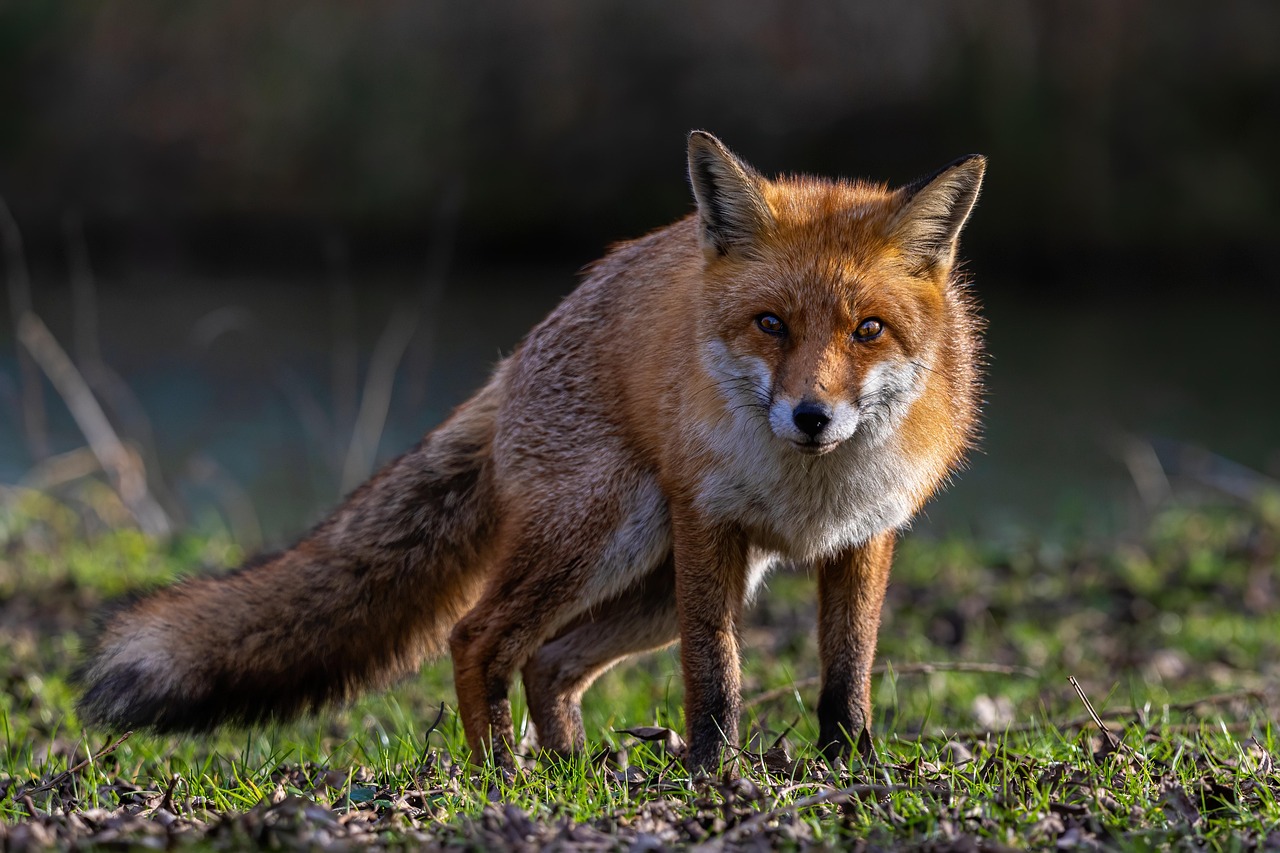
Red foxes are cunning, agile animals often seen at dawn or dusk near forest edges and meadows. Their reddish-orange fur, bushy tails, and sharp features make them unmistakable. Red foxes are omnivorous, hunting small mammals, birds, and insects while supplementing their diet with fruits. They are generally wary of humans, allowing for observation without disturbance. Spotting a red fox adds excitement and a sense of connection to the wilderness, showcasing the intelligence and adaptability of Appalachian Trail wildlife.
5. Wild Turkey
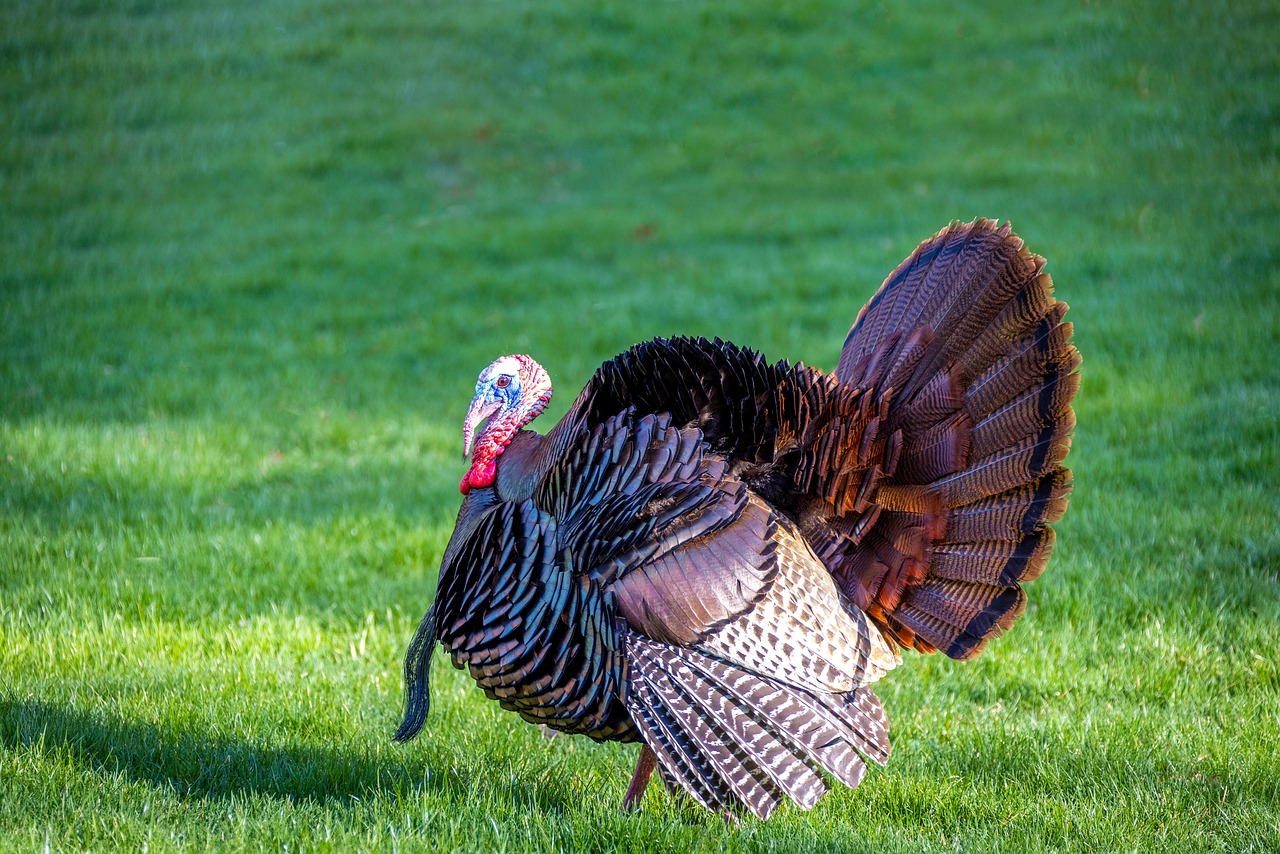
Wild turkeys are large birds often observed in woodland clearings and along trail edges. Their impressive plumage, long legs, and fan-shaped tails are easy to spot, especially when they strut or call to each other. Turkeys feed on seeds, insects, and berries, scratching the forest floor to uncover food. They usually move in flocks, offering hikers multiple opportunities to watch natural behaviors. Observing wild turkeys demonstrates the diversity of the trail’s avian life and brings lively activity to otherwise quiet stretches of forest.
6. Barred Owl
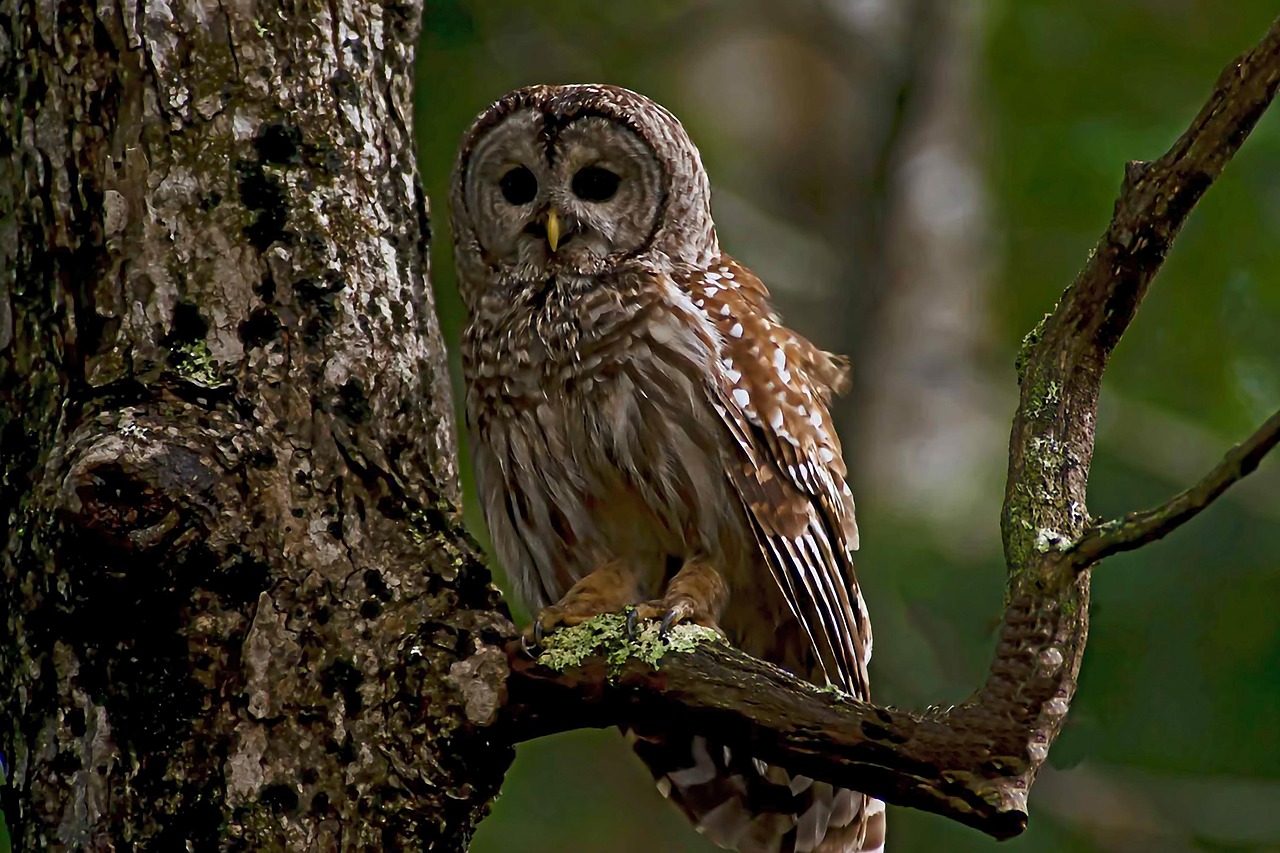
Barred owls reside in dense forests along the Appalachian Trail and are most active during the evening and night. They are recognizable by their round heads, dark eyes, and distinctive “who cooks for you” calls. These nocturnal predators feed on small mammals, birds, and insects, silently gliding through the treetops. Hearing or spotting a barred owl enhances the hiking experience by connecting observers with the forest’s nocturnal rhythms. Their presence also signals a healthy ecosystem with thriving old-growth trees.
7. Eastern Chipmunk

Eastern chipmunks are small, energetic rodents often seen darting across trails or foraging in leaf litter. Their striped fur and quick, unpredictable movements make them entertaining to watch. Chipmunks collect seeds, nuts, and berries, storing them in burrows for winter use. Observing their behavior provides insight into forest food chains and seasonal preparation strategies. These lively creatures add charm to the trail experience, reminding hikers that even the smallest wildlife contributes to the Appalachian Trail’s rich and dynamic ecosystem.