Certain forests across the United States contain natural iron deposits that can subtly shift compass needles and disrupt normal orientation. These areas highlight how geology influences navigation and remind outdoor travelers to stay attentive when exploring unfamiliar routes. Understanding how minerals affect basic tools helps create safer and more informed experiences. With the right awareness, even magnetically active landscapes become easier to move through while appreciating their unique natural features.
Cuyuna Country State Recreation Area
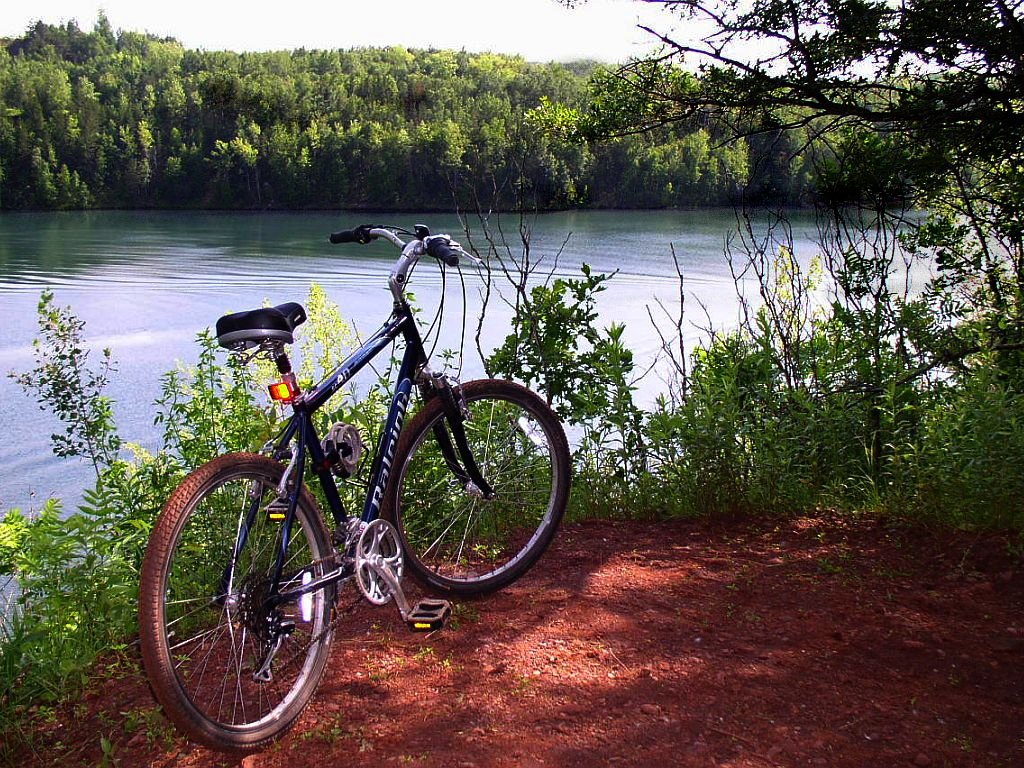
Cuyuna Country in Minnesota sits atop former mining land where iron-rich soil alters compass readings in specific pockets. The terrain includes ridges, reclaimed pits, and exposed rock that create minor but noticeable magnetic variation. Travelers often find the needle drifting slightly when crossing these areas, making visual cues and established trails especially helpful. The forest remains easy to navigate with a steady pace and a familiarity with surrounding landmarks.
Ouachita National Forest
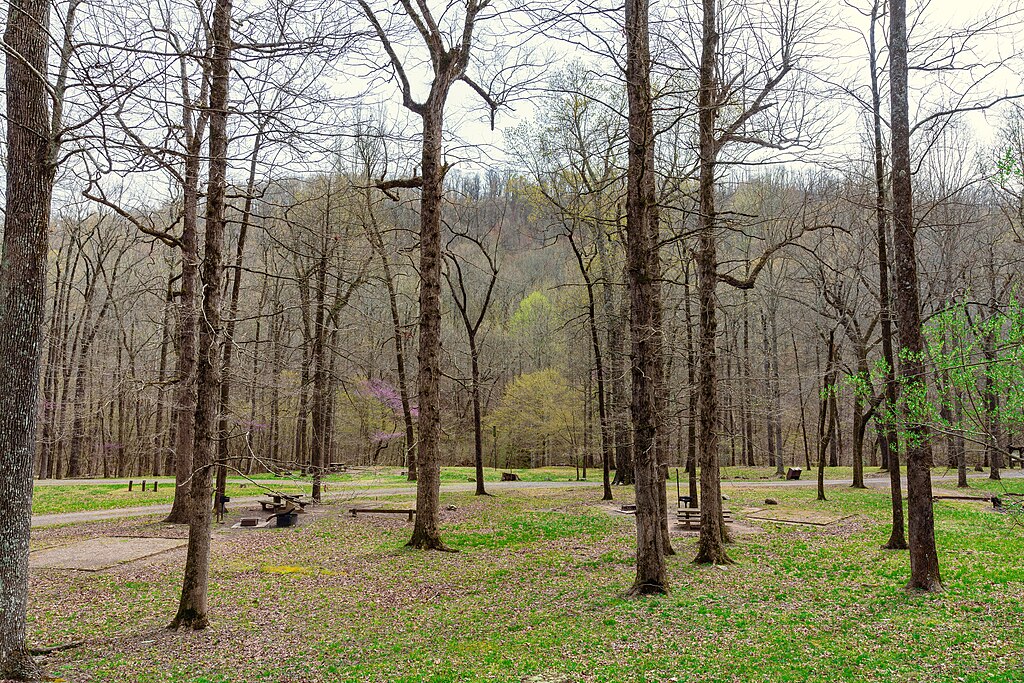
Ouachita National Forest spans Arkansas and Oklahoma, covering terrain shaped by iron-bearing rocks that occasionally disrupt compass behavior. Certain ridges and exposed formations cause the needle to pause or shift, requiring extra attention during off-trail exploration. The forest’s mix of hills, creeks, and marked paths offers reliable orientation points even when magnetic interference appears. Awareness of subtle changes helps maintain a smooth and confident route through the landscape.
Allegheny National Forest
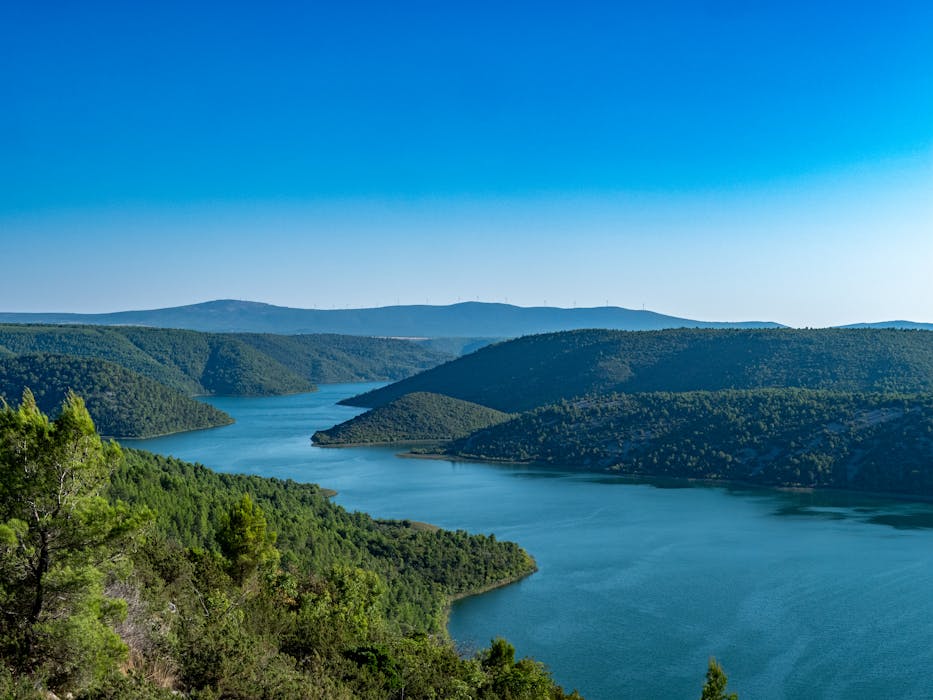
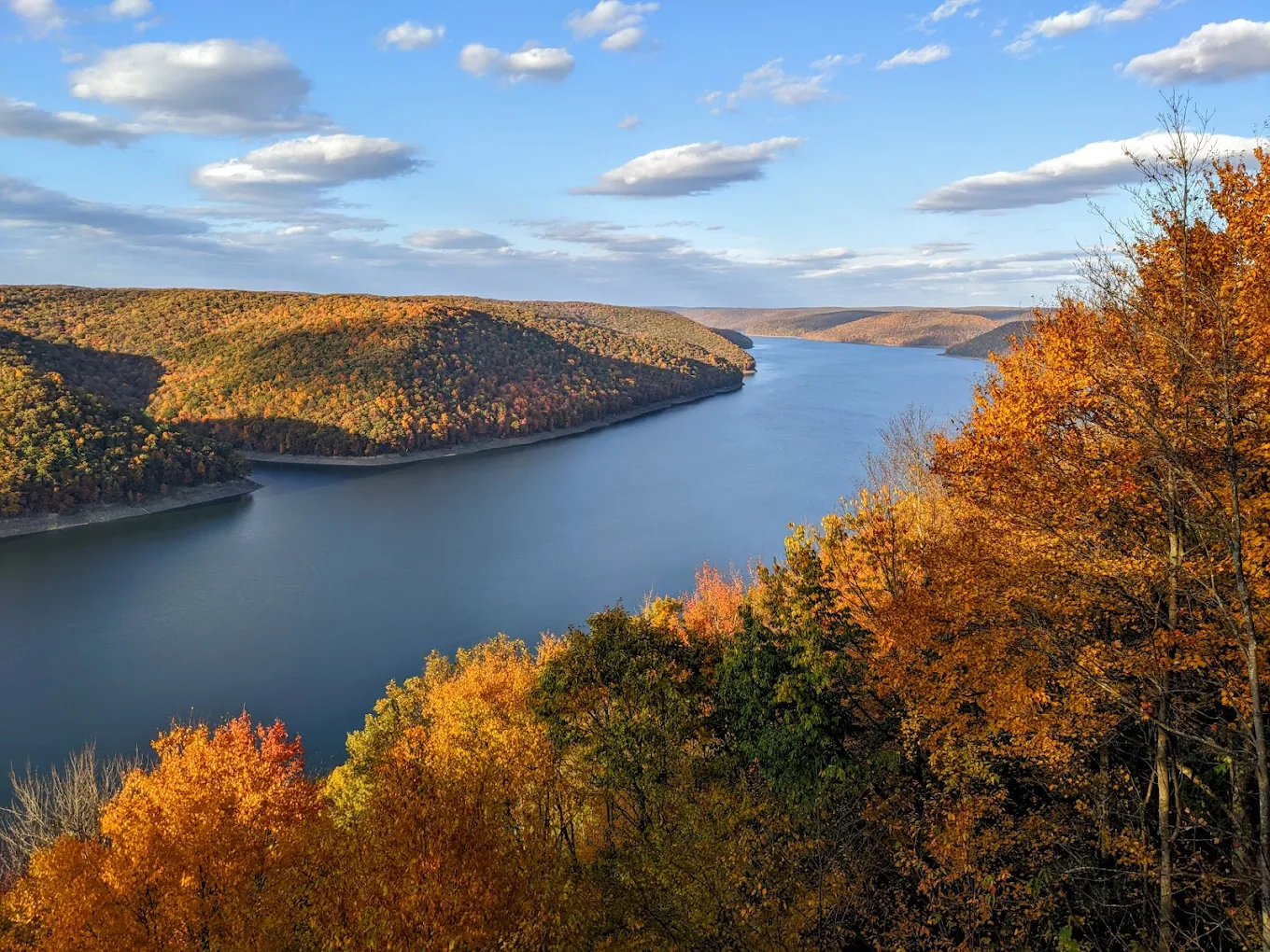
Allegheny National Forest in Pennsylvania contains deep geological layers rich in iron that influence compasses on select hills and woodland paths. Visitors may notice slight wavering as the needle reacts to mineral-heavy ground beneath dense tree cover. Streams, trail markers, and elevation changes provide dependable support when magnetic readings feel uncertain. Understanding the region’s geology makes navigation straightforward while still highlighting the area’s natural complexity.
Superior National Forest
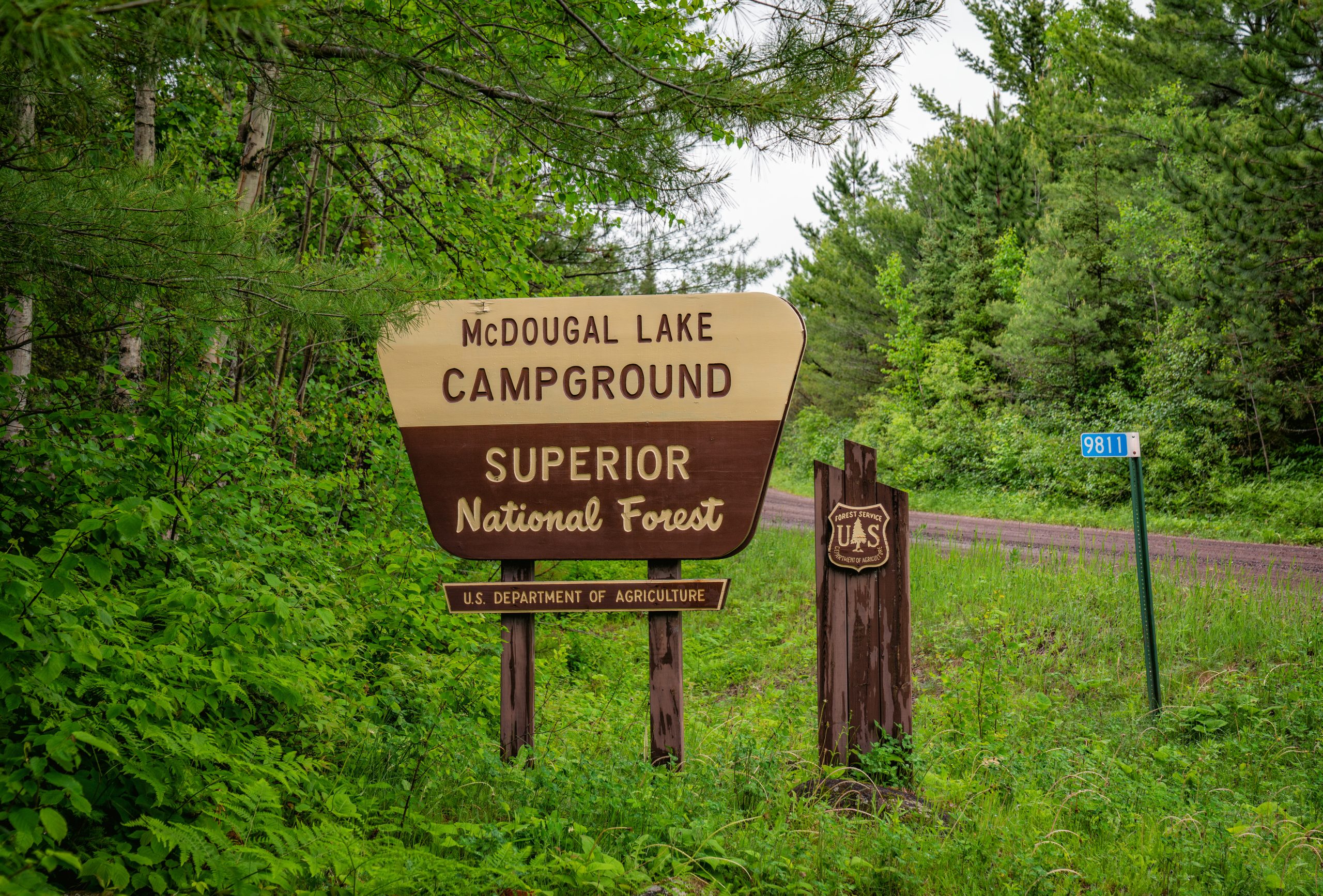
Superior National Forest in northern Minnesota features ancient bedrock containing metal-rich minerals that can affect compass accuracy along certain routes. Exposed stone, rugged slopes, and shoreline formations sometimes cause minor directional shifts that fade once moving into deeper soil. Clear natural features like lakes, bends in the shoreline, and designated camping areas help reinforce orientation. Familiarity with the environment ensures smooth travel even with occasional magnetic quirks.
Shawnee National Forest
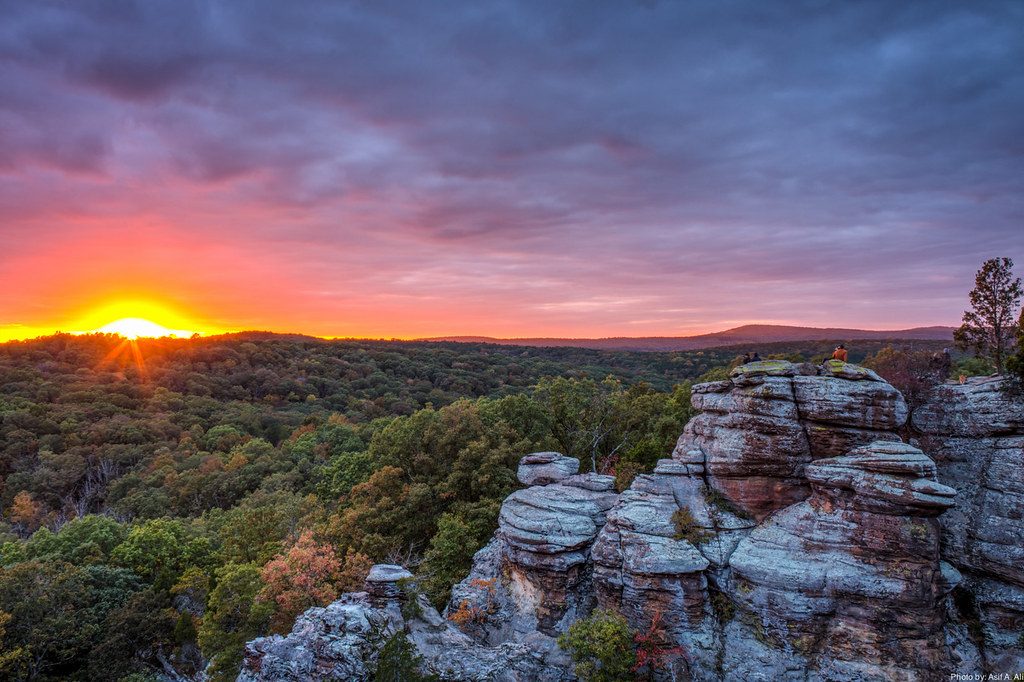
Shawnee National Forest in southern Illinois includes upland areas where iron-laced stone and soil create localized disturbances in compass readings. Travelers may see direction changes when crossing layered rock or elevated terrain, especially in regions with minimal vegetation. The forest provides numerous landmarks such as bluffs, trail junctions, and open clearings that support reliable navigation. A steady approach makes the interference manageable throughout longer routes.
Mark Twain National Forest
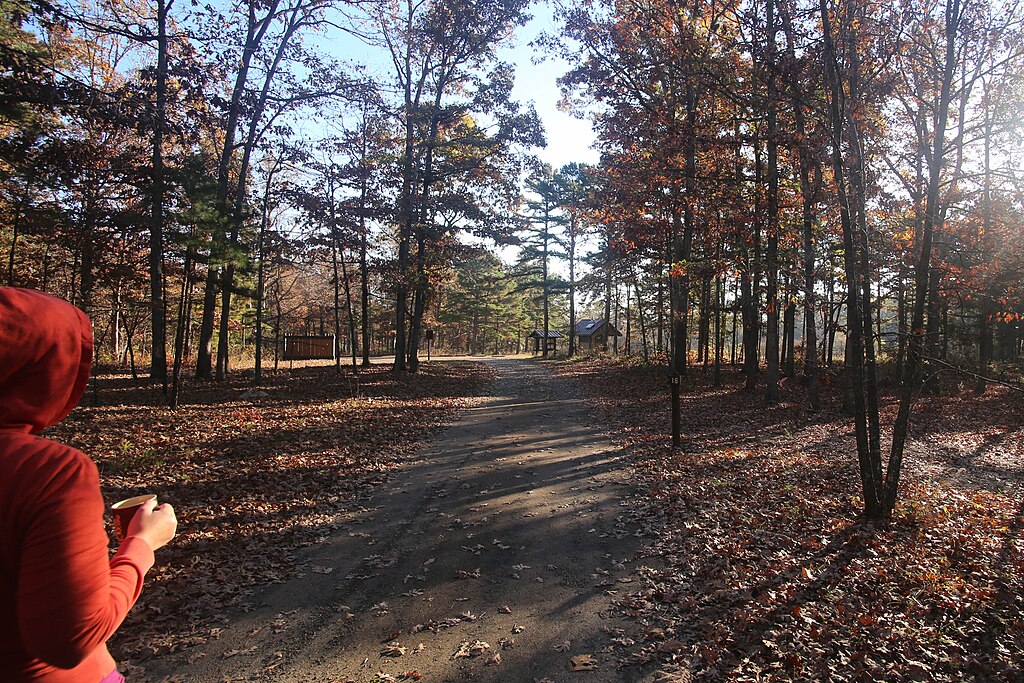
Mark Twain National Forest in Missouri contains mineral deposits beneath rolling hills that introduce small compass disruptions on certain ridges and valleys. The shifting magnetic influence often appears as brief, inconsistent needle movements that resolve once the ground composition changes. Natural guide points like creek beds, glades, and familiar vegetation patterns help maintain directional confidence. With patient observation, the forest’s magnetic variations become a simple part of the overall landscape experience.