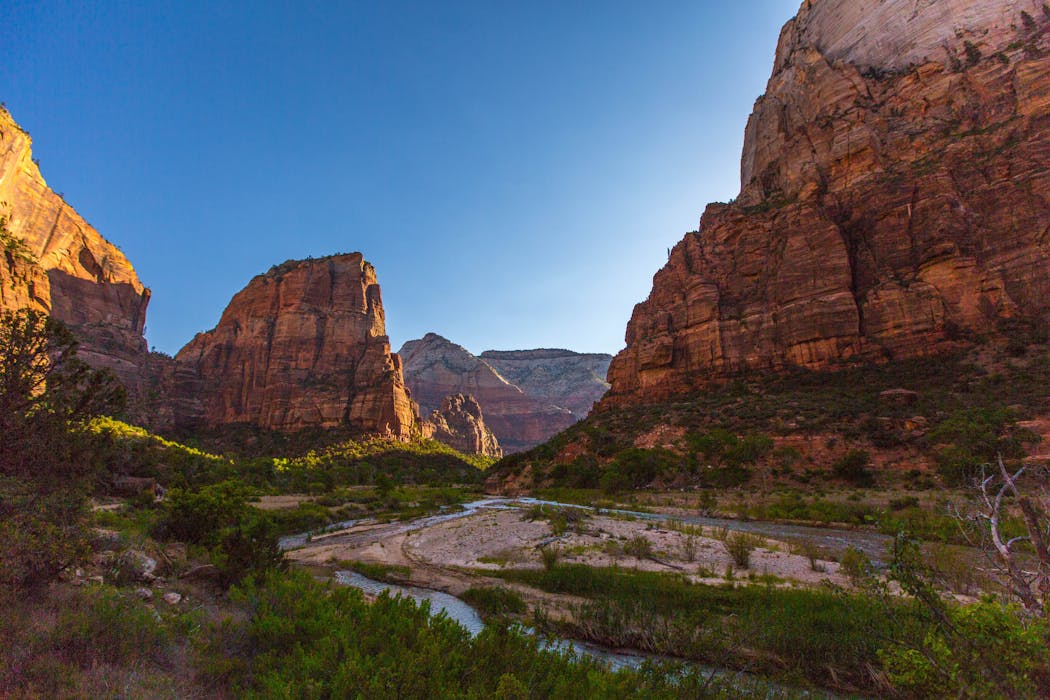
Utah’s rugged landscapes attract adventurers from across the world, but years of heavy use and erosion have taken a toll on its backcountry trails. Now, a series of restoration projects is helping bring these scenic routes back to life. From national parks to remote canyons, teams of volunteers and conservation experts are working to repair damage, restore vegetation, and ensure hikers can continue exploring these breathtaking paths for generations to come.
Zion National Park’s West Rim Trail
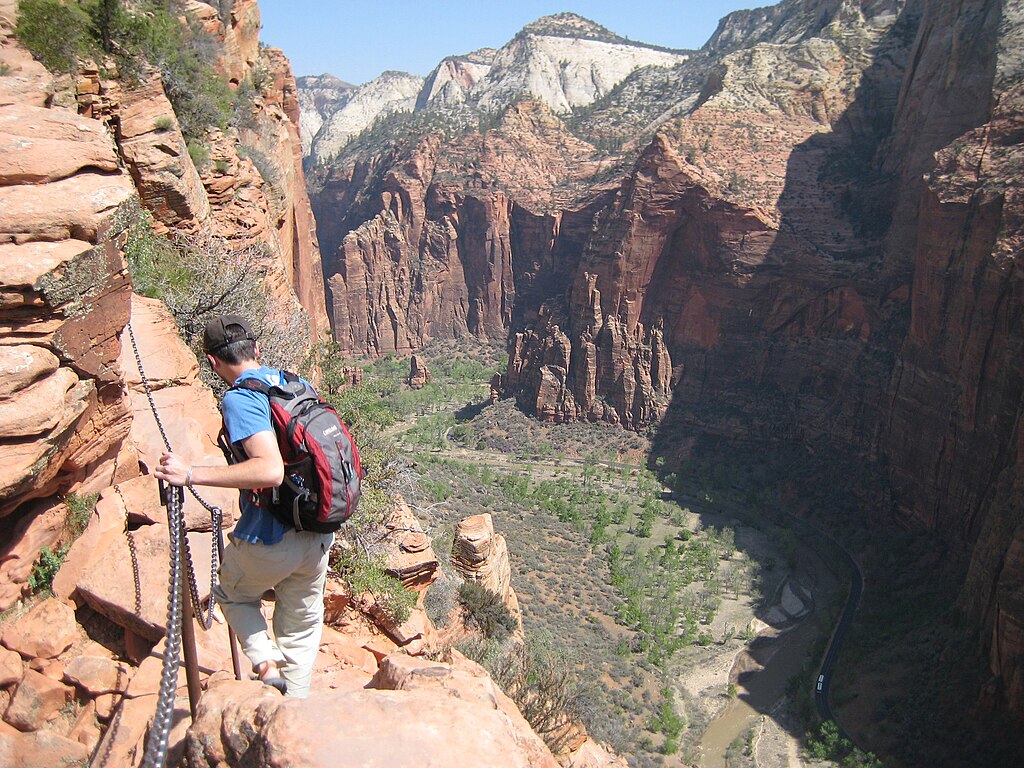
The West Rim Trail has long been a favorite among hikers seeking panoramic views and solitude. Restoration efforts focus on reinforcing switchbacks, repairing rock walls, and controlling erosion caused by heavy foot traffic. Native plants are being reintroduced along fragile slopes, helping to stabilize the soil and preserve the trail’s natural beauty while maintaining safe passage for future visitors.
Arches National Park’s Devils Garden Loop
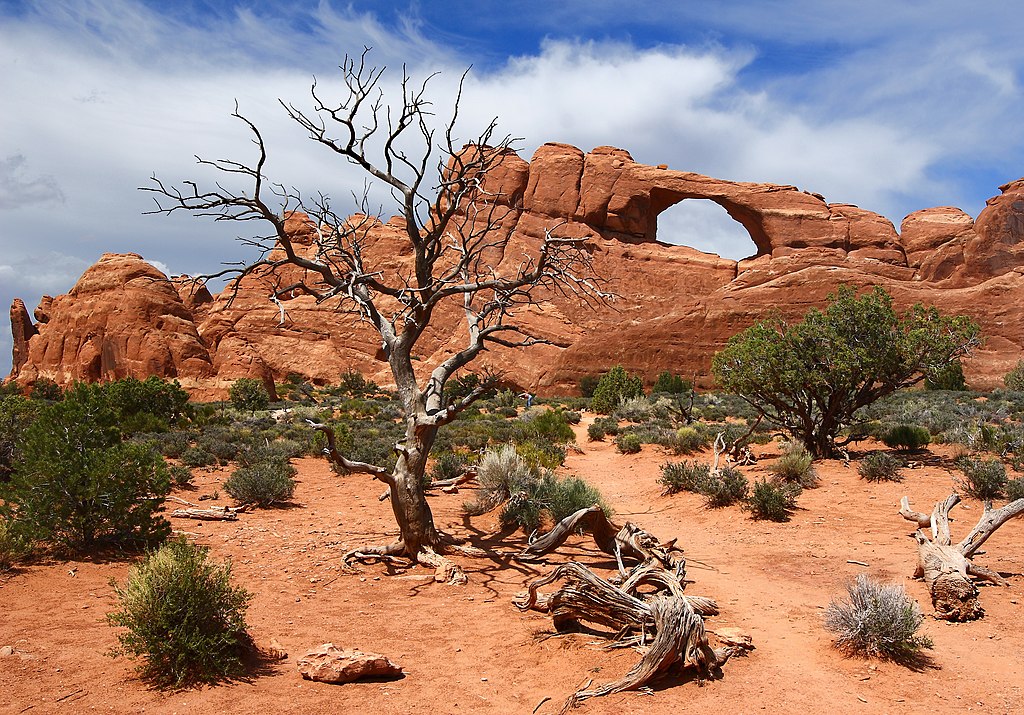
The Devils Garden Loop weaves through arches, fins, and red rock formations that define Utah’s desert landscape. Park crews have been restoring damaged trail sections by rerouting paths away from delicate cryptobiotic soil and building new drainage systems to prevent washouts. These improvements help protect rare desert ecosystems while keeping one of Arches’ most iconic hikes accessible and sustainable.
Bryce Canyon’s Peekaboo Loop
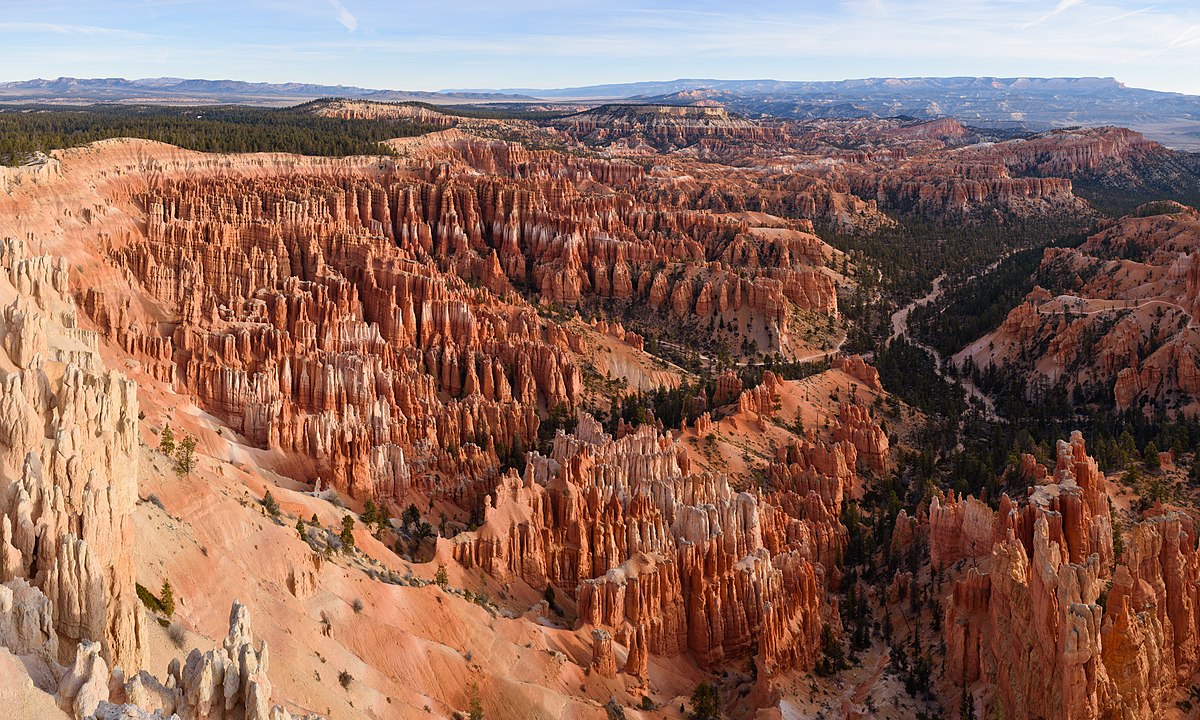
Bryce Canyon’s Peekaboo Loop, known for its hoodoos and dramatic views, has seen renewed attention through extensive maintenance projects. Trail crews are rebuilding retaining walls and improving drainage to prevent collapse along steep sections. Volunteers are also working to clear debris and repair erosion-prone areas, ensuring this colorful amphitheater remains one of the park’s most breathtaking hiking experiences.
Grand Staircase-Escalante’s Lower Calf Creek Falls Trail
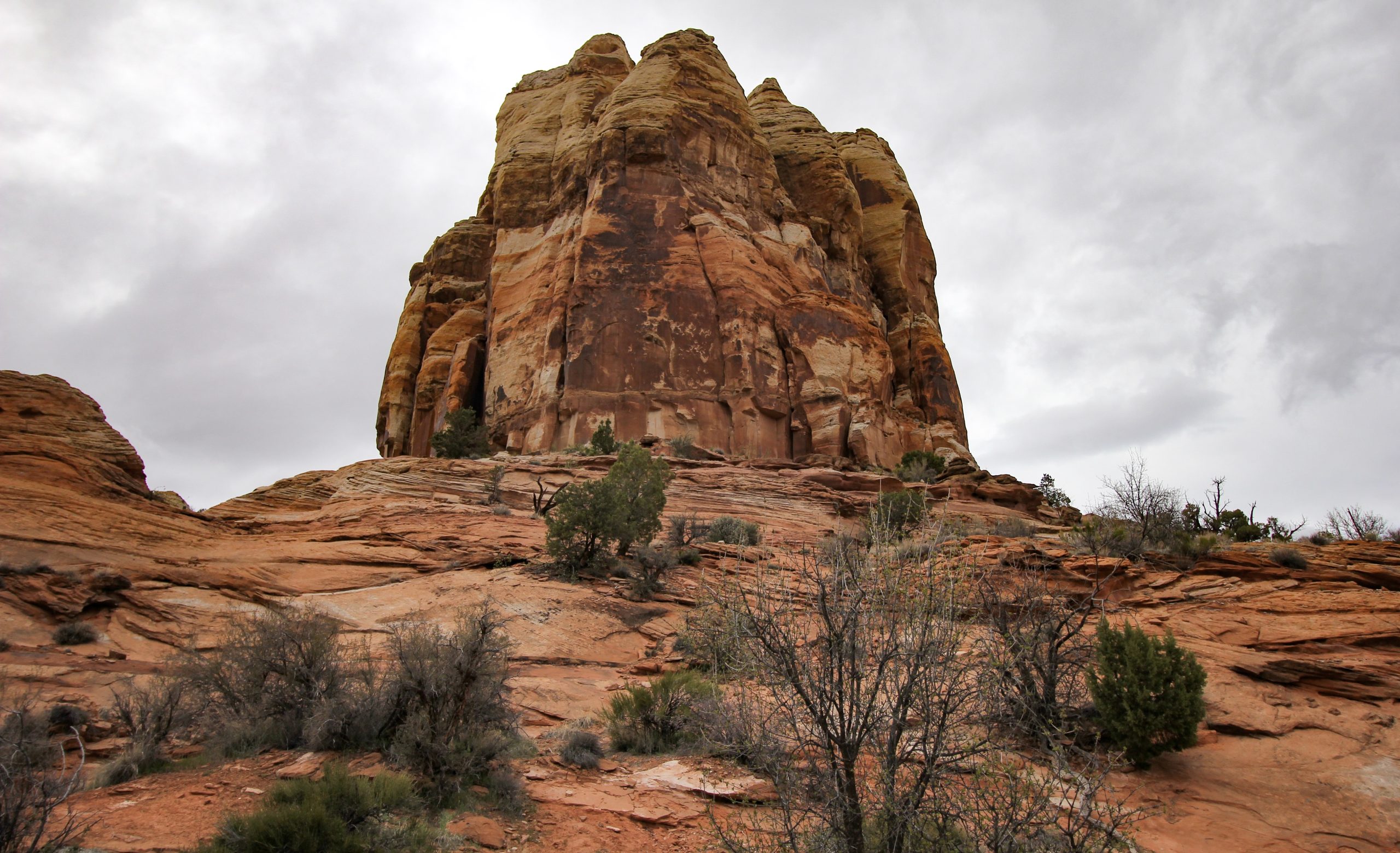
This scenic trail leading to the 126-foot Lower Calf Creek Falls is being revitalized to protect its fragile desert environment. Restoration efforts include repairing sections eroded by flash floods and establishing clearer paths to limit off-trail wandering. Native vegetation is being replanted to reduce soil degradation, helping to maintain both the trail’s accessibility and its pristine surroundings.
Uinta-Wasatch-Cache National Forest’s Red Pine Lake Trail
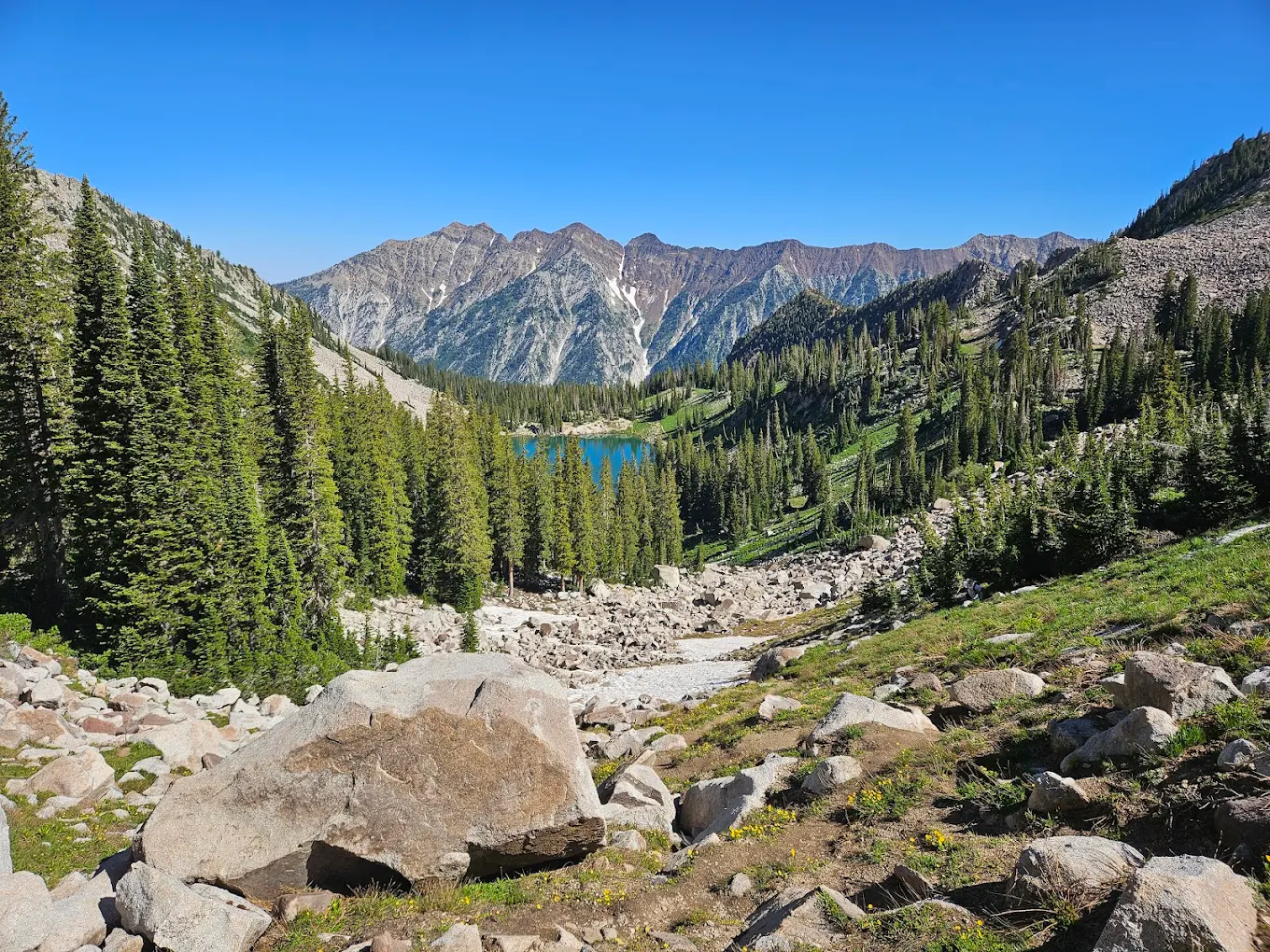
The Red Pine Lake Trail, nestled in Utah’s Wasatch Range, is undergoing critical upgrades to reduce erosion from increased foot traffic. Crews are stabilizing steep inclines with stone steps and natural barriers while improving water flow along the route. These updates not only enhance safety but also preserve the alpine meadows and clear glacial lakes that make this trail a local favorite.
Moab’s Slickrock Trail
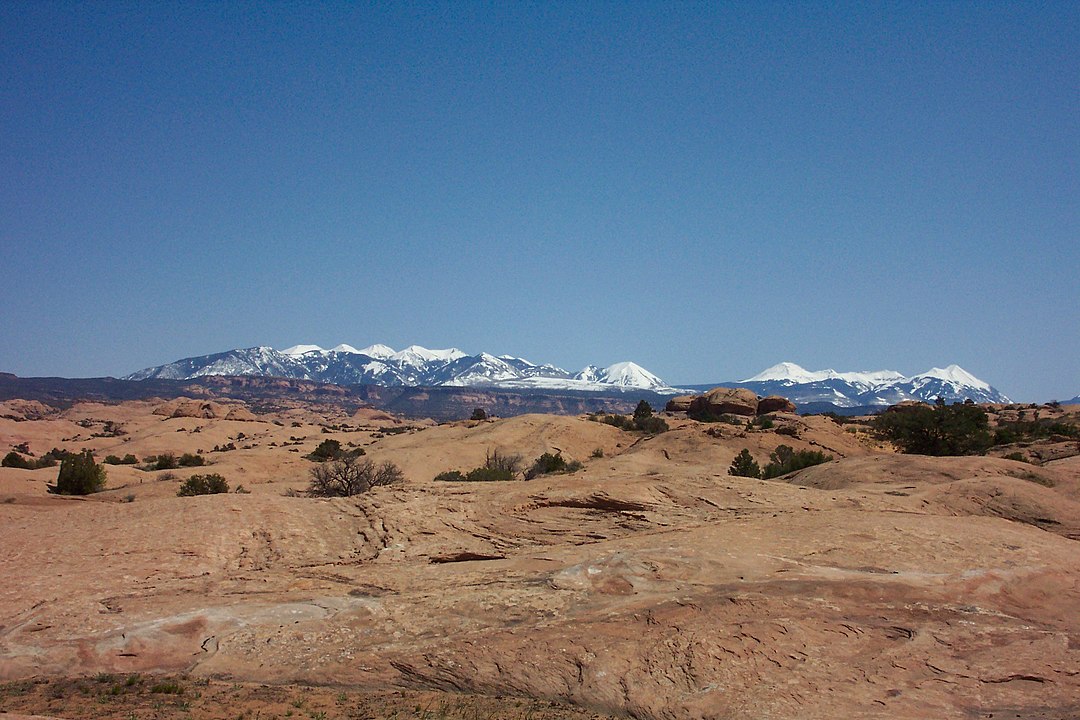
Moab’s world-famous Slickrock Trail, popular with both hikers and mountain bikers, is being restored to reduce damage from years of high traffic and harsh weather. Conservation teams are reinforcing marked routes with natural materials to prevent soil erosion and protect surrounding habitats. The project also includes installing new signage to help visitors stay on the correct path and minimize environmental impact.