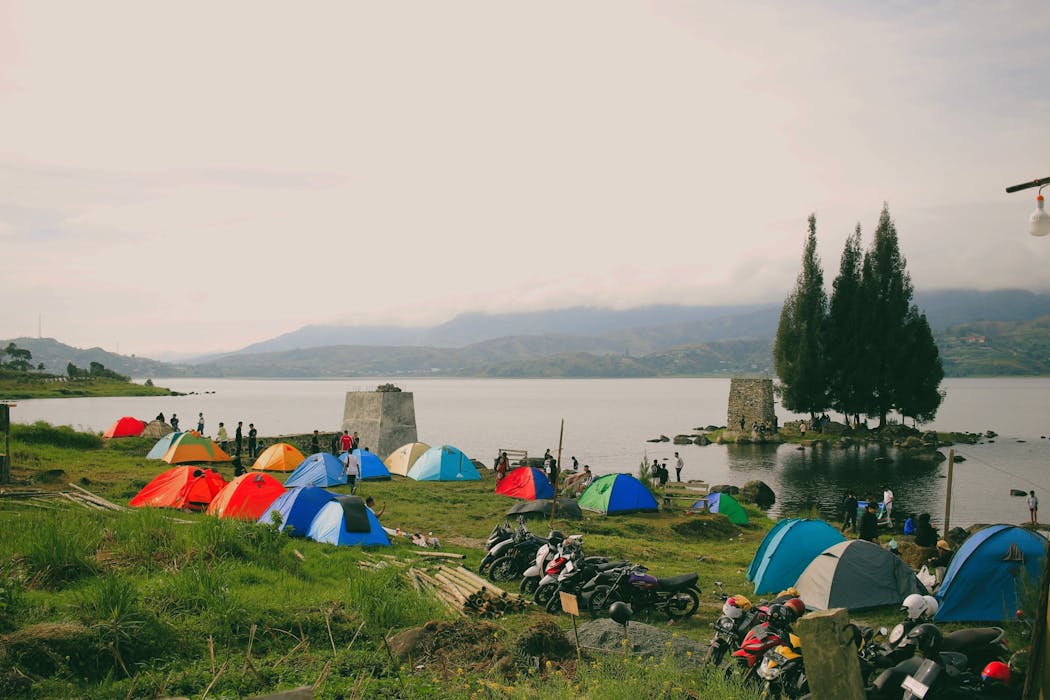
Camping offers a refreshing break from busy routines, yet tents function best when kept organized, dry, and free from anything that might attract moisture or curious wildlife during the night. Many beginners mistakenly treat tents like small cabins, placing items inside that create condensation, unwanted scents, or clutter that complicates movement in tight quarters. Understanding what belongs outside helps maintain comfort while reducing risks associated with food odors, damp clothing, or gear that may interfere with restful sleep. Tents perform well when used strictly for shelter, offering ventilation and protection rather than storage for bulky or potentially problematic items. Recognizing which belongings should remain elsewhere contributes to easier mornings, tidier sleeping spaces, and fewer surprises when waking up in unfamiliar outdoor environments. This simple awareness strengthens overall campsite safety and enhances the peaceful experience many seek in nature.
Food of Any Kind
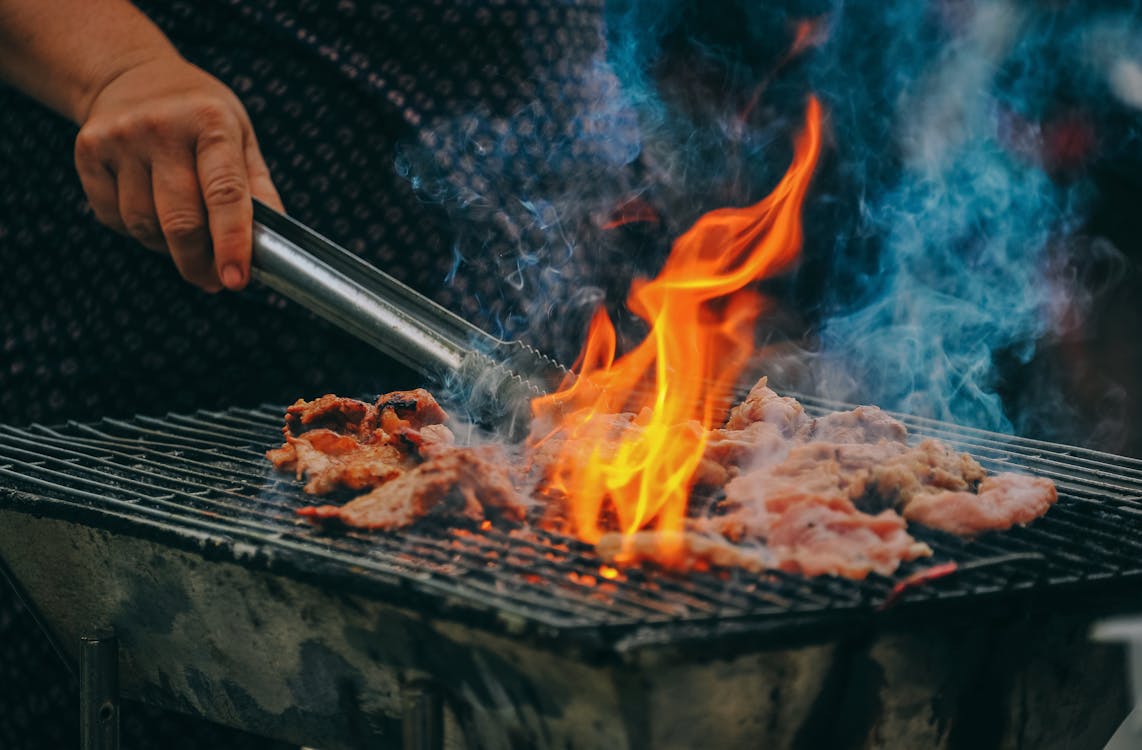
Food of any kind should remain outside the tent because scents linger even when sealed, drawing attention from wildlife in both remote forests and popular campgrounds. Animals rely heavily on smell, and even small snacks tucked inside a pack release enough aroma to attract unwanted visitors during the night. Aside from wildlife concerns, keeping food inside increases interior humidity, as sealed items often trap moisture that warms and expands in confined spaces. Crumbs or spills also become difficult to manage inside a tent and may introduce lingering odors that persist for the rest of the trip. Storing meals, snacks, and cooking supplies in designated bear boxes, airtight containers, or hung storage systems helps preserve a clean sleeping atmosphere. A food-free tent reduces nighttime disturbances and supports safe practices across a variety of camping environments.
Wet Clothing and Footwear
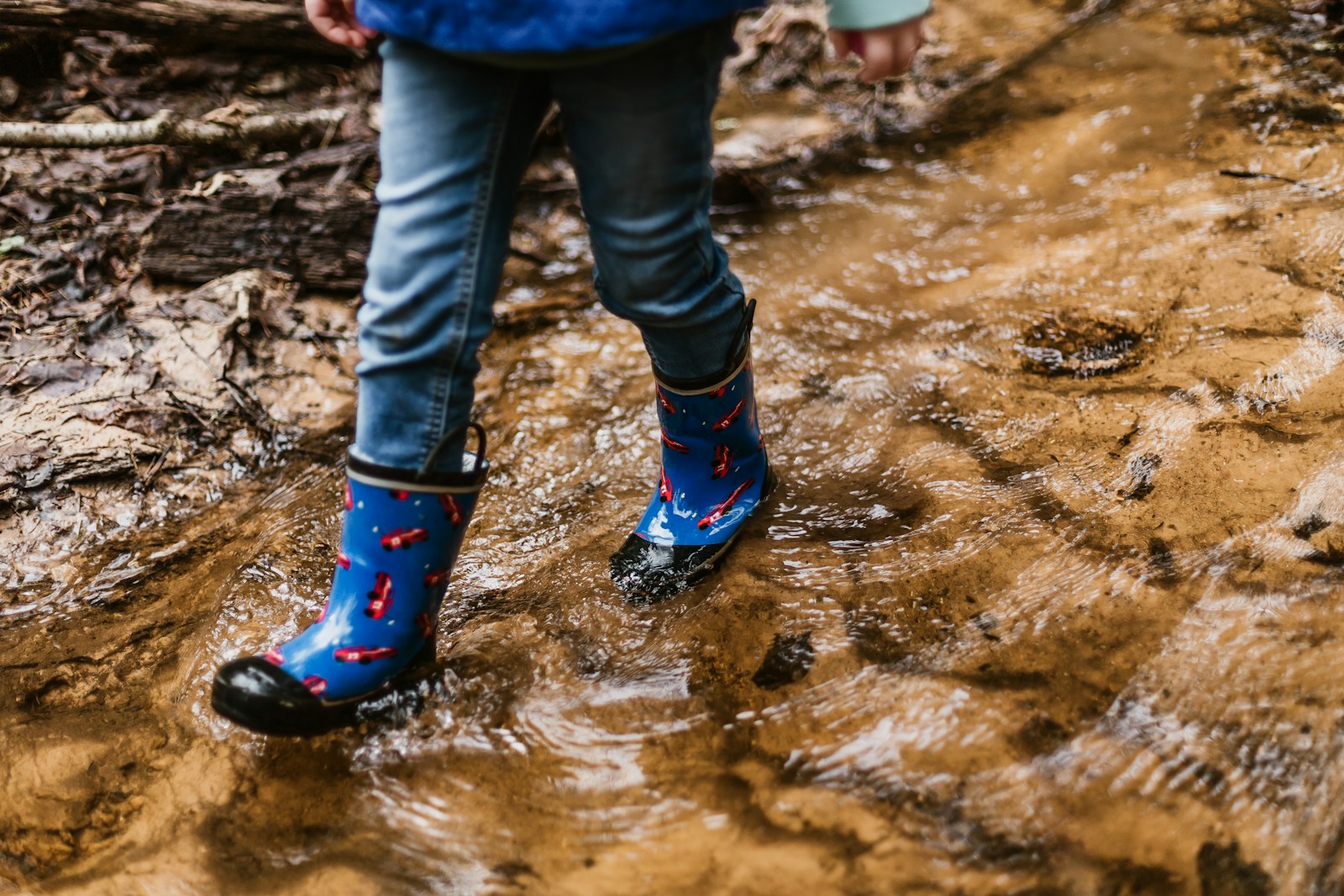
Wet clothing and footwear create excessive moisture inside a tent, leading to condensation that settles on sleeping bags, gear, and interior walls. Moisture trapped in fabrics evaporates as temperatures rise, increasing the humidity that collects on cooler surfaces. This dampness causes discomfort and may shorten the lifespan of certain equipment. In addition, wet items often accumulate dirt and bacteria, producing odors that linger through multiple days of camping. Leaving footwear or soaked garments inside also contributes to clutter, making movement difficult in tight sleeping quarters. Many campers prefer storing damp clothing in vestibules, under tarps, or near sheltered drying areas where air circulation allows evaporation. Removing moisture sources keeps the tent’s interior warm, dry, and more comfortable during unpredictable overnight weather shifts.
Cooking Equipment
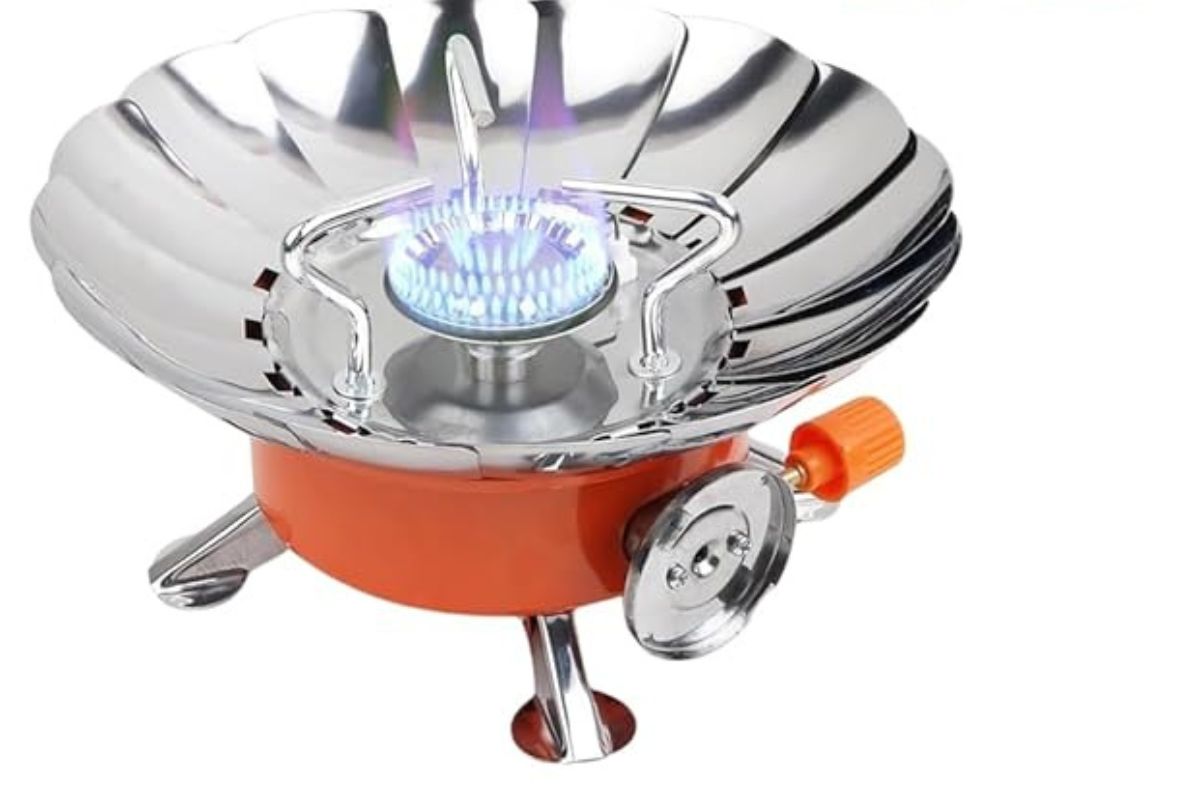
Cooking equipment should stay outside the tent because residue from oils or food particles can attract wildlife and create odors that are difficult to remove from enclosed fabric spaces. Even clean pans or utensils may release lingering scents that signal food availability to animals in the area. Using stoves or cookware inside a tent also poses risks associated with carbon monoxide buildup and fire hazards, making open-air cooking the safest option. Storing burners, pots, or fuel canisters inside introduces clutter and reduces ventilation as fumes or vapors accumulate overnight. Placing equipment in designated storage areas, secure bins, or vestibules ensures the sleeping space remains orderly and free from culinary remnants. Keeping cookware outside supports safety while helping maintain a fresh, breathable environment.
Strongly Scented Toiletries
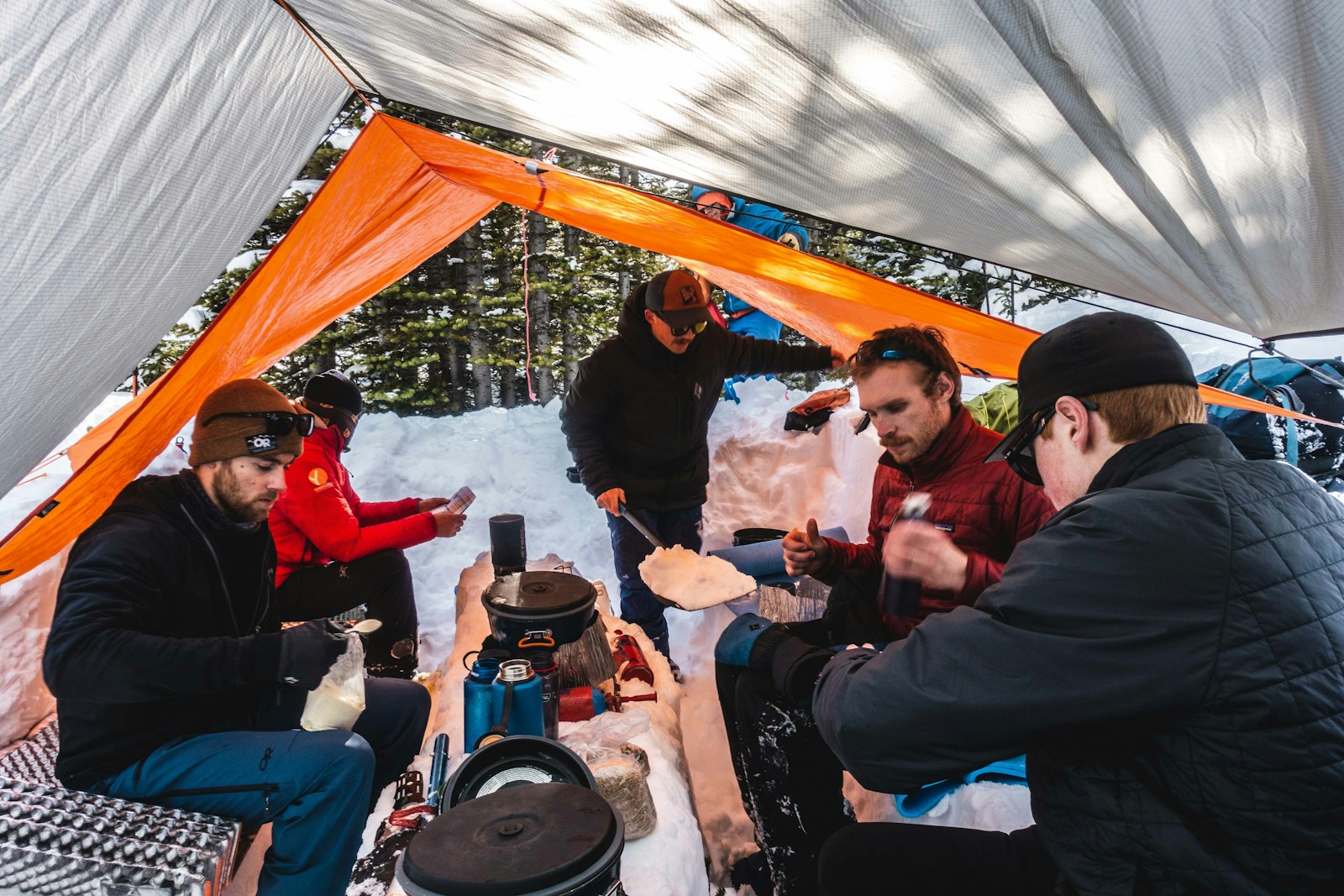
Strongly scented toiletries should remain outside the tent because fragrances from soaps, lotions, and deodorants can draw the attention of animals searching for unfamiliar smells. Even small containers release noticeable aromas in confined spaces, increasing the risk of curious nocturnal visitors at the campsite. In addition to wildlife concerns, scented products contribute to condensation and lingering odors when trapped inside overnight. Aerosols and liquid toiletries also risk accidental spills that may seep into sleeping bags or padding, making cleanup difficult during multi-day trips. Many campers store toiletries in sealed bags or specialized containers kept in bear boxes or external compartments. Separating these items from the sleeping space keeps the tent environment clean, neutral, and better suited to quiet rest.
Electronics Sensitive to Moisture
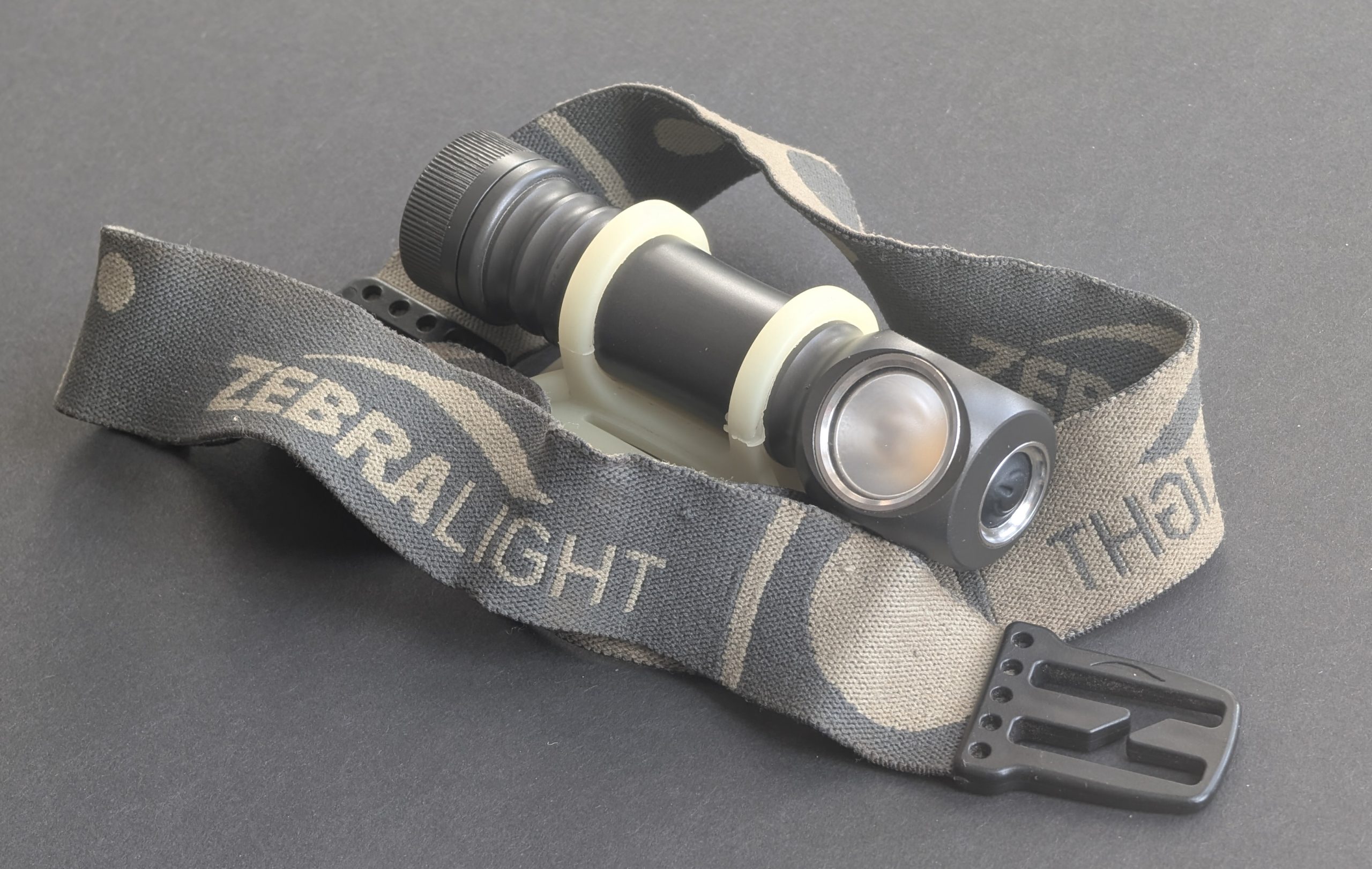
Electronics sensitive to moisture should remain outside the tent’s sleeping area because temperature changes often create condensation on delicate components. Overnight humidity naturally rises as occupants exhale warm air that settles on cool surfaces, increasing the likelihood of moisture collecting on screens, batteries, or internal circuits. Storing devices inside sleeping areas also contributes to clutter and increases the risk of items being stepped on or damaged in low-light conditions. Many travelers place electronics in waterproof containers, dry bags, or vehicle storage to shield them from dampness while keeping the tent interior free from unnecessary equipment. Protecting electronics from fluctuating temperatures and humidity helps preserve battery life and overall functionality, especially during longer trips.
Trash or Food Wrappers
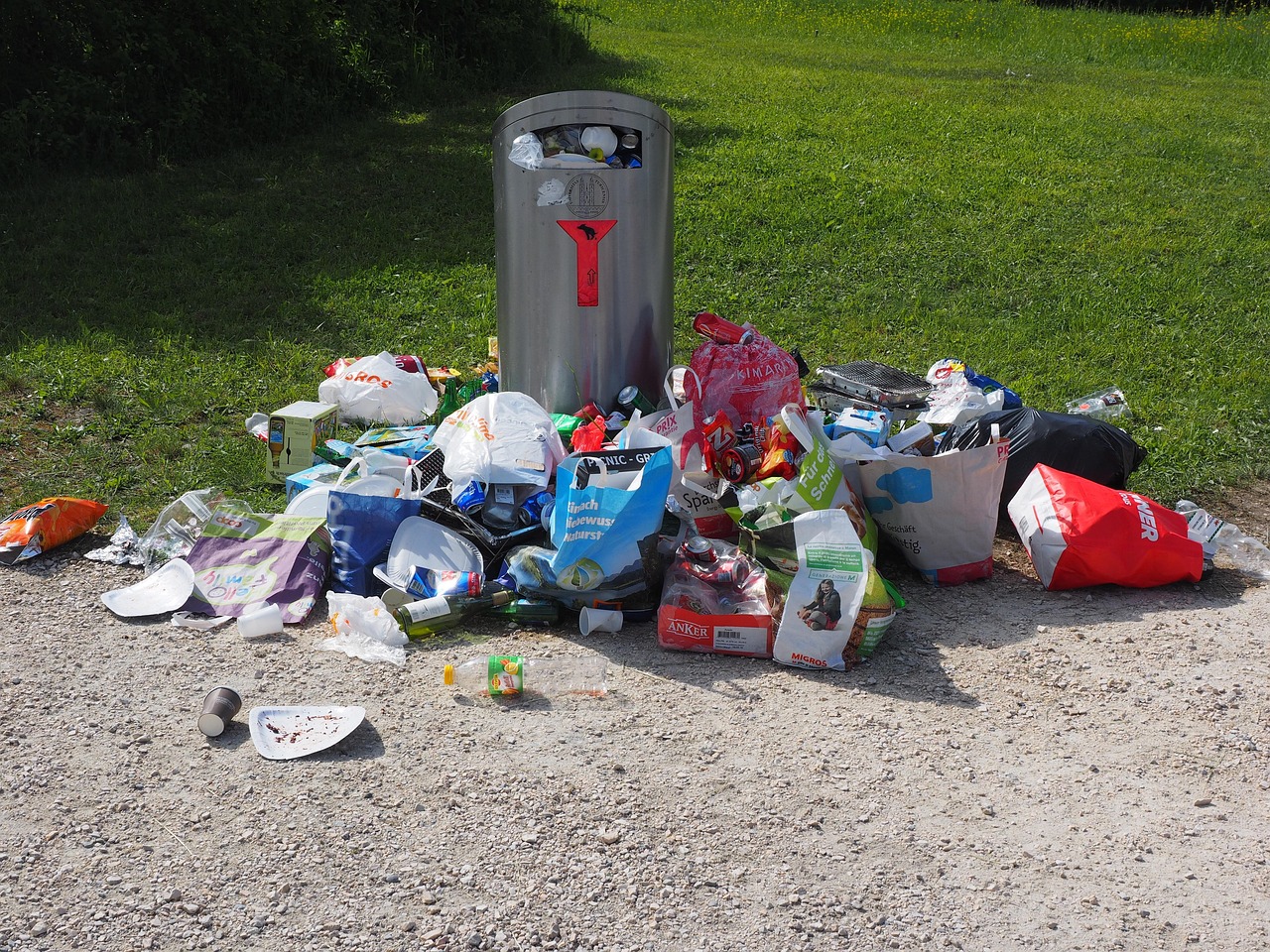
Trash or food wrappers should never remain inside a tent because residual odors, even faint ones, quickly attract insects and wildlife during overnight hours. Wrappers often carry traces of oils, sugar, or seasonings that release scent molecules strong enough to signal an easy food source. Keeping trash inside also encourages condensation, as interior humidity interacts with organic residue to create stale or unpleasant odors. Crumpled bags or packaging generate noise when moved accidentally, interrupting sleep in tight quarters. Responsible campers typically store waste in sealed bags, bear-proof containers, or designated bins away from sleeping areas. Removing trash from the tent protects both occupants and the surrounding environment, promoting cleaner spaces and safer interactions with local wildlife.