Many households treat gun ownership as a serious responsibility that touches safety, legality, and everyday routines. Some problems arise from avoidable choices that create risk even without bad intentions. This article keeps the focus on broad, non-technical principles that support responsible conduct and reduce preventable harm. Six common pitfalls show up repeatedly in public safety messaging, legal reporting, and basic best practices across jurisdictions. Each section names one behavior to avoid and explains why it matters in plain language, without offering instructions for using firearms.
Leaving Firearms Unsecured Around Others

Unsecured firearms can create immediate safety and legal problems, especially in homes with children, guests, or roommates. A common mistake involves treating a familiar environment as automatically safe, even though access can change quickly during daily routines and social gatherings. Many jurisdictions impose legal consequences when an unauthorized person gains access, and civil liability can follow if someone gets hurt. The broader issue is preventable access, not intent. Responsible ownership emphasizes limiting opportunities for mishandling, theft, or impulsive decisions. Situations that feel normal can still shift unexpectedly, so unsecured storage remains a widely recognized risk factor.
Carrying Or Transporting Without Knowing Local Rules
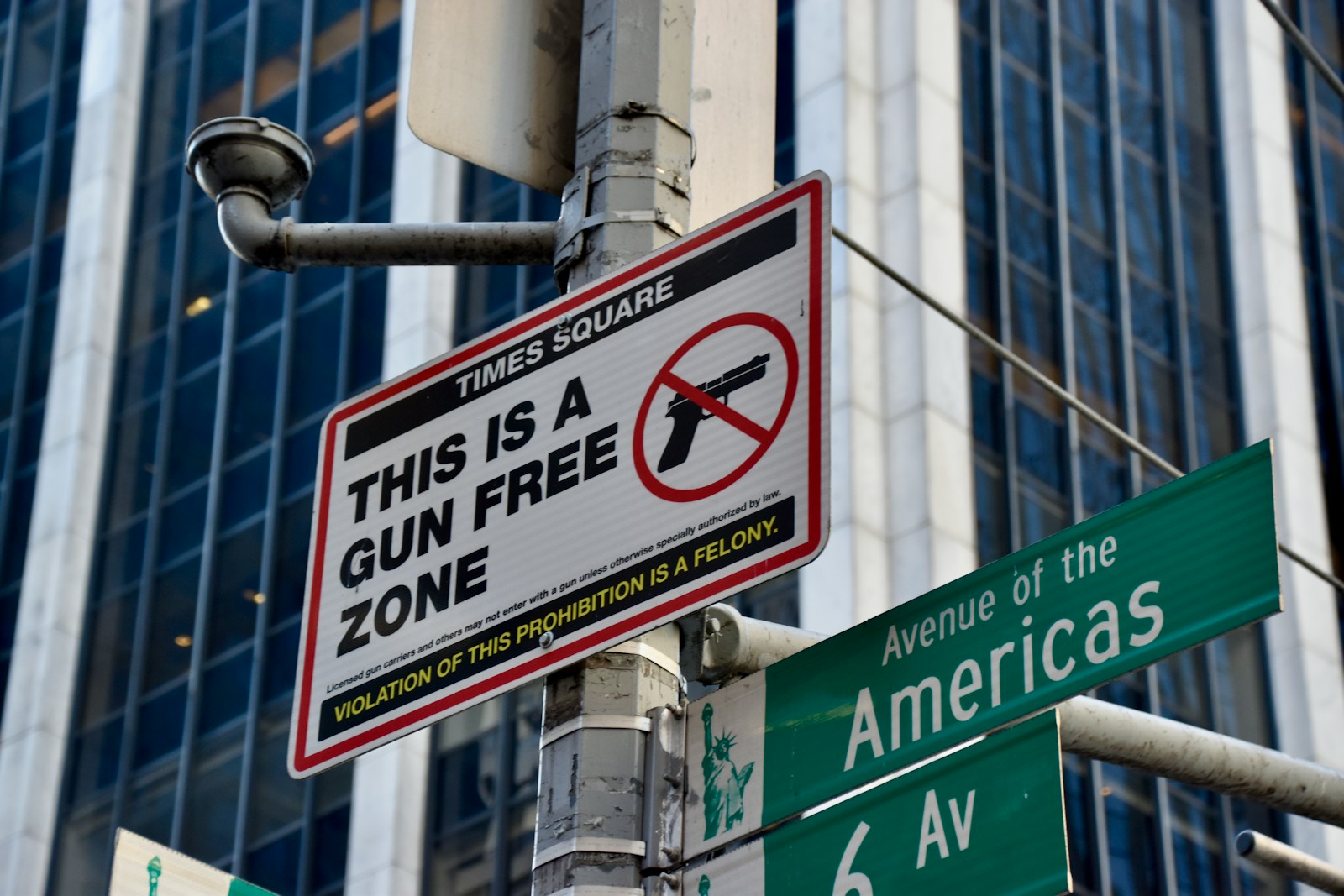
Firearm laws vary widely by country, state, and even city, so assumptions can create serious consequences. A common pitfall involves relying on social media summaries or secondhand advice instead of checking official sources and current regulations. Rules can differ on where firearms may be present, how transport must comply with local requirements, and what documentation may apply. Crossing borders or entering restricted locations can escalate a routine errand into a legal problem. Staying aware of local rules supports lawful conduct and reduces misunderstandings with authorities. Uncertainty itself signals a need to pause and verify, not to guess.
Mixing Firearms With Alcohol Or Impairing Substances

Impairment and firearms do not mix because judgment, reaction time, and emotional control can change in ways that are hard to notice in the moment. Many places treat intoxicated handling or carrying as a serious offense, and consequences can include arrest, loss of licensing, or other penalties. Beyond legality, impairment raises the odds of negligent discharge, unsafe decisions, or escalation during disagreements. Even mild impairment can reduce attention to basic safety habits. A responsible approach centers on avoiding situations where substances and firearms occupy the same environment, since risk increases long before obvious intoxication appears.
Escalating Arguments Or Bringing Guns Into Conflict
A firearm can turn an ordinary dispute into a crisis, even when no one intends harm. A common mistake involves treating a gun as a tool for intimidation or leverage, which can provoke panic, retaliation, or legal exposure. Many jurisdictions impose severe penalties for brandishing, threats, or reckless conduct, and even lawful possession does not excuse aggressive behavior. Conflict dynamics move fast, and stress can distort perception and decision-making. Responsible ownership aligns with de-escalation and distance from volatile situations. Avoiding confrontation helps prevent misunderstandings, injuries, and irreversible outcomes that begin with a heated moment.
Posting Firearms And Personal Details Online Carelessly

Online sharing can create unexpected security and privacy risks for gun owners. A common pitfall involves posting photos that reveal home layouts, storage locations, serial numbers, or routines, which can attract theft or unwanted attention. Public posts can also complicate legal matters if content appears to show unsafe behavior, prohibited locations, or threatening language. Even well-meaning bragging can be misread without context, especially during disputes or investigations. Digital permanence matters because screenshots and reposts travel beyond the original audience. A cautious online approach protects personal safety, reduces theft risk, and avoids unnecessary legal entanglements.
Neglecting Maintenance, Training, and a Responsible Mindset

Overconfidence can be dangerous, because safe ownership depends on ongoing attention, not a one-time purchase. A common mistake involves ignoring routine upkeep, letting safety knowledge get stale, or assuming skills remain sharp without refreshers. Malfunctions, handling errors, and poor situational judgment often trace back to neglect and complacency rather than malice. Responsible ownership also includes mental readiness, such as recognizing stress, anger, or distraction and choosing safer choices during those moments. Community ranges, certified classes, and official safety materials can support continued learning without glamorizing use. A consistent mindset reduces preventable incidents across daily life.