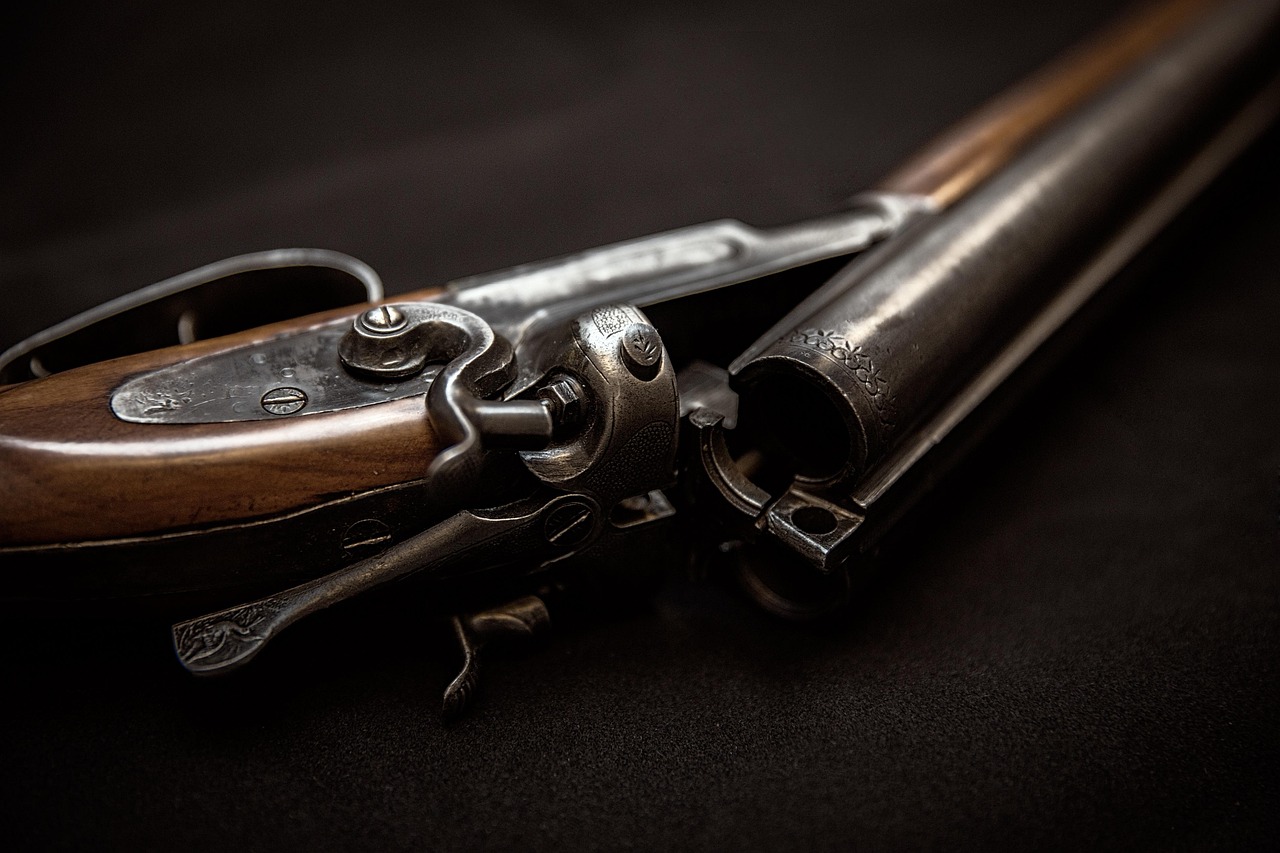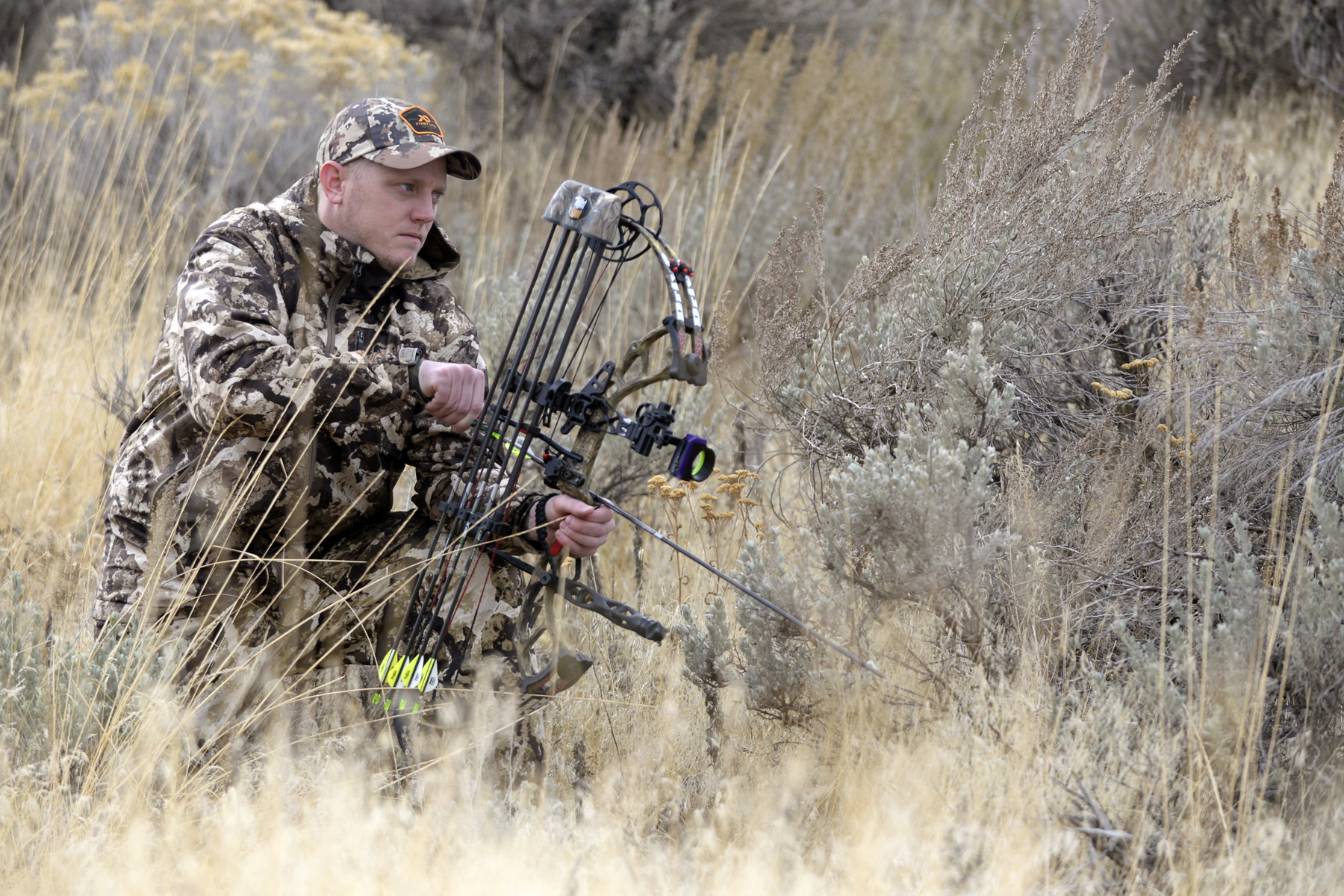
Rimfire firearms are often chosen for camp-based hunting because they feel lightweight, affordable, and easy to manage. On the surface, they seem ideal for small game and short-range use near camp. Problems tend to appear only after several days in the field. Noise patterns affect nearby campers, limited stopping power complicates clean harvesting, and maintenance becomes harder in dusty or damp conditions. Ammunition sensitivity and reliability issues grow noticeable with repeated use. These challenges do not usually appear on the first outing, which is why many hunters overlook them. Understanding how specific rimfire choices interact with real camp conditions helps hunters avoid frustration and ethical concerns over time.
1. Ultra-Light Rimfire Rifles
Ultra-light rimfire rifles feel perfect when carrying gear into camp. On day one, reduced weight improves mobility and reduces fatigue. Over time, the lack of mass increases felt vibration and instability. Lightweight barrels heat faster, reducing accuracy during repeated shots. Wind affects the point of impact more noticeably, especially in open terrain near the camp. Lightweight stocks transmit recoil inconsistently, complicating follow-up shots. What felt easy to carry slowly becomes harder to shoot precisely during extended camp-based hunting sessions.
2. Short-Barreled Rimfire Configurations

Short barrels are convenient around camp and easy to maneuver in dense brush. Early use feels controlled and quick. As hunting days stack up, velocity loss becomes noticeable. Reduced bullet speed affects penetration and humane harvests. Muzzle blast increases, disturbing nearby camps more than expected. Noise echoes differently in wooded areas, drawing attention. The convenience of short barrels gradually introduces accuracy and ethical challenges that complicate repeated hunting from a fixed campsite.
3. Budget Rimfire Ammunition
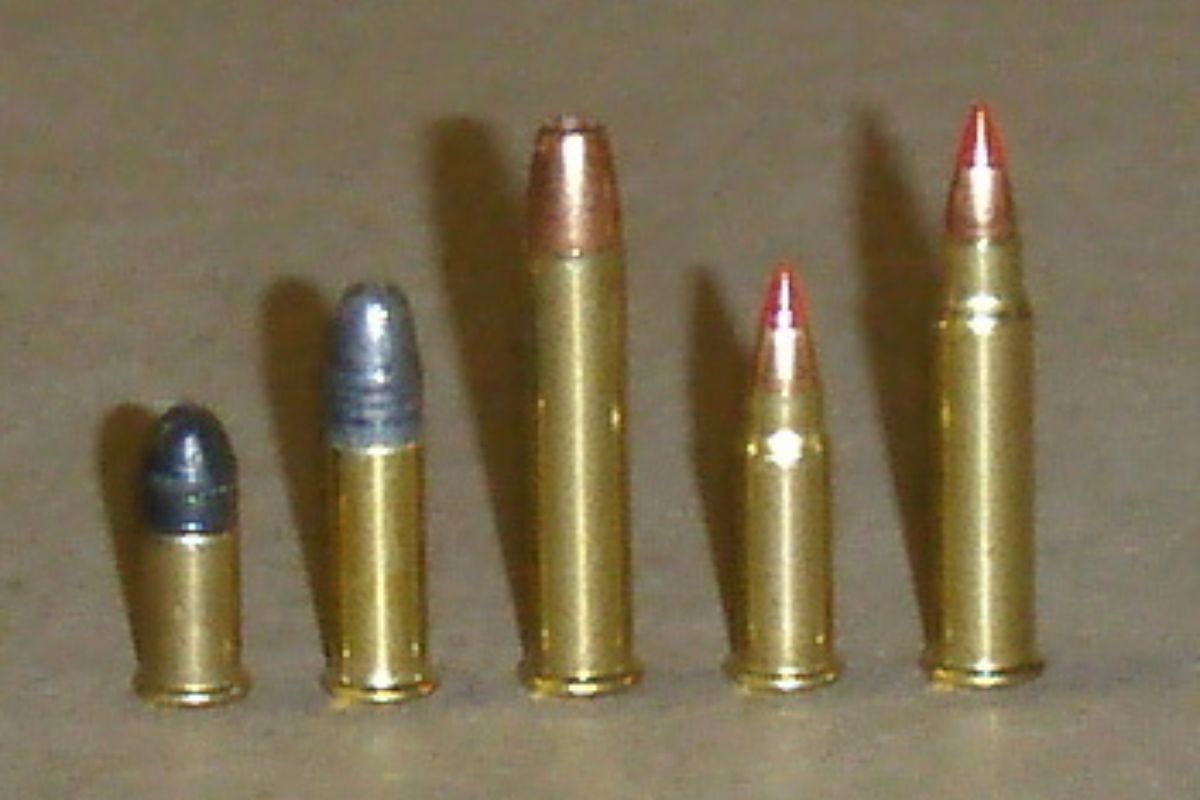
Low-cost rimfire ammunition seems practical for camp use, especially when planning extended stays. Early shooting may appear consistent enough. Over time, inconsistent powder loads cause variable accuracy. Misfires and weak strikes become more frequent in humid or dusty environments. Cleaning requirements increase, cutting into hunting time. What saves money initially can create reliability concerns that interrupt routines and reduce confidence during camp-based hunting.
4. Semi-Automatic Rimfire Platforms
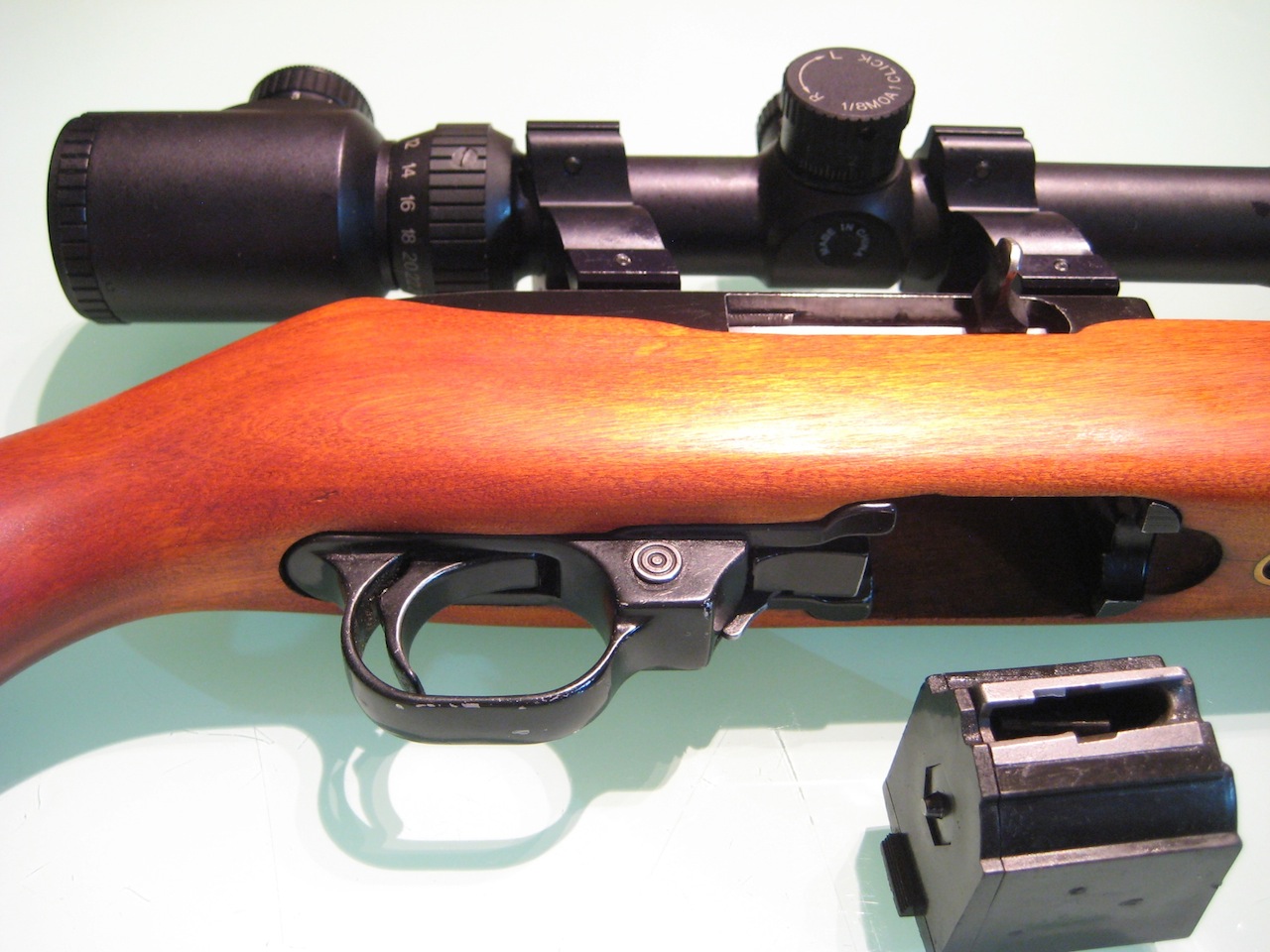
Semi-automatic rimfires feel efficient during the first hunts. Fast follow-up shots seem helpful for small game. As days pass, fouling builds quickly, especially with rimfire residue. Reliability drops without frequent cleaning, which is difficult at camp. Noise cadence draws attention and disrupts quiet surroundings. Convenience fades as maintenance demands and noise concerns grow during extended stays.
5. Rimfire Scopes Not Rated for Field Abuse
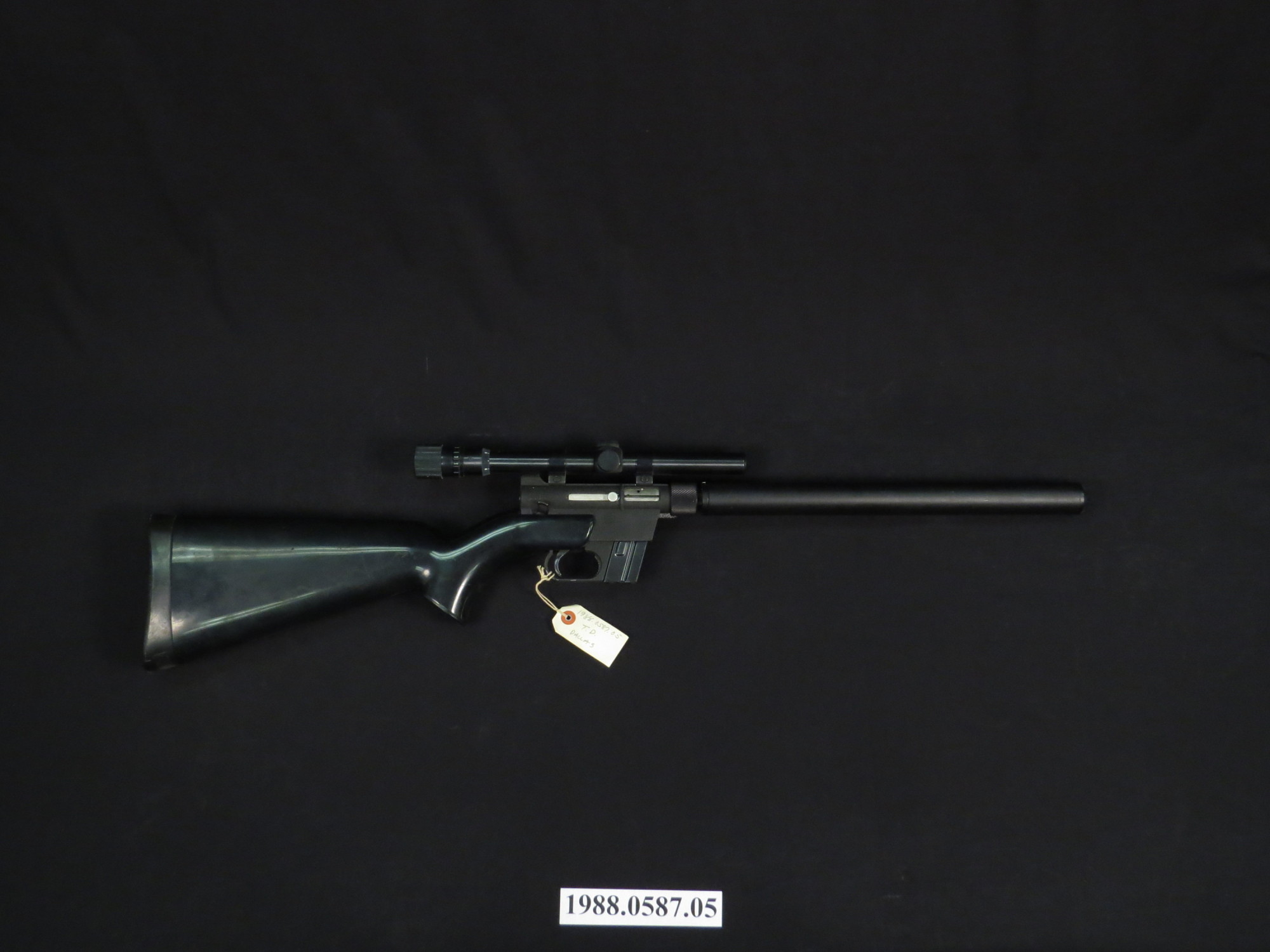
Budget optics often accompany rimfire setups for camp hunting. Initially, zero holds well, and clarity feels acceptable. Repeated transport, temperature shifts, and moisture exposure loosen mounts and shift the point of aim. Fogging becomes common during early mornings.Optics that seemed sufficient on day one slowly undermine accuracy and confidence as environmental stress builds.
6. Suppressed Rimfire Setups
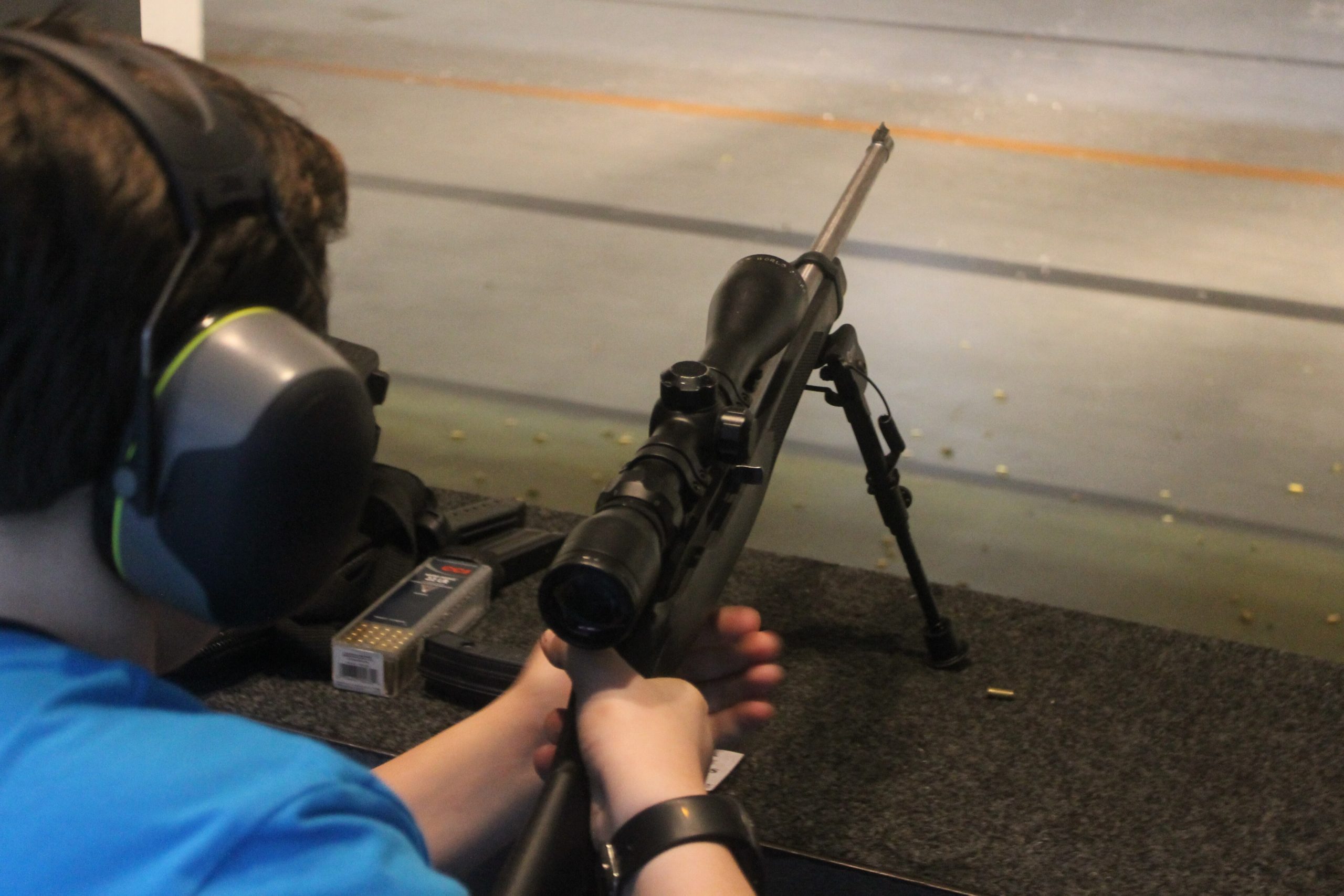
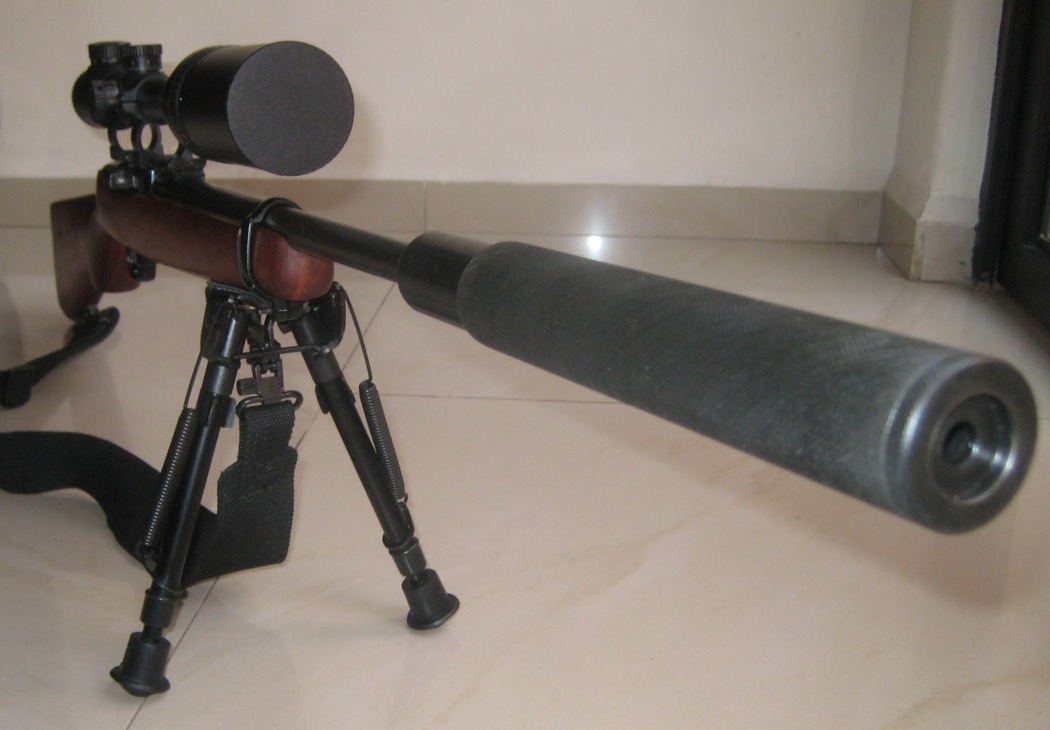
Suppressed rimfire rifles appear ideal for camp environments due to reduced noise. Early shots feel discreet and controlled. Over time, suppressors trap moisture and residue, increasing maintenance demands. Point of impact shifts after repeated use. Legal transport and cleaning complications arise during longer trips. What starts as a quiet advantage can introduce logistical and reliability challenges that complicate camp-based hunting routines.