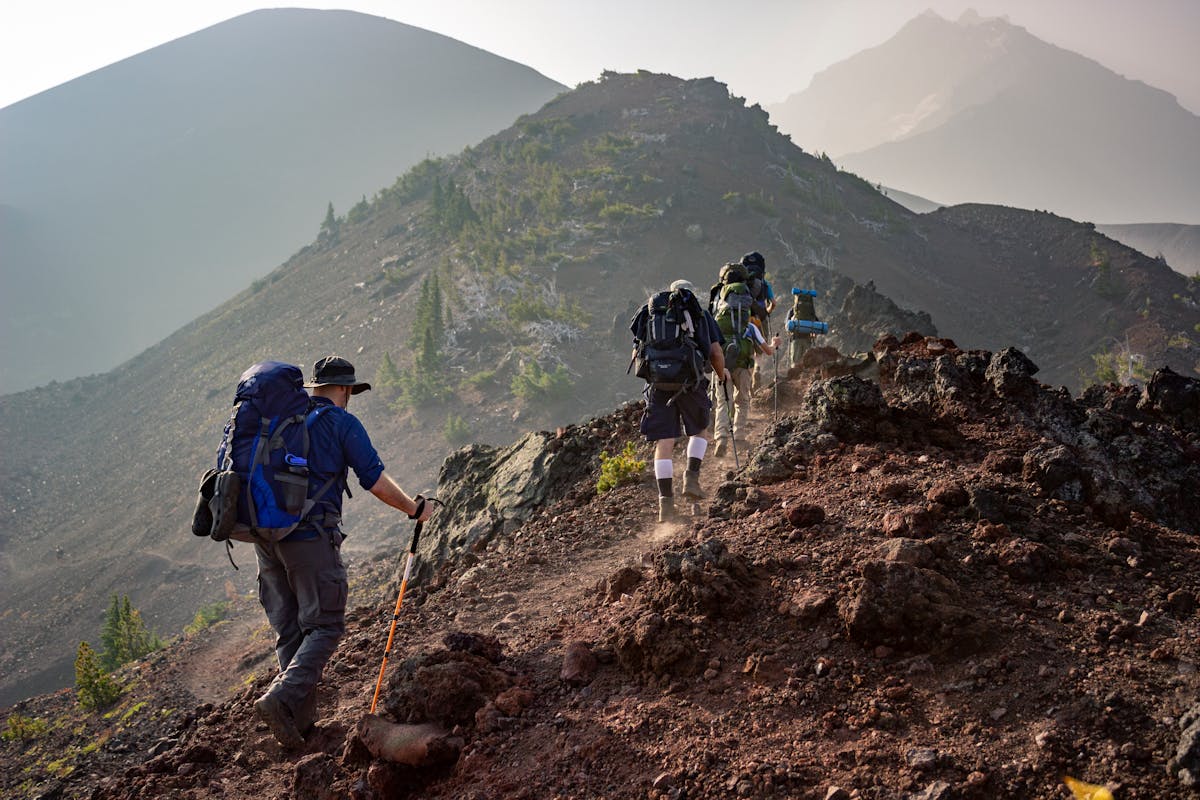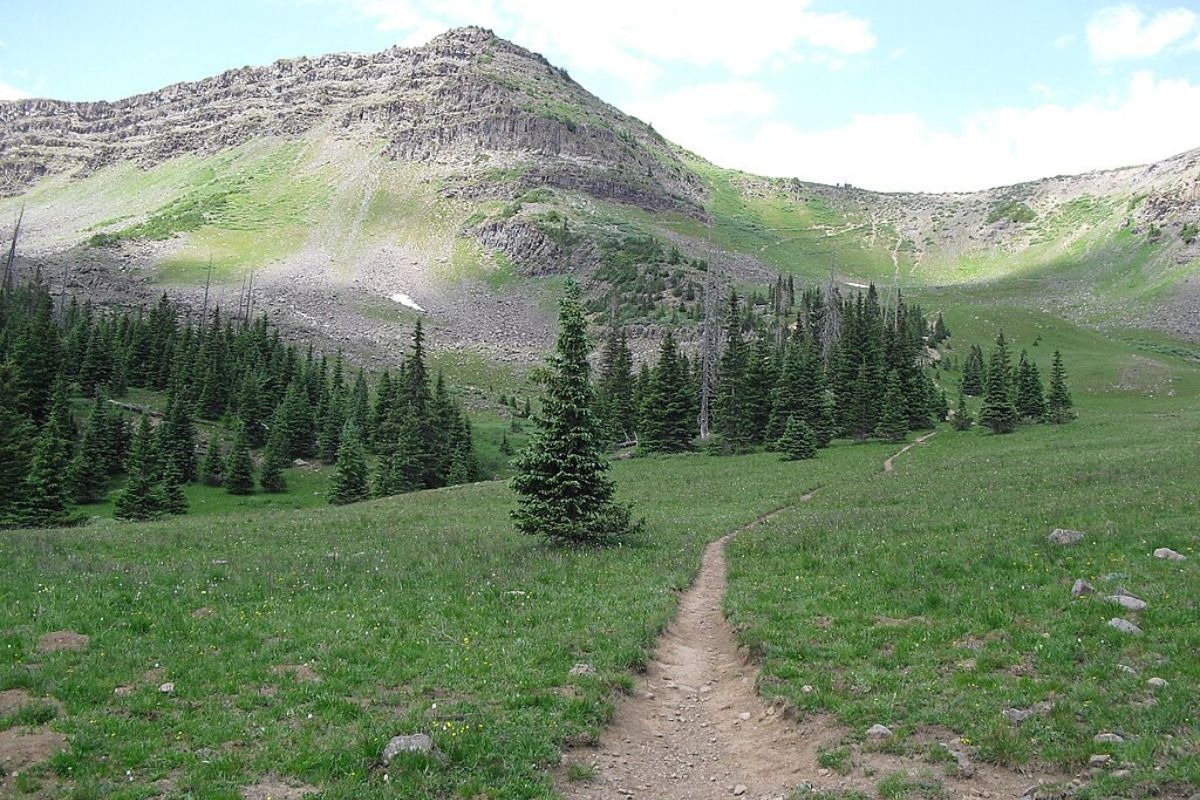
Many hikers assume that flat trails are the easiest routes, but the reality often surprises them. Even without steep climbs, these paths can feel draining because of the steady, uninterrupted pace they encourage. The terrain might look simple, yet it requires consistent effort from muscles, joints, and attention. Flat trails often hide challenges in surface conditions, temperature, and repetitive motion that slowly wear the body down. Understanding why level ground can feel tiring helps hikers plan smarter and enjoy their time outdoors with better preparation.
1. Long, Continuous Movement Without Natural Pauses
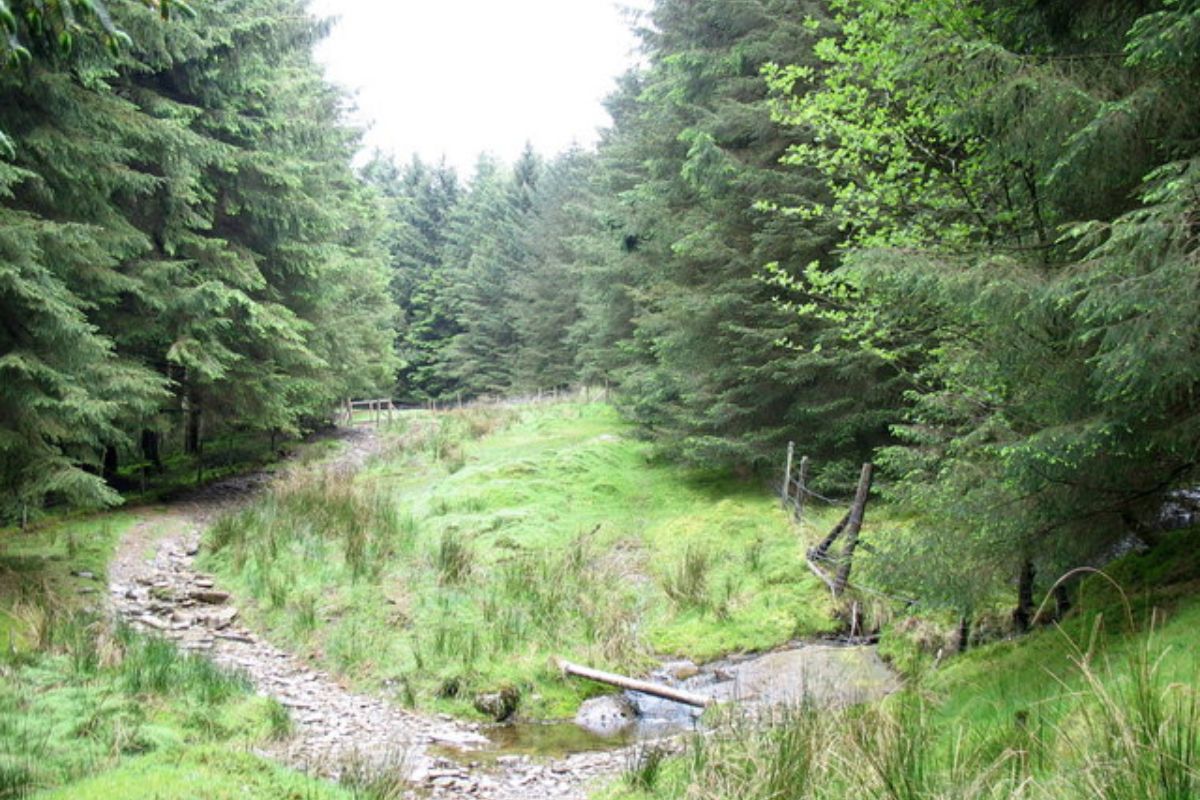
Flat trails rarely offer built-in stopping points, so hikers often walk farther without realizing how long they have been moving. Without climbs to slow the pace, the body keeps working at a steady rhythm, which gradually drains stamina. The lack of natural interruptions means fewer chances to rest muscles or reset breathing. Over time, this uninterrupted motion creates a subtle but accumulating strain. Even hikers who feel strong at the start may begin to feel heavy legs and slower steps. The constant forward motion demands endurance that many underestimate on level terrain.
2. Repetitive Steps That Overuse the Same Muscles
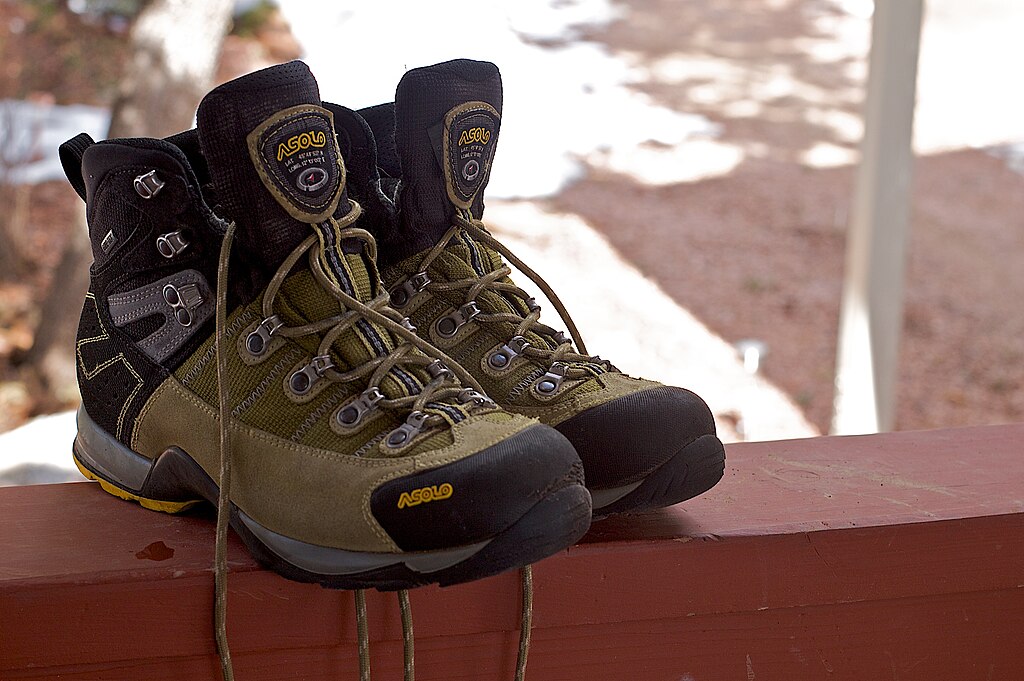
While climbing or descending, natural shifts in which muscles work the hardest, flat trails keep your movement almost identical with every step. This repeated pattern places continuous pressure on the same joints and muscle groups in the legs and lower back. As the miles increase, the repeated motion creates stiffness that slowly builds. Without varied footwork, the body misses opportunities to stretch or adjust naturally. Even a small imbalance in posture can become noticeable after long distances. This repetitive strain makes flat terrain feel more tiring than expected, especially during long hikes.
3. Soft or Loose Surfaces That Increase Effort
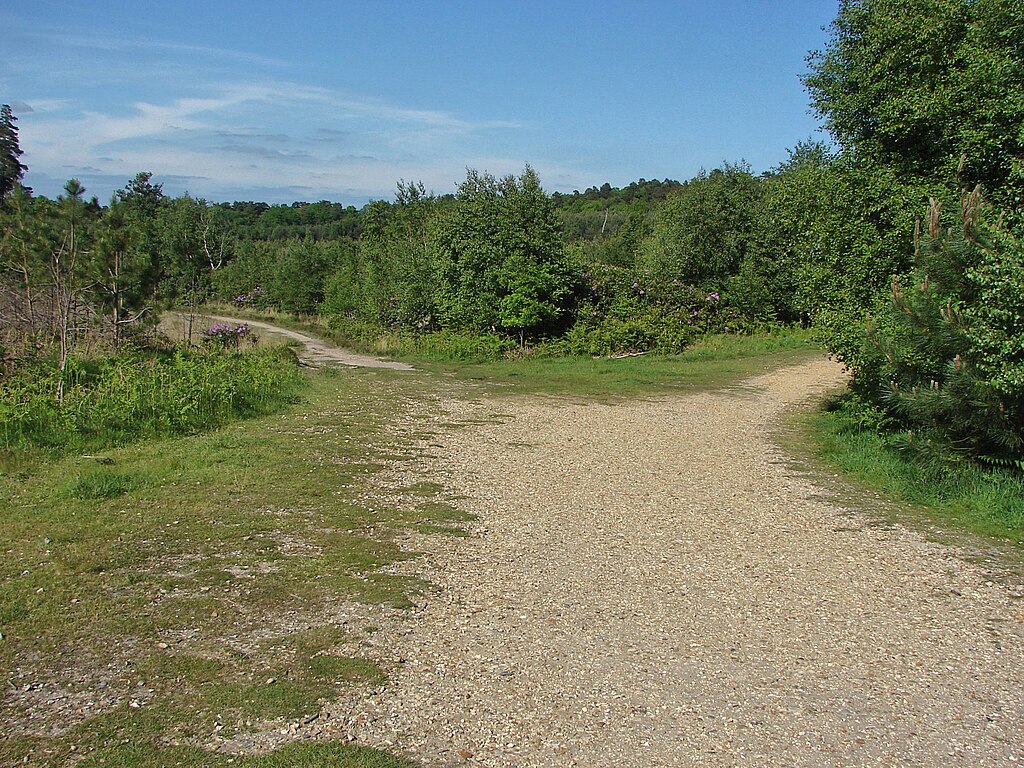
Not all flat ground provides easy footing. Sand, mud, pine needles, and loose soil absorb energy from each step, forcing your body to push harder to maintain momentum. Every footfall sinks slightly, causing extra work for the ankles and calves as they stabilize. These subtle movements add up, making progress feel slower and more demanding. Even when the trail looks straightforward, the softness of the surface can sap strength over time. Hikers often notice their legs growing tired more quickly when the ground shifts under their feet. Flat terrain can be deceptively tough when the surface lacks firmness.
4. Monotonous Scenery That Drains Mental Energy
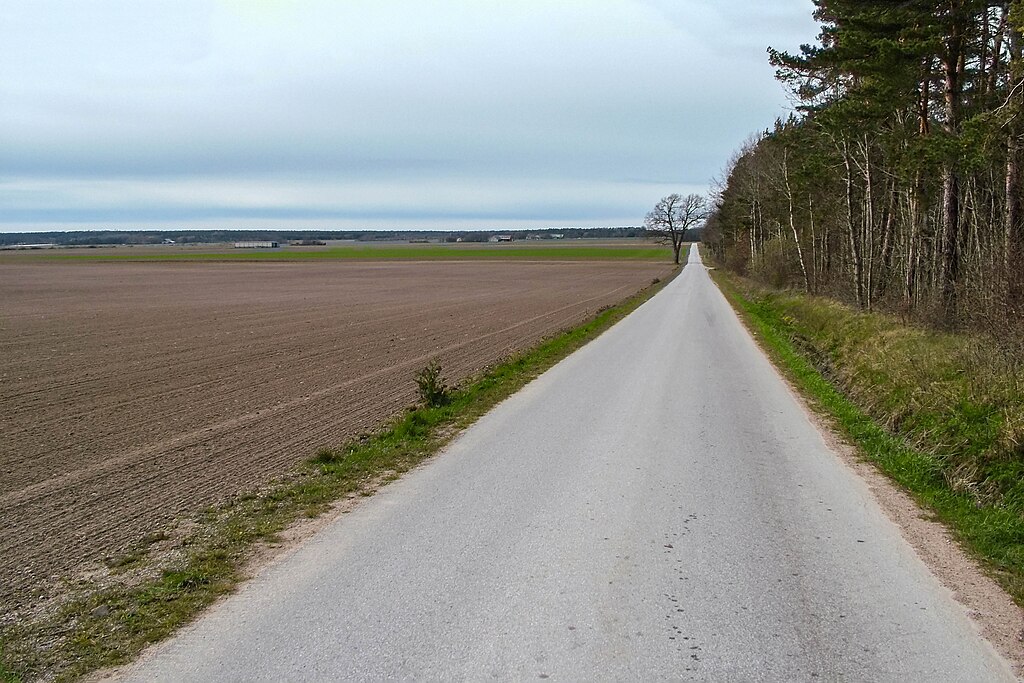
Flat trails often stretch across areas where the landscape changes very little, and this lack of variation can make the walk feel longer. When the eyes have few new details to focus on, the mind starts to drift, making physical effort feel heavier. Without distinct landmarks or shifting views, hikers sometimes feel as though they are not making progress. This mental fatigue gradually affects posture and pace, making steps feel slower and more labored. Even experienced hikers can feel worn down by the steady sameness. A mentally unstimulating route can be more tiring than one with constant elevation shifts.
5. Heat Buildup and Sun Exposure on Open Ground
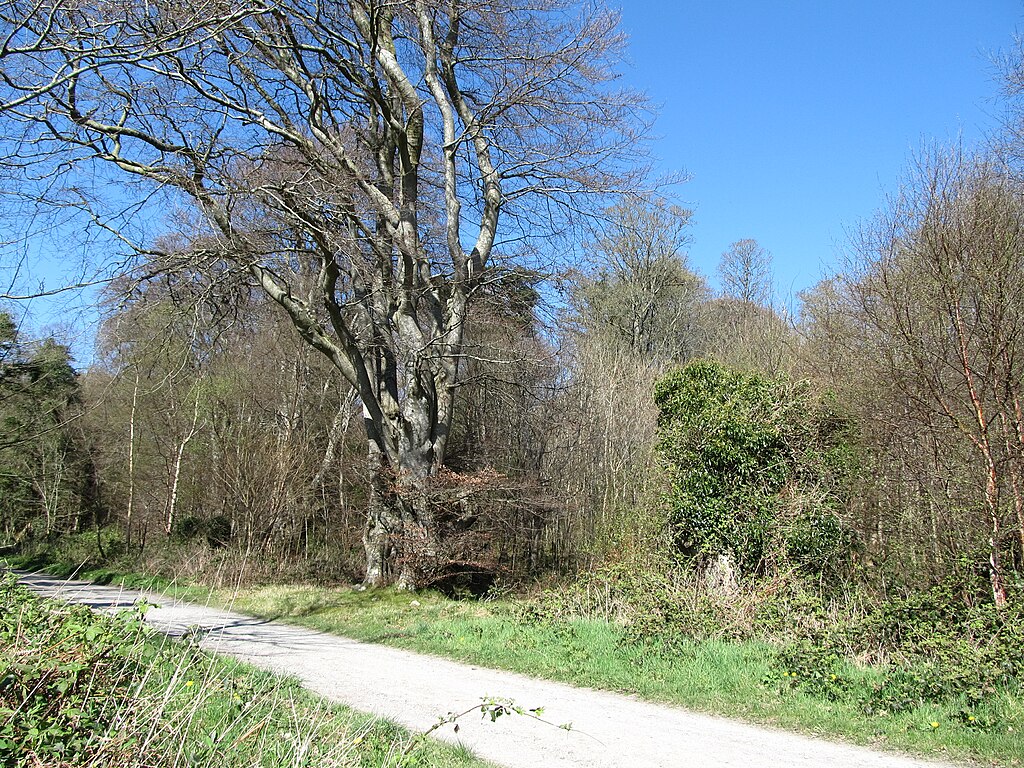
Flat trails often cross open spaces where shade is minimal, allowing heat to linger throughout the day. Sunlight reflects off fields, gravel, or waterlogged areas, creating extra warmth that quickly drains energy. Without hills or tree cover to break the sun, hikers absorb more heat, which increases sweating and speeds up dehydration. The body works harder to regulate its temperature, causing fatigue to appear sooner. Even mild weather can feel intense when the air is still. Over time, the continuous exposure affects endurance and comfort. Flat terrain can feel surprisingly exhausting under direct sunlight.
6. Hard, Unyielding Surfaces That Stress the Joints
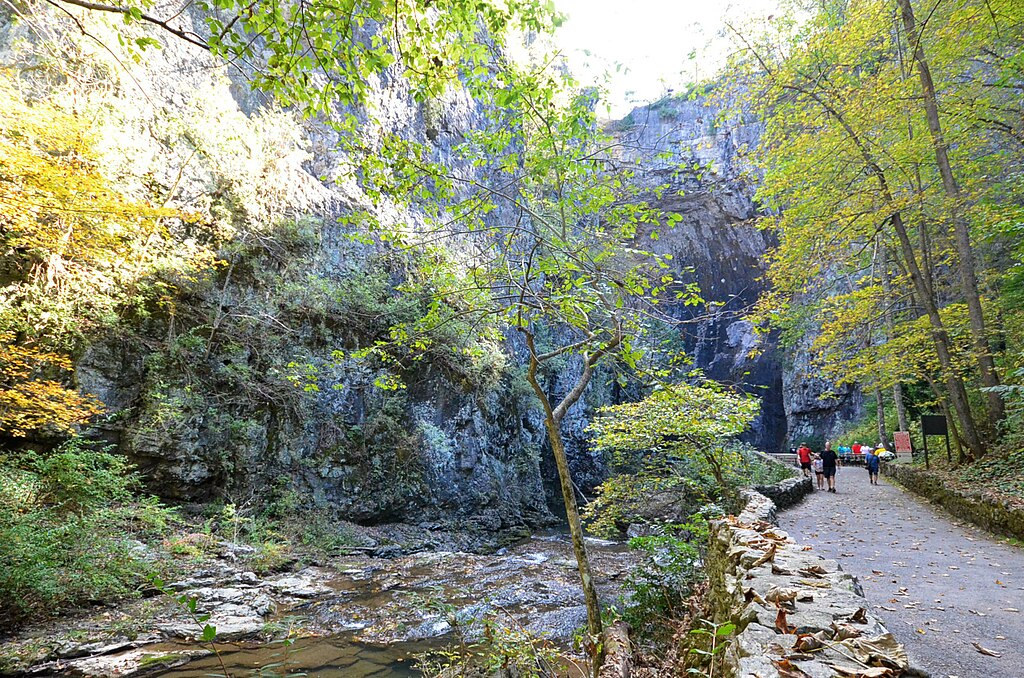
Many flat routes follow paved paths, packed gravel roads, or solid dirt tracks that provide little cushioning. Although they look easy to walk on, these surfaces transfer more impact to the knees, ankles, and hips with every step. Over long distances, this steady pounding builds pressure that leads to soreness. Unlike uneven trails, which allow natural shifts in foot placement, solid ground keeps the body moving in the same pattern. This lack of variation intensifies joint fatigue. Even experienced hikers feel the strain by the end of the day. Flat but firm surfaces often feel tougher than they appear.