Fire building often appears simple until materials fail unexpectedly in real conditions. Many natural materials can support fire making, yet only when used correctly. Moisture, preparation mistakes, and poor technique quickly render them useless. Campers frequently assume natural equals reliable, overlooking how easily conditions affect performance. Incorrect use wastes time and energy, especially in cold or wet environments. Understanding limitations matters as much as knowing benefits. The following materials commonly disappoint when mishandled. Each example shows how improper preparation or unrealistic expectations turn potentially helpful resources into complete failures during critical fire building moments outdoors.
Green Wood
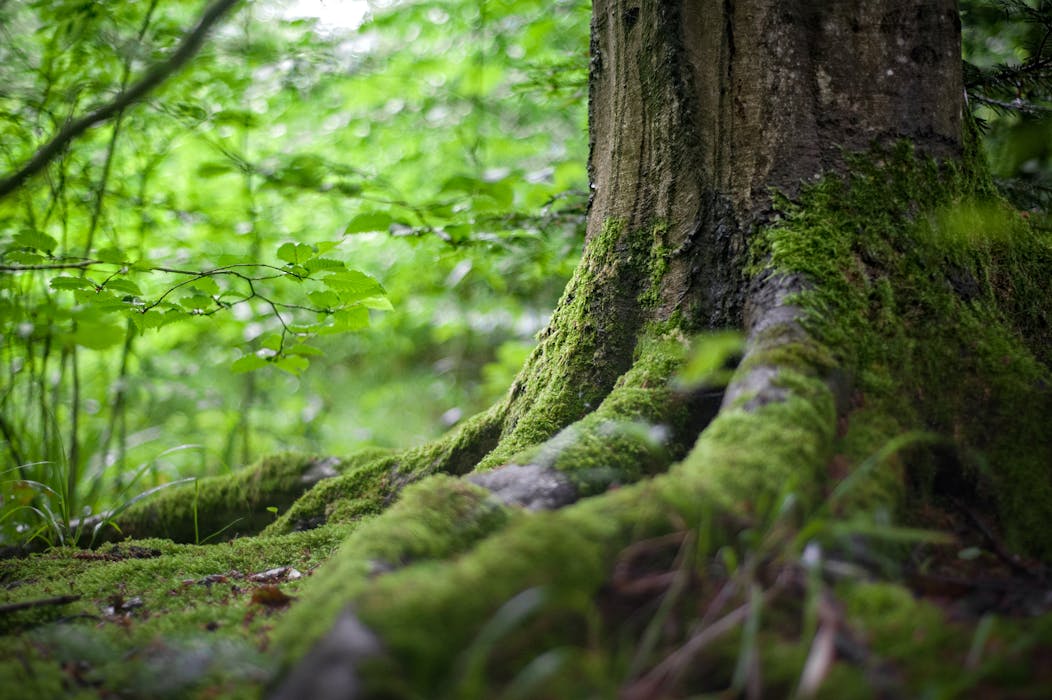
Green wood fails completely when used incorrectly for fire. Freshly cut branches contain high moisture levels. Instead of burning, green wood hisses and smolders. Heat energy evaporates water rather than creating flame. Smoke increases while temperature drops. Fire starters struggle to ignite surrounding materials. Campers often mistake availability for usability. Even thin green twigs resist ignition. Without proper seasoning or splitting, green wood drains fire momentum. In survival situations, relying on green wood delays warmth and cooking. Correct fire building requires dry, seasoned fuel, making green wood one of the most common and frustrating failures when misunderstood outdoors.
Bark
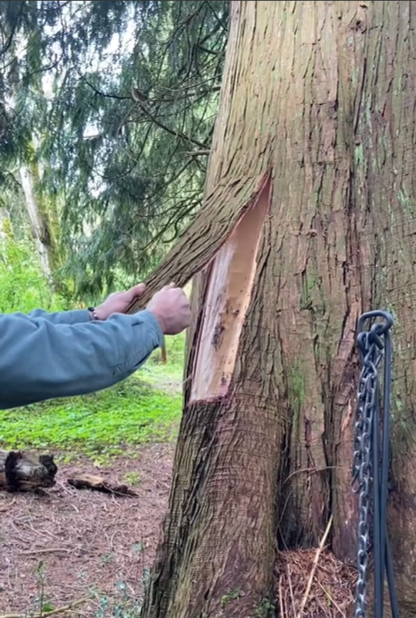
Bark can aid fire starting, but misuse causes failure. Thick bark retains moisture beneath its surface. Peeling from live trees introduces damp material. Some bark types resist ignition entirely. Campers often ignore species differences. Wet bark smothers sparks quickly. Instead of flame, it produces smoke. Improper preparation prevents ignition transfer. Bark layered too densely blocks airflow. Without drying or shredding, bark becomes ineffective. Many assume bark always burns easily, yet incorrect selection or handling renders it useless. Successful fire building requires dry, fibrous bark prepared carefully, not freshly stripped or packed tightly during ignition attempts.
Leaves
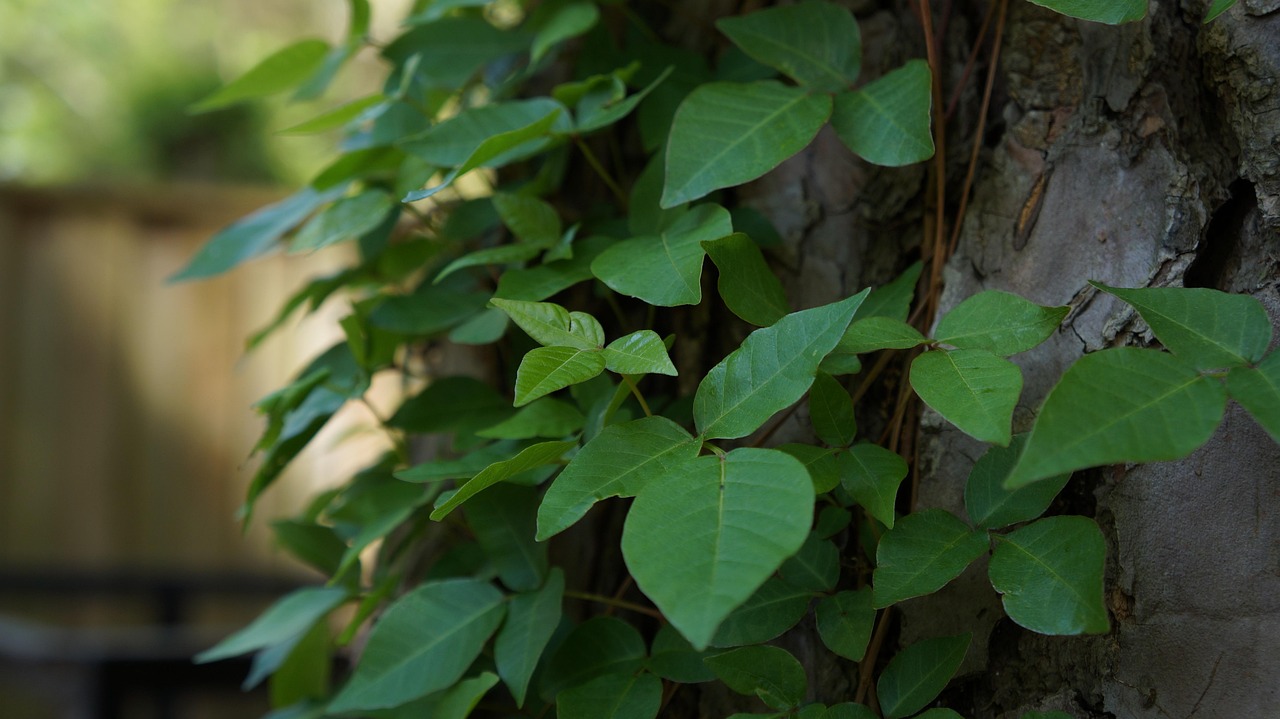
Leaves fail when used incorrectly for fire making. Fresh leaves contain moisture that resists ignition. Large leaf piles restrict airflow. Wet leaves collapse under heat. Instead of kindling, they smother flames. Campers often gather leaves quickly without drying them. Even dry leaves burn too fast when packed poorly. Flame flashes briefly then dies. Improper layering prevents sustained combustion. Leaves work only as tinder under controlled conditions. When misused, they waste sparks and effort. Incorrect expectations turn abundant leaves into unreliable fuel, especially in humid environments where drying time remains limited during outdoor fire building attempts.
Grass

Grass often disappoints when used improperly for fire. Fresh grass holds moisture tightly. Damp blades refuse sparks. Loose piles blow away easily. Dense bundles restrict oxygen flow. Campers frequently skip drying steps. Grass ignites briefly but fails to sustain flame. Without twisting or fluffing, it burns unevenly. Wind scatters embers. Improper handling wastes ignition sources. Grass requires careful preparation to work as tinder. When gathered hastily or used wet, it becomes ineffective. Misunderstanding grass behavior leads to repeated ignition failures, especially during emergencies where quick fire building becomes critical for warmth and survival outdoors.
Stones
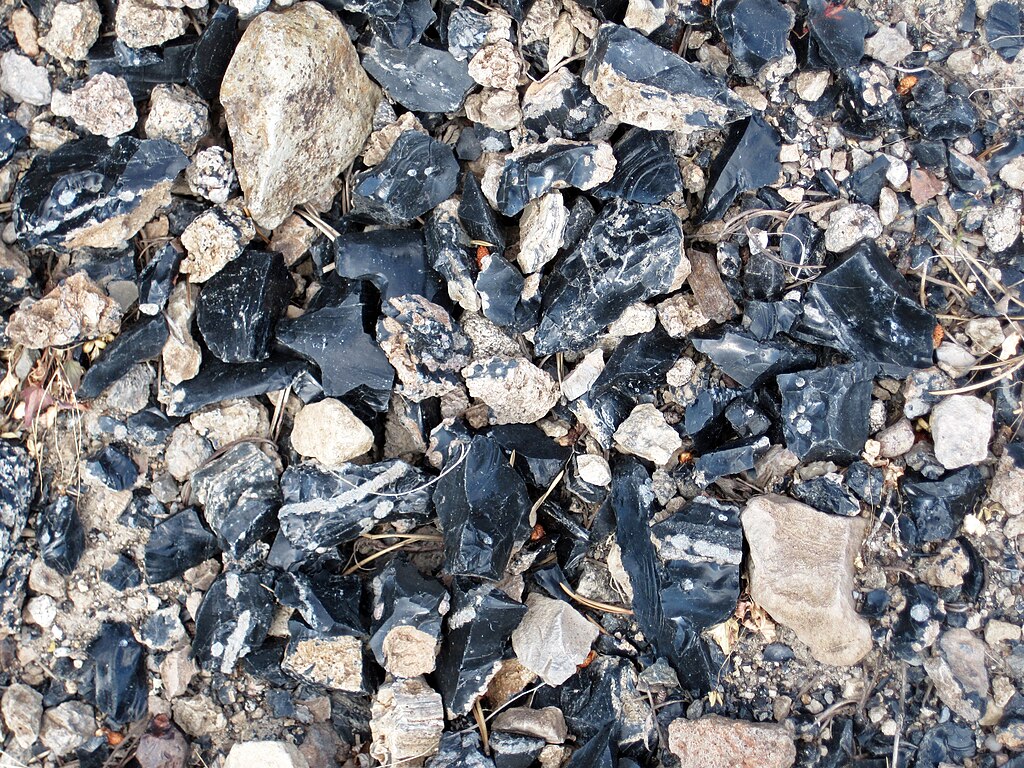
Stones fail completely when used incorrectly for fire. Not all stones tolerate heat. Moisture trapped inside causes cracking or explosions. Campers often select river stones unknowingly. Heated stones shatter violently. Instead of supporting fire, they create danger. Improper placement blocks airflow. Stones absorb heat without contributing combustion. Using stones as fire rings without knowledge increases risk. Incorrect stone choice damages fires and injures users. Fire safe stones require dryness and proper selection. When misunderstood, stones become liabilities rather than tools, turning fire building attempts into hazardous situations instead of controlled, efficient heat sources outdoors.
Fungi
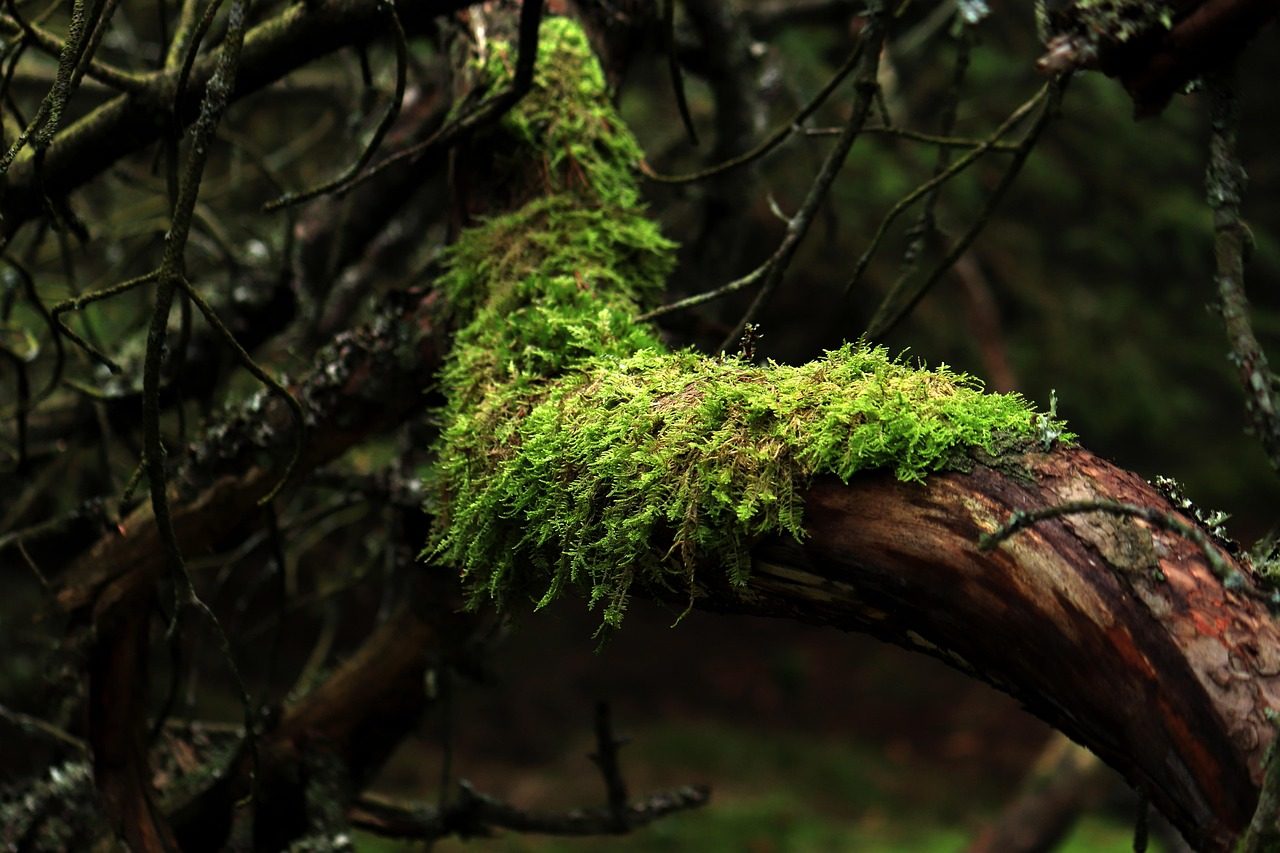
Fungi appear useful but fail when misused for fire. Many species retain moisture heavily. Incorrect identification leads to disappointment. Fresh fungi resist ignition. Campers expect spark catching ability without preparation. Damp textures smother embers. Improper drying prevents combustion. Some fungi burn only when processed correctly. Without charring or extended drying, fungi remain ineffective. Misapplication wastes time. Fungi demand knowledge and patience. Using them incorrectly results in complete failure. Fire building with fungi requires precise technique, making them unreliable for beginners who underestimate preparation needs and environmental conditions affecting natural ignition materials.