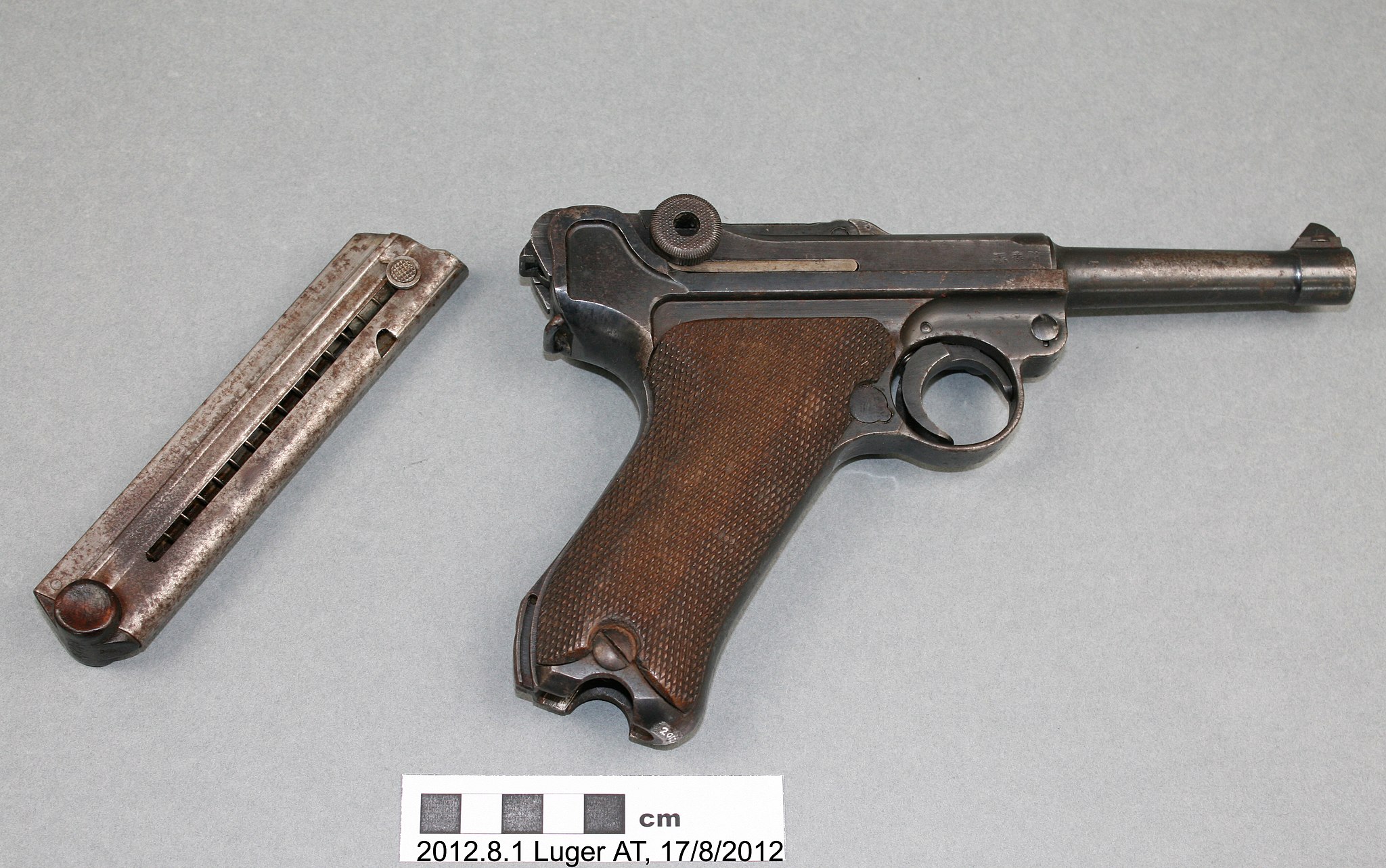
Even the most dependable pistol can begin to stumble when magazine practices are overlooked. Shooters often blame ammunition, extractors, or recoil springs when malfunctions appear, yet the magazine remains one of the most critical and commonly neglected components in a semi-automatic system. Because magazines are handled constantly, exposed to dirt, and subject to repetitive stress, small habits can quietly undermine reliability. Feeding issues, unexpected stoppages, and inconsistent cycling frequently trace back to magazine use rather than the firearm itself. Understanding these subtle mistakes helps prevent frustration and preserves performance. Here are six surprisingly common magazine habits that can make a trusted pistol suddenly choke at the worst possible moment.
1. Overloading Beyond Practical Capacity
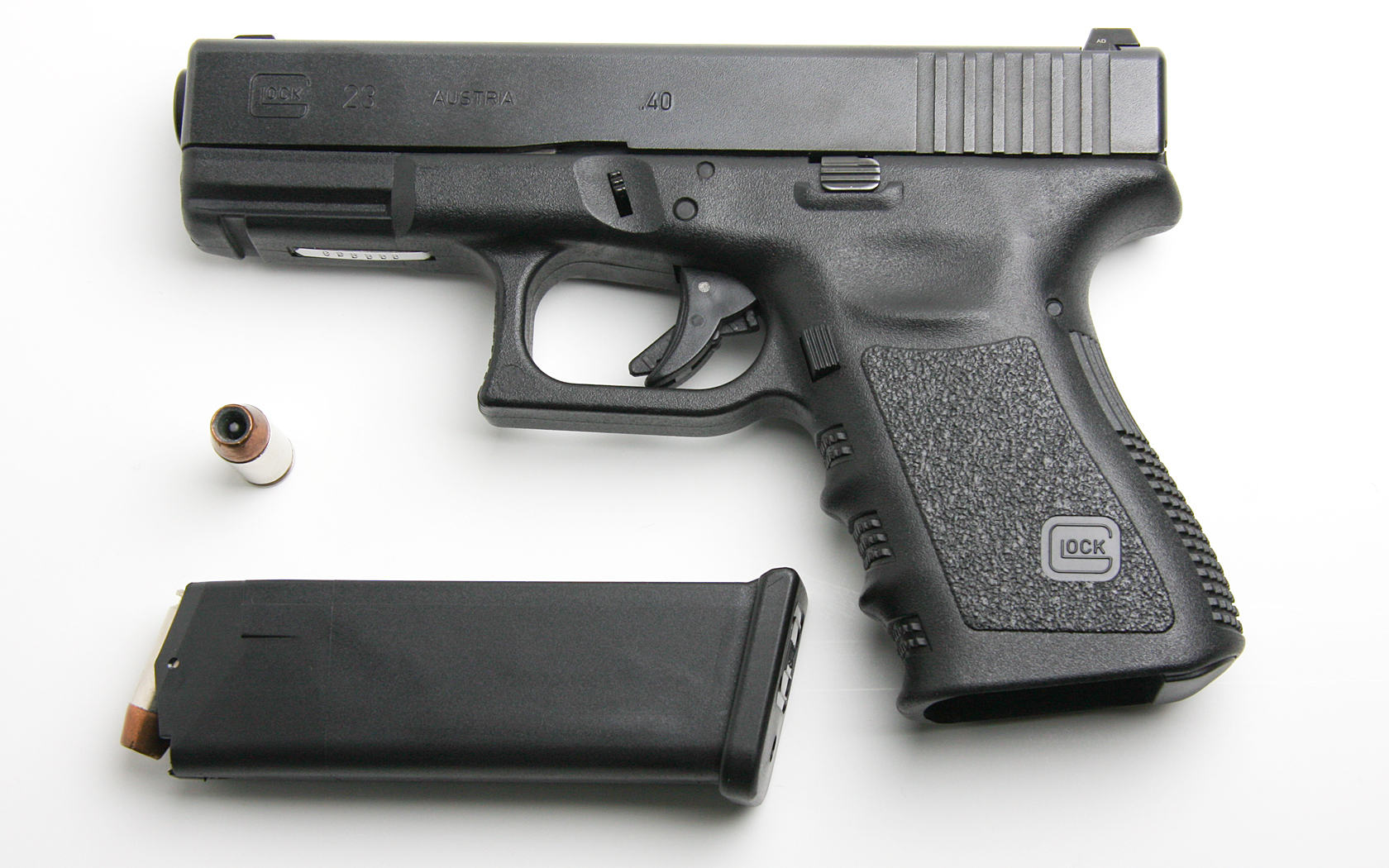
Stuffing magazines to their absolute limit may feel harmless, but excessive compression places unnecessary strain on springs and followers. When tension becomes extreme, cartridges may sit at improper angles, disrupting the smooth upward movement required for reliable feeding. The top round can drag, hesitate, or fail to present cleanly as the slide cycles. This effect often worsens with new magazines or stiff springs that have not yet settled. Shooters sometimes notice sluggish chambering or inconsistent slide behavior without recognizing the cause. Leaving a single round of buffer space frequently improves consistency. Balanced spring tension promotes predictable cartridge positioning and smoother cycling dynamics.
2. Dropping Magazines Onto Hard Surfaces Repeatedly

Magazine bodies are built for durability, yet repeated impact against concrete or packed ground can gradually distort feed lips or weaken structural integrity. Even slight deformation may alter how rounds are released during cycling. Damage often goes unnoticed because visual changes can be subtle. A pistol that once ran flawlessly may begin exhibiting erratic feeding patterns or unexplained stoppages. Competitive shooters commonly encounter this issue during rapid reload drills. Using padded surfaces for training or rotating practice magazines reduces long-term wear. Protecting magazine geometry preserves the precise alignment necessary for dependable cartridge presentation.
3. Ignoring Dirt and Debris Accumulation

Magazines spend significant time exposed to dust, lint, sand, and unburned powder residue. Contaminants inside the magazine can slow follower movement or interfere with spring compression. This friction directly affects feeding reliability, particularly under rapid fire conditions. Malfunctions triggered by debris often appear intermittent, complicating diagnosis. Shooters may clean barrels and slides diligently while forgetting magazines entirely. Periodic disassembly and inspection prevent buildup that impedes internal motion. Clean components allow springs and followers to operate smoothly, ensuring cartridges rise with consistent pressure. Maintenance discipline here often resolves issues mistakenly attributed to the firearm.
4. Mixing Ammunition Types Within a Single Magazine

Combining cartridges of differing bullet profiles, overall lengths, or case coatings introduces variability that magazines are not always designed to accommodate. Rounds may stack unevenly, altering feed angles and disrupting cycling rhythm. Some bullet shapes glide effortlessly, while others generate friction or resistance. Inconsistent behavior can produce sporadic feeding failures. Shooters experimenting with ammunition frequently overlook this interaction. Keeping magazines loaded with uniform cartridge types stabilizes internal geometry. Consistency reduces unpredictable pressure changes during cycling. Predictable stacking promotes reliable chambering and smoother slide operation.
5. Neglecting Spring Fatigue and Replacement
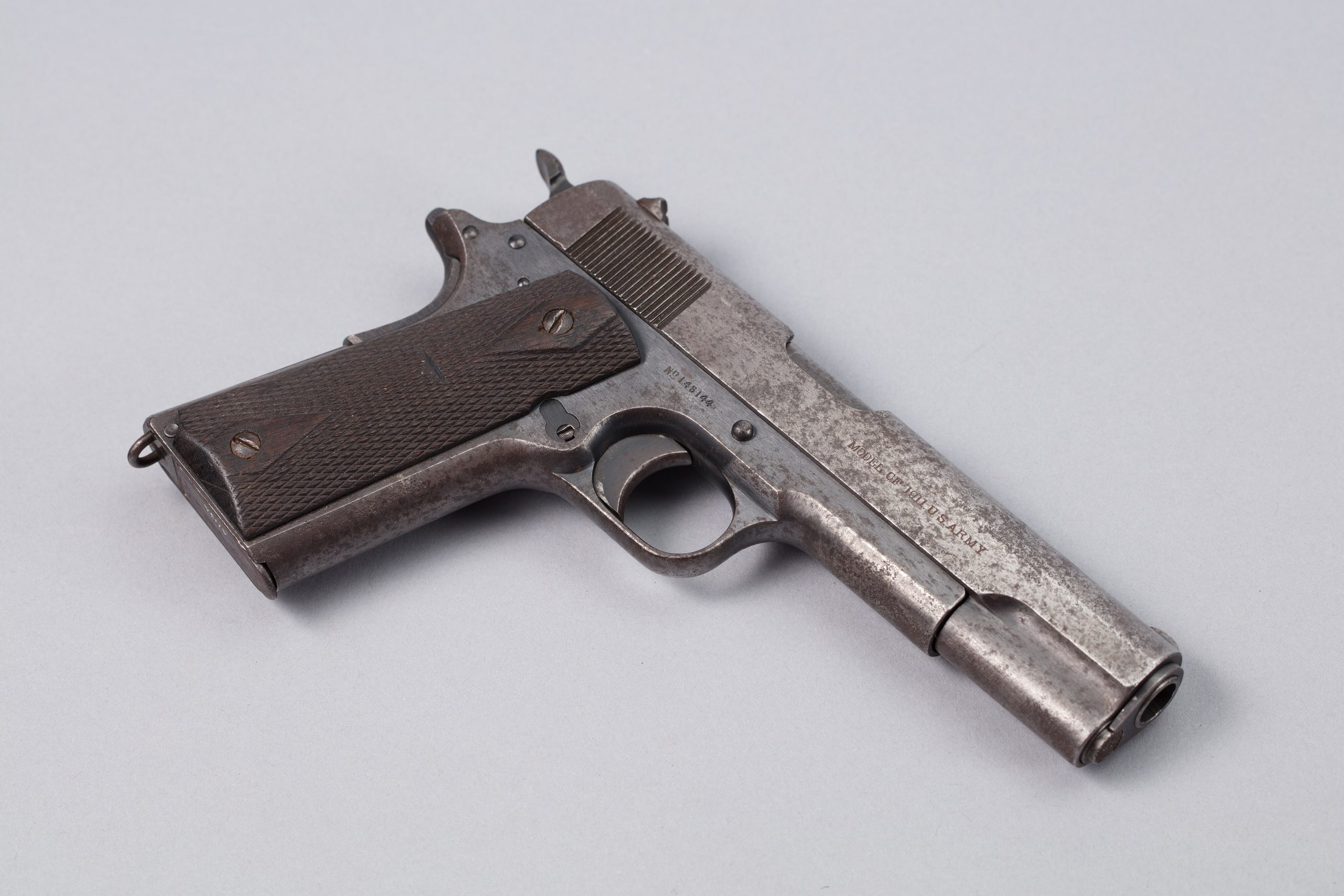
Magazine springs endure continuous compression and release cycles, gradually losing optimal tension. Reduced spring force weakens upward pressure on cartridges, increasing the risk of sluggish feeding or bolt over base stoppages. Symptoms often develop slowly, making degradation difficult to recognize. Shooters may blame other components while worn springs remain the true culprit. Regular rotation and timely replacement restore proper function. Fresh springs maintain consistent cartridge elevation and alignment. Preventive care here safeguards reliability, especially in frequently used magazines.
6. Improper Storage Practices
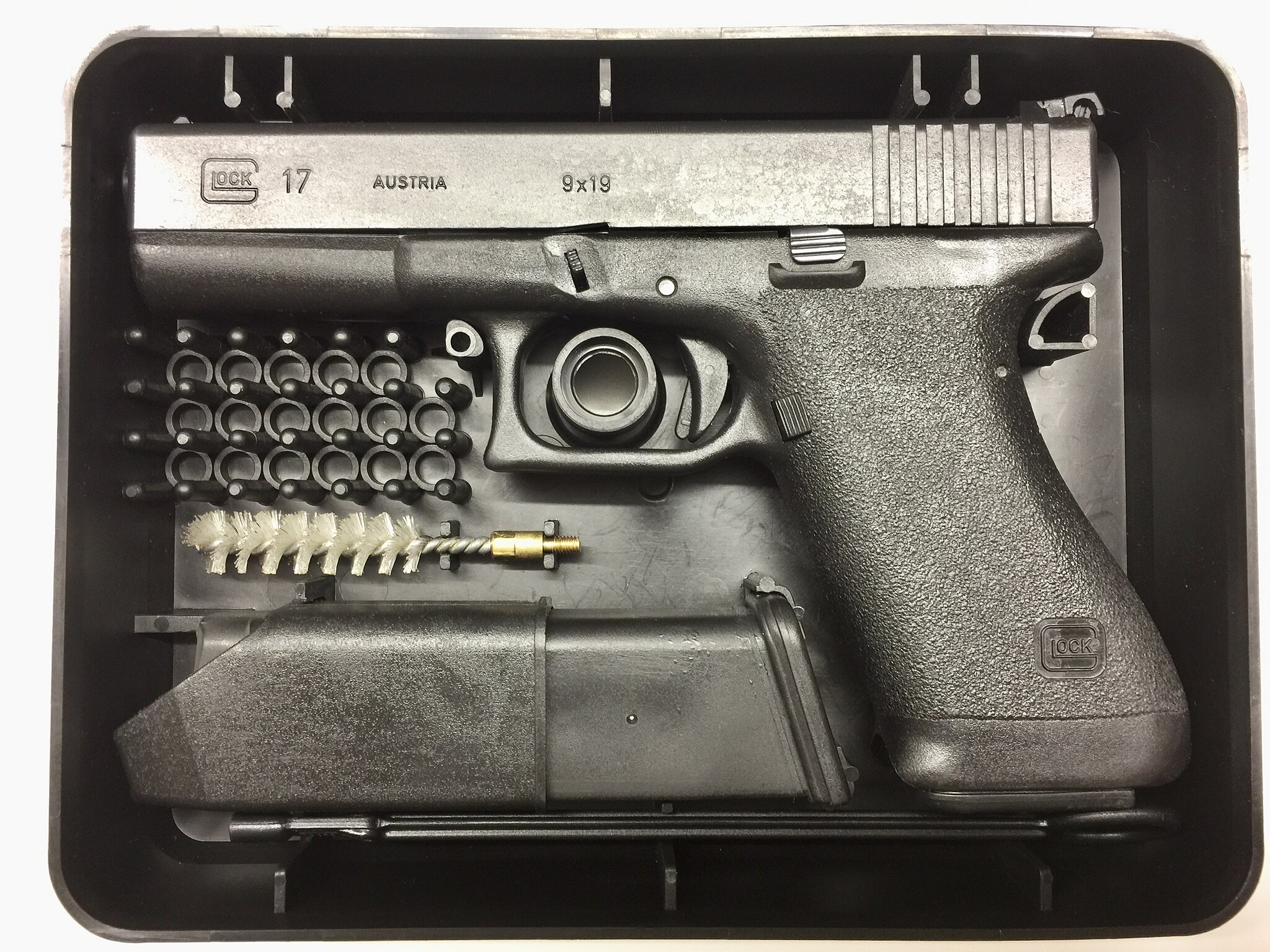
Careless storage exposes magazines to humidity, debris, and unnecessary mechanical stress. Corrosion, follower sticking, or spring weakening may follow prolonged neglect. Storing magazines clean, dry, and unloaded when practical preserves component longevity. Controlled conditions reduce environmental damage and mechanical fatigue. Thoughtful storage habits help maintain predictable performance when magazines are needed most.