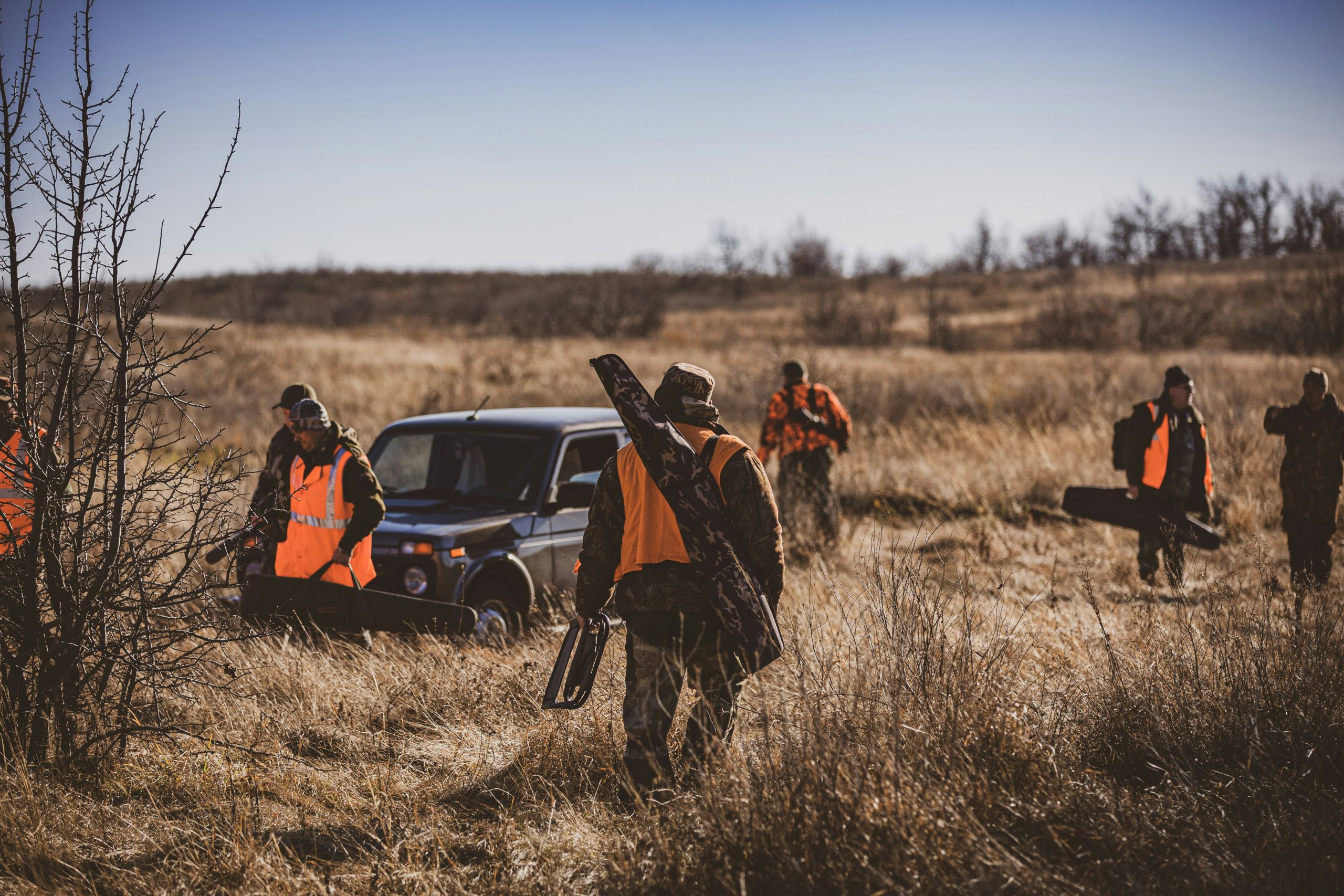
Many hunting injuries do not come from bad luck or extreme situations. They come from outdated beliefs passed down through stories, habits, and tradition. These myths feel safe because they are familiar, but they quietly increase risk over time. Modern hunting environments, equipment, and conditions have changed, yet some assumptions remain stuck in the past. Understanding why these beliefs are wrong helps hunters make better decisions in the field. Awareness does not remove tradition. It improves safety while preserving the experience.
1. Experience Alone Keeps You Safe
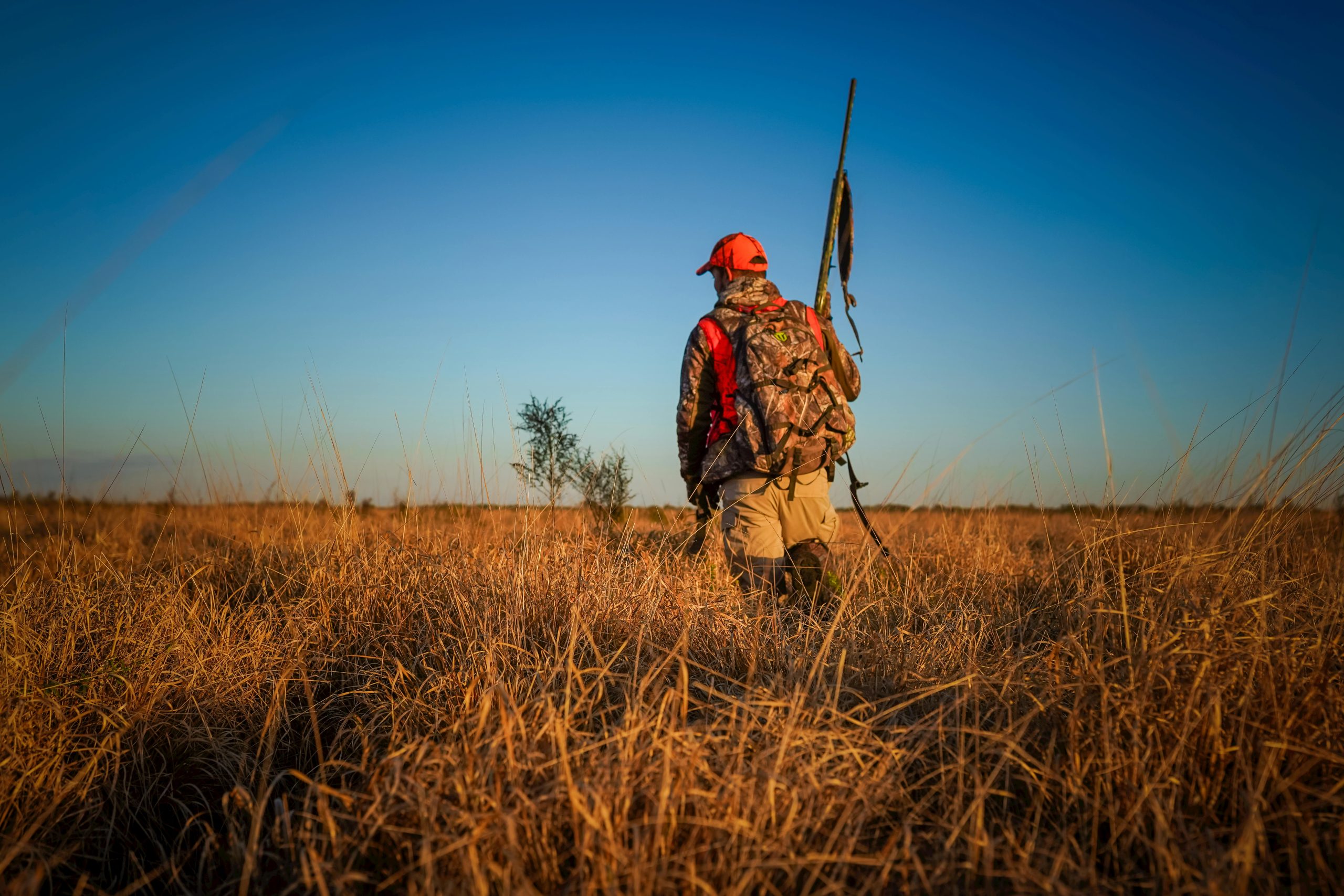
Many hunters believe that years in the field automatically protect them from accidents. Experience does build knowledge, but it can also create overconfidence. Familiar routines often lead to shortcuts, skipped checks, and ignored warning signs. Experienced hunters may stop reviewing safety basics because they feel they are unnecessary. This mindset increases risk, especially when conditions change. Weather, terrain, wildlife behavior, and equipment vary every season. Past success does not guarantee future safety. Staying alert, reviewing fundamentals, and adapting to new situations matter more than time spent hunting. Experience should sharpen caution, not replace it.
2. Accidents Only Happen to Careless Hunters
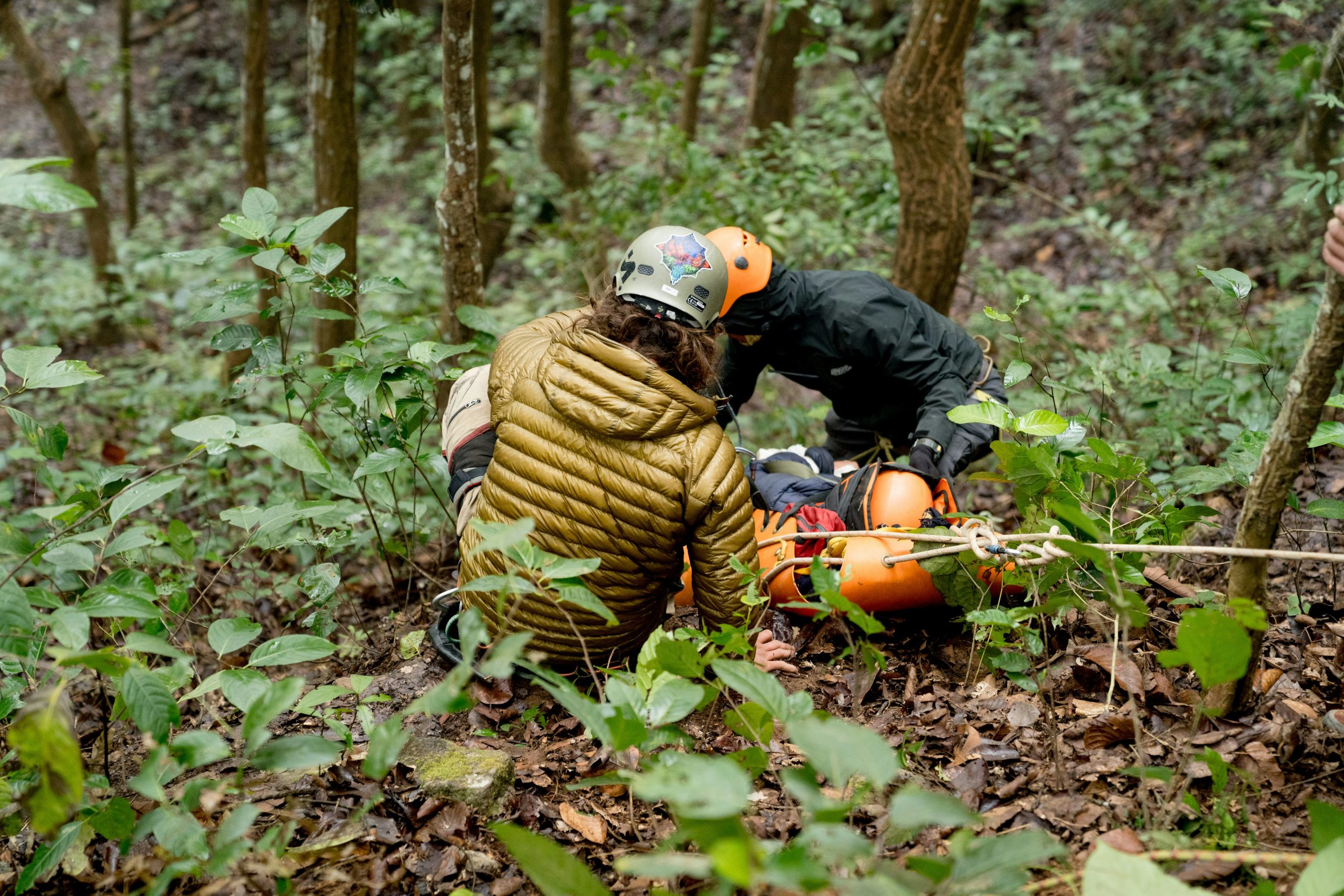
This myth creates a false sense of security. Many injured hunters were cautious and knowledgeable before their accident. Fatigue, weather, equipment failure, or unexpected animal movement can affect anyone. Believing accidents only happen to careless people leads hunters to underestimate risk. It also reduces preparation because danger feels distant. Safety comes from planning for things that can go wrong, not assuming they will not. Carrying first aid, wearing protective gear, and communicating plans reduce risk regardless of skill level. Respecting unpredictability is a core part of safe hunting.
3. Blaze Orange Is Only for Other People
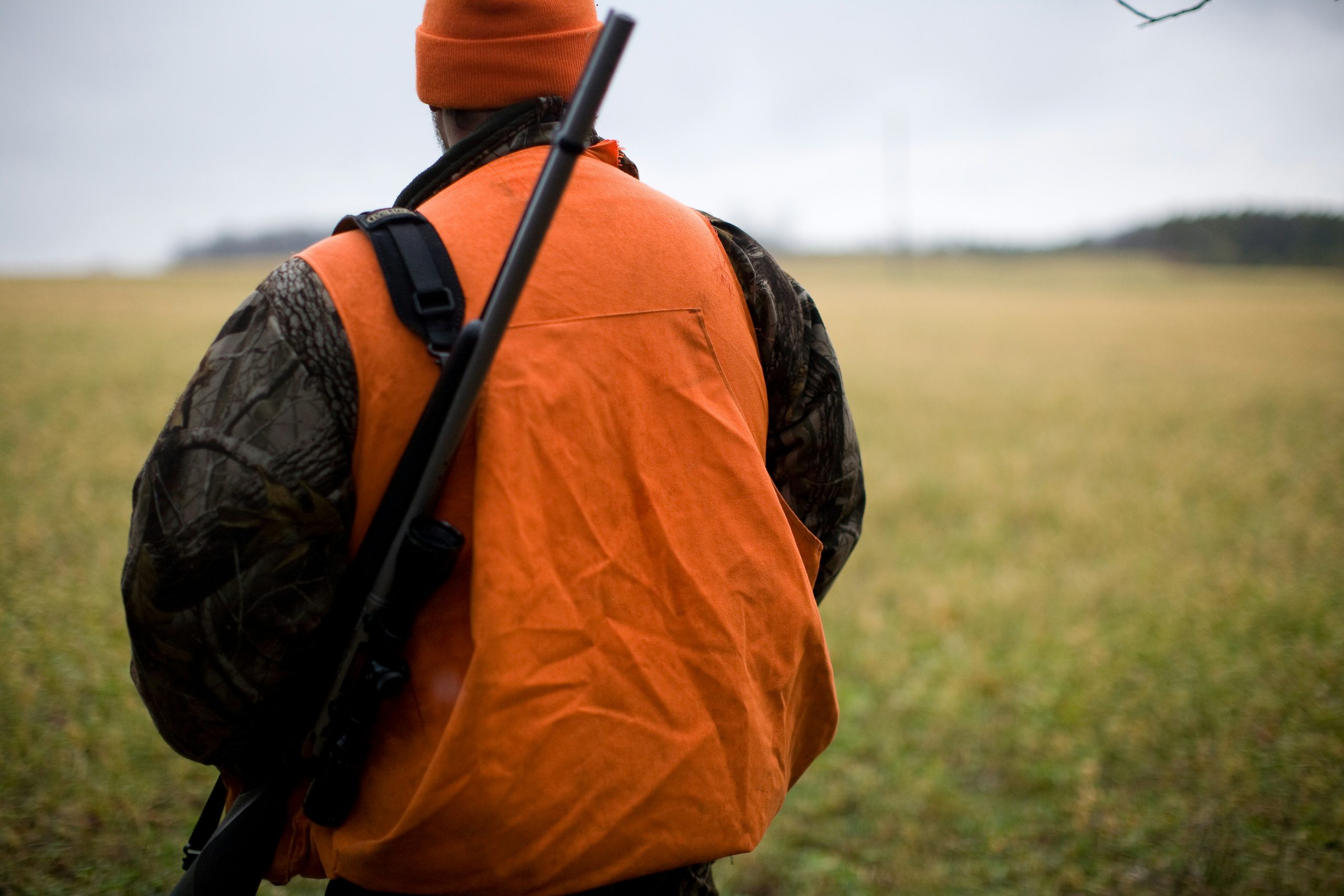
Some hunters believe visibility gear is unnecessary if they hunt alone or know the area well. This belief ignores how shared land, poor visibility, and human error work. Many hunting areas allow multiple activities at once. Low light, brush, and terrain reduce visibility quickly. Blaze orange works because it catches attention instantly. It protects against mistaken identity, not just poor aim. Wearing visible clothing does not reduce success. It reduces preventable injuries. Visibility is a simple step with proven safety benefits.
4. Weather Forecasts Are Always Reliable
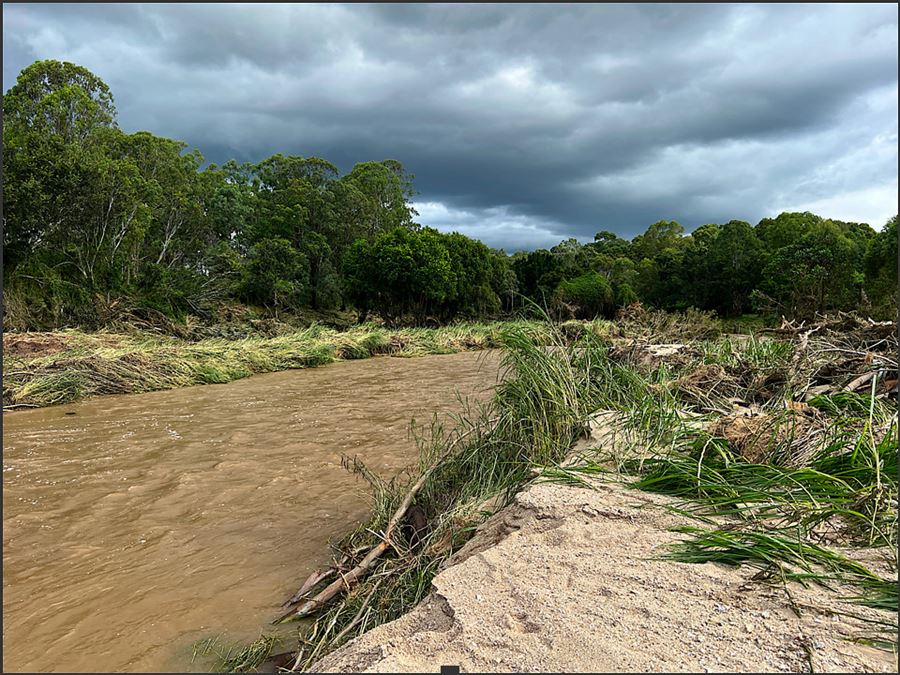
Hunters often rely heavily on forecasts made hours or days earlier. While useful, forecasts cannot predict local changes accurately in wild terrain. Mountains, forests, and valleys create rapid shifts. Sudden storms, wind, or temperature drops catch hunters unprepared. Believing forecasts are always accurate leads to underpacking and poor decisions. Weather awareness requires constant observation. Clouds, wind direction, and pressure changes offer real-time information. Carrying extra layers and rain protection reduces exposure risk. Preparing for worse than expected conditions is safer than trusting predictions alone.
5. Firearms Do Not Fail If Maintained
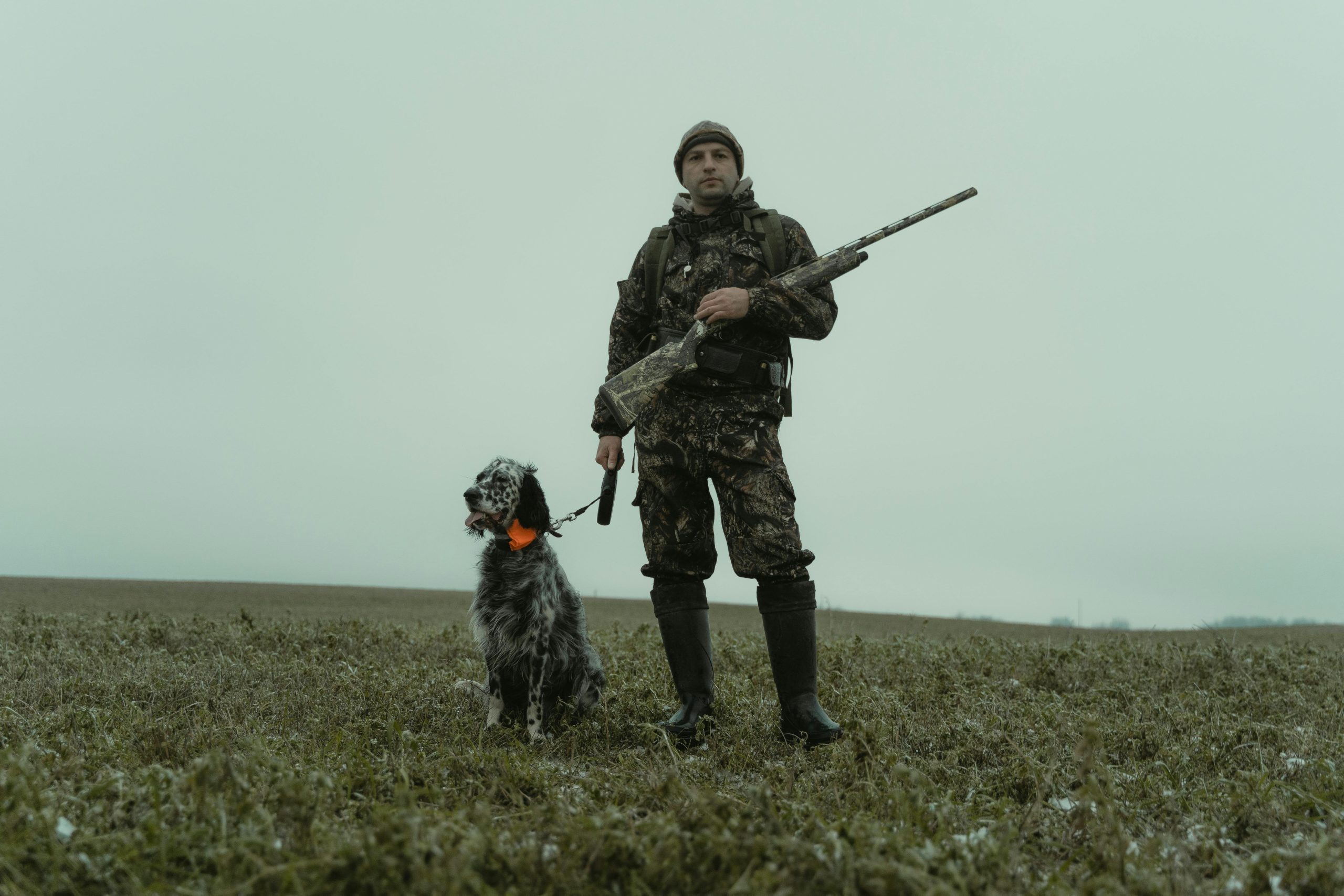
Maintenance improves reliability, but it does not eliminate failure. Dirt, moisture, cold, and ammunition issues can cause malfunctions even in well-cared firearms. Believing a gun will always work creates hesitation during failure. Hunters may freeze instead of reacting safely. Training should include malfunction awareness and safe handling during unexpected issues. Keeping the muzzle controlled and finger off the trigger remains essential even when something goes wrong. Reliability is important, but preparedness for failure matters just as much.
6. Familiar Areas Are Automatically Safe
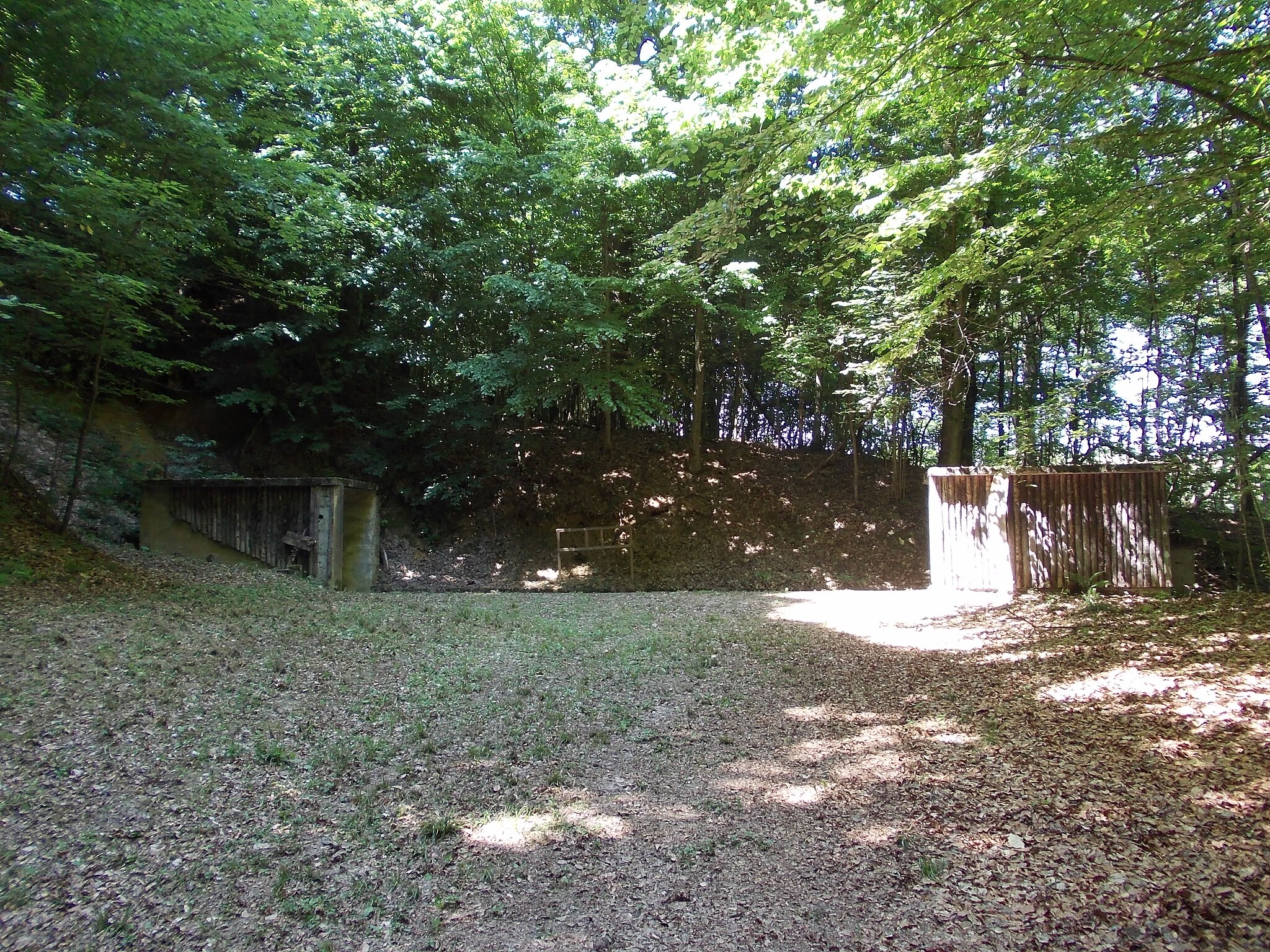
Hunting the same land repeatedly builds comfort, but it also lowers awareness. Trails erode, trees weaken, water levels change, and animal patterns shift. Familiarity encourages faster movement and less caution. Many injuries happen close to camp or vehicles because hunters relax too soon. Treating every outing as new keeps awareness high. Conditions deserve fresh evaluation each time. Familiar ground can still hide new risks. Respecting change is key to staying safe season after season.