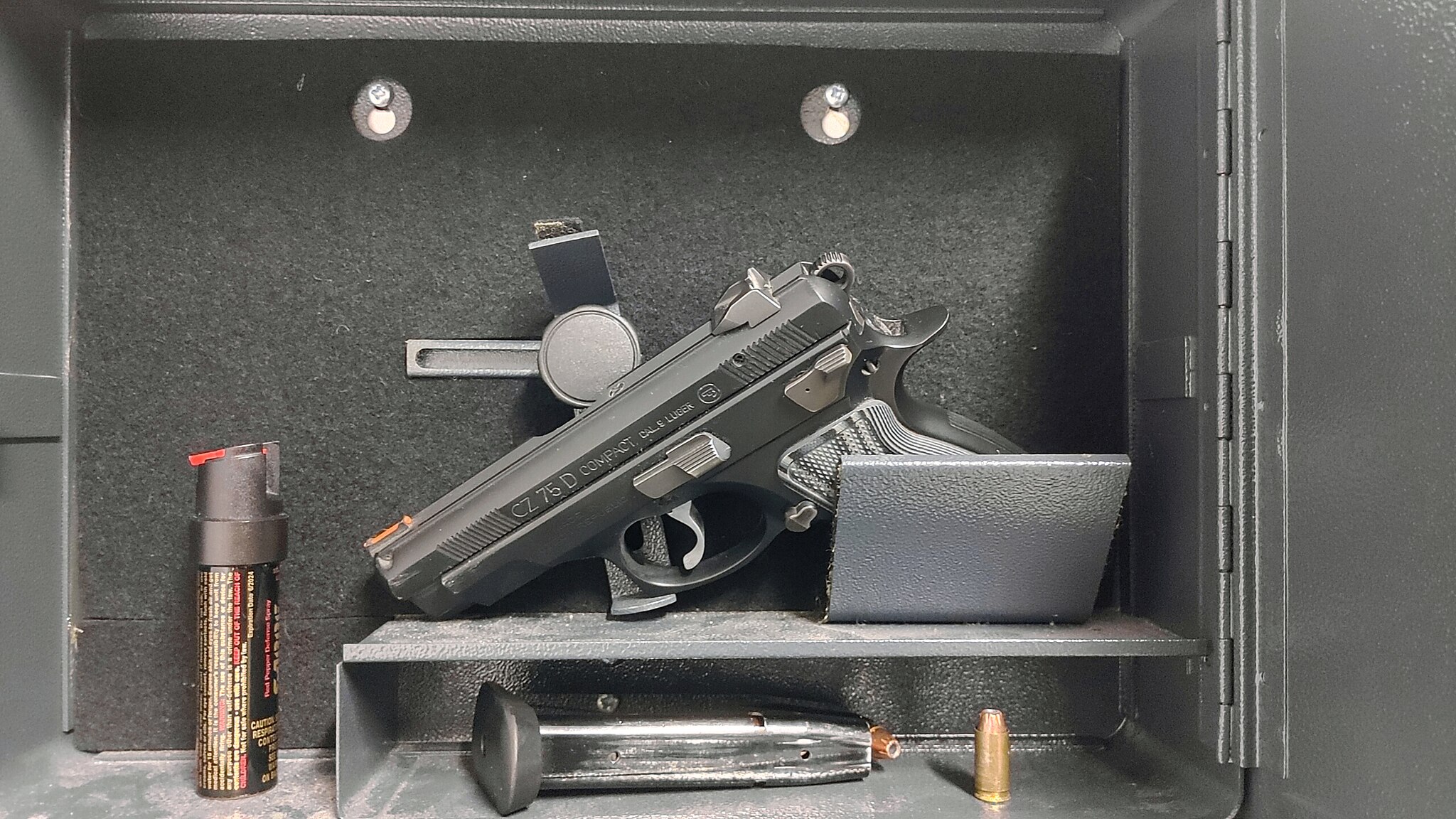
Buying a gun safe is one of those decisions that seems simple until you realize how much is actually at stake. A quality safe does far more than just store firearms. It protects against theft, limits unauthorized access, and helps preserve valuable equipment for years. Not all safes are built the same, though. Differences in materials, locking systems, and construction can dramatically affect real-world performance. Marketing terms often sound impressive but may hide important weaknesses. Understanding what truly matters allows you to invest with confidence instead of guesswork. Whether you are securing a single handgun or an expanding collection, focusing on essential features ensures your safety delivers genuine protection rather than a false sense of security.
1. Reliable Locking Mechanism
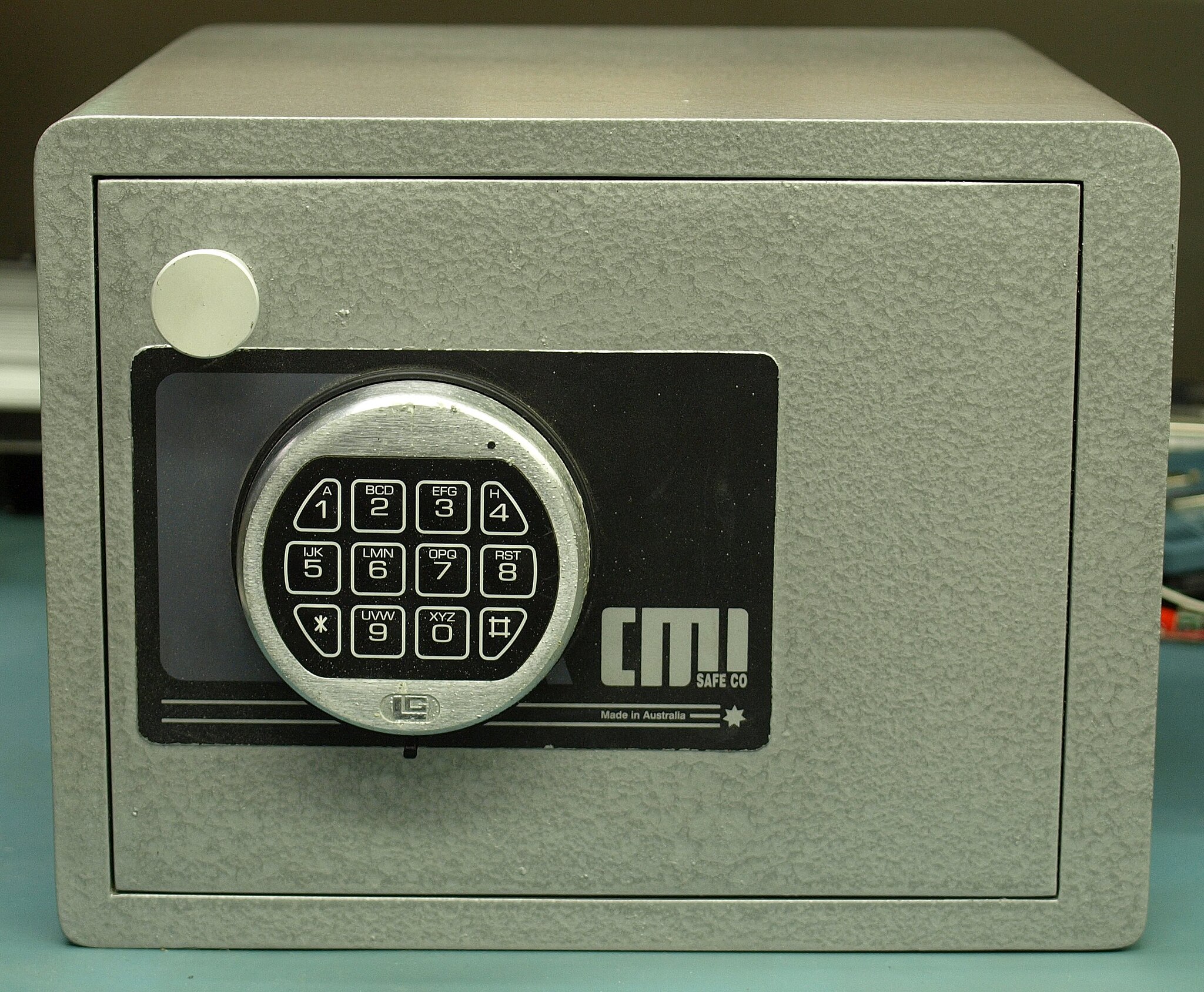
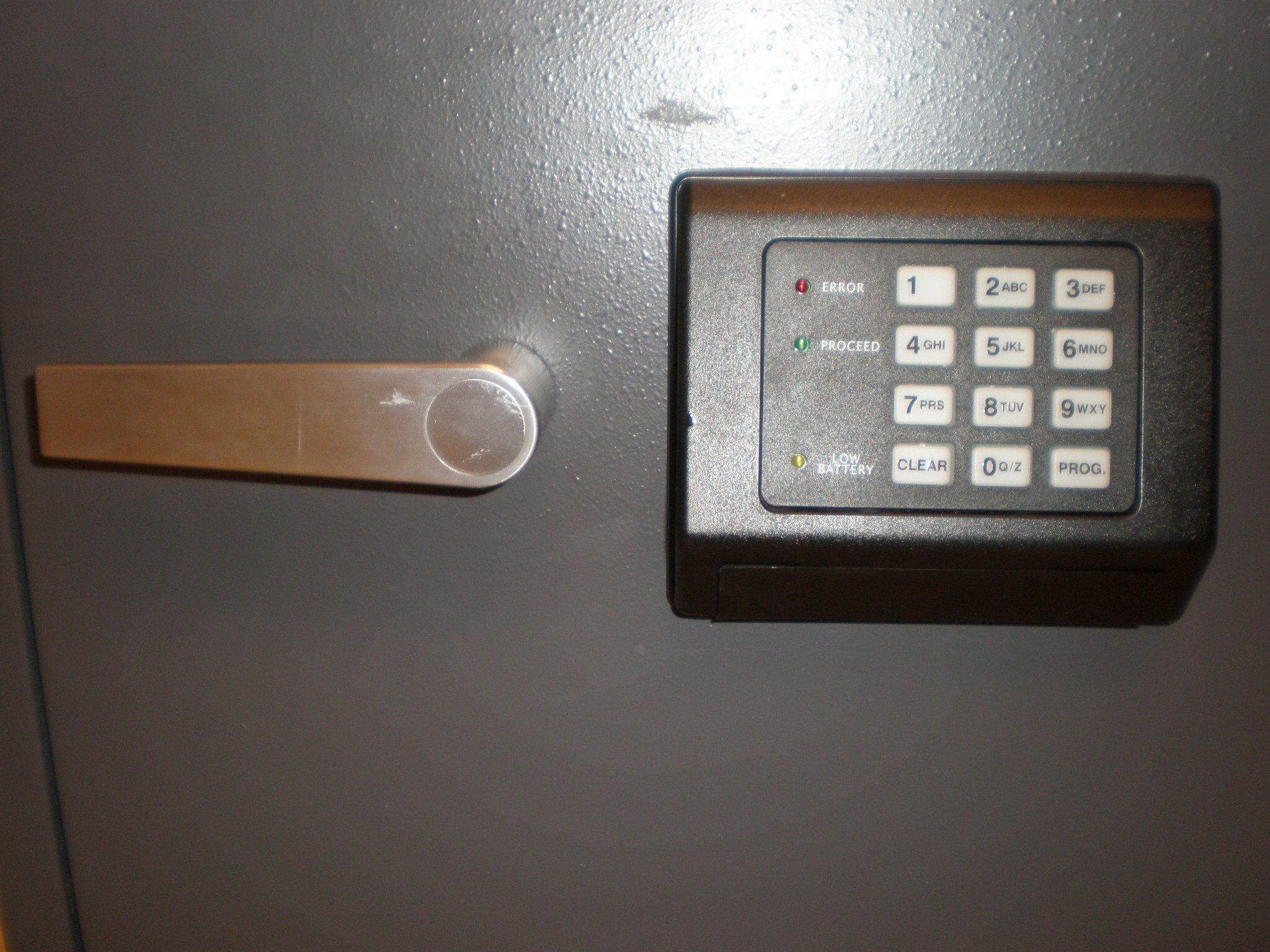
The locking system is the heart of any gun safe because it determines both security and daily usability. A strong steel body means little if the lock itself is vulnerable or prone to failure. Buyers typically choose between electronic keypads, mechanical dial locks, and biometric readers, each with distinct advantages. Electronic locks offer speed and convenience, while mechanical locks are valued for long-term durability. Biometric systems provide rapid access but vary greatly in accuracy and quality. The key consideration is proven reliability rather than novelty. Look for safes with certified, well-reviewed lock components from reputable manufacturers. Consistent performance under repeated use matters more than flashy features. A dependable lock prevents frustrating malfunctions while maintaining the level of protection you expect.
2. Solid Steel Construction
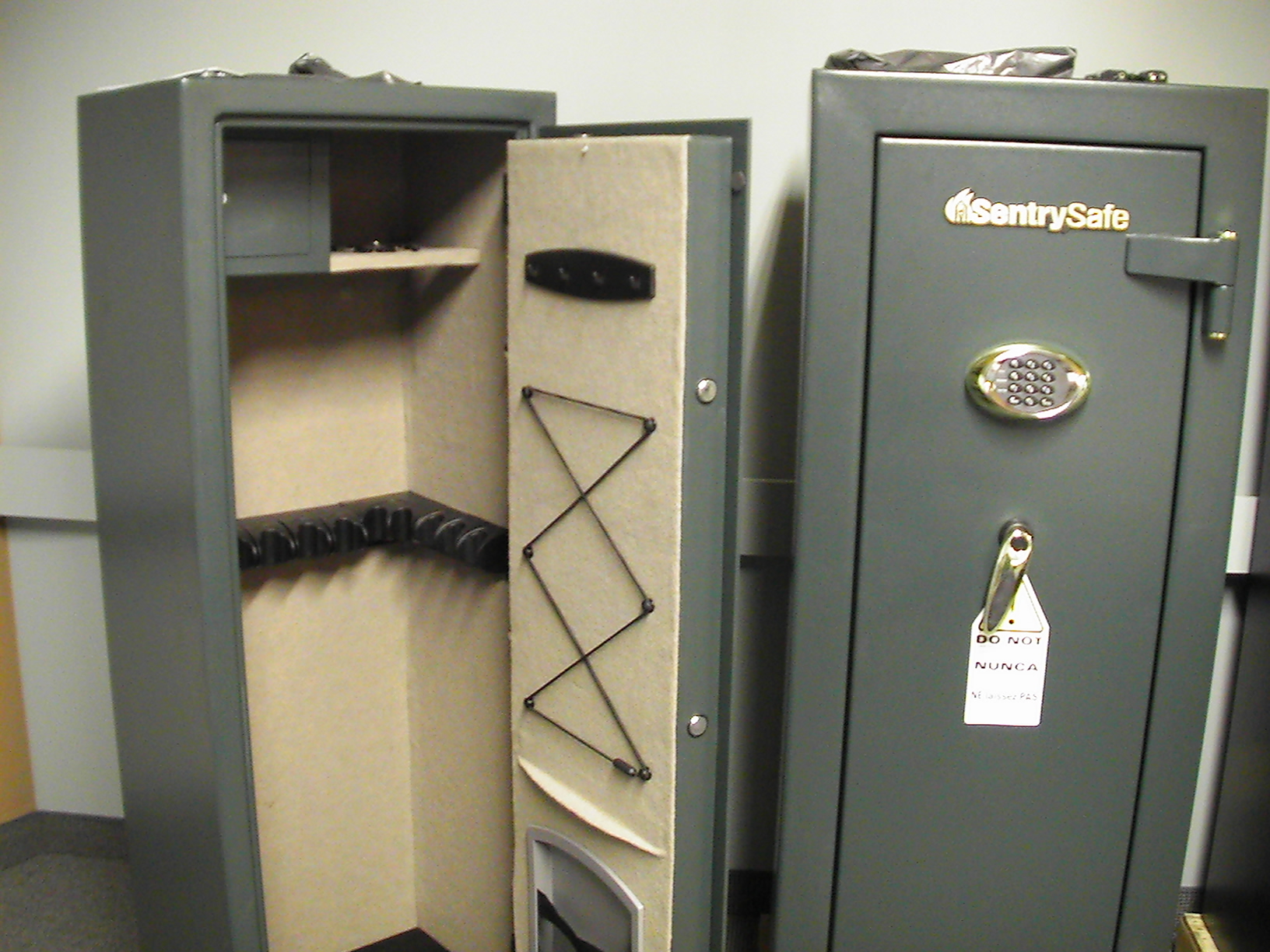
Safe construction directly influences how well it resists physical attacks. Thin metal panels may reduce cost and weight, but they also weaken overall protection. A safe built with thick steel walls and reinforced doors offers significantly better resistance to prying, drilling, and impact attempts. Door strength is particularly critical since it is the most frequently targeted entry point. Internal reinforcements, robust hinges, and solid welds all contribute to structural integrity. Weight alone is not a guarantee of quality, yet heavier safes often indicate stronger materials. Examine manufacturer specifications carefully instead of relying on appearance. A well-constructed steel body forms the foundation of true security. Without it, even advanced locking systems cannot compensate for basic structural weaknesses.
3. Effective Fire Protection
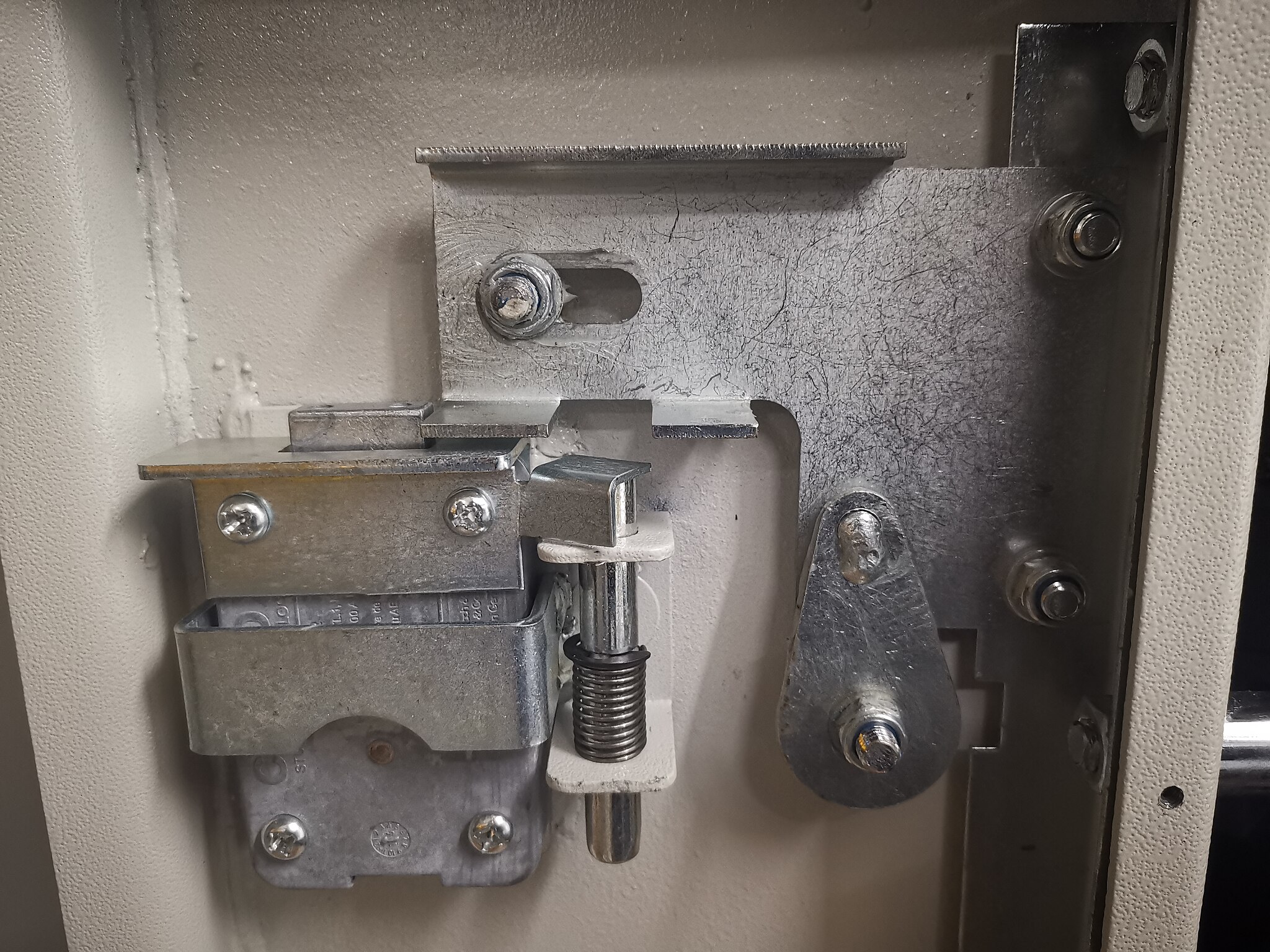
Fire resistance is an often-overlooked feature that can prove invaluable during emergencies. House fires develop rapidly, exposing contents to extreme heat and smoke. A safe with proper fire insulation helps shield firearms, documents, and accessories from severe damage. Ratings typically specify how long the interior remains below critical temperatures under standardized testing conditions. Higher ratings generally indicate better protective capability, though real-world scenarios can vary. Quality fire protection involves more than insulation thickness. Door seals, internal design, and heat-expanding barriers play important roles. Even if fire risk seems remote, the potential consequences justify consideration. A safe designed for both security and heat resistance provides broader protection than one focused solely on theft prevention.
4. Interior Layout and Capacity
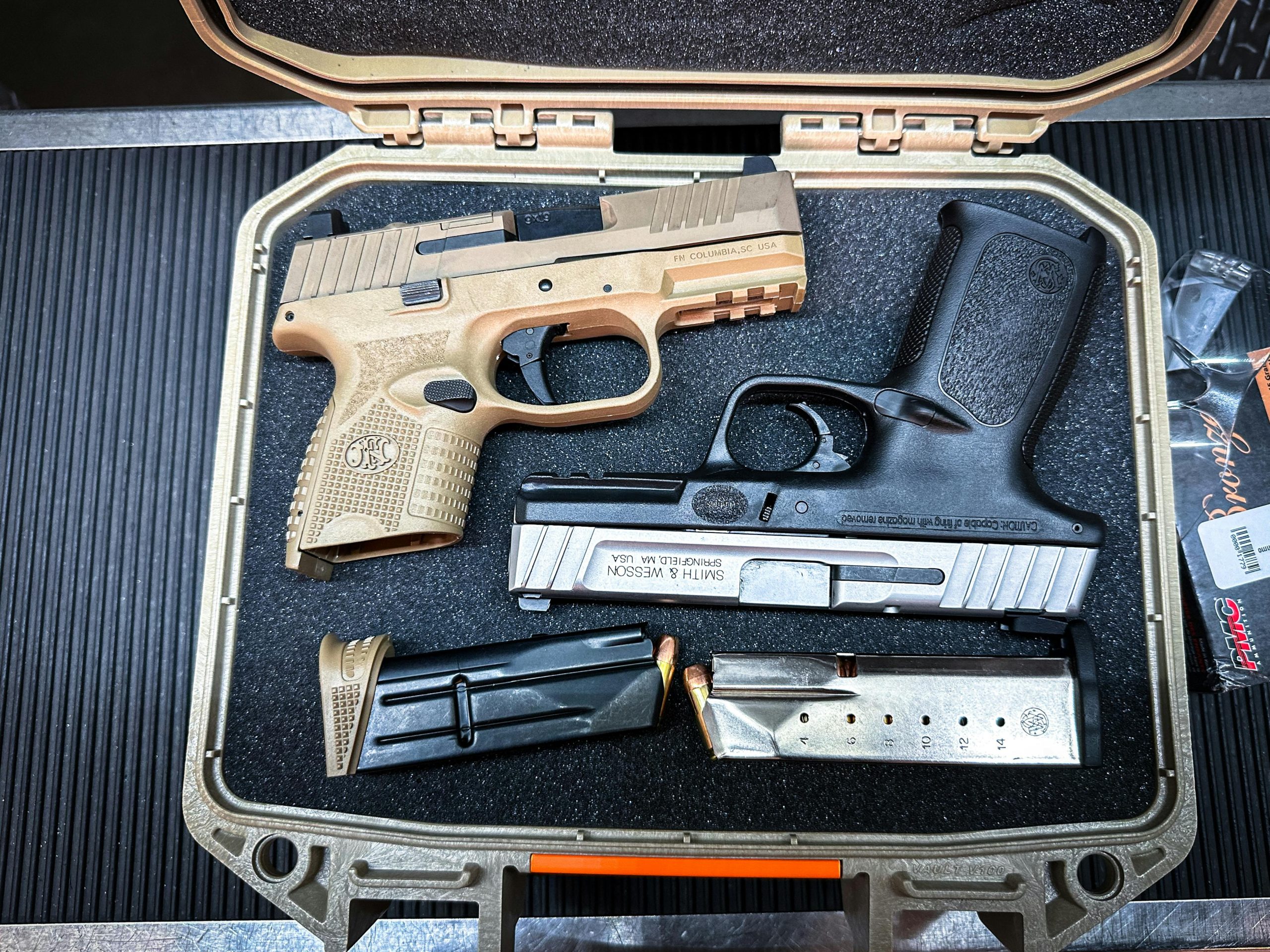
A gun safe should not only secure firearms but also accommodate them efficiently. Interior design affects convenience, organization, and long-term flexibility. Adjustable shelving, padded supports, and modular storage systems allow owners to adapt the layout as needs change. Crowded or poorly arranged interiors can lead to scratches, difficulty accessing items, and wasted space. Capacity estimates from manufacturers may represent ideal conditions rather than realistic storage. Choosing slightly more space than is currently required often prevents future limitations. Proper interior protection also preserves finishes and optics. A thoughtfully designed interior transforms a safe from simple storage into a practical daily tool. Good organization reduces handling and helps maintain both safety and equipment condition.
5. Tamper Resistance Features
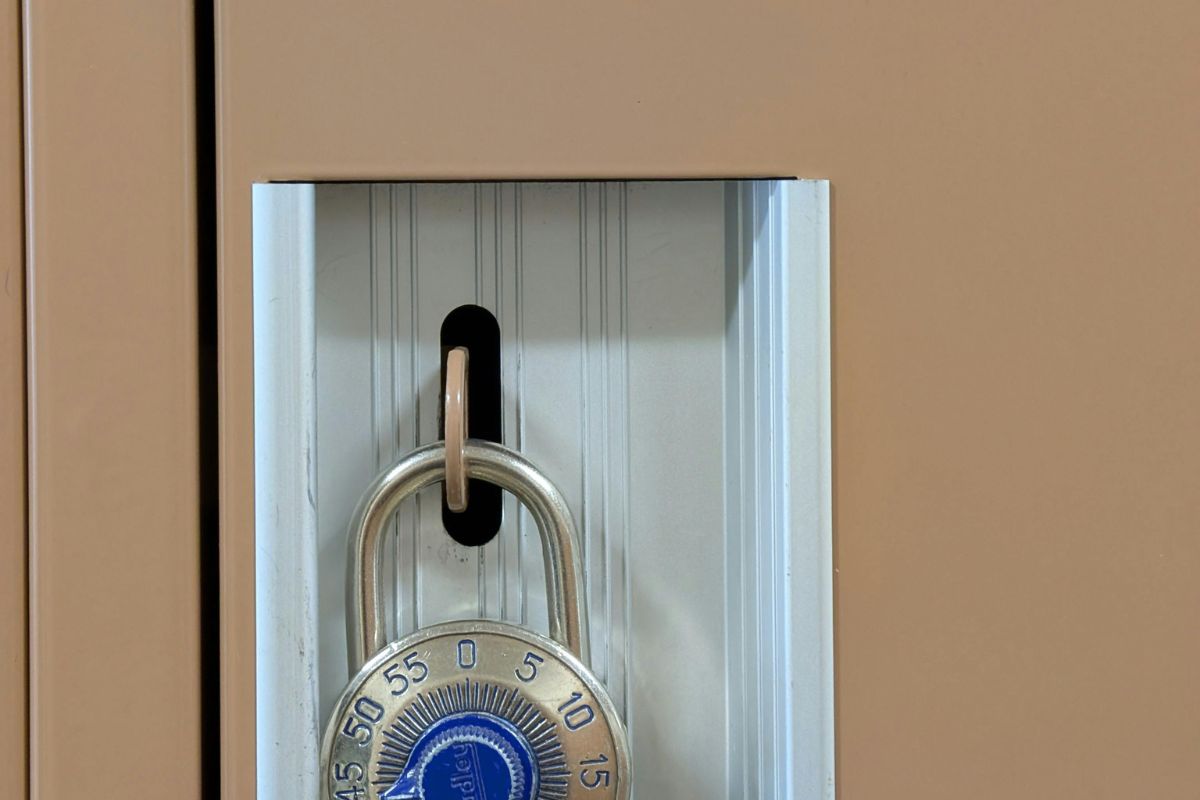
Beyond basic construction, additional security elements enhance resistance to unauthorized entry. Features such as reinforced locking bolts, anti-pry door designs, and drill-resistant plates add meaningful layers of defense. These components complicate forced entry attempts and increase the time required to breach the safe. While no safe is completely invulnerable, improved tamper resistance significantly raises protection levels. Evaluate how these features integrate with the overall design rather than viewing them as isolated upgrades. Consistency across materials, hinges, and bolt mechanisms matters greatly. Visible strength can also deter opportunistic theft. A safe that clearly communicates durability discourages attacks before they begin, providing psychological as well as physical advantages.
6. Secure Installation Options
Even a heavy, well-built safe benefits from proper installation. Anchoring a safe to the floor or wall prevents removal attempts, which are surprisingly common in burglary scenarios. Thieves often prefer taking an entire safe rather than opening it on site. Quality safes typically include pre-drilled mounting points to simplify secure attachment. Placement within the home also influences effectiveness. Discreet locations reduce visibility and potential targeting. Installation should balance accessibility with concealment and structural stability. A securely mounted safe transforms from a movable container into a fixed security fixture. This final step ensures that all other protective features perform as intended when challenged by real-world threats.