The history of human innovation is filled with 6 designs that engineers still study today for their brilliance. These enduring masterpieces solved complex physical problems long before computers or advanced software existed to help. Modern professionals frequently look back at these achievements to understand the fundamental principles of structural integrity and efficiency. From ancient stone arches to supersonic aircraft, the lessons remain incredibly relevant in our high-tech world. Examining these specific case studies provides valuable insight into how creative minds overcame the limitations of their era. They serve as a permanent testament to human ingenuity and mechanical skill.
Roman Aqueducts
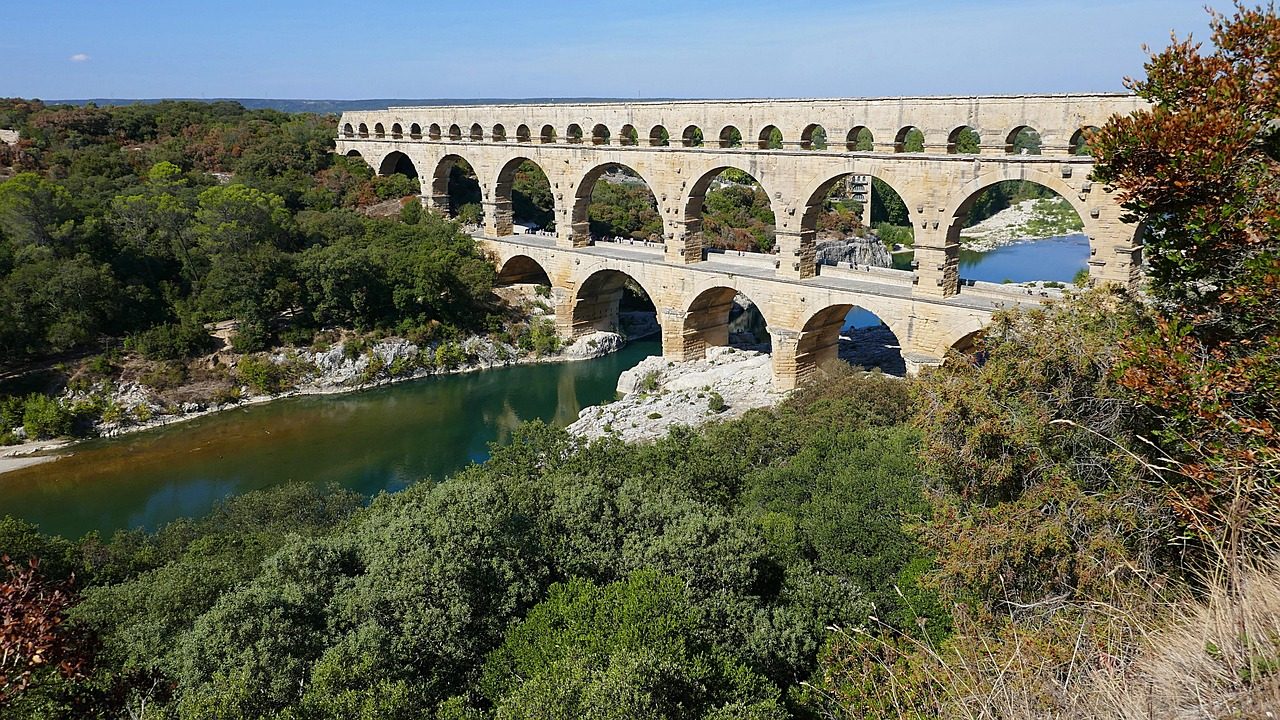
The Roman Aqueducts represent a triumph of civil engineering that utilized simple gravity to move water across vast distances. Ancient builders calculated precise gradients that allowed a steady flow without the use of mechanical pumps. The use of durable hydraulic cement and volcanic ash created structures that have survived earthquakes and centuries of weathering. Modern water management systems still rely on the basic principles established by these massive stone channels. Engineers analyze the load distribution of the arches to understand how they support such an immense weight. It proves that simple solutions are often the most effective and lasting ones.
The Pantheon Dome
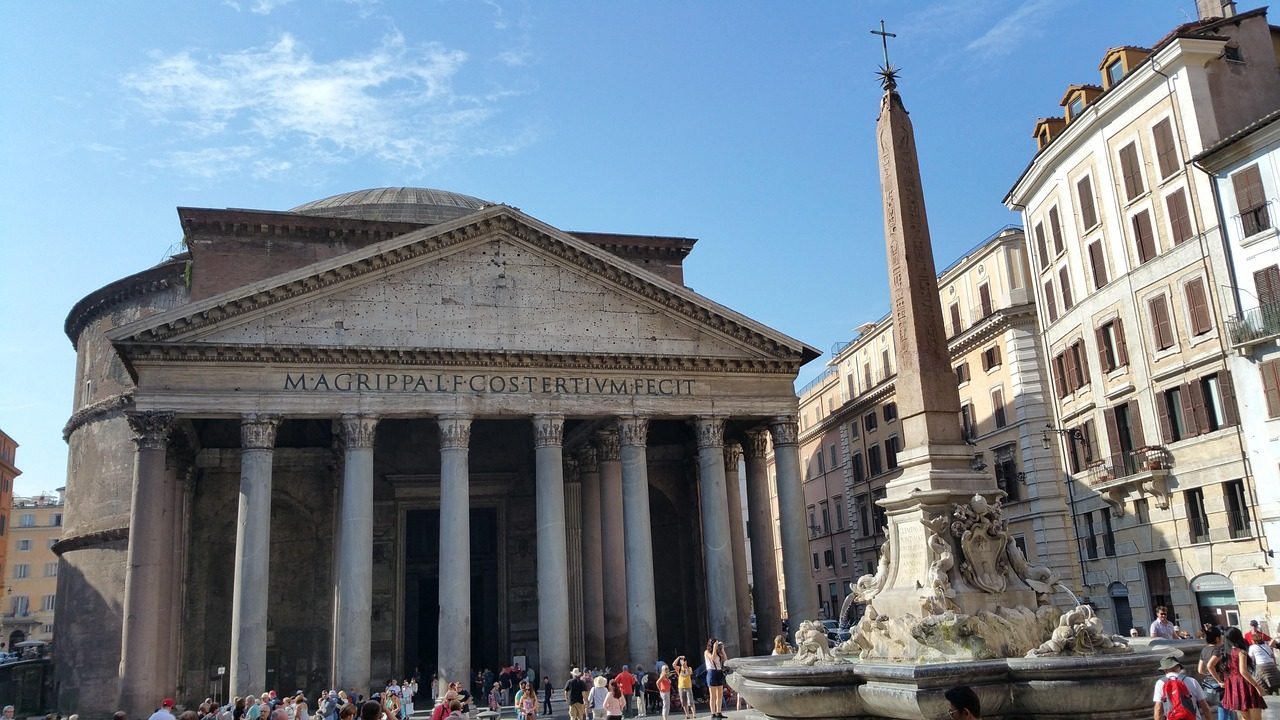
The Pantheon in Rome remains the largest unreinforced concrete dome in the world nearly two thousand years later. Architects achieved this feat by lightening the aggregate material as the structure rose toward the central oculus. This specific design choice reduced the overall stress on the supporting walls and prevented collapse. Structural engineers continue to marvel at the composition of the ancient concrete, which actually strengthens over time. The building demonstrates a mastery of physics and material science that rivals even our most advanced modern construction techniques. It stands as a perfect example of efficient load management.
The Antikythera Mechanism
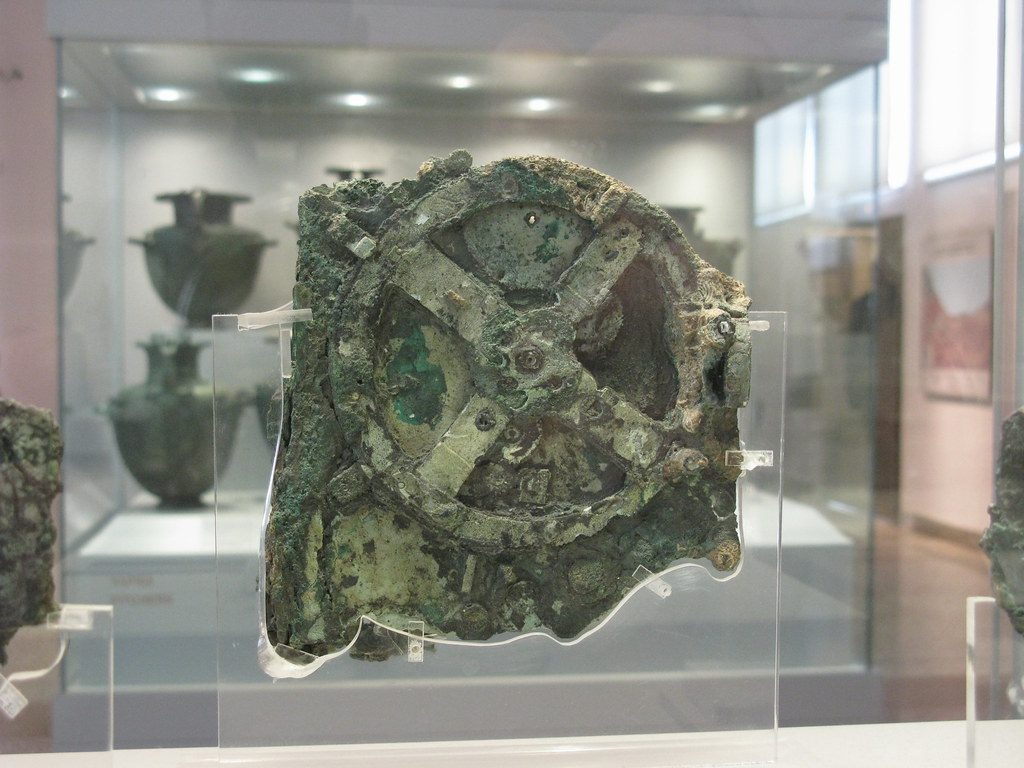
Divers discovered the Antikythera Mechanism in a shipwreck and revealed an ancient level of sophistication that shocked the scientific community. This complex arrangement of bronze gears functioned as an astronomical calculator to predict eclipses and track planetary positions. Mechanical engineers study the precise gear ratios to understand how Greek inventors achieved such accuracy without modern tools. The device suggests that analog computing technology existed well over a millennium before previously thought. It challenges our historical timeline and shows that mechanical genius flourished in the ancient world. The precision of the interlocking teeth remains a subject of intense research.
SR-71 Blackbird
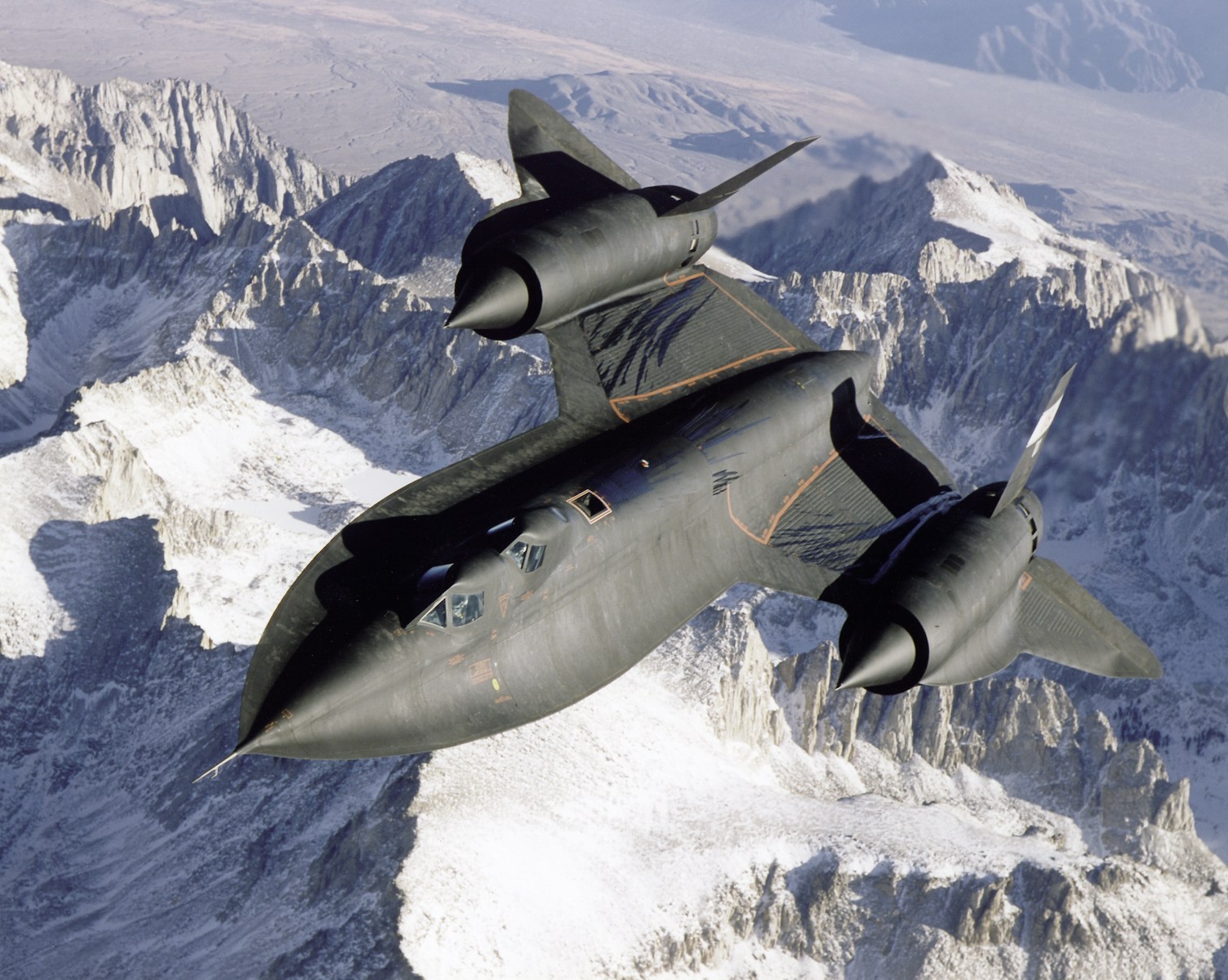
The SR-71 Blackbird pushed the boundaries of aerodynamics and thermodynamics further than any other aircraft of its time. Kelly Johnson and his team designed the plane to expand as it heated up during high-speed flight. Engineers still study the unique slide rule calculations that allowed it to fly at Mach three safely. The titanium skin required new fabrication techniques that revolutionized the entire aerospace industry permanently. Its ability to outrun missiles simply by accelerating remains a legendary feat of performance engineering. It serves as the ultimate benchmark for speed and innovation in atmospheric aviation history.
Saturn V Rocket
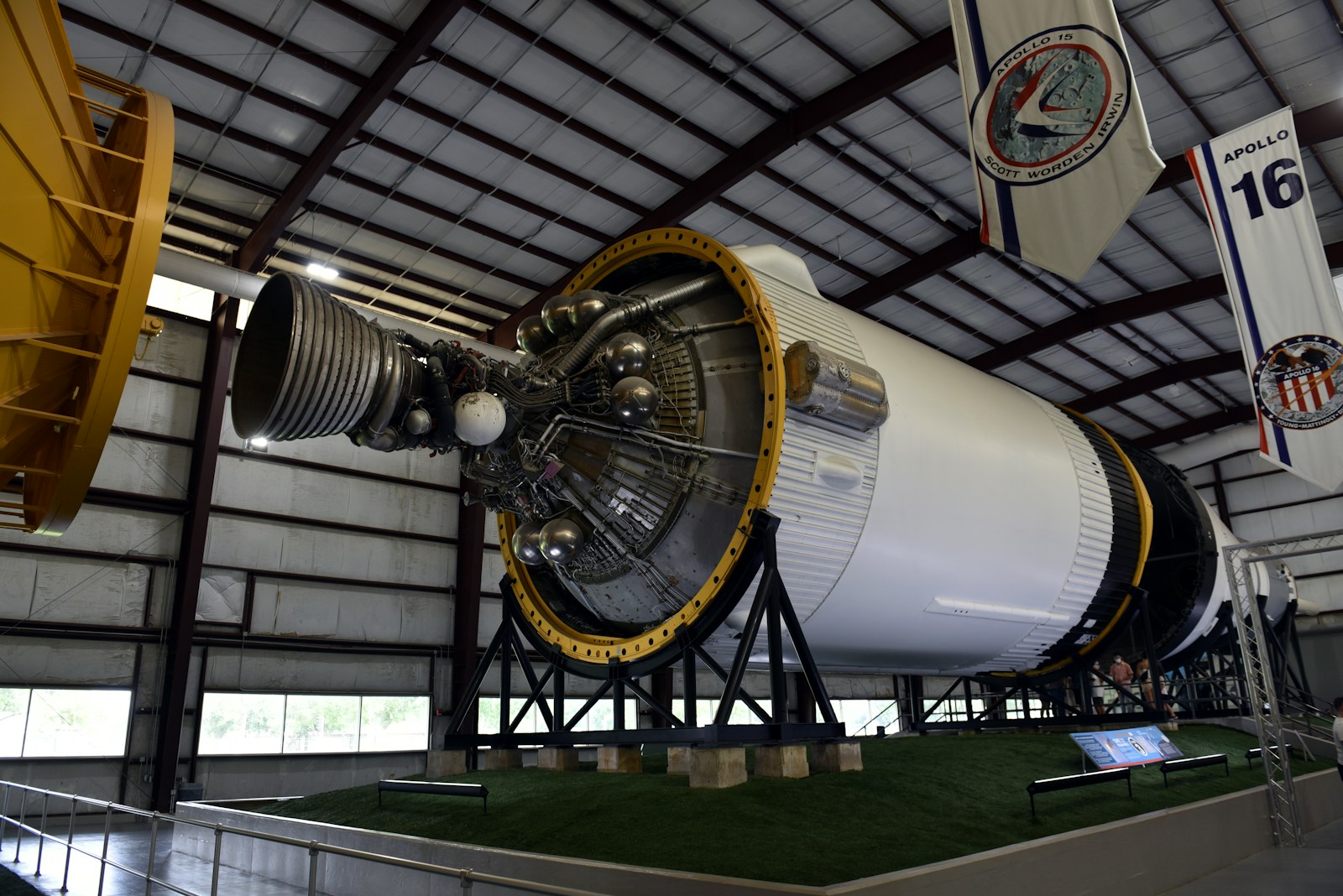
The Saturn V Rocket remains the most powerful machine ever built and successfully carried humans to the moon’s surface. Wernher von Braun and his team solved immense problems regarding thrust stability and fuel efficiency during the race to space. The F-1 engines generated enough power to lift the massive stack while maintaining stability during the ascent. Aerospace students examine the staging mechanisms to learn how to shed weight effectively during flight. The success of this launch vehicle demonstrated what is possible when engineering talent is focused on a singular goal. It is the gold standard for heavy lift capability.
Brooklyn Bridge

John Roebling designed the Brooklyn Bridge to be six times stronger than necessary, which ensured its survival through the ages. This suspension bridge introduced the extensive use of steel wire cables, which was a revolutionary concept at the time. The diagonal stay cables added redundancy that protected the structure even if the main cables suffered damage. Civil engineers reference this project as a masterclass in safety factors and redundant design planning. Its ability to handle modern traffic loads proves the value of overbuilding critical infrastructure. It connects two boroughs and two eras of engineering with steel and stone.