Hiking offers adventure, exercise, and breathtaking views, but not all trails are created equal. Some hikes carry extreme risk due to treacherous terrain, unpredictable weather, or lack of maintenance. Inexperienced hikers or those underestimating these challenges can quickly find themselves in life-threatening situations. Dangerous trails often lure adventurers with promises of scenic vistas or challenging climbs, yet their hazards are not always obvious until it’s too late. Awareness, preparation, and respect for the trail’s difficulty are critical. Understanding which hikes to avoid can save lives while still allowing safe exploration of the wilderness.
1. The Angel’s Landing Trail, Utah
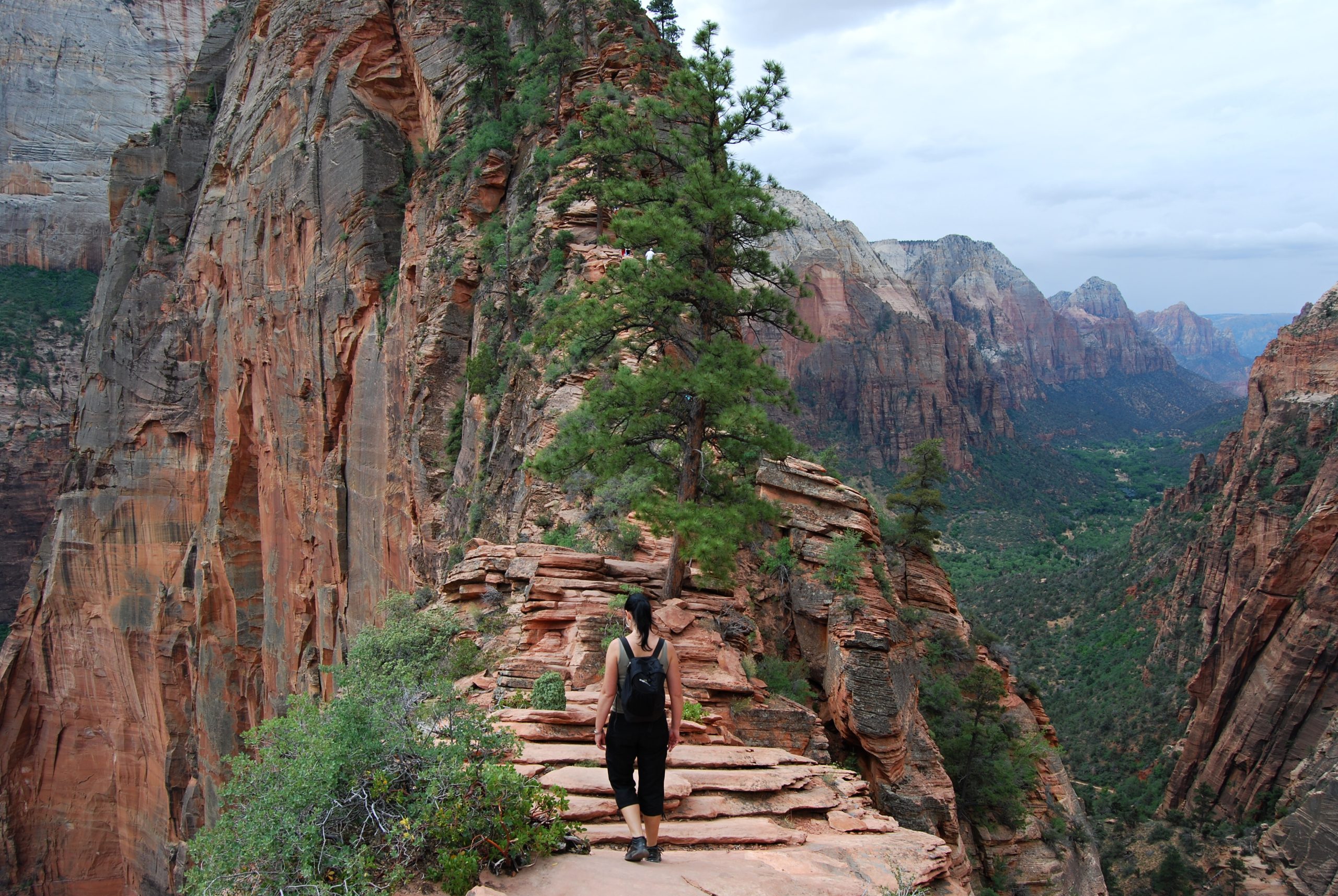
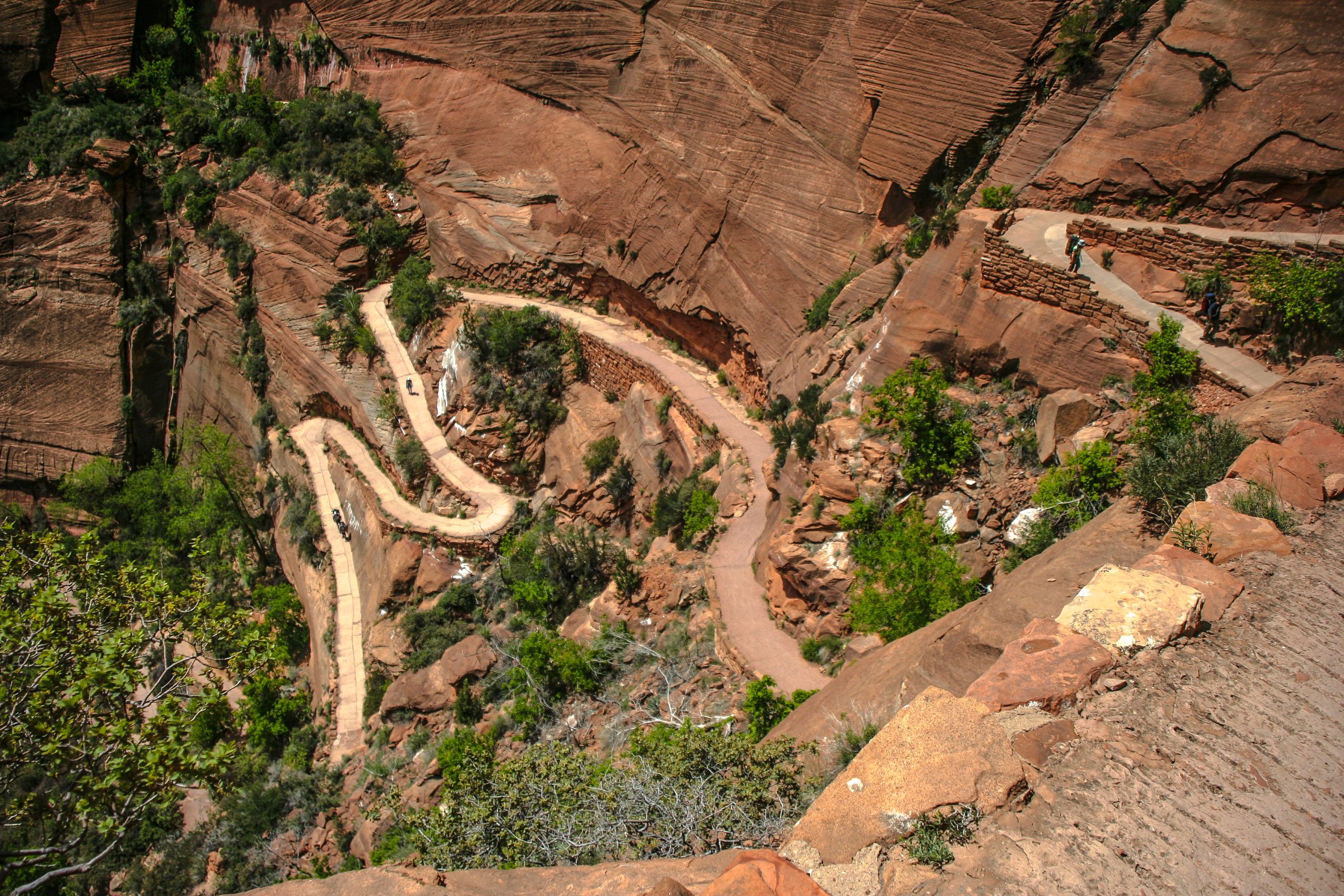
Angel’s Landing in Zion National Park is infamous for its dizzying heights and narrow ridges. While the view is legendary, the trail features sheer drop-offs and sections requiring gripping chains for stability. Sudden gusts of wind or distracted hikers can trigger fatal slips. The combination of exposure, loose rock, and high foot traffic increases the likelihood of accidents. Even experienced hikers have suffered injuries due to overconfidence or misjudging their balance. Attempting this trail without proper preparation, mental focus, and physical conditioning significantly elevates risk and should be avoided by anyone uncertain of their capabilities.
2. Kalalau Trail, Hawaii

The Kalalau Trail along Kauai’s Napali Coast offers stunning coastal vistas but is notorious for mud, landslides, and narrow cliffside paths. Heavy rains can transform this trail into a treacherous, slippery nightmare, washing out sections or triggering sudden rockfalls. The remote location limits rescue access, meaning even minor injuries can escalate into emergencies. Hikers often underestimate the physical endurance required for the 11-mile trek through dense vegetation and unpredictable terrain. Exposure to strong sun, sharp vegetation, and sudden weather changes adds to the danger. Only highly experienced and prepared hikers should consider this route, with proper permits and emergency planning.
3. Half Dome, California
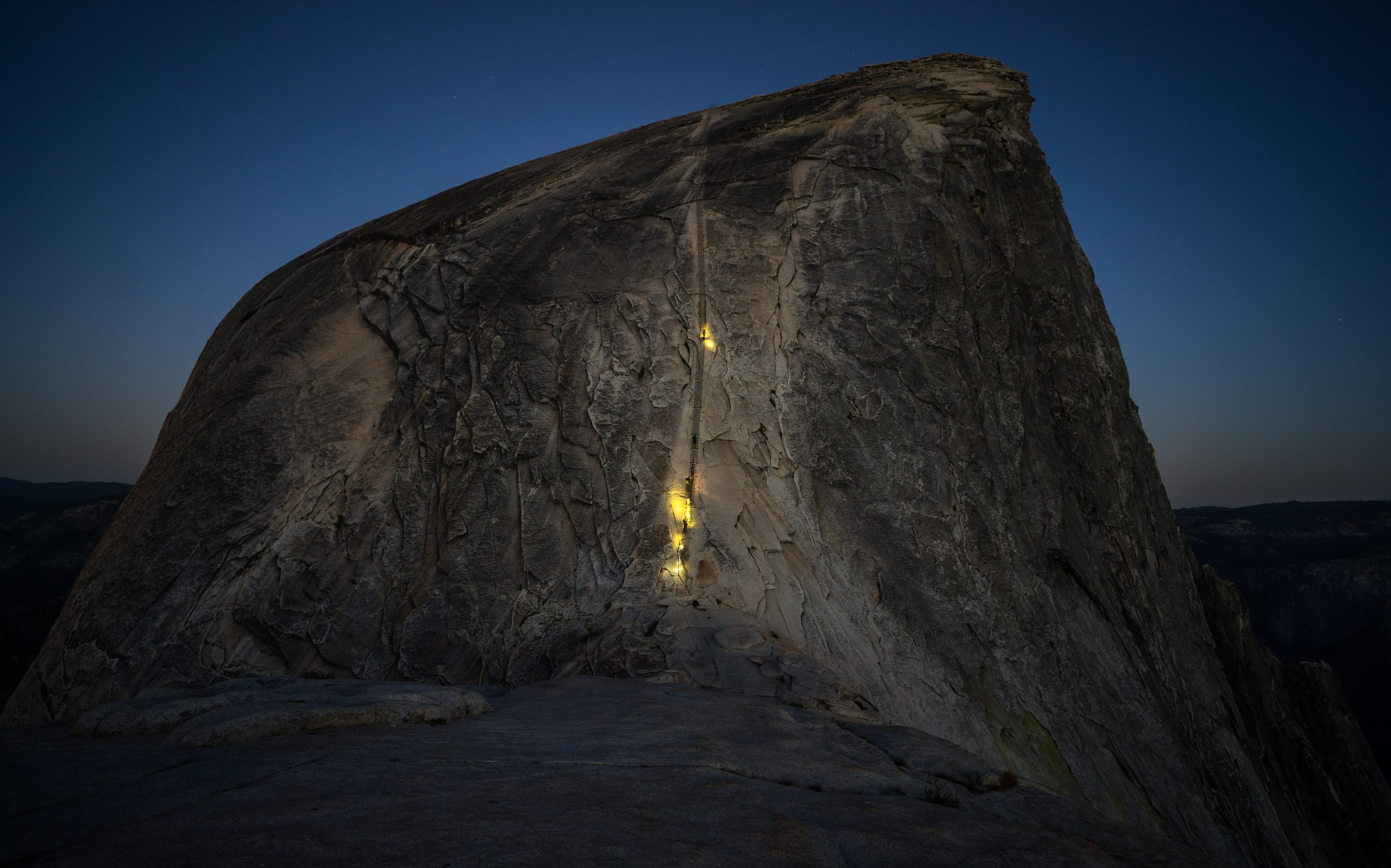
Half Dome in Yosemite National Park is a bucket-list hike but presents serious risk factors. The final ascent involves steep granite slopes, cable pulls, and crowded conditions that amplify danger. Slippery rock surfaces after rain and exposure to lightning during storms make this trail exceptionally hazardous. Fatigue plays a huge role in accidents, as the climb requires exceptional stamina and upper-body strength. Even those physically prepared can be overwhelmed by crowds or sudden weather changes. Without proper footwear, hydration, and cautious pacing, hikers are vulnerable to falls and dehydration. Novices or casual hikers should consider alternatives to this iconic, yet perilous, climb.
4. Cascade Pass, Washington
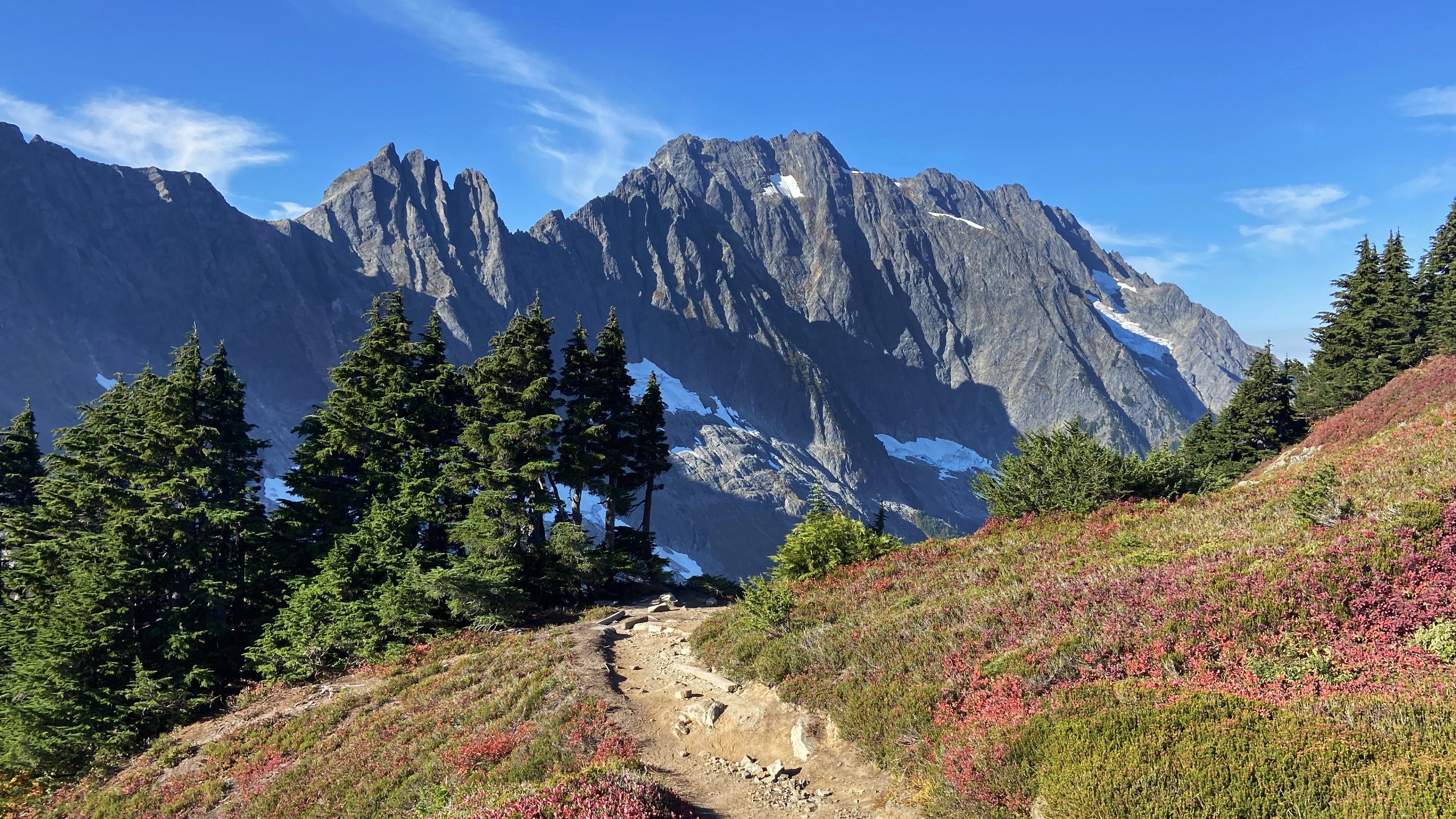
Cascade Pass in the North Cascades offers incredible alpine scenery, but the combination of steep terrain, narrow ridgelines, and unpredictable weather makes it risky. Snow can linger into summer, creating slippery ice patches, while sudden fog reduces visibility on exposed sections. Loose rock and uneven surfaces increase the chance of slips or falls, particularly for hikers attempting shortcuts. Avalanches and rockslides are rare but possible in certain seasons. Even experienced hikers must respect the trail’s demands, bring proper footwear, navigation tools, and weather-appropriate gear, and avoid this hike if unfamiliar with alpine conditions or unsure of their endurance.
5. Bright Angel Trail, Arizona
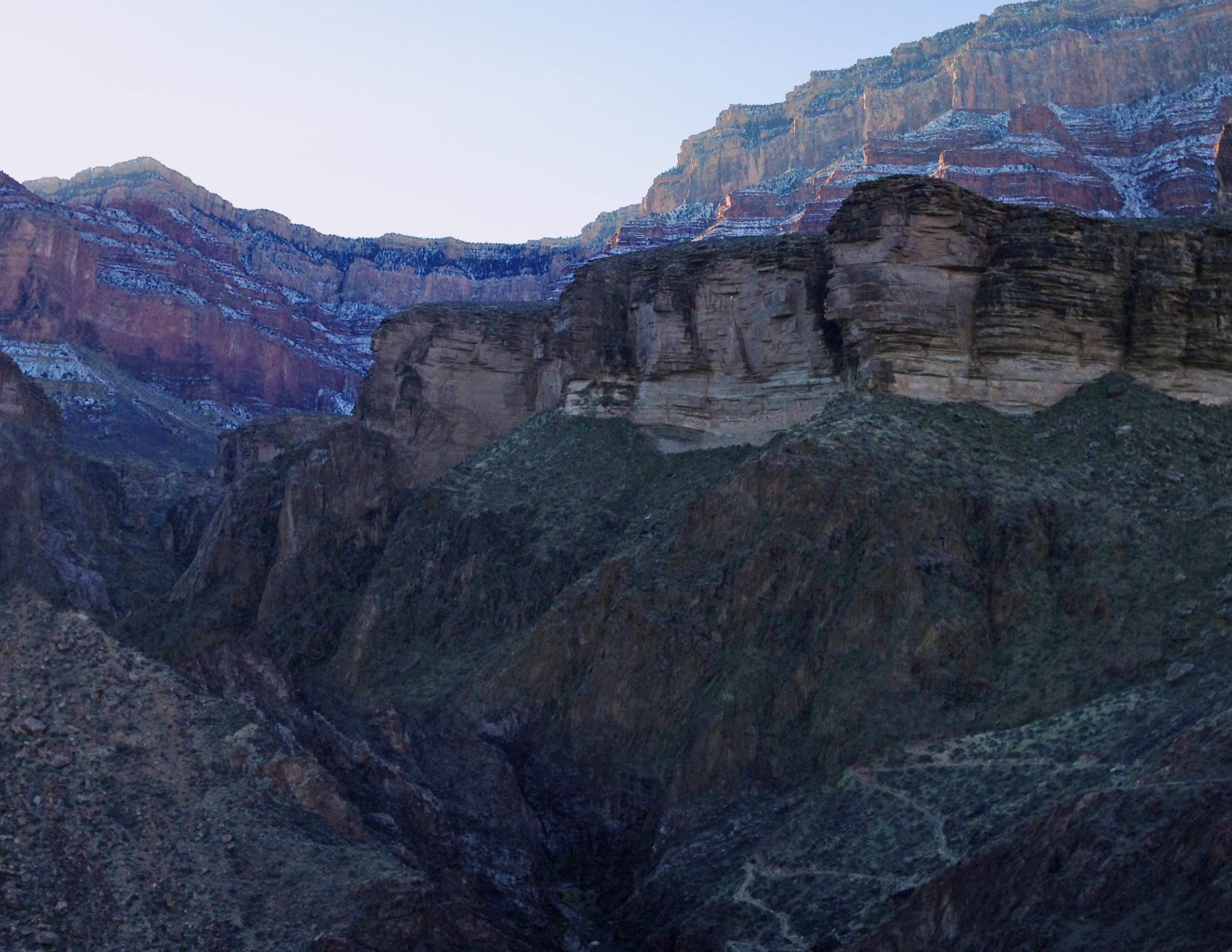
Bright Angel Trail in the Grand Canyon appears accessible, but its depth, steep grades, and desert climate make it deceptively dangerous. Hiking down is physically demanding, but the real risk occurs on the ascent, where heat exhaustion, dehydration, and overexertion claim the most lives. Water stations exist but are spaced far apart, and the trail’s remoteness complicates emergency response. Loose rocks and narrow switchbacks increase fall hazards, particularly during crowded periods. Many hikers underestimate the energy required to return to the rim, leading to severe medical emergencies. Only those conditioned for extreme exertion and desert conditions should attempt this challenging route.
6. The Mist Trail, California
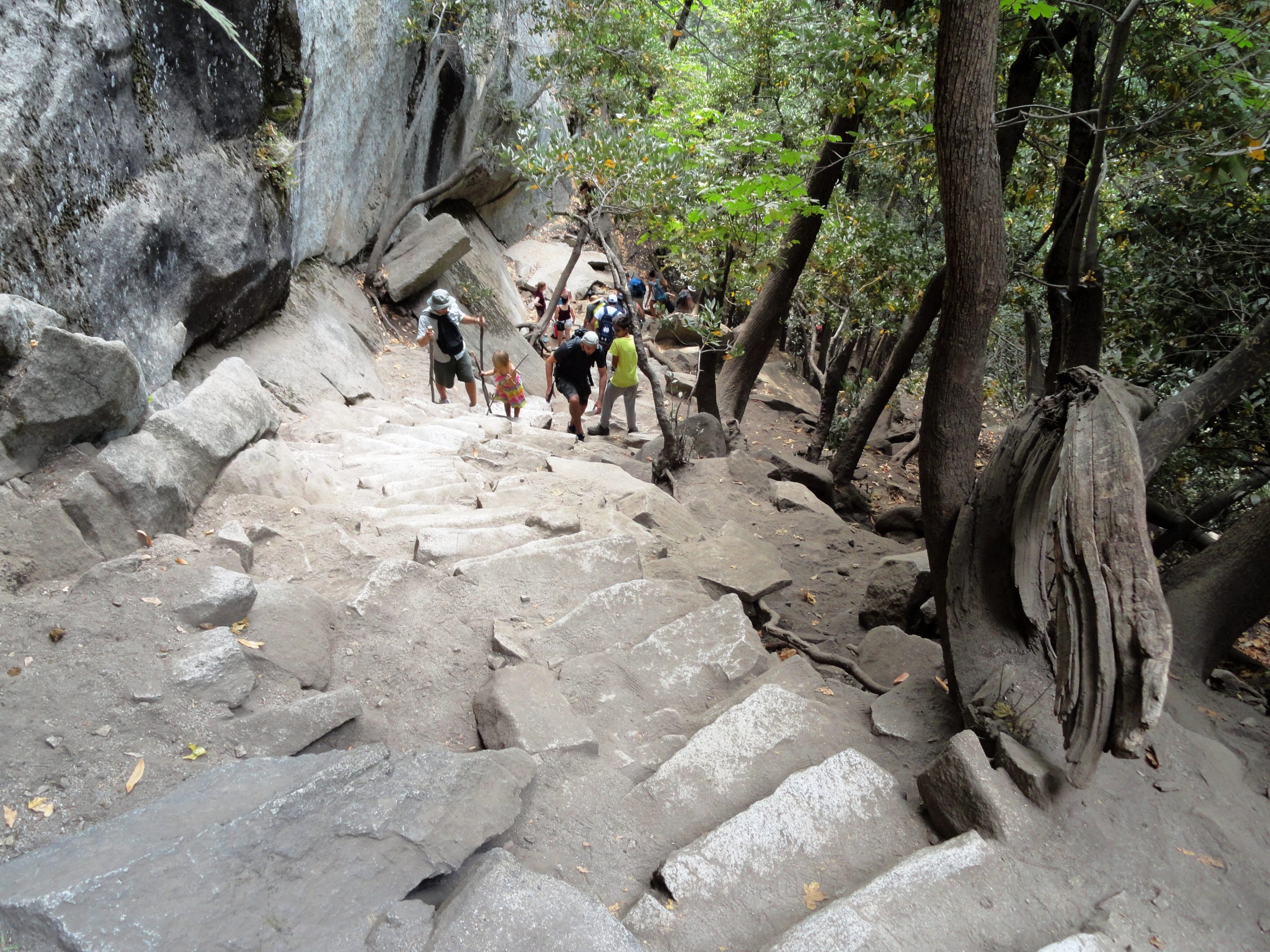
The Mist Trail to Vernal and Nevada Falls in Yosemite combines incredible scenery with hazardous conditions. Constant mist keeps the rocks slippery, and steep granite steps require careful footing. Crowds can exacerbate risk, with hikers jostling or slipping near edges. Sudden rain can increase water flow and flooding risk, turning a moderate trail into a slippery, treacherous climb. Fatigue and poor footwear lead to frequent injuries, especially during peak season. Exposure to sunlight and dehydration are additional threats. While visually stunning, the Mist Trail demands physical fitness, caution, and respect for its hazards, making it unsuitable for unprepared or casual hikers.