
These common gun storage errors even experienced owners make highlight the subtle mistakes that can compromise home safety and weapon longevity today. Many long-term enthusiasts develop a sense of complacency that leads them to overlook basic security protocols or environmental factors within their own homes. While a veteran owner may feel confident in their current setup small lapses in judgment often create opportunities for unauthorized access or expensive damage from rust and corrosion. This guide examines the most frequent blunders that people commit while assuming their collection remains perfectly secure. Correcting these issues prevents tragic accidents and very costly repairs.
Relying Solely On Hiding Places

Many experienced owners believe that simply hiding a firearm in a clever location like a high shelf or a false book provides enough security. This common mistake assumes that children or curious visitors will never find the concealed weapon during their normal activities around the house. In reality determined individuals often explore every corner of a home and can easily stumble upon an unsecured and loaded handgun. Relying on secrecy instead of a physical lock or a high quality safe creates a dangerous environment for everyone living in the residence. Always prioritize a mechanical barrier over a simple hiding spot for safety.
Neglecting Humidity Control

Storing firearms in a basement or a garage without proper humidity control is a recipe for rapid rust and permanent metal degradation. Even inside a heavy steel safe moisture can become trapped and cause significant damage to expensive finishes and sensitive internal parts over several months. Experienced owners sometimes forget to check their dehumidifier rods or replace desiccant packs which allows the air to become too damp. This environmental oversight can ruin a valuable collection before the person even realizes there is a problem. Maintaining a consistent and dry atmosphere is essential for the long term preservation of every single firearm.
Keeping Keys Near The Safe

A high quality gun safe offers no protection if the keys or the backup combinations remain easily accessible in a nearby drawer or on a hook. Some owners make the mistake of hiding the key in the same room to ensure they can access the weapon quickly during an emergency. This convenience also allows unauthorized users to open the safe with minimal effort once they locate the obvious hiding place. It is much safer to keep keys on a personal ring or store them in a completely separate and secure location. Physical security requires a disciplined and very consistent approach.
Storing Firearms In Soft Cases

Many people mistakenly use soft fabric or foam lined cases for long term storage because they appear to offer good protection against scratches. These materials actually trap moisture against the metal surfaces which accelerates the oxidation process and leads to deep pitting on the barrel or frame. A soft case is designed for temporary transportation to the range rather than permanent storage within a closet or a cabinet. Taking the time to wipe down each firearm with a light coat of oil and placing it in a breathable rack is a much better strategy. Proper air circulation prevents many issues.
Mixing Ammunition And Weapons

Experienced owners sometimes store their loaded magazines and loose ammunition directly inside the same small safe as their primary defensive handguns. While this allows for a fast response it also increases the risk if an unauthorized person manages to bypass the lock and gain entry. Storing ammunition in a separate locked container adds an extra layer of security that can prevent a stolen weapon from being used immediately. This practice is especially important in households with children who might be curious about how the mechanical parts work. Keeping these items apart is a fundamental rule of responsible and safe ownership.
Ignoring Periodic Safety Inspections
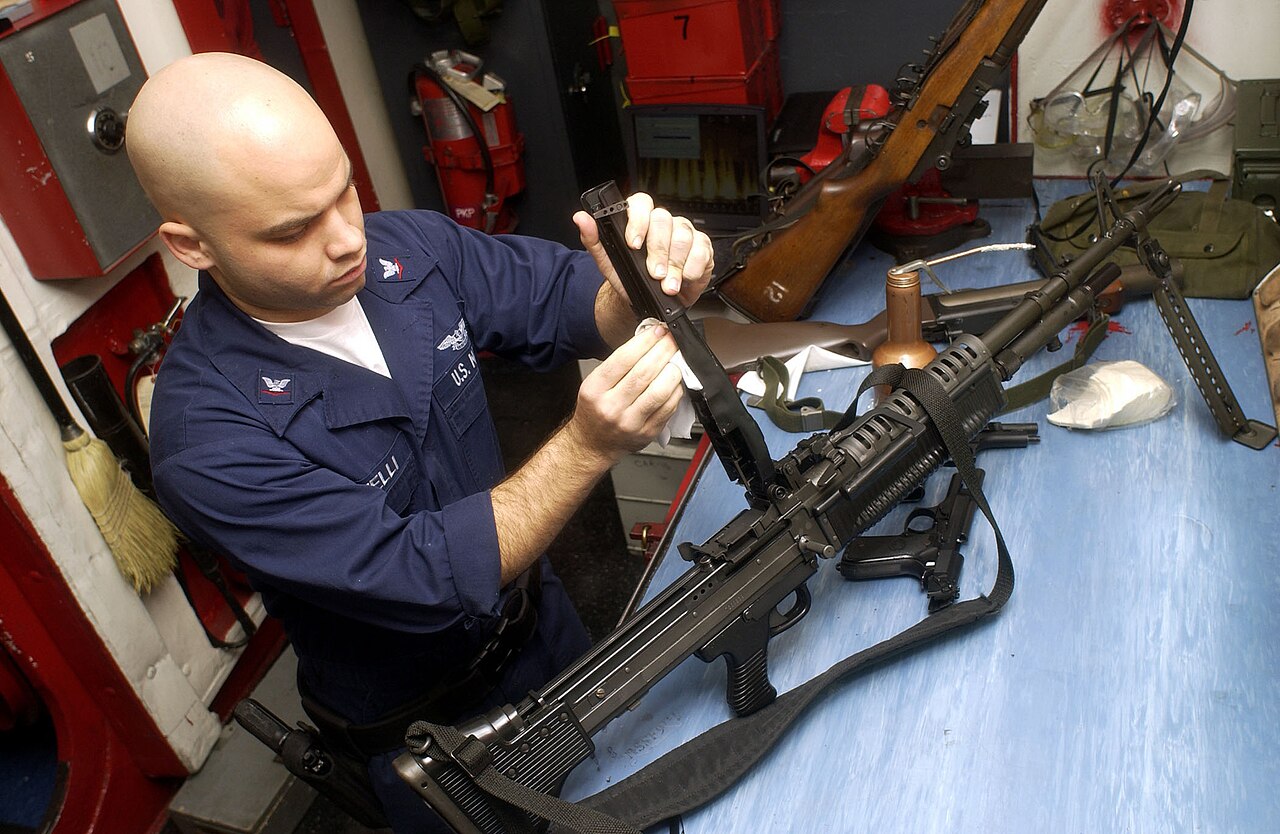
A major error occurs when an owner assumes that a stored firearm remains in perfect working order without performing regular safety inspections. Over time lubricants can dry out and internal springs can lose their tension or become stuck due to dust and old oil. An experienced person should periodically remove each weapon from storage to verify the clear status and ensure the action remains smooth and reliable. This routine maintenance helps identify any emerging rust or mechanical problems before they become a serious safety hazard. Regular checkups are the only way to guarantee that a firearm will function correctly.