Camping occupies a unique space in the outdoor experience spectrum because it blends genuine wilderness exposure with enough comfort infrastructure that the risks involved rarely feel proportionate to the actual danger present. That perceptual gap is precisely where the most serious camping mistakes originate. People who would never approach a technical mountaineering objective without proper preparation routinely drive to a campsite, set up in darkness, skip basic safety protocols, and make decisions that experienced wilderness travelers would recognize as dangerous before the tent stakes are fully driven. The consequences of those decisions do not always announce themselves immediately, which reinforces the false sense of security that casual camping environments produce. A fire built in the wrong location may not cause damage until the wind shifts at 2 AM. A water source that looked clean may not produce symptoms of Giardia infection for 7 to 14 days after exposure. Carbon monoxide from an improperly positioned stove accumulates silently. The six mistakes examined here are drawn from wilderness incident databases, search and rescue after-action reports, and emergency medicine case documentation. Each one has killed people who considered themselves reasonably prepared campers. Understanding them specifically and honestly is the most direct route to ensuring they remain other people’s cautionary stories rather than your own.
1. Ignoring Proper Food Storage in Bear Country
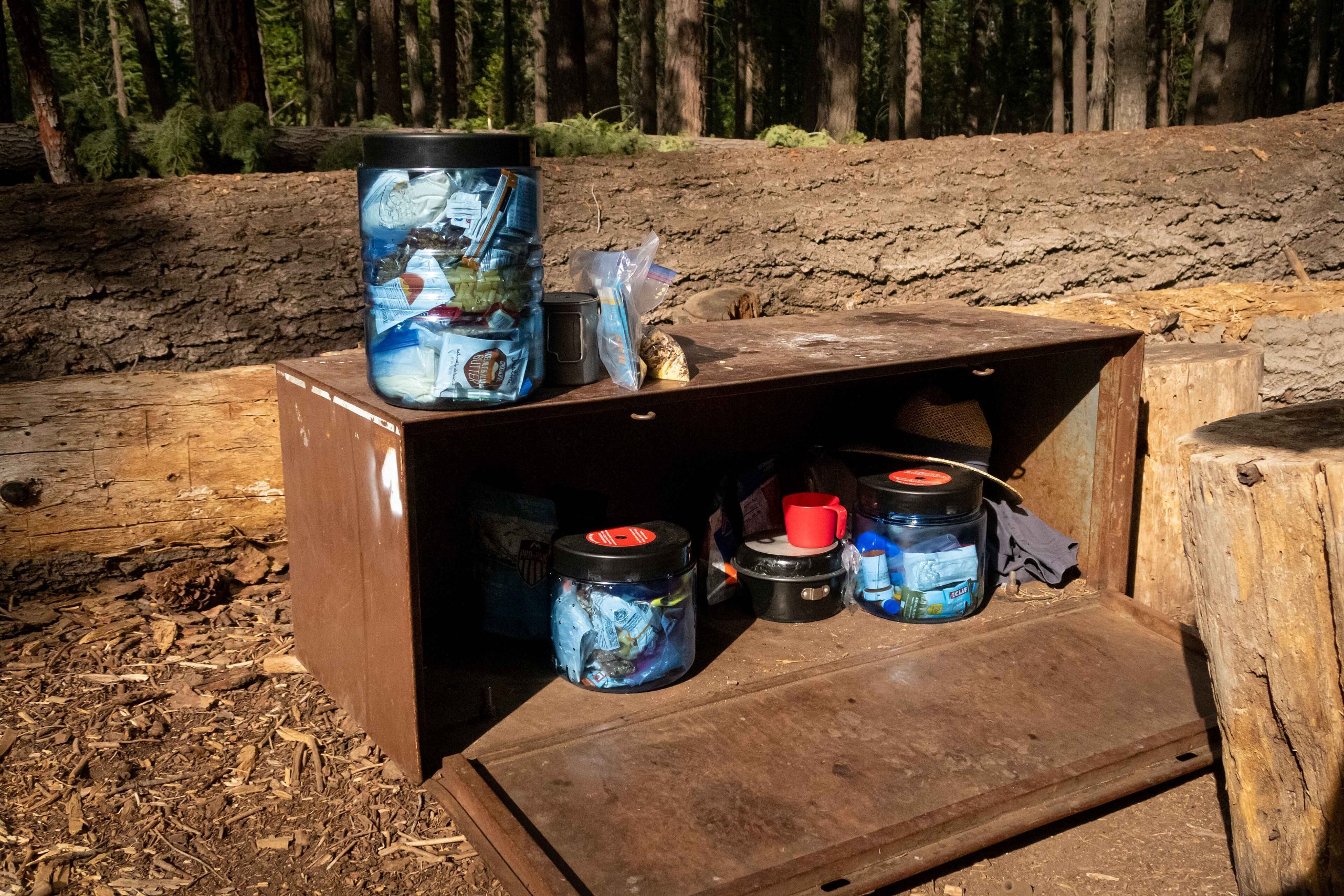
Food storage failures in bear country represent the single most preventable category of wildlife-related camping fatalities and injuries in North America, and the frequency with which they occur despite universal awareness of the requirement reflects a gap between knowing a rule and understanding why it exists with genuine biological specificity. A black bear’s olfactory capability is estimated at 2,100 times more sensitive than a human’s, allowing detection of food odors at distances exceeding 20 miles under favorable wind conditions. Once a bear associates a specific campsite location with a food reward, the behavioral modification is essentially permanent, creating what wildlife managers call a food-conditioned bear that statistically requires lethal removal within 1 to 3 subsequent human encounters. The practical storage requirement in most designated bear country is suspension of all food, cookware, and scented items, including toothpaste and lip balm,m at a minimum of 10 feet off the ground and 4 feet horizontally from any vertical support, or storage in an approved bear canister. Tent storage of food remains the most documented failure mode in incident reports, appearing in over 60 percent of bear-related camping injury cases reviewed across national forest and national park incident databases annually. The cognitive error is proximity comfort: keeping food close feels safer, when the biological reality is precisely the opposite.
2. Setting Up Camp in a Flash Flood Zone
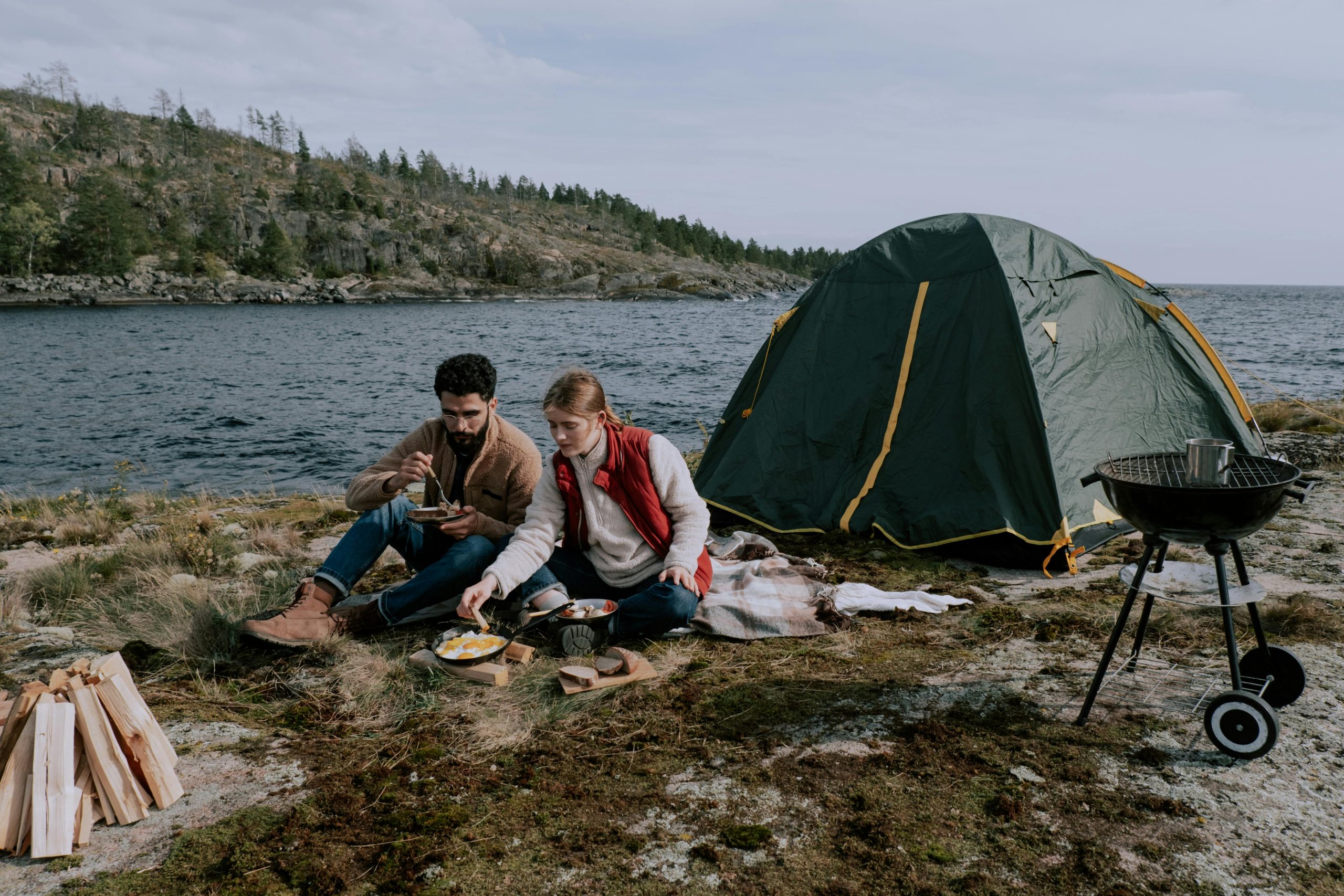
Flash flood fatalities among campers consistently appear in wilderness incident reports across every region of the United States that receives concentrated rainfall events, and the campsite selection errors that precede them follow a pattern recognizable enough that wilderness search and rescue personnel describe it with weary consistency: the site was beautiful, flat, sheltered from wind, and directly positioned in a drainage channel that the camper either did not recognize as such or assessed as low risk based on weather conditions at the immediate location rather than upstream. Flash floods travel at speeds between 10 and 30 feet per second and can arrive without any local precipitation, generated entirely by rainfall occurring miles upstream in a watershed the camper cannot see or hear until the wall of water is seconds away. The National Weather Service documents approximately 127 flash flood fatalities annually in the United States, with a disproportionate percentage involving people sleeping or camping in drainage features during overnight hours when visual warning signs are invisible and auditory warning arrives with insufficient lead time for escape. Campsite selection requiring a minimum 200-foot horizontal distance from any drainage channel, combined with elevation assessment ensuring the site sits at least 10 to 15 feet above the channel floor, eliminates the primary geographic risk factor that flash flood camping fatalities share across virtually all documented cases, es regardless of geographic region.
3. Using Combustion Appliances Inside Enclosed Shelters
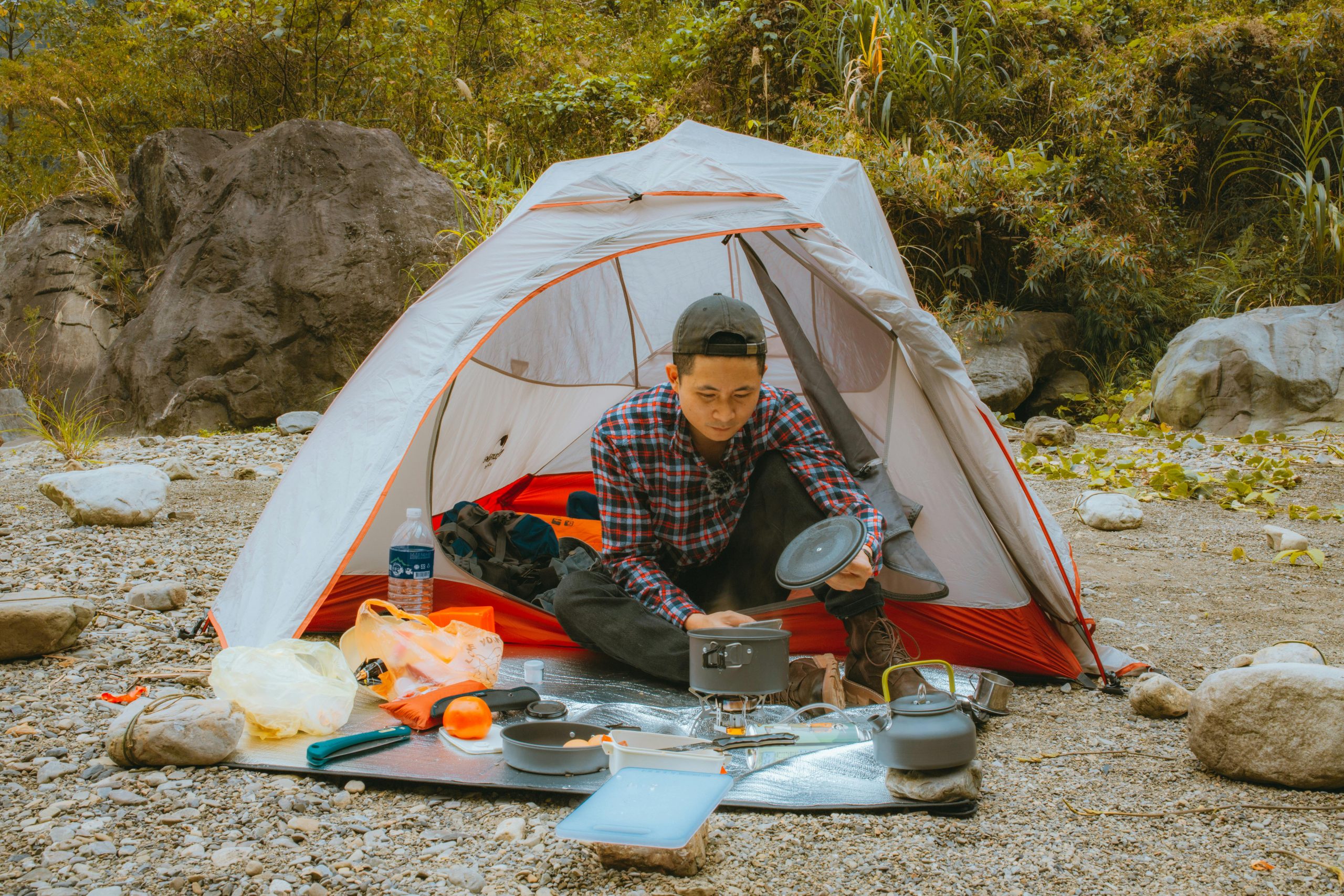
Carbon monoxide poisoning from combustion appliances operated inside tents, vehicles, or enclosed shelters represents one of the most rapidly fatal camping mistakes on this list because it produces no sensory warning that an untrained person will recognize and interpret correctly before incapacitation occurs. Carbon monoxide is odorless, colorless, and tasteless, binding to hemoglobin with 200 to 250 times greater affinity than oxygen and displacing it from red blood cells at concentrations that produce unconsciousness within minutes and death within hours at levels that a standard camp stove generates inside a closed 4-person tent in approximately 5 to 10 minutes of operation. The Consumer Product Safety Commission documents approximately 400 non-fire carbon monoxide fatalities annually in the United States, with camping-related incidents involving gas stoves, catalytic heaters, and vehicle engines operated near tent openings appearing consistently in seasonal incident clustering during cold-weather camping periods. The specific cognitive error is comfort prioritization: operating a stove inside a tent vestibule to avoid rain or wind feels like a minor concession rather than a potentially lethal decision. A tent vestibule with closed outer fly panels accumulates carbon monoxide at rates nearly identical to a fully enclosed space due to the minimal air exchange that waterproof fabric construction allows. Any combustion inside or immediately adjacent to a sleeping shelter requires complete ventilation, which, under weather conditions, often makes it psychologically difficult to maintain.
4. Underestimating Hypothermia Risk in Mild Temperatures
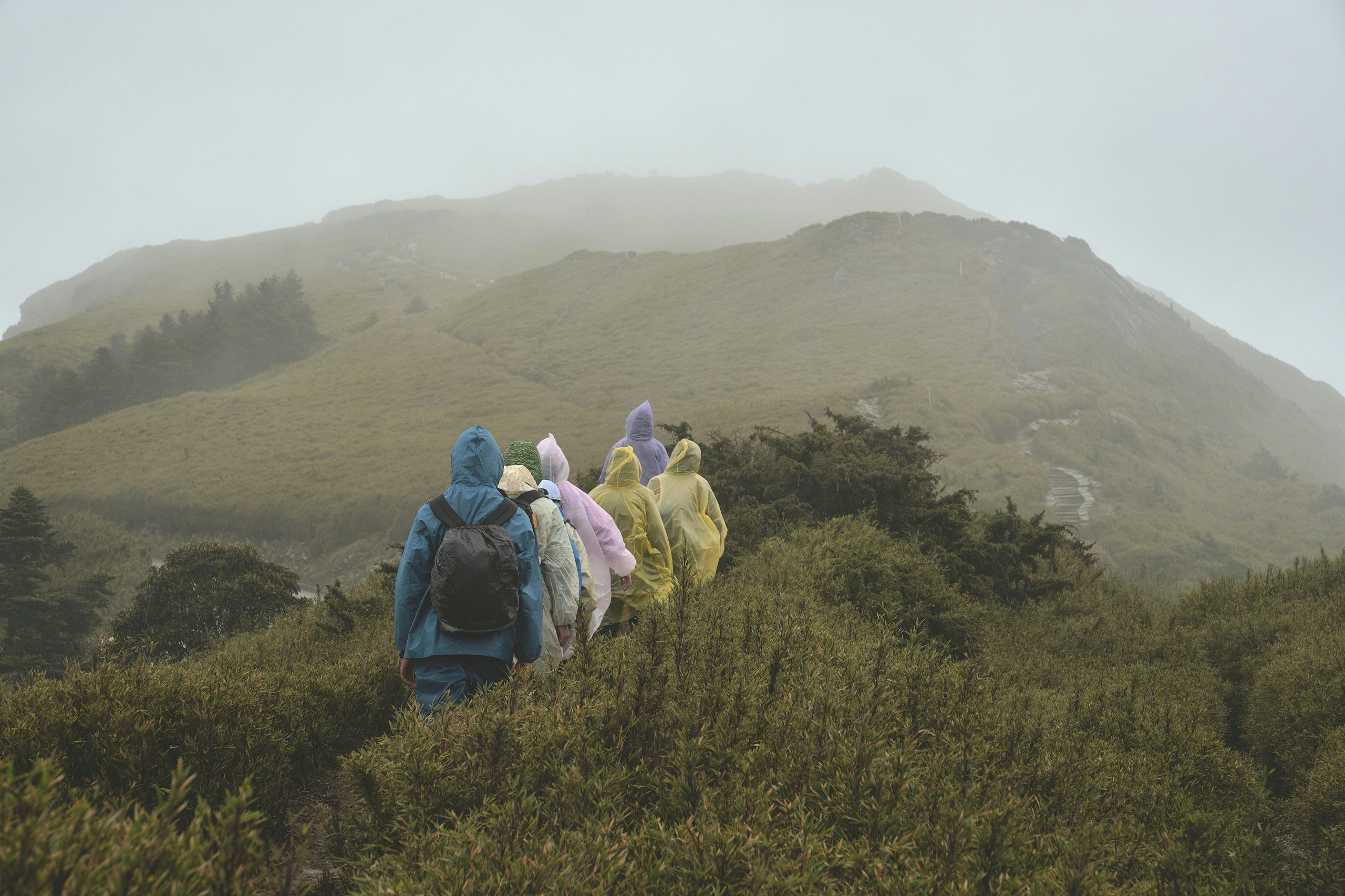
Hypothermia carries a widespread misconception that it requires extreme cold to develop, a belief so embedded in casual camping culture that it consistently produces situations where campers enter dangerous physiological territory without recognizing the warning signs because the ambient temperature does not match their mental model of when hypothermia becomes relevant. The critical physiological fact is that hypothermia develops most rapidly and most deceptively in temperature ranges between 30 and 50 degrees Fahrenheit when combined with wind, rain, and physical exhaustion, conditions that describe a significant percentage of camping nights across three-season use in the United States. At these temperatures, wet clothing loses approximately 90 percent of its insulating value while wind strips residual body heat through convection faster than metabolic processes replace it in a fatigued person who has depleted glycogen reserves through a full day of hiking. Core temperature depression to 95 degrees Fahrenheit produces impaired judgment, the specific symptom that makes self-rescue increasingly difficult as the condition progresses, because the affected person loses the cognitive clarity to recognize their own deteriorating state. The Wilderness Medical Society documents that mild hypothermia at core temperatures between 95 and 98 degrees Fahrenheit produces decision-making impairment comparable to a blood alcohol level of 0.08 percent. Carrying a dry insulating layer in a waterproof bag regardless of departure weather conditions is the preparation that wilderness medicine professionals consider non-negotiable for any camping trip lasting beyond a single night.
5. Drinking Untreated Backcountry Water Sources
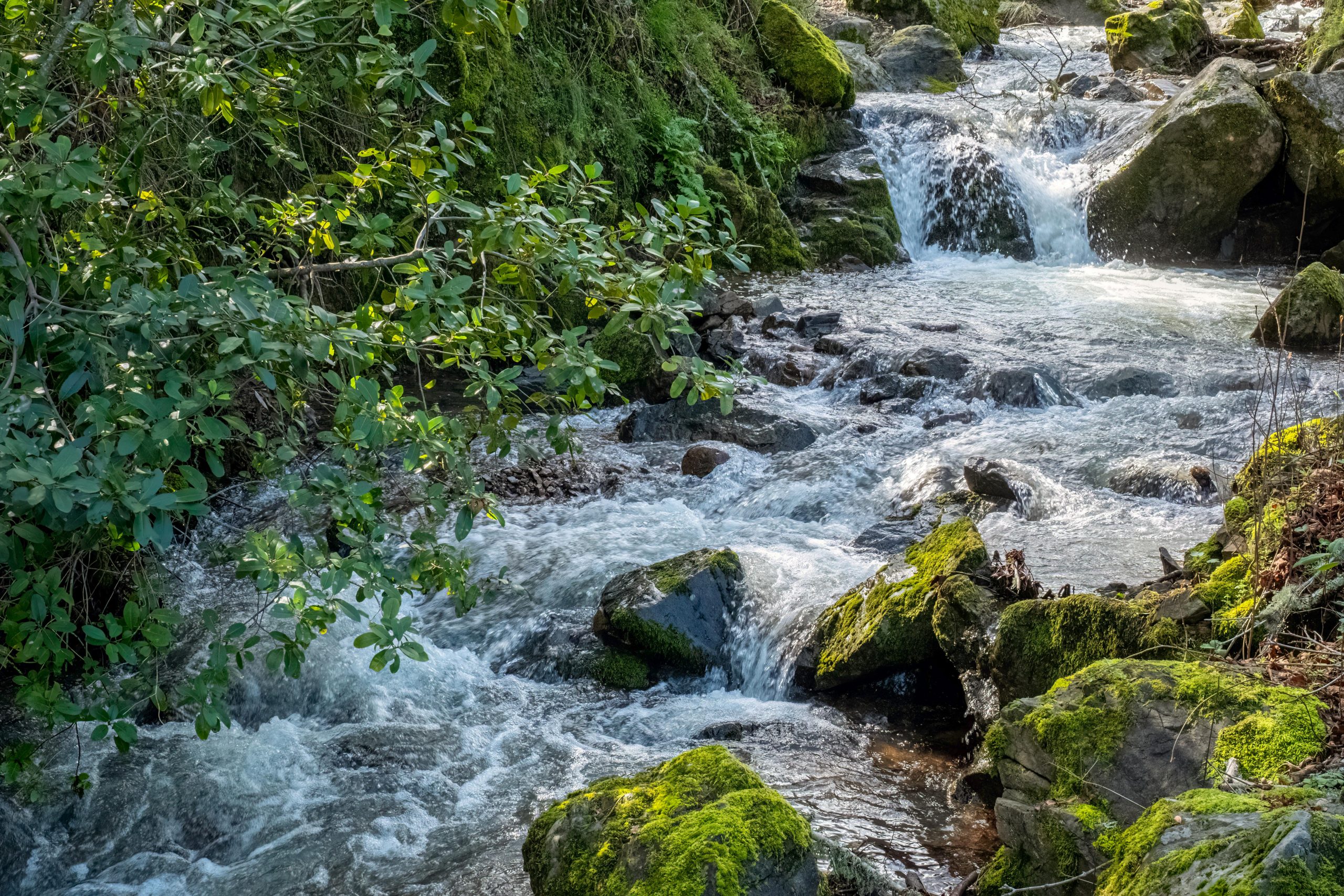
The visual clarity of a backcountry water source communicates essentially nothing about its microbiological safety, yet the persistent assumption that clear, cold, fast-moving mountain water is safe to drink without treatment continues appearing in the case histories of wilderness giardiasis, cryptosporidiosis, and norovirus infections that wilderness medicine practitioners treat with consistent seasonal regularity across every region of the United States with accessible backcountry camping. Giardia intestinalis cysts are invisible to the naked eye, survive in water temperatures near freezing for up to 3 months, and require ingestion of as few as 10 cysts to establish an infection that produces symptoms including severe diarrhea, abdominal cramping, and dehydration beginning 7 to 14 days after exposure. Cryptosporidium parvum oocysts are chlorine-resistant, meaning standard chemical treatment with iodine or bleach provides no protection against this specific pathogen, requiring either filtration through a 0.2-micron or smaller pore filter, ultraviolet light treatment at 40 mJ per square centimeter dosage, or boiling at a rolling boil for one full minute. The CDC estimates that waterborne illness affects approximately 7.2 million Americans annually, with backcountry recreational water exposure representing a documented contributing category. Carrying a backup treatment method beyond a single primary filter addresses the equipment failure scenario that produces the majority of treatment-failure illness cases in documented wilderness incident reviews.
6. Failing to File a Detailed Trip Plan Before Departure
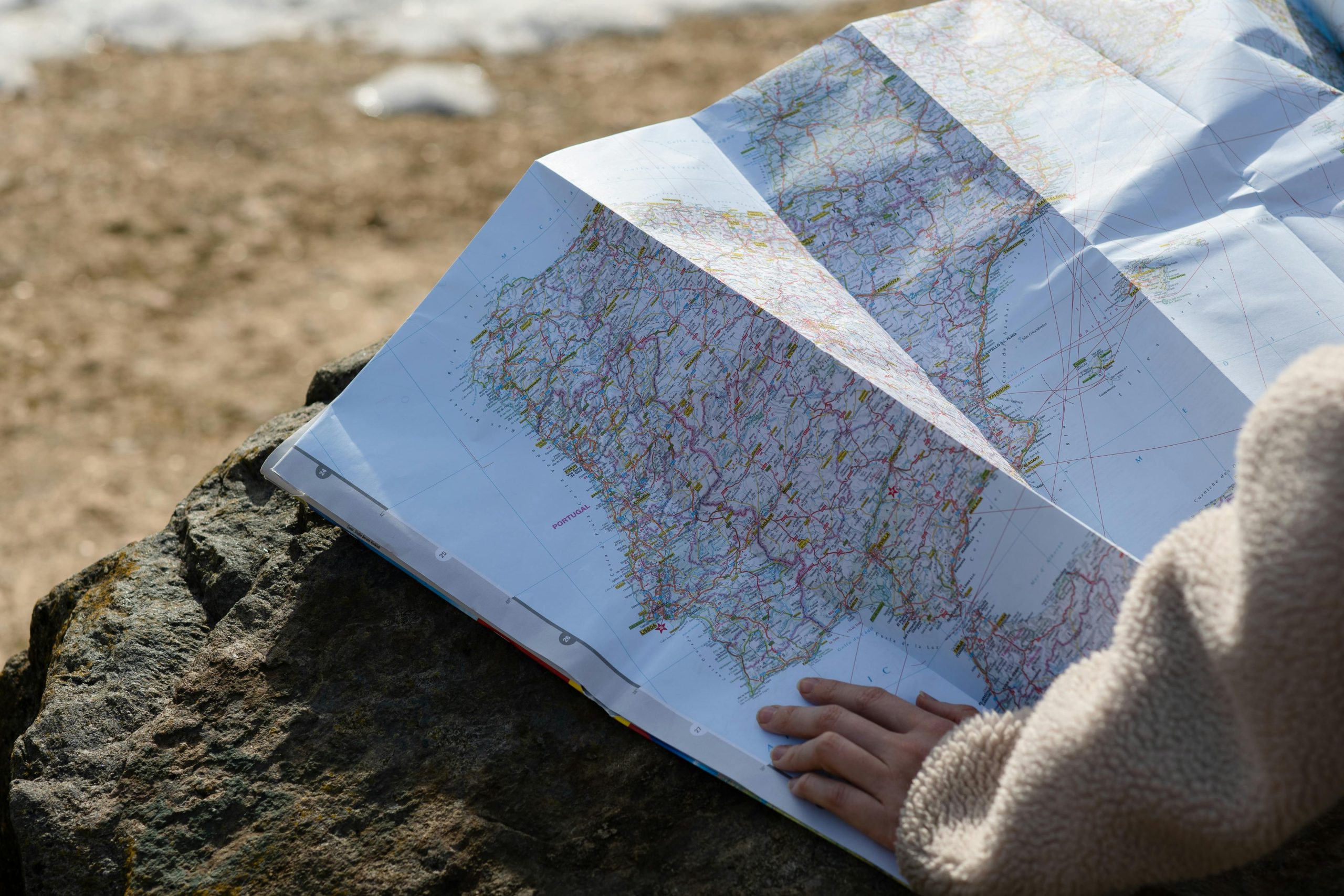
The absence of a field trip plan is not a mistake that directly causes physical harm in the moment it occurs, which explains why experienced campers overlook it with a consistency that search and rescue coordinators find both understandable and genuinely dangerous when outcomes are tallied. A trip plan filed with a reliable contact person who has specific instructions about when and how to initiate search and rescue notification creates the external safety net that transforms a wilderness emergency from a situation where rescue begins when someone happens to notice your absence into one where rescue begins at a predetermined trigger time with specific geographic information that search teams can act on immediately. The practical difference in outcomes is measurable. Search and rescue operations initiated within 24 hours of an incident have documented survival rates for injured or incapacitated victims significantly higher than operations initiated after 48 to 72 hours, the timeline that develops when no trip plan exists, and concerned contacts must determine on their own when absence becomes an emergency. A complete trip plan requires less than 15 minutes to prepare and should include the specific trailhead location with GPS coordinates, the intended route with daily camp locations, the planned return time and date, a physical description of all group members and their vehicle, and explicit instructions stating that if the contact has not received confirmation of return by a specific time, they should call the county sheriff’s office rather than waiting for additional confirmation that may never arrive.