Camping is often marketed as a peaceful escape, but not every destination rewards casual planning. Some places test your judgment, patience, and preparedness in ways that glossy travel photos never show. These locations aren’t dangerous by default, but they demand respect, experience, and the ability to adapt when plans fall apart. Weather can change without warning, help may be hours or days away, and small mistakes can quickly escalate into serious problems. This list isn’t meant to discourage adventure, but to highlight destinations where comfort takes a back seat to unpredictability. If you choose to camp in these areas, you should be confident in your skills, equipment, and decision-making, because nature sets the rules here, not convenience.
1. Death Valley Backcountry, California
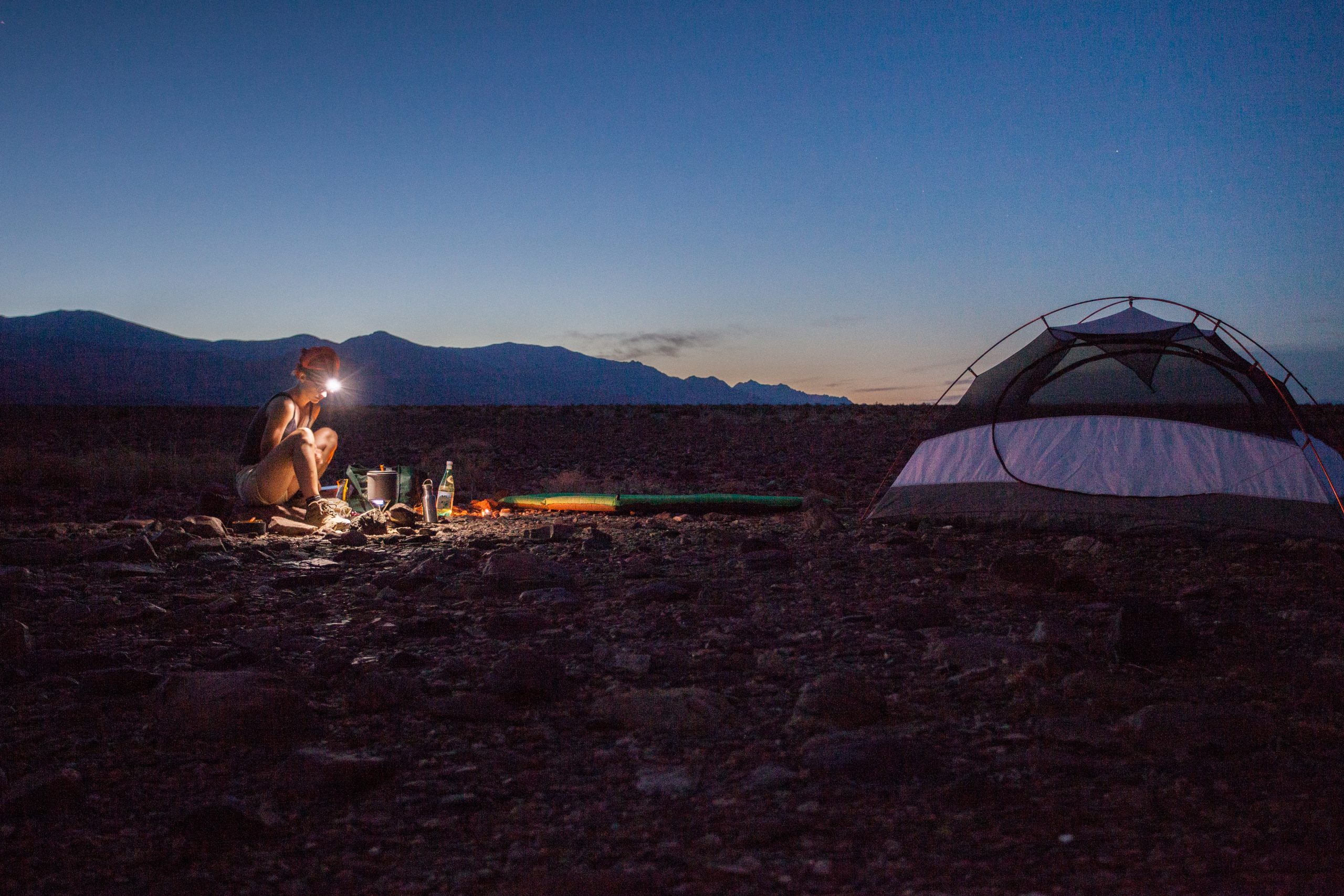
Death Valley’s backcountry looks deceptively empty, but that emptiness is exactly what makes it unforgiving. Temperatures can soar beyond expectations even outside peak summer months, and shade is scarce. Cell service is unreliable or nonexistent, and distances between help are vast. Flash floods can carve through dry washes with little warning, turning safe-looking camps into hazards overnight. Water sources are limited and often unreliable, forcing campers to carry far more than they expect. Navigation can also be tricky, as landmarks blend under harsh light. This is a place where misjudging distance, water needs, or weather can quickly turn serious, making it suitable only for those prepared for extreme conditions.
2. Gates of the Arctic National Park, Alaska
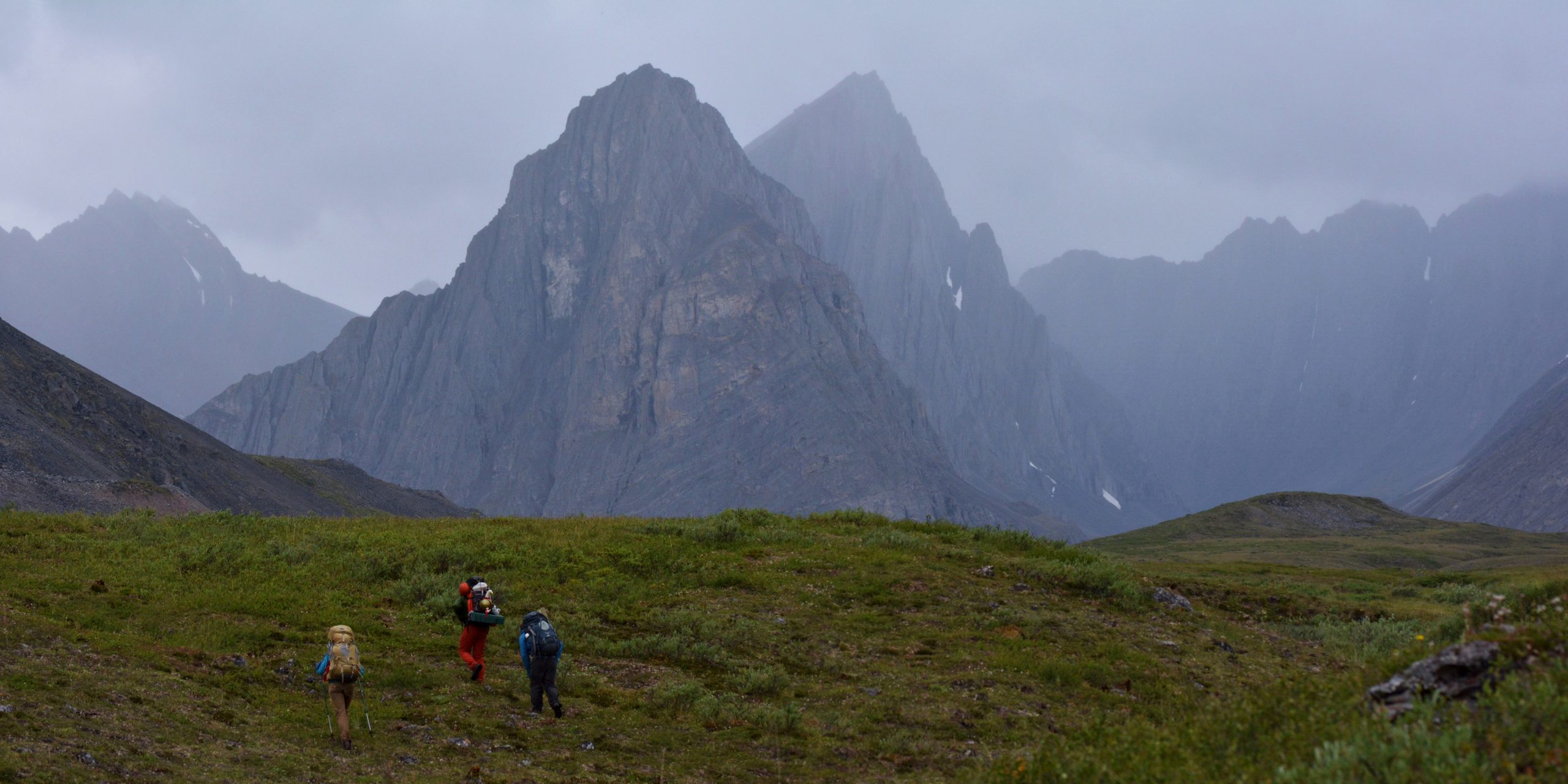
Gates of the Arctic offers no marked trails, no roads, and no facilities, making it one of the most remote camping destinations in the United States. Once you’re dropped off, you are truly on your own. Weather changes rapidly, with cold rain and wind arriving unexpectedly even in summer. River crossings can become dangerous within hours due to snowmelt or storms upstream. Wildlife encounters are real concerns, not rare possibilities. Navigation requires strong map and compass skills, as GPS alone isn’t enough. Rescue can take days if conditions allow it at all. This is wilderness in its purest form, a rewarding experience and punishing complacency.
3. Isle Royale National Park, Michigan
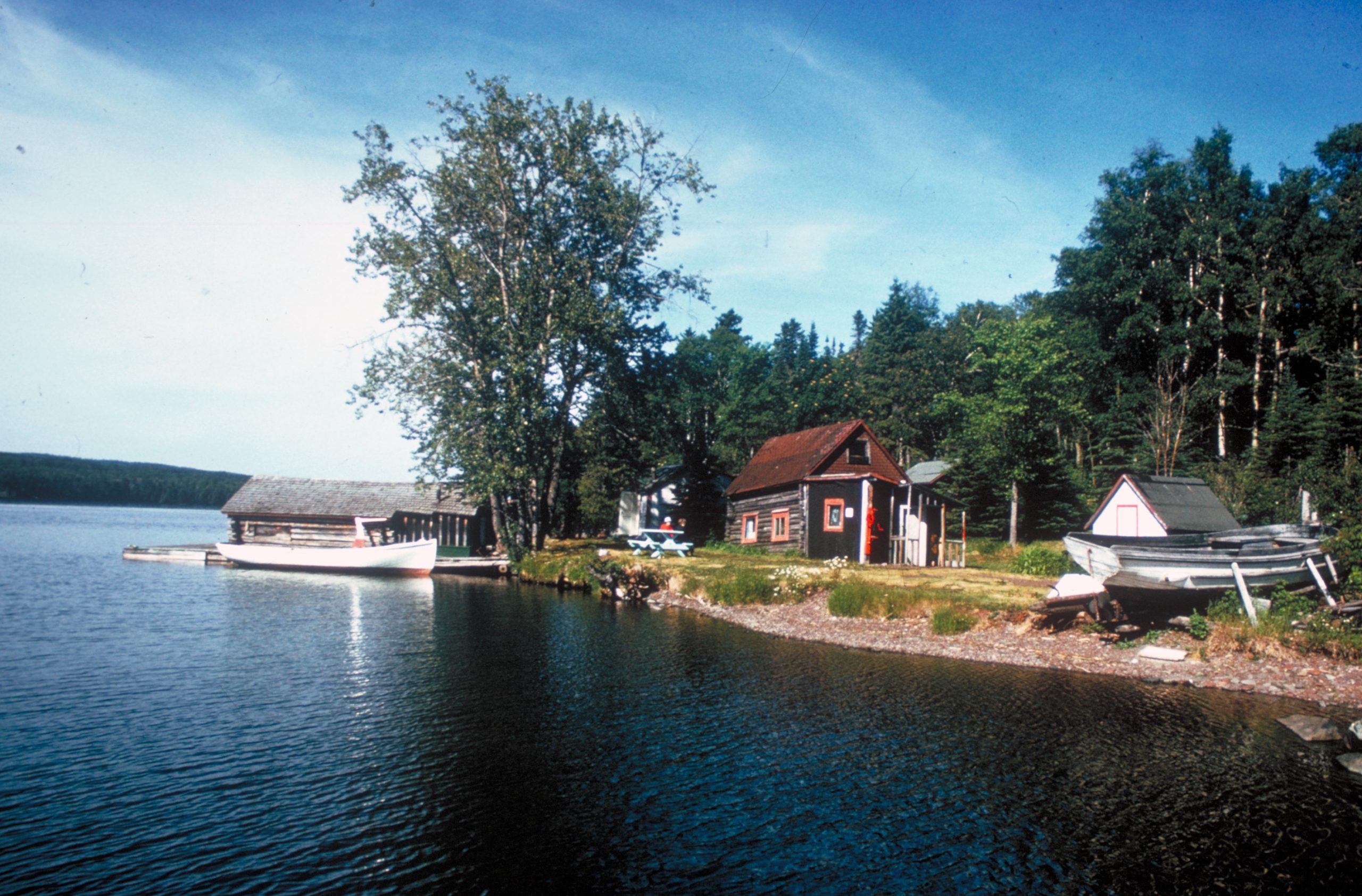
Isle Royale feels serene from a distance, but camping there requires serious commitment. Once ferries or seaplanes leave, access to help becomes extremely limited. The weather on Lake Superior changes fast, with sudden storms creating dangerous conditions for both travel and shoreline camps. Trails are rugged, muddy, and slow-going, often stretching distances longer than expected. Supplies are limited, and resupply options are scarce. Wildlife encounters, including moose, are common and require caution. Injuries or equipment failures can quickly become serious due to isolation. Isle Royale rewards experienced, patient campers, but it offers little forgiveness for poor planning or unrealistic expectations.
4. Big Bend Backcountry, Texas
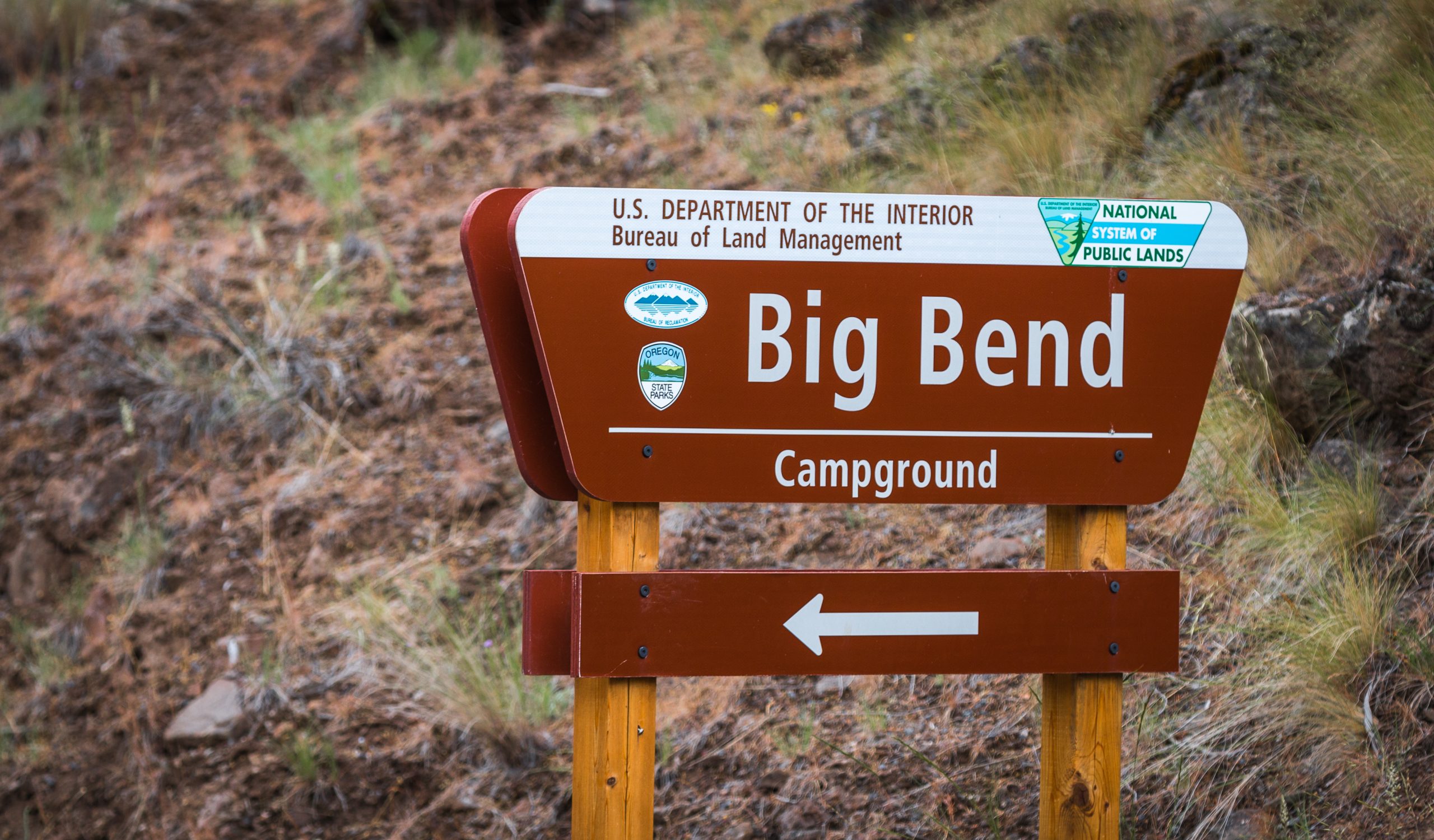
Big Bend’s backcountry feels remote and quiet, but it hides serious challenges. Extreme heat, even outside summer, can drain energy faster than expected. Water sources are scarce and unreliable, forcing campers to plan carefully and carry heavy loads. Terrain varies from desert flats to steep, rocky trails that test endurance. Sudden storms can create dangerous runoff in arroyos and washes. Cell service is minimal, and ranger response times can be long due to the park’s size. The isolation can be mentally taxing as well. Big Bend rewards those who respect its scale and conditions, but it quickly overwhelms unprepared visitors.
5. Boundary Waters Canoe Area, Minnesota
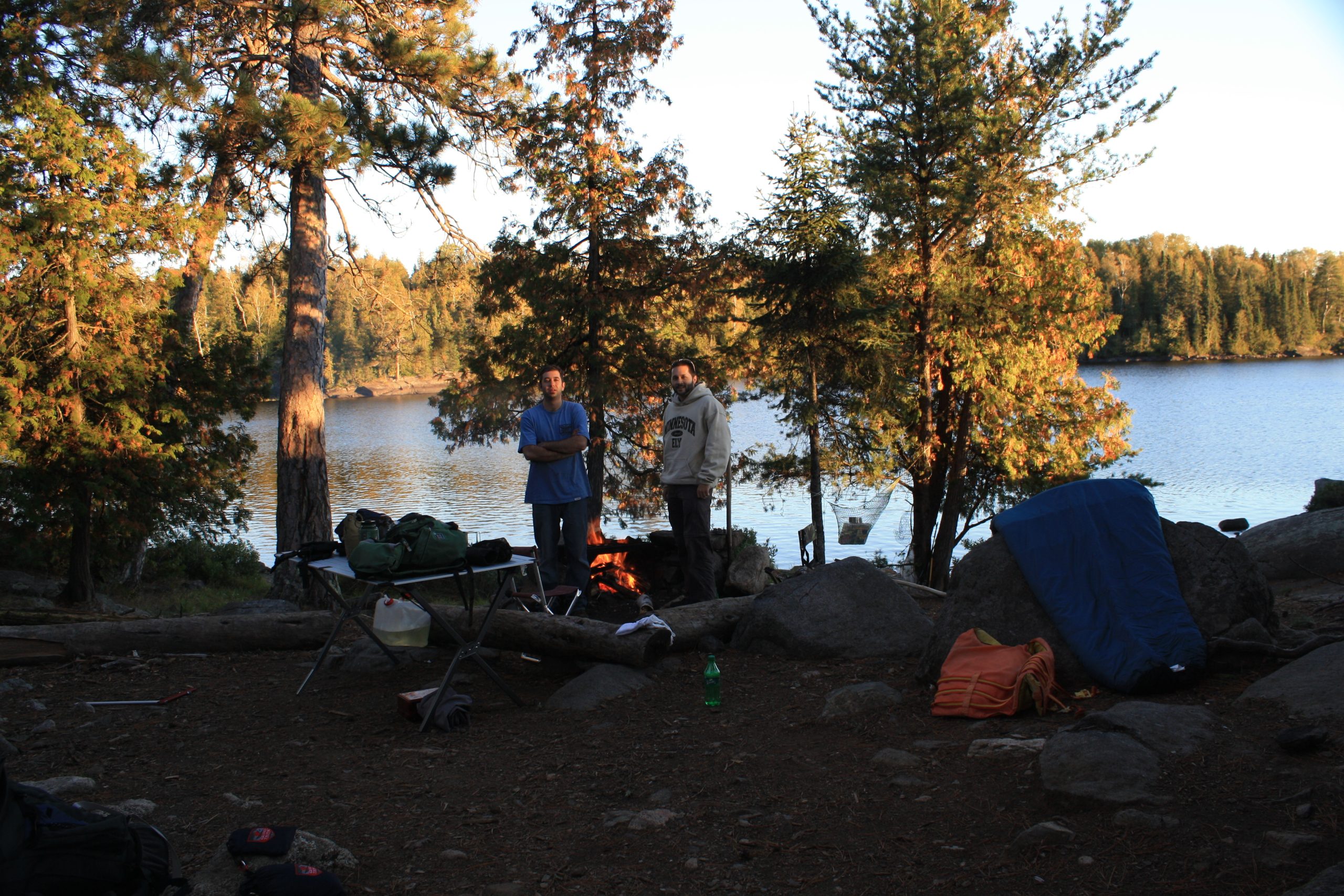
The Boundary Waters appear calm and inviting, but they demand constant attention. Weather can shift rapidly, turning peaceful lakes into dangerous crossings within minutes. Navigation involves countless portages, where fatigue and poor footing can lead to injuries far from help. Insects can become relentless during certain seasons, testing patience and morale. Campsites are dispersed, and emergency assistance is limited. Cold water temperatures add risk if capsizing occurs. Planning mistakes compound quickly in this environment. While beautiful and rewarding, the Boundary Waters require strong paddling skills, careful planning, and the ability to handle isolation without relying on quick rescue.
6. Mojave Road, California
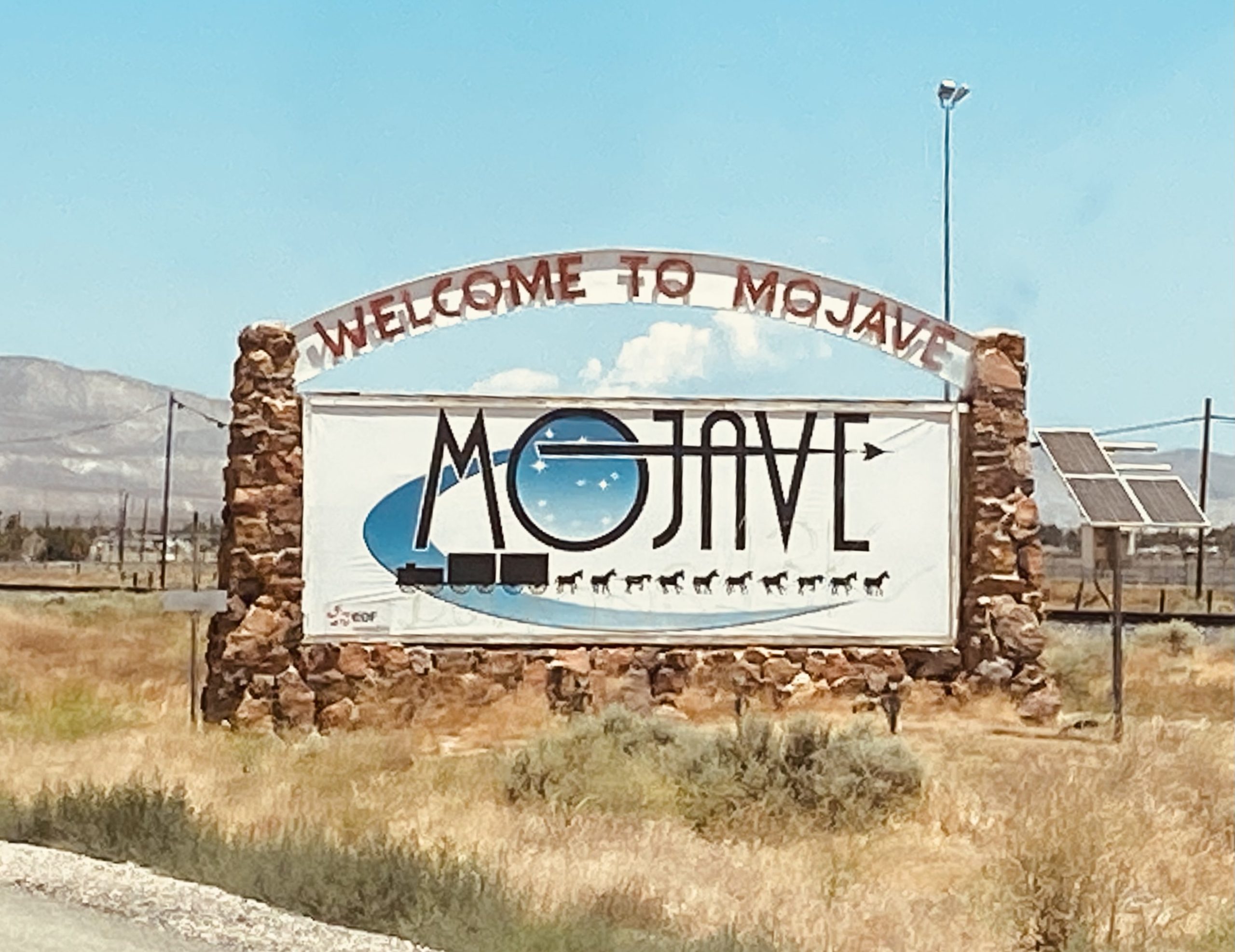
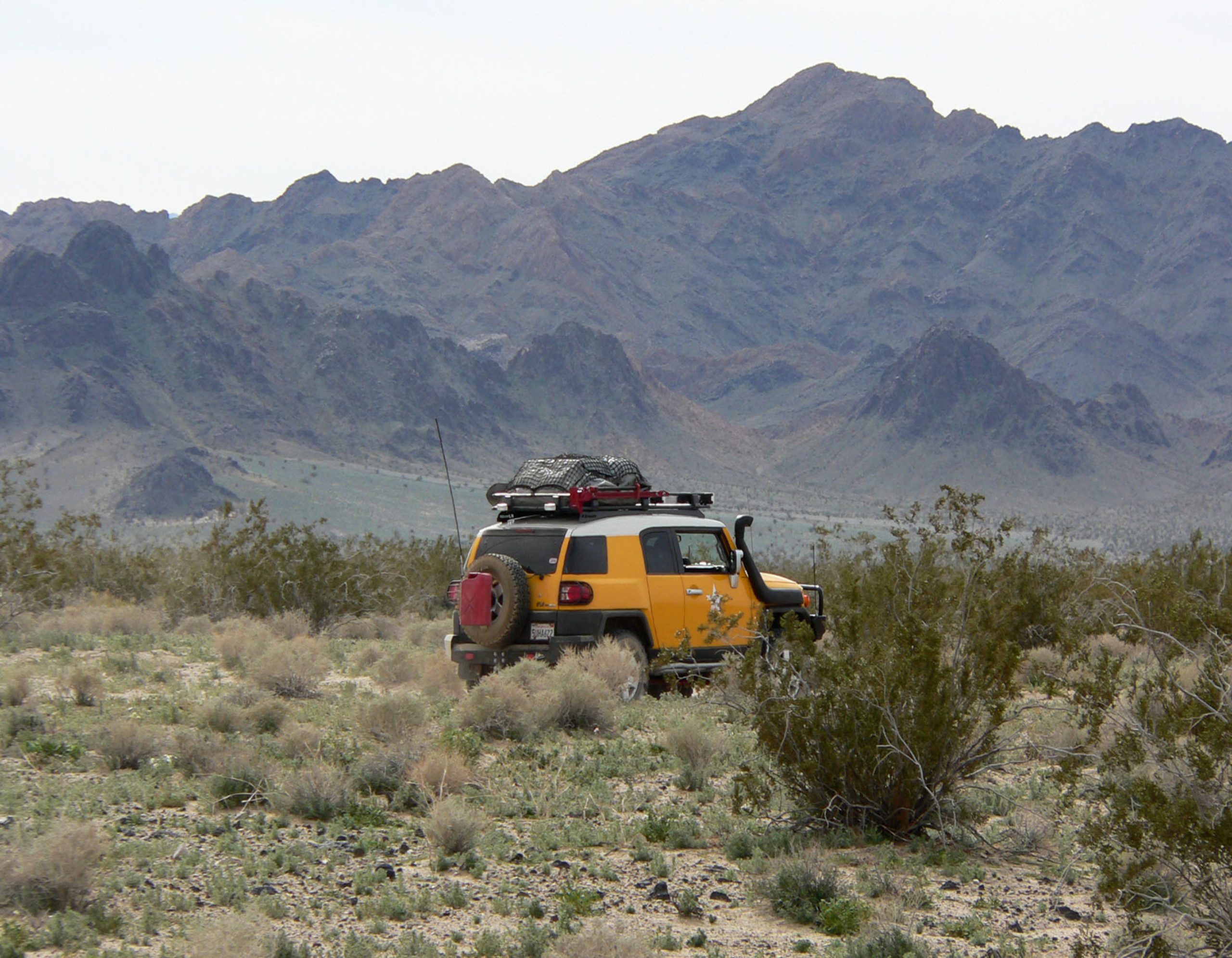
The Mojave Road attracts adventurous campers, but it’s not forgiving. Vehicle access is limited to high-clearance four-wheel-drive, and mechanical failure can leave you stranded far from help. Temperatures fluctuate dramatically between day and night, stressing both gear and people. Water sources are unreliable, and distances between exit points are long. Navigation depends on accurate maps and experience, as signage is minimal. Sudden storms can turn sections impassable. Wildlife, isolation, and exposure add to the challenge. This route rewards self-reliance and preparation, but it offers little mercy to those who underestimate desert travel or overestimate their equipment.