There is something uniquely frustrating about watching a rifle you once recommended without hesitation quietly price itself out of the category that made it worth recommending in the first place. Budget rifles earned their followings through a specific value proposition: delivering acceptable to genuinely good performance at a price point that made the shooting sports accessible to buyers who could not or would not spend premium money on a tool they were still learning to use. That proposition depends entirely on the price side of the equation remaining honest. When manufacturing costs rise, supply chains tighten, brand equity accumulates, or corporate ownership changes hands, and margin targets shift, the rifles stay on shelves with familiar names and increasingly unfamiliar price tags that the performance inside the box no longer justifies against a market that has evolved around them. The six rifles examined here all built genuine reputations as accessible, honest performers at prices that made them easy first recommendations. Each one has since crossed a pricing threshold that changes the honest answer to the question of whether they still represent the value their reputation implies. The specific numbers, the current pricing, and the competitive alternatives that now exist make each case straightforward to evaluate without nostalgia getting in the way.
1. Ruger American Rifle
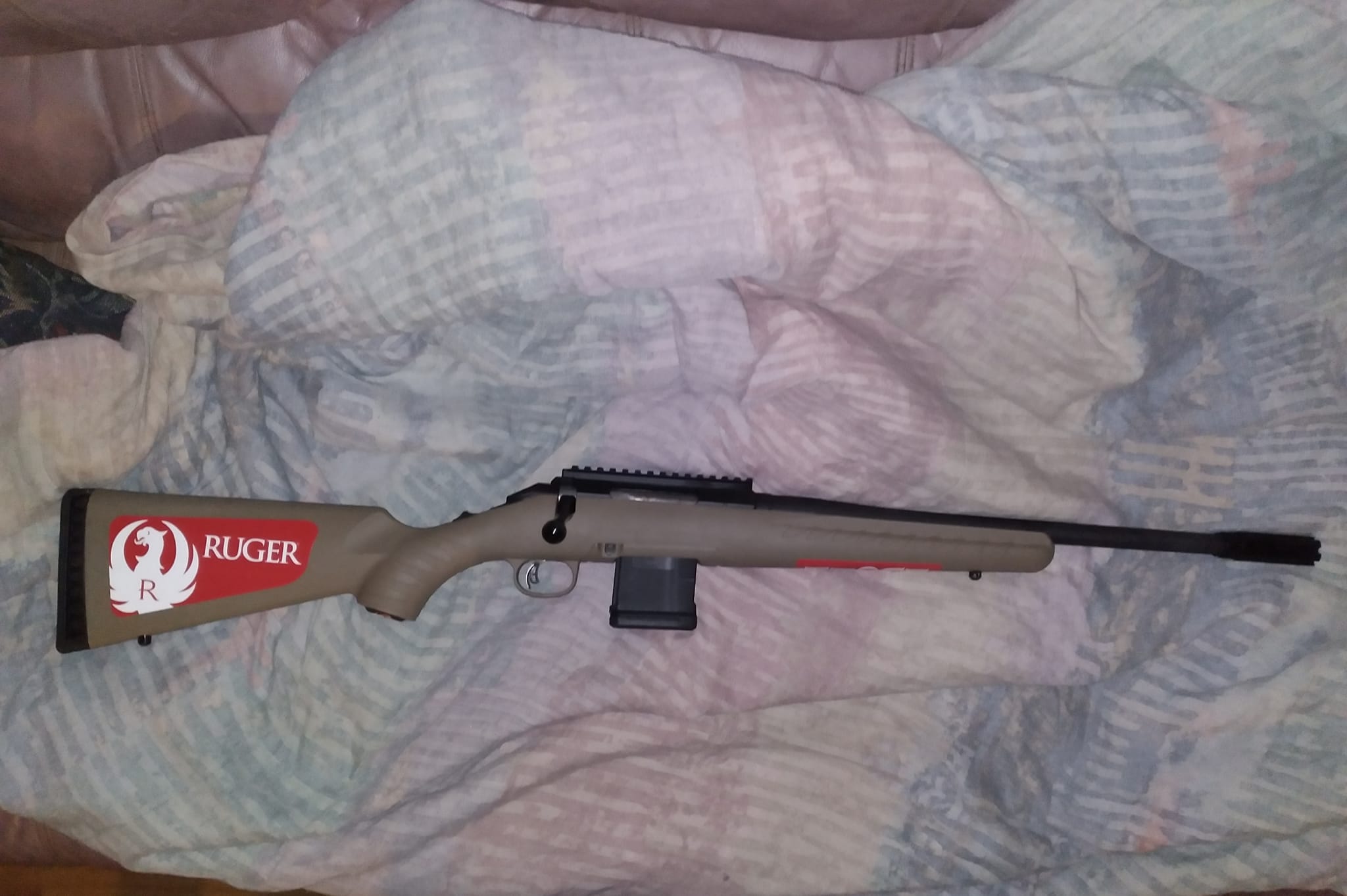
The Ruger American Rifle launched in 2012 at a retail price of approximately $449, which was genuinely disruptive for a bolt-action rifle featuring a cold hammer-forged barrel, an adjustable trigger breaking between 3 and 5 pounds, and a modular stock system accepting multiple chassis options. It delivered sub-minute-of-angle accuracy potential with quality ammunition at a price point that made precision bolt-action shooting accessible to hunters and recreational shooters who previously faced a $700 to $900 minimum for comparable mechanical quality. Current retail pricing sits between $529 and $6,29, depending on configuration and chambering, representing an 18 to 40 percent increase from the launch price that outpaces inflation by a meaningful margin. The competitive landscape that the Ruger American now inhabits looks dramatically different from 2012. Mossberg Patriot rifles in comparable chamberings retail between $350 and $420 with similar accuracy guarantees. Savage Axis II rifles with AccuTrigger systems sit between $380 and $450. The Ruger American remains a competent, reliable rifle, but competent and reliable at $600 describes a crowded category where the original value proposition that built its reputation has been substantially eroded by both its own price increases and the quality improvements competitors have made at price points the Ruger American once owned exclusively.
2. Marlin Model 60
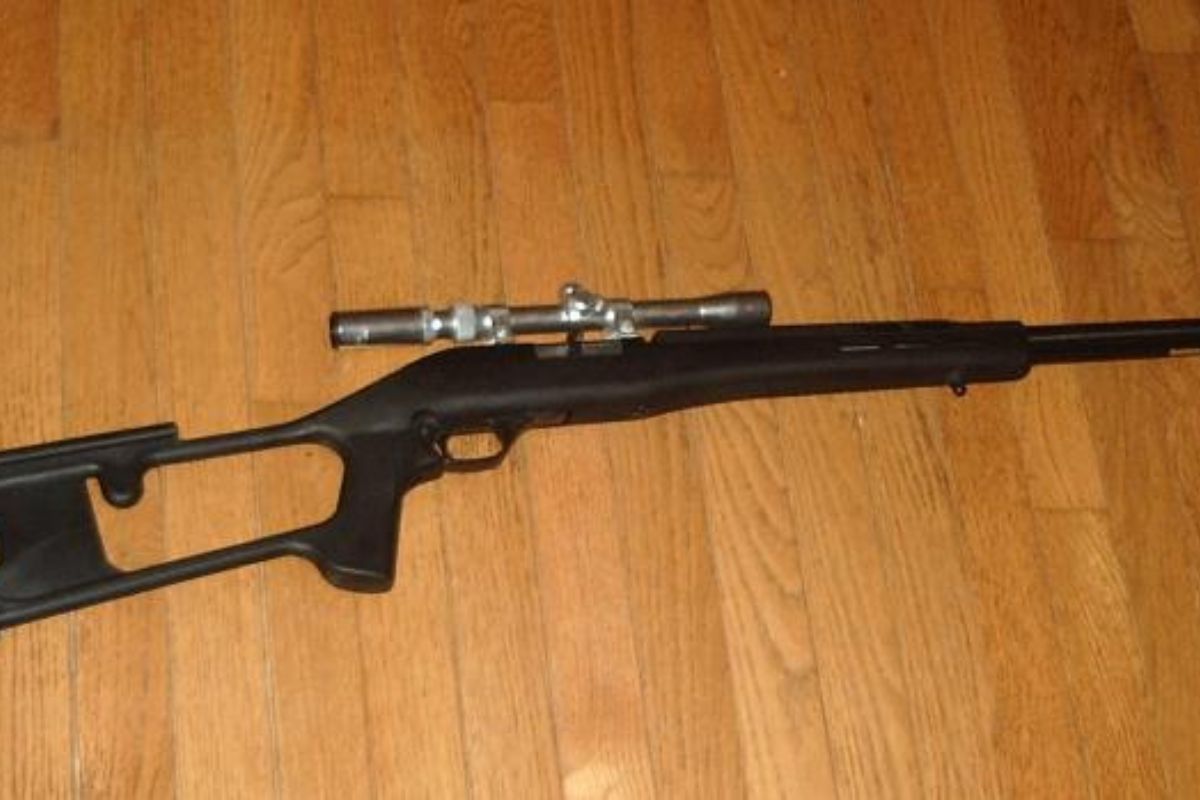
The Marlin Model 60 semi-automatic .22 LR rifle holds a specific place in American shooting culture as the best-selling rimfire rifle in history, with over 11 million units produced across a production run spanning from 1960 through the present day under various ownership structures. At its peak accessibility during the 1990s and early 2000s, the Model 60 retailed consistently between $120 and $150, placing a genuinely reliable, accurate, and well-made American rimfire in the hands of first-time shooters, young hunters, and budget-conscious plinkers at a price that required minimal financial commitment. Current retail pricing under Ruger’s ownership, which acquired Marlin in 2020 following Remington’s bankruptcy, sits between $229 and $269 for standard configurations, representing a price increase of approximately 70 to 80 percent over historical averages that many longtime Marlin customers find difficult to rationalize. The Ruger 10/22, which competes directly with the Model 60 in every practical application, retails between $249 and $299 with a dramatically superior aftermarket ecosystem encompassing thousands of stock, trigger, barrel, and magazine options that the Model 60’s tube magazine design and proprietary dimensions cannot access. At near price parity with the 10/22, the Model 60’s historical value advantage has essentially disappeared, leaving brand loyalty as the primary remaining reason to choose it.
3. Mossberg 500 Pump Shotgun

The Mossberg 500 built its reputation across six decades as the definitive answer to the question of what a reliable, functional, American-made pump shotgun should cost, retailing consistently in the $300 to $350 range through most of its production history in standard field and home defense configurations. That pricing made it the default first recommendation for budget-conscious buyers entering the shotgun market, and the 500’s genuine reliability record, ambidextrous tang safety, and dual extractors justified that recommendation without qualification or asterisk. Current retail pricing for standard Mossberg 500 configurations sits between $399 and $48,9, depending on barrel length, stock configuration, and finish options, placing it in direct competition with its own historical value proposition in a way that the current market makes uncomfortable. The Mossberg Maverick 88, which shares the 500’s barrel and magazine tube compatibility while using simplified internal components to reduce manufacturing cost, retails between $229 and $269 and delivers comparable field reliability for the applications that budget shotgun buyers actually use pump guns for. Paying $150 to $200 more for the 500 over the Maverick 88purchase as a marginally superior fit and finish, the ambidextrous safety, and a name that the Maverick 88 functionally replicates at a price point the original 500 used to occupy before its own pricing outgrew it.
4. Savage Axis
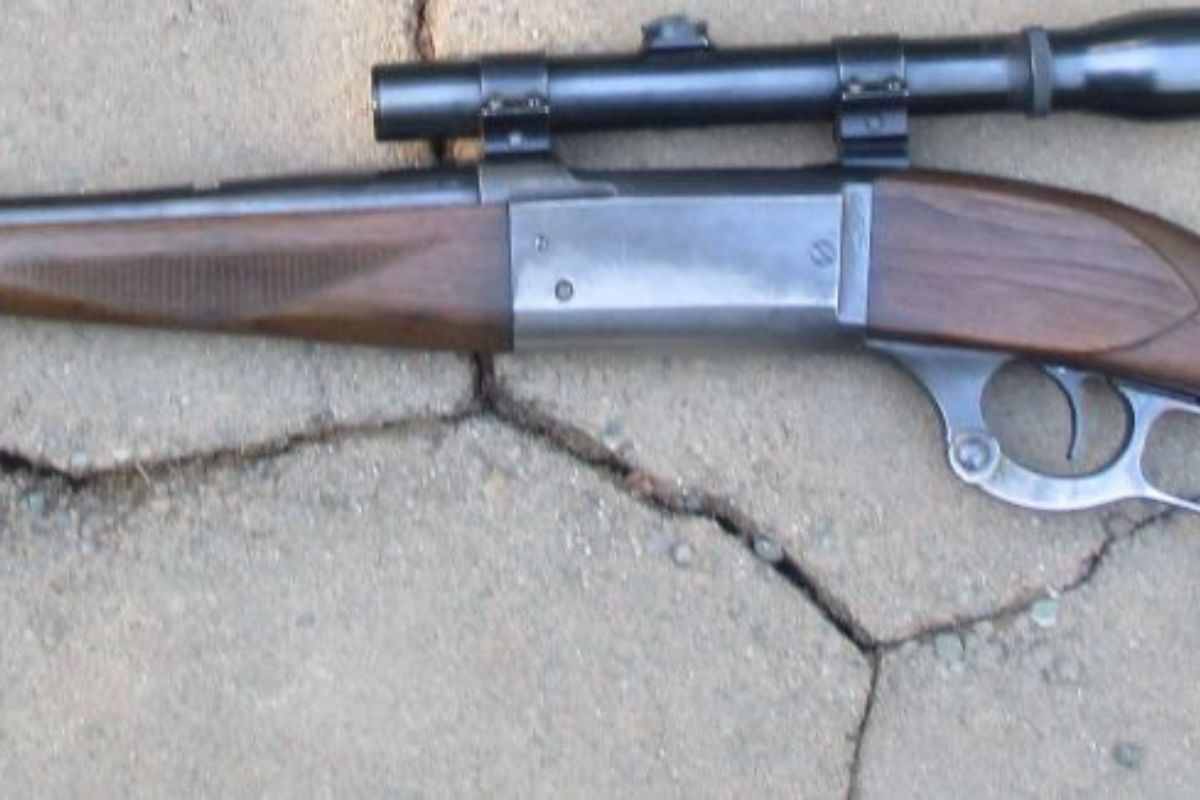
The Savage Axis introduced in 2011 at approximately $349 represented a legitimate disruption of the entry-level bolt-action rifle market, delivering a factory-installed AccuTrigger adjustable between 2.5 and 6 pounds, a carbon steel barrel, and sub-MOA accuracy guarantees at a price that made precision hunting rifle performance genuinely accessible rather than aspirational for first-time centerfire rifle buyers. Independent accuracy testing consistently produced groups between 0.75 and 1.25 MOA at 100 yards with quality hunting ammunition, performance that rifles costing twice as much frequently failed to match in contemporary comparisons. Current retail pricing on the Savage Axis II, the updated version with AccuTrigger as standard equipment, sits between $399 and $479, depending on chambering and stock configuration, representing a 14 to 37 percent increase from launch pricing. The competitive pressure from below has intensified considerably since 2011. Ruger American rifles sit at comparable price points with comparable accuracy. Weatherby Vanguard Series 2 rifles occasionally appear at $449 to $499 with sub-MOA guarantees backed by a longer accuracy warranty. The Axis remains mechanically honest and genuinely capable, but the value gap that made it a reflexive first recommendation at $349 has narrowed to the point where the recommendation now requires more contextual qualification than it once did.
5. Henry Golden Boy .22 LR
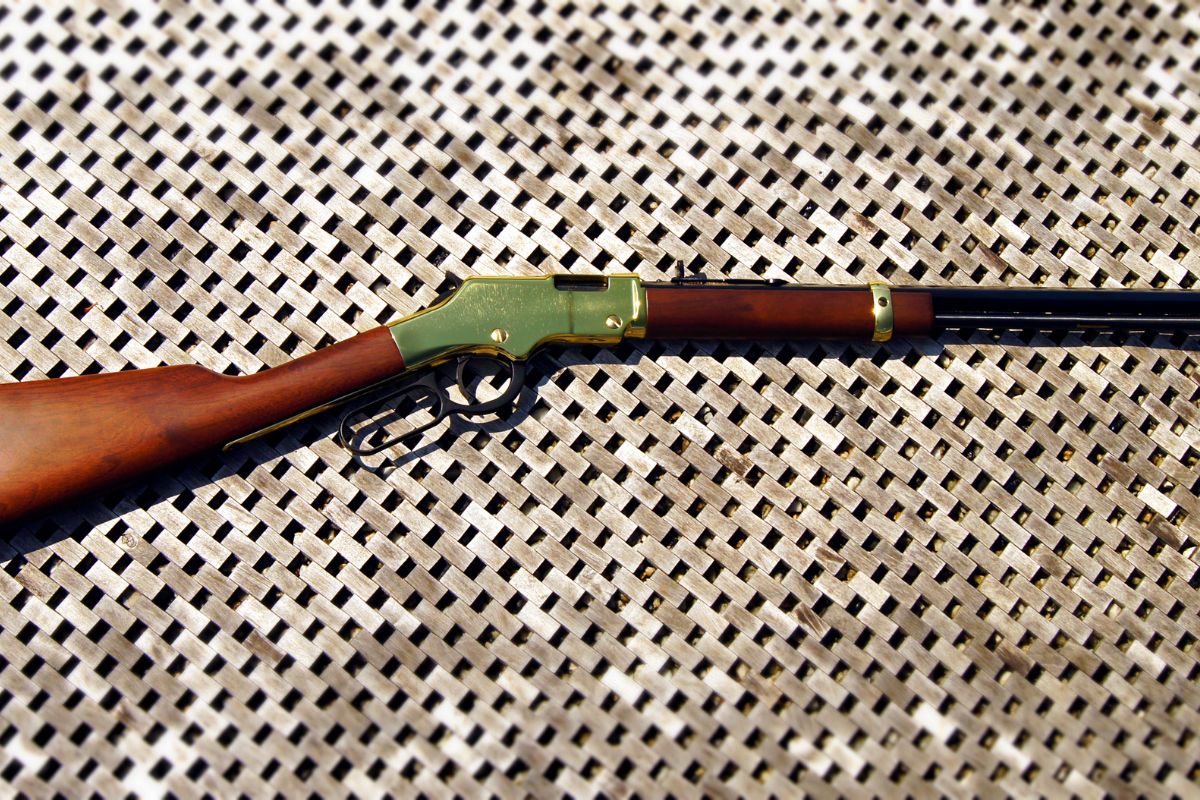
The Henry Golden Boy occupies a unique position in the American rimfire market as a lever-action .22 LR rifle that successfully combined genuine quality of construction with accessible pricing to create one of the most gifted and emotionally significant rimfire purchases in the market. At its introduction and through most of its production history, the Golden Boy retailed between $449 and $499, which was justifiable for American-made brass receiver construction, a walnut stock, and the quality of fit and finish Henry consistently delivers across its entire product line. Current retail pricing sits between $579 and $649 for standard configurations, representing a 15 to 30 percent increase that pushes it into a territory where the purchase decision requires honest comparison against alternatives that the original pricing made irrelevant to the conversation. A Ruger 10/22 with a quality aftermarket wood stock achieves comparable aesthetics and dramatically superior practical performance for $350 to $400 total investment. A Marlin 39A, when available on the used market, offers comparable lever-action .22 LR credentials at prices that patient buyers find below the Golden Boy’s current new retail. The Golden Boy remains a beautiful, well-made rifle that generates genuine pride of ownership. At current pricing, it is a premium purchase that buyers should make with premium expectations rather than the budget-friendly assumptions its original market position created.
6. SKS Rifle 7.62x39mm
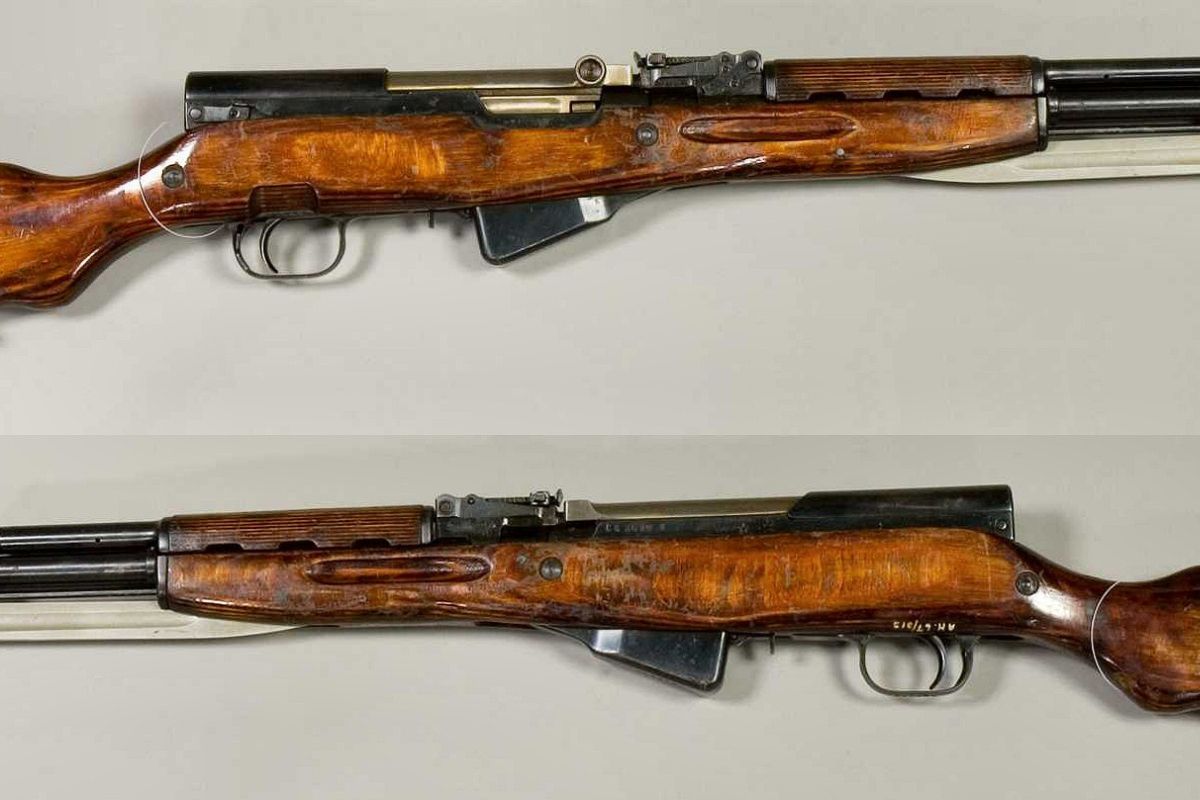
Few value propositions in the American firearms market have collapsed as dramatically or as visibly as the SKS rifle in 7.62x39mm, a semi-automatic carbine that imported examples once placed in American gun stores at prices between $79 and $150 during the 1990s import window that made them the most accessible centerfire semi-automatic rifle available to budget-conscious buyers by margins that seemed almost implausible at the time. Current pricing for comparable Yugoslavian, Chinese, and Russian surplus SKS rifles on the used market sits between $400 and $650, depending on country of origin, matching numbers, and overall condition, representing a 300 to 700 percent increase from historical pricing that transformed a budget utility rifle into a collectible that its original buyers never anticipated owning. The practical shooting case for the SKS at current pricing is genuinely difficult to make when a new Ruger American Ranch in 7.62x39mm retails between $529 and $569 with a detachable magazine, modern ergonomics, and a factory accuracy guarantee the fixed 10-round SKS cannot match. The SKS purchase in 2026 is primarily a nostalgia and collectibility decision rather than a value-driven one, which is a complete reversal of the only argument that ever made it a compelling recommendation in the American market to begin with.