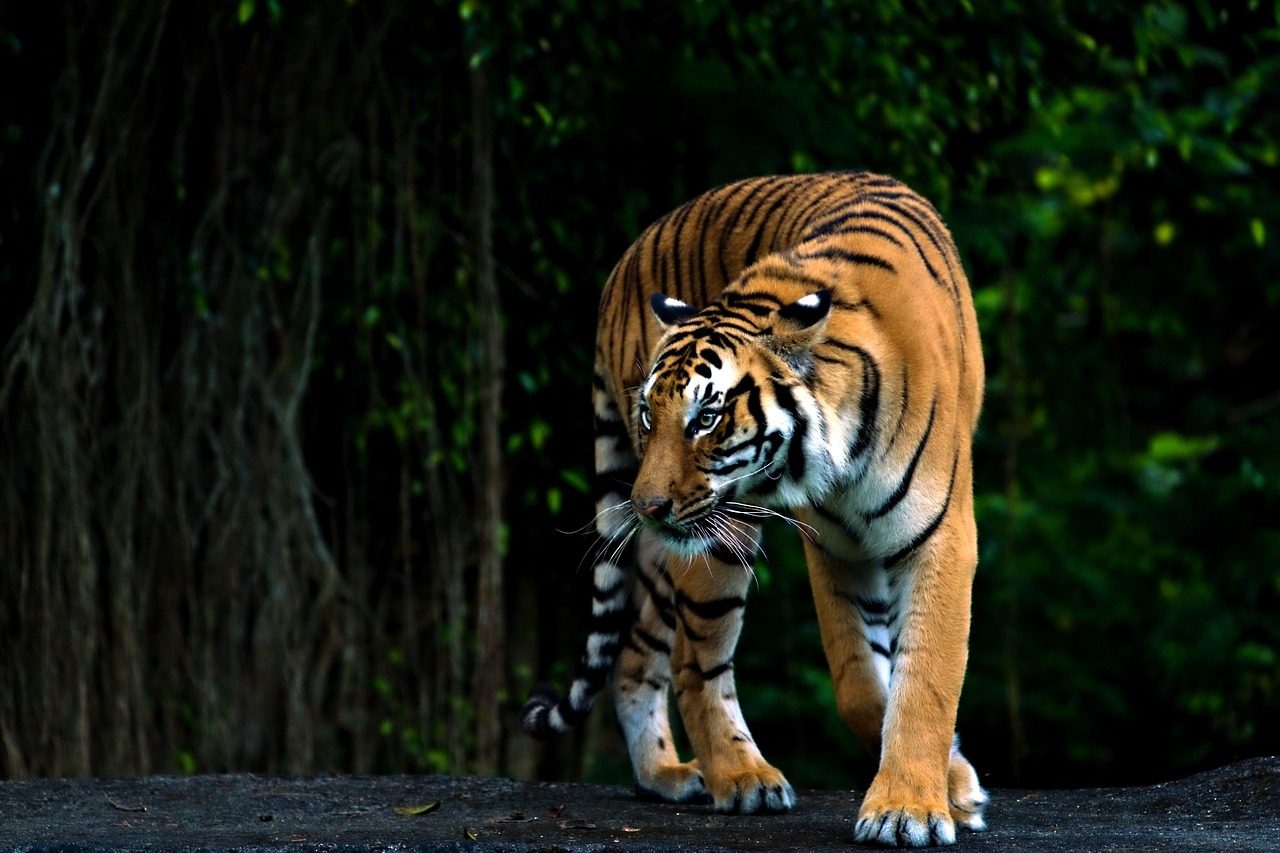
Many animals can injure or kill people, yet the idea of wildlife deliberately hunting humans as a preferred target rarely matches what biologists document. Most attacks involve defense, surprise, territorial behavior, or opportunistic feeding when normal prey is scarce. Still, a small number of species have repeatedly shown patterns where individual animals, or specific populations, learn that people can be vulnerable prey under certain conditions. The six animals below have well-recorded cases of predatory attacks on humans, even though such events remain uncommon compared with overall human wildlife encounters worldwide.
Bengal Tigers
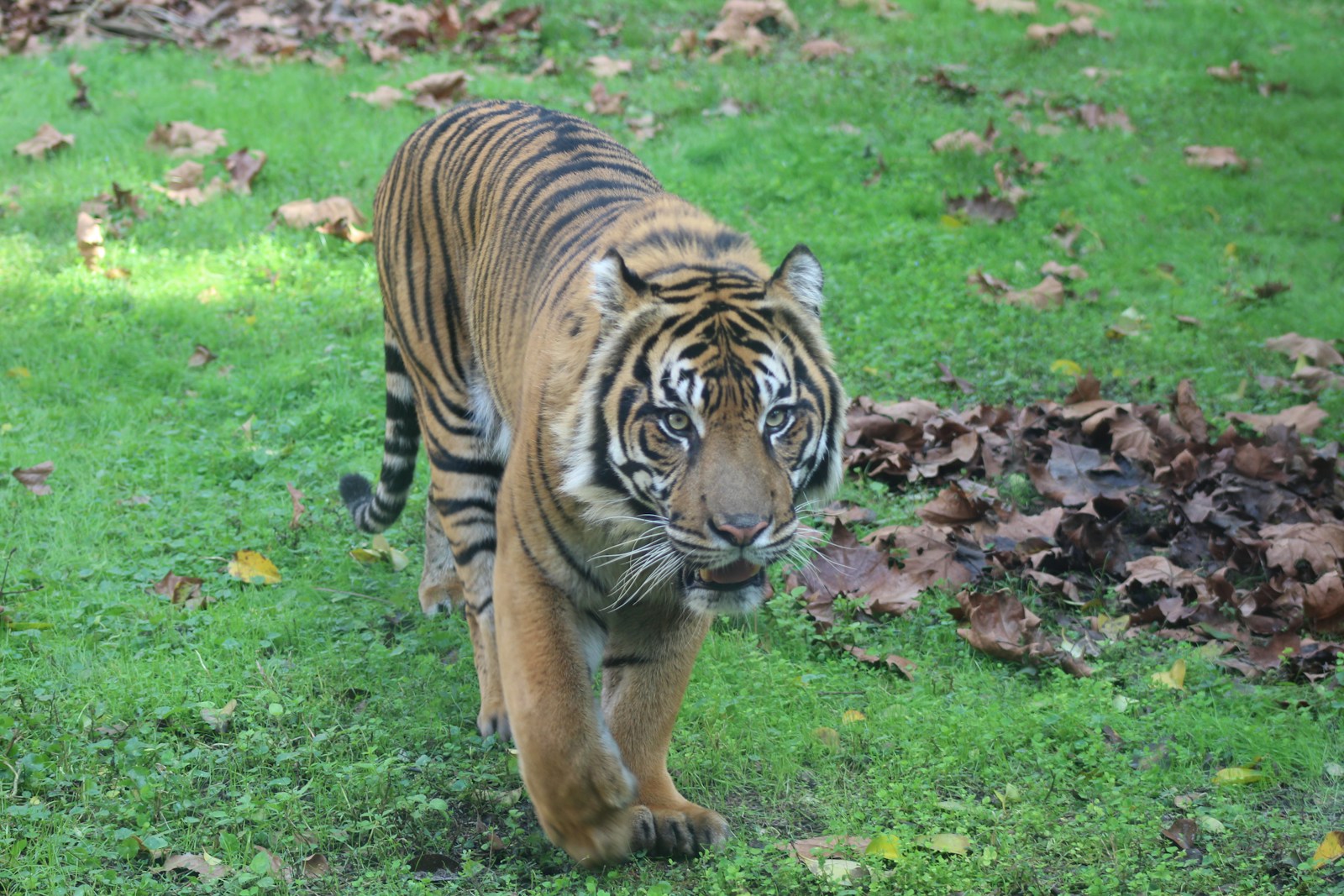
Bengal tigers have documented histories of predatory attacks on humans, especially where habitat loss, depleted prey, or human encroachment increase encounters. In the Sundarbans, a vast mangrove forest across India and Bangladesh, tigers sometimes attack people working in the waterways and forest edges. Biologists note that most tigers avoid humans, yet some individuals become habitual man-eaters after injury, age, or learned success. Attacks can be swift and targeted, consistent with predation rather than defense. Modern conservation and safety practices aim to reduce contact, but the pattern remains historically well known.
Lions
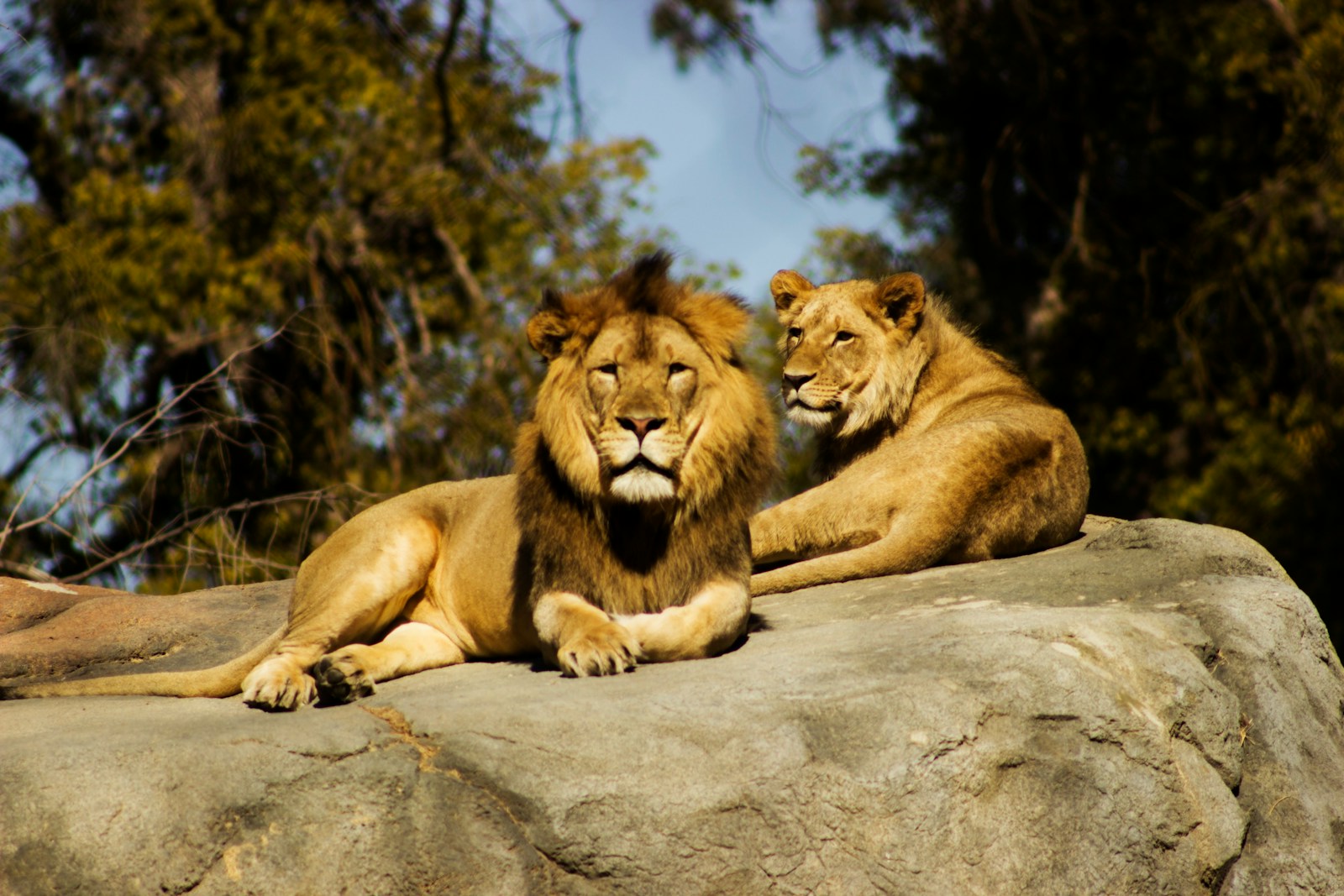
Lions occasionally prey on humans, and the most famous examples come from East Africa, including the Tsavo region of Kenya in the late nineteenth century. Researchers and historians have described cases where individual lions repeatedly entered camps and took people at night, behavior consistent with predatory hunting. Factors can include scarcity of natural prey, illness, injury, or learned access to unprotected sleeping areas. Most lions do not target people, and many attacks occur when lions feel threatened or cornered. Even so, repeated predatory incidents have been recorded often enough that the risk is taken seriously in some areas.
Leopards
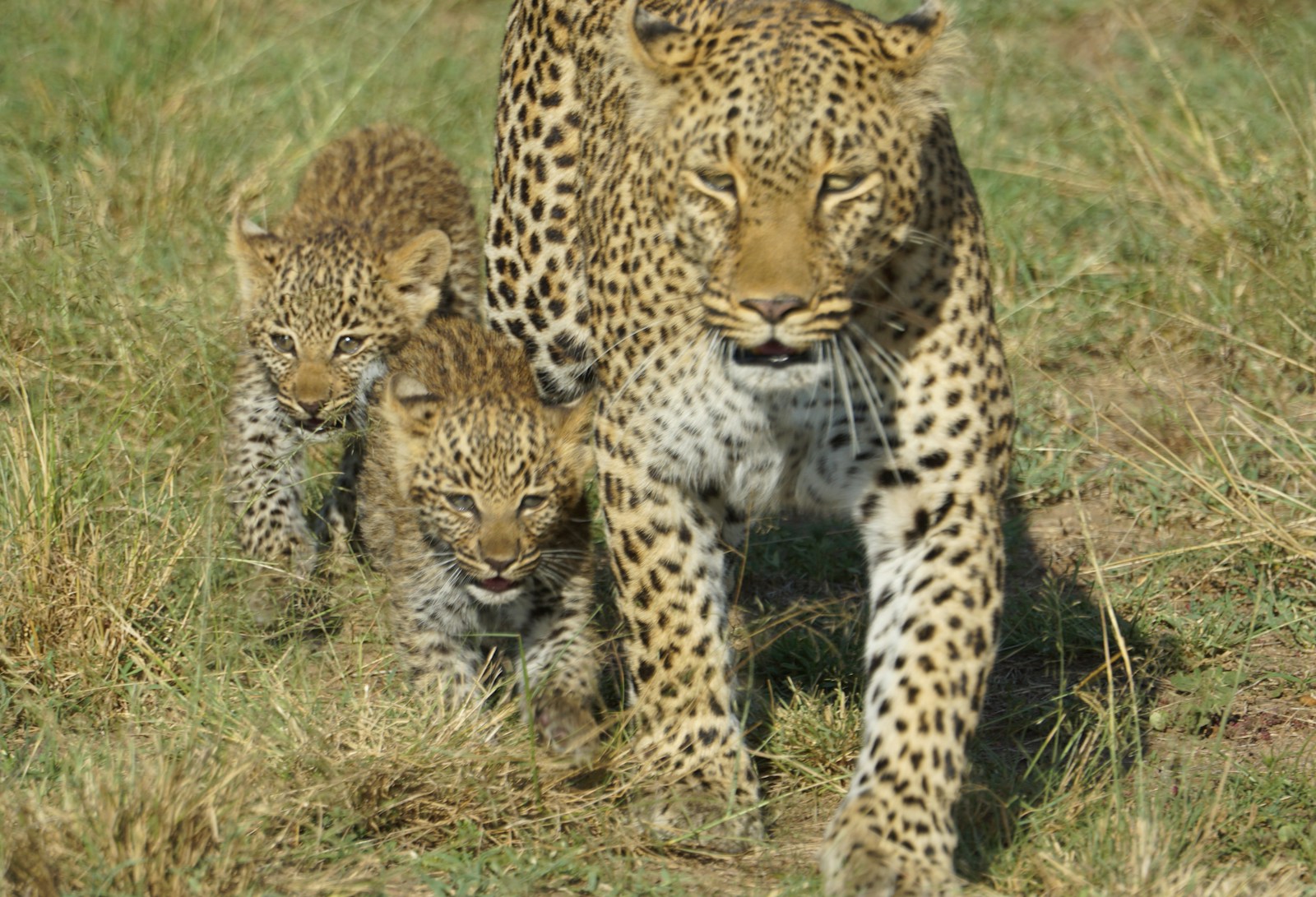
Leopards live close to human settlements in parts of Asia and Africa, and some individuals have developed a pattern of preying on people. Documented cases in India include leopards that entered villages and attacked adults or children, sometimes repeatedly, which wildlife officials classify as predatory rather than defensive. Contributing pressures can include habitat fragmentation, reduced wild prey, and easy access to livestock, which increases boldness around homes. Leopards are stealth hunters that can move quietly through vegetation and narrow lanes. Most leopards avoid people, but problem individuals have created long running conflict in certain regions.
Polar Bears
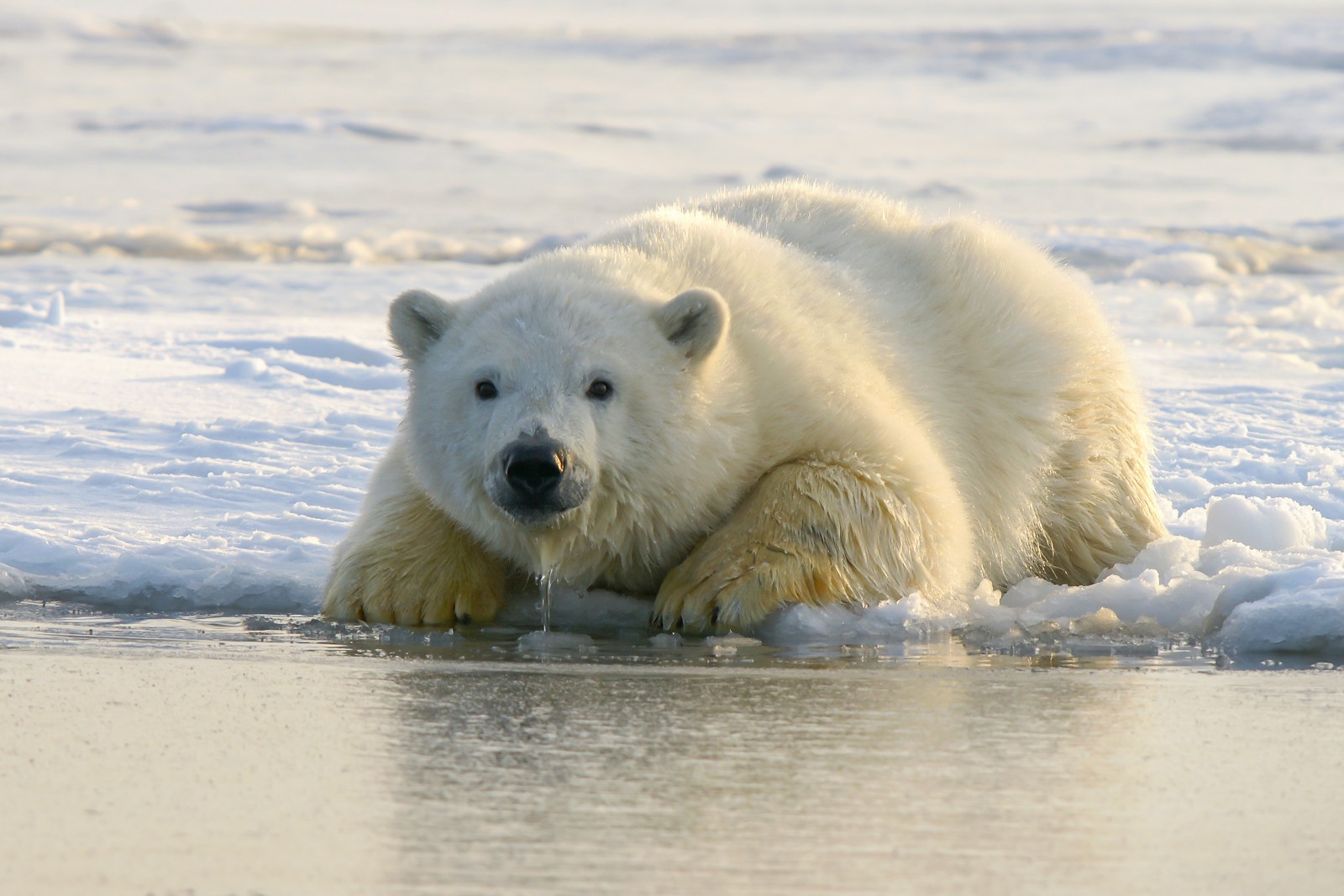
Polar bears are large carnivores that can treat humans as potential prey, particularly when hungry and when sea ice conditions limit access to seals. In Arctic communities, documented encounters include stalking behavior, exploratory approaches, and attacks that appear predatory rather than defensive. Unlike many bears, polar bears rely heavily on meat and may investigate any moving animal as food. Most incidents occur near settlements, camps, or food storage sites, where scent draws bears close. Safety programs emphasize deterrents and secure waste, yet the risk remains real because polar bears are powerful, persistent, and difficult to deter once focused.
Saltwater Crocodiles
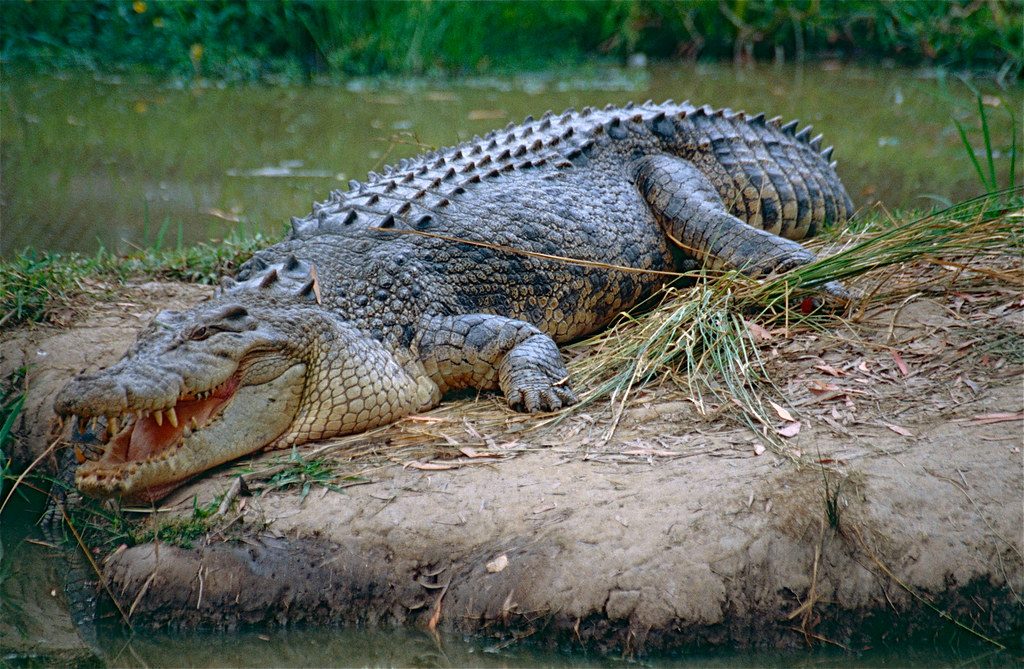
Saltwater crocodiles have a long record of fatal attacks on humans in coastal and river environments across northern Australia and parts of Southeast Asia. These reptiles are ambush predators that strike from the water’s edge, and some attacks show classic hunting behavior, including stealth approach, sudden grab, and attempts to drag prey underwater. Crocodiles do not need to feel threatened to attack, especially when a person enters shallow water within striking range. Many incidents involve fishing, swimming, or crossing rivers. While not every attack is predatory, saltwater crocodiles are widely recognized as capable of hunting humans in their habitat.
Bull Sharks
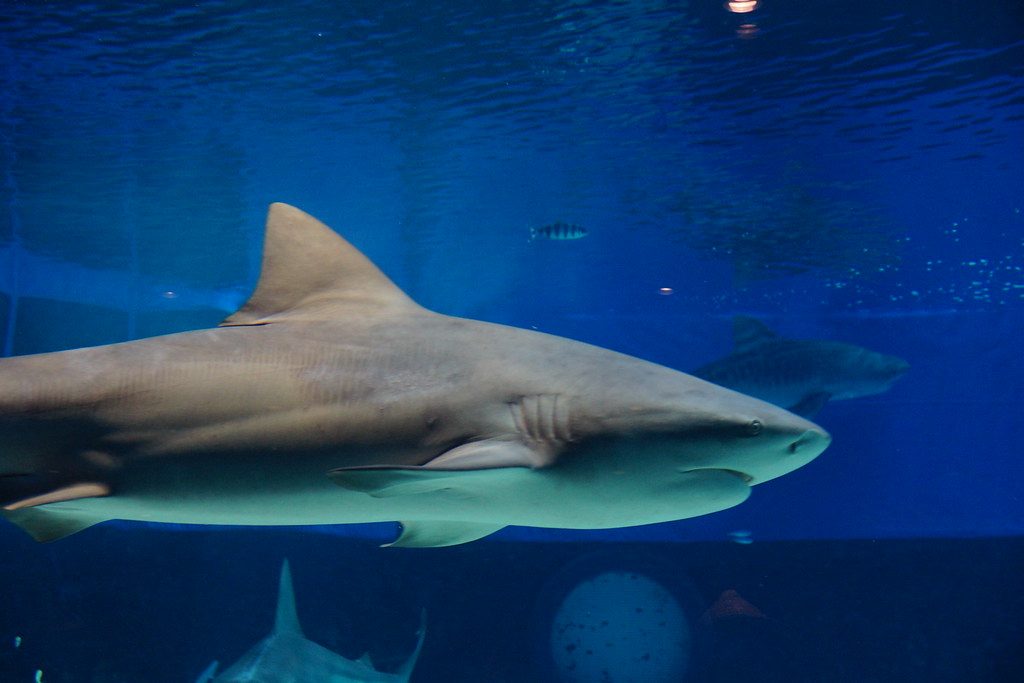
Bull sharks are involved in a notable share of serious shark attacks in shallow, nearshore waters, including rivers and estuaries. They tolerate fresh water better than many other sharks, which increases overlap with people in places where swimming and boating occur close to shore. Predatory intent is difficult to prove in any shark, yet bull sharks show bold, investigative feeding behavior and can bite large animals. Some attacks involve repeated biting and strong force, consistent with predation. Most shark bites are not fatal and may be exploratory, but bull sharks remain among the species most associated with dangerous human encounters.