Hiking boots occupy a category where bad purchasing decisions do not simply produce buyer’s remorse. They produce blisters that end trips early, black toenails that take months to grow out, stress fractures from inadequate support, and the specific misery of discovering that the footwear you trusted for a multi-day backcountry commitment is actively working against you with every mile you put between yourself and the trailhead. The outdoor footwear market has a complicated relationship with honest performance evaluation because boots look similar enough in photographs and on store shelves that distinguishing genuinely capable designs from problematic ones requires either significant field experience or access to the kind of testing data that brands prefer not to amplify. Marketing language around waterproofing, support, and durability is applied so uniformly across products at every price point that it has become functionally meaningless as a purchasing guide. What actually separates boots that protect feet from boots that harm them comes down to last geometry, midsole compound quality, upper material honesty, and construction standards that only become apparent after real trail miles accumulate. The five boots examined here have each earned their place on this list through documented, consistent, specific foot harm patterns that experienced hikers and podiatric professionals have identified with enough frequency to constitute a clear warning worth heeding before money changes hands.
1. Nevados Terra Ridge Mid Waterproof
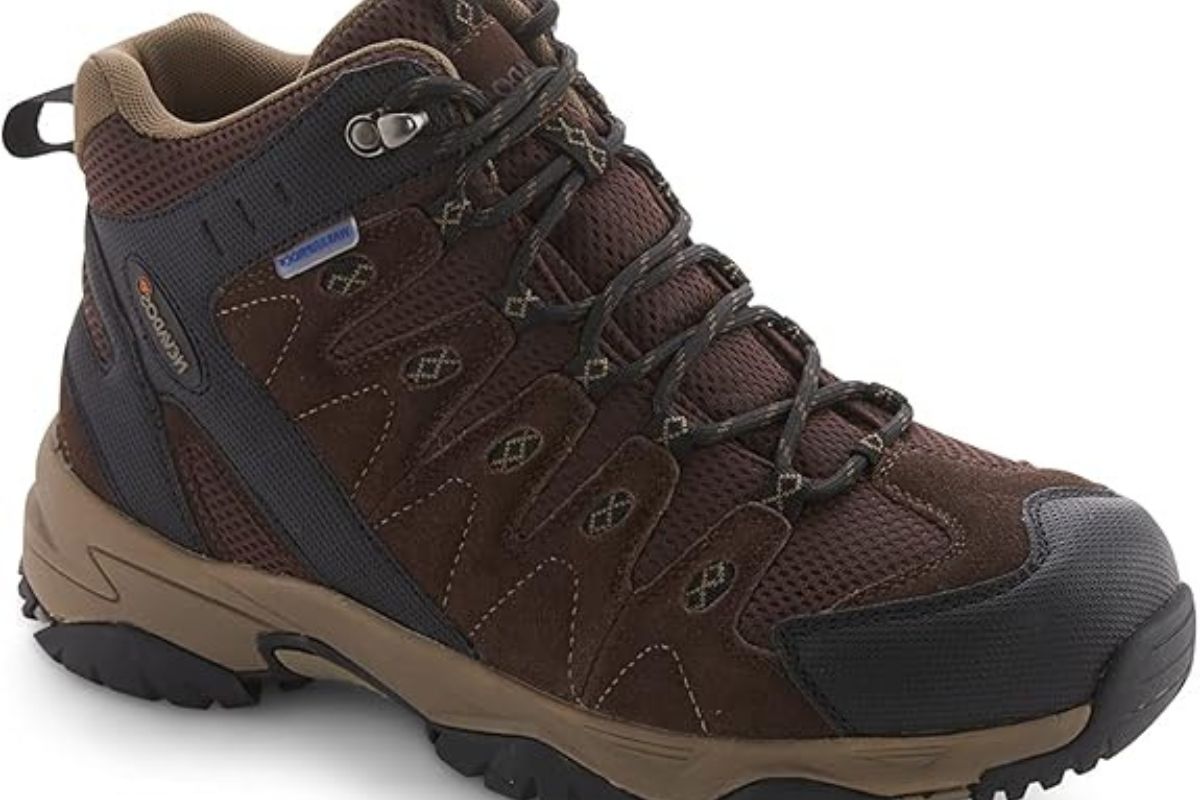
The Nevados Terra Ridge positions itself visually as a capable mid-height waterproof hiking boot at a retail price between $55 and $75 that attracts budget-conscious buyers who reasonably assume that waterproof labeling and a lug sole design indicate functional trail worthiness. The reality that trail miles reveal is considerably less encouraging across every dimension on which foot health depends. The midsole compound uses a low-density EVA foam that compresses to approximately 40 percent of its original thickness within the first 8 to 12 miles of use, eliminating the cushioning and energy return that midsole materials are specifically engineered to maintain across extended distances. Once compressed, the midsole provides minimal protection against the repeated impact forces that hiking generates, with each footfall transmitting significantly more shock to the heel, arch, and forefoot than a functional midsole absorbs. The narrow last geometry creates lateral forefoot compression that podiatric research consistently links to hallux valgus progression, interdigital neuroma development, and stress responses in the third and fourth metatarsal heads. The waterproof membrane traps moisture from perspiration rather than managing it, producing interior humidity levels that accelerate blister formation within 4 to 6 hours of sustained hiking. At this price point, the manufacturing economics simply cannot support the material quality that foot protection across real trail distances requires.
2. Ozark Trail Waterproof Hikers
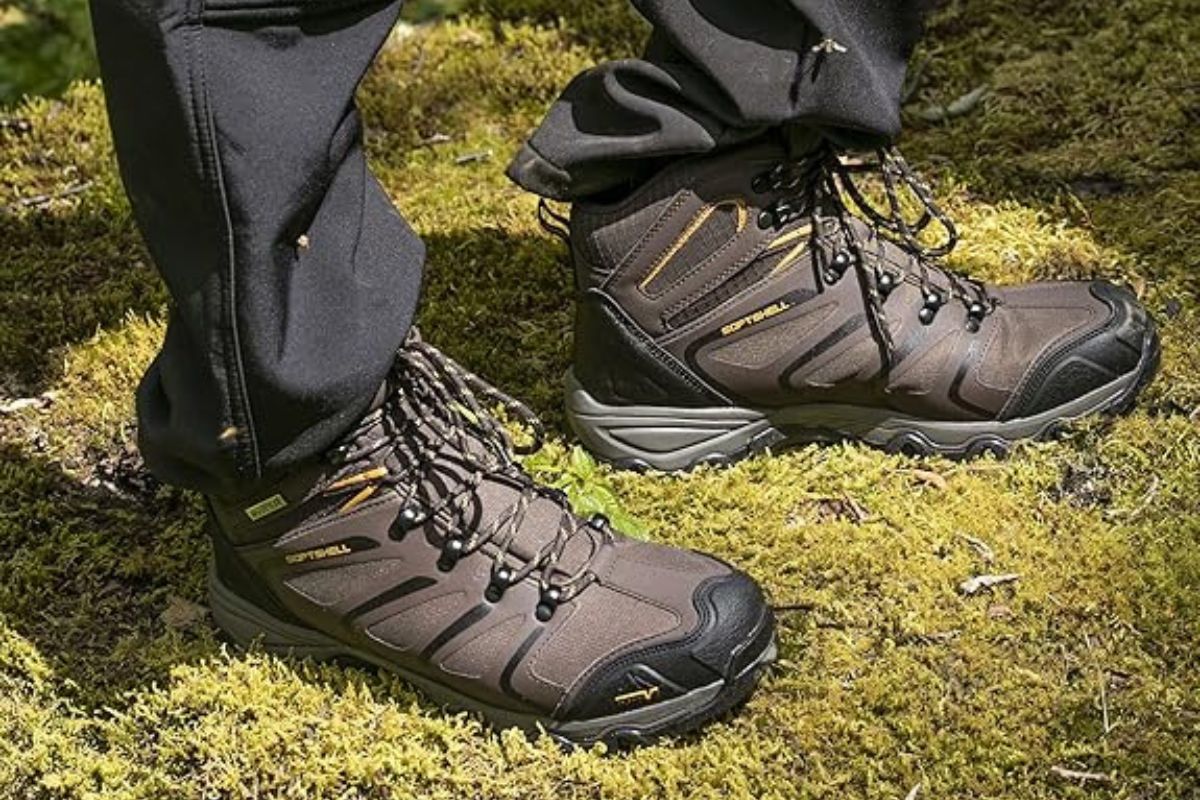
The Ozark Trail Waterproof Hikers sold through Walmart at retail prices between $25 and $40 represent the most extreme example on this list of the gap between footwear that resembles hiking boots aesthetically and footwear that functions as hiking boots mechanically. The price point communicates the manufacturing reality before the boots are even removed from the box, but the visual similarity to legitimate trail footwear misleads buyers who prioritize budget over performance without understanding that certain minimum material standards exist below which foot protection becomes impossible,e regardless of design intent. The outsole rubber compound is soft enough to compress visibly under sustained pressure, producing grip degradation on wet rock and root-covered trail surfaces within the first season of use. Torsional rigidity testing reveals a boot that flexes completely across the midfoot under moderate hand pressure, providing none of the lateral stability that ankle protection on uneven terrain requires and that every established hiking boot brand treats as a non-negotiable structural baseline. Heel counter construction uses a thin thermoplastic insert that loses its shape retention after approximately 15 to 20 hours of trail use, allowing heel cup collapse that creates the friction environment where deep, painful blisters develop on posterior heel skin. The 2.5mm lug depth on the outsole falls below the 4mm minimum that traction engineers consider adequate for unpaved trail surfaces with any moisture present.
3. Columbia Newton Ridge Plus II
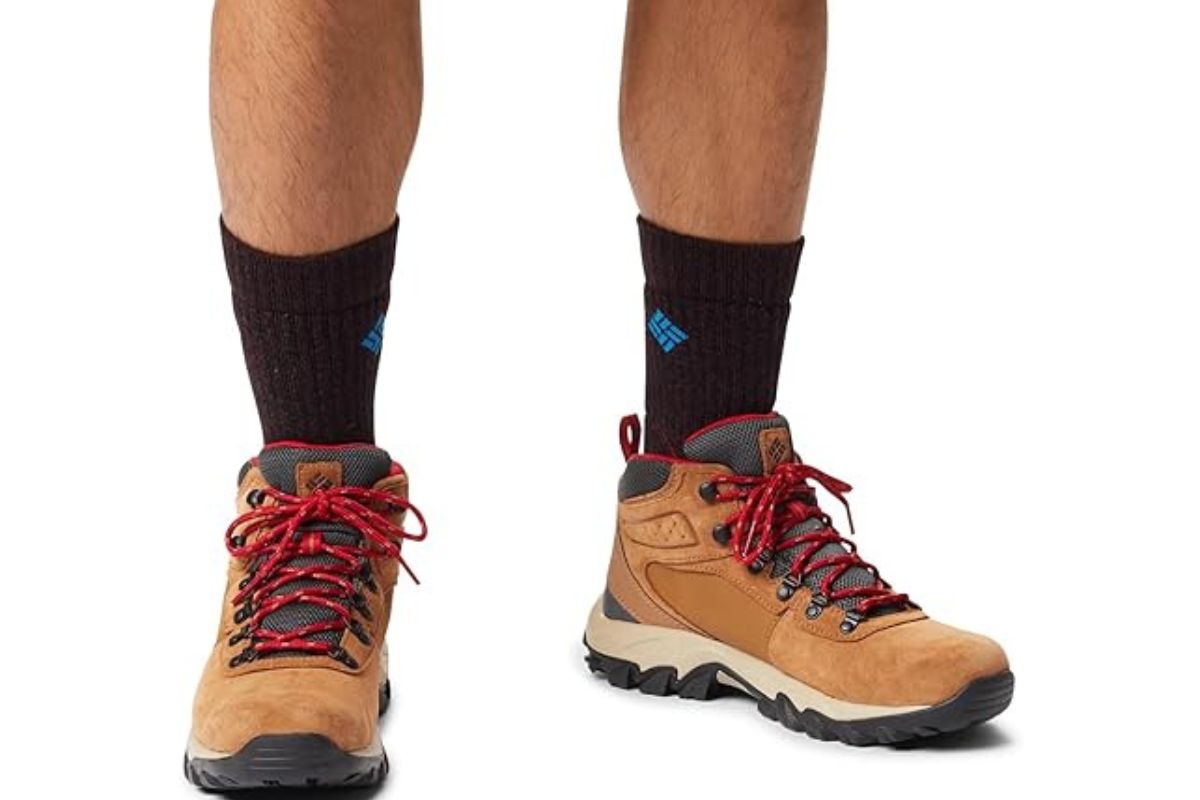
The Columbia Newton Ridge Plus II in standard width has earned a reasonable reputation as an accessible entry-level hiking boot at approximately $100 retail, offering adequate construction quality for casual trail use that its price honestly reflects. The wide-width version sold under the same name and marketing language represents a significantly different and more problematic product that Columbia’s consistent presentation obscures rather than clarifies for buyers with wider feet who specifically seek it out. The wide width last in the Newton Ridge Plus II widens the forefoot by approximately 4 to 6mm compared to the standard model but maintains the same heel cup dimensions, creating a geometry mismatch where wider-footed hikers gain forefoot space while experiencing heel slippage that generates the specific friction pattern responsible for deep posterior heel blisters on descents. The waterproof Omni-Tech membrane in the wide-width version has shown higher rates of delamination from the upper material at the flex point above the toebox than the standard-width construction in documented warranty return patterns, with separation beginning in some examples after fewer than 50 miles of trail use. The midsole cushioning using Columbia’s Techlite compound provides adequate initial cushioning but loses approximately 25 to 30 percent of impact absorption capacity after 300 to 400 miles, a compression rate faster than comparable midsole compounds from Merrell and Salomon at similar price points produce under equivalent testing protocols.
4. Merrell Jungle Moc
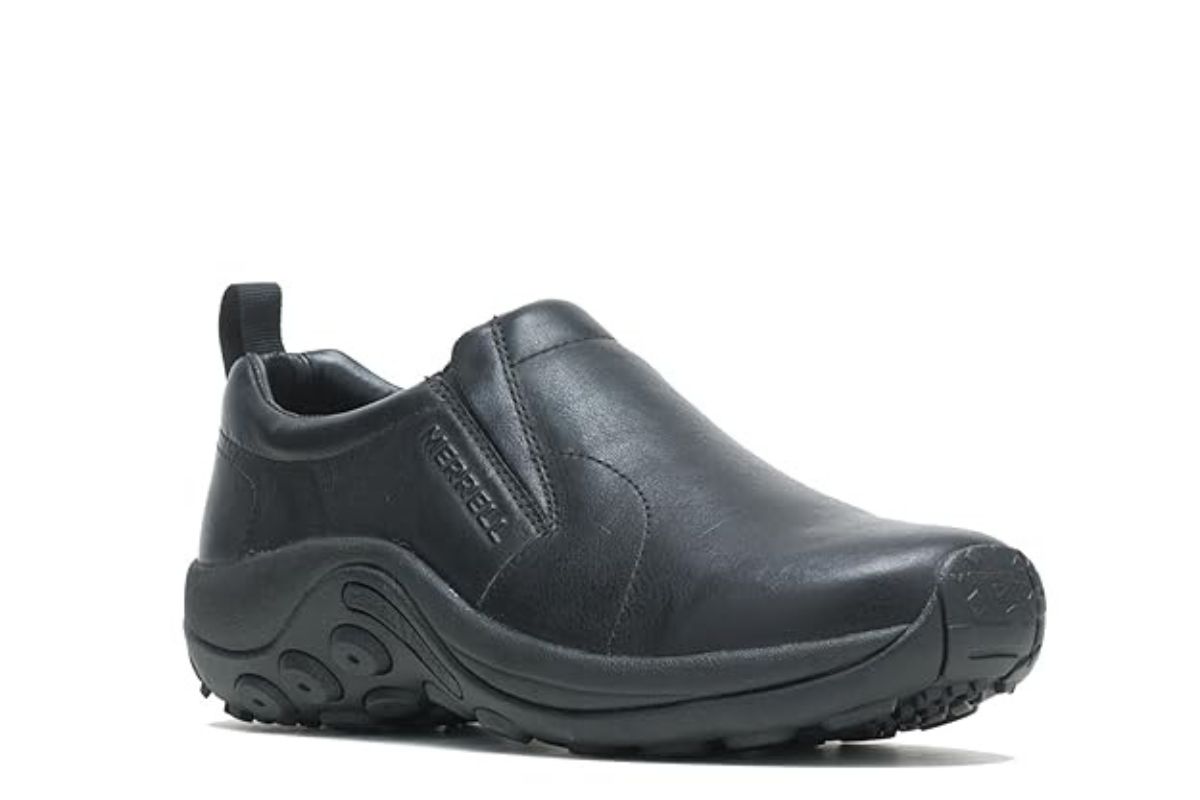
The Merrell Jungle Moc appears on this list not as a poorly made product but as a well-made product that a significant and consistently documented population of buyers uses in an application it was explicitly never designed to support, with foot harm consequences that Merrell’s own product description warns against, but retail placement and visual similarity to trail footwear override in buyer perception. The Jungle Moc is a casual slip-on shoe with Merrell’s quality construction, a 5mm lug outsole, and a suede upper that provides excellent comfort for light walking on maintained surfaces at a $100 retail price. Buyers who take it onto actual hiking trails discover that the slip-on construction provides zero ankle structure, the 5mm lug depth compresses rapidly under trail load bearing, and the midsole compound optimized for walking rather than hiking compresses to functional inadequacy within 3 to 5 miles of elevation change hiking that generates impact forces 3 to 4 times greater than the flat walking the shoe was designed around. Podiatric injury data from sports medicine practices in regions with popular hiking destinations consistently show the Jungle Moc appearing in patient histories associated with plantar fasciitis flares, tibialis posterior tendon stress responses, and anterior ankle impingement that trail-appropriate footwear would have prevented. It is a comfortable, well-made shoe, causing harm through misapplication rather than manufacturing failure.
5. Generic Amazon Hiking Boots Under $35
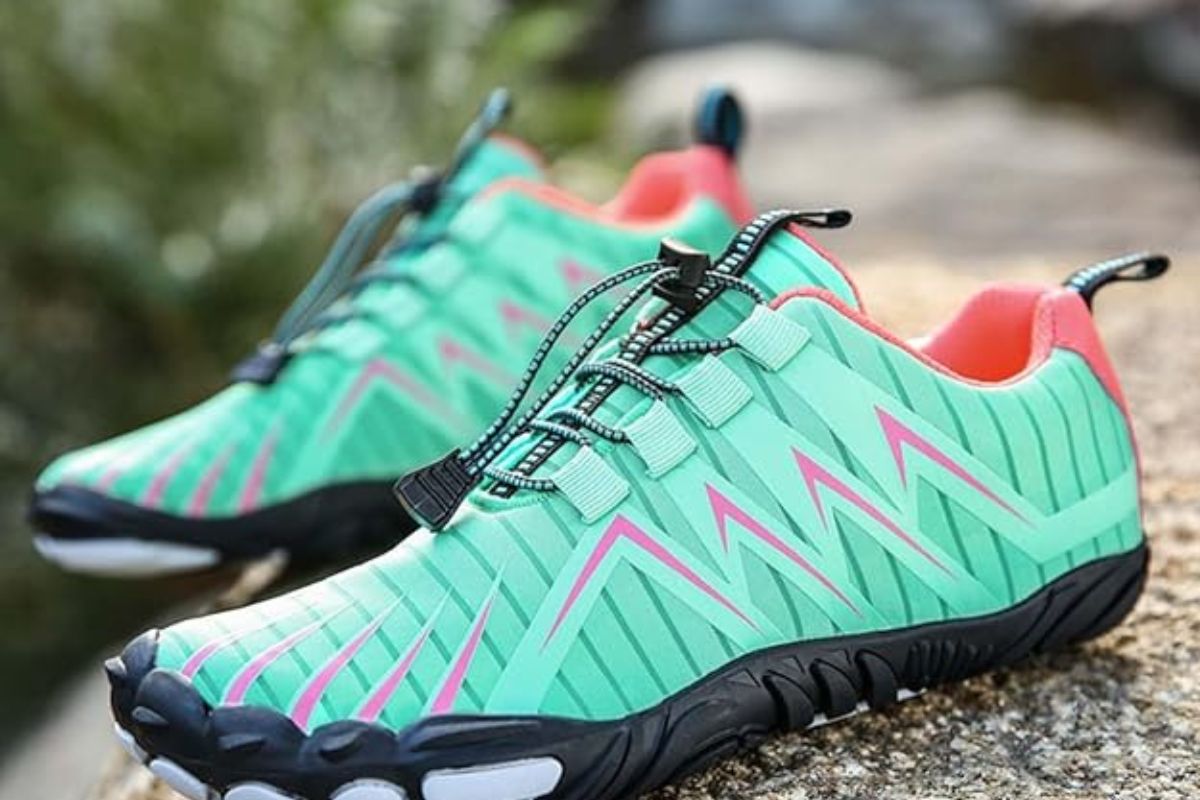
The proliferation of unbranded and micro-brand hiking boots sold through Amazon at price points between $20 and $35 represents the most diffuse and difficult to specifically name category of harmful hiking footwear available to consumers in 2026, but the consistency of the harm patterns they produce across dozens of different product listings with different names and identical construction justifies treating them as a unified category rather than individual products. Independent material testing of multiple listings in this price range conducted by outdoor gear review organizations has consistently identified outsole rubber compounds with Shore A hardness values below 50, compared to the 60 to 70 range that legitimate trail outsoles require for grip retention on wet surfaces. Midsole foam density measurements fall below 0.04 grams per cubic centimeter in tested examples, roughly half the density that impact protection research identifies as the minimum for loaded hiking across uneven terrain without harmful shock transmission. Upper stitching thread counts and bonding adhesive quality produce seam separation in tested examples after 20 to 40 hours of use under normal hiking conditions. Steel shank inserts advertised in product descriptions are absent from disassembled examples in approximately 60 percent of independently tested units across multiple listings. Buying footwear in this category for actual trail use is not a budget decision. It is a medical risk decision with foot injury consequences that cost considerably more to treat than the price difference between these products and entry-level boots from accountable manufacturers.