
Smartphones are essential tools for modern adventurers, but they also act as digital beacons. 5 ways your smartphone makes you easier to track in the wilderness reveal just how connected these devices remain even off the grid. Many hikers assume that losing cell service means disappearing completely from the map. However, the technology inside the phone continues to ping towers and log location data constantly. Understanding these mechanisms helps outdoor enthusiasts appreciate the balance between safety and privacy while exploring remote areas. This list highlights the specific features that leave a clear electronic footprint behind.
GPS Location Services
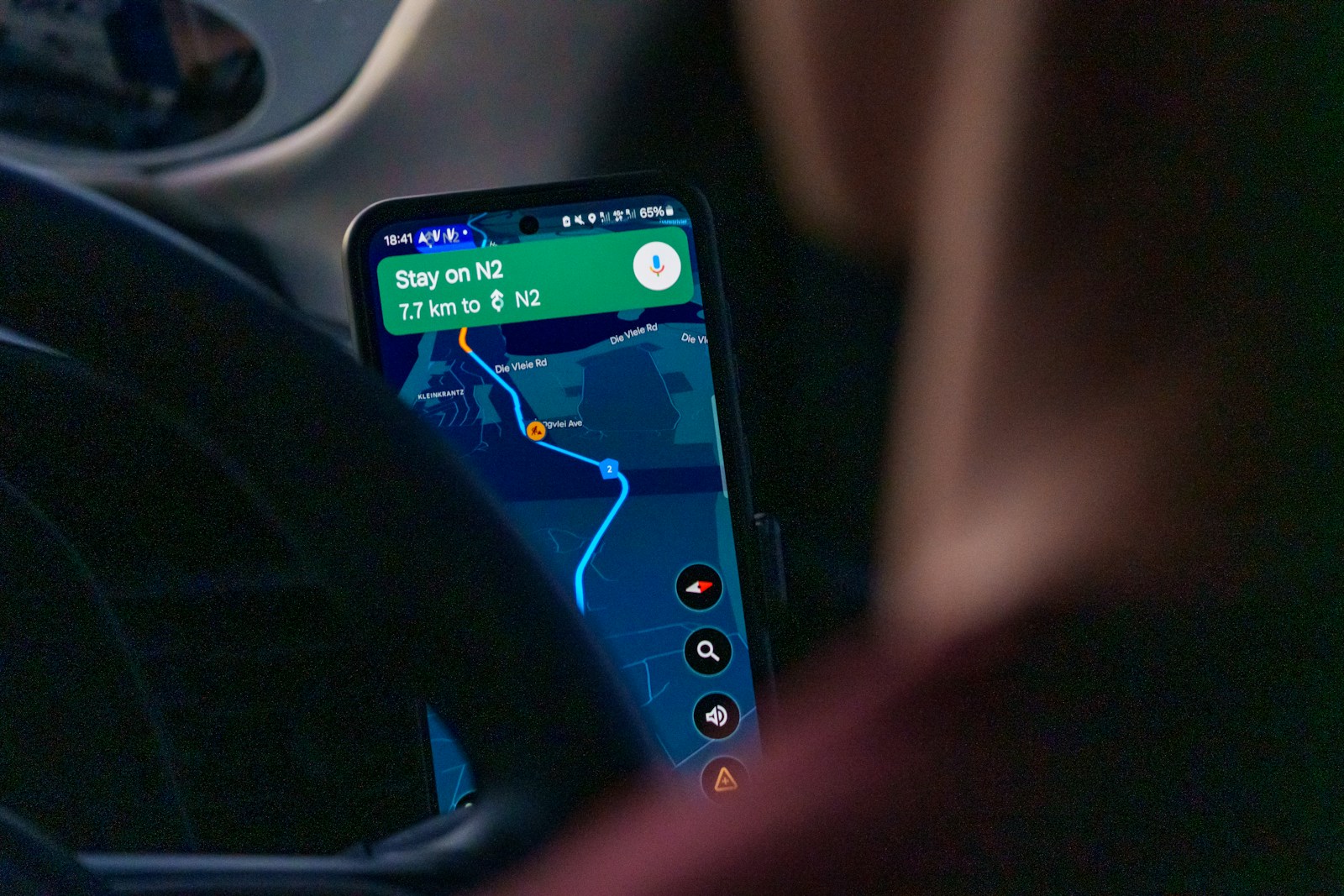
The Global Positioning System inside a phone works independently of cellular data networks. This receiver constantly calculates coordinates by communicating with satellites orbiting the Earth. Apps running in the background often record this movement to build a detailed history of the route taken. Search and rescue teams can sometimes access this information to pinpoint a missing hiker with remarkable accuracy. Even when the screen is off, the device is silently logging waypoints. This feature is a lifesaver during emergencies, but it also means true solitude is difficult to achieve. The digital breadcrumb trail is always being created.
Cellular Tower Pings
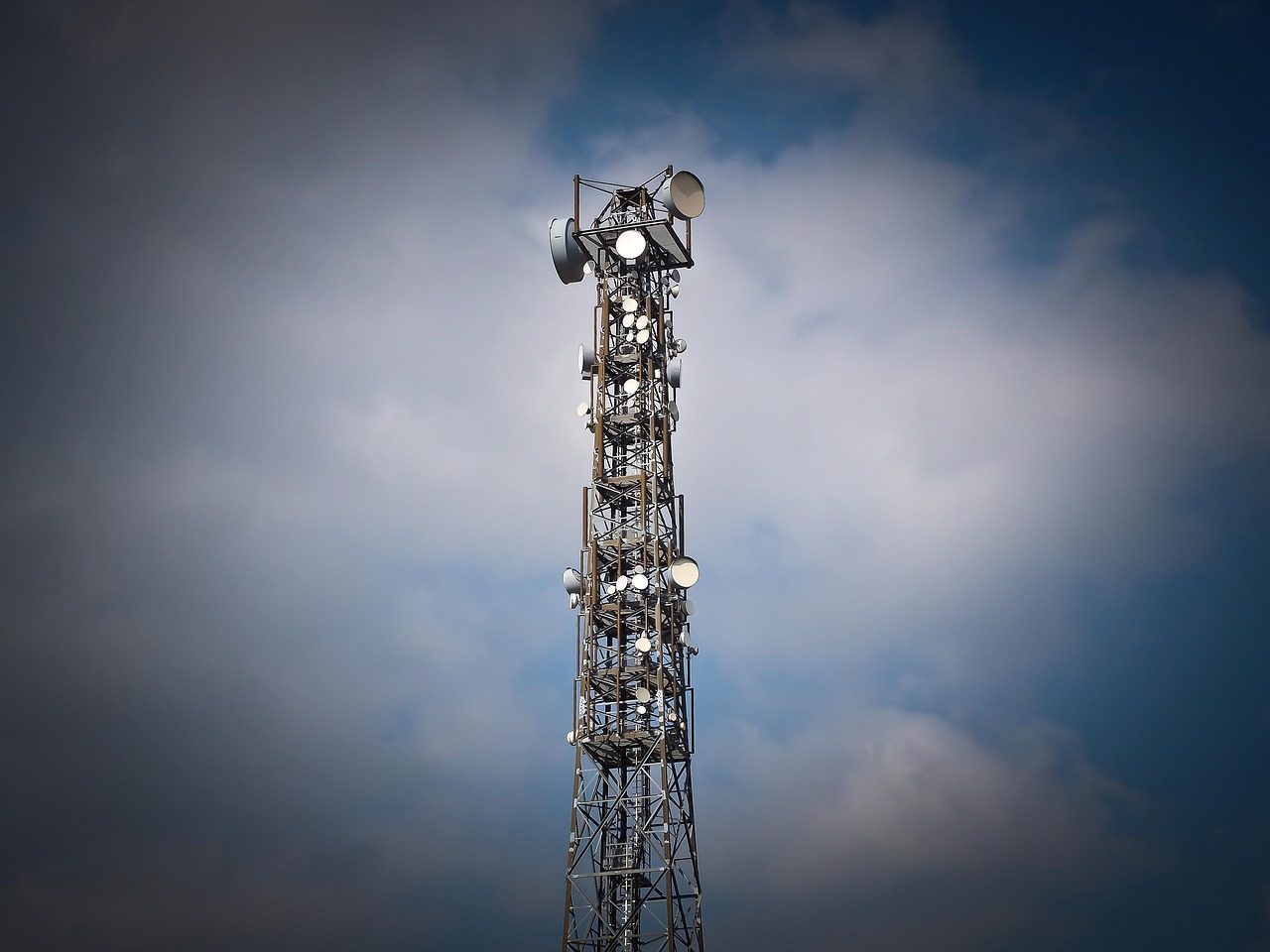
Phones automatically search for the nearest signal whenever they are powered on. This handshake process occurs even when the device is not making a call or sending a text. Service providers store these records, which show exactly which tower the phone connected to and when. In rural areas with fewer towers, this data can narrow down a search area significantly. Investigators use triangulation methods to estimate the distance of the device from specific infrastructure. This constant searching drains the battery quickly but provides a crucial electronic lifeline. It proves that the network is always listening.
Bluetooth And Wi-Fi Scanning

Modern devices constantly scan for available Bluetooth accessories and Wi-Fi networks in the vicinity. This unique digital signature can be detected by other devices or monitoring stations set up on trails. Some parks use this technology to count visitors and track traffic flow through specific areas. Leaving these radios active creates a beacon that broadcasts the presence of the phone to anyone looking for it. Turning them off conserves power and reduces the electronic noise emitted by the device. However, most users leave them enabled by default, which makes them visible to sophisticated tracking equipment nearby.
Metadata In Photos

Taking a picture of a scenic view often captures more than just the landscape. Smartphones automatically embed hidden data called EXIF directly into the image file itself. This information typically includes precise GPS coordinates and the exact time the photo was snapped. Uploading these images to social media or cloud storage shares this location history with the world instantly. Savvy individuals can download the file and view the map location where the photographer stood. This feature turns a simple vacation snapshot into verifiable proof of location. It documents the journey with mathematical precision.
Emergency SOS Features

New satellite connectivity features allow phones to send distress signals from anywhere on the planet. This technology bypasses cell towers to communicate directly with emergency response centers during a crisis. Activating this function broadcasts the exact location of the user to rescue teams immediately. While this is a critical safety tool, it also represents the ultimate form of tracking in the wild. It eliminates the concept of being lost by providing a direct link to civilization. This capability ensures that help can always find the user. It fundamentally changes the nature of remote wilderness travel.