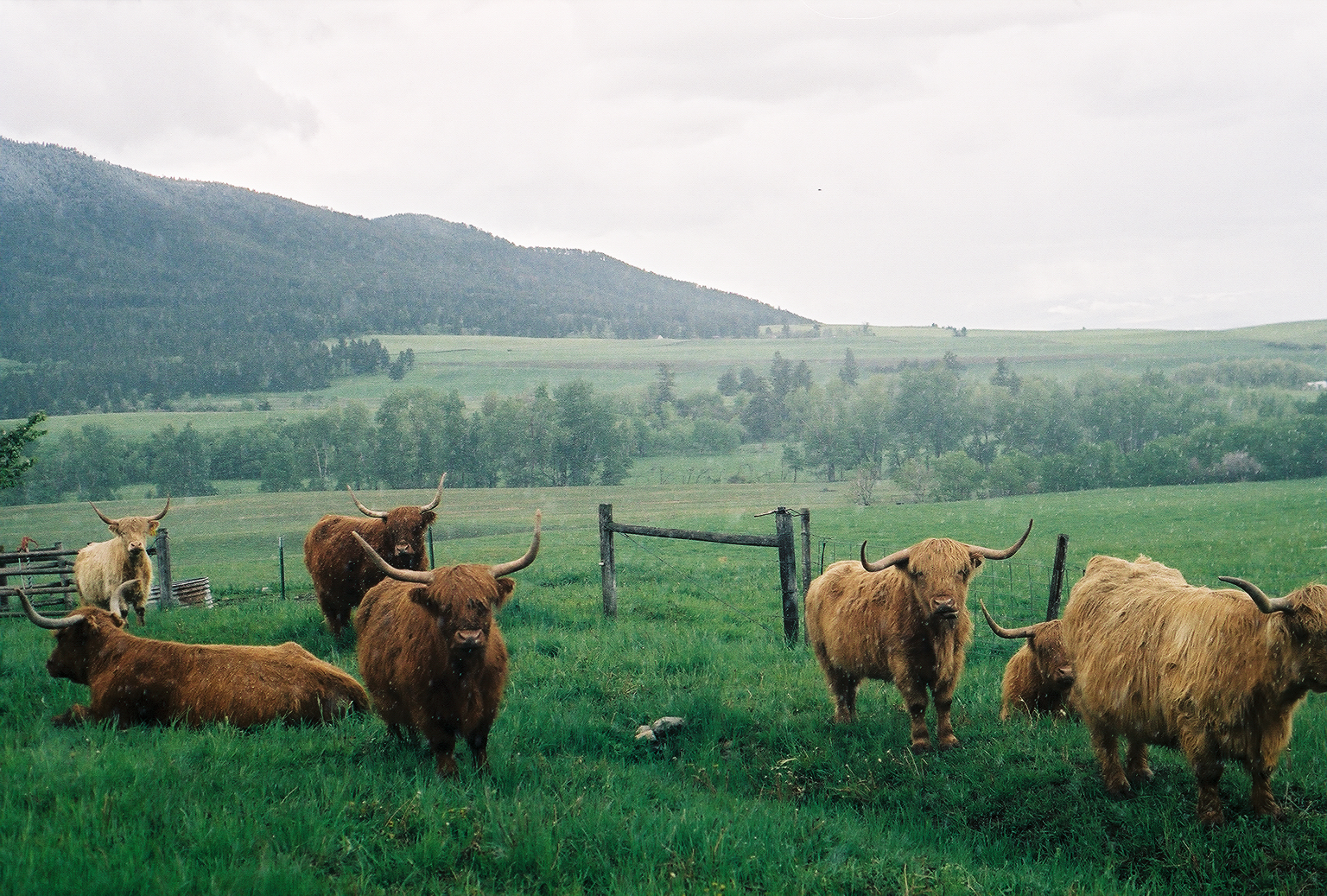
Camping in wild country brings incredible freedom, but it also means sharing space with animals that follow instincts, not campground rules. Bears and other predators are usually not interested in people, yet curiosity, food odors, and surprise encounters can quickly change behavior. Protecting your tent is less about confrontation and more about prevention. Smart campsite habits reduce the chance of attracting unwanted attention while allowing wildlife to remain undisturbed. With proper planning and awareness, campers can sleep confidently without increasing risk. These proven strategies focus on deterrence, cleanliness, and smart positioning rather than fear.
1. Choose Your Campsite With Animal Behavior in Mind
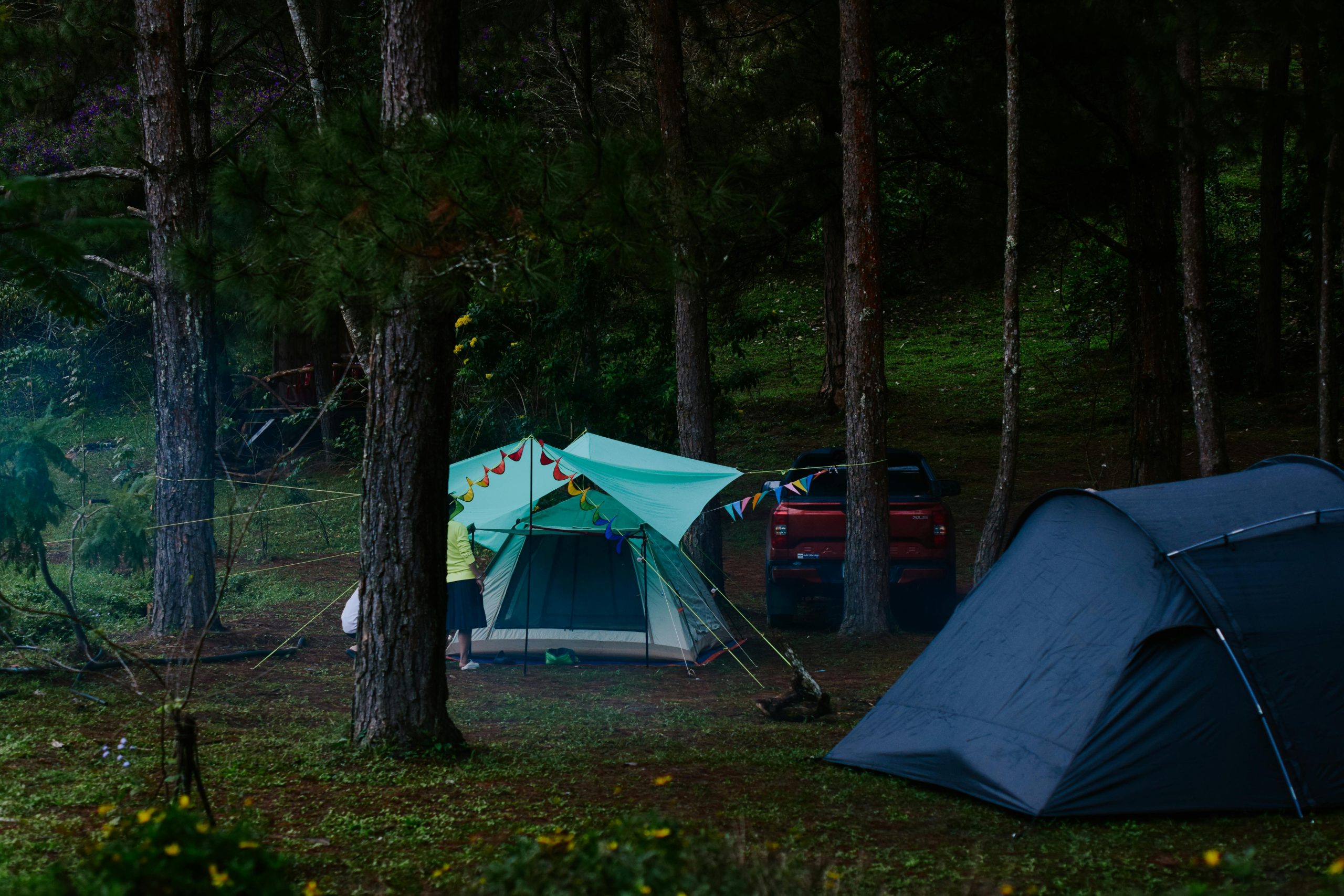
Where you pitch your tent matters more than most people realize. Avoid setting up near animal trails, berry patches, water sources, or game crossings, as these are natural travel routes. Flat clearings may look inviting, but often double as feeding or movement zones. Choose a site with good visibility and natural barriers like rocks or dense brush that discourage approach. Wind direction also matters because scent carries far. A thoughtfully chosen campsite reduces surprise encounters and lowers curiosity-driven investigation before it ever begins.
2. Keep All Food and Scented Items Far Away

Food smells are the number one reason animals approach tents. Never store food, trash, toothpaste, or scented wipes inside or near your shelter. Use bear-resistant containers or hang food well away from camp at a proper height and distance. Cook and eat far from where you sleep, then clean thoroughly. Even small spills or crumbs can linger. A scent-free sleeping area sends a clear signal that nothing edible is present, greatly reducing the chance of investigation by predators.
3. Use Natural and Manufactured Deterrents Wisely
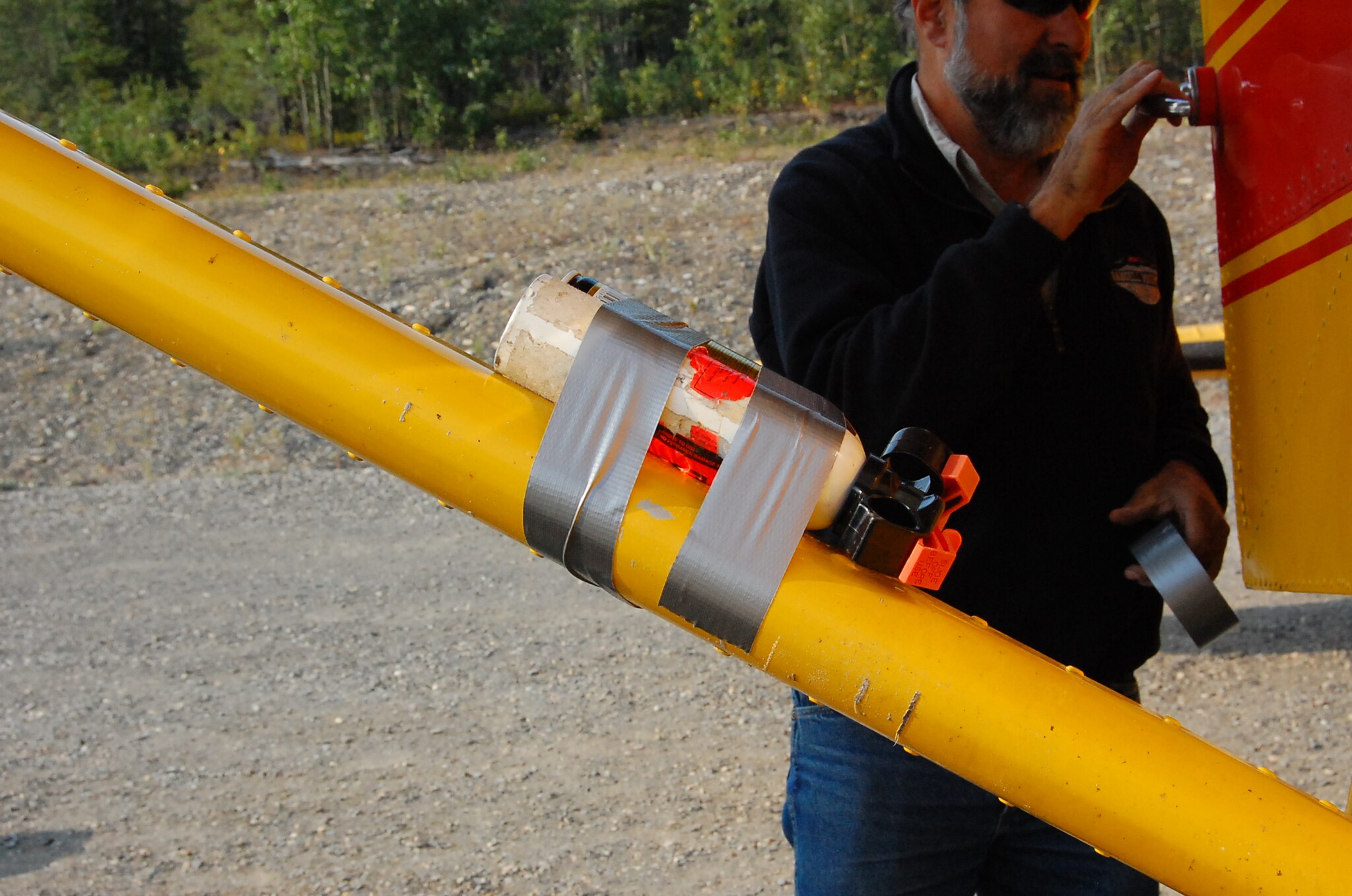
Deterrents work best when used proactively rather than reactively. Noise-making alarms, motion lights, and trip line bells can alert animals before they reach your tent. In bear country, keeping bear spray accessible adds an important layer of safety, even if never used. Avoid relying on gimmicks that promise total protection. The goal is discouragement, not confrontation. When animals detect awareness and activity, they are more likely to move on without escalating the situation.
4. Maintain Clean Camp Habits at All Times
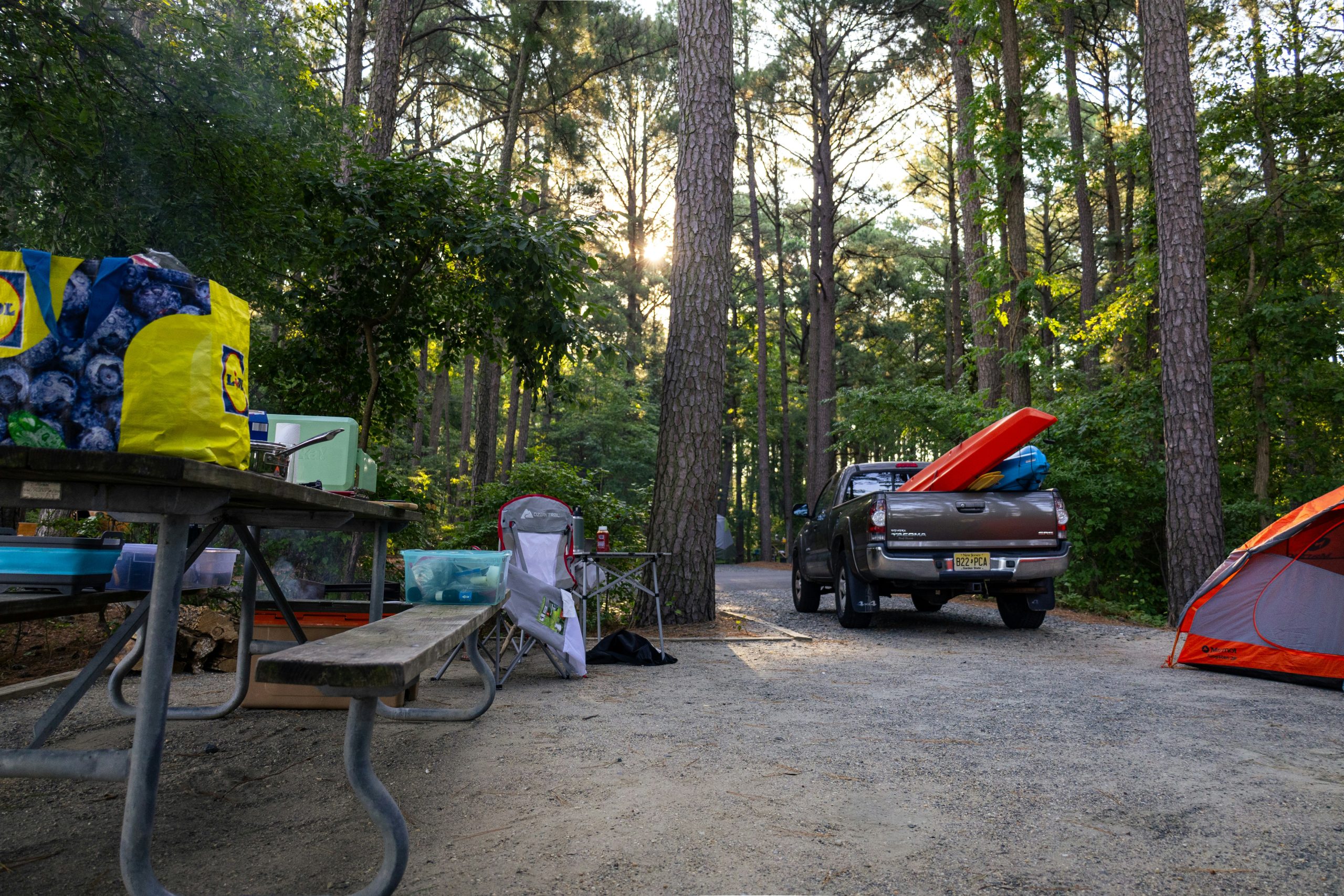
A messy camp invites curiosity. Dispose of trash properly, seal leftovers immediately, and wipe cooking surfaces after every meal. Clothing worn while cooking should be stored away from sleeping areas because fabric absorbs odors easily. Even dishwater should be dumped far from camp. Clean habits reduce lingering scent trails that animals can follow hours later. Consistency matters because one careless moment can undo an otherwise safe setup. Clean camps quietly communicate that nothing of interest is available.
5. Make Your Tent Area Look Occupied and Alert
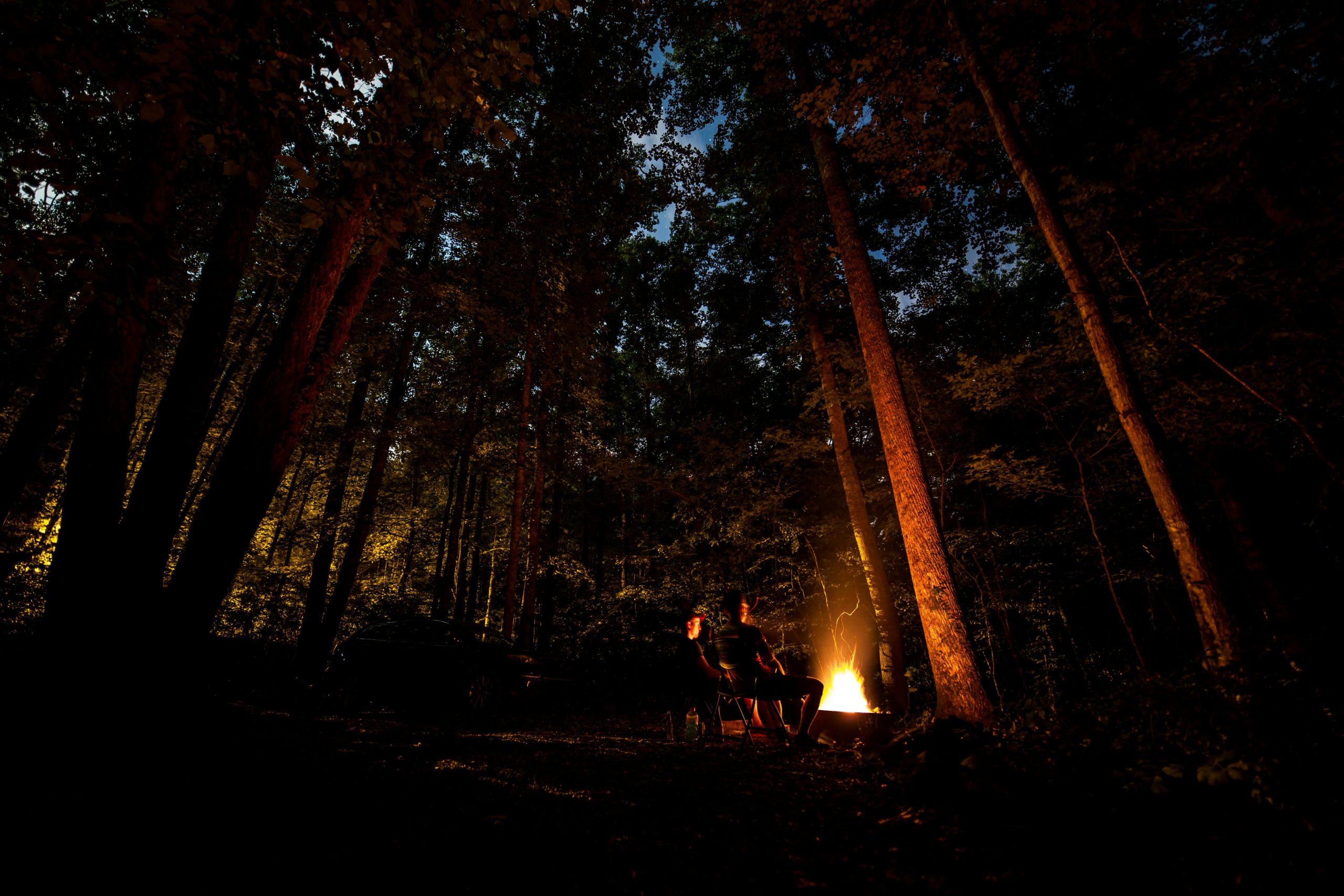
Predators prefer quiet, undisturbed spaces. Subtle signs of human presence can discourage approach. Keep headlamps, reflective gear, or light colored items visible near your tent. Occasional movement or soft noise reminds animals that the area is occupied. Avoid sealing yourself in complete silence for long periods. At night, a brief light check around camp can reinforce awareness without provoking wildlife. An alert environment feels unpredictable to animals and encourages them to keep their distance.