Sudden pressure drops often shape the atmosphere in high-altitude regions, creating rapid shifts in temperature, wind, and visibility that leave a strong impression on anyone moving through these landscapes. These conditions reflect how elevation, terrain, and air currents interact in complex and sometimes unpredictable ways. Mountain weather responds quickly to incoming systems, making each ridgeline and valley feel distinctly alive. With steady observation and an understanding of local patterns, the character of each range becomes easier to recognize and appreciate.
Rocky Mountains
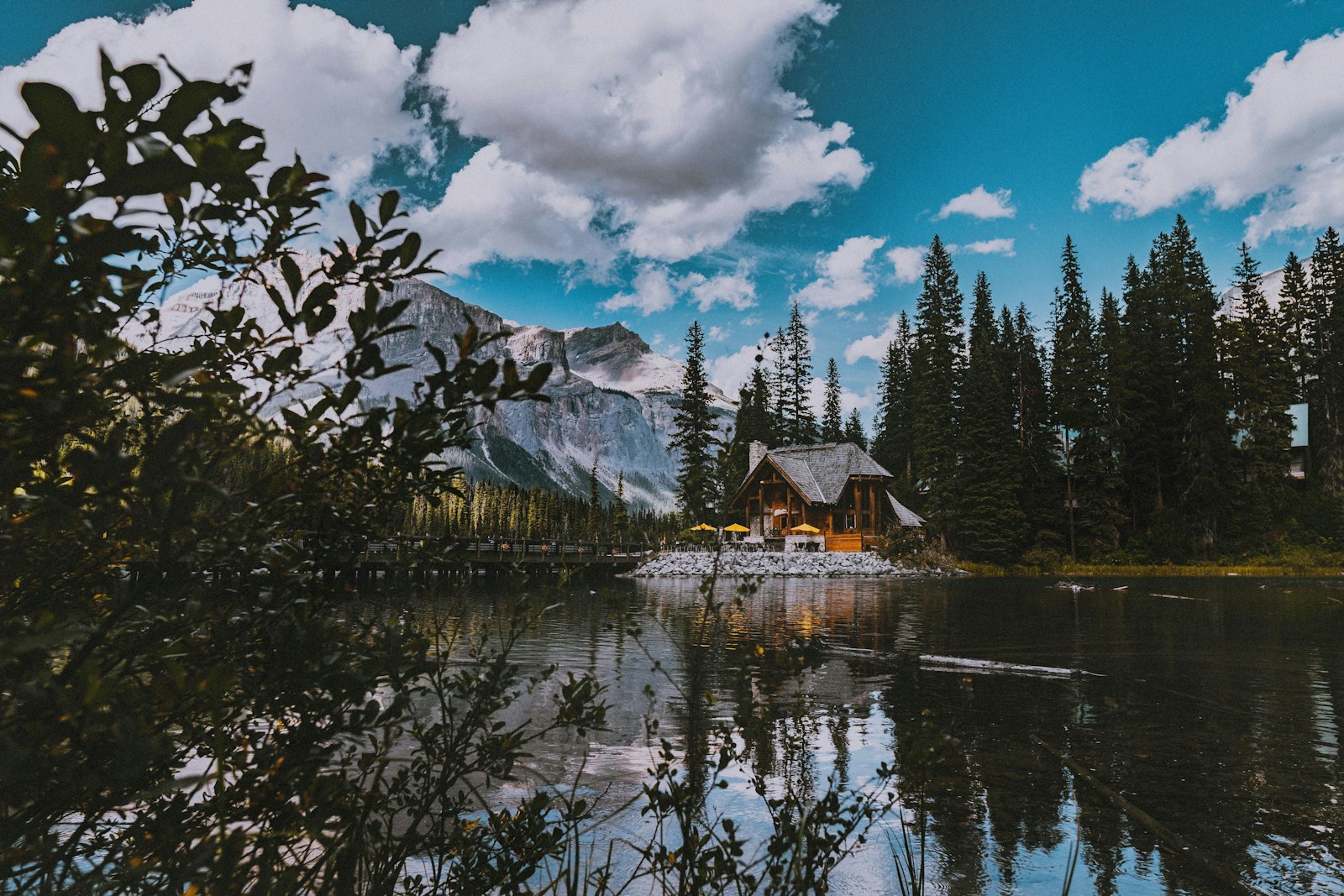
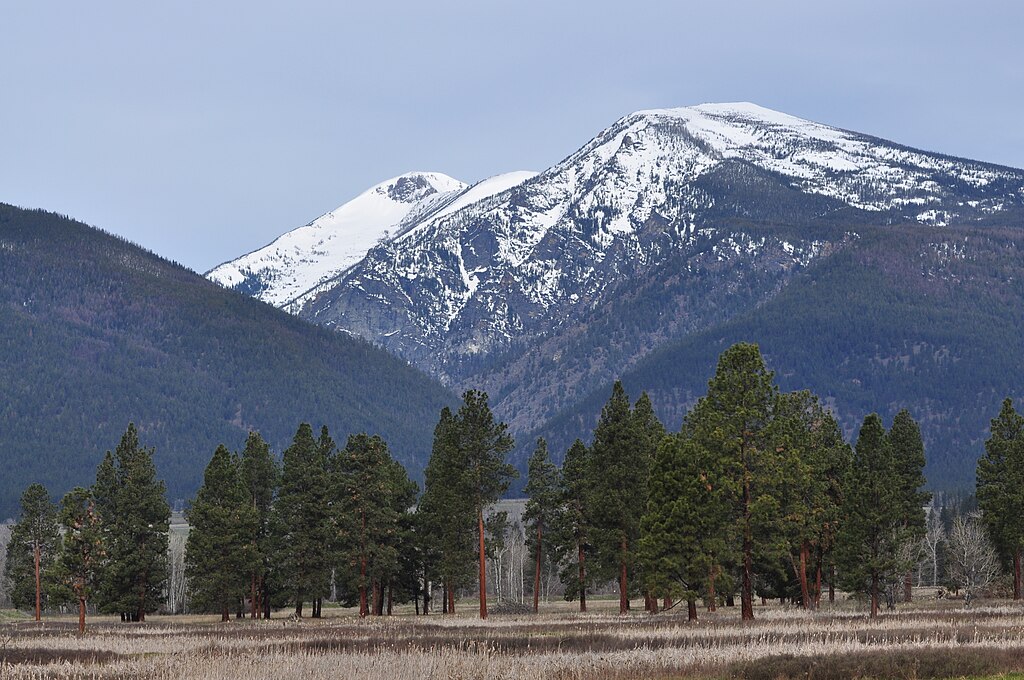
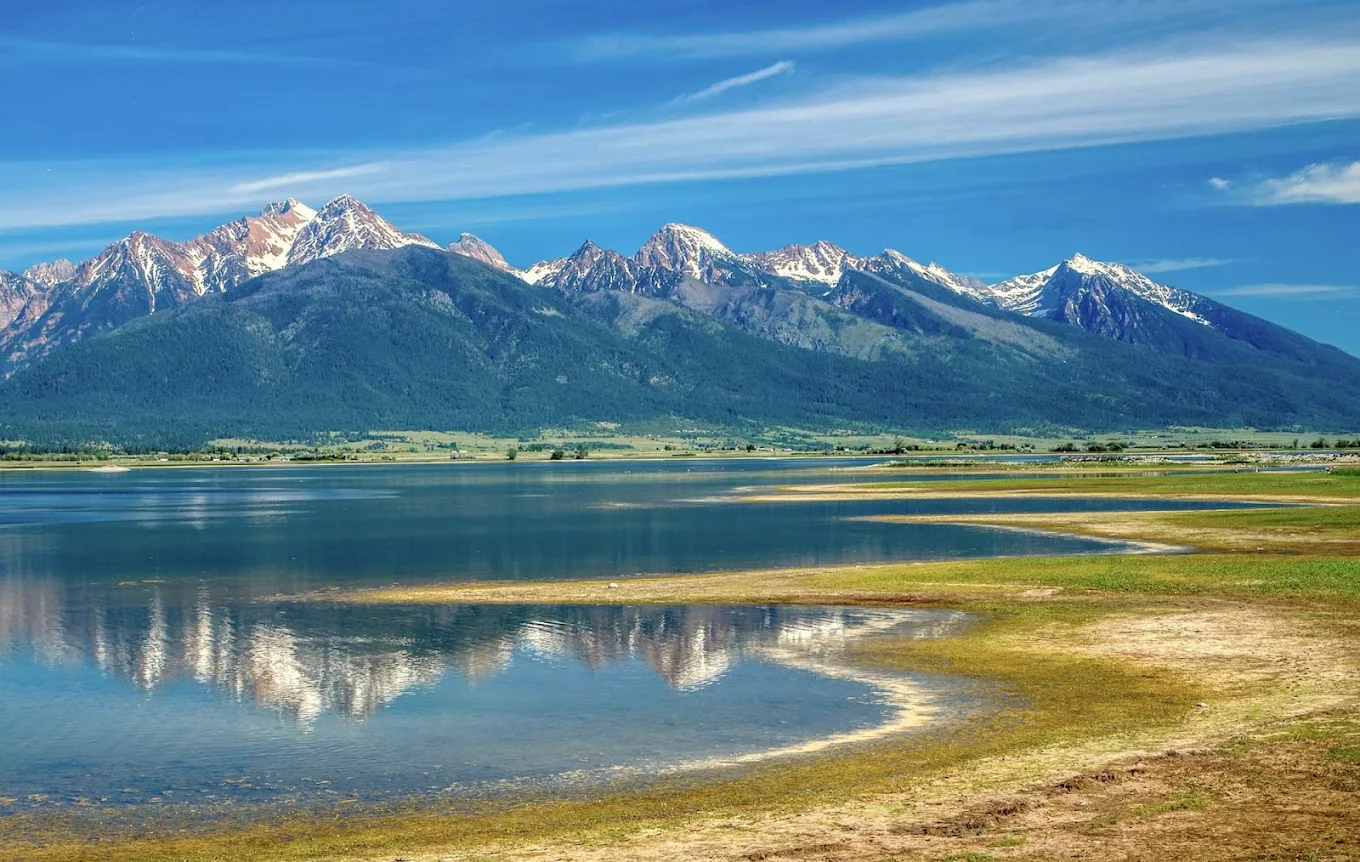
The Rocky Mountains often experience sharp pressure drops as cold northern air sinks into high passes where warmer plains air rises rapidly. This collision of temperatures creates sudden changes that sweep across exposed ridges and deep basins. Clouds can form quickly as pressure falls, moving across the peaks in long, fast-moving bands that reshape the sky. These conditions help define the Rockies as a region where atmospheric energy remains constantly in motion.
Sierra Nevada
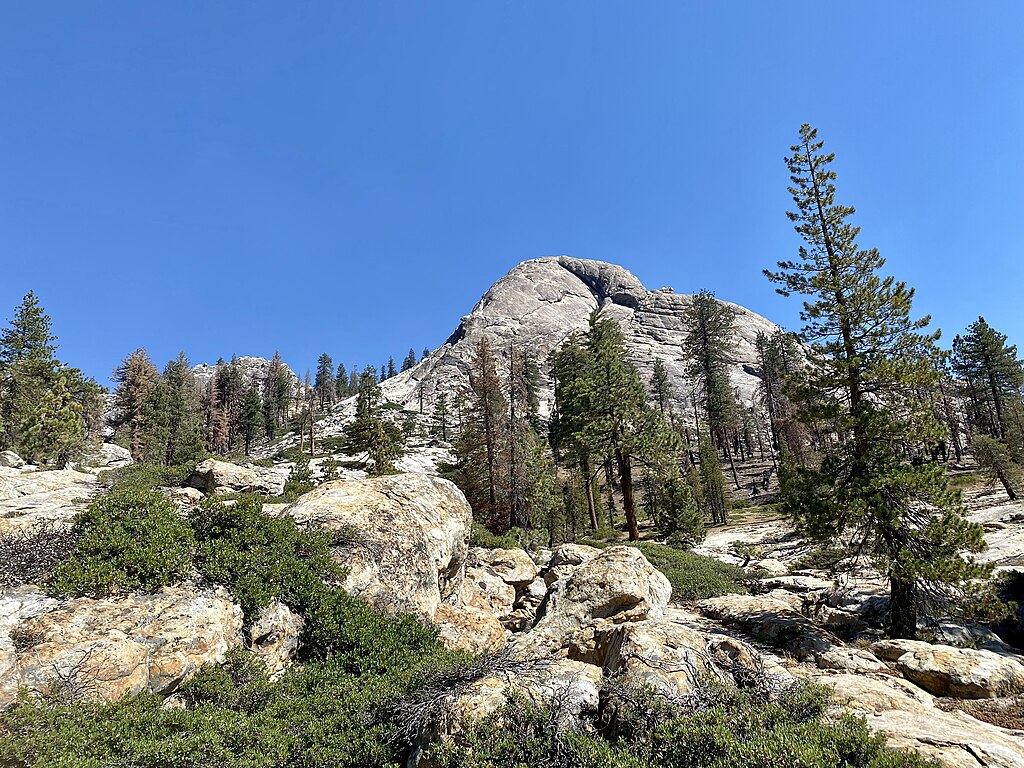
The Sierra Nevada frequently undergoes rapid pressure changes when Pacific moisture pushes inland and rises abruptly against the range’s steep granite walls. As air lifts and cools, clouds condense with remarkable speed, shifting calm conditions into mist, rain, or gusty winds. Valleys may remain stable while ridgelines transform within moments, creating strong contrasts across short distances. This interplay between ocean influence and high elevation keeps the range’s weather both dramatic and memorable.
Appalachian Mountains
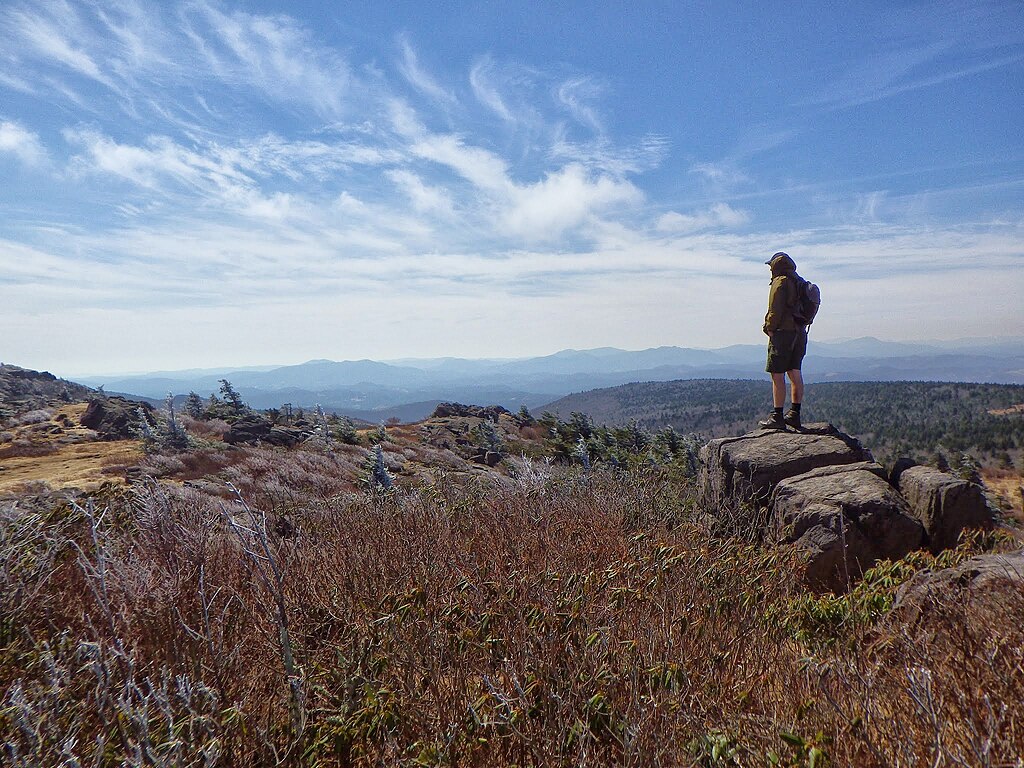
The Appalachian Mountains display sudden pressure shifts when warm, humid air from the southeast flows into higher terrain, rising quickly along long ridges and narrow gaps. The rapid uplift cools the air, creating dips in pressure that produce fog, drizzle, or fast-moving cloud cover. While foothills often maintain steady conditions, peaks and exposed overlooks react more noticeably. These patterns highlight the Appalachian blend of gentle elevations and sharply responsive weather.
Cascade Range
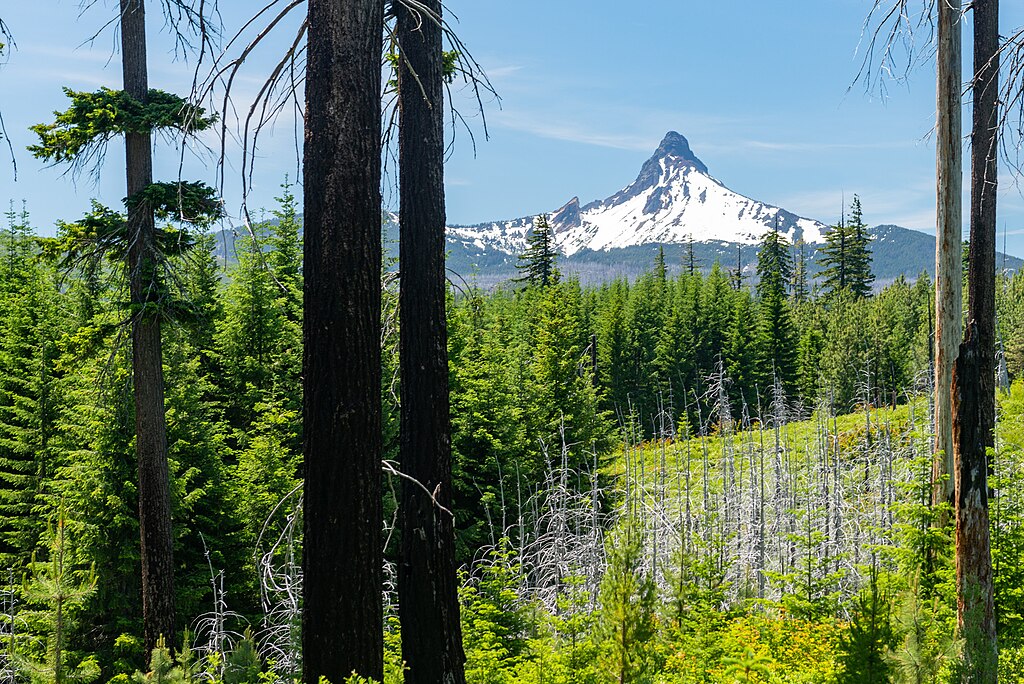
The Cascade Range experiences abrupt pressure drops as Pacific storms collide with volcanic peaks that rise sharply from surrounding lowlands. Moist ocean air pushes upward, cooling instantly and forming dense clouds that sweep across passes and high valleys. Winds funnel through deep cutouts in the terrain, amplifying the sense of sudden change. This combination of elevation, moisture, and rugged structure gives the Cascades a reputation for quick and forceful atmospheric shifts.
Alaska Range
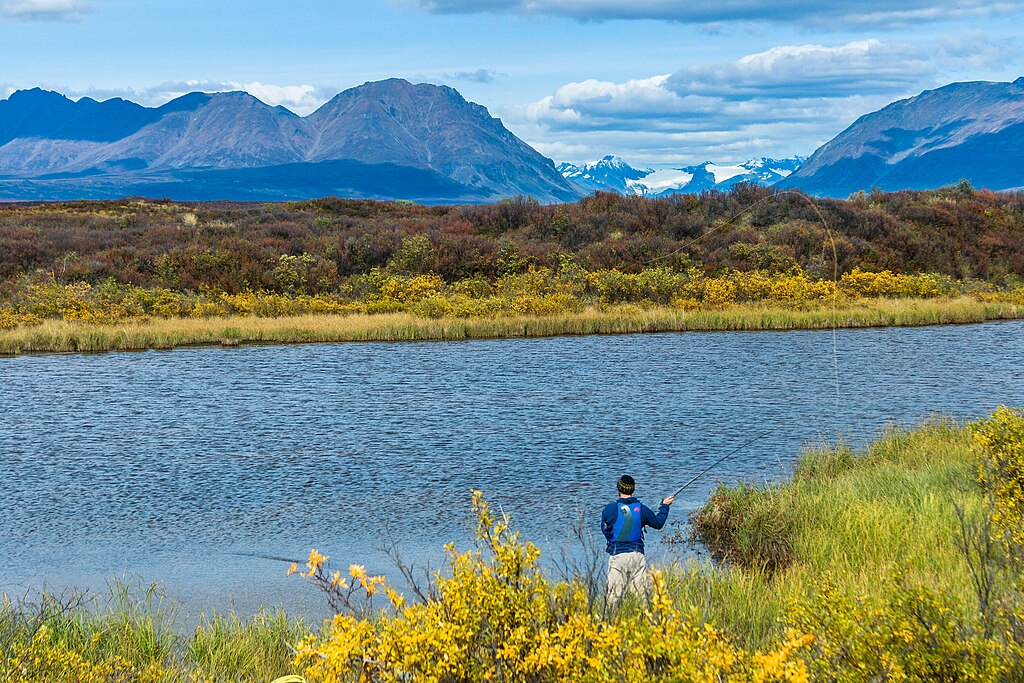
The Alaska Range endures some of the nation’s most dramatic pressure changes due to its high latitude and direct exposure to polar and interior systems. Cold air masses descend rapidly from glacial peaks while warmer interior currents surge upward, creating intense fluctuations across short spans of time. Shifting clouds and strong winds often appear with little buildup as pressure drops near steep, icy slopes. These powerful transitions help shape the range’s raw and uncompromising climate.