Collecting fallen wood might seem harmless, but in several protected forest zones across the United States, it’s actually prohibited due to the delicate role deadwood plays in preserving soil health, wildlife habitats, and long-term ecological balance. These rules help maintain landscapes that are already under pressure from heavy tourism and slow natural recovery. Here are five key forest zones where visitors must leave every branch, twig, and log exactly where it falls.
1. Muir Woods National Monument
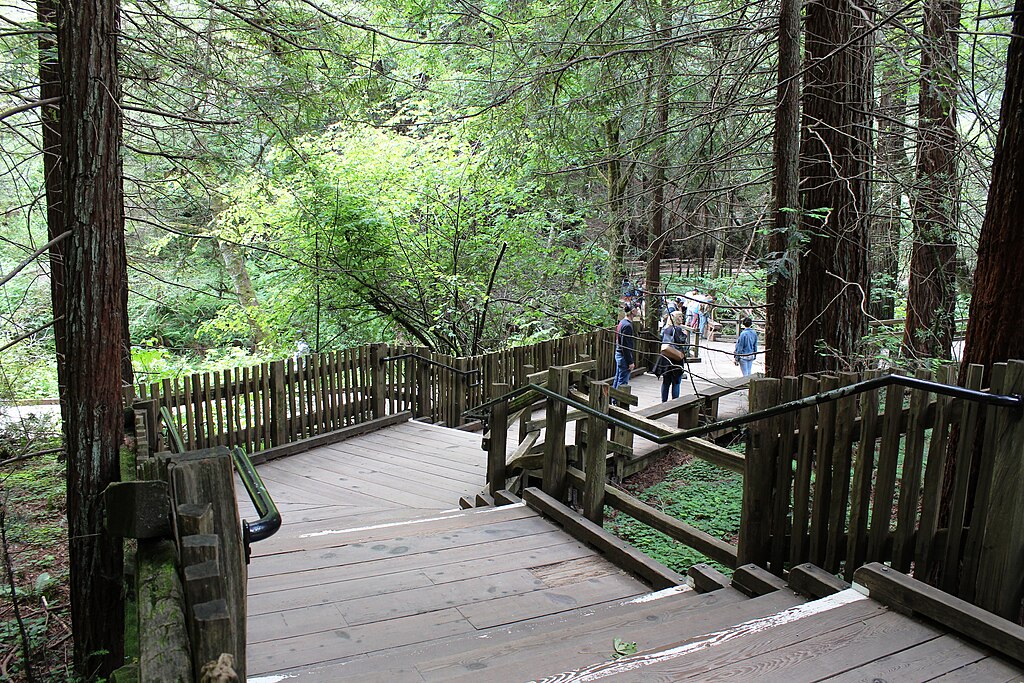
Muir Woods protects one of the last remaining coastal redwood ecosystems, where decomposing wood is essential for nutrient cycling and soil stability. Because decayed logs store moisture and support rare understory plants, all fallen wood collection is banned. Rangers frequently patrol high-traffic areas, reminding visitors that even a single removed branch disrupts the forest floor. Campfires are not allowed here, so visitors must rely on stoves or external fuel sources.
2. Boundary Waters Canoe Area Wilderness
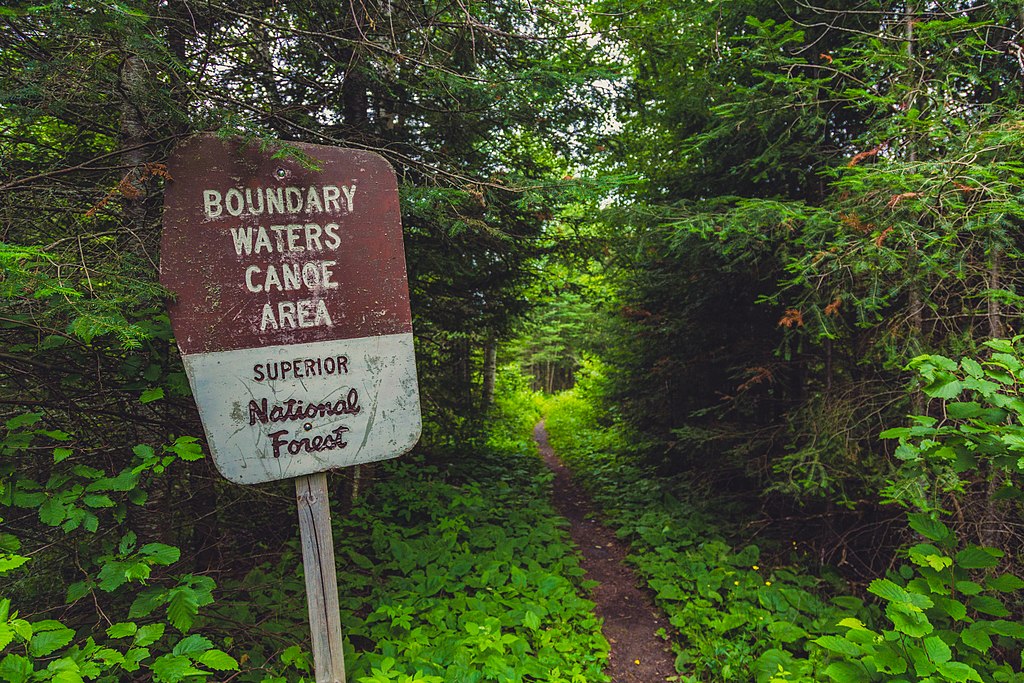
In the Boundary Waters, decades of heavy campsite use created bare shorelines where firewood gathering stripped essential habitat. To protect moss beds, lichens, and nesting sites, several shoreline corridors now forbid removing fallen wood of any size. Campers are required to use designated fire grates or portable stoves and bring approved firewood if needed. The rule helps prevent erosion and preserves the wilderness feel that makes this region so celebrated.
3. Hoh Rain Forest
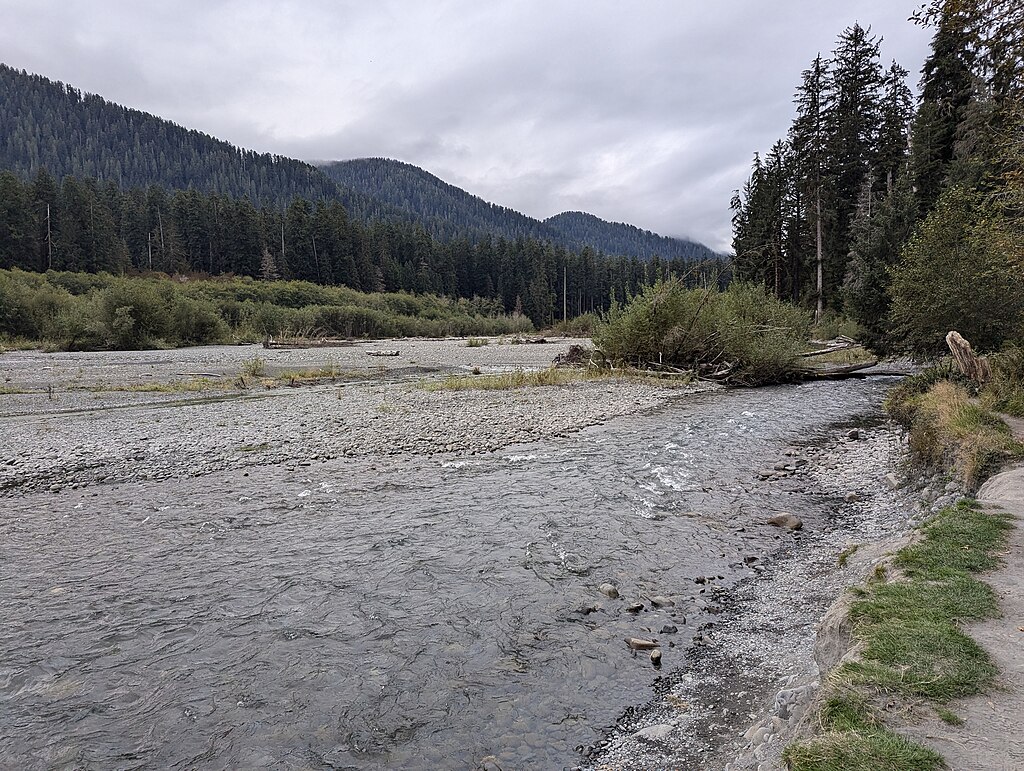
The Hoh Rain Forest depends heavily on downed wood to maintain its saturated soils and thick layers of moss. Fallen logs act as “nurse trees,” nurturing young seedlings in this slow-decomposing environment. Because removing even small pieces interrupts this natural cycle, gathering wood is banned in core ecological zones. Visitors are encouraged to pack in their own fuel, helping lessen human impact on one of America’s quietest and most fragile forests.
4. Giant Sequoia Groves
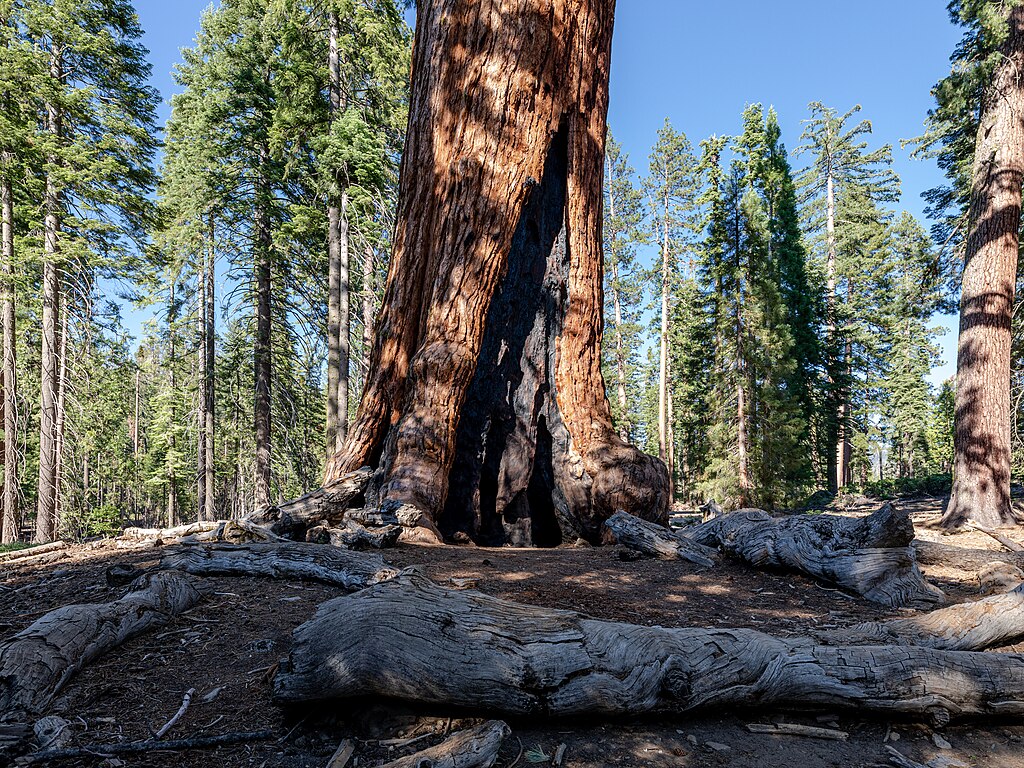
In the sequoia groves, every fallen branch from tiny cones to massive logs plays a role in supporting regeneration. These ancient trees rely on nutrient recycling from decaying wood, making the entire grove floor a protected resource. Collecting deadwood is illegal in designated preservation areas, and firewood permits only apply outside grove boundaries. This safeguard prevents soil depletion and keeps these storied forests resilient for future generations.
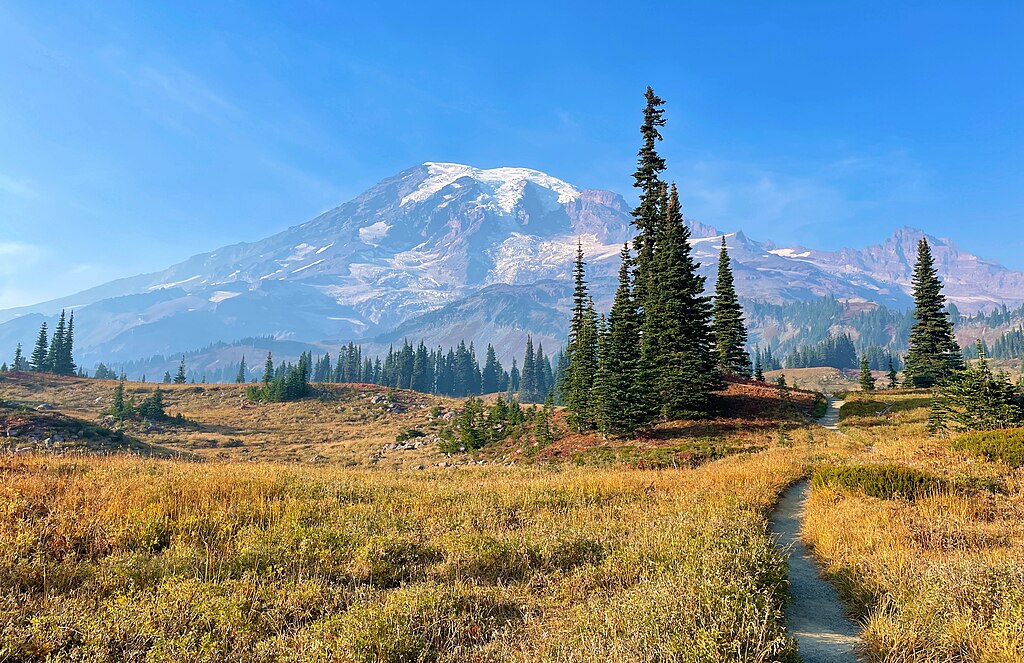
5. Mount Rainier National Park
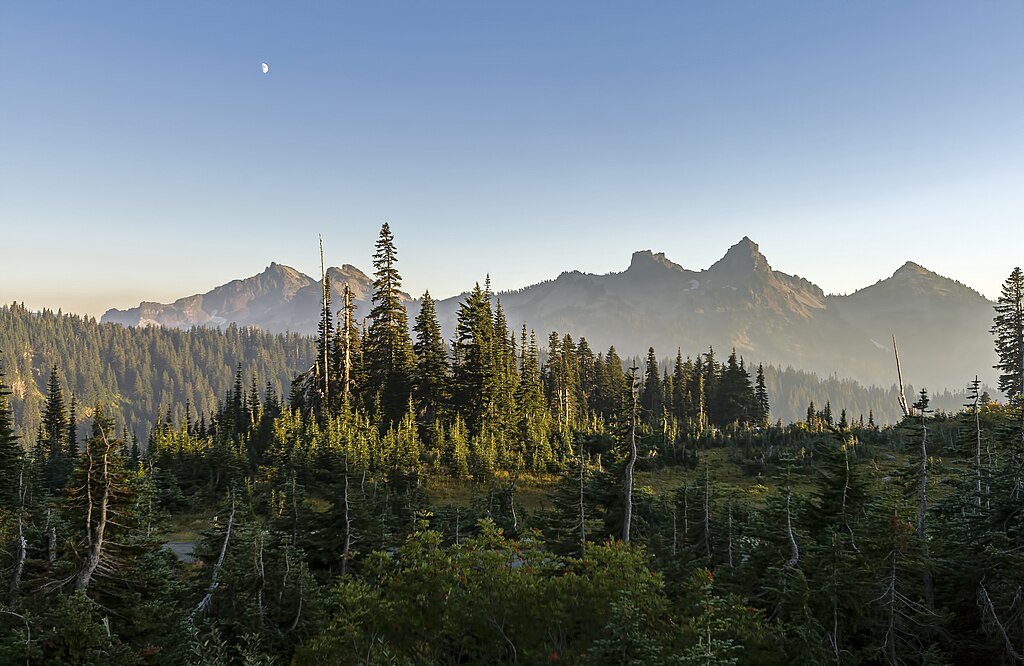
Mount Rainier’s high-elevation forests have extremely short growing seasons, and decomposition occurs slowly, making fallen wood vital for soil enrichment. To protect meadows, fragile plants, and wildlife shelters, the park bans all firewood gathering within its boundaries. Campers must use stoves or certified firewood from approved vendors. These strict rules help maintain the delicate balance of subalpine ecosystems that cannot quickly recover from even minor disturbances.