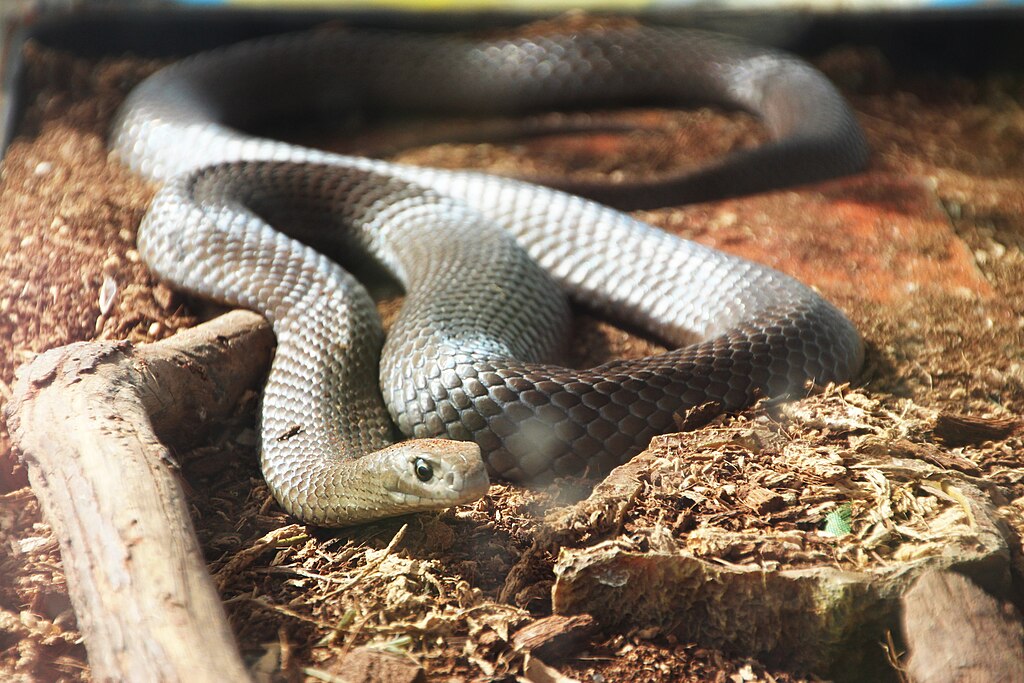
In many warm U.S. states, snake encounters increase noticeably during the monsoon season as rising humidity, rainfall, and prey movement bring snakes closer to human activity. Monsoon patterns in the Southwest, Gulf Coast, and parts of the Southeast create ideal conditions for snakes to travel, hunt, and seek shelter. Flooded burrows, cooler ground temperatures, and active rodent populations push snakes onto trails, campsites, and residential edges. While most snakes avoid confrontation, surprise encounters rise sharply during this period. Understanding seasonal snake behavior is essential for hikers, campers, and outdoor workers. This article outlines practical snake-safety tips tailored specifically for monsoon conditions, using wildlife agency guidance and regional encounter data to help people reduce risk while continuing to enjoy outdoor activities safely.
1. Watch where you place your hands and feet
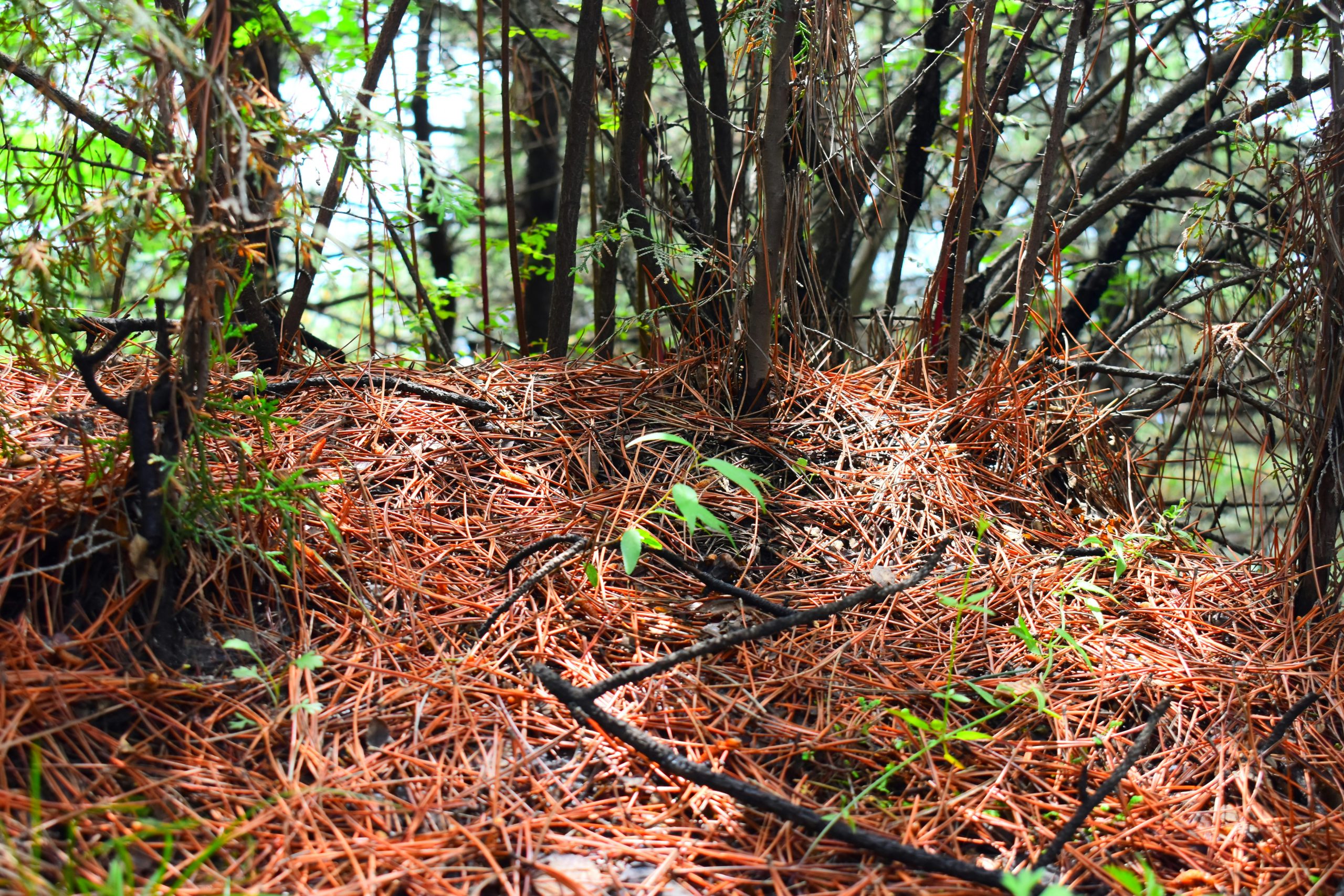
During monsoon season, reduced visibility and shifting ground conditions increase the risk of accidentally startling a snake. Rain-soaked trails, tall grass, and debris-covered paths provide ideal hiding spots where snakes wait out storms or ambush prey. Stepping over logs, rocks, or ledges without checking the landing area is a common cause of bites. Wildlife agencies consistently advise scanning before stepping and avoiding blind hand placements on rocks or trail edges. Using trekking poles to probe vegetation can alert snakes to your presence. Slow, deliberate movement significantly reduces surprise encounters, especially in warm states where venomous species are active during monsoon months.
2. Avoid dense vegetation and standing water
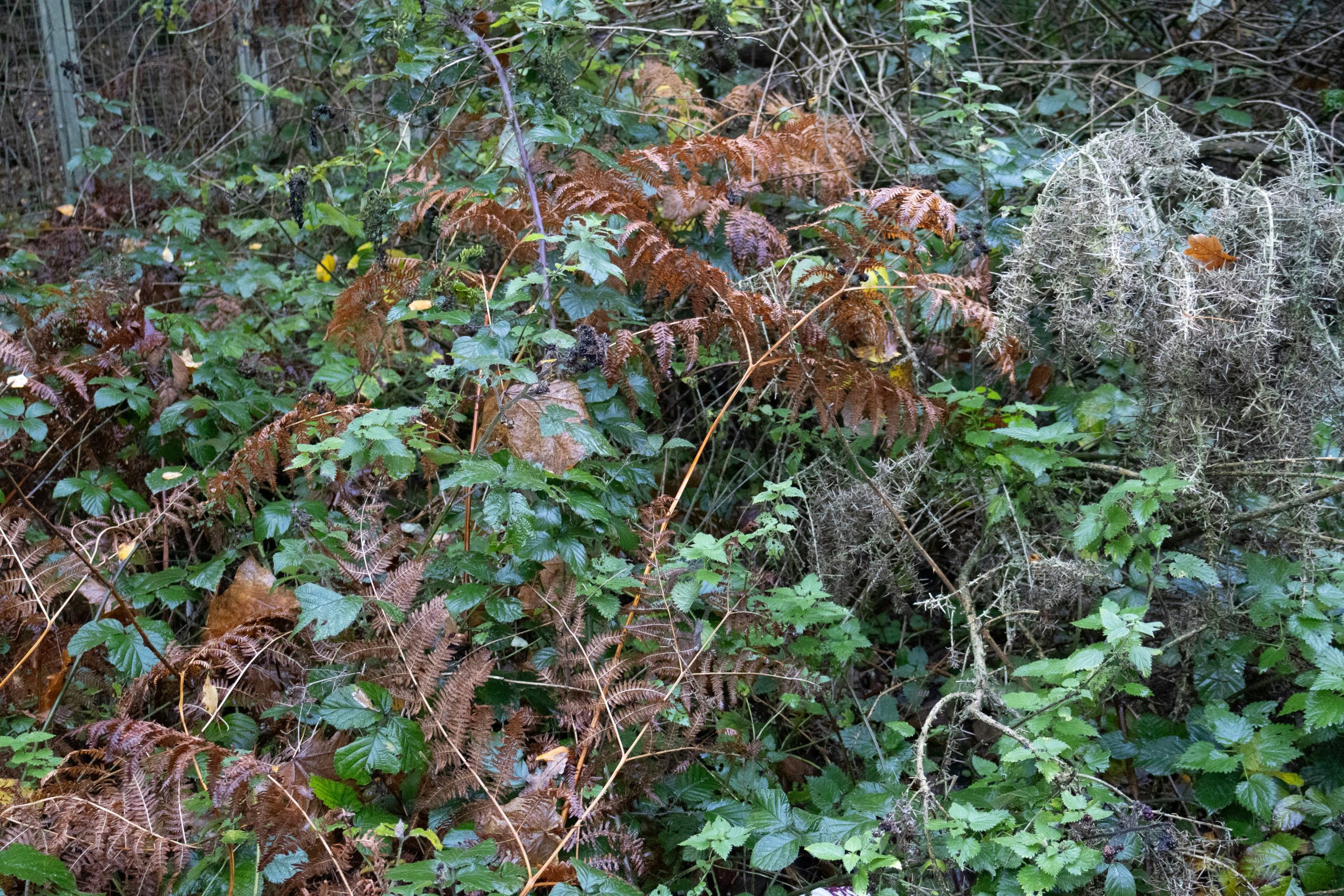
Monsoon rains create temporary pools, overgrown trail edges, and thick vegetation that attract both prey and snakes. Standing water draws amphibians and rodents, which in turn increase snake activity. Tall grass and brush reduce reaction time if a snake is present. Staying on established trails and avoiding shortcuts through dense growth lowers encounter risk. Land management agencies report higher snake sightings near flooded washes and drainage areas during the monsoon season. Choosing open paths improves visibility and allows snakes space to retreat, reducing defensive encounters that occur when animals feel cornered or threatened.
3. Wear protective clothing and footwear
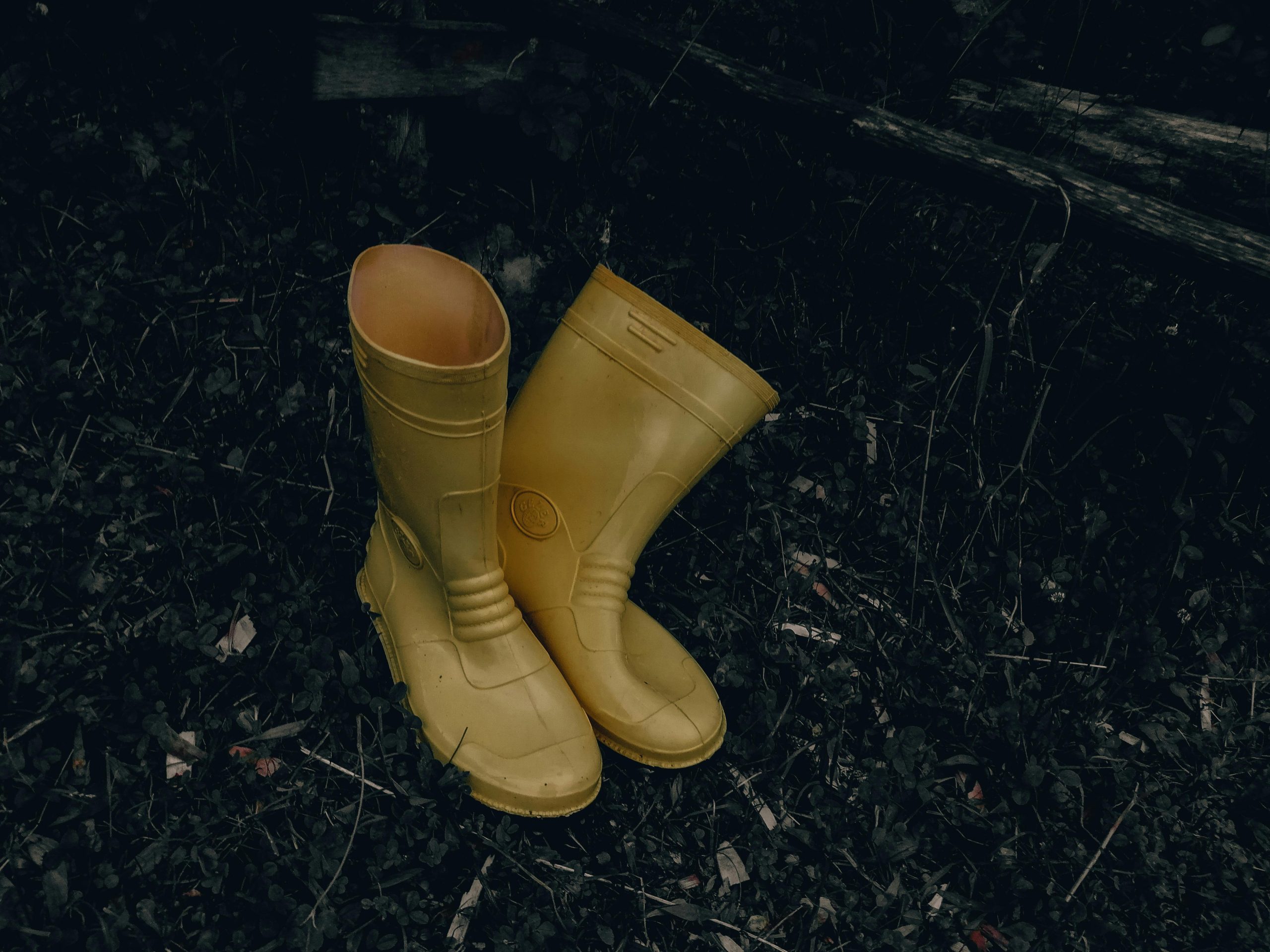
Proper clothing provides an important layer of defense during monsoon-related snake activity. Sturdy boots with thick soles help protect feet from strikes, especially when the ground cover is wet or uneven. Long pants reduce skin exposure and provide limited resistance against fangs. Wildlife experts emphasize that most bites occur on lower legs and ankles. While no clothing guarantees protection, appropriate gear significantly lowers injury risk. Avoid sandals or thin trail shoes during monsoon hikes. Protective clothing also improves confidence, allowing hikers to move carefully rather than rushing through snake-prone areas during warm, wet conditions.
4. Give snakes space and never attempt handling
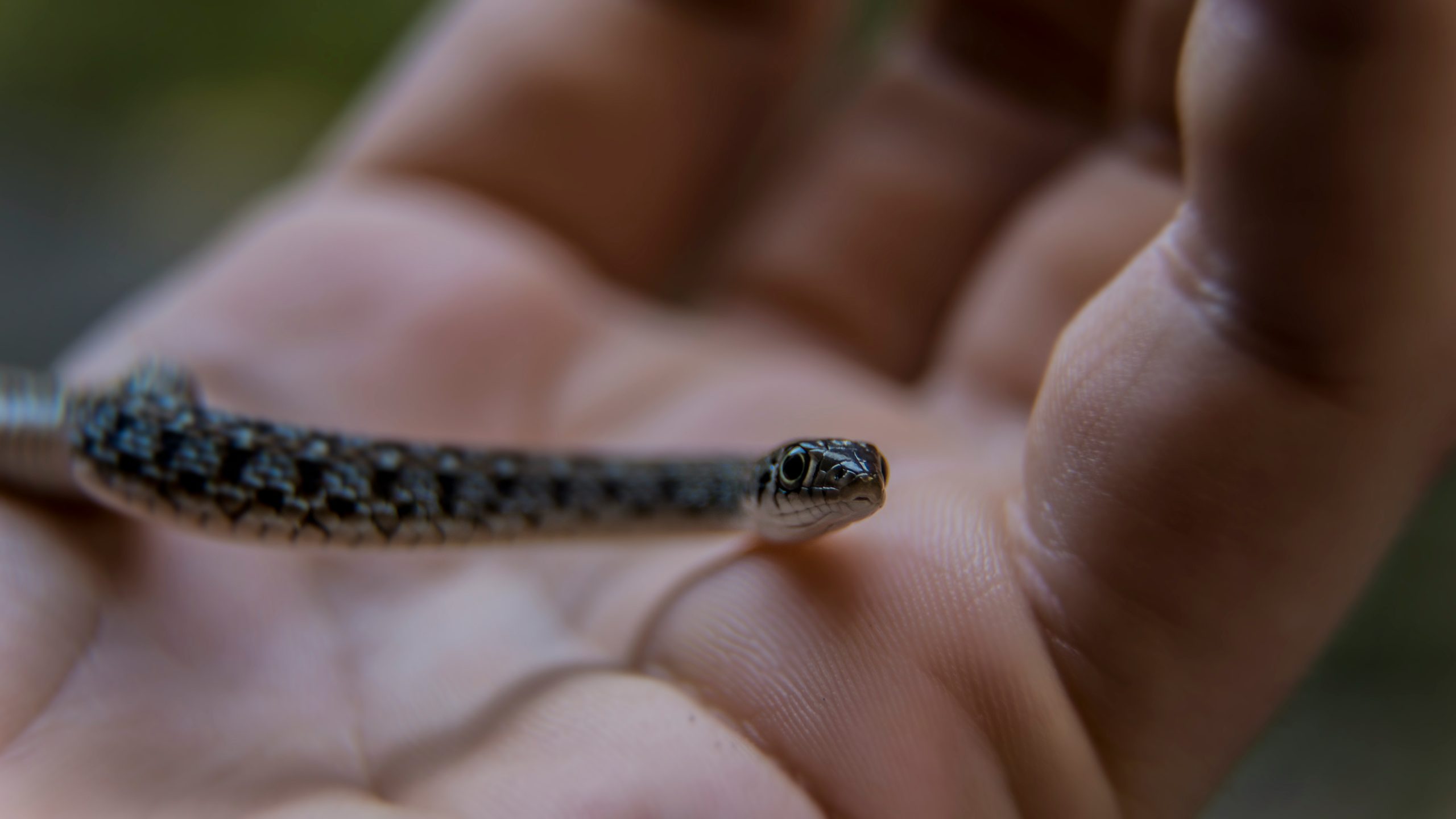
Monsoon season increases snake movement, but it does not make snakes aggressive. Most bites occur when people attempt to move, kill, or photograph snakes too closely. Snakes rely on camouflage and will often remain still when approached. Backing away slowly and giving the animal space allows it to retreat naturally. Wildlife agencies stress that attempting to handle or harass snakes dramatically increases bite risk. During monsoon months, encounters may be more frequent, but calm behavior remains the safest response. Respecting distance protects both people and wildlife.
5. Learn regional species and emergency response steps
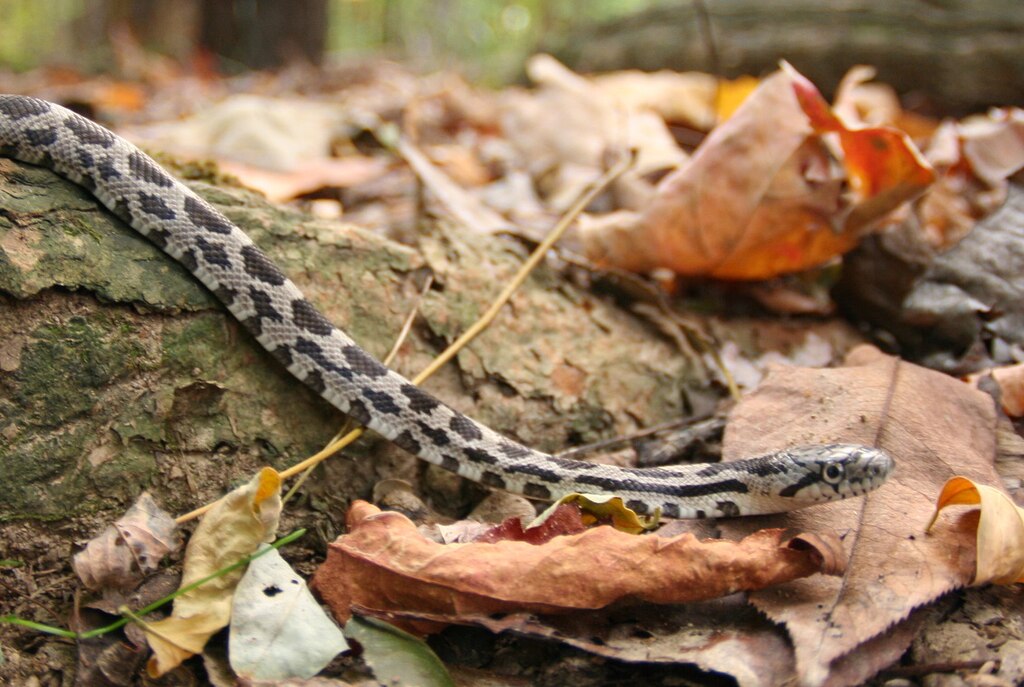
Knowing which snake species live in your area improves decision-making during encounters. Warm states host a mix of venomous and nonvenomous snakes, each with different behaviors. State wildlife agencies provide identification guides and bite response protocols. Understanding basic first-aid steps, such as immobilizing the affected limb and seeking medical care promptly, is critical. Avoid myths like cutting wounds or using suction devices. Preparation reduces panic and improves outcomes. During monsoon season, when encounters spike, informed individuals are better equipped to respond safely and effectively.