Camping in the wilderness offers freedom and adventure, but getting lost is a real risk without proper navigation skills. While GPS devices are convenient, they can fail due to battery life or signal issues. A compass remains one of the most reliable tools for staying oriented. Learning how to use it correctly ensures safety, boosts confidence, and allows you to explore independently. Here are five simple, essential steps to use a compass effectively while camping.
1. Understand the Compass
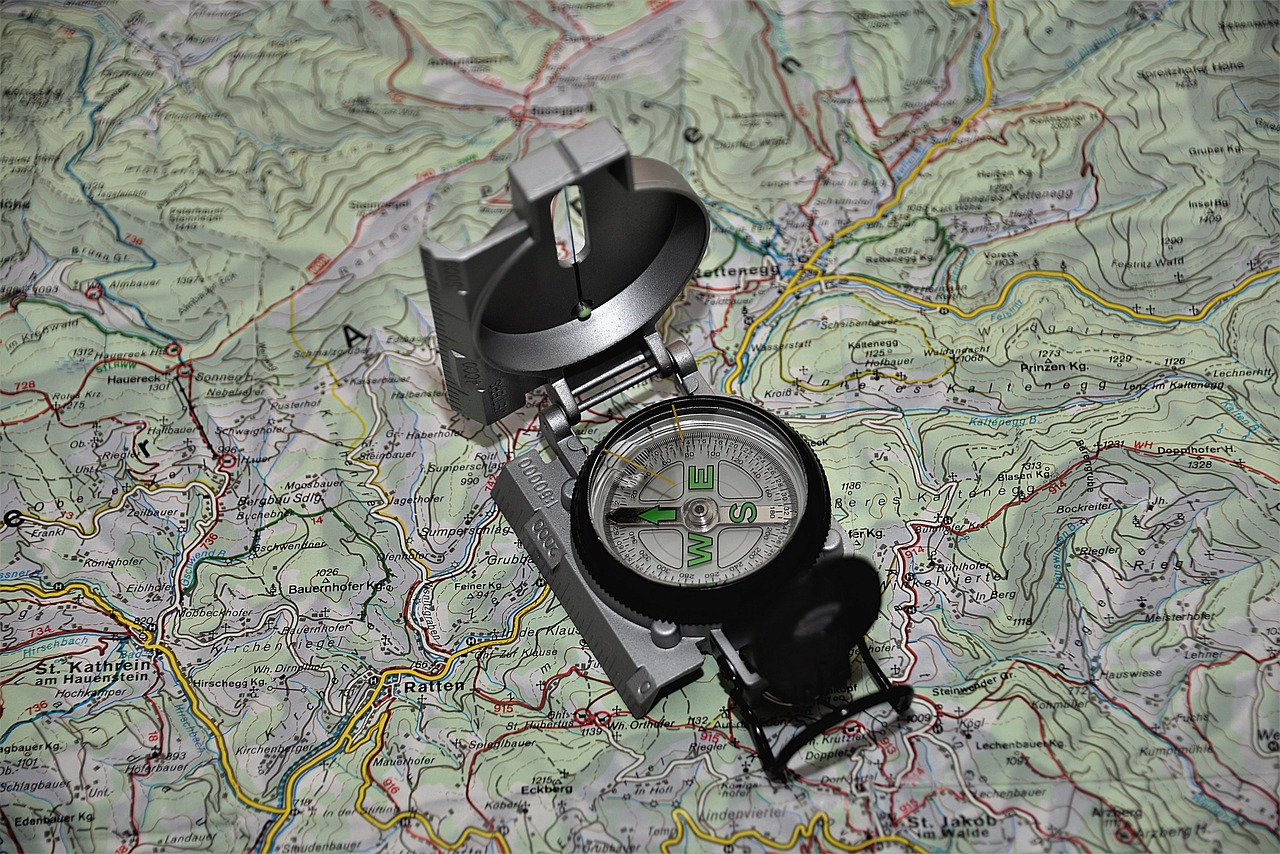
Before stepping into the wilderness, it’s important to know the parts of your compass and how they work. A standard compass includes a magnetic needle, a rotating dial, a direction-of-travel arrow, and sometimes a sighting mirror for precise alignment. The needle always points north, while the dial allows you to set bearings. Some compasses also include declination adjustments to correct for the difference between magnetic and true north. Mastering these basics forms the foundation for accurate navigation anywhere.
2. Hold the Compass Correctly
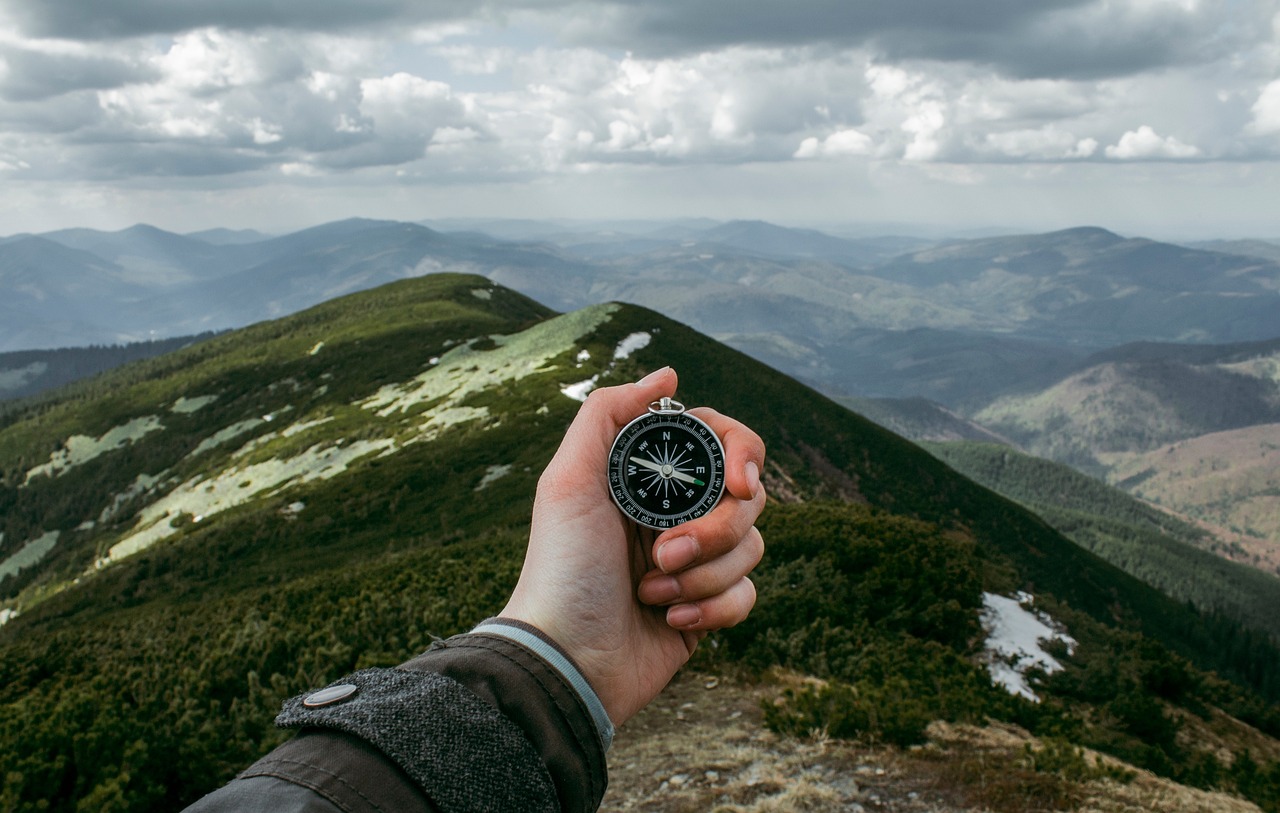
Proper handling is crucial for accurate readings. Hold your compass flat in your hand at waist level so the needle can move freely without obstruction. Keep it away from metal objects, electronic devices, or magnetic sources that can skew readings. Stand still while checking the needle, ensuring it aligns correctly with the orienting arrow. Maintaining the correct angle and level prevents errors and ensures you get reliable bearings, which is essential for safe and confident movement in the outdoors.
3. Set Your Bearing

Once familiar with the compass, it’s time to set your bearing. Point the direction-of-travel arrow at your intended destination. Rotate the dial until the magnetic needle lines up with the orienting arrow. This establishes your course, allowing you to navigate in a straight line even through dense forests or open fields. Double-check the alignment to prevent errors. Correctly setting your bearing is a critical skill that ensures you travel efficiently toward your target location without unnecessary wandering.
4. Follow Your Bearing
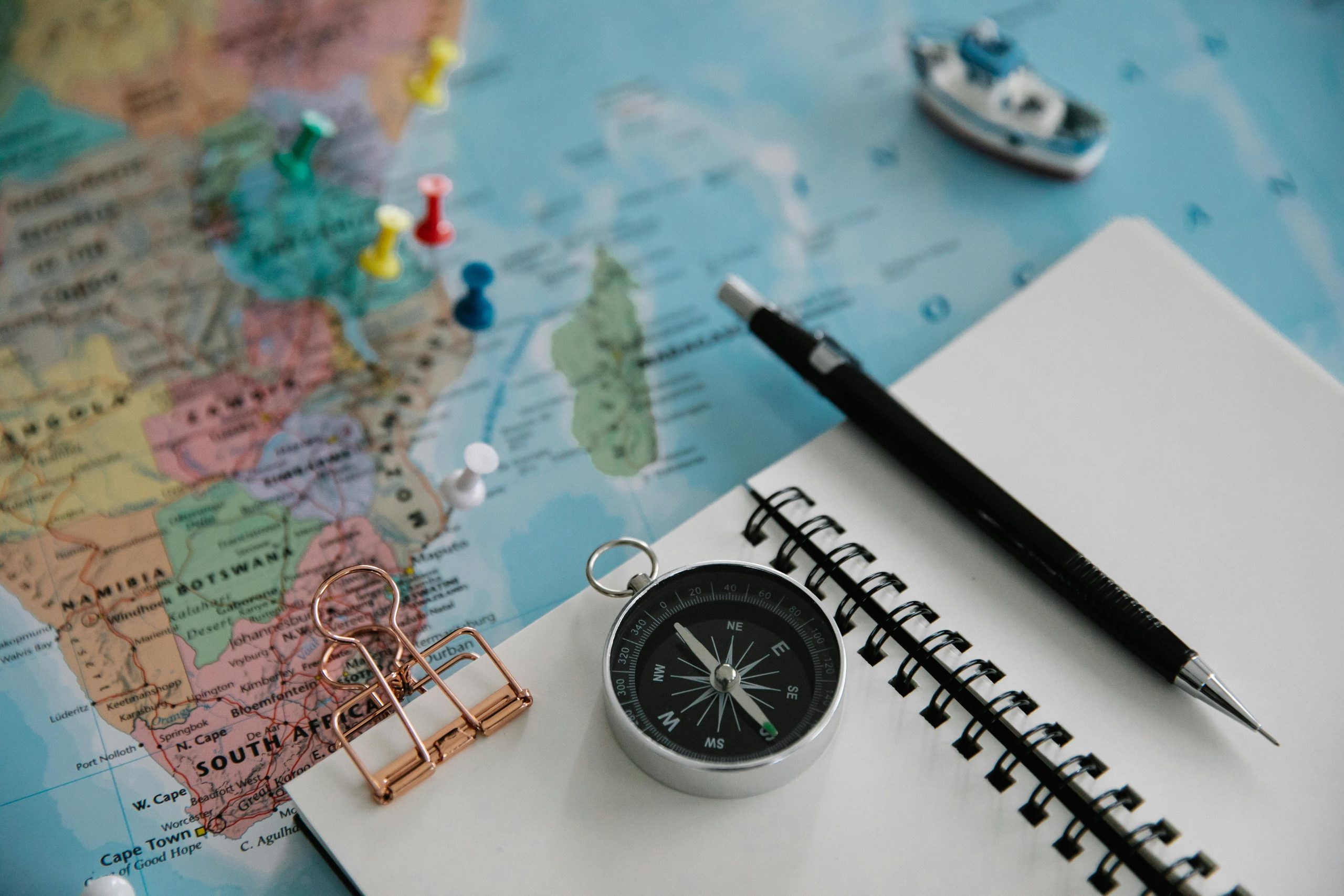
With your bearing set, keep the compass in front of you and walk in the direction indicated by the travel arrow. Continuously monitor the needle to make sure you remain on course. If obstacles require detours, pause to realign your compass and resume your original bearing. Walking with a compass requires attention and focus, but it becomes intuitive with practice. Following your bearing accurately allows you to move confidently through unfamiliar terrain, ensuring you reach your destination safely and efficiently.
5. Use Landmarks for Confirmation

Even with a compass, confirming your route with visual landmarks is important. Identify prominent features such as mountains, rivers, or trees to verify your position and ensure you’re maintaining the correct path. Landmarks help you adjust your course if you drift and reduce the risk of getting lost. Combining compass navigation with natural references enhances accuracy, builds confidence, and allows you to enjoy the journey. This dual approach makes camping and hiking safer and more rewarding.