Safety rules exist for genuinely good reasons. They are written in response to real incidents, real injuries, and real deaths, and the instinct to codify protective behavior into repeatable guidelines reflects something deeply sensible about how humans manage risk collectively. The problem arises when rules designed for one context get applied rigidly to situations they were never built to address, or when following a guideline to the letter produces outcomes that contradict the spirit behind it entirely. Some safety rules, through a combination of oversimplification, outdated science, or failure to account for individual variation, end up causing the very harm they were designed to prevent. Others create a false sense of protection that leads people to underestimate genuine risk because they believe compliance equals safety. The gap between a rule that sounds protective and one that actually is protective is wider than most people examine carefully, and the consequences of that gap are measurable in emergency rooms, wilderness rescue statistics, and documented incident reports. The five examples below are not arguments against safety thinking. They are arguments for safety thinking that is honest, specific, and willing to follow evidence wherever it leads rather than wherever comfort prefers.
1. The 10 Percent Rule for Hiking Mileage Increases

The 10 percent rule is one of the most widely repeated guidelines in endurance sports and hiking communities, advising athletes and hikers to increase weekly mileage or intensity by no more than 10 percent per week to avoid overuse injury. It sounds scientifically precise, carries numerical authority, and has been repeated so consistently across training guides, physical therapy handouts, and outdoor education materials that most people assume substantial research supports it. The evidence base is considerably thinner than that repetition implies. A landmark study published in the British Journal of Sports Medicine examined 874 novice runners and found no statistically significant difference in injury rates between groups following the 10 percent rule and those increasing mileage more aggressively. More problematically, strict adherence to the 10 percent guideline in early conditioning phases produces progression so gradual that many beginners remain in an undertrained state for extended periods, where fatigue from inadequate conditioning actually increases injury risk from poor form and muscular instability. Individual recovery capacity varies by age, sleep quality, nutrition, and baseline fitness in ways a single universal percentage cannot accommodate. Following it rigidly can harm as reliably as ignoring it entirely.
2. Treating Every Blister With Immediate Draining and Covering
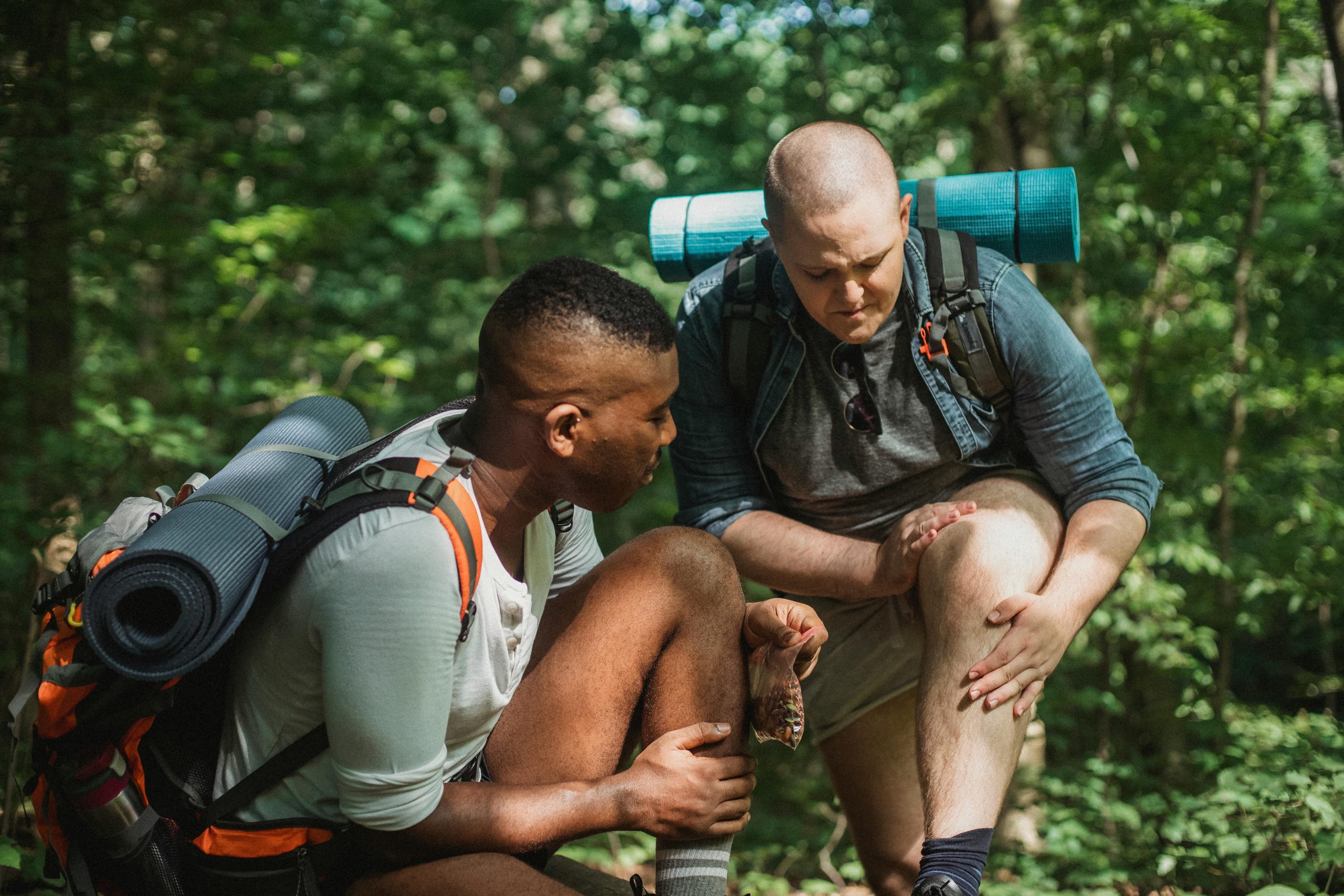
Standard first aid guidance for blisters has long recommended draining fluid, applying antibiotic ointment, and covering with a bandage as the appropriate immediate response to friction blisters encountered during hiking or extended physical activity. This protocol, repeated across wilderness first aid courses, outdoor education programs, and general medical handouts, creates a specific and measurable harm pathway when applied without important contextual judgment. Intact blister fluid creates a sterile biological barrier over damaged skin that provides meaningful infection protection and cushioning while the underlying tissue heals. Puncturing that barrier in field environments where sterile technique is difficult to maintain introduces bacteria to a wound site that was previously sealed. The CDC estimates that improper wound management contributes to skin infection complications in a significant percentage of outdoor-related medical incidents. In backcountry settings more than 4 hours from medical care, an infected blister that began as a manageable nuisance can progress to cellulitis requiring systemic antibiotics within 24 to 48 hours. Draining blisters reflexively, without assessing sterility of tools and environment, converts a self-resolving minor injury into an actively managed wound with genuine complication risk that the original guideline was designed to prevent rather than create.
3. Always Shelter in Place During Lightning Storms
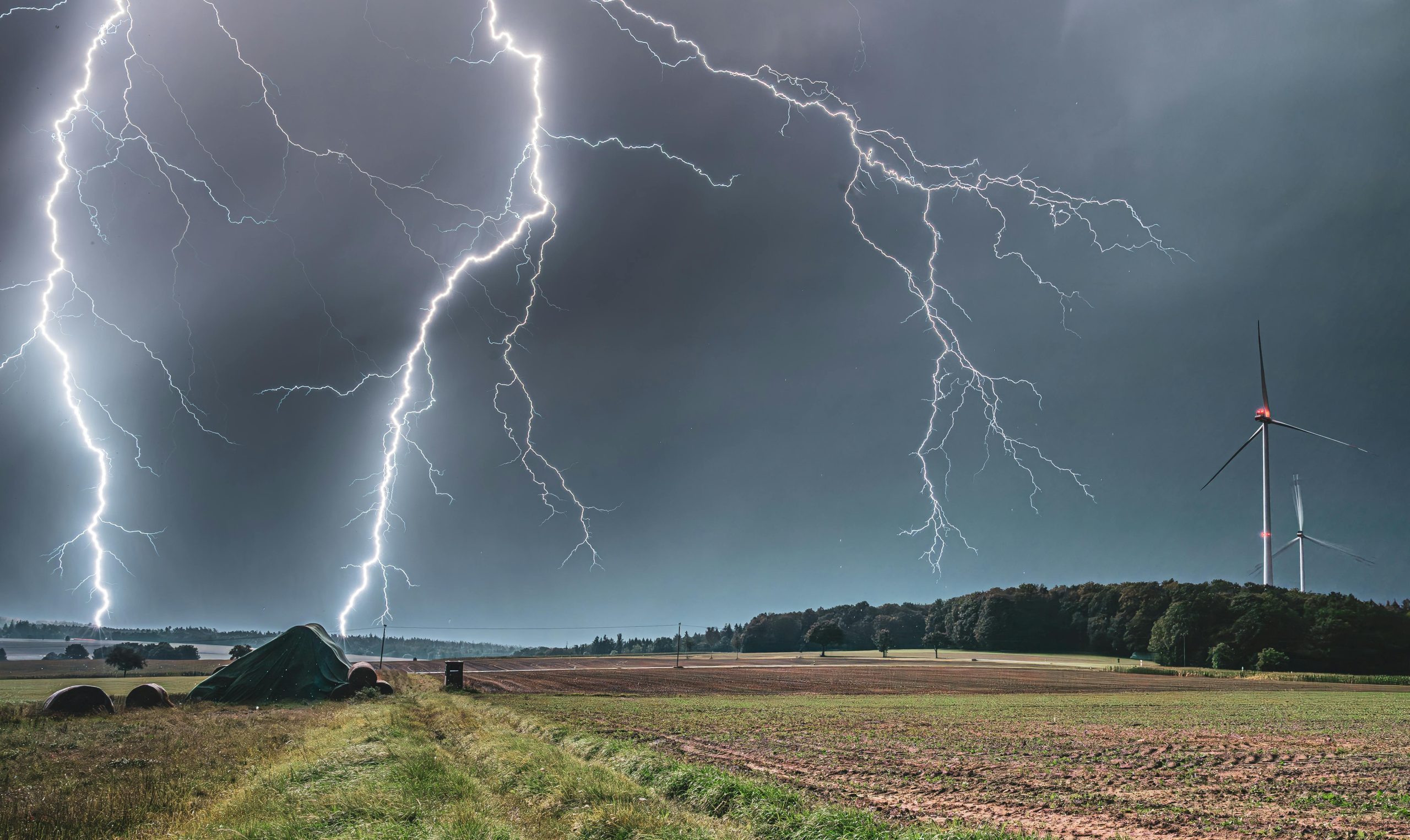
Shelter in place is the foundational lightning safety instruction delivered across outdoor education programs, summer camps, and wilderness guides, advising people caught in open terrain during electrical storms to seek immediate shelter and remain stationary until the storm passes. For urban environments with substantial permanent structures, the advice is sound and protective. Applied to backcountry wilderness settings without qualification, it produces dangerous outcomes with measurable frequency. The primary problem is destination specificity. A hiker instructed to shelter in place may remain stationary under a tall isolated tree, inside a shallow rock overhang, or in a low depression that collects ground current, all of which represent configurations that increase rather than decrease lightning strike risk relative to continued movement toward genuinely safer terrain. The National Outdoor Leadership School’s lightning safety protocol specifically warns against sheltering in place as a default response, recommending instead active movement to identify the safest available position based on terrain assessment. NOAA data shows that approximately 49 people die from lightning strikes annually in the United States, with a disproportionate number of incidents involving individuals who had stopped moving in elevated or isolated terrain, believing stationary shelter behavior was protective when their specific location made it actively dangerous.
4. Rationing Water During Wilderness Emergencies

Water rationing is deeply intuitive as a survival response. When supply is uncertain and the next source is unknown, consuming less per hour seems obviously protective, and the logic of extending a limited resource across more time appears straightforward. Wilderness survival instructors, military field manuals, and emergency preparedness guides have historically reinforced this instinct with specific rationing protocols advising reduced consumption to extend available supply. The physiological reality of dehydration progression directly contradicts this approach in most wilderness emergency scenarios. The human body begins experiencing measurable cognitive impairment at just 2 percent dehydration relative to body weight, with reaction time, decision quality, and spatial reasoning all degrading in ways that wilderness navigation and self-rescue specifically depend upon. At 4 percent dehydration, physical performance drops by approximately 20 to 30 percent. Rationing water to extend supply while simultaneously attempting to navigate, signal for rescue, or self-extract produces an increasingly impaired decision-maker operating a progressively failing body. Military survival research, including studies conducted by the US Army Research Institute of Environmental Medicine, consistently concludes that drinking available water to maintain cognitive function and then finding more produces better survival outcomes than rationing water while maintaining a supply reserve that the survivor becomes too impaired to effectively use.
5. Using Ice on Acute Injuries Immediately
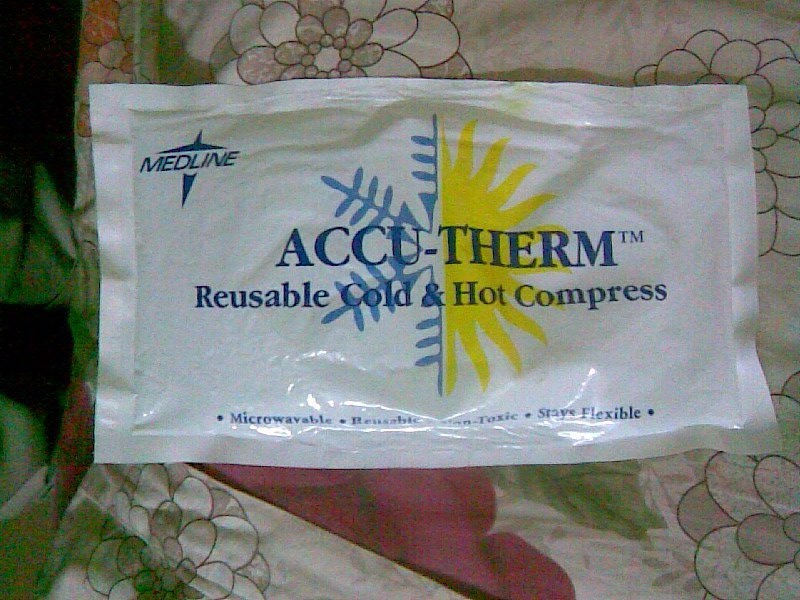
The RICE protocol, an acronym standing for Rest, Ice, Compression, and Elevation, has been the dominant first aid response for acute musculoskeletal injuries, including sprains, strains, and contusions, for approximately five decades. Ice application specifically has been so thoroughly embedded in athletic training culture, emergency medicine education, and general public health guidance that most people treat it as a settled, uncontroversial fact rather than an evolving area of sports medicine research. The protocol’s originator, Dr. Gabe Mirkin, publicly retracted his support for the ice component in 2015, citing accumulating evidence that cold application constricts blood vessels and delays delivery of the inflammatory cells that initiate tissue repair. Inflammation following acute soft tissue injury is not a malfunction, but the body’s intentional repair mechanism, and suppressing it through ice application reduces the inflammatory response that clears damaged tissue and begins the healing cascade. A 2021 systematic review published in the British Journal of Sports Medicine, examining 22 randomized controlled trials found insufficient evidence that ice application produces better recovery outcomes than no ice across acute soft tissue injuries. Recreational hikers and athletes who ice injuries reflexively based on decades-old protocol may be extending recovery timelines by actively interfering with biological processes that the body was already executing correctly without intervention.