
For decades, 9mm was a simple idea: a common handgun cartridge that balanced recoil, capacity, and reliability. Shooters expected consistency, not variety. Today, that simplicity is gone. Modern 9mm loads differ wildly in pressure, bullet construction, velocity, and intended role. What looks identical on the shelf may perform entirely differently once fired. This transformation didn’t happen overnight. It was driven by competition, law enforcement demand, ballistic research, and shifting expectations about performance. The result is a cartridge arms race where manufacturers push limits to stand out. Understanding why the 9mm evolved helps explain how one round became dozens of specialized solutions.
1. Law Enforcement Redefined Performance Expectations
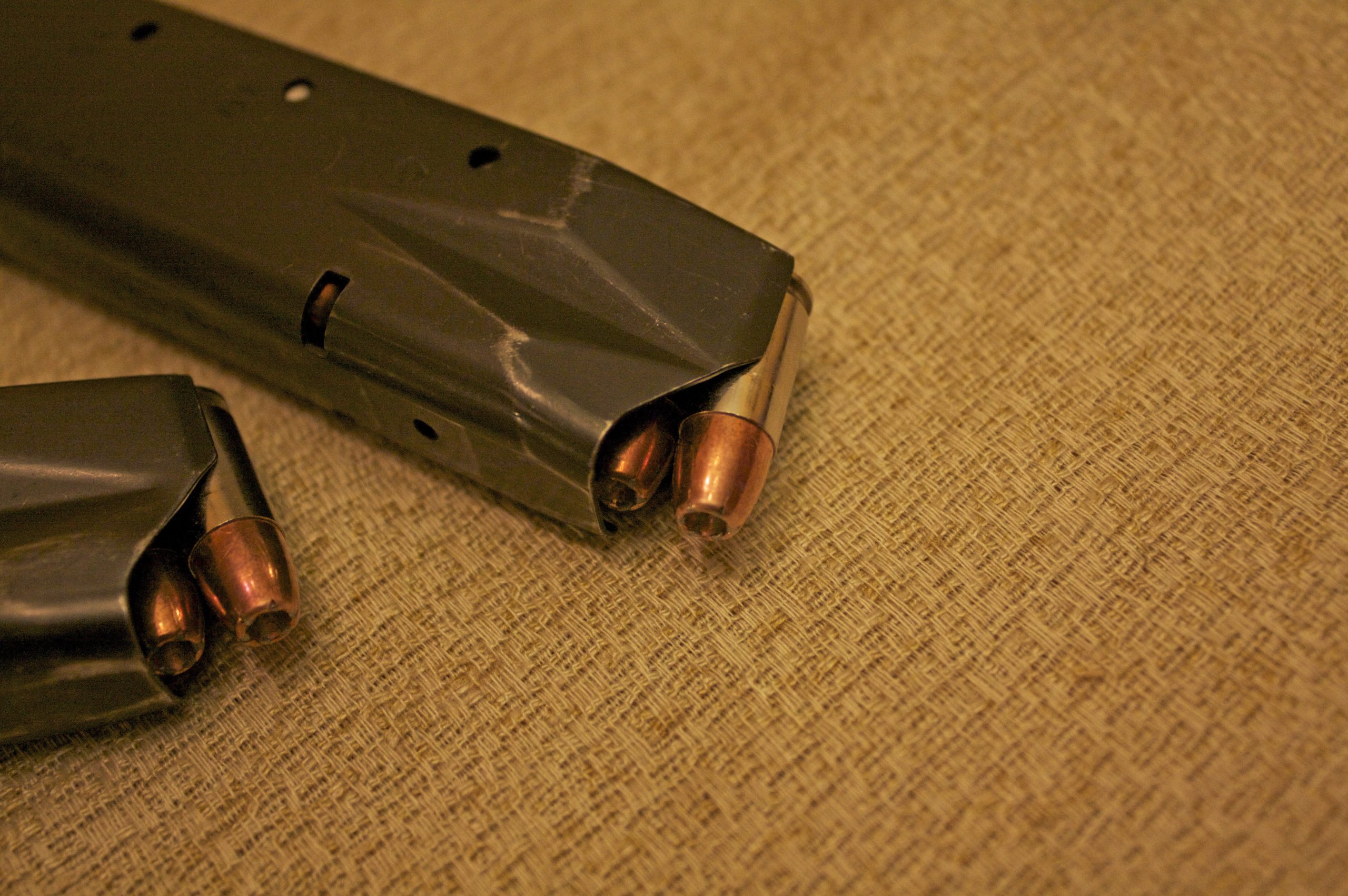
The modern 9mm evolution began when law enforcement agencies demanded better terminal performance without sacrificing controllability. After abandoning larger calibers, agencies pushed ammunition makers to maximize penetration, expansion, and consistency from 9mm platforms. This pressure led to bonded bullets, controlled expansion designs, and barrier-blind performance standards. Ammunition was no longer judged solely by caliber, but by what it could reliably accomplish under stress. Once agencies adopted improved loads, civilian markets followed. Manufacturers began branding performance tiers within the same caliber, turning 9mm into a category rather than a single specification.
2. Bullet Technology Advanced Faster Than Firearms
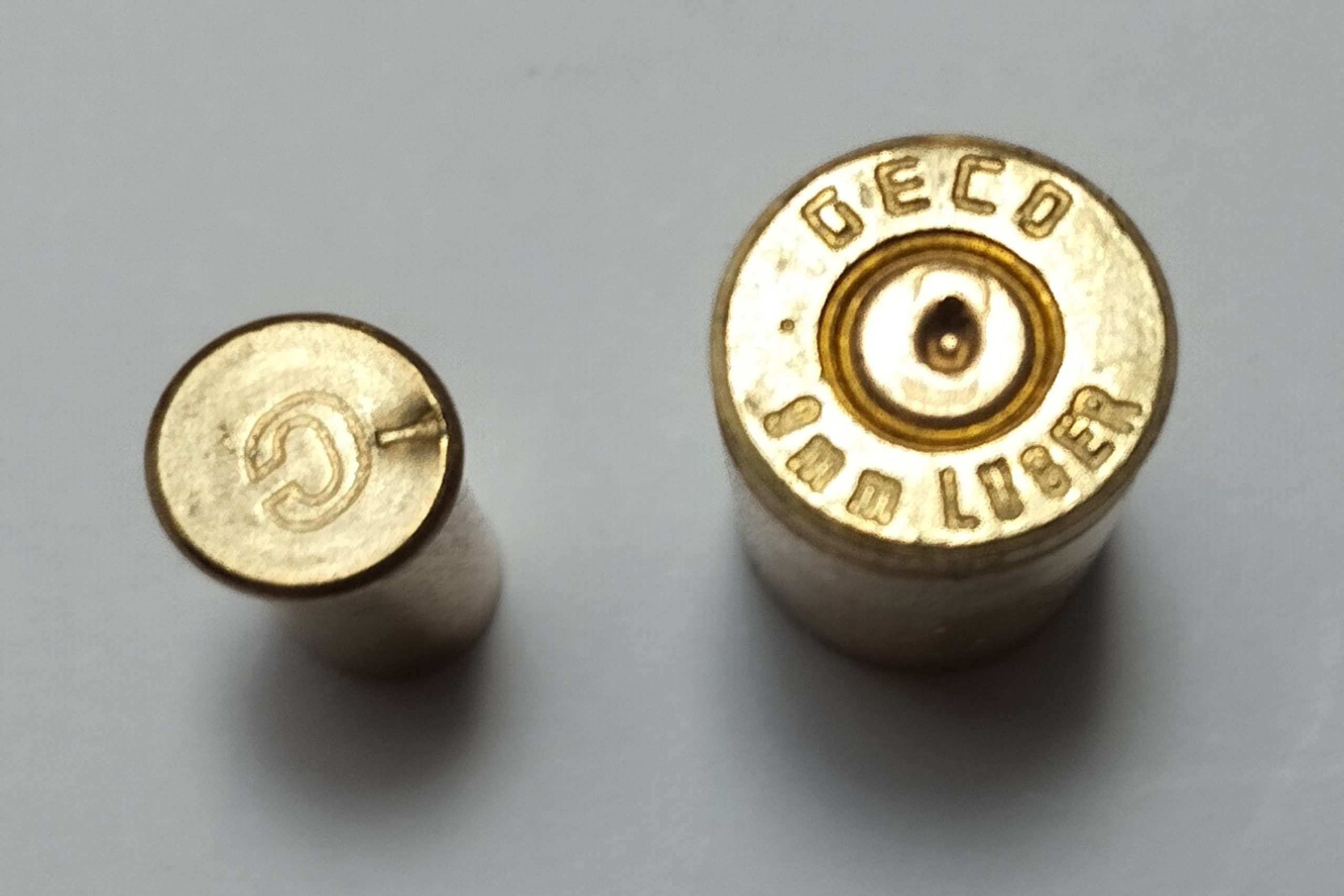
While handgun designs changed slowly, projectile engineering accelerated rapidly. Hollow point cavities, jacket bonding methods, and core materials became more sophisticated. Engineers learned how to tune expansion at specific velocities while maintaining penetration depth. This allowed vastly different performance profiles using the same cartridge dimensions. A 9mm round could now be optimized for short barrels, duty pistols, or competition use. These advances fractured the identity of 9mm, transforming it from a generic round into a platform for ballistic experimentation driven by materials science rather than gun design.
3. Pressure Variants Changed the Playing Field

The introduction and normalization of higher-pressure loadings fundamentally altered 9mm expectations. +P and similar variants increased velocity and energy without changing external dimensions. This created performance gaps between rounds that appeared identical. Shooters now had to consider recoil impulse, firearm compatibility, and wear alongside raw performance. These pressure-based options fueled competition among manufacturers seeking marginal gains. The result was an arms race focused on squeezing more energy from the same case, pushing the boundaries of what 9mm could safely deliver.
4. Competitive Shooting Influenced Ammunition Design
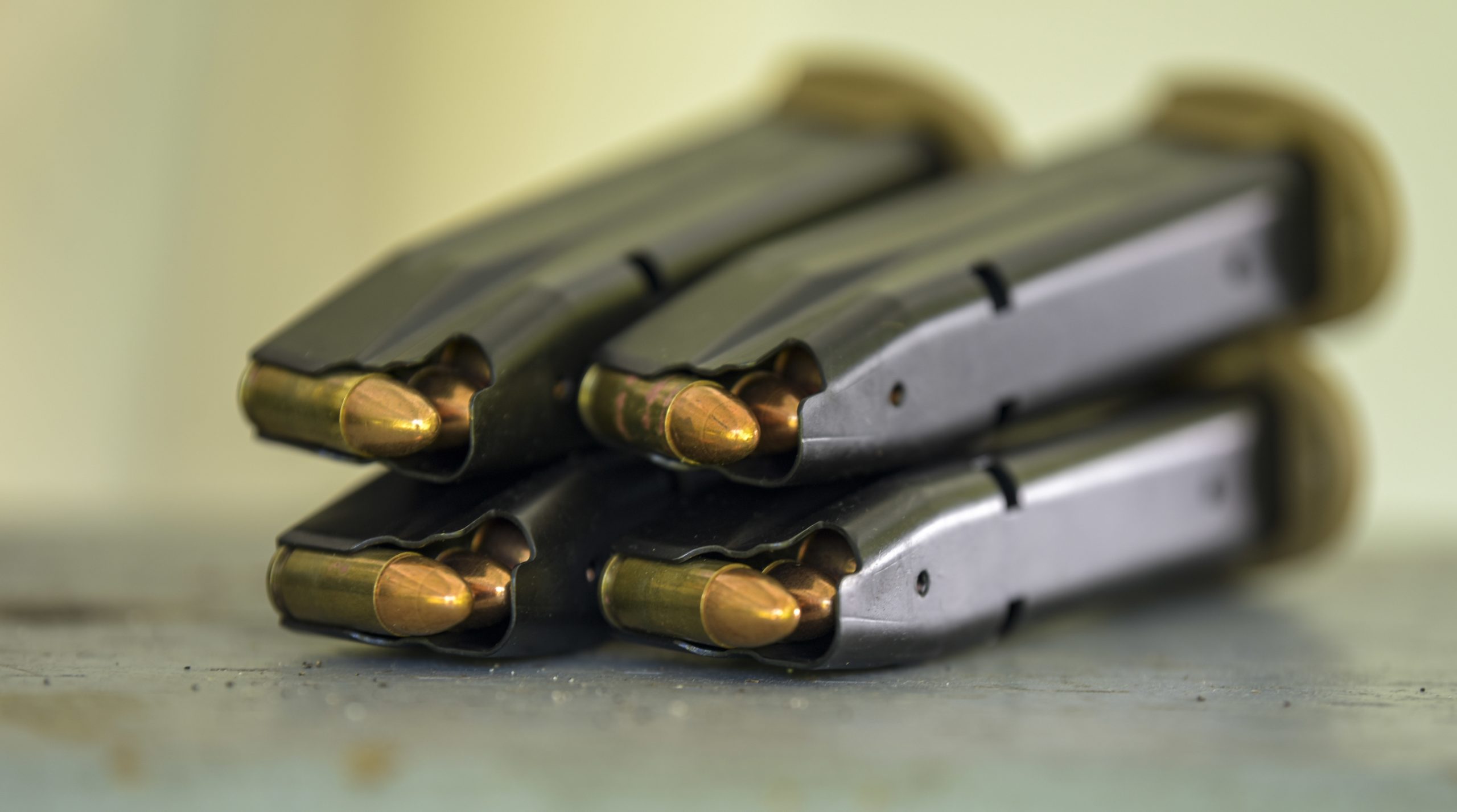
Competitive shooters played a major role in reshaping 9mm identity. Power factor requirements, recoil management, and accuracy demands drove the creation of specialized loads tailored for speed and consistency rather than raw force. Ammunition makers responded with match-grade options that prioritized predictable behavior. These competition-driven designs filtered into the mainstream, adding yet another layer to the 9mm landscape. What began as niche tuning became widely marketed differentiation, reinforcing the idea that not all 9mm is created equal.
5. Marketing Turned Ballistics Into Branding
Once meaningful performance differences existed, marketing amplified them. Ammunition was no longer sold as just 9mm, but as tactical, defensive, duty, or match-grade. Names, packaging, and claims emphasized specialized use cases. This branding race pushed companies to innovate further to justify distinctions. Consumers were encouraged to select rounds based on scenario rather than caliber alone. In the process, 9mm stopped being a single standard and became a family of cartridges competing for relevance within the same dimensions.