Firearm safety is a cornerstone of responsible ownership, yet myths and misconceptions continue to circulate, sometimes with dangerous consequences. Many firearm owners, especially beginners, rely on outdated advice or assumptions that seem logical but compromise safety. Believing these myths can lead to accidents, unsafe handling, or neglect of proper training. In 2026, resources for accurate information are abundant, making it easier than ever to replace old misconceptions with fact-based practices. Understanding the truth about firearm safety empowers owners to handle weapons confidently, responsibly, and without unnecessary risk, while reinforcing habits that protect themselves and those around them.
1. A Gun Is Safe if the Safety Is On
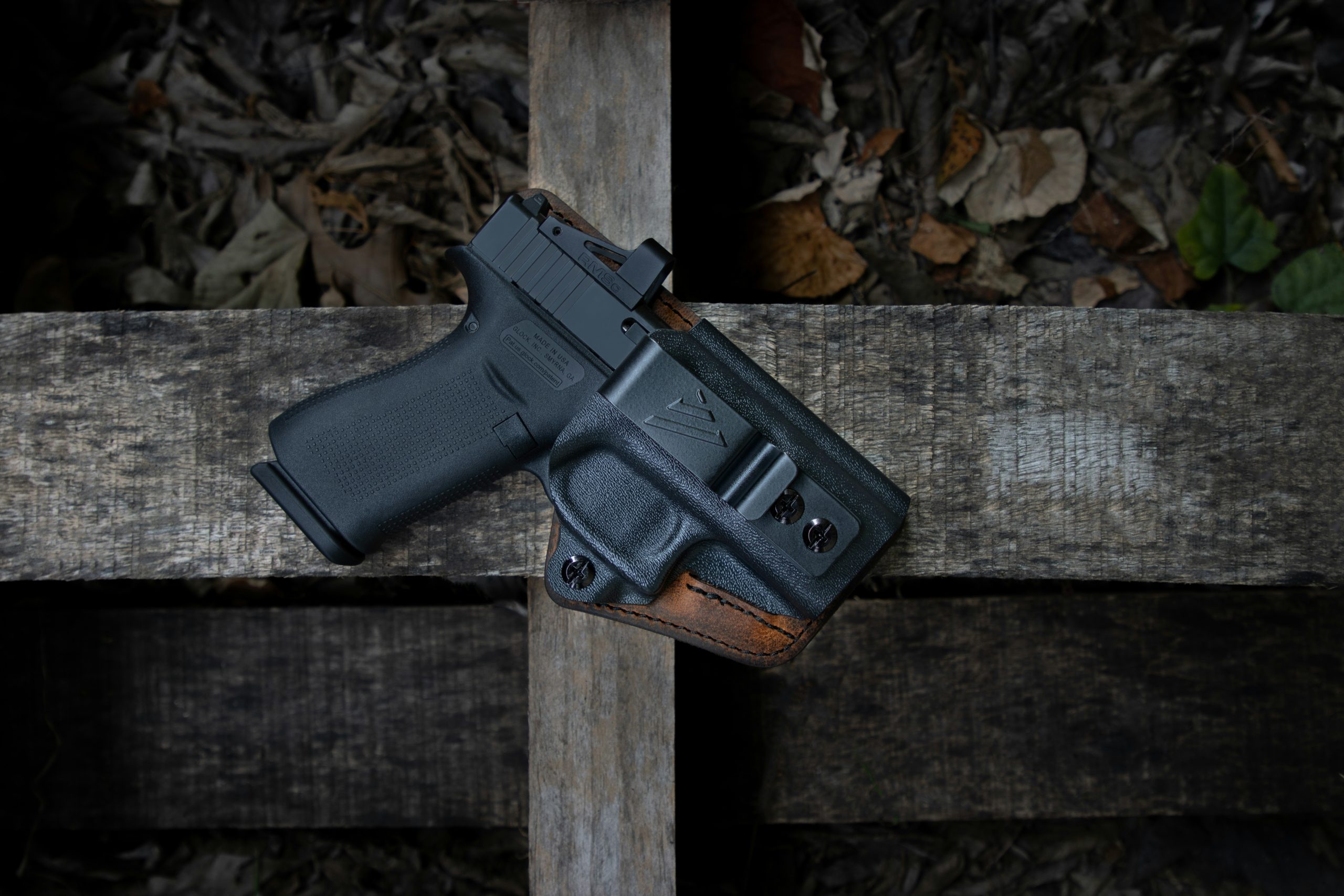
Many assume that engaging a mechanical safety makes a firearm completely safe, but this is misleading. Safeties reduce the chance of accidental discharge but are not failproof. Mechanical devices can break, become worn, or be disengaged unintentionally. A responsible owner treats every firearm as loaded, regardless of the safety position. Reliance on safety alone can create complacency, increasing the likelihood of negligent handling. Modern safety practices emphasize trigger discipline, proper storage, and constant awareness. Understanding that safety is an aid, not a guarantee, prevents accidents and reinforces a culture of personal responsibility around firearms.
2. Finger Only on Trigger When Ready to Shoot
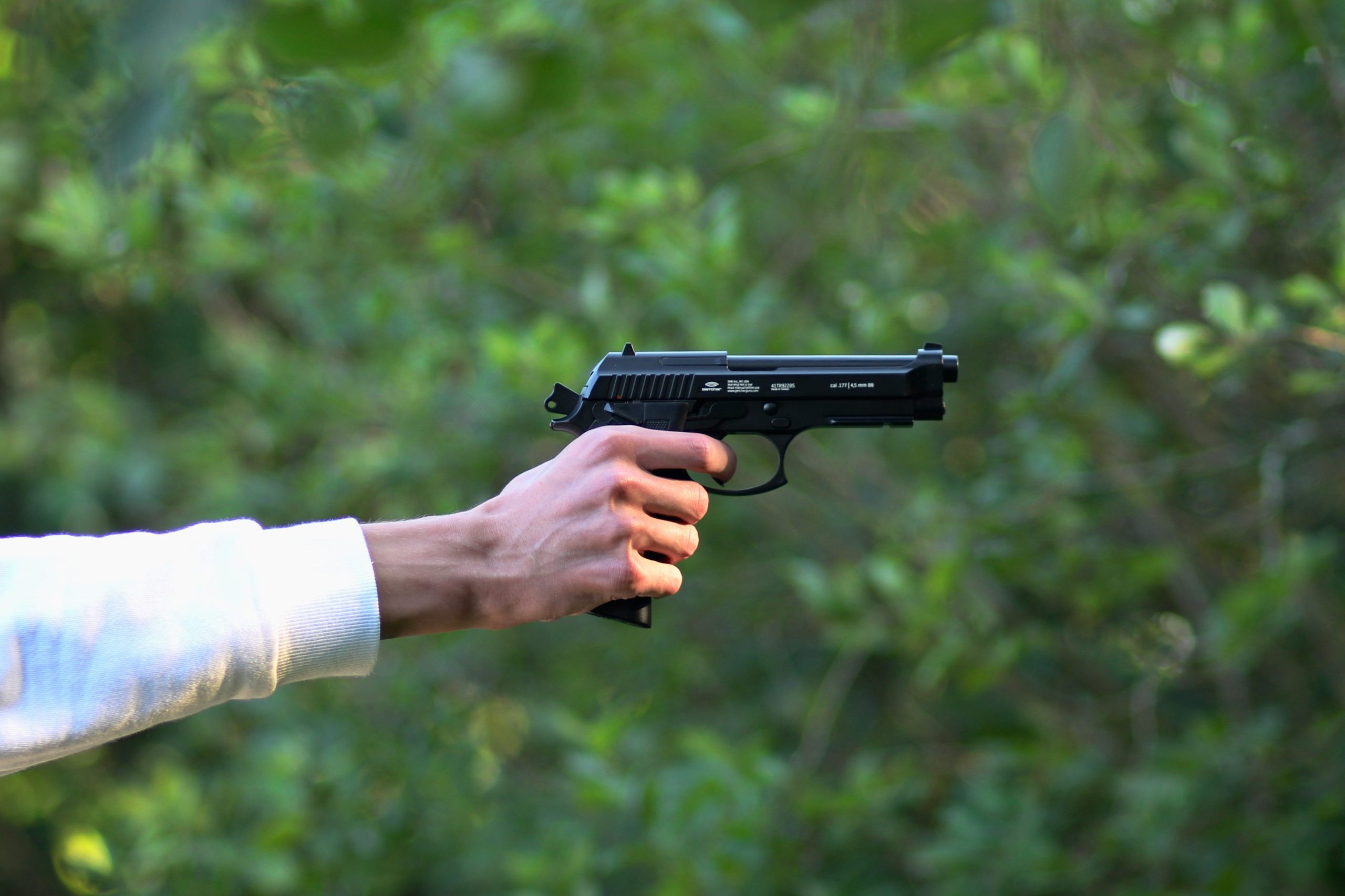
A common misconception is that touching the trigger is acceptable until the exact moment of firing. Proper training teaches that the finger should remain outside the trigger guard until ready to fire. This simple discipline prevents accidental discharges caused by slips, loss of balance, or startle responses. Novice shooters often underestimate how quickly muscle twitches or distractions can lead to unintended firing. Keeping your finger along the frame or slide ensures control and separates thought from action. In all shooting environments, trigger discipline is a fundamental rule that consistently reduces risk, demonstrating that preparation and awareness are more important than momentary convenience.
3. Loaded Guns Are Only Dangerous Around Kids
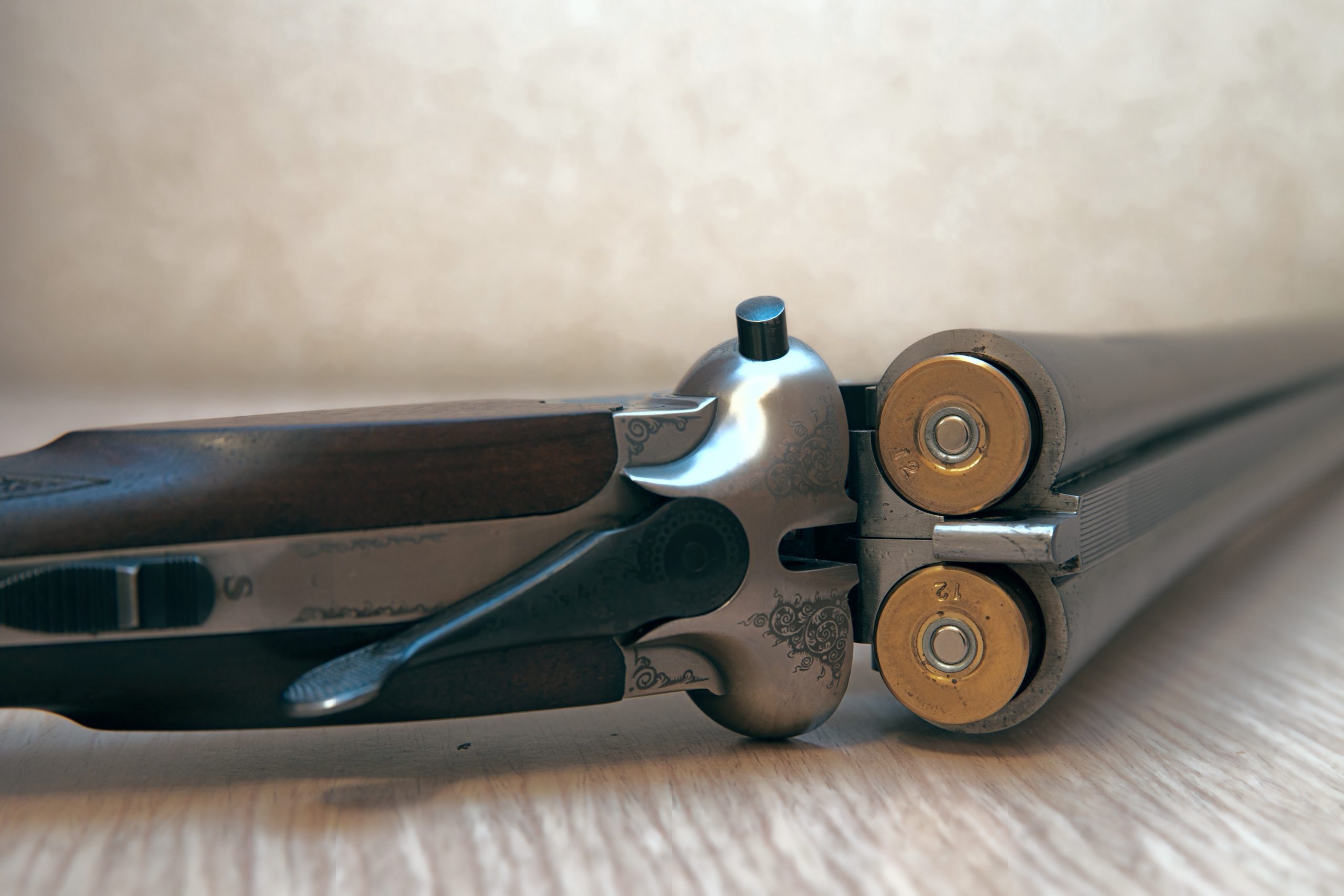
While children are particularly vulnerable, firearms are inherently dangerous to everyone if handled improperly. Accidents can occur among adults due to distraction, fatigue, stress, or improper storage. Treating loaded firearms as dangerous only in specific contexts creates a false sense of security in other environments. Responsible ownership requires consistently applying safety principles regardless of who is present. Storage, chamber checks, and situational awareness should never be overlooked. The mindset that a gun is only risky in certain situations undermines training and preparation, which are essential for preventing accidents both at home and during recreational, professional, or defensive use.
4. Modern Guns Never Jam or Fail
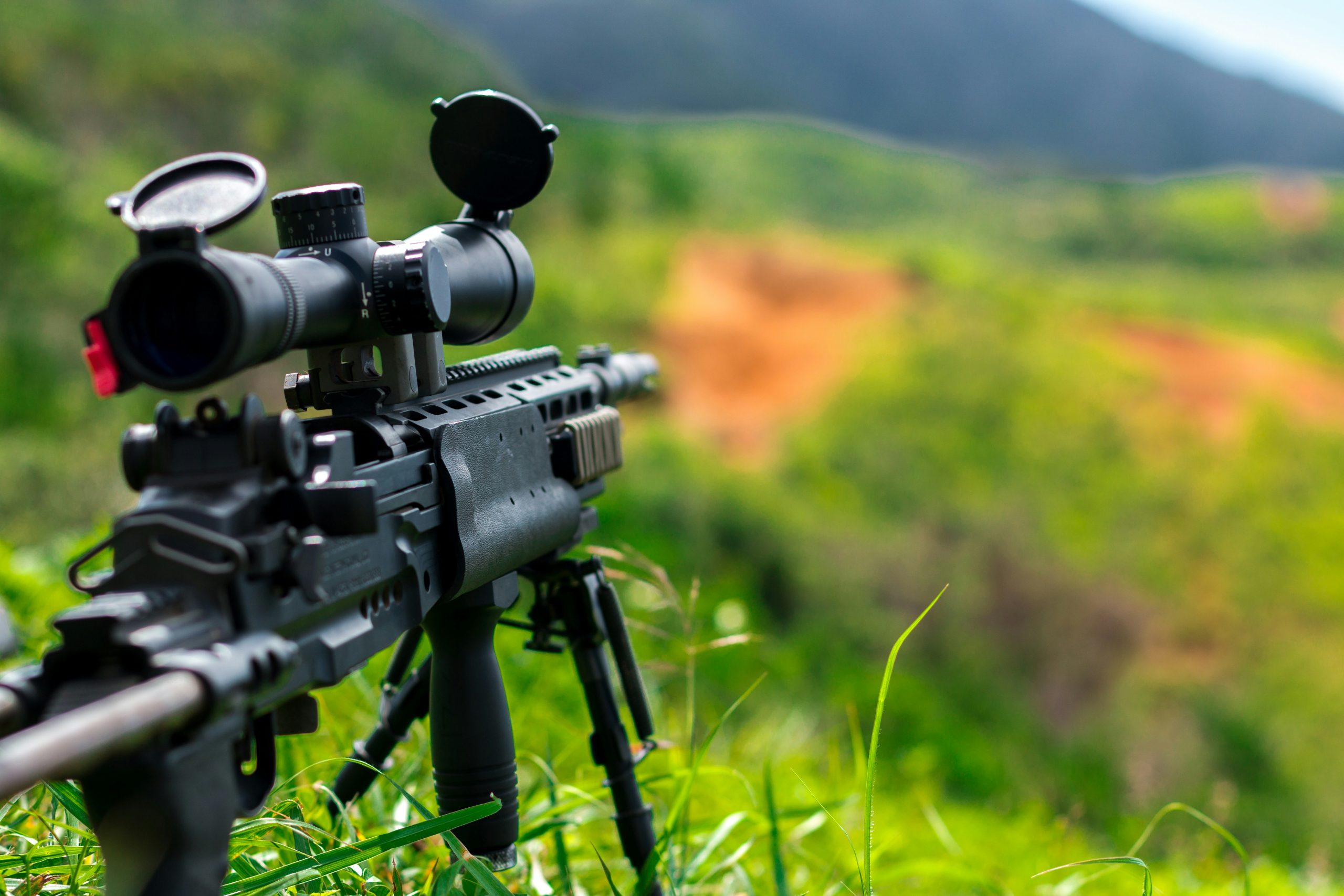
Some firearm owners assume that modern manufacturing and technology eliminate malfunctions entirely. While firearms are more reliable than ever, no mechanical device is perfect. Misfeeds, stovepipes, or worn components can still occur, especially under stress, with poor-quality ammunition, or after inadequate maintenance. Overconfidence in reliability can lead to unsafe handling practices or delayed problem-solving in emergencies. Routine cleaning, inspection, and familiarity with your firearm’s operation remain essential. Accepting that failures are possible prepares owners to respond safely, prevents panic, and reinforces the principle that responsibility and diligence are more important than assuming technology guarantees safety.
5. Training Once Is Enough for Lifelong Safety
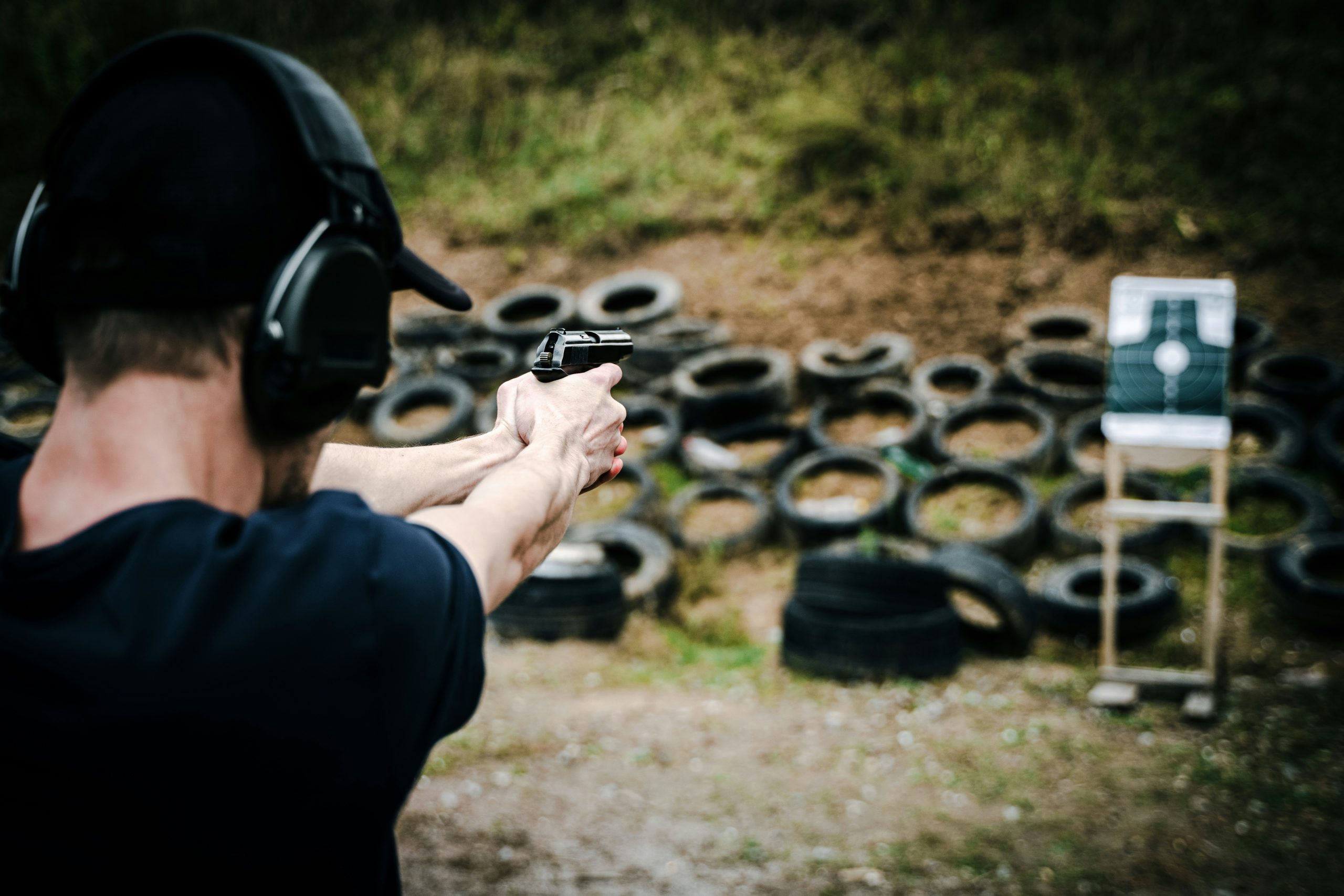
Some owners believe a single class or experience ensures lifelong safe handling, but firearm safety is a skill that requires regular practice. Muscle memory fades, rules evolve, and personal confidence can lead to lapses if skills are not reinforced. Environmental factors, stress, and new firearm models also necessitate continual learning. Ongoing training strengthens reflexes, decision-making, and emergency preparedness. Experienced shooters continue drills and refresher courses throughout their ownership to maintain proficiency. Treating safety as a one-time achievement undermines its importance. Consistent reinforcement transforms knowledge into instinct, ensuring firearms are handled responsibly over the long term, for life.