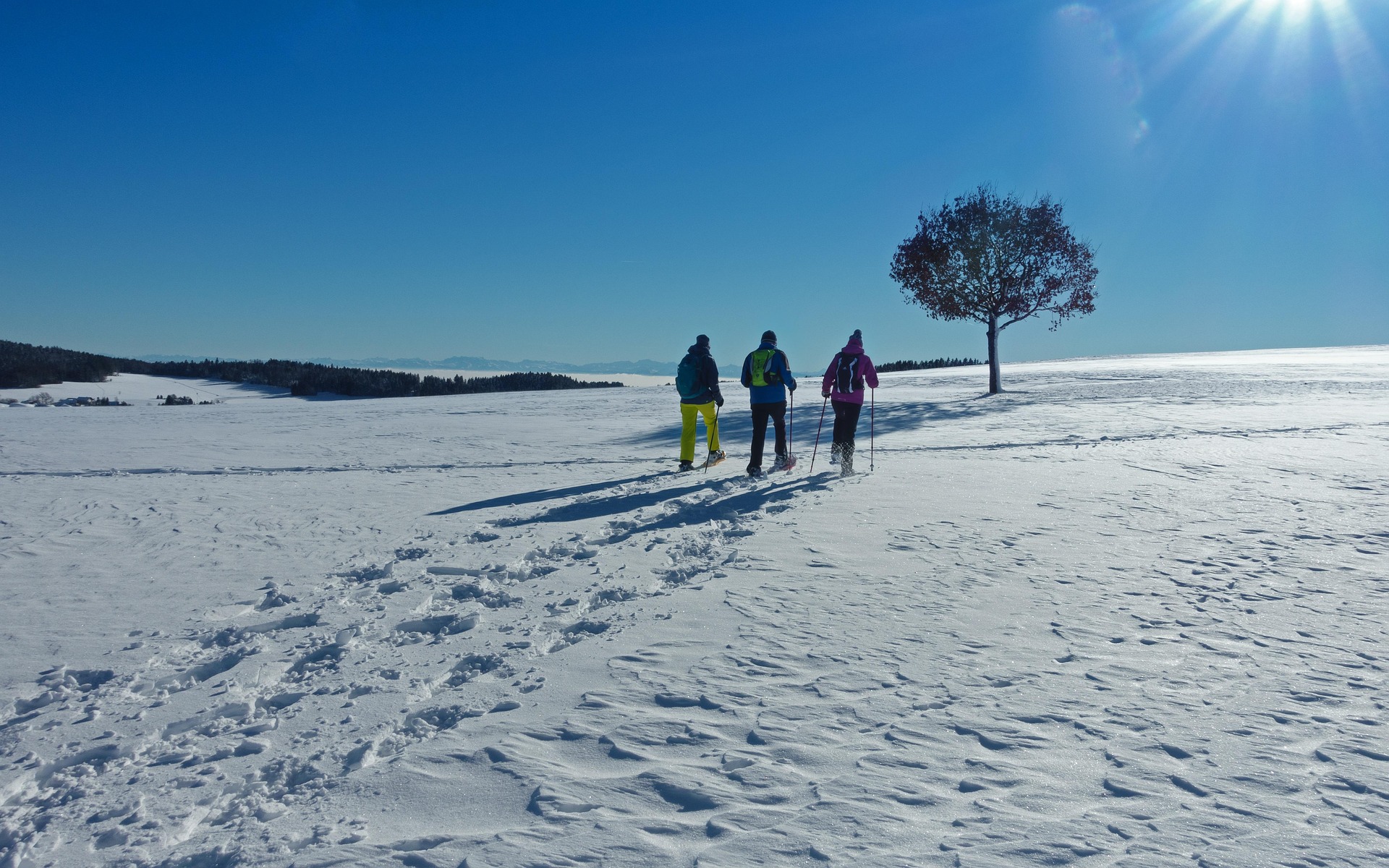
Winter hiking offers quiet landscapes, crisp air, and peaceful scenery, but cold-weather conditions require thoughtful preparation to stay comfortable and safe. Essential gear helps manage low temperatures, changing weather, and slippery terrain. Each item plays an important role in maintaining warmth, stability, and energy throughout the journey. With the right essentials, winter trails become more accessible, enjoyable, and rewarding for hikers of all experience levels.
Insulated Layers

Insulated layers help retain warmth by trapping heat while allowing moisture to escape during movement. A combination of thermal base layers, midweight fleece, and wind-resistant outer shells creates a flexible system for shifting conditions. This setup helps prevent both overheating and chill. Reliable insulation maintains comfort across varying elevations and colder temperatures.
Waterproof Footwear

Waterproof footwear shields feet from snow, slush, and icy runoff, helping prevent discomfort and cold-related issues. Sturdy soles with deep traction provide stability on slick or uneven terrain. Breathable linings improve comfort during long distances, while supportive construction reduces fatigue. Warm, dry feet remain essential for sustained performance on winter trails.
Navigation Tools

Snow-covered landscapes can obscure trail markers, making dependable navigation tools important for staying on course. Maps, compasses, and GPS devices offer layered guidance in areas with limited visibility or altered routes. Carrying more than one option helps ensure accuracy if batteries drain or signals drop. Strong navigation strategies provide confidence in unfamiliar winter terrain.
Emergency Warmth Supplies

Emergency warmth supplies offer protection when temperatures fall faster than expected. Items such as insulated blankets, heat packs, and fire-starting materials help retain body heat during delays or sudden weather changes. Compact designs fit easily into packs without adding significant weight. These tools serve as critical safeguards during long or remote winter excursions.
High-Energy Snacks

High-energy snacks restore calories quickly, supporting the body’s increased demands during cold-weather activity. Dried fruit, nuts, chocolate, and energy bars remain easy to pack and resistant to freezing. Steady calorie intake helps maintain body heat and consistent stamina. Reliable fuel sources keep hikers moving comfortably through winter conditions.