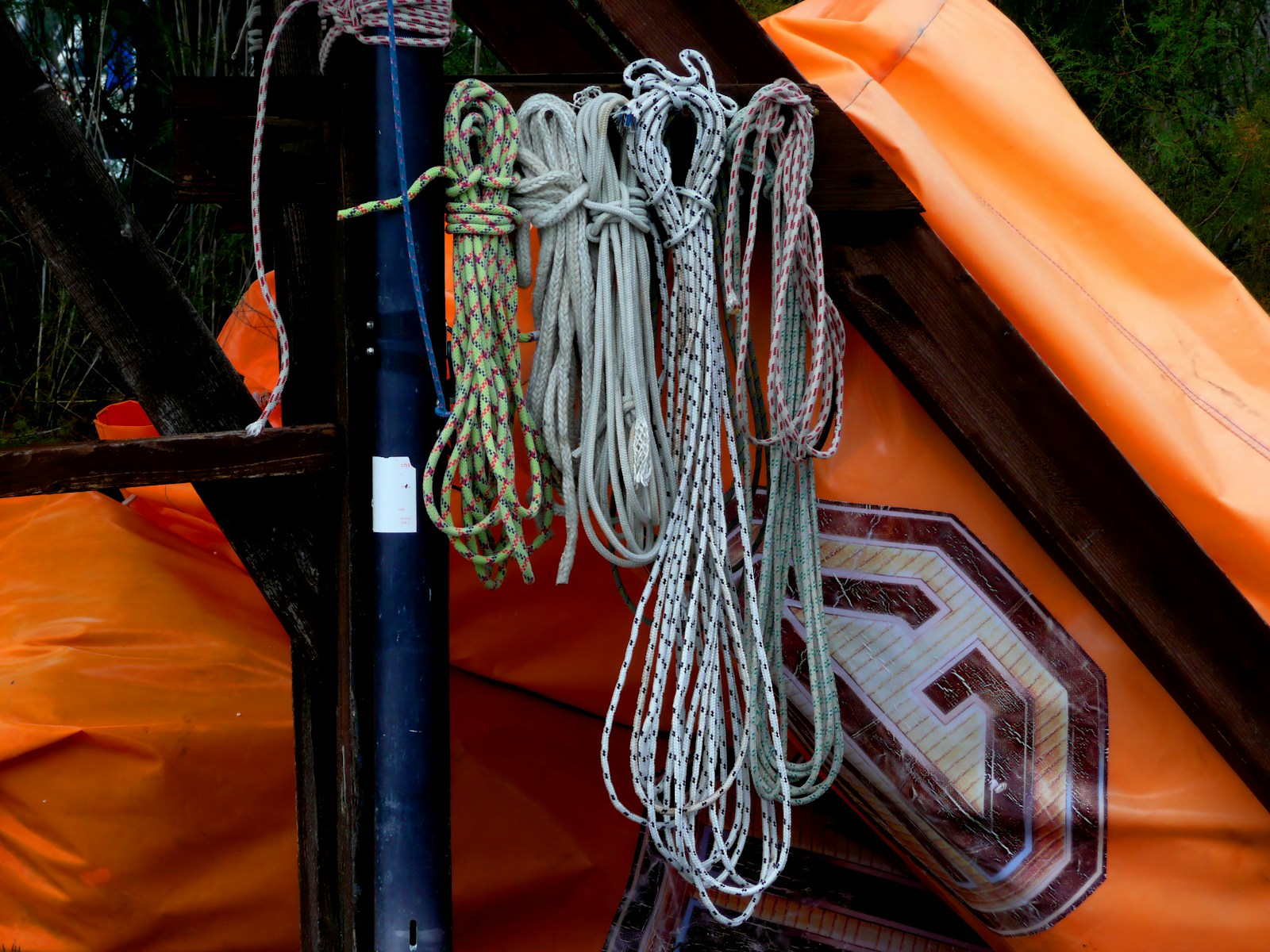
Whether you’re setting up camp, securing gear, or hanging a tarp, knowing how to tie the right knot can make all the difference. The skill may seem old-fashioned, but it remains one of the most useful things you can learn outdoors. The right knot can keep your shelter sturdy, your food safe from wildlife, and your adventures stress-free. Here are five essential knots every camper should master before hitting the trail.
Square Knot
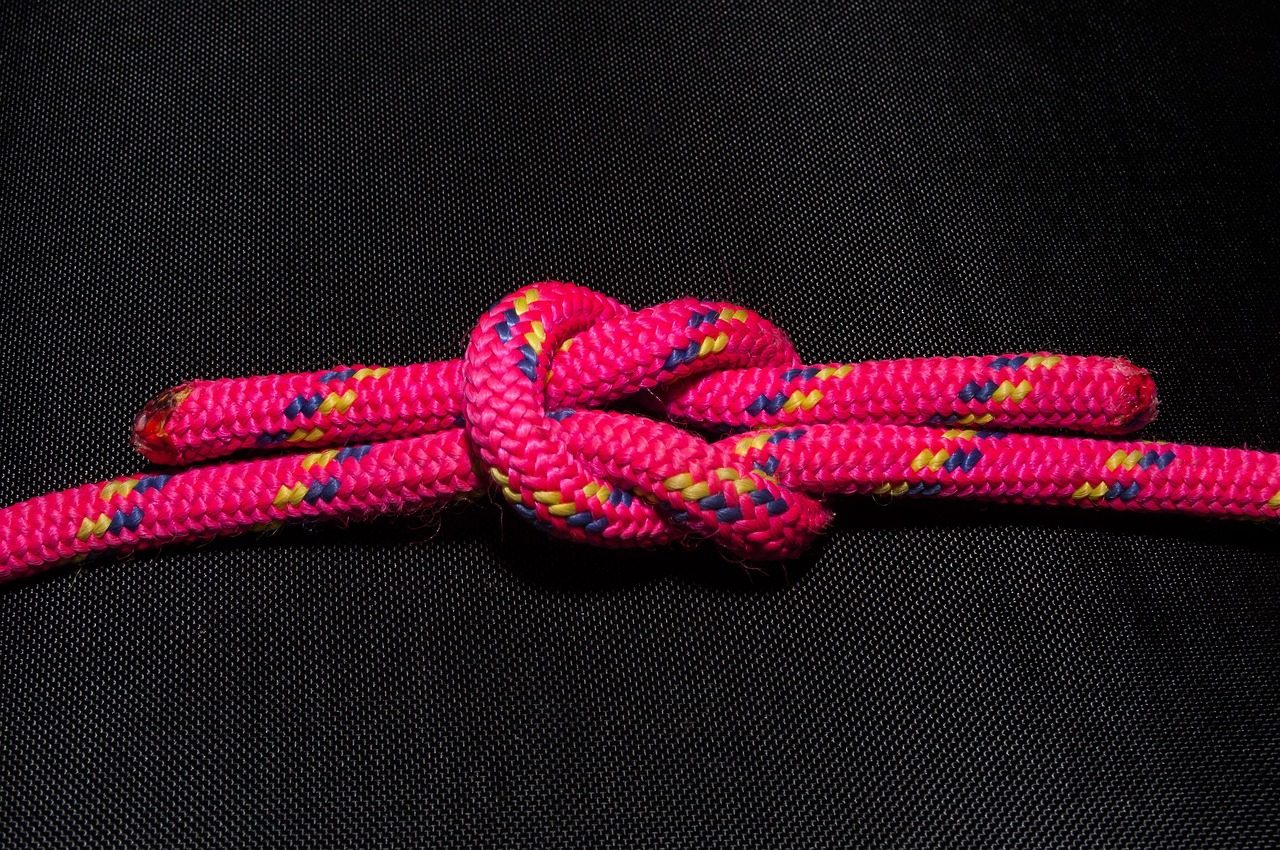
The square knot is one of the most basic yet useful knots for camping. You use it to tie two ropes of the same thickness together securely. It’s perfect for bundling gear or tying bandages, but not ideal for heavy loads. To make one, cross the right end over the left, then the left over the right. Once tightened, it lies flat and holds firm, making it easy to untie when needed.
Bowline Knot
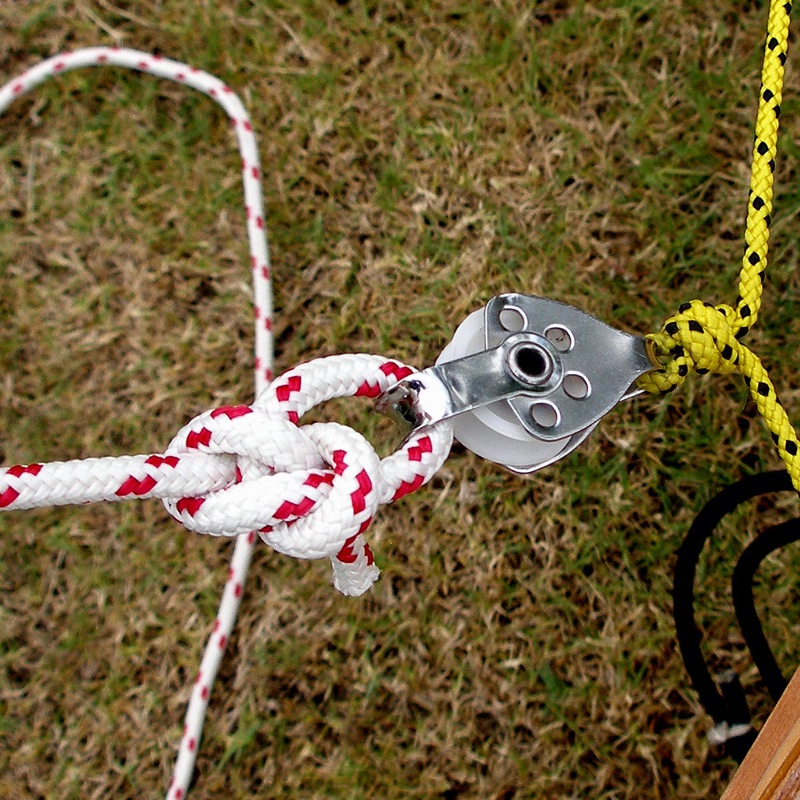
The bowline is often called the “rescue knot” because it forms a secure loop that won’t slip under pressure. This knot is great for tying a rope around a tree, securing tarps, or creating a handle for pulling. To tie it, make a loop, pass the working end through, go around the standing line, and back through the loop. It’s simple to learn and incredibly dependable for camping use.
Clove Hitch
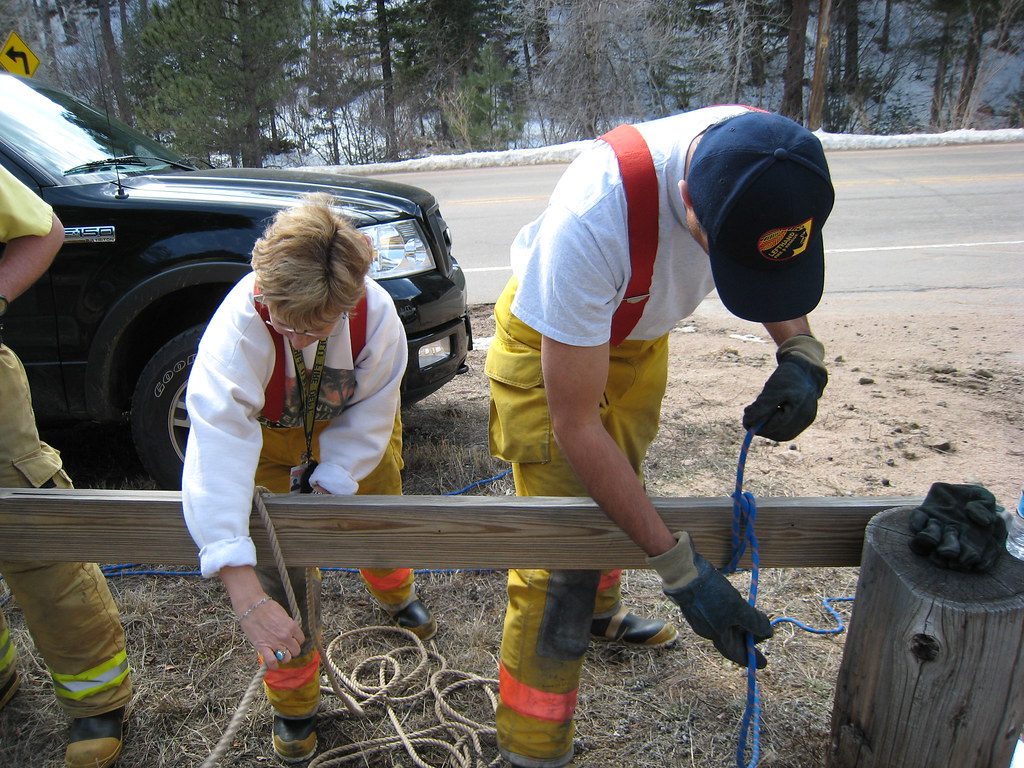
If you need to attach a rope to a post, tree, or tent pole, the clove hitch is your go-to knot. It’s quick to tie and adjust, making it ideal for setting up tarps or clotheslines. You form it by wrapping the rope around the anchor twice, crossing over itself on the second wrap. It holds tension well but can be released with a quick pull, which makes it handy for temporary setups.
Taut-Line Hitch
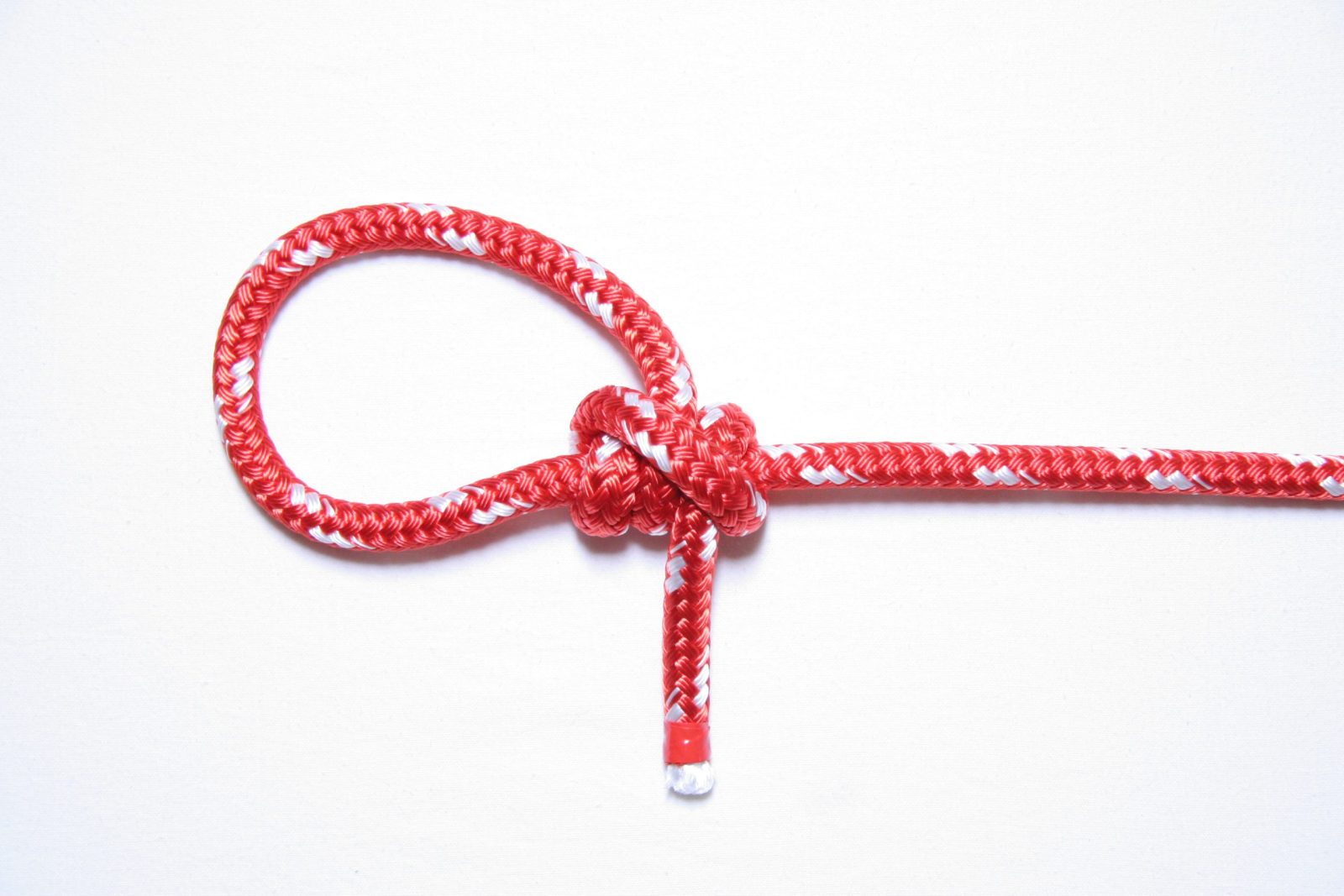
The taut-line hitch is a must for any tent setup. This adjustable knot lets you tighten or loosen a line without untying it, perfect for keeping your tent or tarp taut as weather changes. To tie it, wrap the rope around the stake, make two loops inside the standing line, then one loop outside. Slide the knot to adjust tension. It’s reliable for guy lines and other tension-based tasks.
Sheet Bend
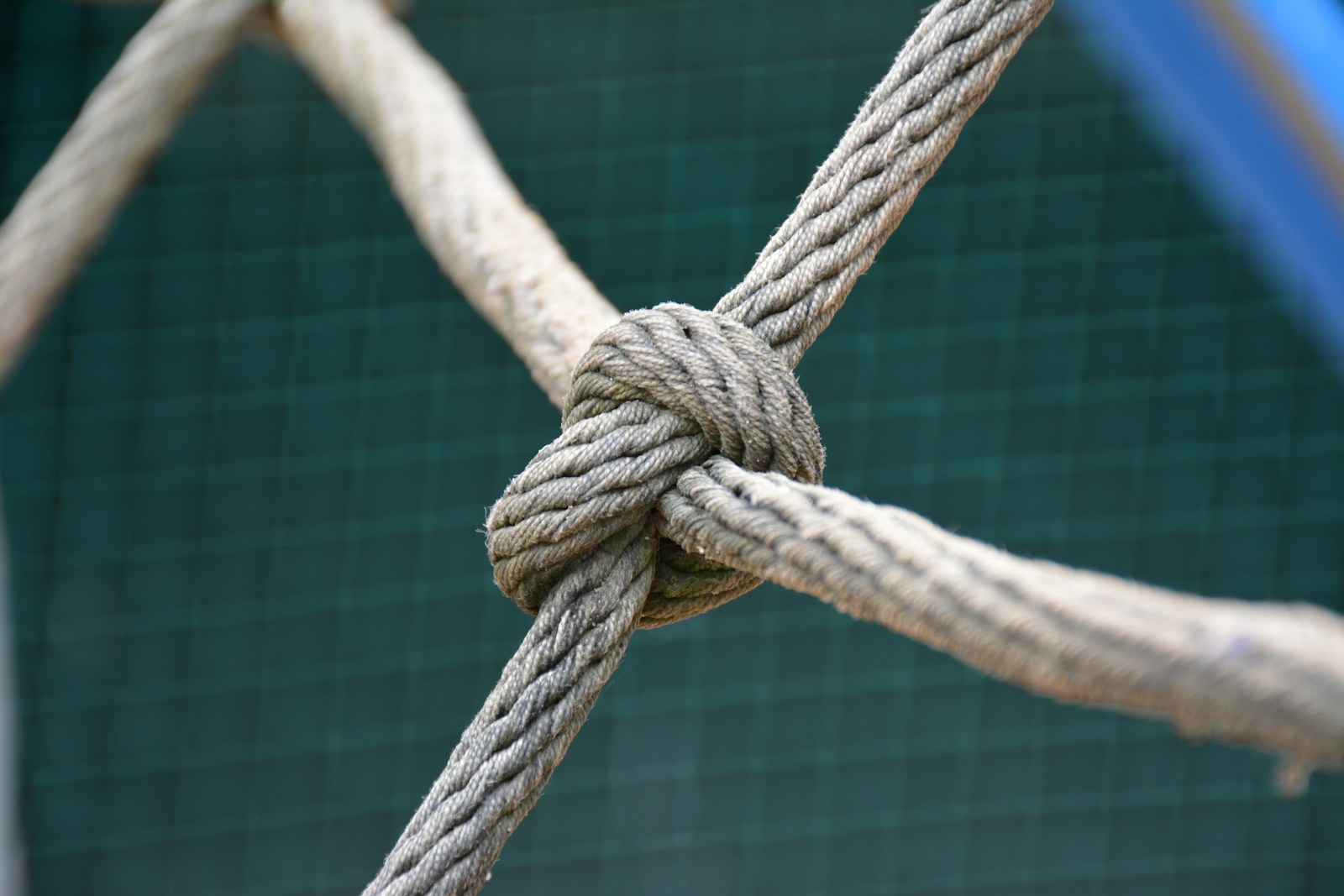
When you need to join two ropes of different thicknesses, the sheet bend is the best option. It’s stronger and more secure than a square knot for ropes of varying sizes or materials. To tie it, form a loop in the thicker rope and pass the thinner one through the loop, around the back, and under itself. The result is a sturdy connection that won’t slip even under strain.