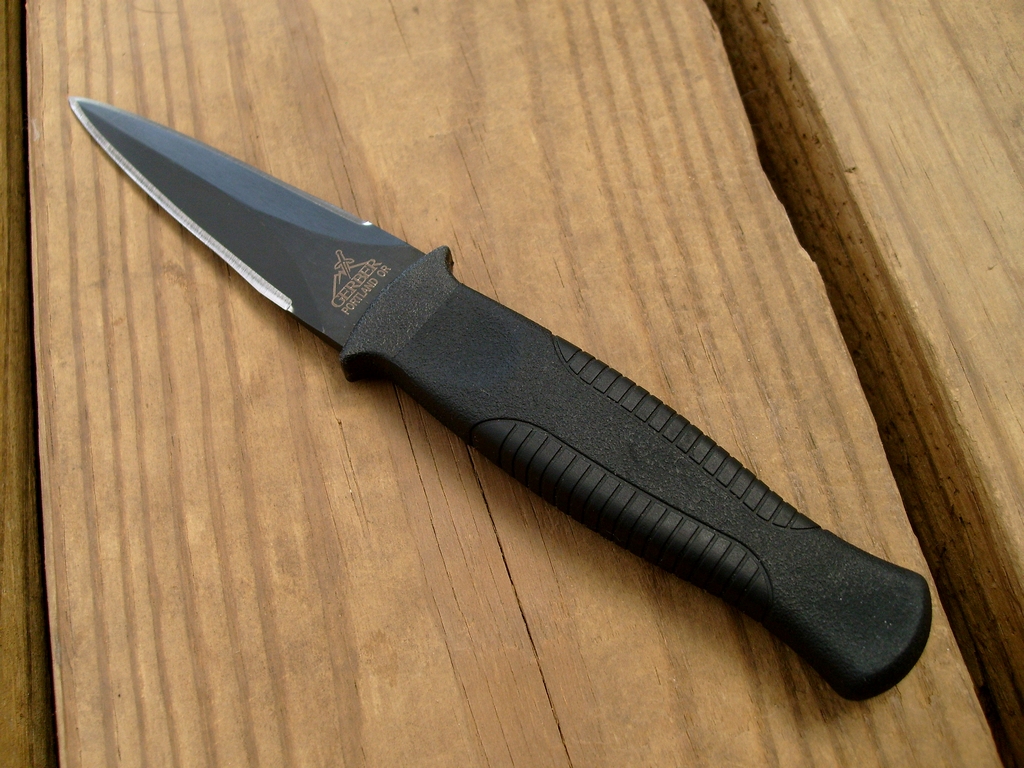
Gerber’s reputation has always been tied to building knives meant for real work, not display cases. With its toughest knife line receiving a significant update, the company focused on refining durability, usability, and long-term reliability rather than chasing flashy trends. These changes are subtle but meaningful, aimed at professionals, outdoorsmen, and hard-use users who expect tools to function the same way in rain, dirt, heat, and cold. The updates improve strength, control, and maintenance while keeping the familiar Gerber feel intact. Here are the five most important changes that define this tougher, more capable evolution.
1. Upgraded Blade Steel for Longer Edge Life
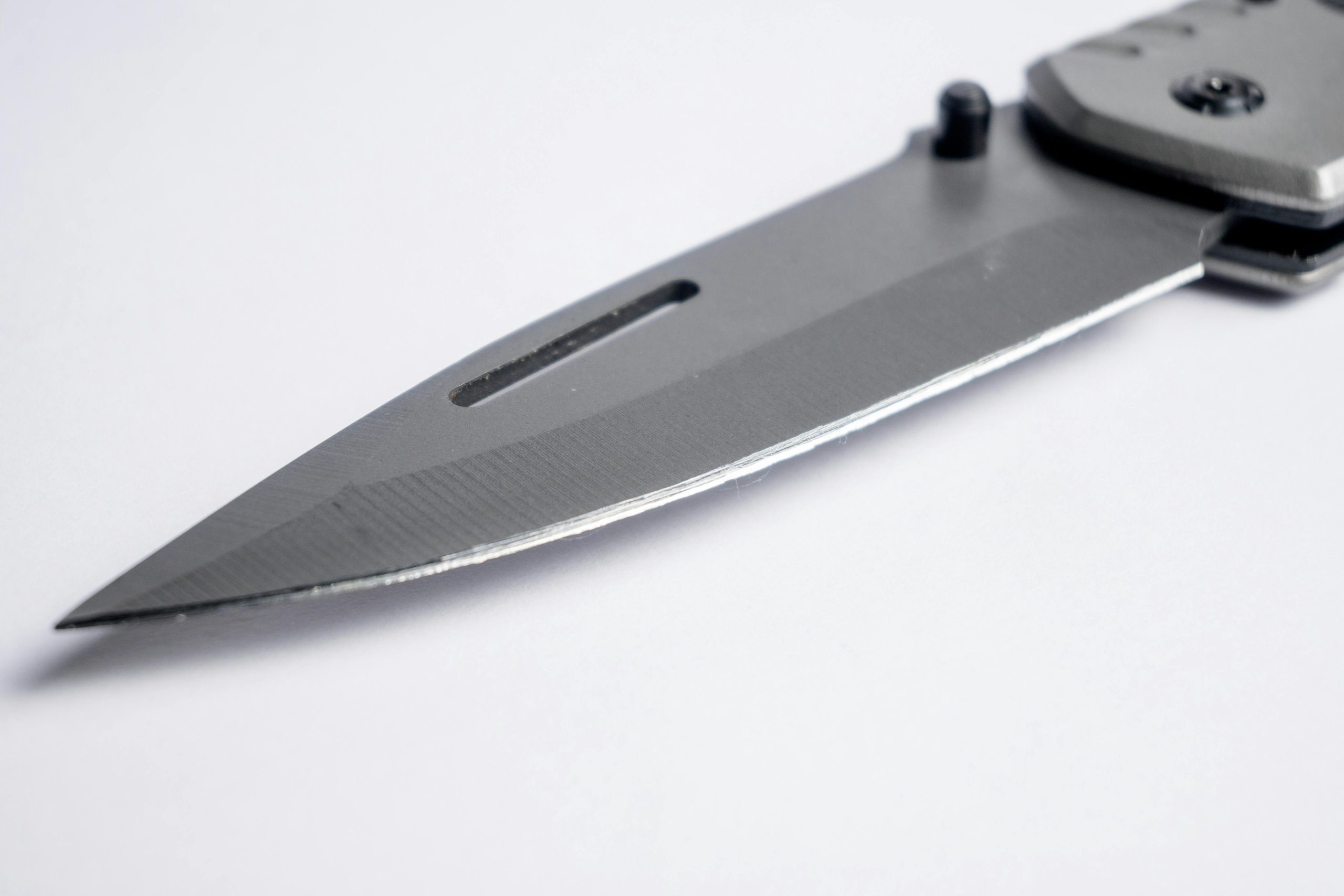
One of the most important updates is the shift to improved blade steel that balances hardness with toughness. Gerber refined heat treatment to increase edge retention without making the blade brittle. This allows the knife to hold a working edge longer during repetitive cutting tasks while still resisting chipping under stress. The steel sharpens predictably and maintains consistent performance across temperature changes. Hunters and field users benefit from reduced maintenance during extended trips. This update favors real-world reliability over extreme hardness numbers, ensuring the blade performs evenly instead of failing unexpectedly when pushed hard.
2. Reinforced Spine and Tip Geometry
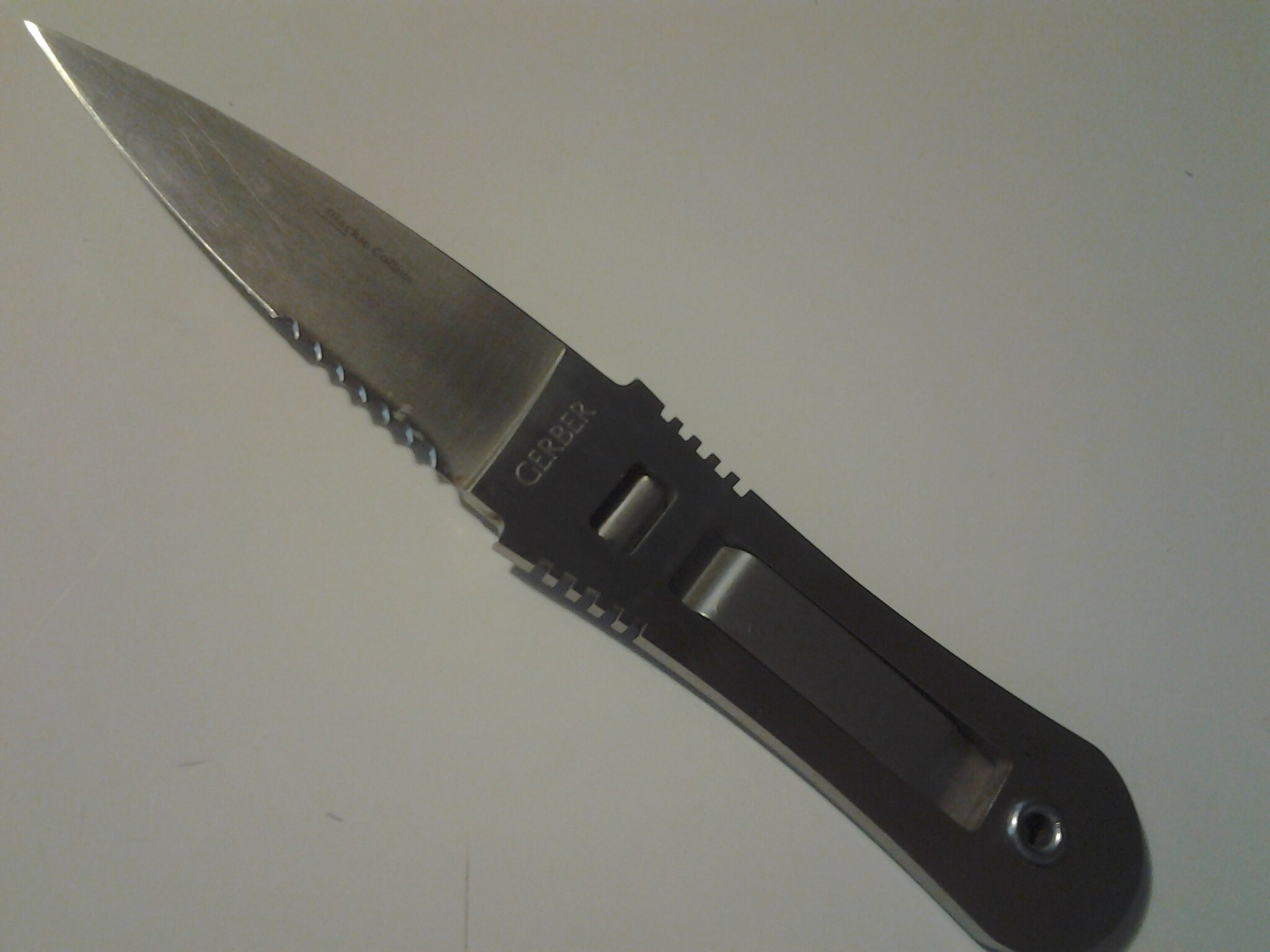
The updated knife features a strengthened spine and redesigned tip profile to improve resistance against snapping or rolling. Gerber adjusted the thickness distribution to support prying, piercing, and controlled leverage without sacrificing balance. This makes the blade more dependable for demanding tasks like batoning, drilling, or hard material penetration. The reinforced tip maintains alignment during repeated use, reducing long-term deformation. Rather than exaggerating thickness, the geometry supports strength where it matters most. This change gives users confidence that the knife will tolerate abuse without compromising precision.
3. Enhanced Handle Ergonomics and Grip Texture
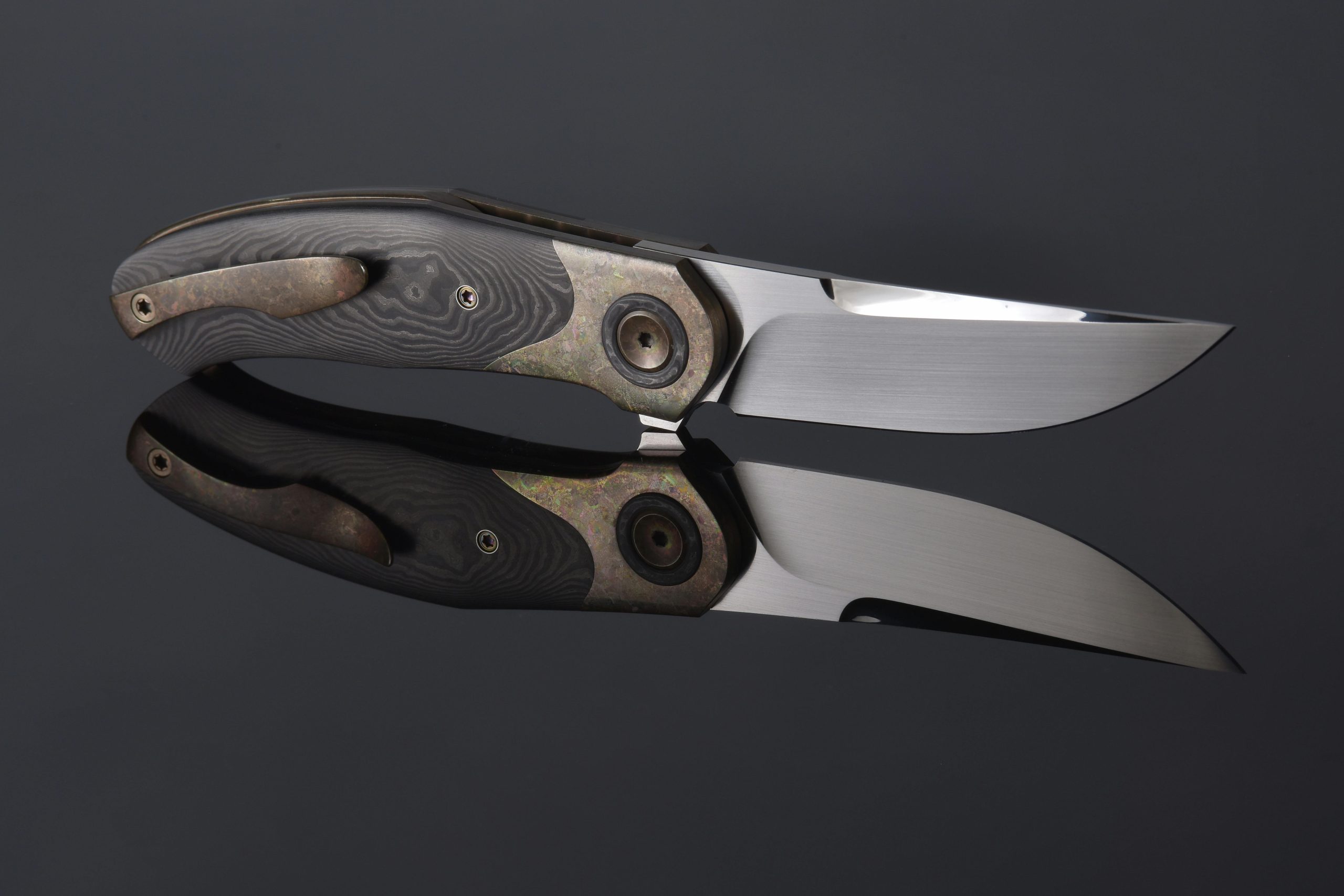
Gerber reworked the handle shape to improve control during prolonged use. Subtle contouring supports natural hand positioning while reducing pressure points. The updated grip texture maintains traction even when wet or gloved, minimizing slip during forceful cuts. Material density was adjusted to absorb vibration without feeling soft or unstable. This results in better comfort during repetitive tasks like carving or processing material. The handle remains neutral enough for different grip styles while offering improved stability. This update prioritizes control and fatigue reduction over aggressive styling.
4. Stronger Tang Construction and Structural Integrity
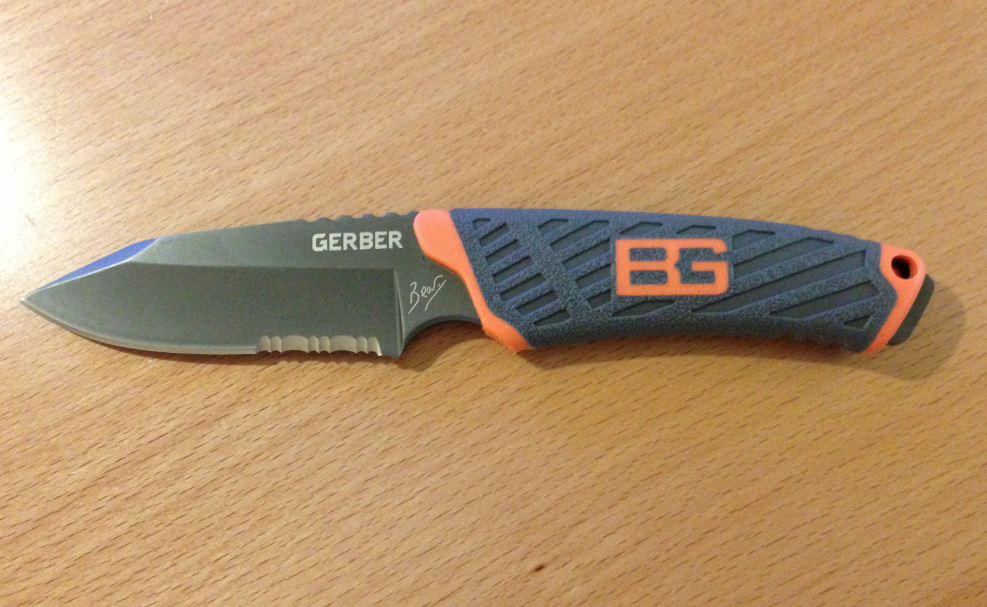
The internal structure of the knife received major attention with improved tang design and reinforcement. Gerber strengthened stress transition points between the blade and the handle to prevent failure under torsion. This change improves durability during twisting or lateral force applications. The updated tang ensures energy transfers evenly through the handle rather than concentrating at weak spots. For users who rely on one tool in remote conditions, this structural upgrade increases trust. The knife feels more solid without unnecessary weight, reinforcing Gerber’s commitment to functional toughness.
5. Improved Sheath Design for Secure Carry
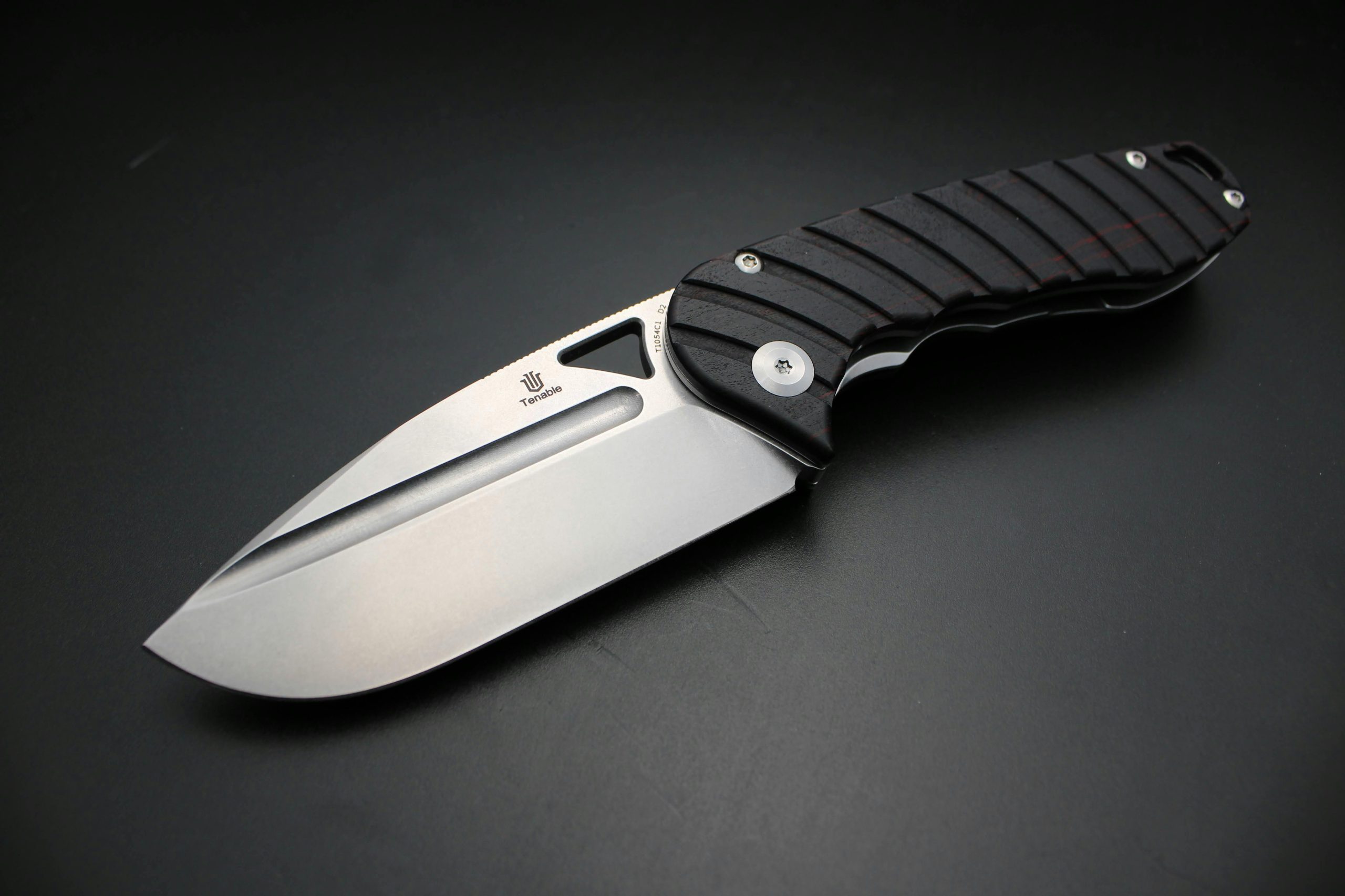
The sheath update focuses on retention, access, and long-term wear resistance. Gerber refined locking points to prevent accidental release while still allowing smooth one-handed draws. Drainage and airflow improvements reduce moisture buildup, protecting the blade from corrosion. Attachment options were strengthened to withstand movement during hiking or work. The sheath material resists cracking in cold weather and deformation under pressure. This update ensures the knife stays secure and accessible without noise or shifting, completing the system as a dependable everyday tool.