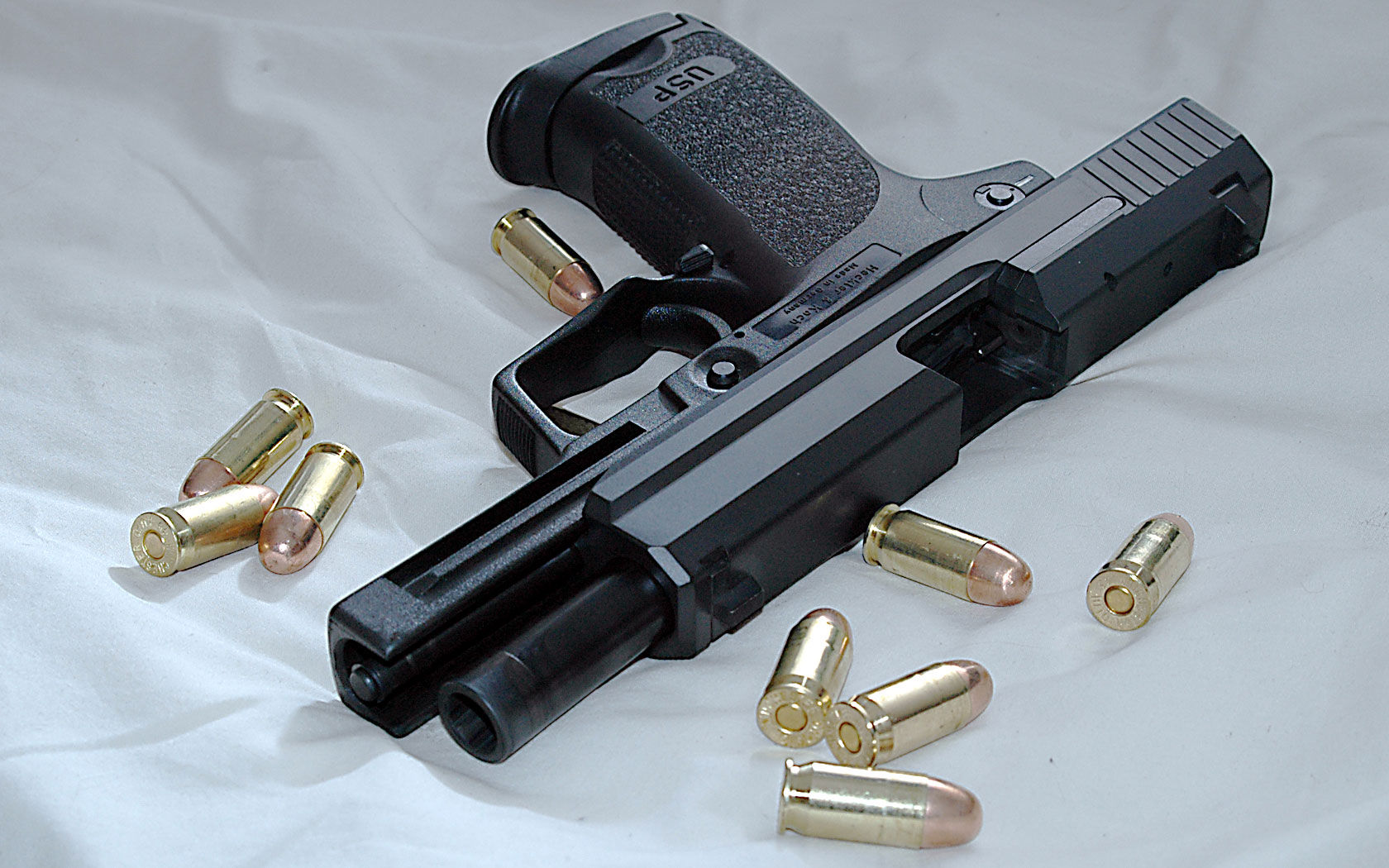
Long before polymer frames became common, elite military and security units relied on all-metal handguns for their durability, balance, and mechanical confidence. These pistols earned trust through years of service in extreme climates, rough handling, and high-stress environments. Metal frames offered weight that tamed recoil, consistent triggers, and a feeling of solidity that professionals valued. Even today, when lighter designs dominate catalogs, certain metal handguns continue to appear in elite inventories because they simply work. Their reputations were built through real-world use, not marketing trends. This list highlights five iconic metal pistols that proved reliability matters more than innovation hype, and why top units around the world still respect these timeless sidearms.
1. Beretta 92 Series
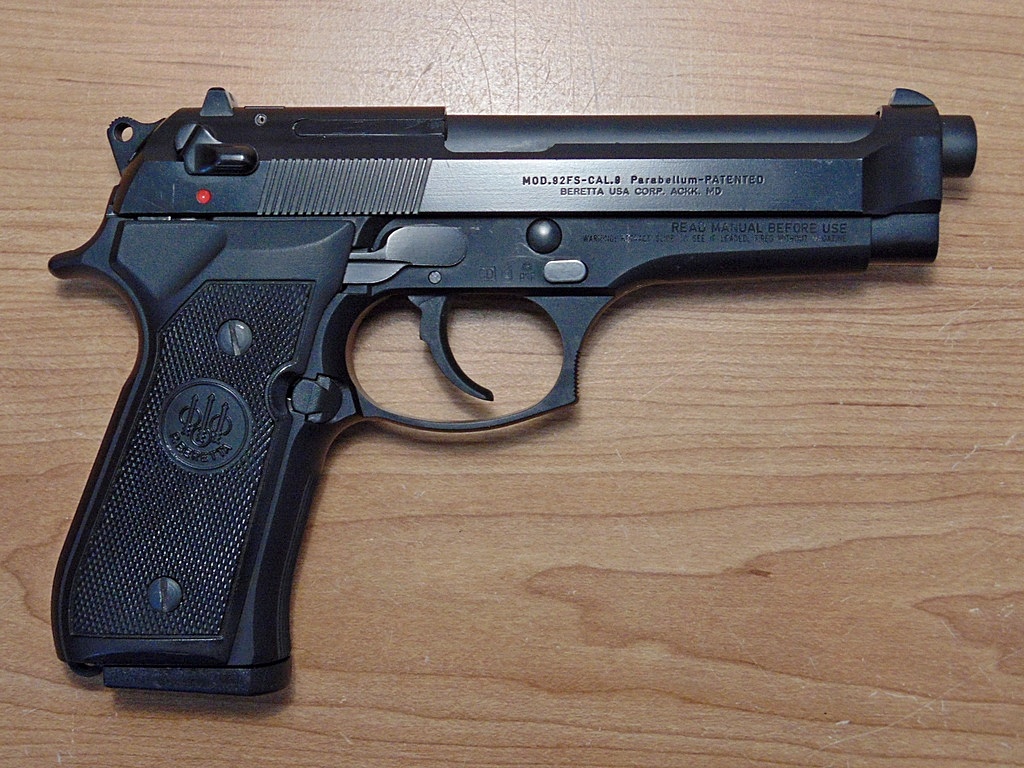
The Beretta 92 series became legendary through decades of service with military and special units worldwide. Its open-slide design reduces feeding issues and keeps debris from slowing the action. The full metal frame provides excellent balance, helping shooters manage recoil during rapid follow-up shots. Elite forces value its predictable trigger pull and long service life under heavy use. The pistol’s accuracy comes from its stable barrel alignment and smooth cycling, even after thousands of rounds. While not compact, its reliability and forgiving handling make it trusted in training and operational roles. The Beretta 92 remains a symbol of consistency where equipment failure is not an option.
2. SIG Sauer P226
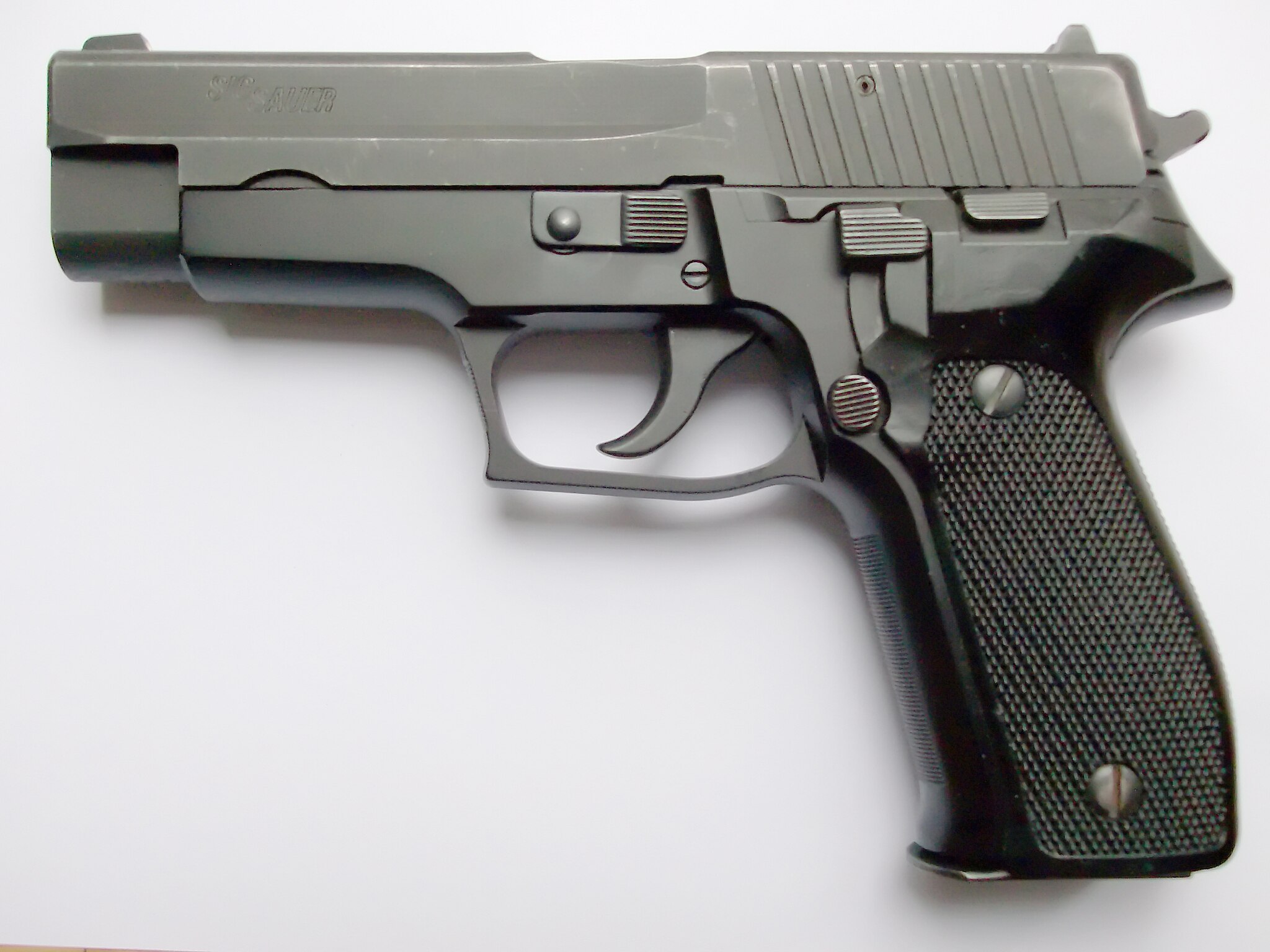
The SIG Sauer P226 earned elite status by surviving punishing trials and real-world deployments. Built with a solid metal frame and slide, it offers exceptional durability and a smooth recoil impulse. Its accuracy is widely respected, thanks to precise manufacturing and a stable locking system. Special units favor the P226 because it performs reliably across harsh environments, from deserts to maritime conditions. The ergonomics fit a wide range of hand sizes, allowing confident control during extended use. Shooters often praise its trigger consistency and mechanical smoothness. The P226’s reputation is not flashy, but it is deeply rooted in performance under pressure.
3. CZ 75
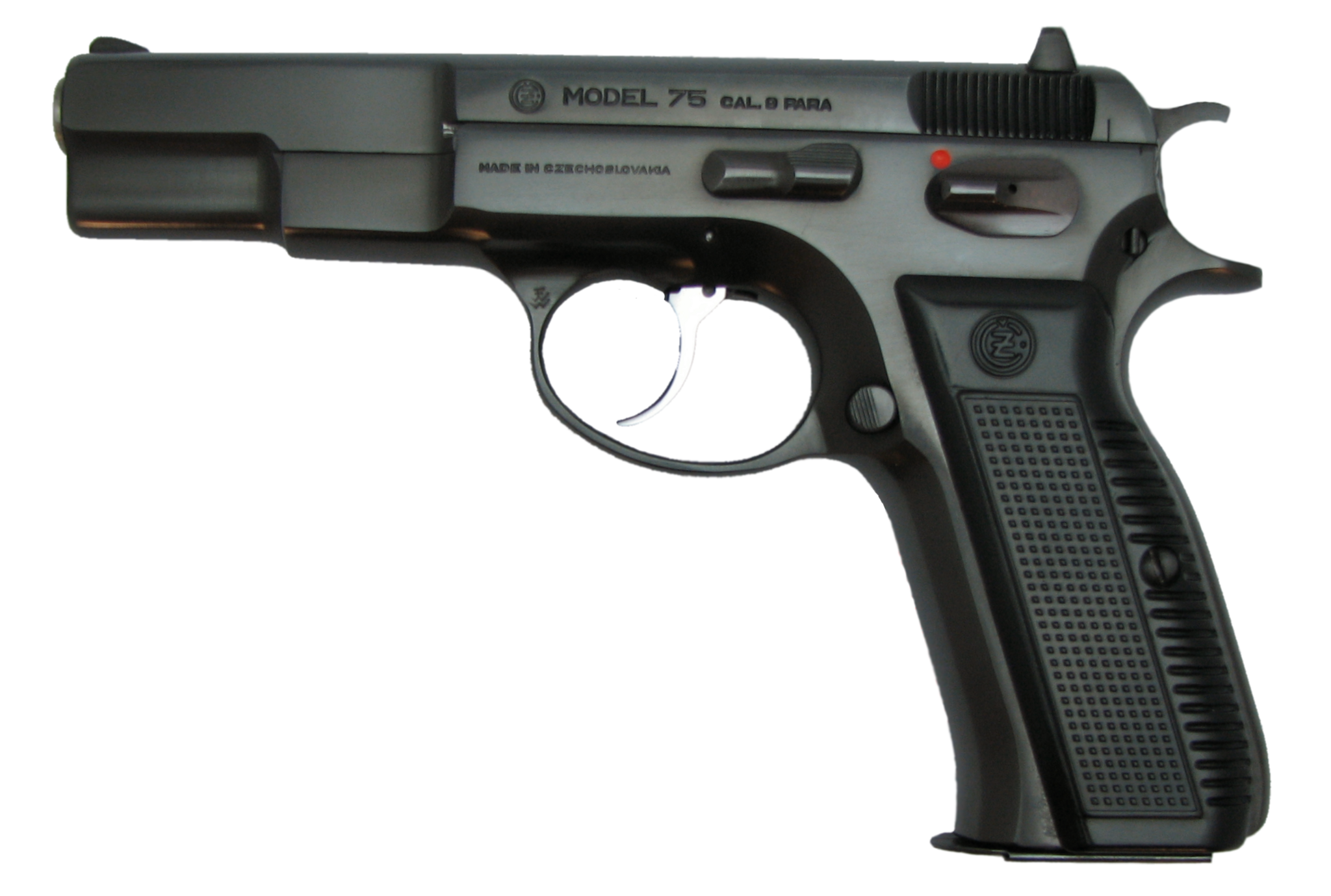
The CZ 75 stands out for its natural grip angle and internal slide rails, which lower the bore axis and improve control. Elite units appreciate how the pistol settles into the hand, reducing fatigue during long training sessions. It’s all-steel construction absorbs recoil efficiently, helping shooters maintain accuracy through sustained fire. The design is famously robust, continuing to function even with minimal maintenance. Many professionals value its precision, especially in controlled shooting environments. The CZ 75 may not dominate headlines, but its quiet reliability has earned long-term respect. It remains a favorite where accuracy and handling matter more than trends.
4. Browning Hi-Power
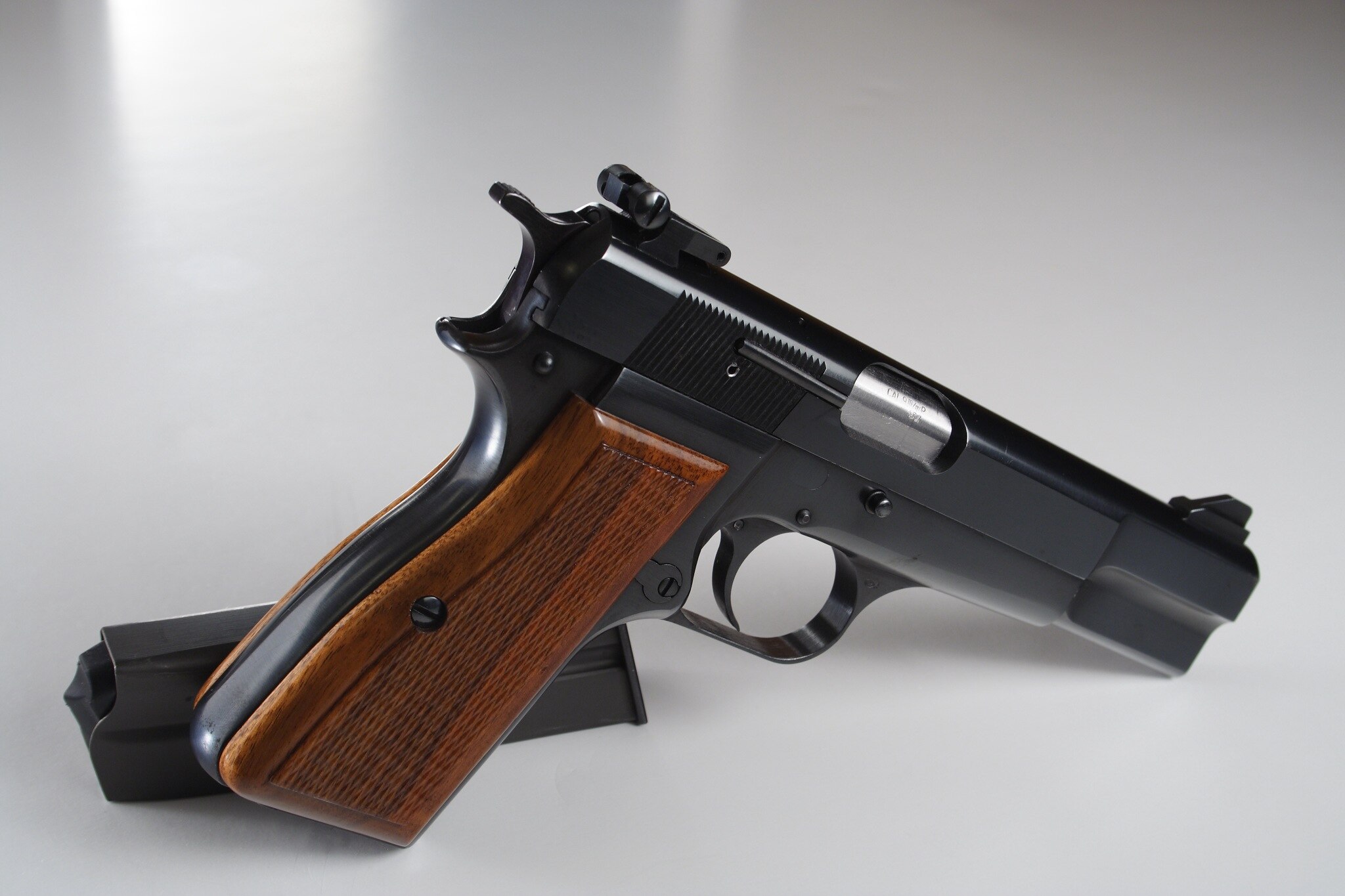
The Browning Hi-Power shaped modern handgun history and influenced countless designs that followed. Elite forces trusted it for its slim profile, strong steel frame, and impressive magazine capacity for its era. The pistol’s balance makes it easy to shoot accurately despite its age. Its simple mechanical design contributes to dependable operation in varied conditions. Many units continued using the Hi-Power long after newer pistols appeared, valuing familiarity and proven reliability. Even today, it represents a benchmark for combat pistol design. The Hi-Power’s legacy is rooted in effectiveness, not novelty.
5. Heckler & Koch USP Metal Variants
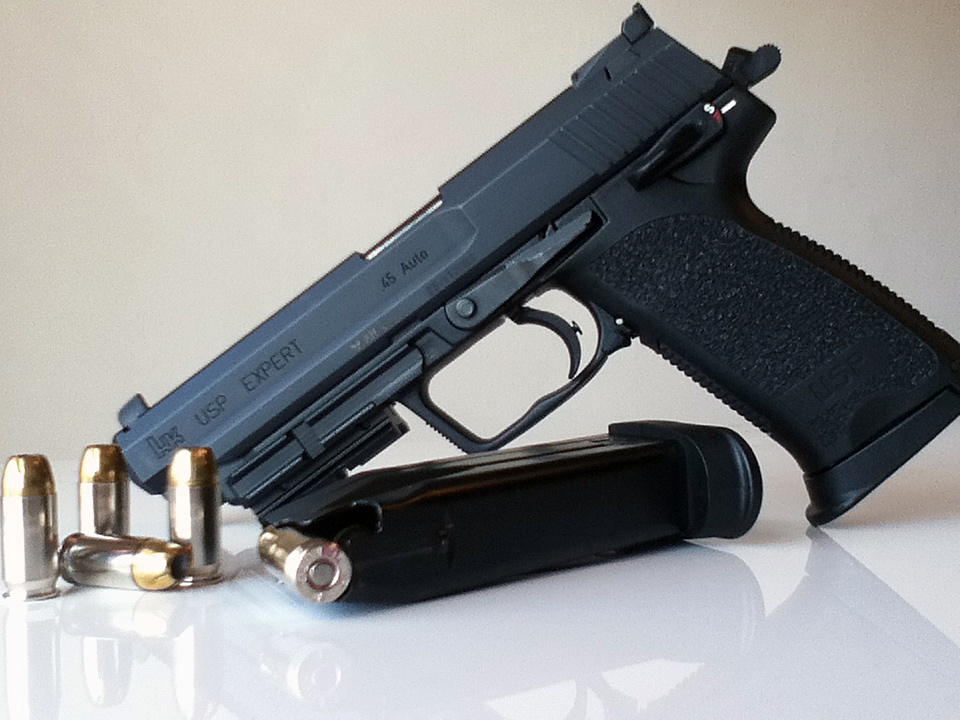
While known for polymer models, HK also produced metal-framed USP variants used by specialized units. These pistols combine German engineering precision with rugged construction meant for extreme use. The metal frame adds weight that stabilizes recoil and improves shooting consistency. Elite users appreciate the durability of the locking system and the pistol’s ability to function in dirty environments. Its controls are deliberate and secure, reducing accidental input during stress. The USP metal variants reflect HK’s philosophy of overbuilding critical components. They remain respected tools where reliability outweighs aesthetics.