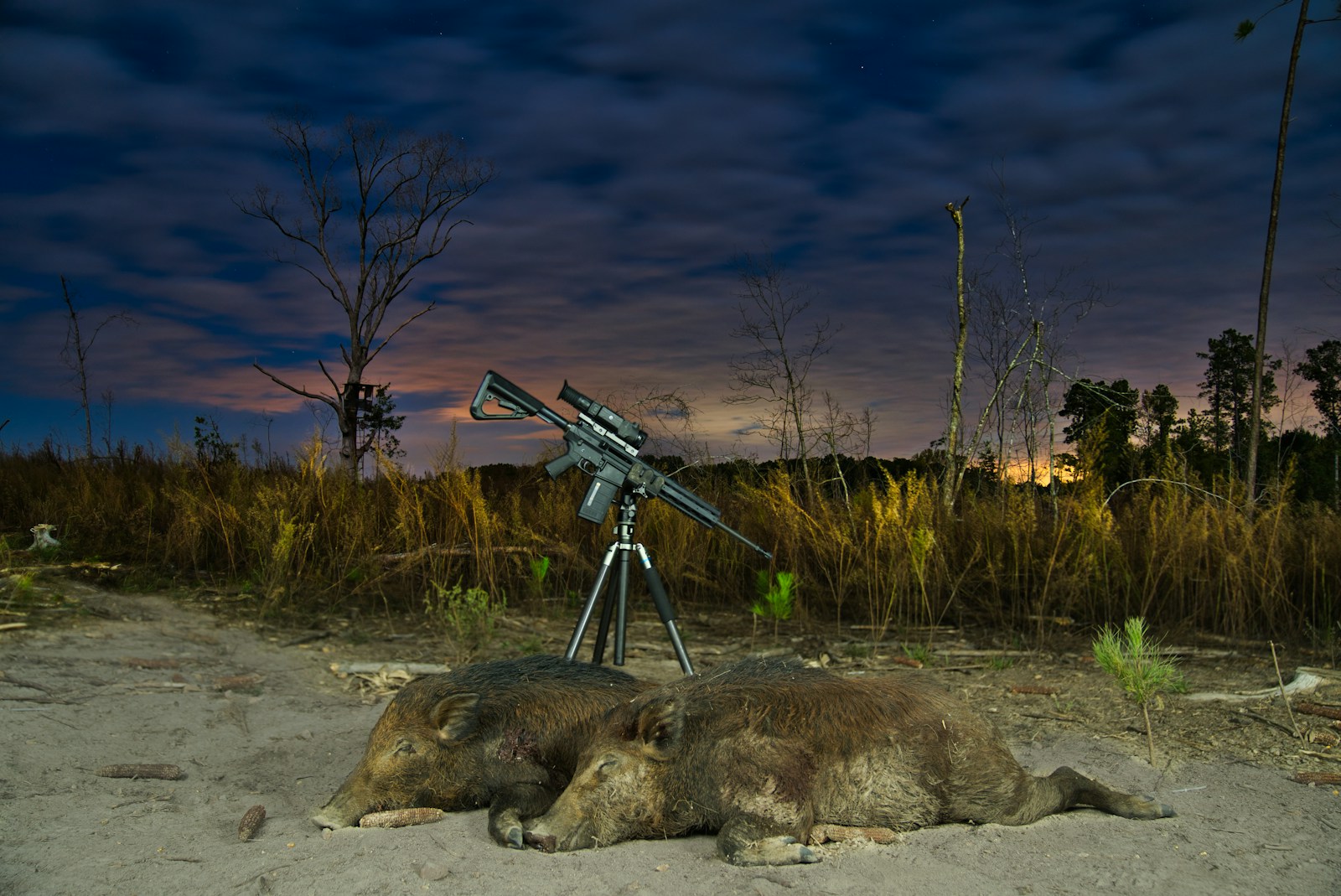
Hog hunting calls for a cartridge that penetrates tough shoulders, tracks straight, and still allows accurate follow-up shots. Hunters often meet feral hogs at short to midrange distances in thick cover, where quick handling and reliable terminal performance matter more than flat trajectories. A suitable round also fits the rifle platform and recoil tolerance, since precision and shot placement drive humane outcomes. Local regulations and property rules can influence caliber choices, especially where suppressors, night hunting, or magazine limits apply. These five cartridges are common, field-proven options that consistently deliver effective performance when paired with appropriate bullets.
6.5 Creedmoor
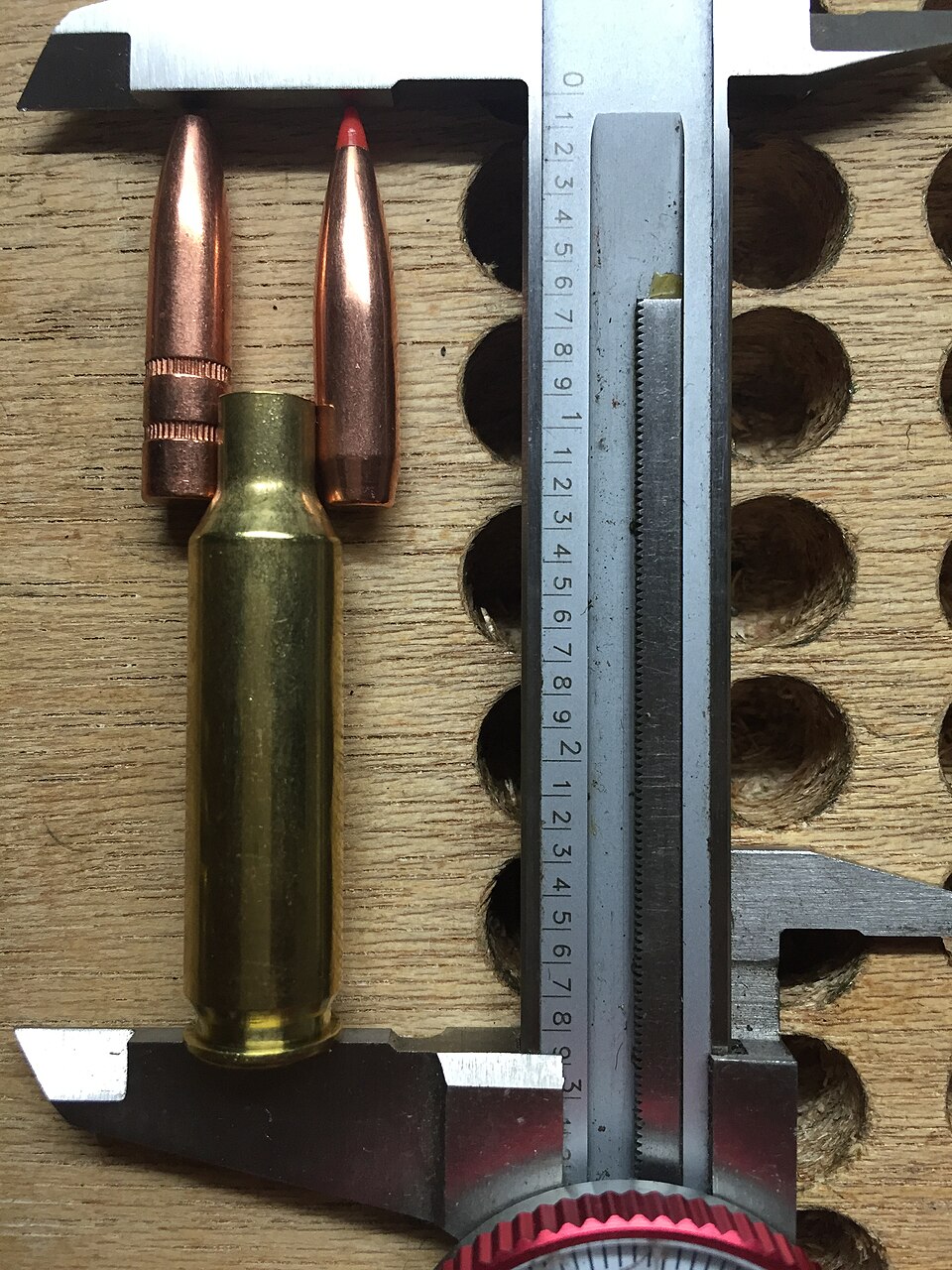
A 6.5 Creedmoor can work for hogs when paired with controlled-expansion bullets designed for big-game performance rather than thin-skinned deer loads. Its moderate recoil supports steady shooting and fast recovery for second shots, which can matter when multiple animals appear. In many rifles, the cartridge also delivers consistent accuracy, helping place shots through the heart-lung area or the upper shoulder when a tougher angle appears. Bullet choice matters because hogs can carry heavy gristle and thick bone, so hunters often favor bonded or monolithic designs that hold together and penetrate reliably.
.308 Winchester
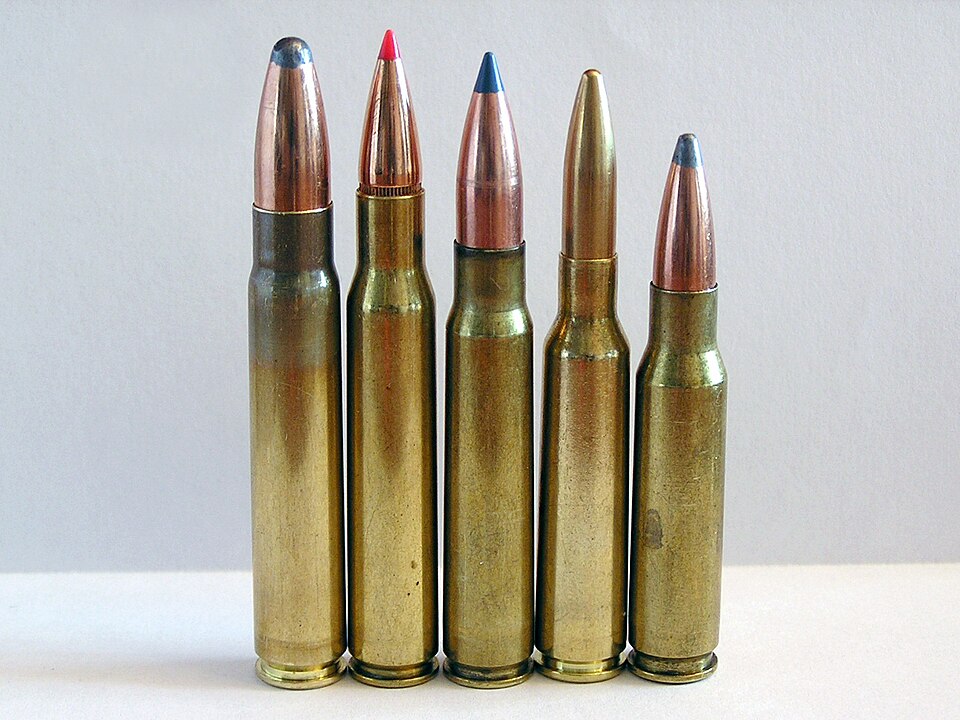
A .308 Winchester remains a classic hog cartridge because it blends manageable recoil with strong penetration using widely available hunting bullets. Its bullet weights span light, fast options to heavier loads that break bone and drive deep, offering flexibility for different terrain and ranges. The cartridge also runs well in bolt actions and semi-automatic rifles, which many hunters prefer for quick follow-up shots in brushy settings. Ammunition availability stays broad in most markets, and load selection makes it easier to match performance goals, from controlled expansion to tougher bonded or copper bullets.
.30-06 Springfield
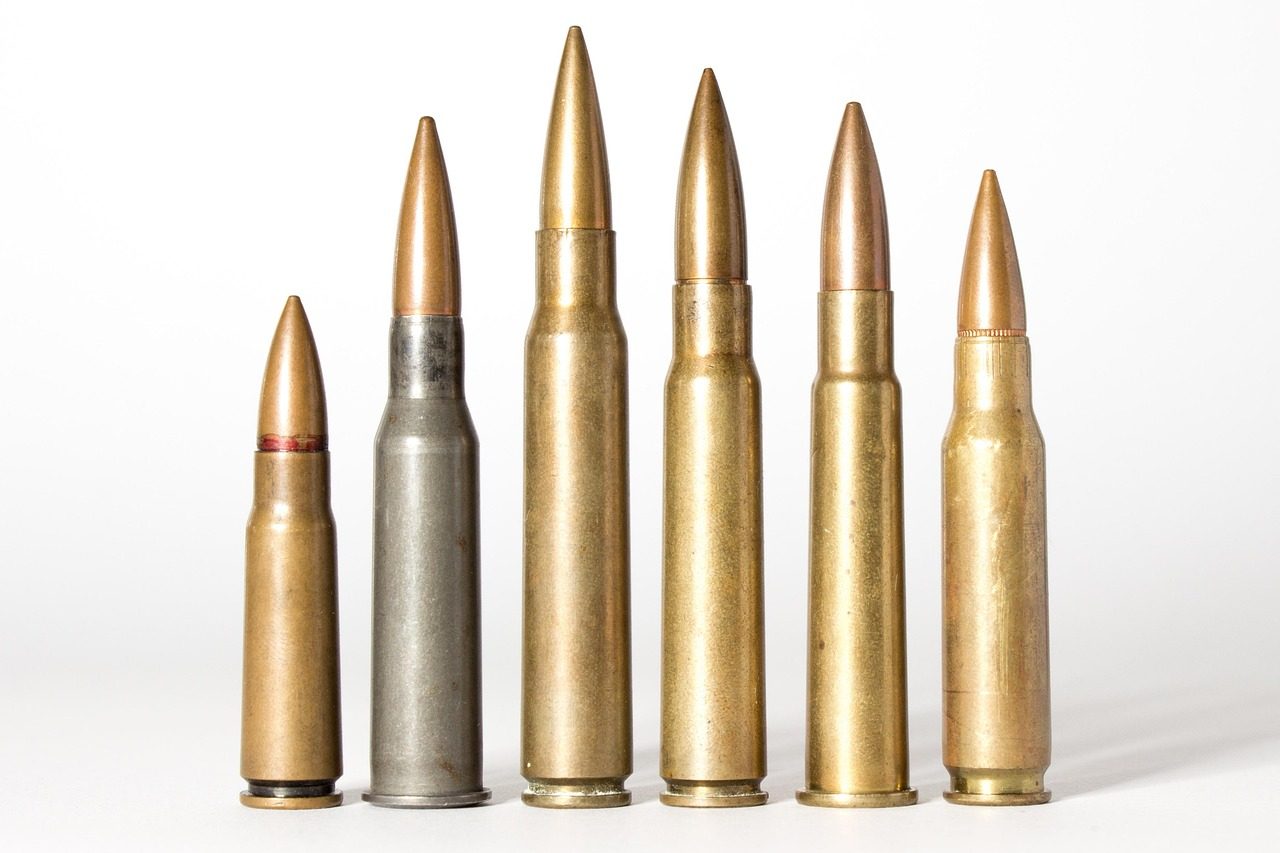
A .30-06 Springfield earns its reputation as an all-around hunting round, and that versatility translates well to hogs of varying size. With a broad range of bullet weights, it can push heavier projectiles at useful speeds, supporting deep penetration on shoulder shots or quartering angles. Recoil generally runs higher than .308 in similar rifles, yet many hunters accept that tradeoff for added performance headroom. Because the cartridge has a long history and widespread adoption, hunters can find numerous factory loads and bullet types, making it easier to choose a robust construction for tough animals.
7.62x39mm
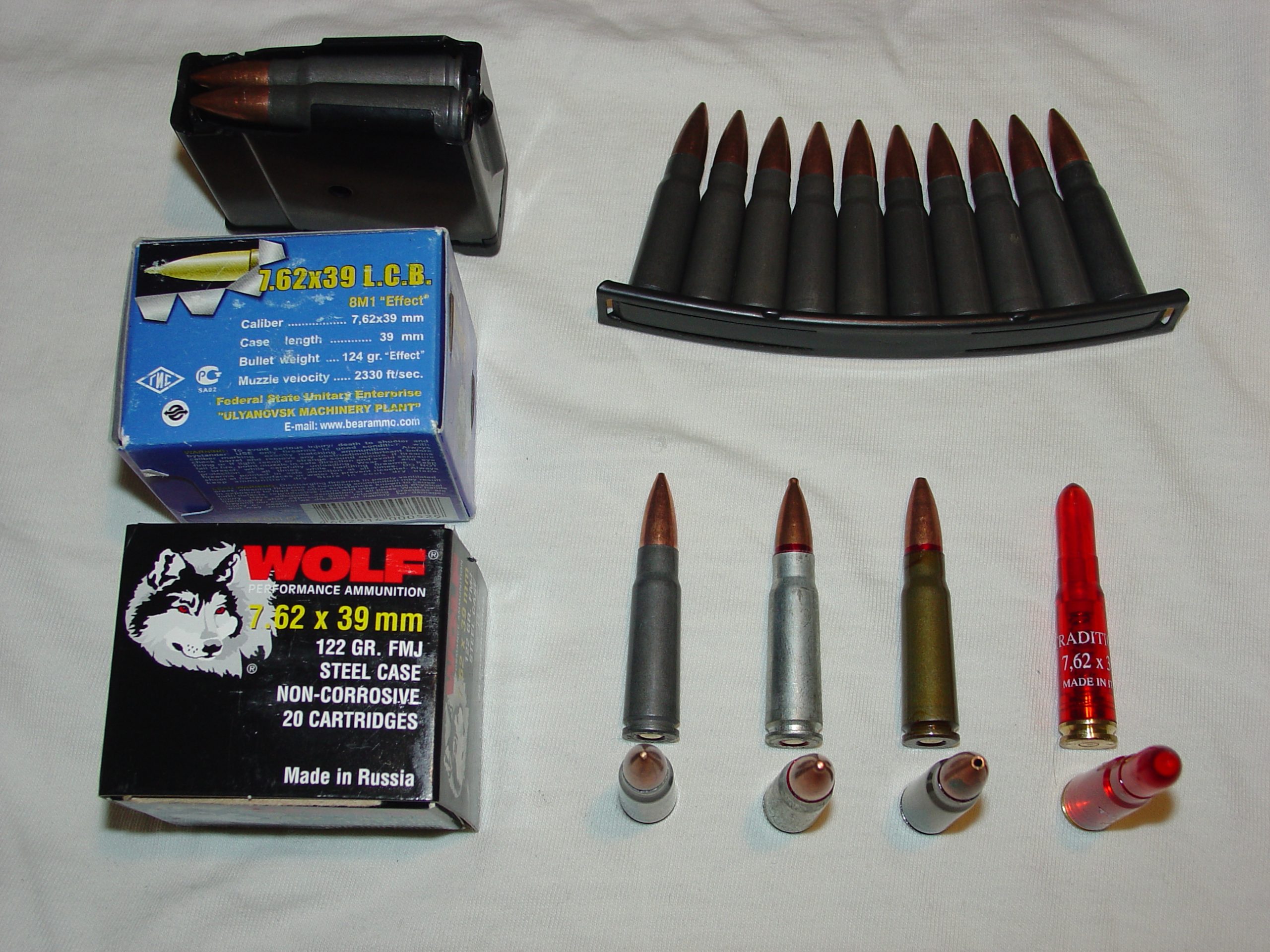
A 7.62x39mm can be effective on hogs at closer ranges, particularly when used with expanding soft-point or purpose-built hunting loads rather than military-style full metal jacket ammunition. In practical terms, it offers mild recoil and quick handling in compact rifles, which can suit thick cover and fast encounters. Shot placement stays critical because the cartridge carries less energy at distance than traditional big-game rounds, so many hunters keep ranges conservative and aim for vital zones. Ammunition is often affordable and common, but hunters should verify reliability and bullet performance in the chosen firearm.
.300 Blackout
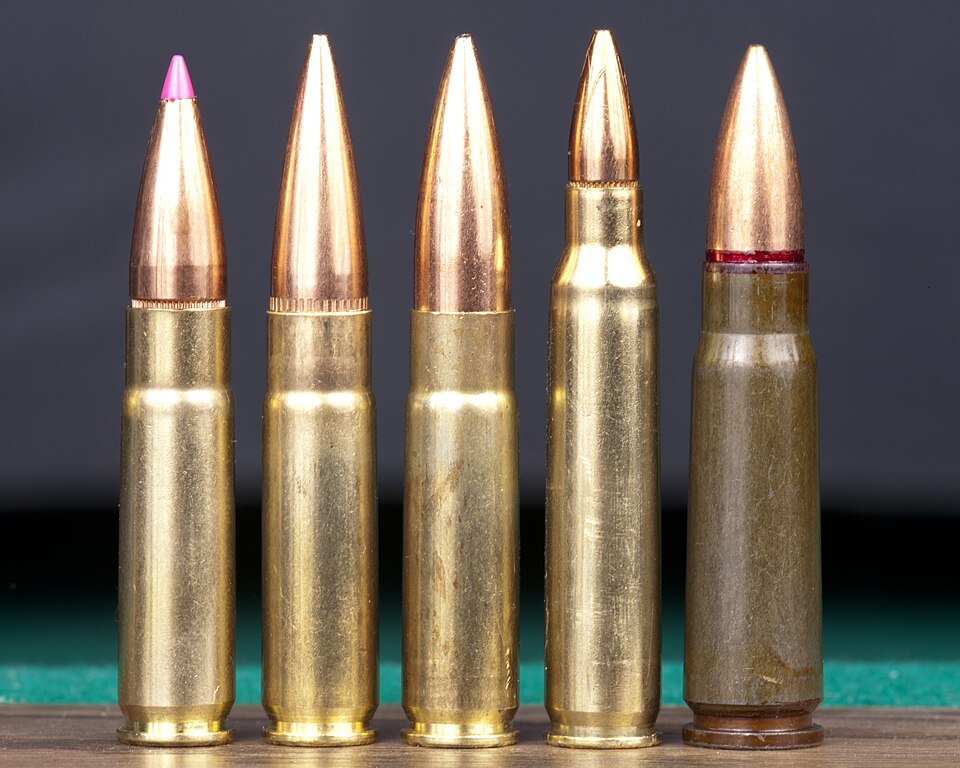
A .300 Blackout suits close-range hog hunting, especially in short, handy rifles where maneuverability matters. With supersonic hunting loads, it can deliver solid performance on medium-sized hogs when matched with expanding bullets designed to open at appropriate velocities. Subsonic loads prioritize quiet and control, yet they generally require careful bullet selection and disciplined range limits to maintain reliable terminal effect. The cartridge often shines in dense cover and night setups where quick shots are common, but it rewards careful planning around distances, sighting systems, and bullet construction for consistent penetration and expansion.