Hiking in Florida presents unique challenges shaped by heat, humidity, wildlife, and flat terrain. Older hikers often approach these conditions with habits formed through experience rather than speed or endurance. Seniors frequently prioritize safety, preparation, and situational awareness in ways younger hikers overlook. These practices reduce risk and improve consistency on trails, boardwalks, and preserves statewide. Florida’s climate rewards caution more than bravado. The following habits highlight how senior hikers adapt intelligently. Each example shows why experience driven routines often outperform youthful confidence when navigating Florida’s demanding outdoor environments safely and steadily over time.
Starting Early And Ending Early
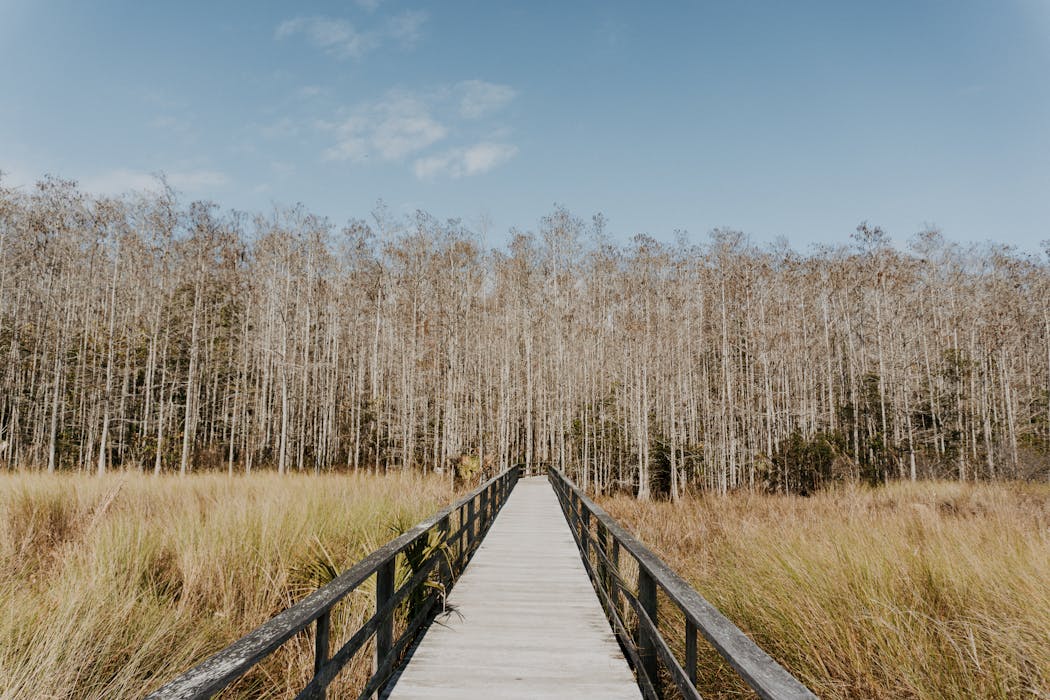
Florida seniors often begin hikes early in the morning to avoid heat buildup. Cooler temperatures reduce dehydration and heat exhaustion risks significantly. Early starts also mean fewer crowds and calmer trail conditions. Wildlife visibility improves during cooler hours. Seniors plan routes that allow completion before midday sun intensifies. This timing reflects awareness of Florida’s climate realities. Younger hikers often underestimate heat accumulation later in the day. Seniors adjust pace and schedule intentionally. By aligning activity with environmental conditions, older hikers reduce stress on the body while maintaining consistent safety margins throughout each outing on local trails.
Carrying More Water Than Necessary
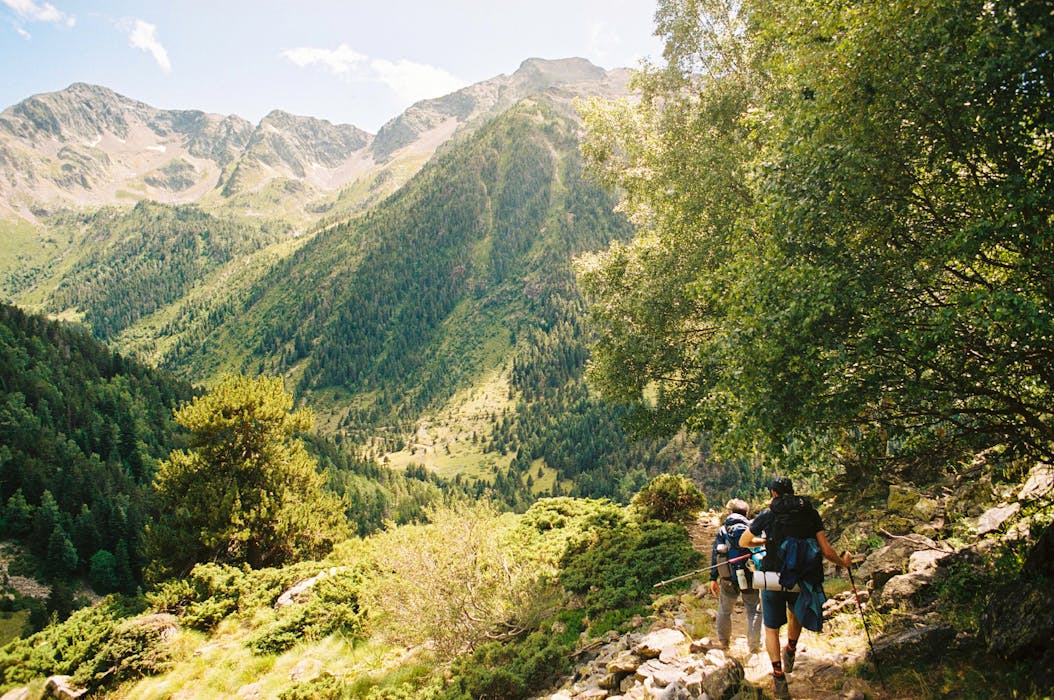
Senior hikers in Florida routinely carry more water than routes appear to require. This habit accounts for humidity driven dehydration and limited shade. Extra water supports longer recovery breaks. Seniors anticipate unexpected delays such as wildlife pauses or trail flooding. Hydration planning reflects experience with rapid heat stress onset. Younger hikers often underestimate water needs due to short distances. Seniors prioritize hydration over pack weight concerns. This precaution reduces medical emergencies significantly. Consistent water management allows seniors to hike comfortably and safely, maintaining alertness and balance across Florida’s warm, flat, and often exposed trail systems.
Wearing Protective Clothing Instead Of Minimal Gear
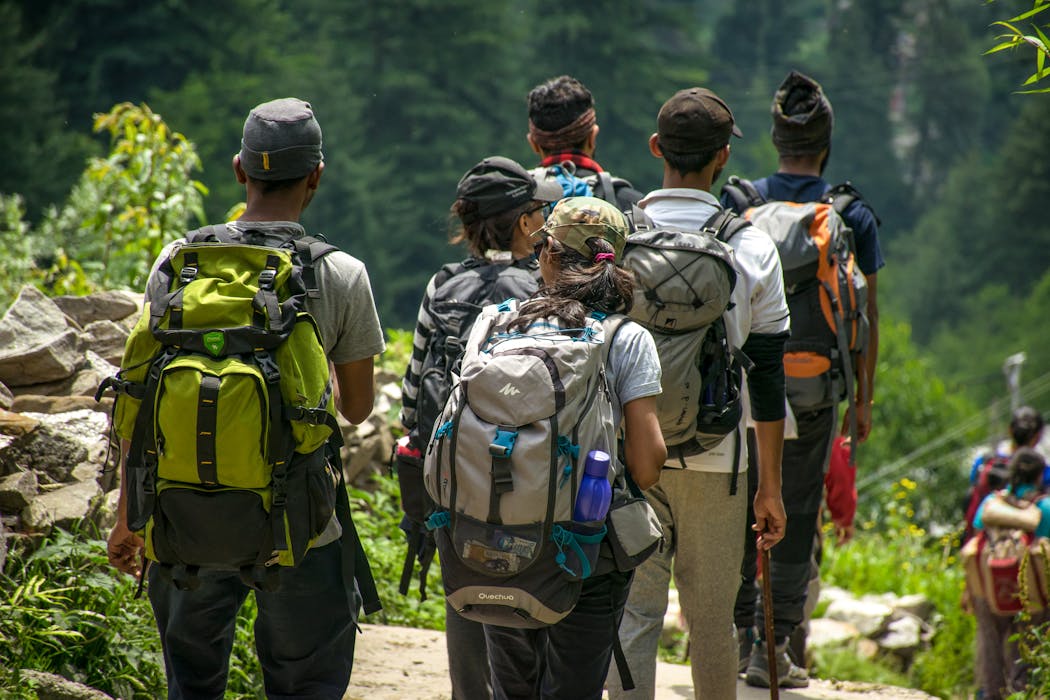
Florida seniors often choose long sleeves, hats, and covered footwear while hiking. Protective clothing shields skin from sun exposure and insects. Light colored fabrics reflect heat while preventing burns. Seniors recognize that minimal gear increases long term risk. Covered clothing also protects against brush, ticks, and poison ivy. Younger hikers sometimes favor minimal attire for comfort. Seniors prioritize prevention over appearance. This approach reduces skin injuries and overheating risks. Proper clothing supports consistent body temperature control and comfort, allowing seniors to hike longer with fewer complications across Florida’s subtropical environments.
Using Walking Sticks Or Trekking Poles
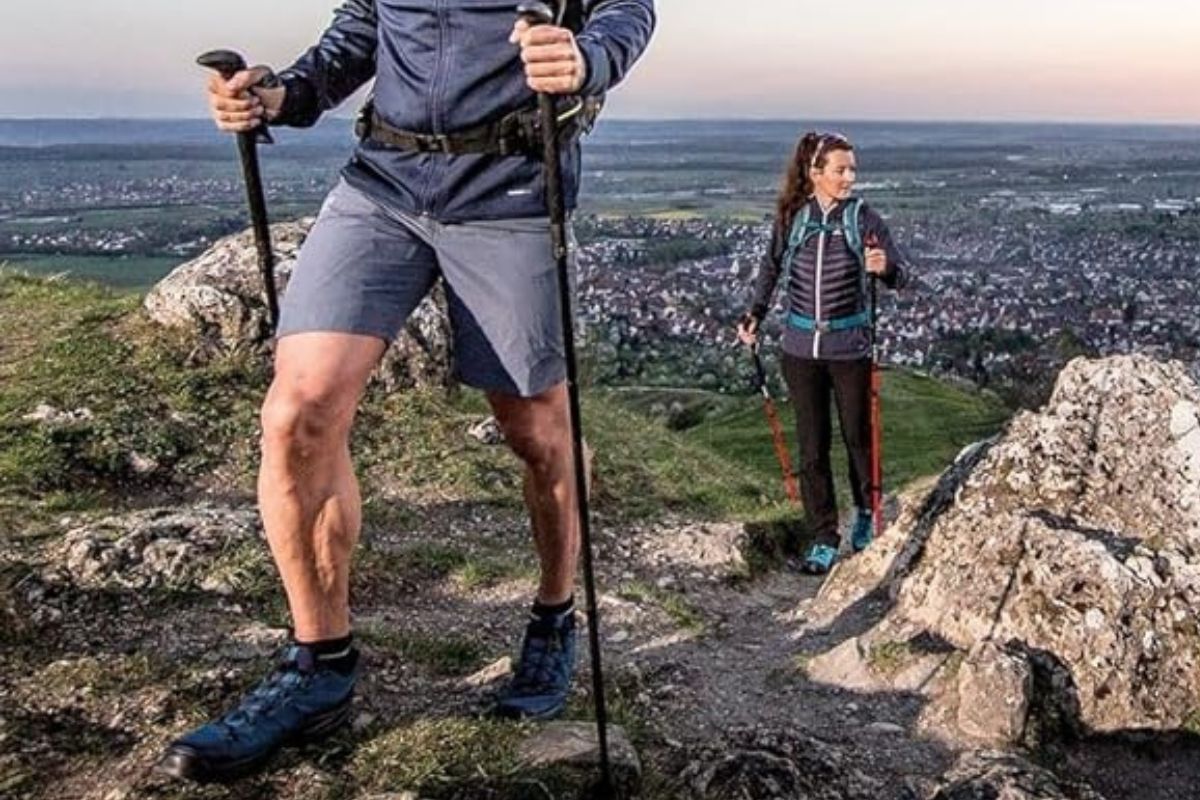
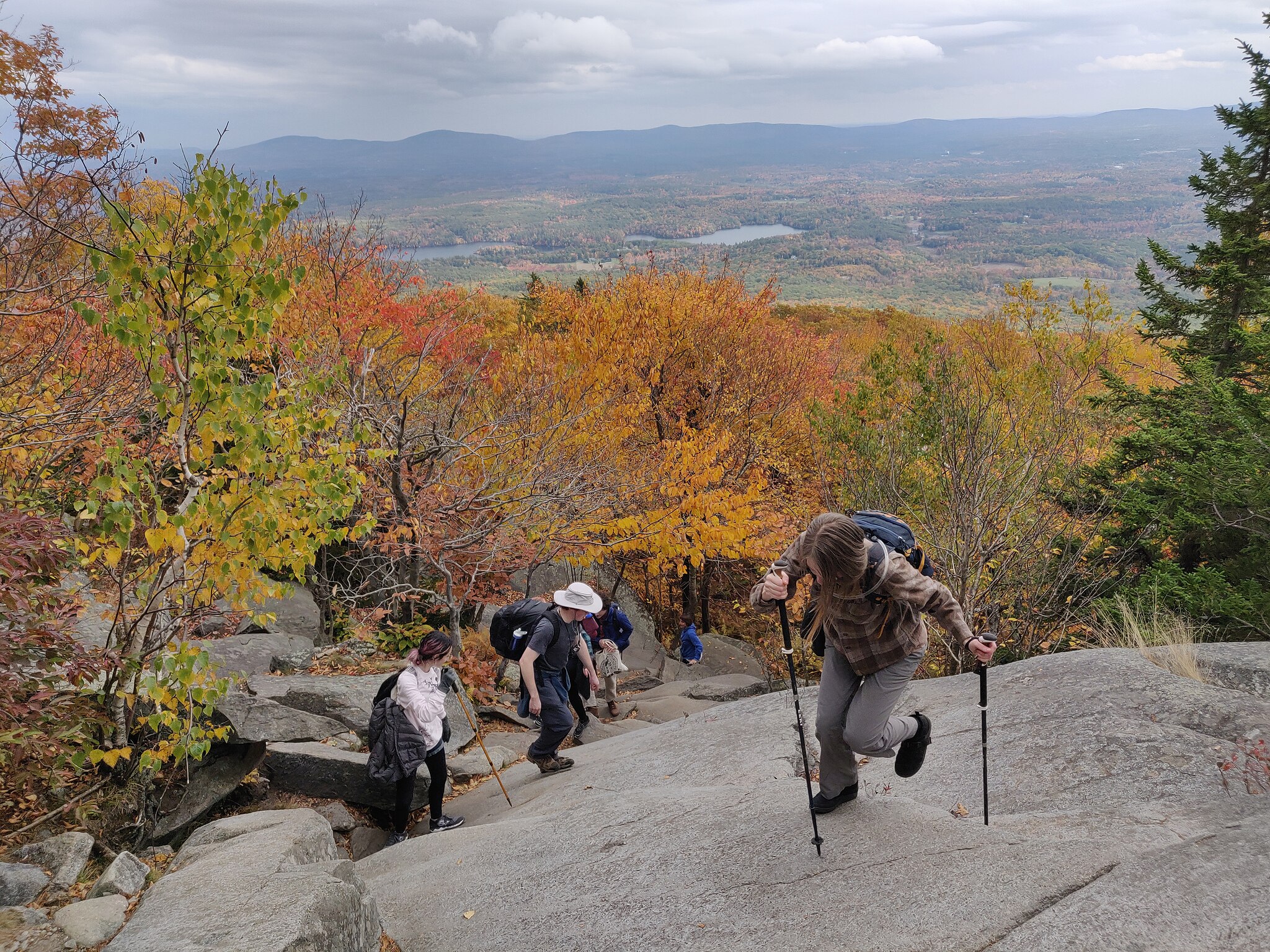
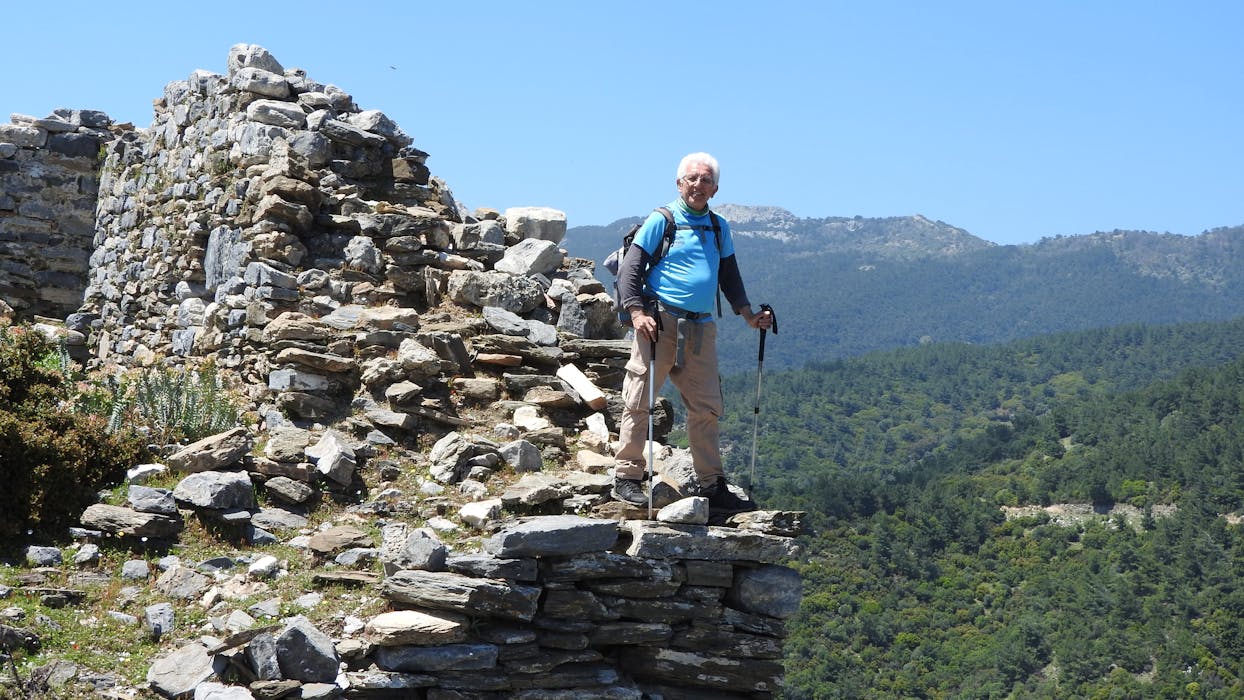
Many Florida seniors rely on walking sticks or trekking poles during hikes. These tools improve balance on uneven ground and sandy surfaces. Poles reduce joint strain during longer walks. Seniors understand that flat terrain still presents tripping hazards. Poles also help test water depth on flooded trails. Younger hikers often skip support tools. Seniors value stability over speed. This habit lowers fall risk significantly. Improved posture and rhythm enhance endurance. Trekking support allows seniors to maintain steady movement while navigating boardwalks, roots, and soft terrain commonly found throughout Florida trail systems.
Respecting Wildlife Distance Consistently
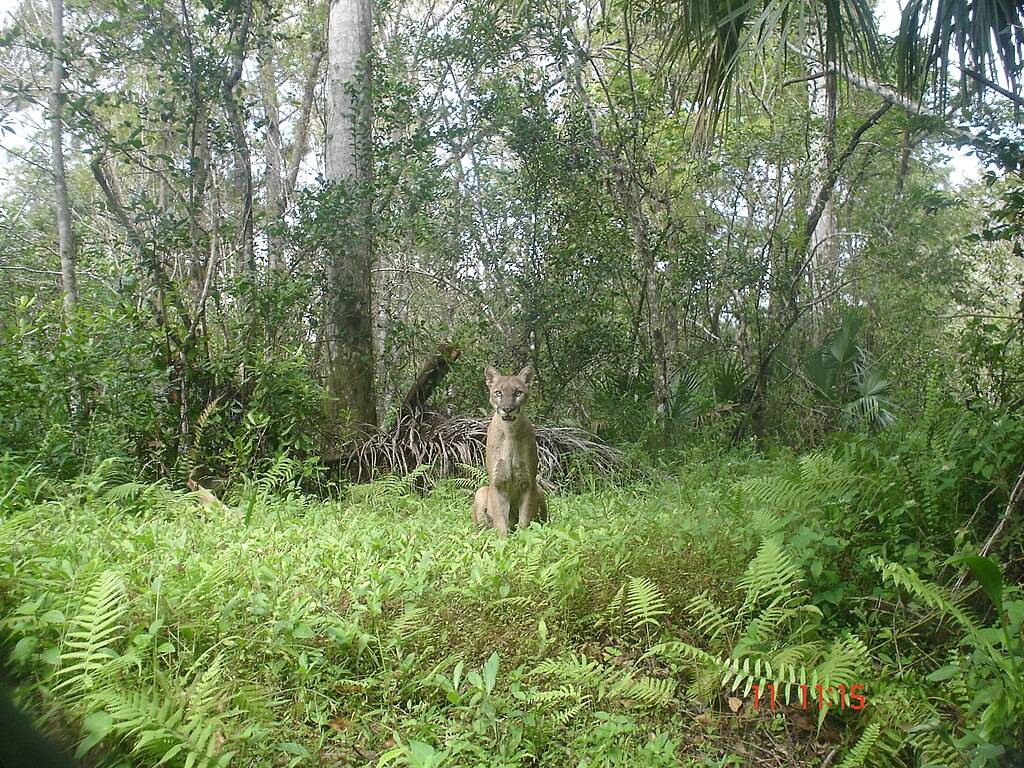
Florida seniors maintain strict distance from wildlife while hiking. Experience teaches awareness of snakes, alligators, and nesting birds. Seniors avoid surprising animals by staying alert and observant. They pause when wildlife appears instead of pushing forward. This patience reduces defensive animal responses. Younger hikers sometimes approach wildlife for photos. Seniors prioritize safety over proximity. Respecting wildlife boundaries prevents bites, falls, and panic reactions. This habit reflects understanding of Florida ecosystems. Calm, deliberate behavior keeps seniors safer while preserving natural balance during encounters along wetlands, preserves, and coastal trails statewide.