We rarely stop to think about the tools and machines quietly running our lives until the moment they fail us at the worst possible time. Whether it is the smoke alarm mounted on your ceiling or the tyres gripping wet roads at 80 kmph, most of us place blind trust in equipment we never actually inspect. Studies suggest that over 65% of household and vehicle-related accidents involve equipment that had already shown warning signs the owner ignored or never noticed. This article breaks down five commonly trusted pieces of equipment, what exactly makes them unreliable, and what you should actually be doing about it before they let you down.
1. Smoke and Carbon Monoxide Detectors
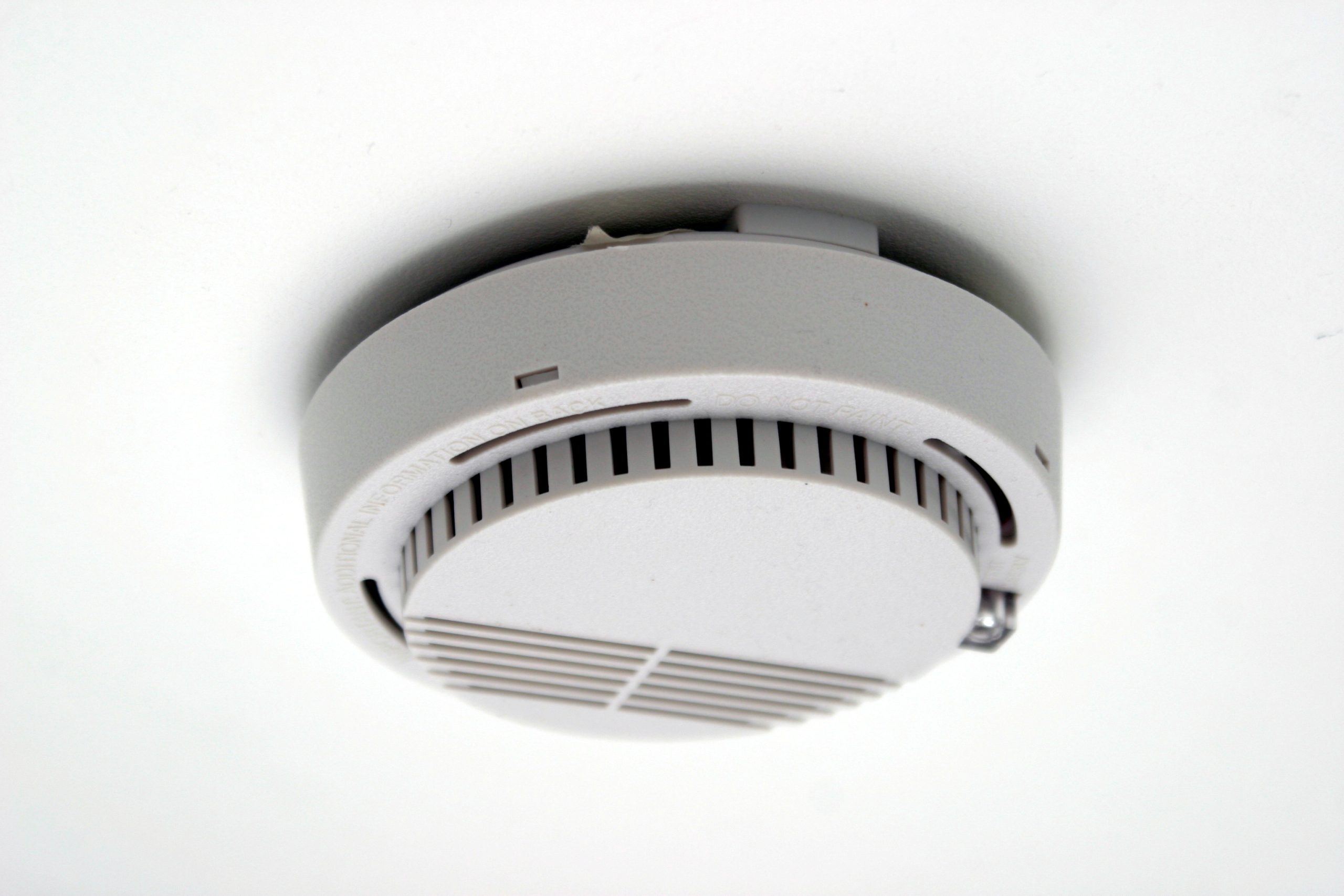
Most people install a smoke detector, forget about it for a decade, and assume it is still working. The reality is far less reassuring. Smoke detectors have a functional lifespan of roughly 8 to 10 years, and carbon monoxide detectors last only 5 to 7 years before the sensors degrade significantly. A 2022 U.S. Fire Administration report found that 3 out of 5 home fire deaths occurred in properties with either no detector or a non-functional one. Batteries are only part of the problem. Dust accumulation inside the sensor chamber reduces detection sensitivity by up to 40% over time. Many homeowners also position detectors incorrectly, placing them too close to kitchens or vents, leading to false alarms that train them to ignore the device entirely. Test yours monthly by pressing the test button, vacuum the vents every 6 months, and always check the manufacturer’s date printed on the back panel.
2. Vehicle Tyres
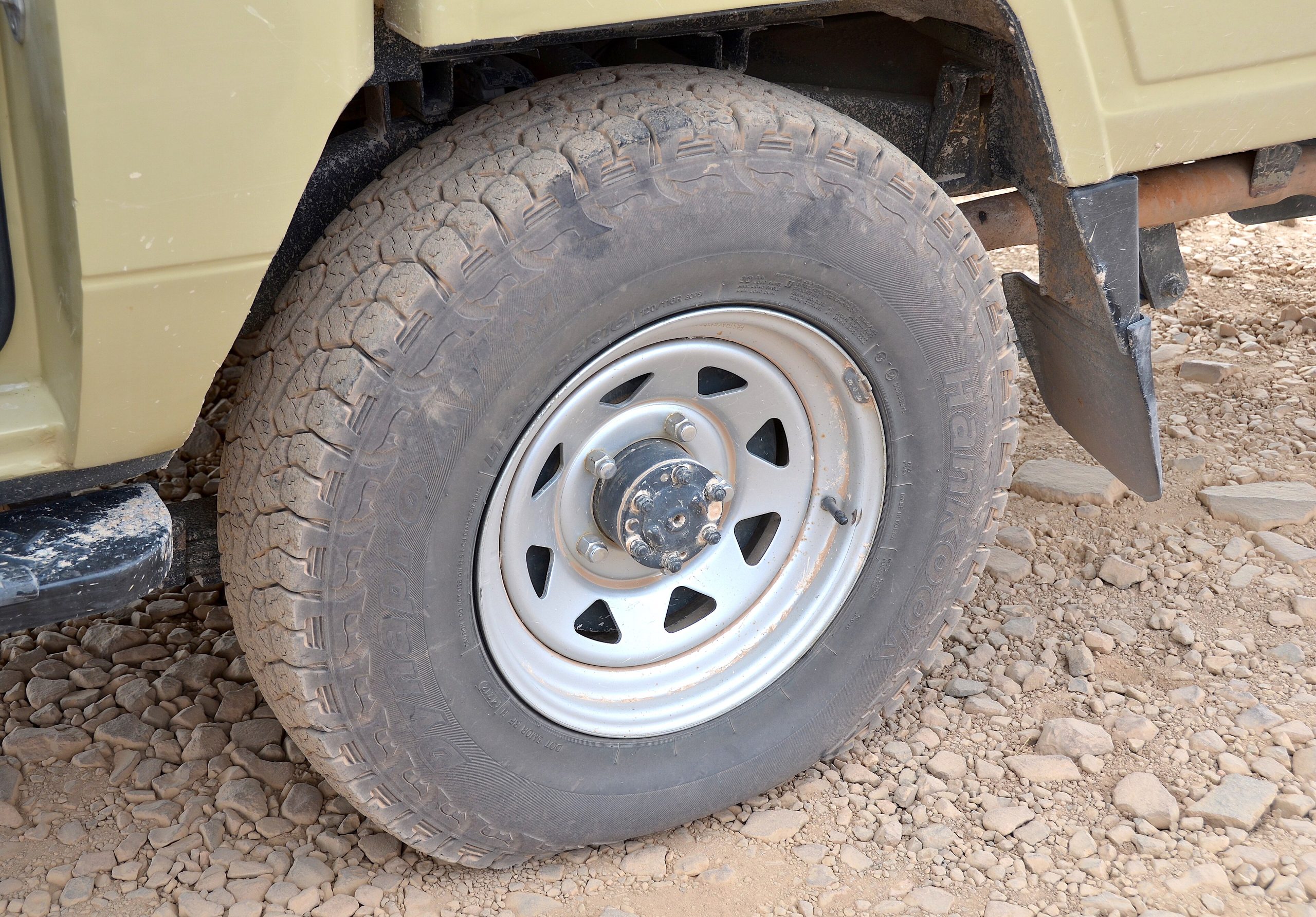
Tyres are the only point of contact between a 1,500 kg vehicle and the road, yet they are among the most neglected safety components a driver owns. The legal minimum tread depth in most countries is 1.6 mm, but handling and braking performance begin declining noticeably below 3 mm. At highway speeds on a wet road, a tyre with worn tread takes an additional 8 metres to stop compared to a tyre at 5 mm depth. Beyond tread, tyre age matters enormously. Rubber oxidises and develops internal micro-cracks after 5 to 6 years, regardless of how the tread looks. Most manufacturers recommend replacing tyres every 6 years, even if they appear fine. Incorrect tyre pressure is equally dangerous. Under-inflation by just 20% increases tyre failure risk by nearly 3 times. Check pressure monthly and inspect tread using a 2-rupee coin or tread wear indicators built into the grooves.
3. Home Electrical Wiring and Circuit Breakers
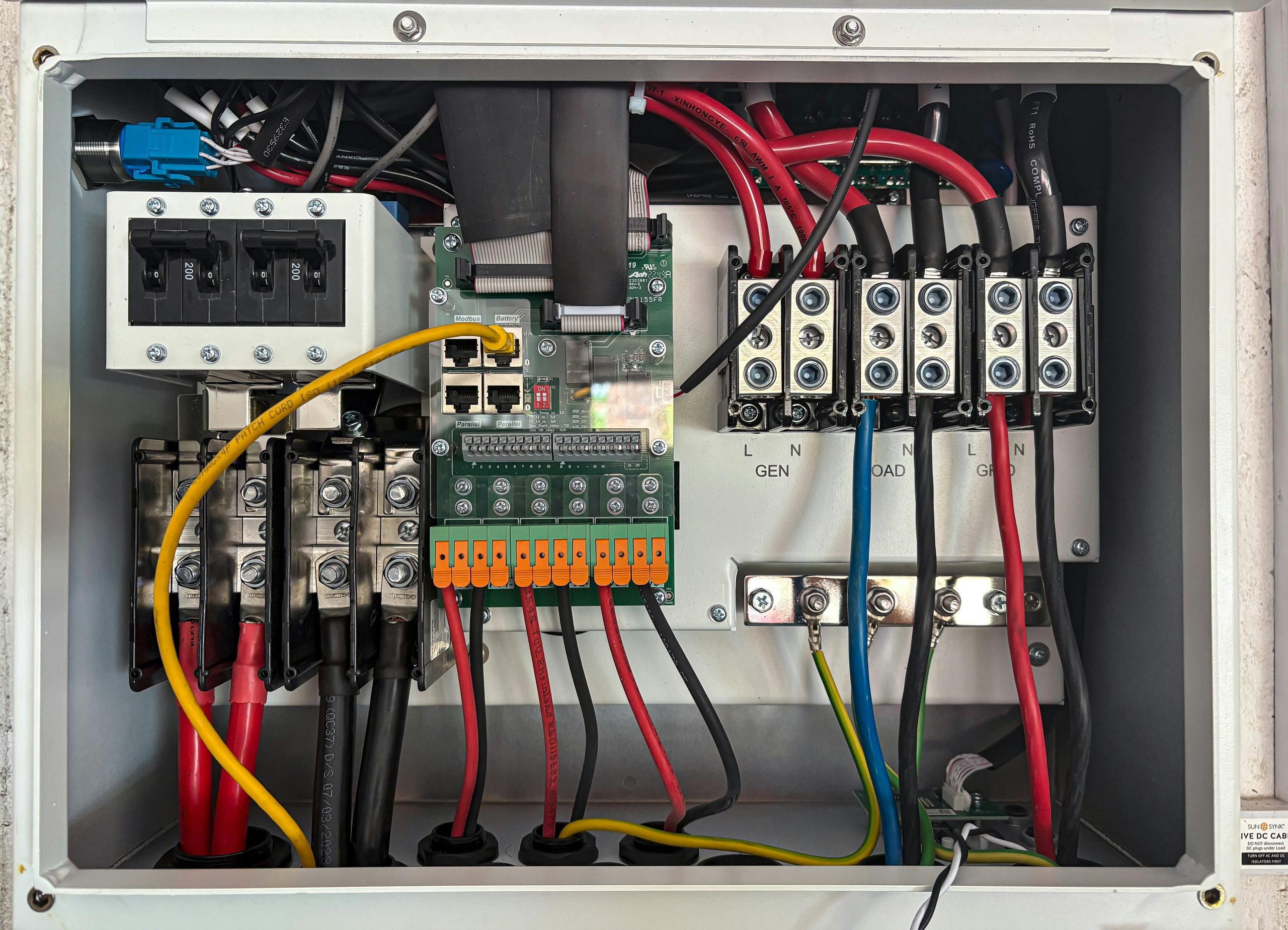
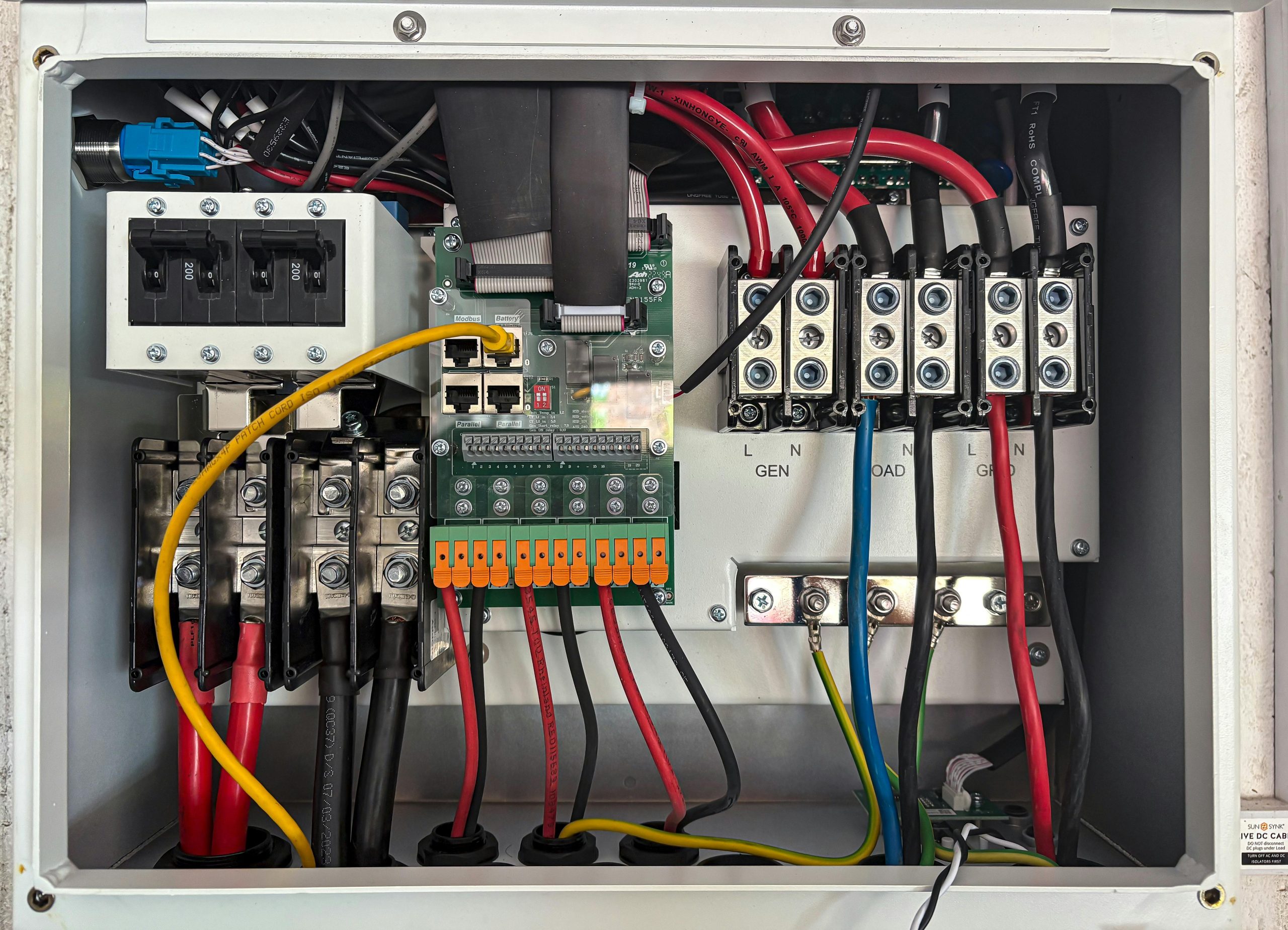
Electrical faults cause approximately 51,000 home fires annually in the United States alone, and ageing wiring is the leading culprit. Homes built before 1980 often contain aluminium wiring or rubber-insulated cables that were never designed to handle the power demand of modern appliances. A standard 1970s home was built for roughly 60 amps of service; today’s average household demands over 200 amps. Circuit breakers are meant to trip and protect you. Still, a breaker that has been tripped and reset repeatedly over the years loses its sensitivity, sometimes failing to trip at loads 15 to 20% above its rated capacity. Signs of trouble include flickering lights, warm outlet covers, a faint burning smell, or breakers that trip unusually often. Most people mistake these for minor annoyances. Have a licensed electrician inspect wiring and breakers every 10 years, or sooner if your home is over 30 years old.
4. Fire Extinguishers
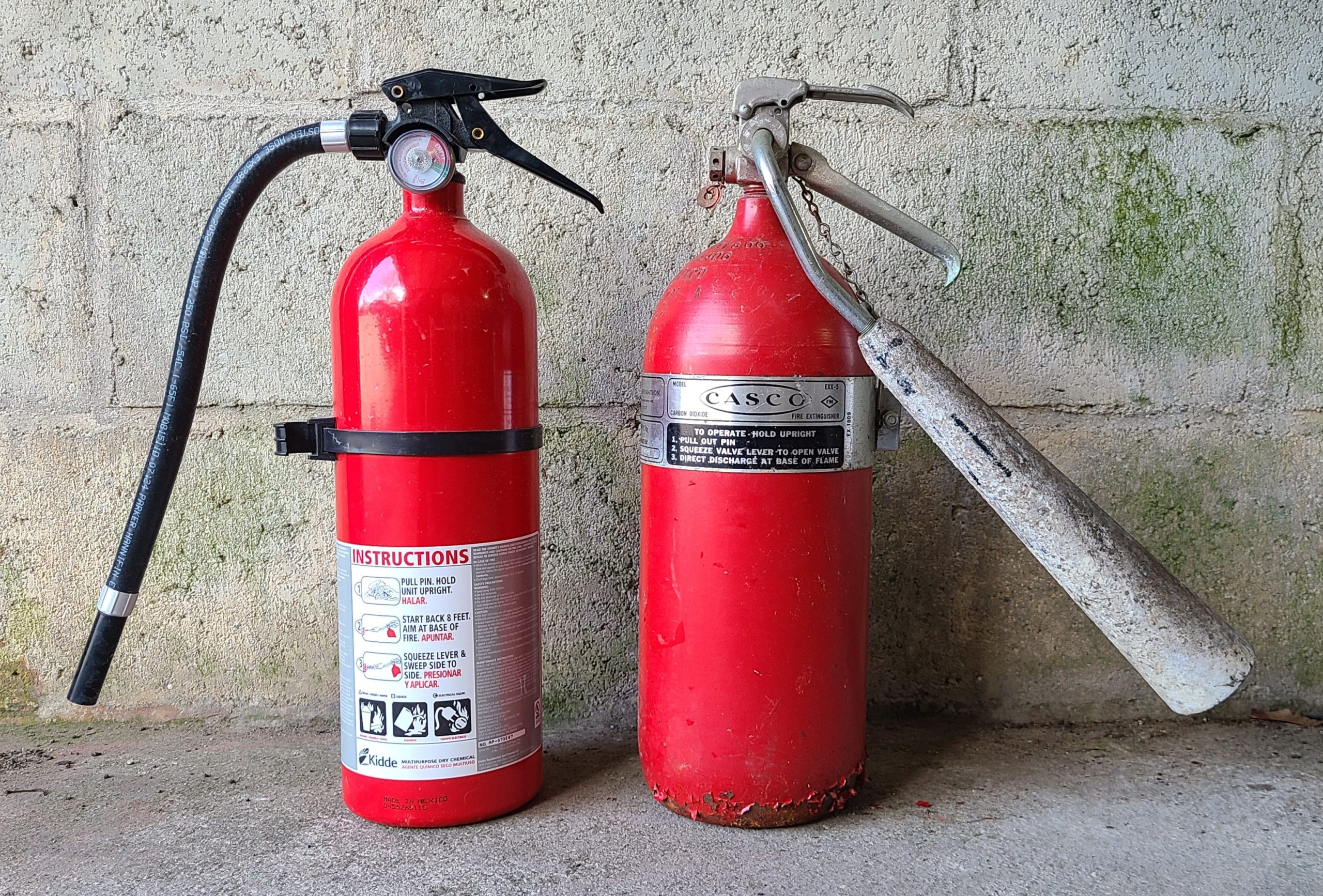
A fire extinguisher sitting on your kitchen shelf for five years might look perfectly functional, but deliver nothing when you actually need it. Dry chemical extinguishers, the most common household type, have a service life of 5 to 12 years, but the powder inside can compact and solidify due to vibration or humidity changes, blocking discharge even if the pressure gauge reads green. That gauge itself is not fully reliable. It only measures internal pressure, not the chemical charge level or nozzle condition. According to the National Fire Protection Association, extinguishers should be inspected professionally every year and pressure-tested or replaced every 6 years at a minimum. Many homeowners also own the wrong type entirely. A Class B extinguisher used on an electrical fire can cause electrocution. You need a multi-class ABC extinguisher rated for the actual risks in your space. Shake the canister gently every month to prevent powder compaction, and read the label so you actually know how to use it before an emergency.
5. Water Heaters
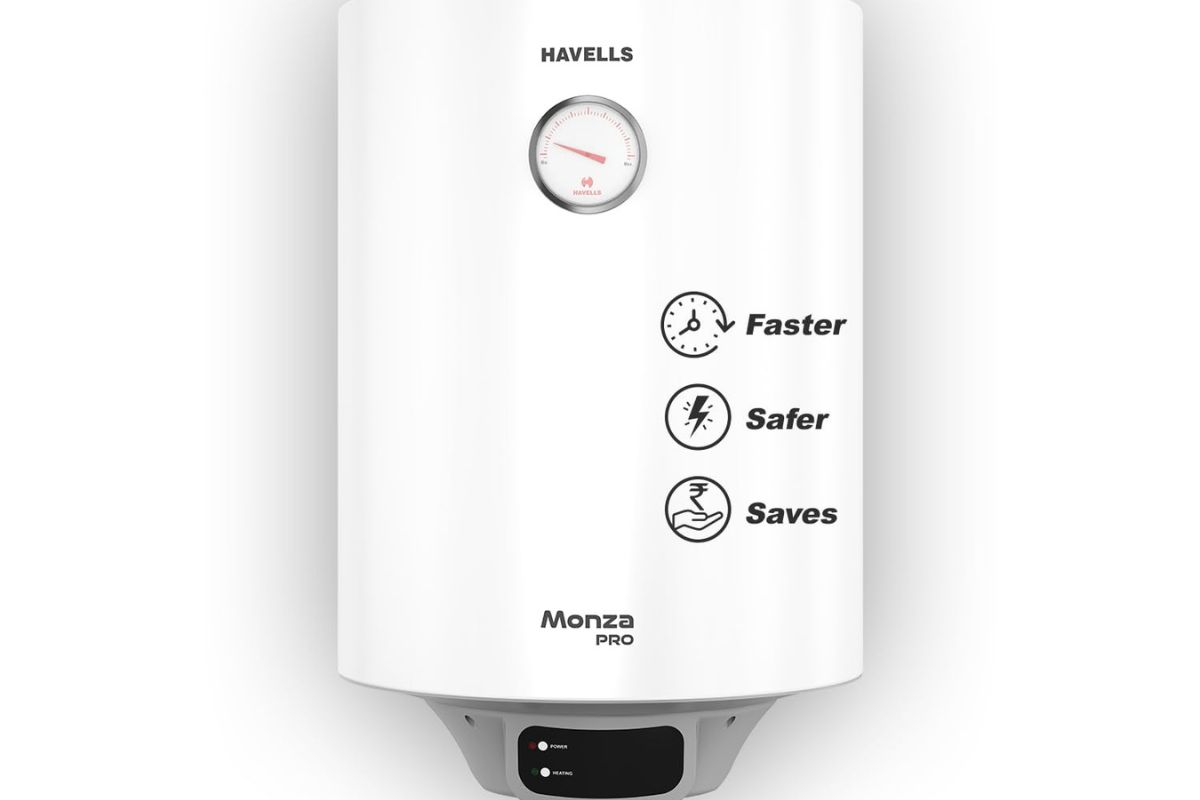
Water heaters operate silently and continuously, which makes them easy to forget and genuinely dangerous to neglect. The average tank-type water heater lasts 8 to 12 years, but internal corrosion, sediment buildup, and pressure valve failure can create serious hazards well before that point. Sediment from hard water accumulates at the bottom of the tank over time, forcing the heating element to work harder and increasing energy consumption by up to 25%. More critically, a faulty temperature and pressure relief valve, the small component designed to release dangerous pressure buildup, is involved in numerous water heater explosions each year. This valve should be tested annually and replaced every 3 to 5 years. A water heater set above 60 degrees Celsius is also a scalding risk, particularly for children and elderly users. Watch for rust-coloured water, a rumbling noise during heating, pooling water near the base, or inconsistent hot water delivery. These are not minor quirks; they are warnings.