Deer hunting culture carries generations of advice, much of it repeated without challenge. Some beliefs once made sense but no longer match modern understanding of deer behavior. Others never held up under observation. These old wives’ tales continue shaping decisions in the woods, often limiting success rather than improving it. Separating tradition from reality helps clarify why deer move, feed, and respond the way they do. These five persistent myths still influence hunters across regions. Each sounds logical at first, yet real world patterns consistently prove otherwise when examined closely through field experience, biology, and seasonal behavior.
Deer Always Move Only At Dawn And Dusk
Many hunters believe deer move exclusively at dawn and dusk, avoiding midday entirely. While crepuscular tendencies exist, pressure reshapes behavior. In heavily hunted areas, mature bucks often shift movement to late morning or early afternoon. Weather changes, feeding needs, and human disturbance alter timing. Trail camera data repeatedly shows daytime activity, especially during rut phases or cold snaps. Relying only on dawn and dusk limits opportunity. Deer adapt constantly. Movement windows expand when conditions demand it. Assuming rigid schedules overlooks adaptability, causing hunters to abandon stands prematurely during productive midday hours when mature deer feel safest traveling.
Big Bucks Avoid Open Areas Completely
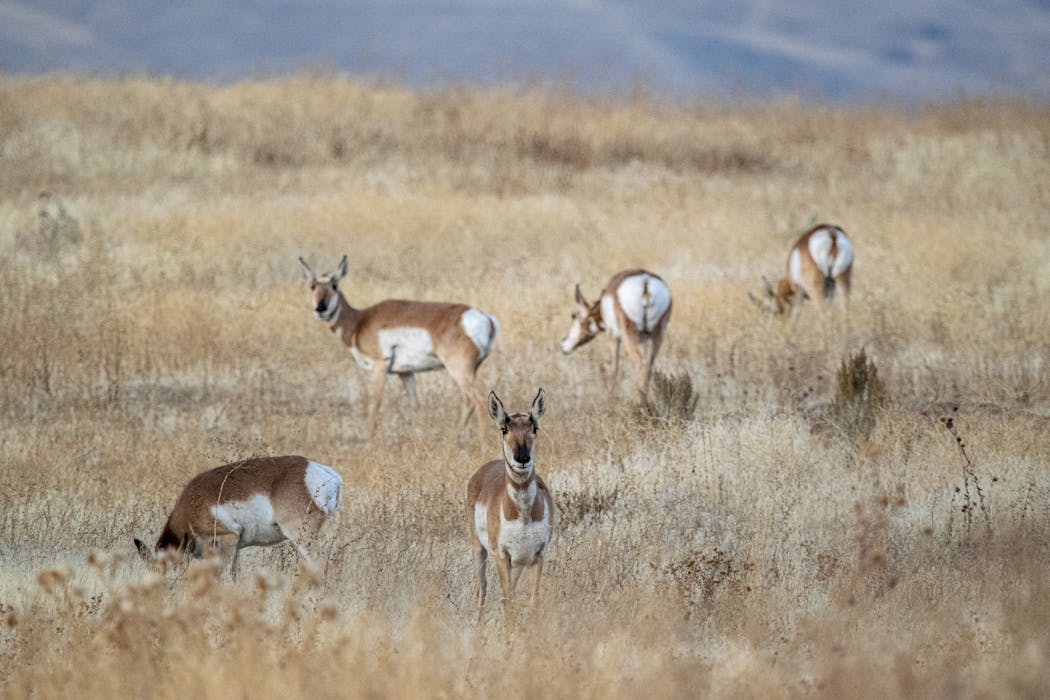
A common belief claims mature bucks never enter open areas during daylight. In reality, they use openings strategically. Crop edges, clearcuts, and meadows provide food and visibility. Bucks often cross openings quickly or use terrain to stay concealed. Wind direction and sightlines matter more than openness. Pressure determines behavior, not blanket rules. Cameras regularly capture daylight crossings. Overlooking openings eliminates valuable travel routes. Mature bucks weigh risk versus reward constantly. When conditions align, they move confidently through exposed areas, especially during rut or cold weather, disproving the idea that open ground always equals danger for older deer.
Deer Cannot Smell Human Scent After Rain

Rain washing away human scent remains a widely believed myth. While rain can disperse surface odor, scent particles persist. Moist conditions often enhance scent travel by holding odor near the ground. Deer noses detect trace scent regardless of rainfall. Wind, humidity, and thermals matter more than precipitation. Hunters relying on rain as a reset misjudge conditions. Deer routinely react to human presence after storms. Believing rain erases mistakes leads to careless access routes. Understanding scent behavior explains why deer still avoid areas despite recent rainfall, reinforcing that odor management remains critical regardless of weather conditions.
Moon Phases Control Deer Movement Completely

Many hunters credit moon phases as the primary driver of deer movement. While lunar cycles influence feeding patterns slightly, they do not override weather, pressure, or seasonal behavior. Deer respond more strongly to temperature drops, wind changes, and breeding cycles. Movement occurs daily regardless of moon phase. Overemphasizing lunar charts distracts from scouting sign and adapting to conditions. Cameras show activity across all moon phases. Believing the moon controls everything leads to missed opportunities. Deer follow survival needs first. Moon position plays a minor role compared to habitat, hunting pressure, and biological priorities shaping movement.
Deer Always Travel The Same Trails Every Year
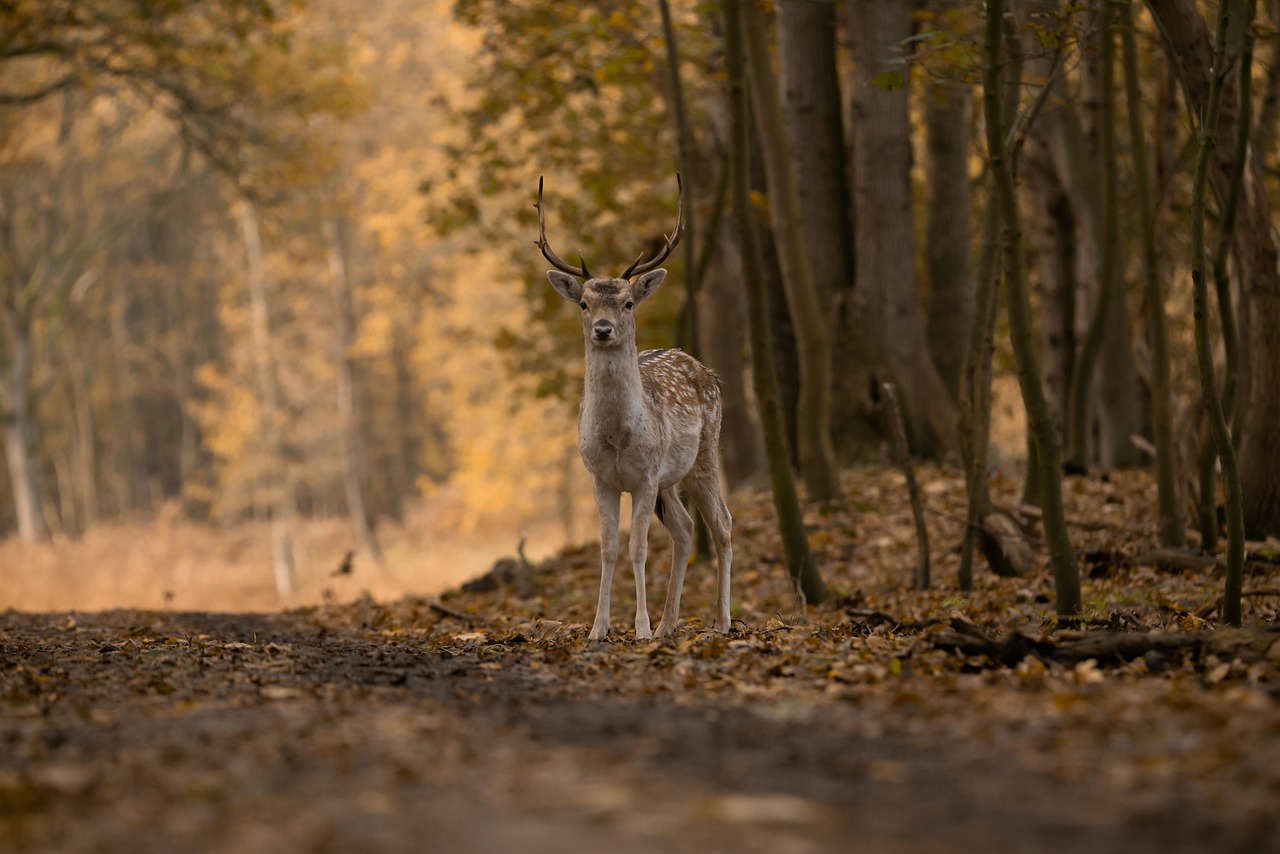
Another persistent belief suggests deer follow identical trails year after year. While core areas remain consistent, exact routes shift. Vegetation growth, logging, crop rotation, and pressure alter movement. Deer adjust trails subtly to avoid danger. Rub lines and tracks move seasonally. Assuming fixed paths leads to poorly placed stands. Successful hunters monitor current sign rather than relying on memory. Deer respond to change quickly. What worked last season may fail today. Recognizing flexibility explains sudden movement shifts and reinforces the importance of ongoing observation instead of trusting outdated patterns believed to remain permanent.