Many campsites across the United States appear calm and inviting until a storm exposes how vulnerable they really are. Low riverbanks, flat meadows, and scenic waterside pads can turn hazardous when heavy rain funnels through canyons or river corridors. Even well-maintained campgrounds inside national parks can flood with little warning, especially where snowmelt, tropical remnants, or rapid runoff influence water levels. Knowing which sites flood easily helps travelers plan safely, even when the weather looks perfect on arrival.
1. Upper Pines Campground, Yosemite National Park, California
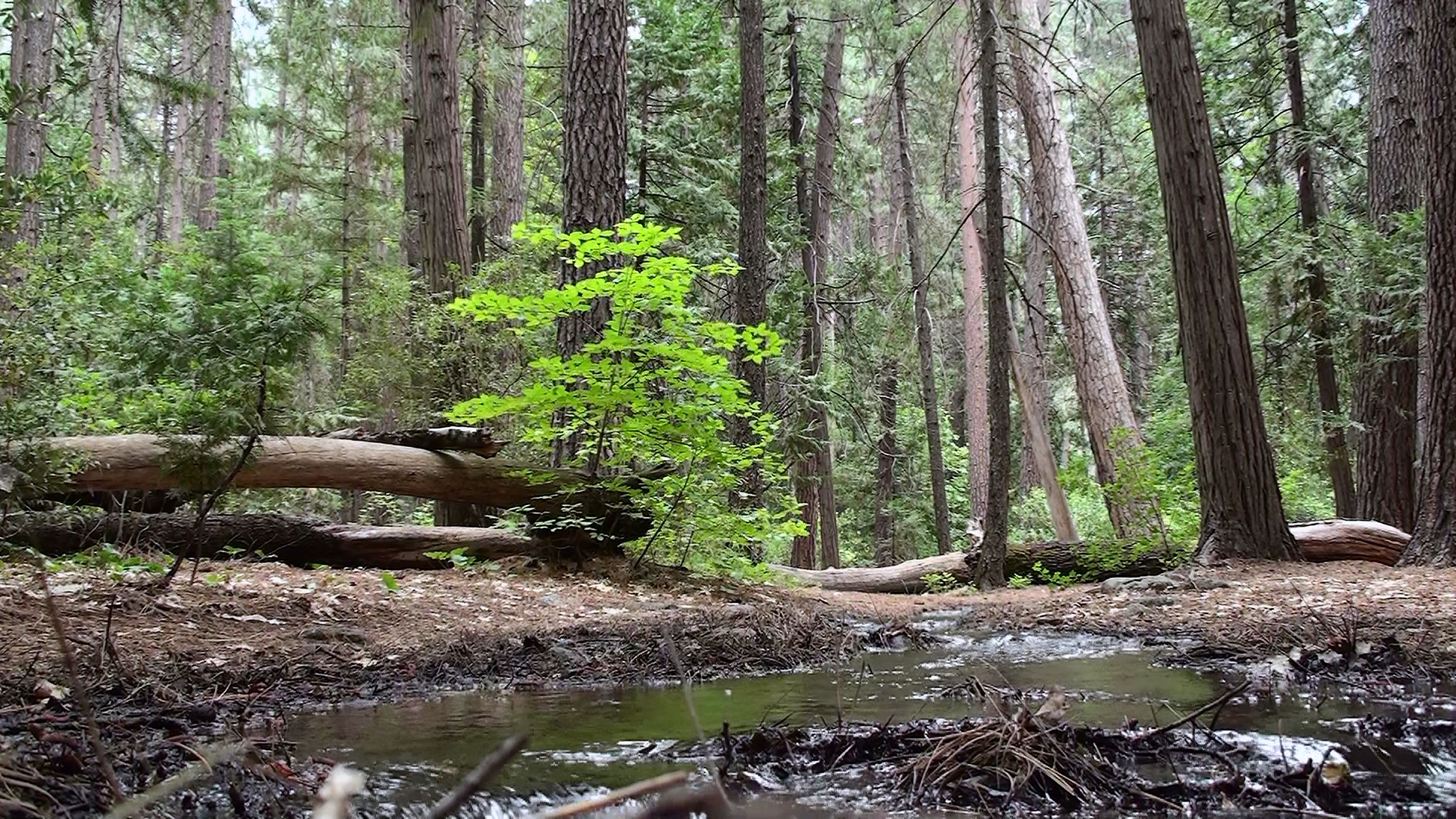
Upper Pines sits in Yosemite Valley, where the Merced River can rise rapidly during snowmelt or after intense storms. The lush, level campsites appear harmless, but runoff from granite cliffs often channels straight across the valley floor. Water can pool around tent pads and parking areas long before the river visibly swells. Campers frequently underestimate how quickly puddles expand during heavy rain, and several loops have a long history of temporary closures due to standing water or saturated soil.
2. Watchman Campground, Zion National Park, Utah
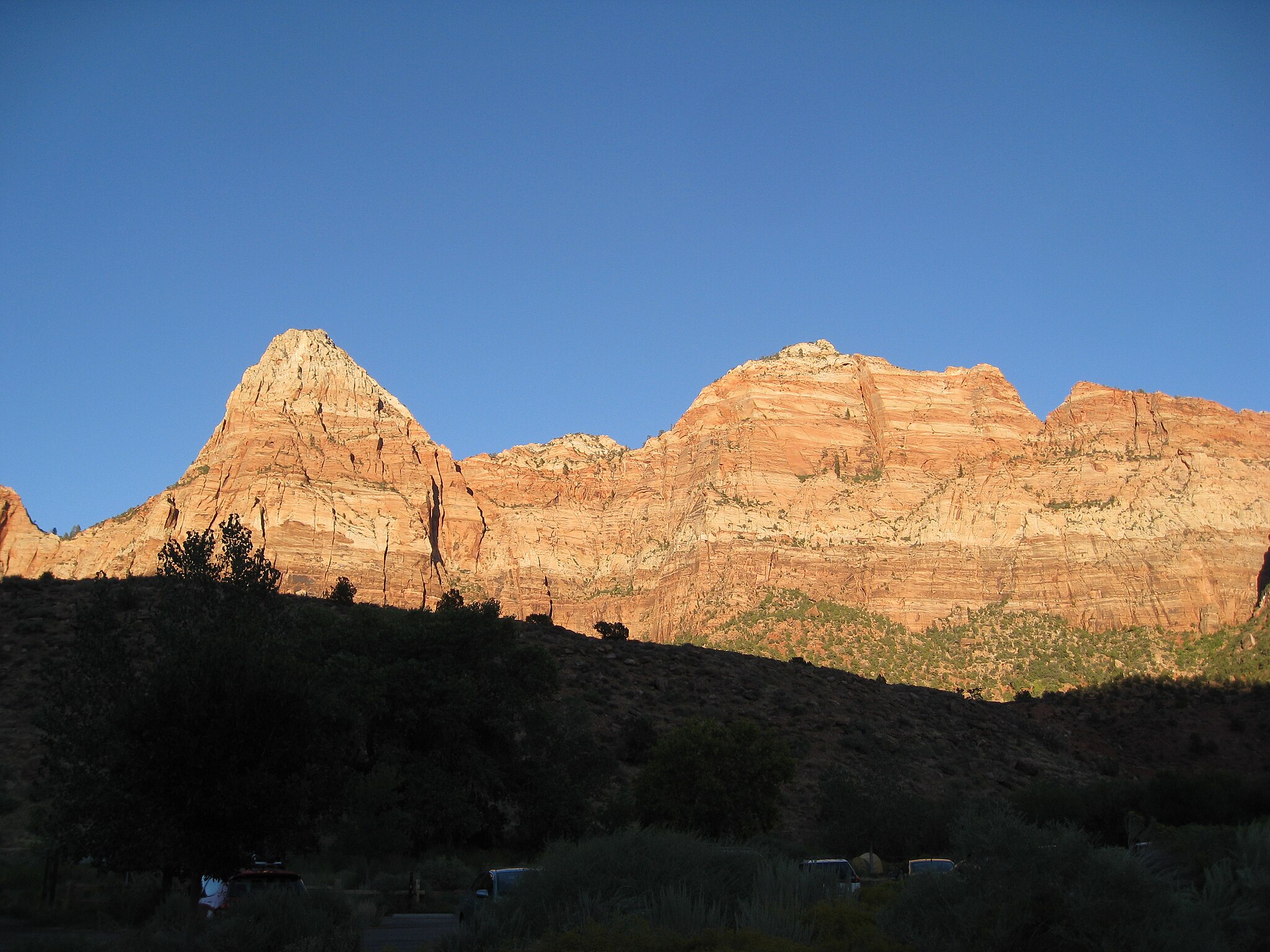
Watchman Campground looks reliably dry thanks to its desert environment, but flash flooding remains a serious concern. The Virgin River can surge after storms that form miles upstream, sending sudden pulses of water toward the lower campsites. Because the campground sits on flat ground near the riverbed, rising water spreads quickly across low loops. Even when the river stays contained, runoff from canyon walls can create fast-moving sheet flows that catch unsuspecting visitors off guard during summer monsoons.
3. Elkmont Campground, Great Smoky Mountains, Tennessee
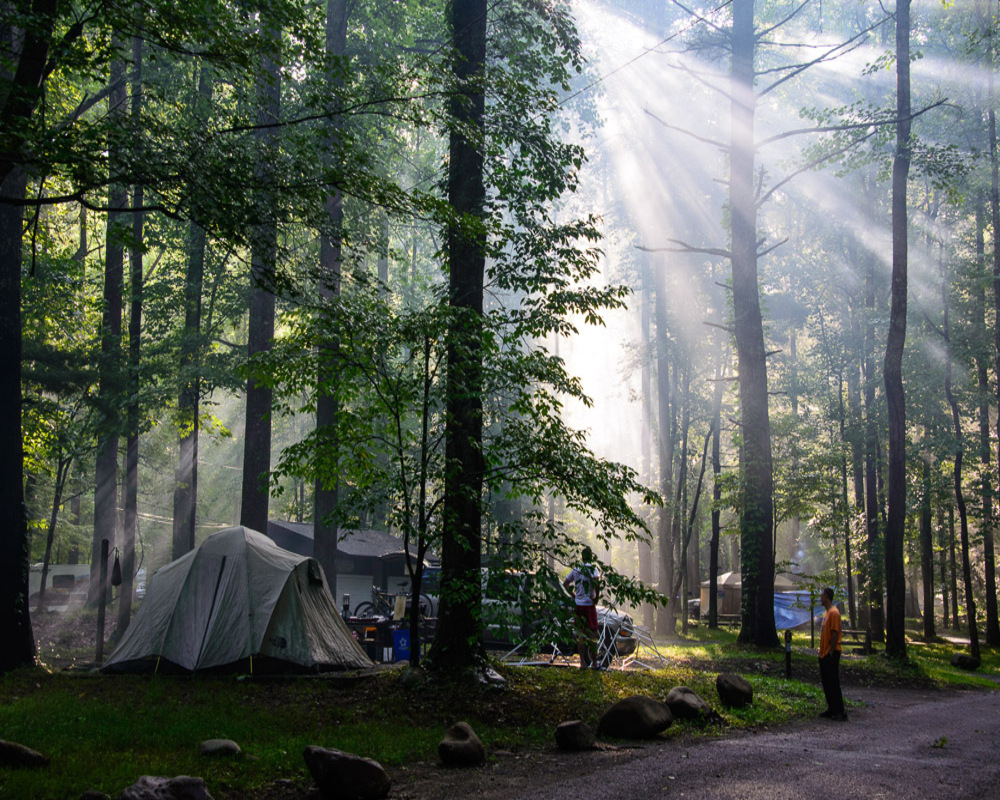
Elkmont’s charming forest setting hides the fact that the Little River can rise significantly after heavy rainfall. The campground rests in a narrow valley where runoff from steep slopes funnels into the river corridor. Campsites closest to the water appear peaceful but are among the first to experience pooling when storms move through the Smokies. The combination of soft soil, dense leaf litter, and quick drainage from surrounding ridges makes certain loops prone to slow but steady encroaching water.
4. Rio Grande Village Campground, Big Bend National Park, Texas
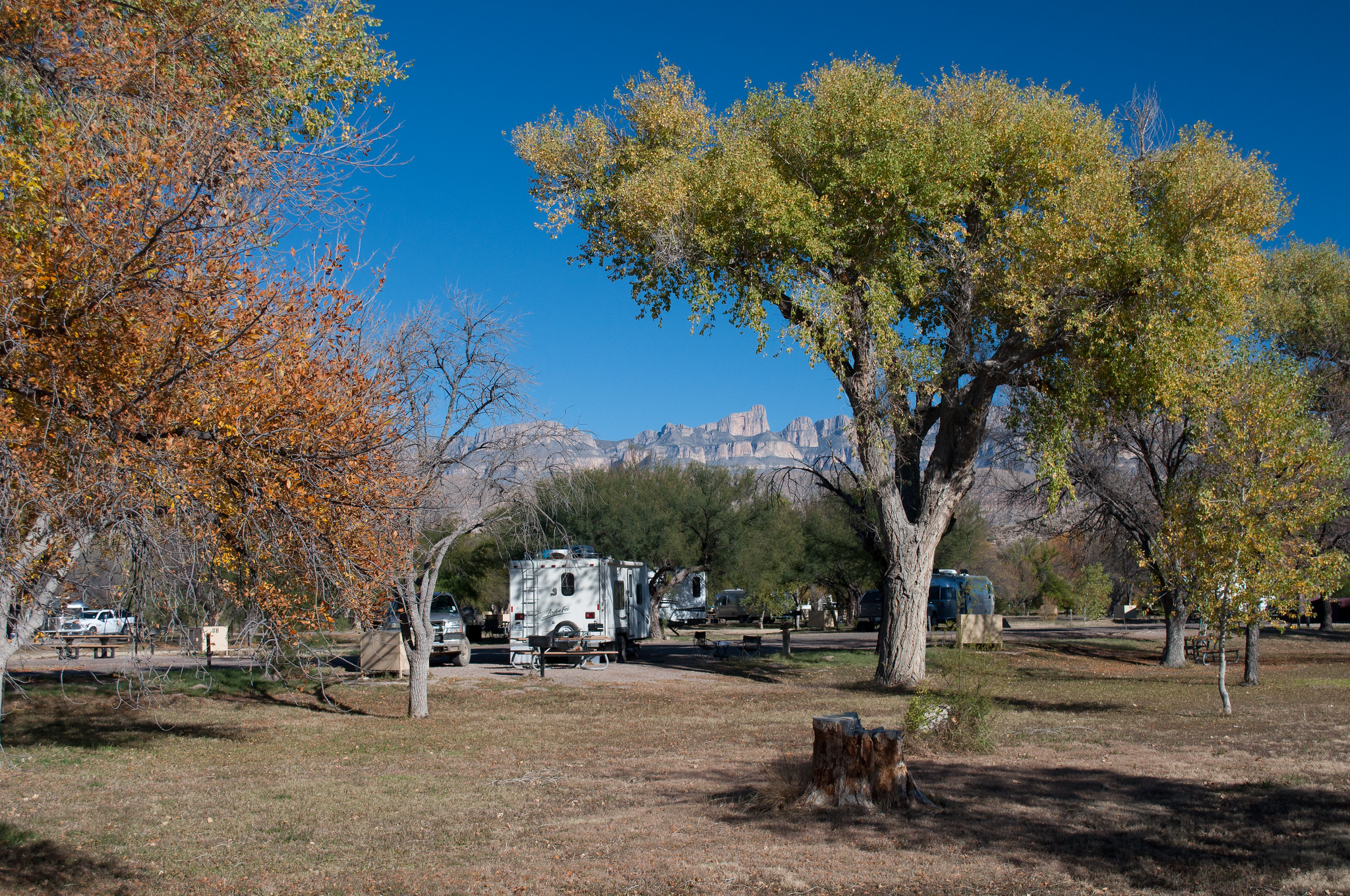
Rio Grande Village is known for warm desert nights, yet its proximity to the river makes it vulnerable during tropical remnants or upstream rainfall. Flooding can occur even when skies above the campground remain clear, as water from distant storms travels down the Rio Grande. The lower sites sit on flat terrain that absorbs poorly, allowing water to spread into campsites quickly. Seasonal closures are common, and campers often wake to rising water that was not visible the night before.
5. Steel Creek Campground, Buffalo National River, Arkansas
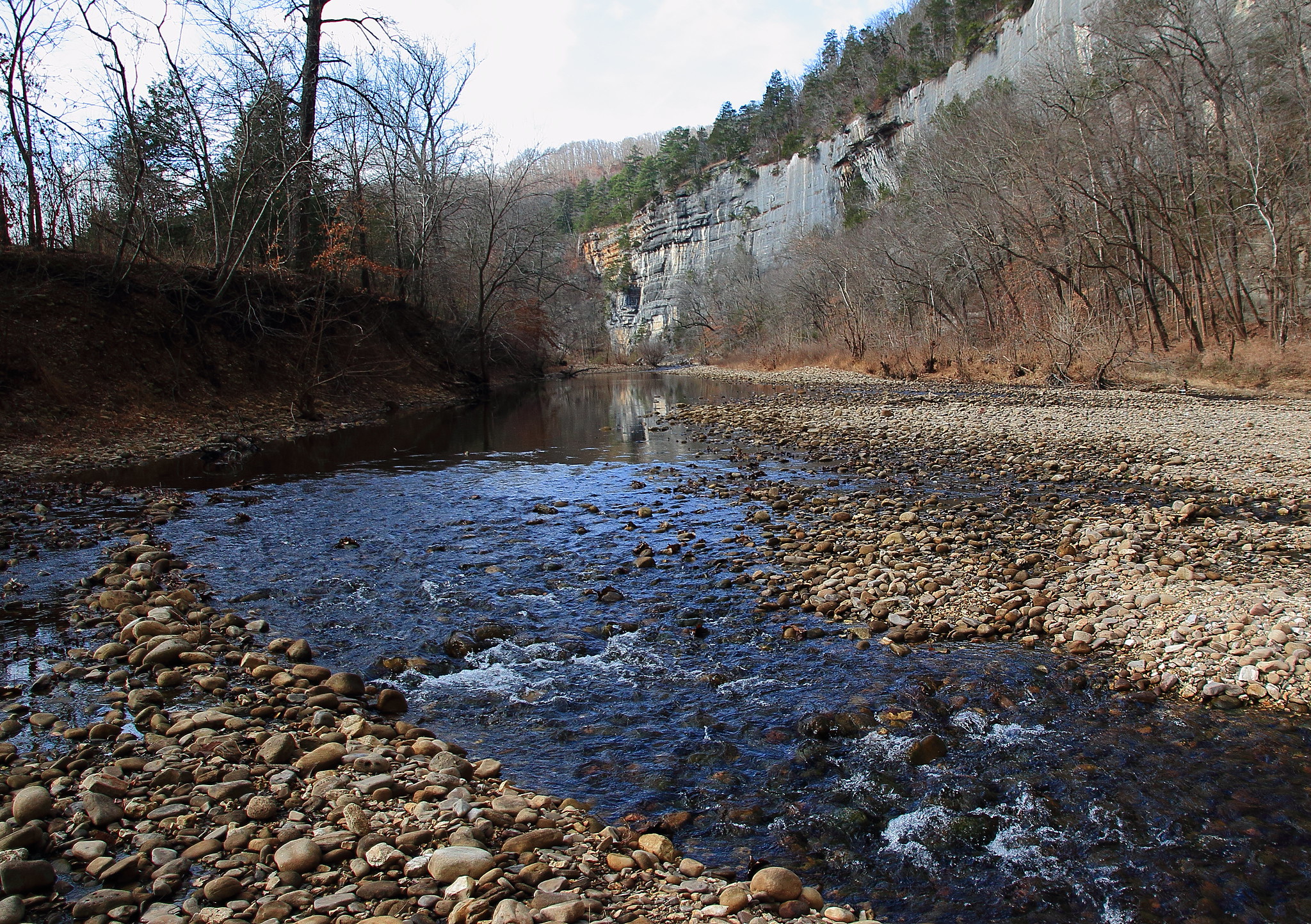
Steel Creek offers dramatic bluff views, but the Buffalo National River can swell fast during spring storms, making this otherwise scenic campground surprisingly flood-prone. The area sits in a narrow river corridor where rainfall from upstream watersheds impacts water levels within hours. The campground’s low-lying pads may appear safe on arrival, yet overnight rain often leads to pooling across trails and tent sites. Seasonal park advisories frequently warn visitors about rapidly changing water conditions in this region.