When emergencies happen outdoors, the ability to signal for help can matter more than any other survival skill. You do not need specialized rescue equipment to be seen or heard. Everyday gear already in your pack can become powerful signaling tools when used with intention. Effective signals rely on contrast, motion, sound, and repetition to stand out from the natural environment. Understanding how rescuers search and what draws the human eye increases your chances of being located faster. These methods are practical, realistic, and usable in a wide range of terrain. Practicing them before an emergency builds confidence and reduces panic when every decision counts.
1. Mirror or Reflective Surface
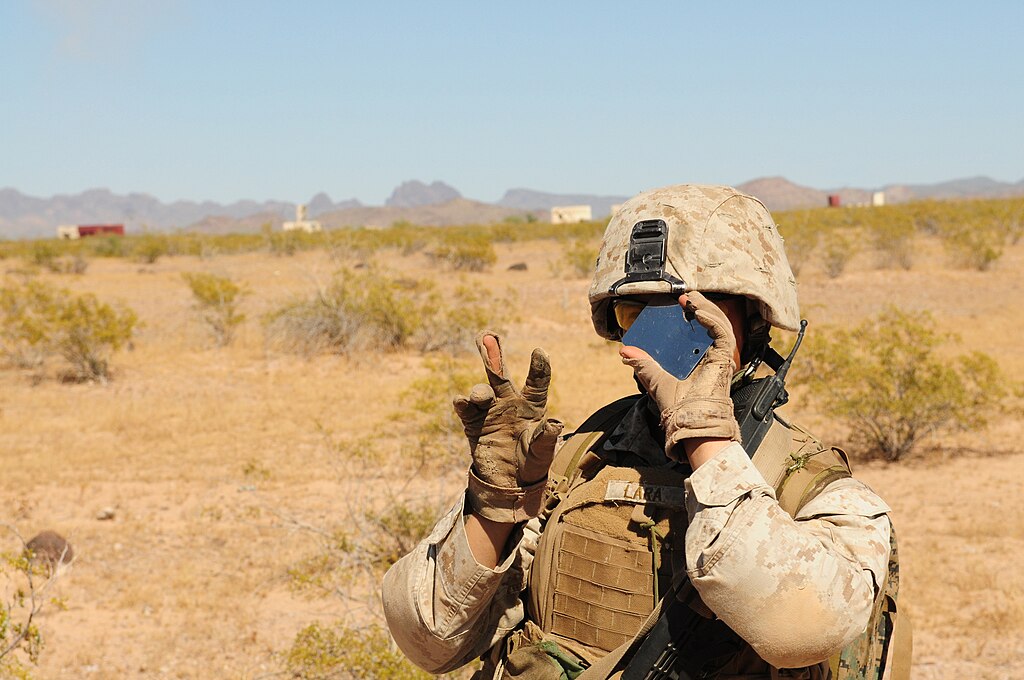
A mirror is one of the most effective signaling tools because reflected sunlight can travel for miles. Pocket mirrors, phone screens, polished metal, or even glossy packaging can produce strong flashes. The key is controlled movement rather than constant glare. Aim the reflection toward aircraft paths, ridgelines, or open valleys using short, repeated flashes. Practice aiming by lining up the light through your fingers or a small opening. Even on hazy days, reflected light stands out against natural backgrounds. This method requires little energy and works best in daylight with clear visibility.
2. Whistle or Sharp Repeating Sound
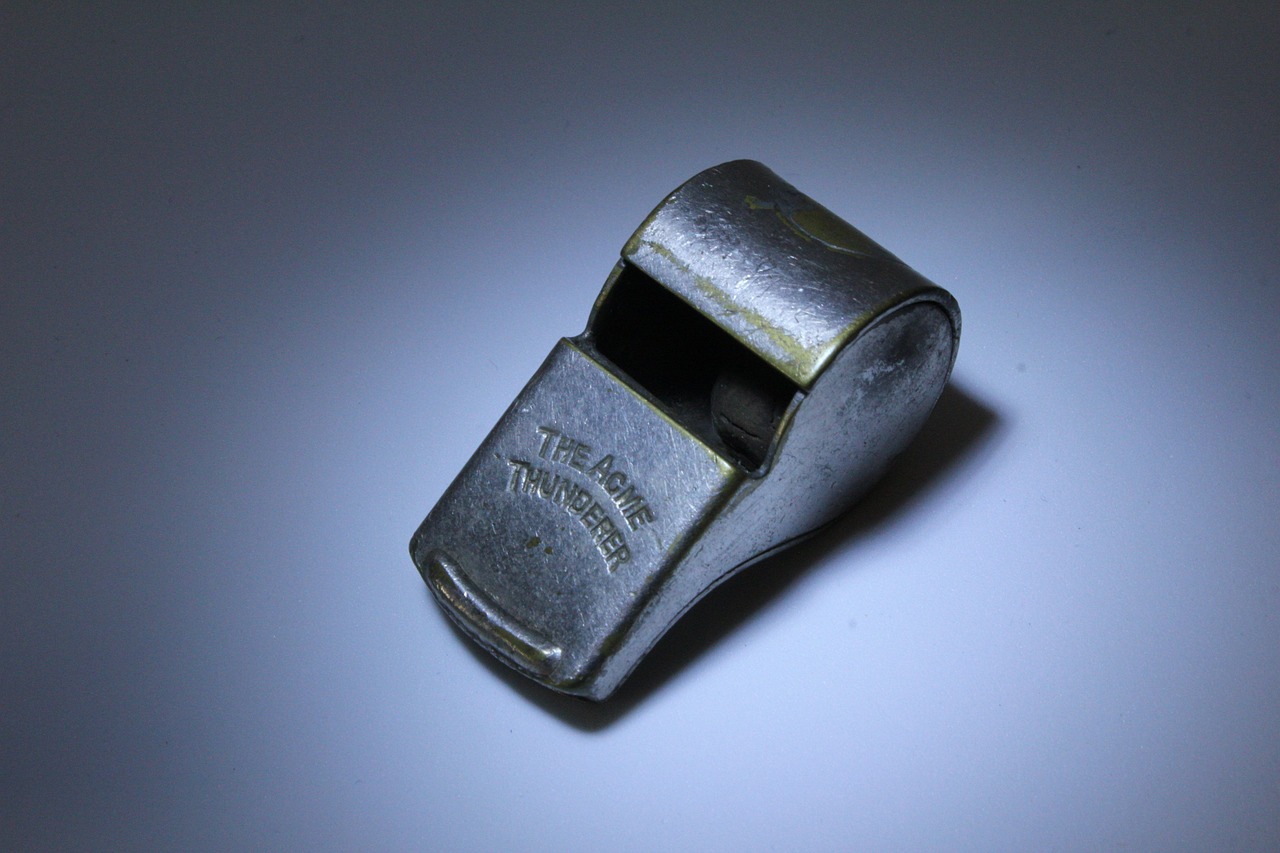
Sound signals are critical when visibility is limited by terrain, fog, or dense vegetation. A whistle produces a sharp tone that carries farther than a human voice and conserves energy. If a whistle is unavailable, striking metal objects together or banging cookware can create a similar effect. Three short blasts followed by a pause are a widely recognized distress signal. Repetition helps listeners distinguish the sound from natural noise. Use intervals rather than constant noise to avoid fatigue and improve recognition. Sound signaling works especially well in forests, canyons, and low-light conditions.
3. Flashlight or Headlamp
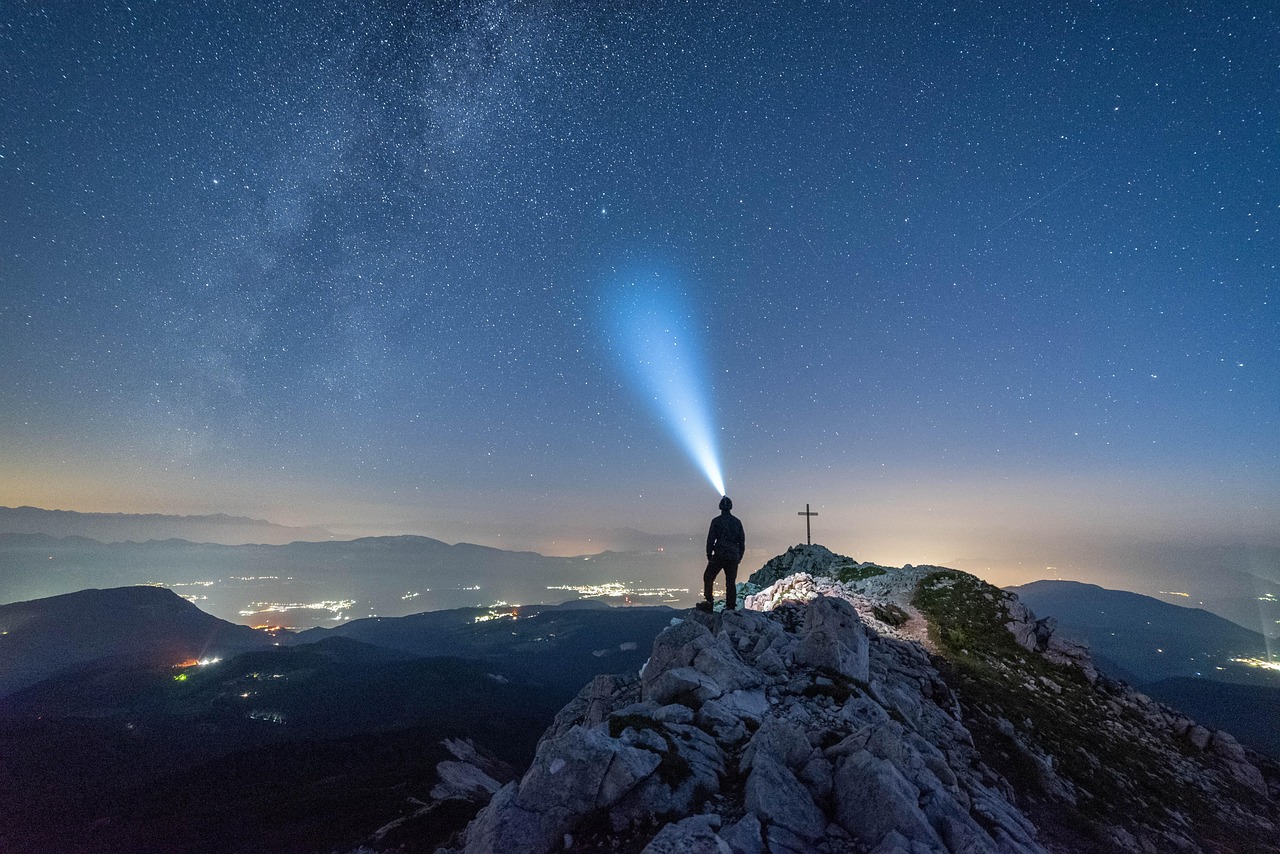
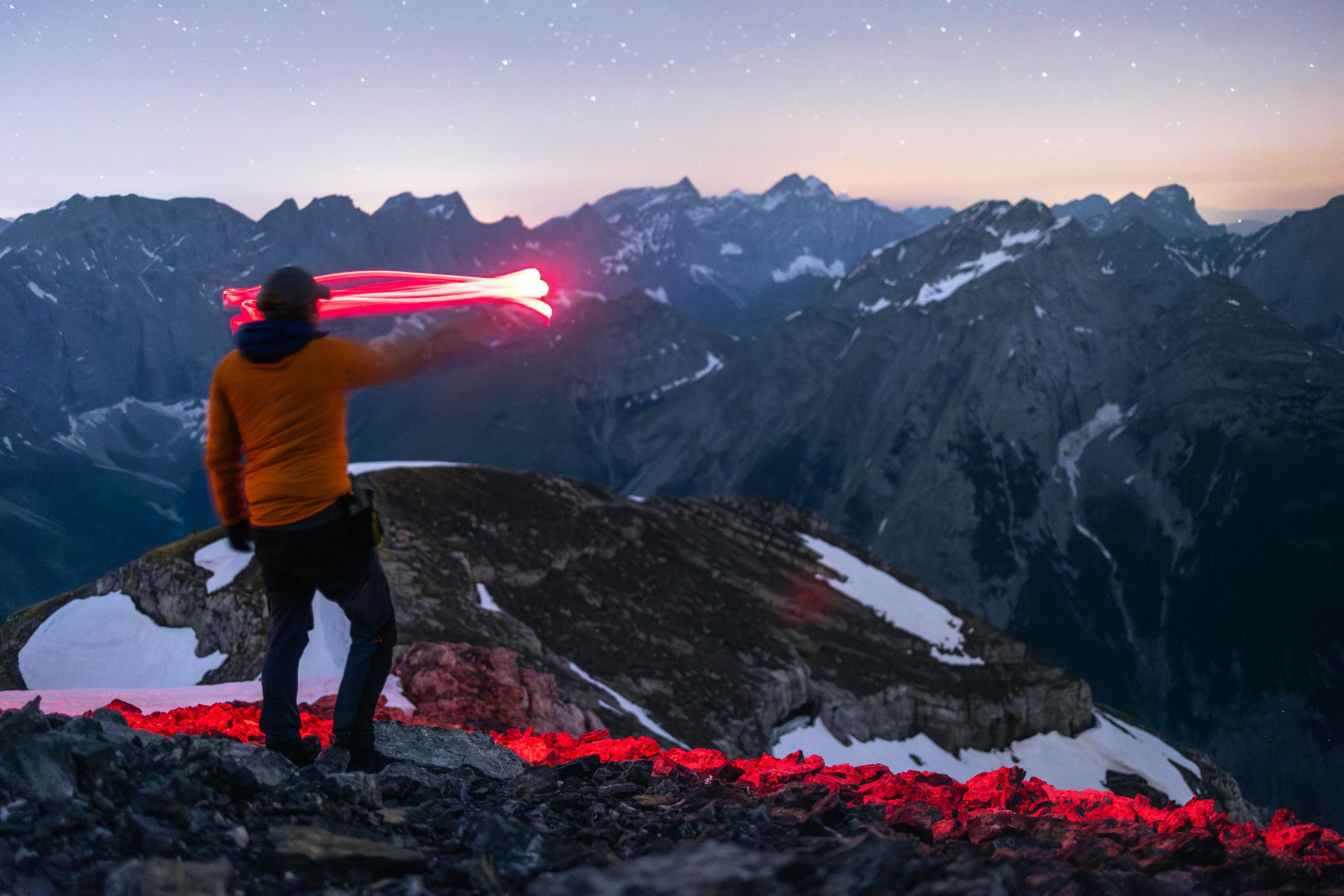
A flashlight or headlamp becomes a powerful signaling device once daylight fades. Flashing light in deliberate patterns draws attention far more effectively than leaving it on continuously. Aim the beam toward open areas rather than into trees or brush. At night, even low-output lights can be seen from great distances. During daylight, rapid flashing against shaded terrain can still stand out. Preserve battery life by signaling in short bursts. Headlamps allow hands-free use, making them practical for continued movement while maintaining visibility and situational awareness.
4. Bright Clothing
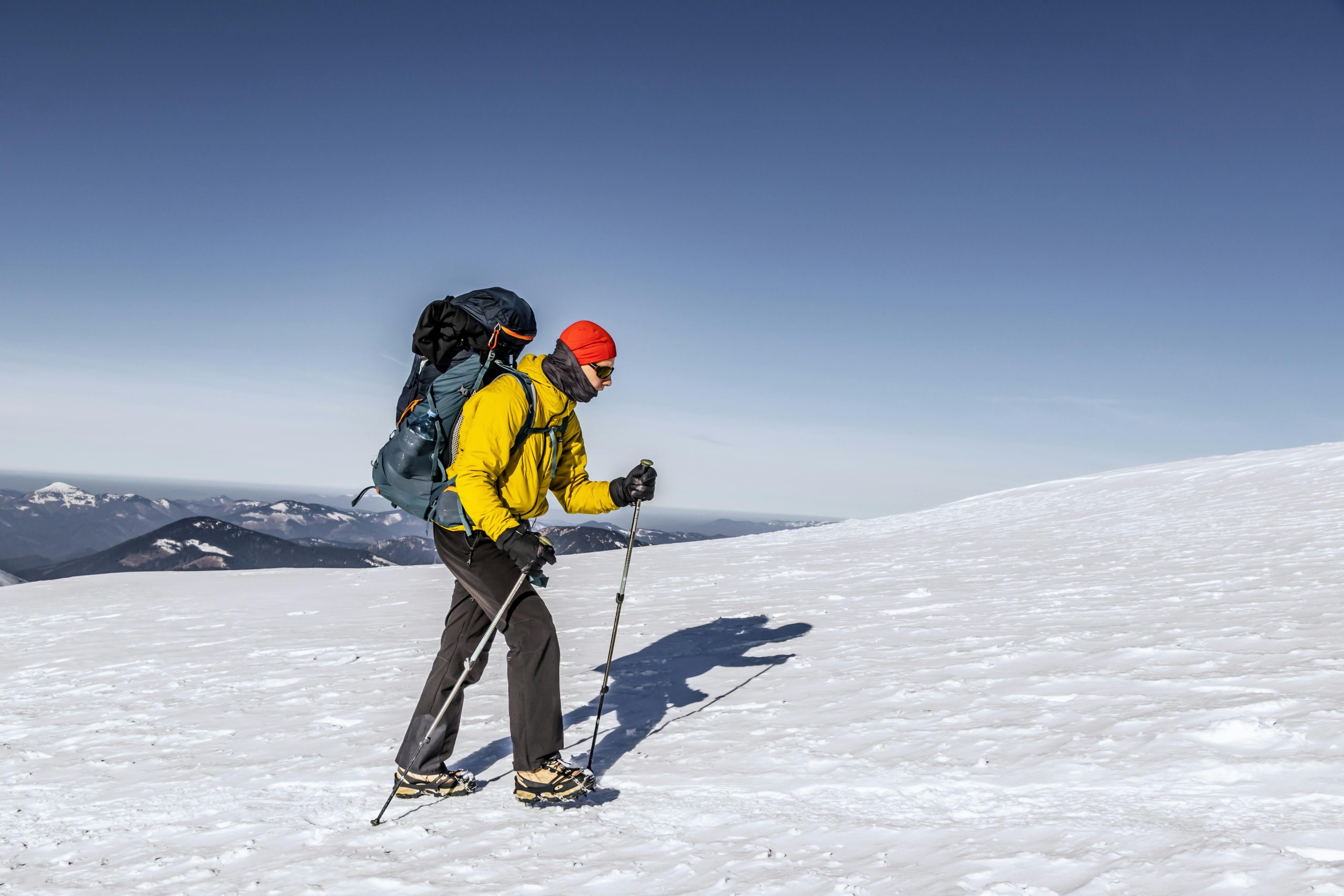
Brightly colored clothing creates a strong visual contrast against natural landscapes dominated by greens, browns, and grays. Waving a bandana, shirt, or jacket introduces motion that the human eye detects quickly. Lying clothing flat in open areas can also form large, unnatural shapes visible from a distance or above. Even darker clothing can work when placed against snow, sand, or dry grass. Attaching fabric to a stick or trekking pole increases height and movement. This method is simple, effective, and works well alongside other visual signals.
5. Smoke From a Controlled Fire
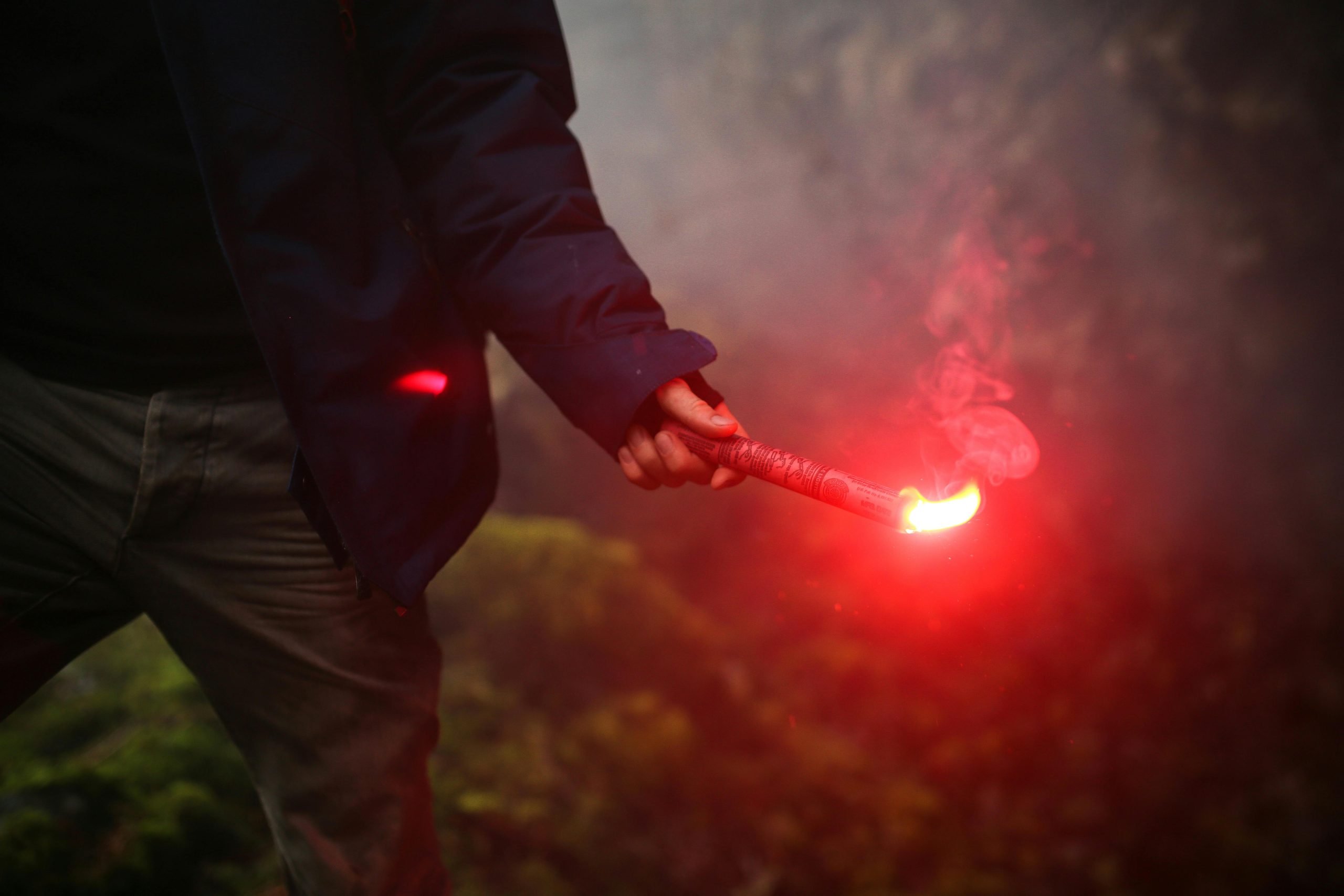
Smoke is one of the oldest and most recognizable distress signals. A small, controlled fire built in an open area can create a visible column that stands out against the landscape. Adding green leaves, pine needles, or damp vegetation increases smoke density and visibility. During daylight, thick white smoke is easiest to spot, while at dusk, darker smoke contrasts better with the sky. Always prioritize safety and local fire conditions. Keep the fire manageable and ready to extinguish. Smoke signals are especially effective in open terrain where aircraft or distant observers may be scanning the area.
6. Ground Symbols Made With Gear
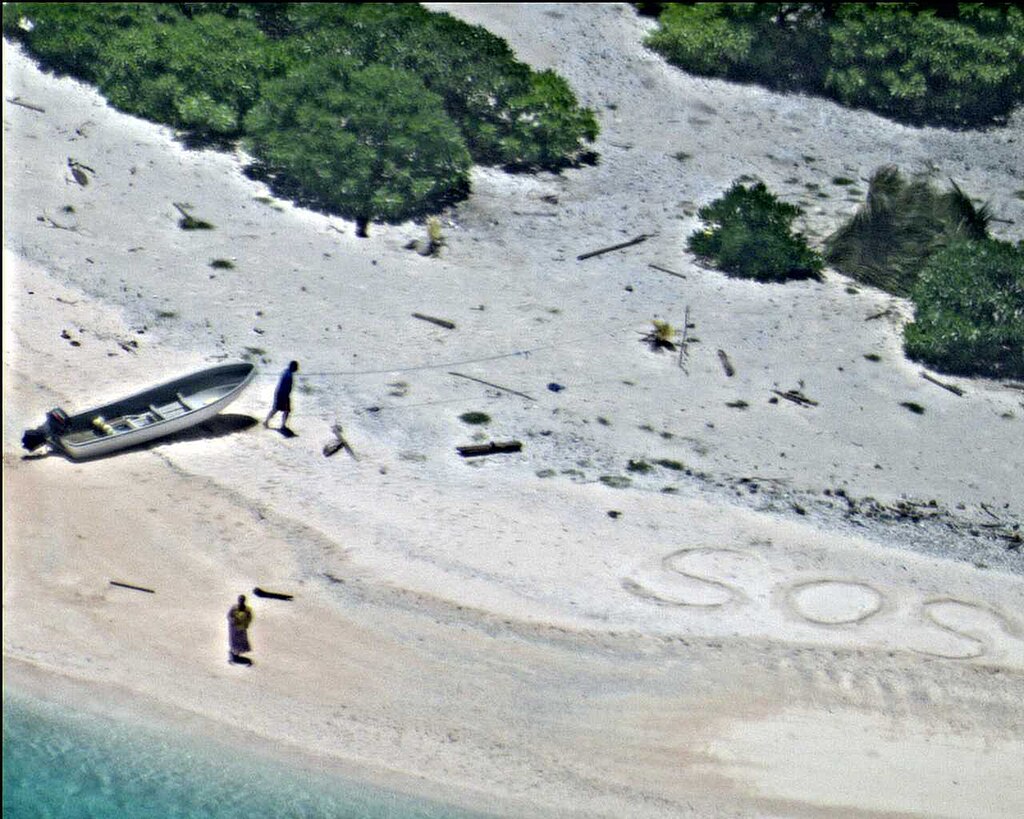
Large ground symbols communicate distress to aerial search teams. Use backpacks, sleeping pads, rocks, or branches to create clear shapes in open areas. Common symbols include large X shapes, arrows pointing to your location, or SOS letters. The key is size and contrast. Shapes should be wide and sharply defined. Avoid clutter or irregular spacing. Choose areas with high visibility, such as ridges, beaches, or clearings. Ground signals remain visible even when you are resting or conserving energy, making them a reliable long-term signaling method.
7. Metallic Noise Using Cookware

Metal cookware produces sharp, attention-grabbing sounds when struck together. Pots, lids, cups, or utensils can be used to create rhythmic noise patterns that travel farther than shouting. Striking metal against rock or wood amplifies the sound. Use short bursts followed by silence to avoid blending into environmental noise. Consistent rhythm helps listeners recognize the sound as intentional. This method works well in valleys and wooded terrain where sound echoes naturally. Metallic noise signaling is effective when movement is limited or visibility is poor.
8. Phone Screen Light or Flash
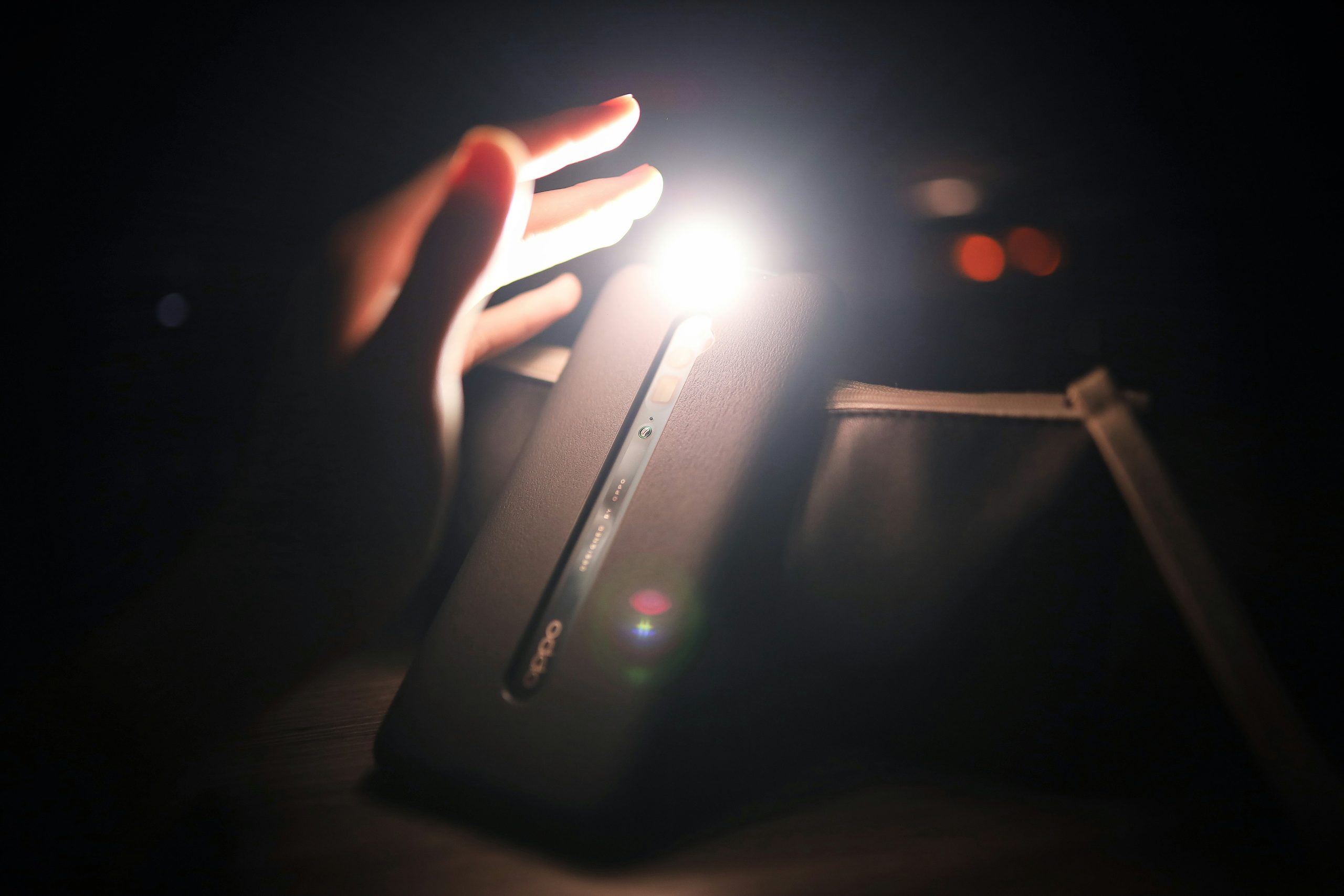
Even without cellular service, a phone can still be a valuable signaling tool. The screen and camera flash create bright, focused light that stands out in low light or shade. Use flashing patterns rather than steady illumination to attract attention. During daylight, reflecting sunlight off the screen works similarly to a mirror. Conserve battery by lowering screen brightness and limiting use to scheduled intervals. Phones are familiar tools, making this method intuitive under stress. When combined with elevation and clear sightlines, phone light signals can be surprisingly effective.
9. Clothing Hung in High, Visible Spots
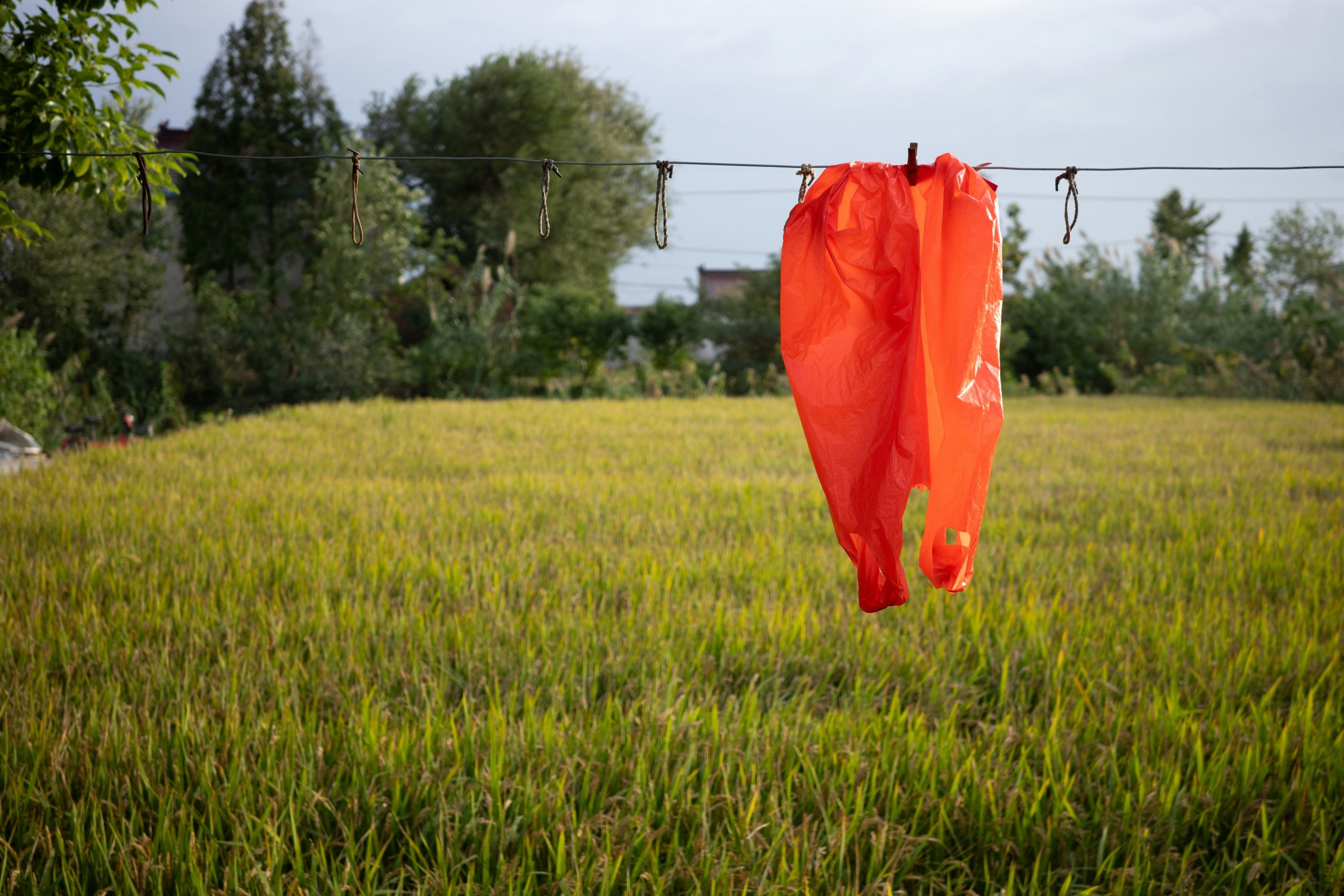
Bright or contrasting clothing becomes a powerful signal when placed correctly. Hanging shirts, jackets, or bandanas from tree branches, trekking poles, or rocks increases visibility across long distances. Movement caused by wind draws attention better than static objects. Choose elevated locations such as ridgelines, open slopes, or shoreline trees. Avoid camouflaged colors if possible. Even neutral clothing stands out when isolated against natural backgrounds. This method works continuously without energy expenditure and remains effective when you are resting or unable to move.
10. Flashing With a Headlamp or Flashlight
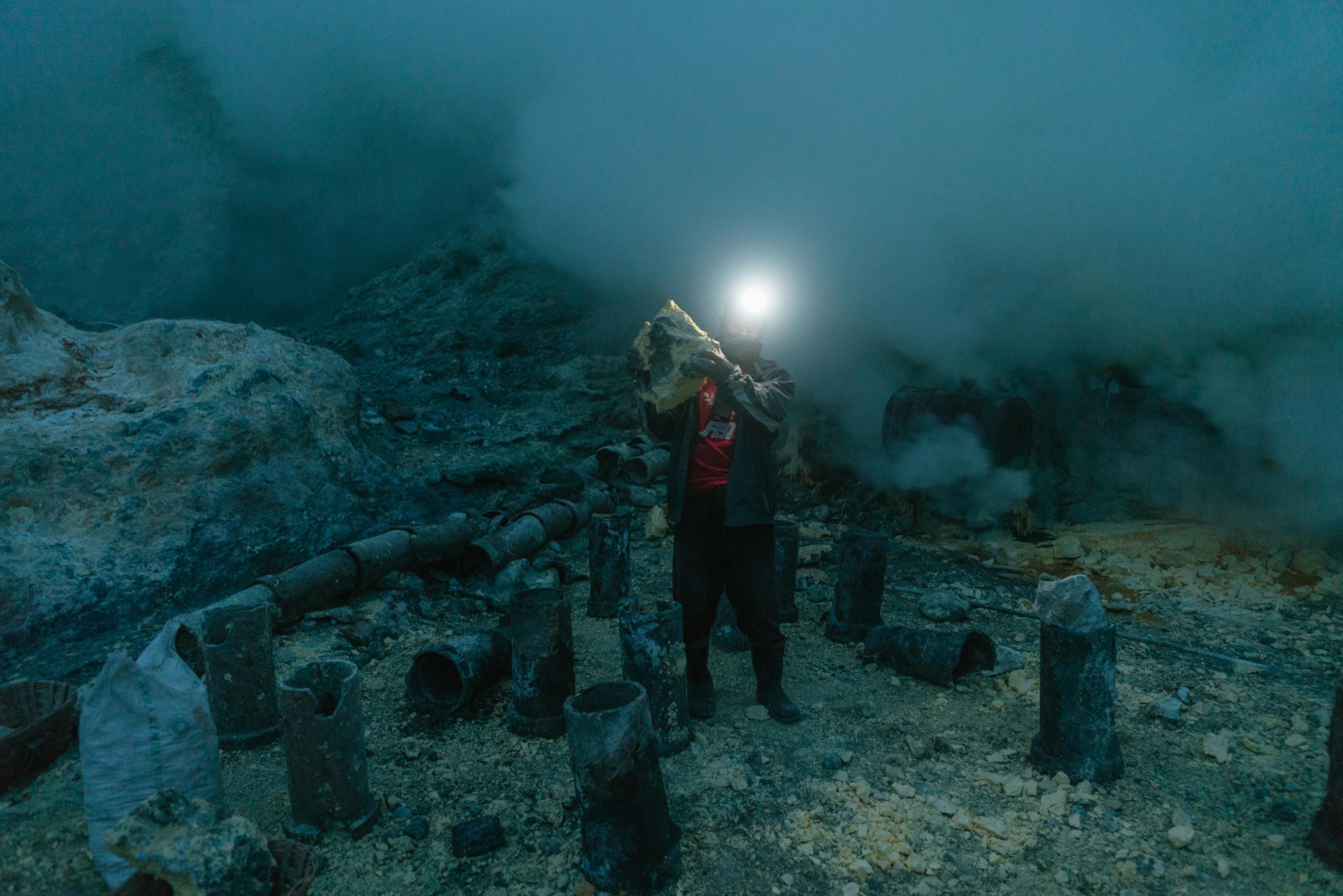
A headlamp or flashlight creates a strong, focused beam that is easily seen at night or in shaded terrain. Flashing in deliberate patterns is more effective than constant light. Three short flashes followed by a pause are widely recognized as a distress signal. Aim the beam toward open areas, aircraft, or distant ridges rather than straight ahead. Reflective surfaces like snow, water, or rock faces amplify visibility. Use this method in intervals to conserve battery life while maintaining attention over time.
11. Written Messages on Natural Surfaces

Writing clear messages such as HELP or SOS on sand, snow, dirt, or rock communicates intent directly. Use sticks, rocks, or boot heels to carve or arrange letters large enough to be seen from a distance. High contrast improves visibility, such as dark soil on snow or light stones on darker ground. Place messages in open areas away from shadows. Written signals remove ambiguity and help searchers quickly understand the situation, especially during aerial or drone searches.
12. Whistle Made From a Simple Gear
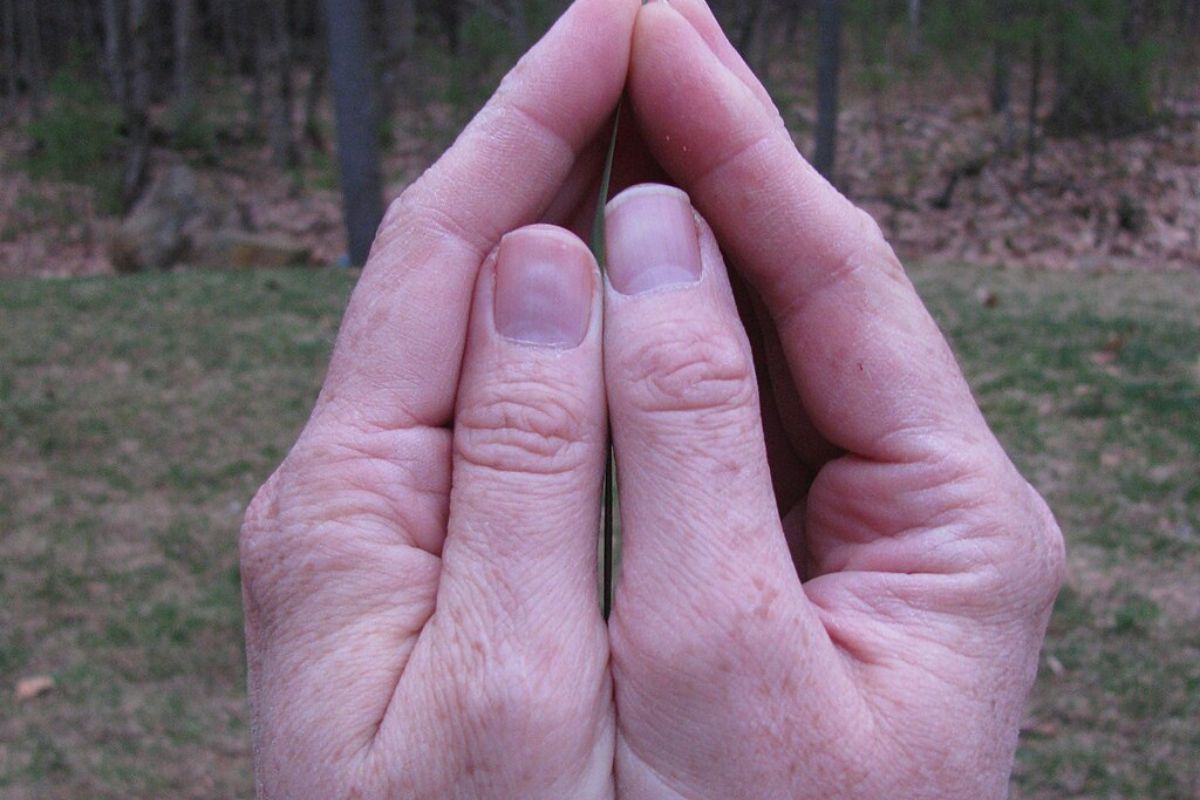
Even without a commercial whistle, simple items can create a piercing sound. A blade of grass between thumbs, a hollow tube, or a bottle opening can produce sharp tones. Whistling conserves energy compared to shouting and carries farther in dense terrain. Use consistent patterns rather than random noise. Short bursts followed by pauses help the sound travel and signal intention. This method is especially useful in forests or canyons where echoes amplify sound direction.
13. Reflective Objects Laid Out on the Ground
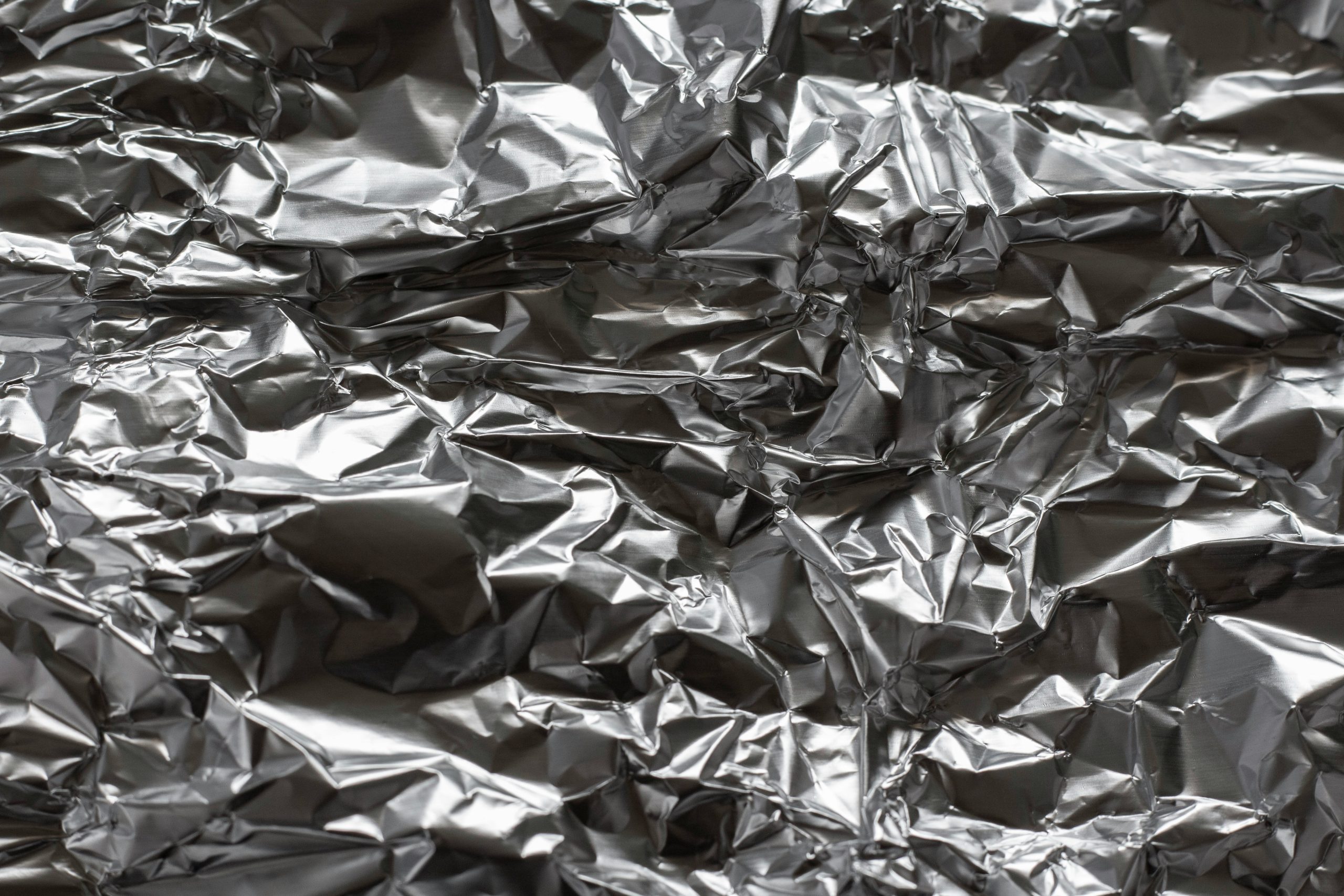
Small reflective items can become powerful visual signals when arranged correctly. Water bottles, phone screens, foil wrappers, mirrors, or metal cookware reflect sunlight far beyond normal visibility. Lay these objects flat in open areas where sunlight hits directly. Arrange them in simple shapes like lines, arrows, or large X patterns that contrast with the ground. Elevated terrain improves range. This method requires no ongoing effort once set and works well during aerial searches when movement is limited or impossible.
14. Using Flashing Reflective Materials

Reflective materials like aluminum foil, emergency blankets, or shiny wrappers can be waved or arranged to catch sunlight and create a strong visual signal. Movement amplifies visibility, making it easier for rescuers to spot you from a distance or from the air. Position reflective items in open areas or along ridges where sunlight is strongest. Even small pieces become highly effective when grouped. This method works safely in all conditions, requires no fire, conserves energy, and is ideal for areas where smoke is impractical or unsafe.
15. Gear Arranged Into Large Ground Symbols
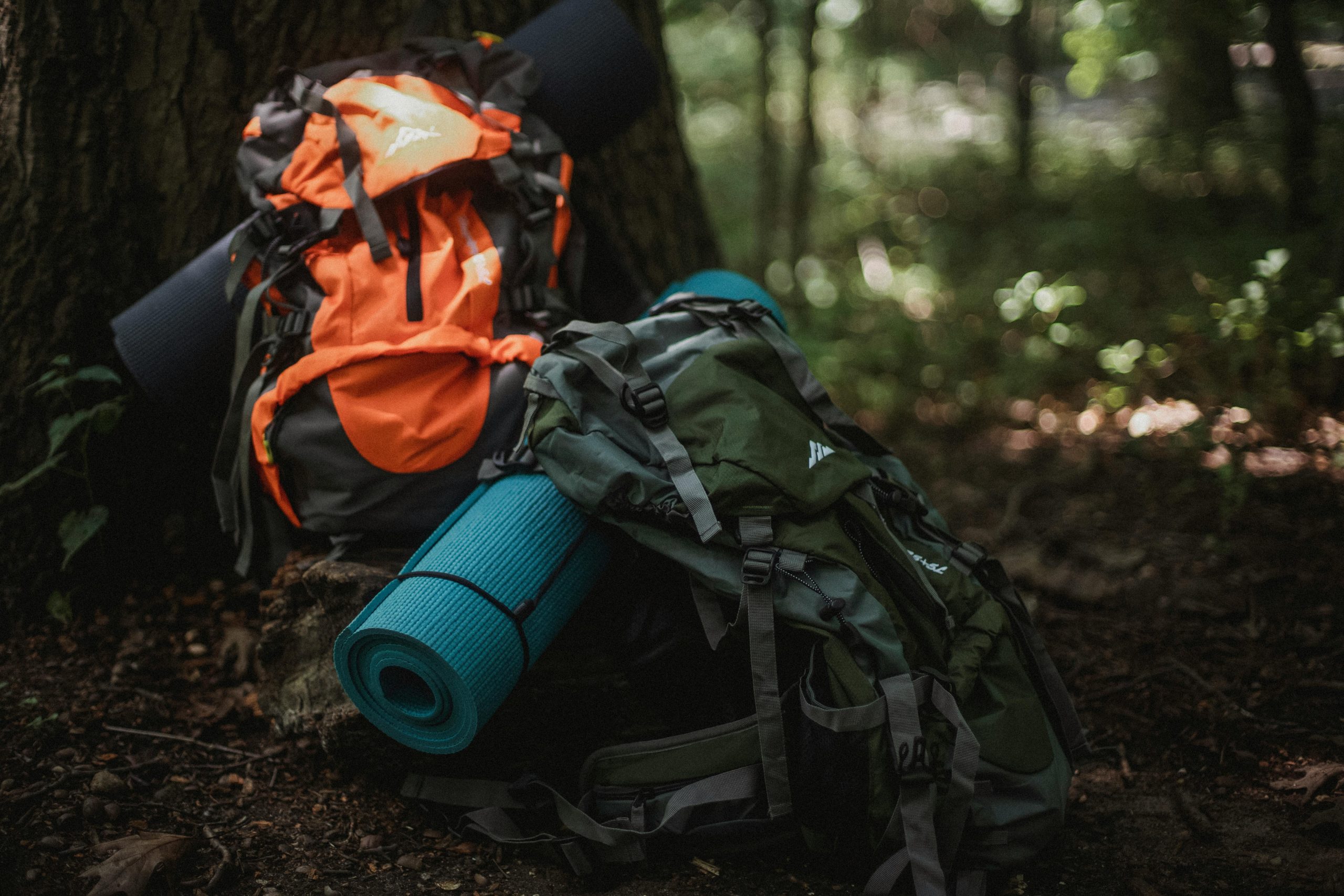
Backpacks, sleeping pads, tarps, trekking poles, or logs can be arranged into visible symbols on the ground. Letters like SOS or shapes such as arrows pointing toward your location communicate clearly. Spacing items evenly and creating a strong contrast with the terrain increases visibility. Choose flat, open ground such as riverbanks, clearings, or alpine meadows. This signal remains effective over time and helps search teams identify human presence quickly from above.
16. Repeated Rock Knocking or Striking
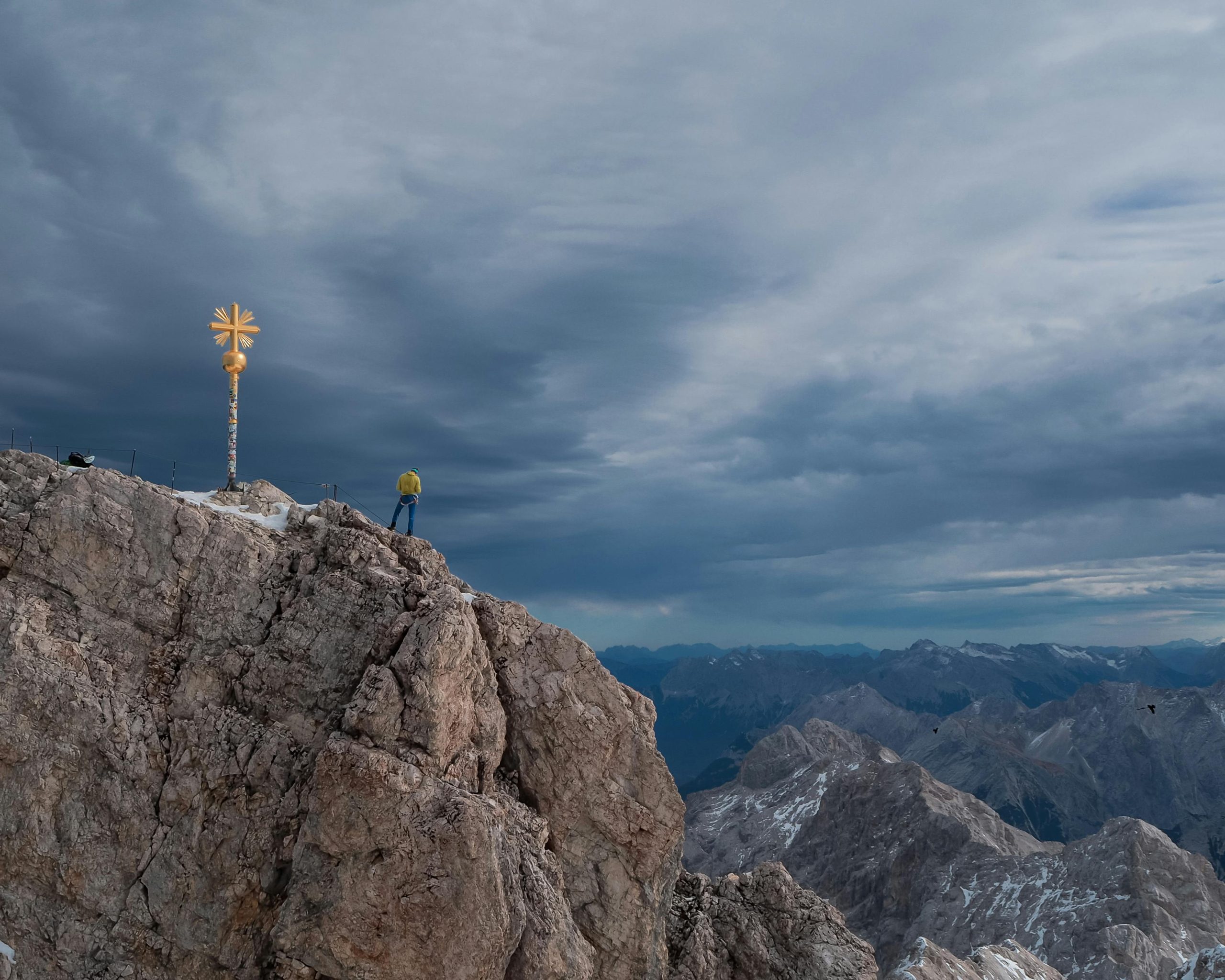
Striking rocks together or against solid surfaces creates sharp, unnatural sounds that travel farther than voices. This method works well in canyons, rocky slopes, or forested areas where sound echoes. Use consistent patterns rather than random strikes to signal intent. Pause between sequences to listen for a response. Rock knocking conserves energy and allows signaling without moving long distances. This technique is especially useful when visibility is poor or during low-light conditions.
17. Clothing Hung High for Visibility

Bright clothing becomes a strong signal when elevated above ground level. Hang shirts, jackets, or sleeping bags from tree branches, trekking poles, or rocks where they contrast sharply with the background. Movement caused by wind adds an attention-grabbing motion that natural objects lack. Choose colors like red, blue, or yellow when possible. Position items near open areas or along likely travel corridors. This method works continuously without effort and is effective for both ground and aerial searches.
18. Written Messages Using Dirt or Snow

Writing clear messages on dirt, sand, mud, or snow allows direct communication with searchers. Use sticks, rocks, or boot heels to form large letters such as HELP or SOS. Keep spacing wide and lines thick to maintain readability from a distance. Place messages in open areas with minimal shadow cover. Snow writing works especially well due to contrast. This method requires no specialized gear and remains visible until weather conditions change.
19. Repeated Light Flashes at Night
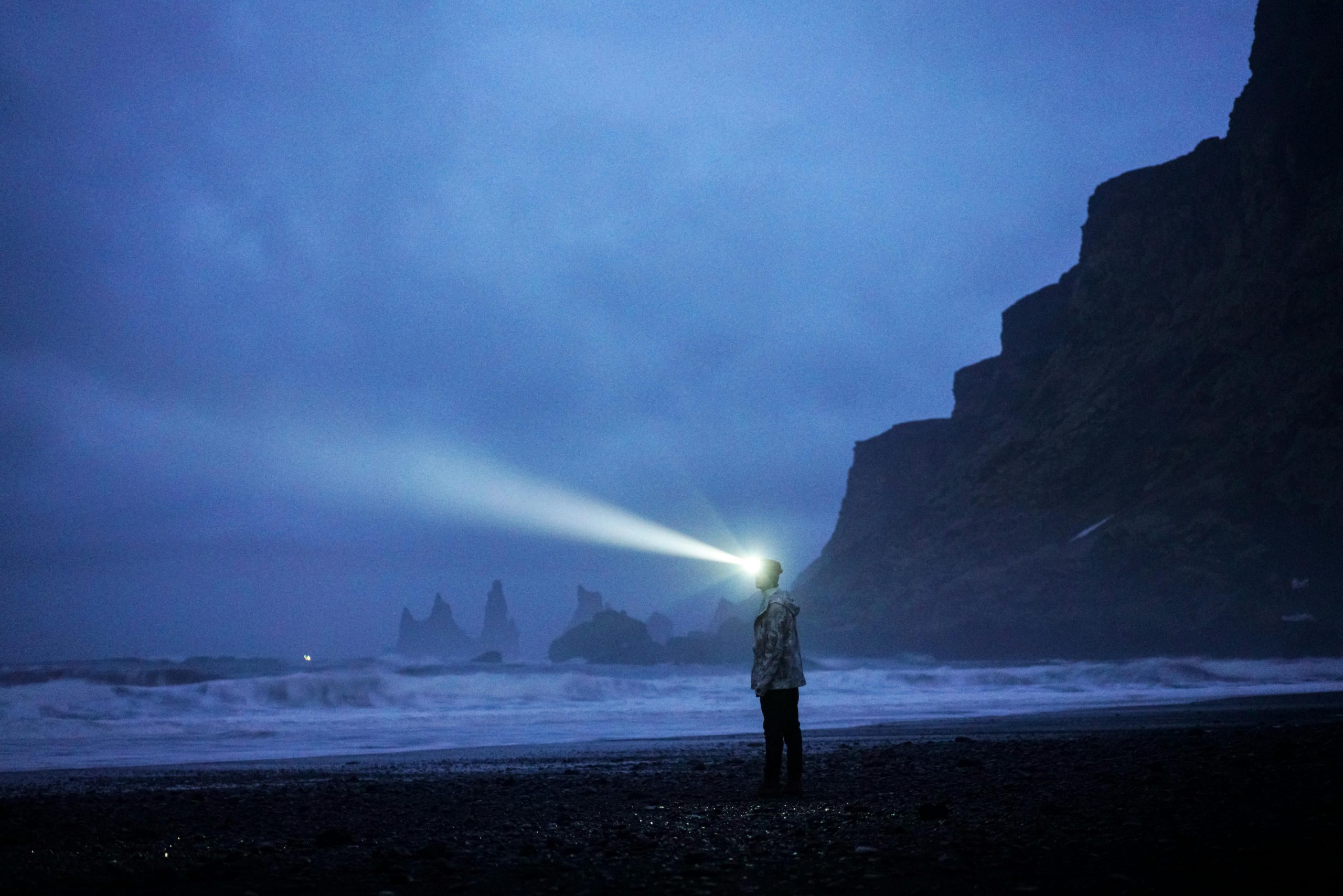
Any steady light source can become a signal after dark. Headlamps, flashlights, or phone lights work best when flashed in deliberate patterns rather than left on continuously. Three short flashes repeated at intervals are widely recognized as distress signaling. Aim light toward ridgelines, open valleys, or aircraft paths. Conserving battery power is important, so use brief bursts. Nighttime flashing is highly effective due to reduced background light interference.
20. Marking Trails With Directional Indicators
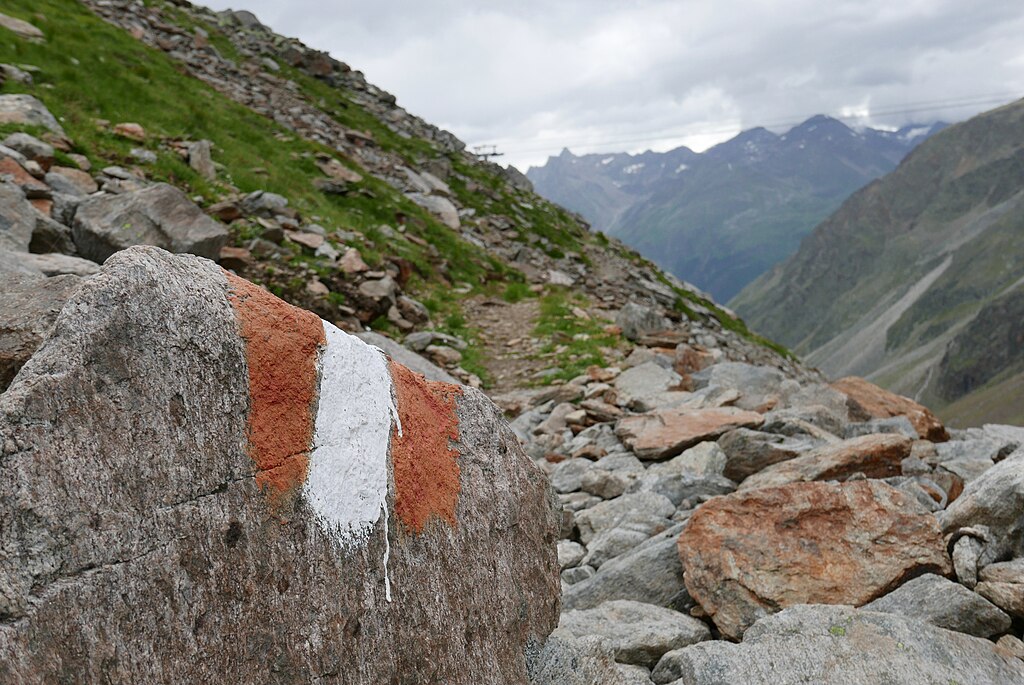
When movement is necessary, leaving clear directional indicators helps rescuers follow your path. Arrows made from sticks, stones, or broken branches placed at trail junctions guide search teams toward your location. Spacing markers consistently reduces confusion. Use high-contrast materials and avoid natural-looking piles. These indicators communicate intent and movement, which is valuable when you cannot remain in one place. Marking routes works well near trails, riverbanks, or ridgelines where rescuers are likely to pass. This method continues working after you move and increases the chance of being tracked accurately.