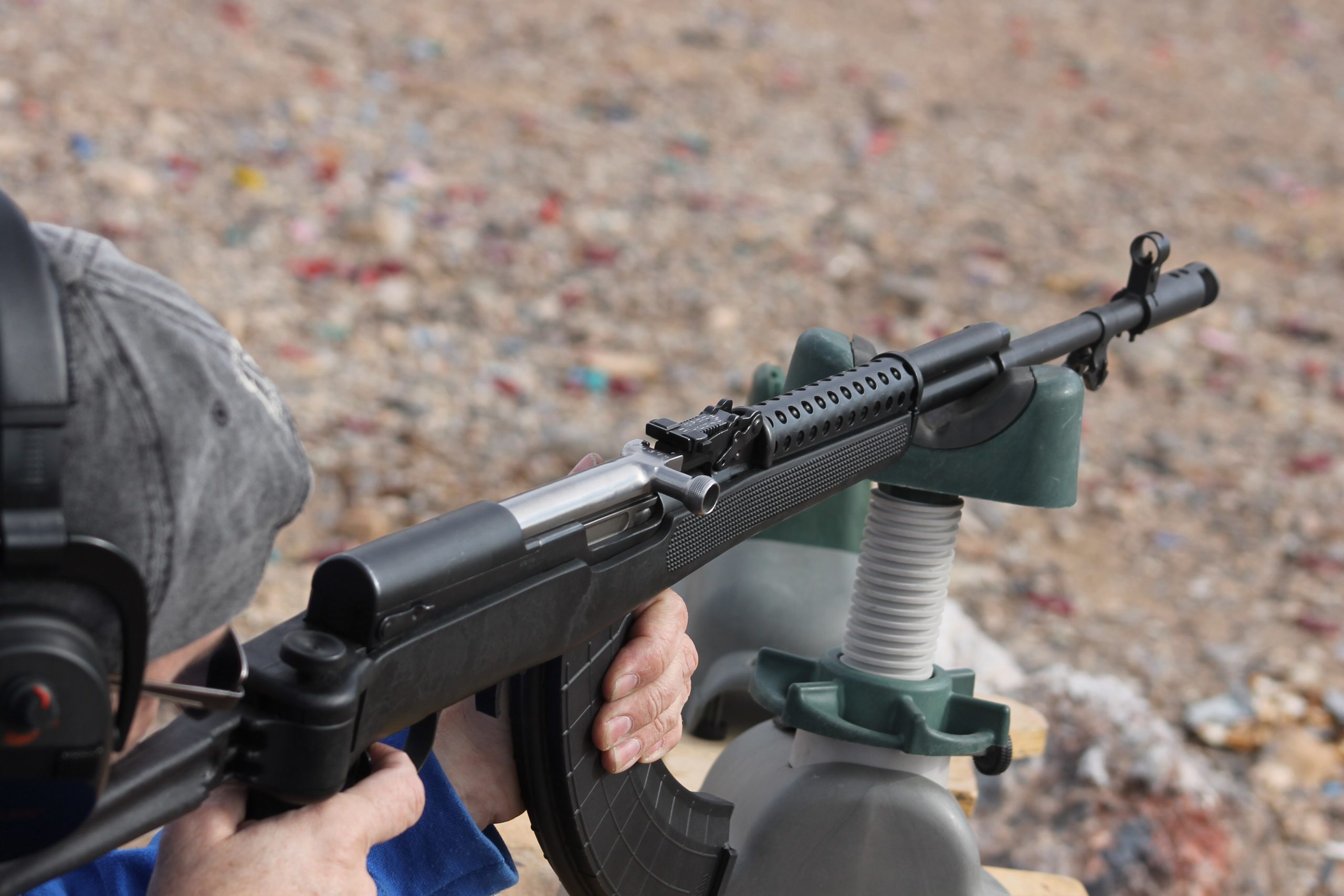
Short-range whitetail hunting places unique demands on a rifle caliber. In wooded terrain, thick brush, and broken farmland, shots are often quick and measured in yards rather than hundreds of yards. A successful short-range caliber must deliver dependable penetration, controlled expansion, and decisive energy without excessive recoil or blast. Accuracy matters, but so does how well a round performs when angles are imperfect, and opportunities are brief. Bullet construction, velocity balance, and terminal behavior all play a larger role than raw speed. The following calibers are ranked specifically for short-range whitetail deer, not open-country shooting. Each entry considers real hunting distances, availability, recoil management, and how forgiving the caliber is under field pressure. This list favors ethical harvests, practical rifles, and cartridges that have proven themselves in North American deer woods year after year.
1. .30-30 Winchester
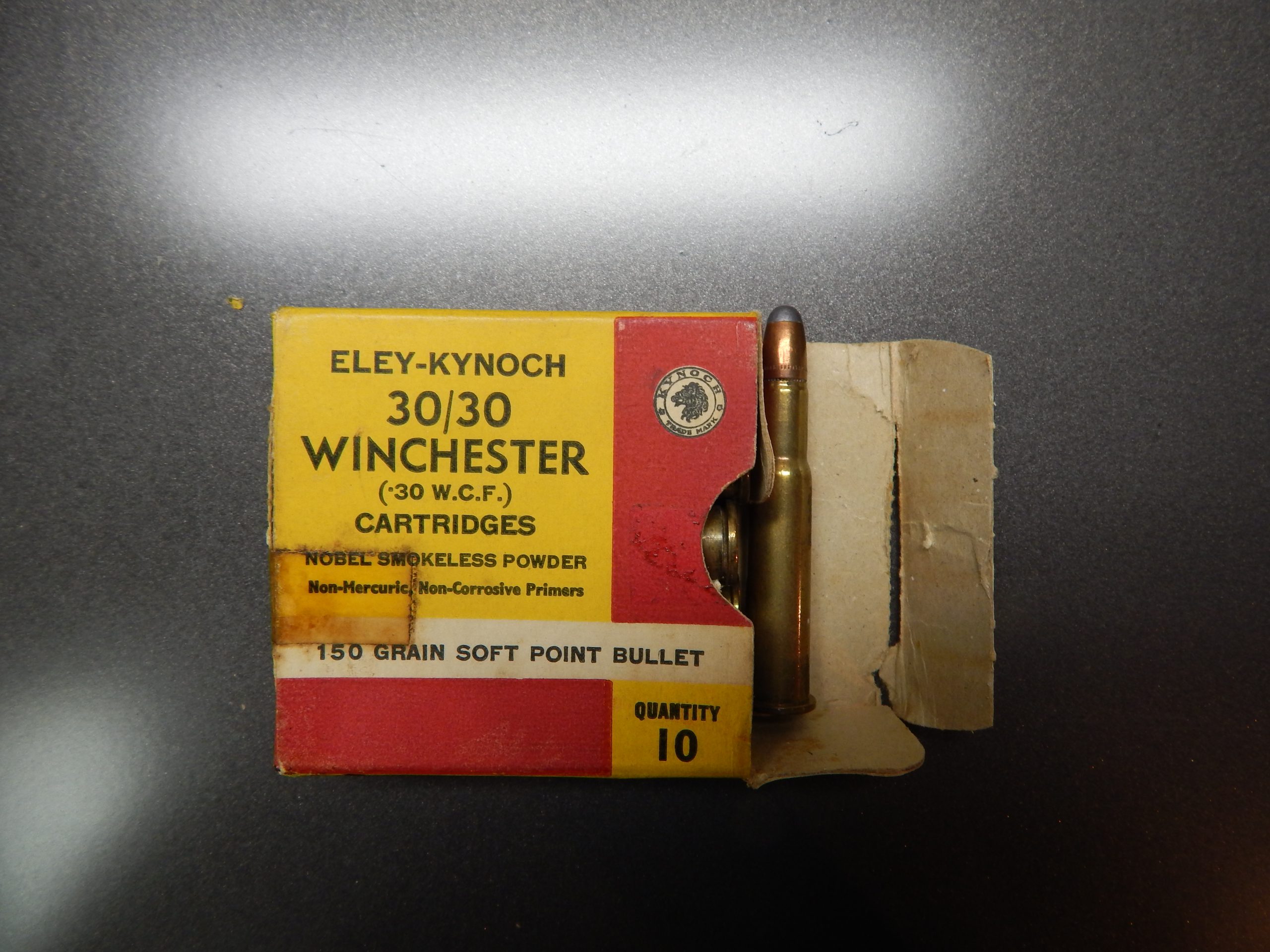
The .30-30 Winchester remains one of the most effective short-range whitetail calibers ever created. Designed for moderate velocities, it delivers reliable expansion at close distances without excessive meat damage. In dense woods, its blunt or flex-tip bullets perform exceptionally well on broadside and quartering shots. Recoil is mild, allowing fast follow-up shots and confident shooting from awkward positions. Rifles chambered in .30-30 are typically lightweight and quick-handling, which suits still-hunting and tracking. Ammunition is widely available and affordable, making practice easy. While it lacks long-range reach, inside 150 yards it offers consistent penetration and decisive performance. For hunters prioritizing simplicity, tradition, and real-world effectiveness, the .30-30 remains difficult to surpass.
2 .35 Remington
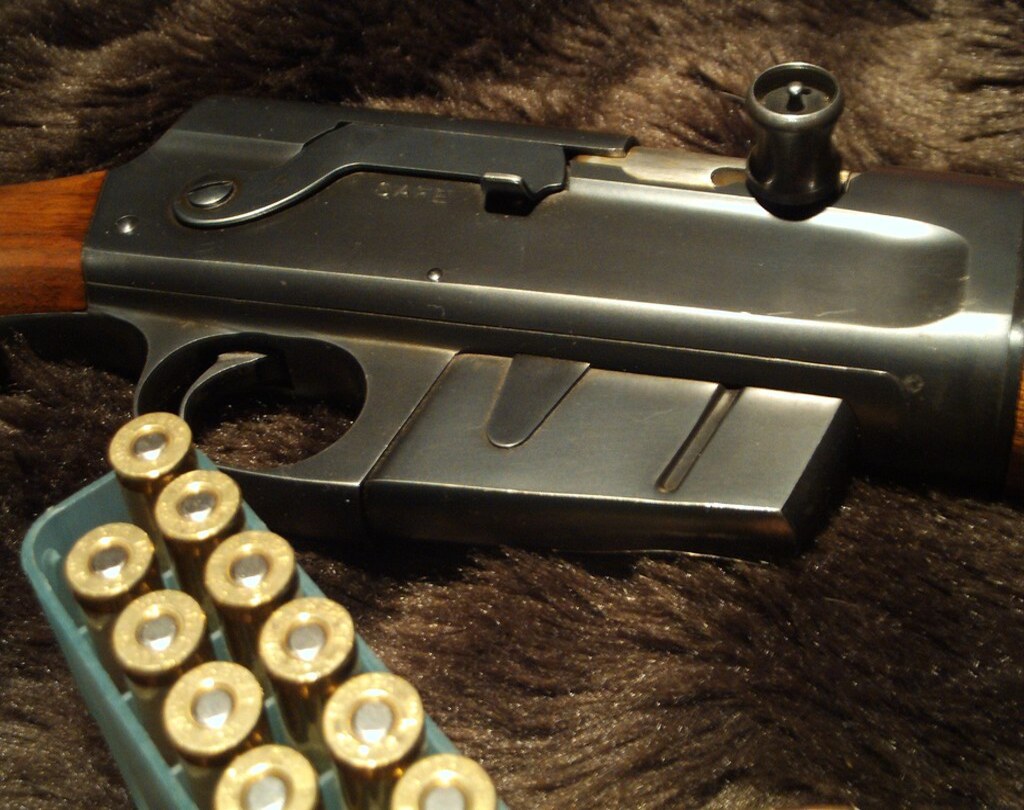
The .35 Remington excels at short-range whitetail hunting where penetration and straight-line performance matter most. Its heavier bullets retain momentum well, making it especially effective in thick cover where shots may pass through light brush or require deep penetration. Expansion is dependable at modest velocities, producing wide wound channels without excessive fragmentation. Recoil is noticeable but manageable for most hunters, especially in lever-action or compact bolt rifles. The caliber shines on quartering shots and larger-bodied deer, delivering clean pass-throughs. Though ammunition options are more limited than mainstream cartridges, their real-world effectiveness is proven. Within typical woods distances, the .35 Remington provides confidence that few modern cartridges can match.
3. .44 Magnum
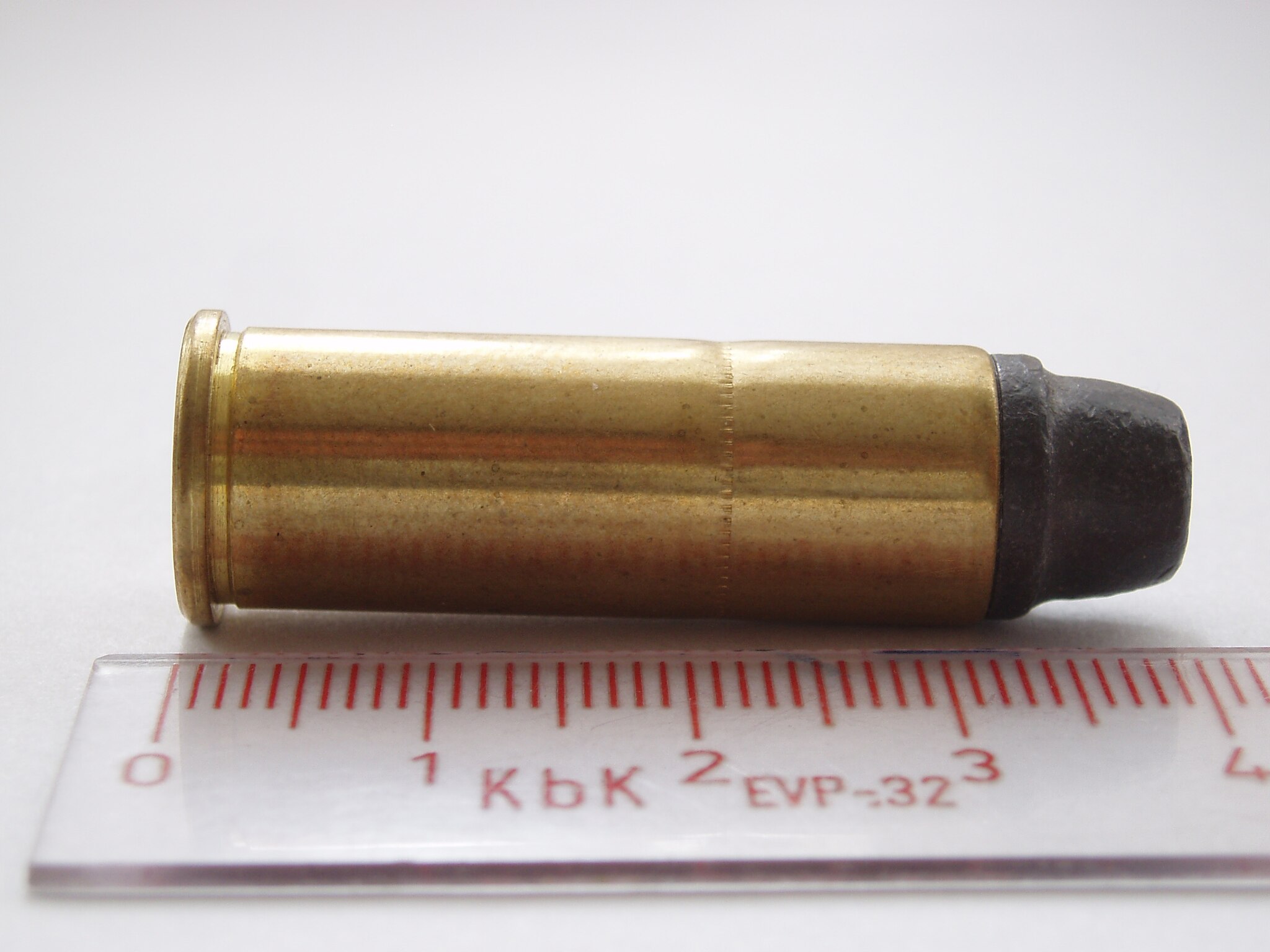
When fired from a rifle, the .44 Magnum becomes a formidable short-range whitetail cartridge. Velocity gains from longer barrels significantly improve energy and bullet expansion compared to handgun use. At woods distances, it delivers hard-hitting performance with large frontal diameter bullets that create immediate tissue damage. Recoil is moderate, and report is manageable, especially in carbines. This caliber performs best inside 100 yards, where trajectory concerns are minimal. It is well-suited for hunters who value compact rifles and fast handling in tight terrain. Ammunition is widely available, and bullet selection allows hunters to tailor performance. The .44 Magnum rifle offers decisive results without overcomplicating the hunt.
4. .450 Bushmaster
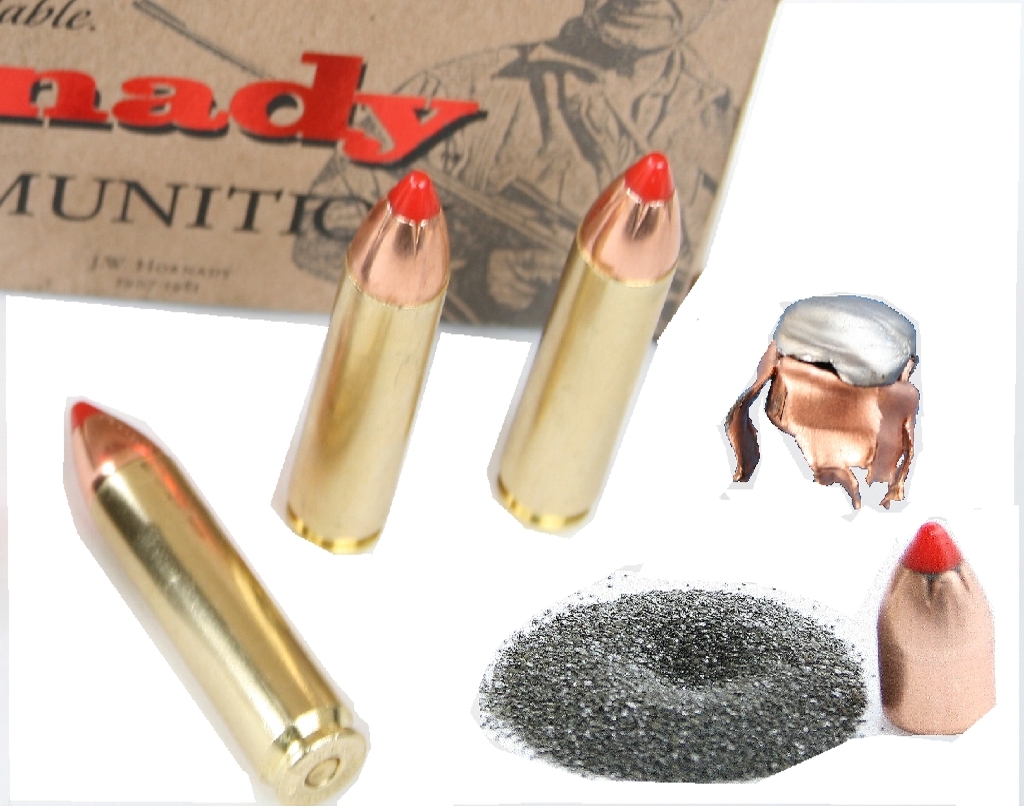
The .450 Bushmaster is built for short-range authority, delivering massive energy at close distances. Its large-diameter bullets create immediate impact and deep penetration, making it ideal for heavily wooded areas and large-bodied whitetails. Designed for straight-wall cartridge regulations, it has gained popularity in restricted states. Recoil is stout but manageable with proper rifle fit and shooting technique. Despite its power, modern bullets expand reliably without excessive meat loss. Accuracy is more than sufficient for typical woods ranges. For hunters who prioritize stopping power and legal compliance in straight-wall zones, the .450 Bushmaster offers unmatched short-range confidence.
5. .45-70 Government
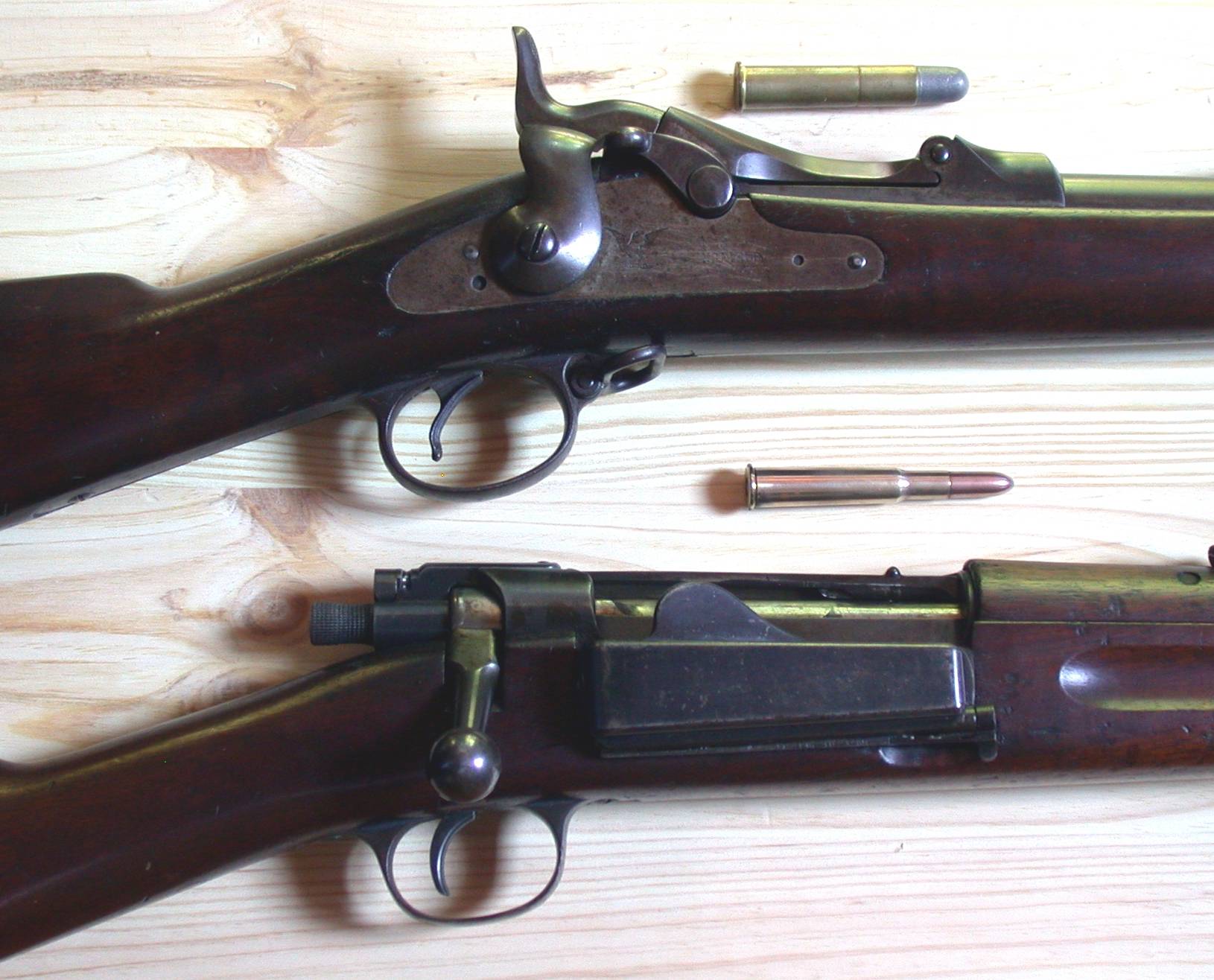
Few calibers match the short-range authority of the .45-70 Government. Originally developed in the 19th century, it remains devastatingly effective on whitetail deer when used responsibly. Modern loadings offer controlled expansion and deep penetration, even at modest velocities. The caliber performs exceptionally well on angled shots and in thick cover. Recoil can be significant, particularly in lightweight rifles, but many hunters find it manageable. Rifles are typically rugged and reliable, suited for harsh conditions. While overpowered for some situations, the .45-70 offers absolute certainty at close range, making it a favorite among experienced woods hunters.
6. .350 Legend
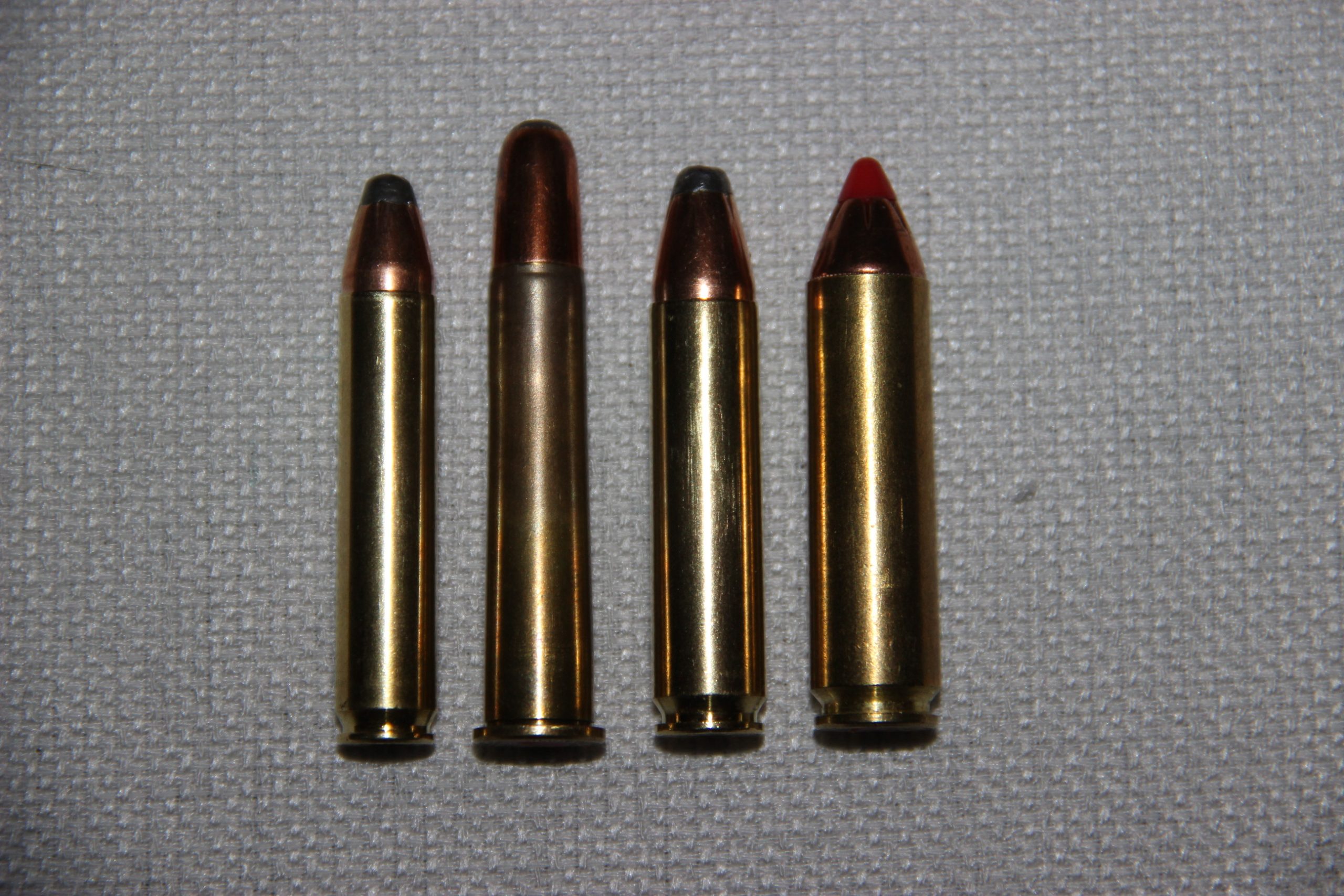
The .350 Legend was engineered specifically for short-range deer hunting under straight-wall regulations. It offers mild recoil, efficient energy transfer, and reliable expansion within typical woods distances. Its bullets penetrate deeply without excessive fragmentation, producing clean harvests. Accuracy is excellent for the ranges it is designed to cover. Ammunition is widely available and affordable, encouraging regular practice. The caliber fits easily into modern sporting rifles and lightweight bolt actions. For hunters seeking an efficient, low-recoil option that still delivers dependable terminal performance, the .350 Legend is one of the most practical choices available today.
7. .243 Winchester
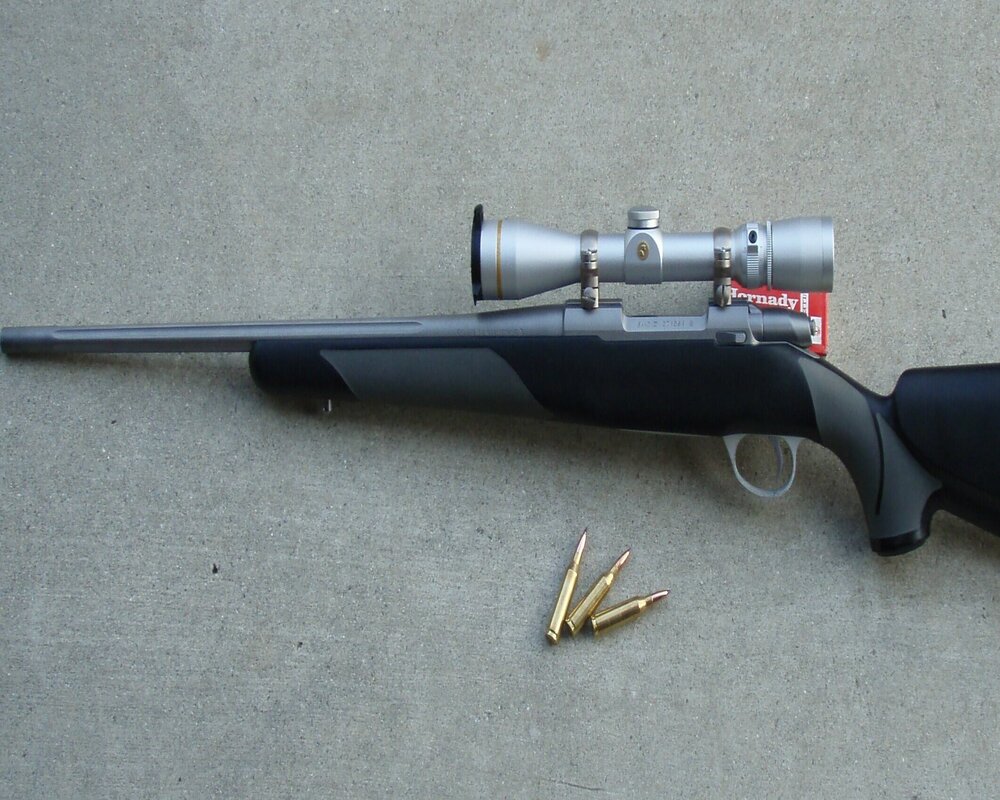
At short ranges, the .243 Winchester offers precision and mild recoil with sufficient energy for ethical whitetail harvests. Bullet selection is critical, as well-constructed hunting bullets ensure proper penetration and expansion. The caliber’s flat trajectory is less relevant in wooded settings, but its accuracy inspires confidence. Recoil is minimal, making it ideal for new hunters or those sensitive to heavier calibers. It performs best on broadside shots, where bullet placement is precise. While not a heavy hitter, its effectiveness is well-documented when used responsibly within appropriate distances.
8. .30-06 Springfield
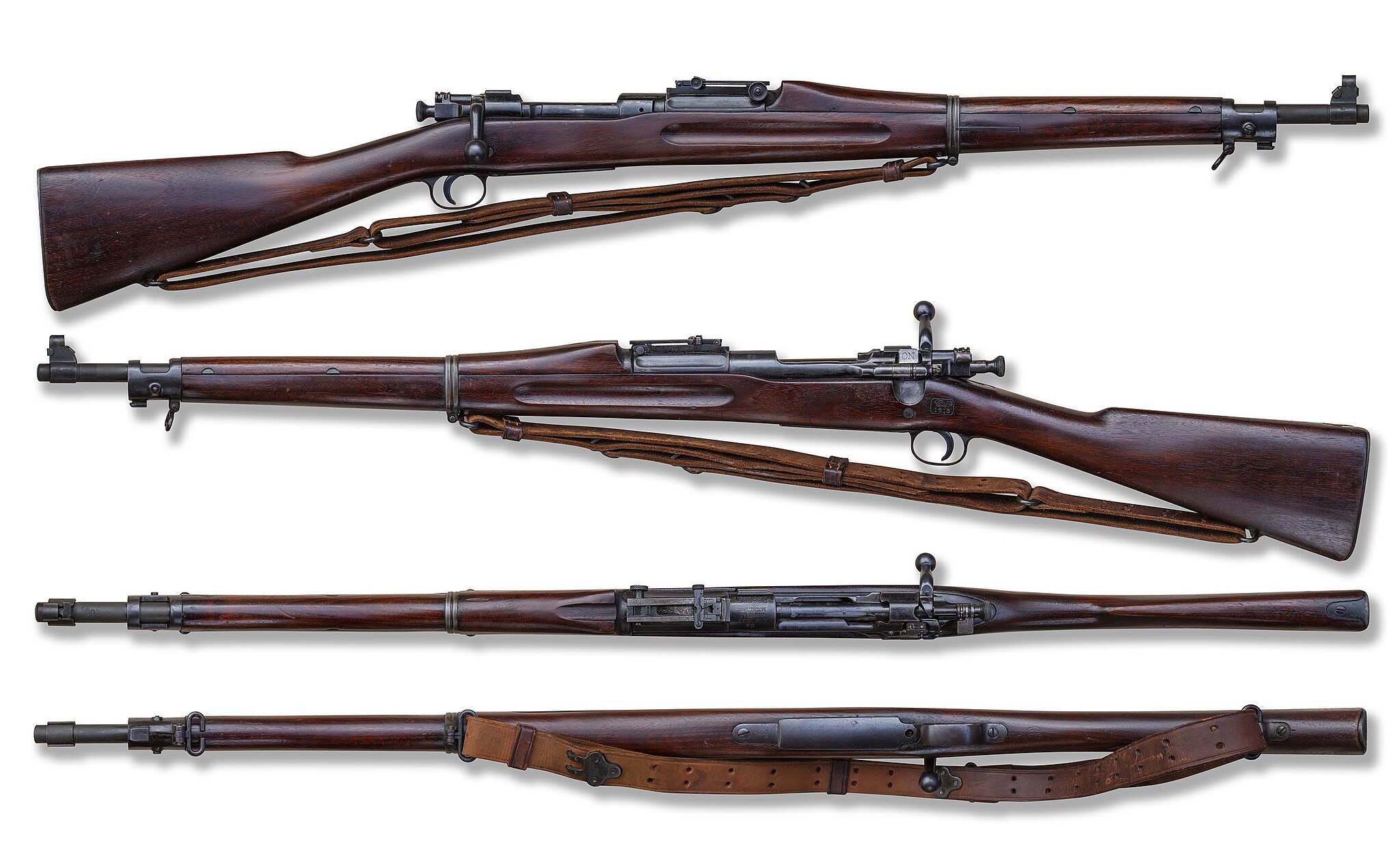
Though often associated with longer ranges, the .30-06 Springfield performs exceptionally well at short distances. Its versatility allows hunters to select heavier bullets that expand reliably without excessive velocity. Penetration is outstanding, even on angled shots. Recoil is manageable for most experienced hunters, though more than necessary for woods hunting. Ammunition availability is unmatched, offering endless bullet options. The caliber’s forgiving nature and proven track record make it a dependable choice, even if it offers more power than strictly required for close-range whitetails.
9. .308 Winchester
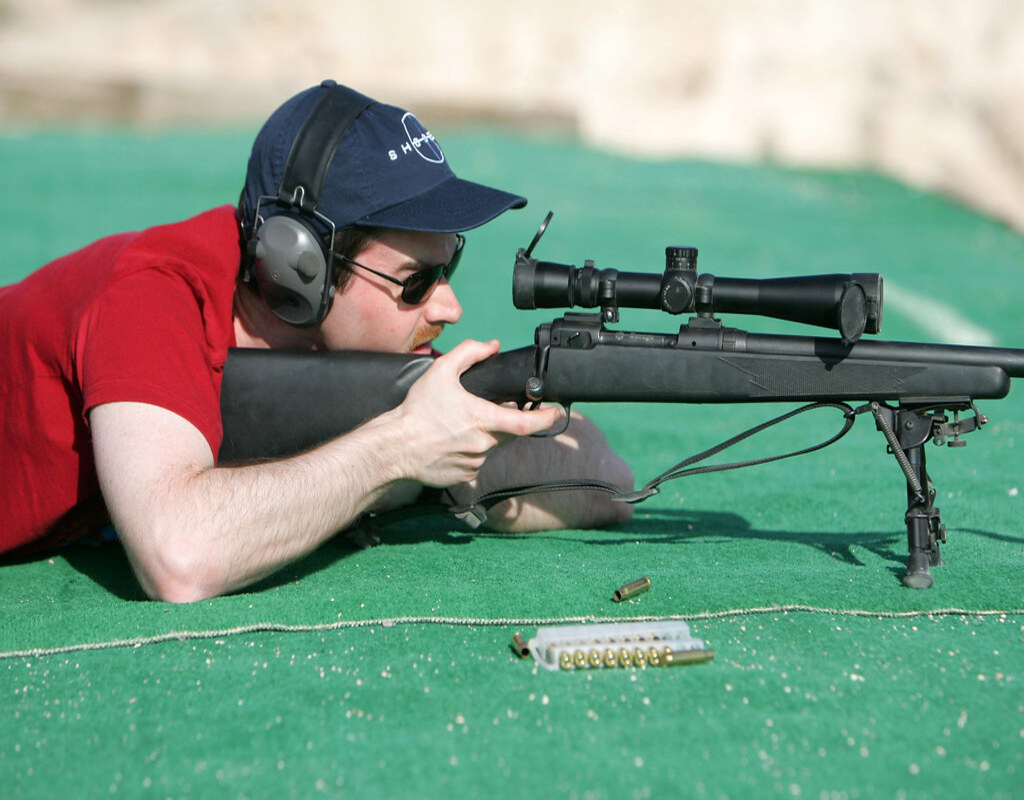
The .308 Winchester balances efficiency, recoil, and terminal performance effectively at short ranges. With proper bullet selection, it expands reliably without excessive meat damage. Rifles are widely available in compact, lightweight configurations ideal for woods hunting. Recoil is moderate and manageable, allowing fast follow-up shots. Accuracy is excellent, even in less-than-ideal shooting positions. While capable of long-range performance, the .308 remains a practical and forgiving caliber for short-range deer hunters who value versatility and consistency.
10. .240 Weatherby Magnum
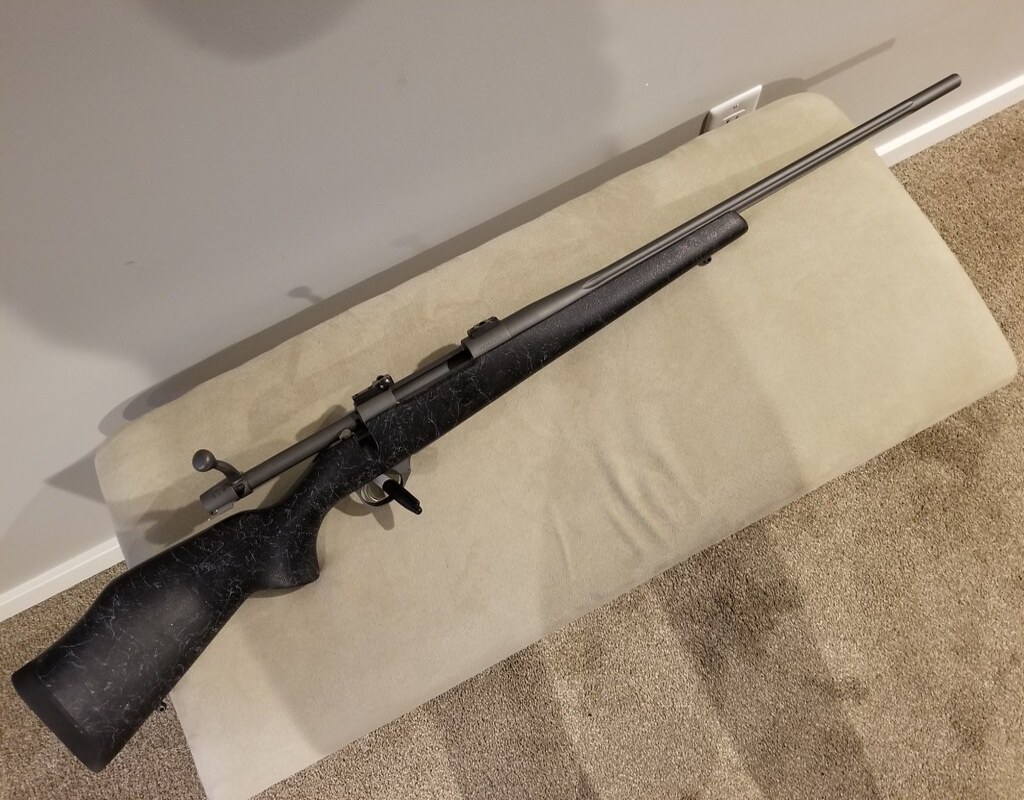
Despite its reputation for speed, the .240 Weatherby Magnum can perform well at short ranges when paired with controlled-expansion bullets. It offers a flat trajectory and impressive accuracy, though velocity must be managed to avoid excessive tissue damage. Recoil is mild, and rifles are typically well-balanced. Bullet selection is critical to ensure ethical performance. While not a traditional woods caliber, it rewards disciplined shot placement and careful ammunition choice. For hunters familiar with its characteristics, it can be effective in tighter environments.
11. .25-06 Remington
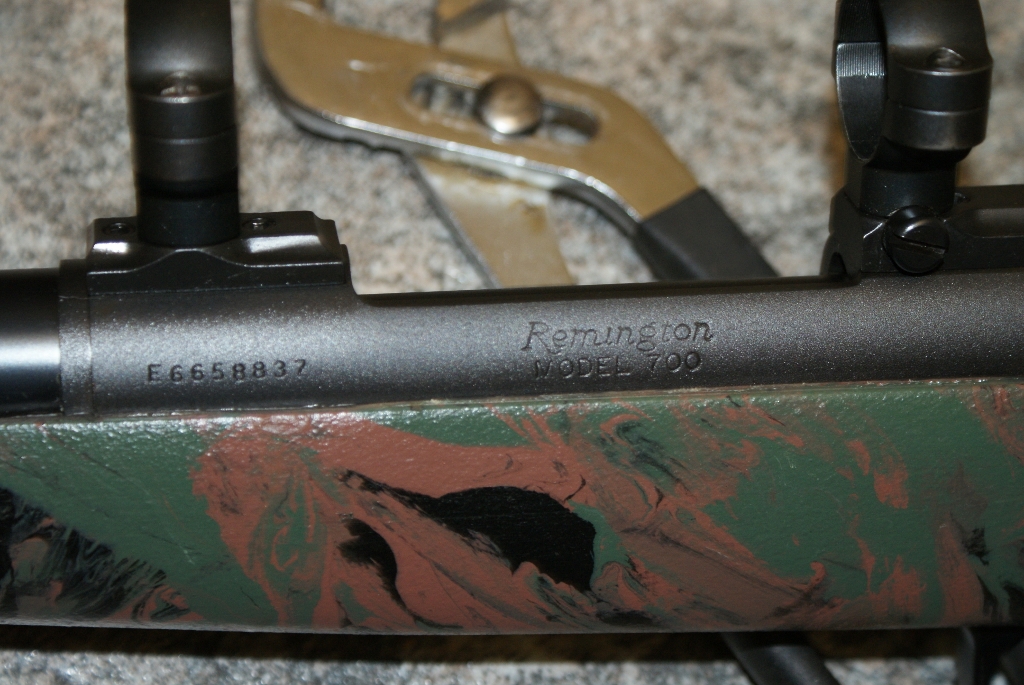
The .25-06 Remington offers high velocity and excellent accuracy, even at short distances. With appropriate bullets, it provides reliable expansion and sufficient penetration for whitetails. Recoil is mild, making it comfortable for extended shooting sessions. Its performance shines on precise shot placement rather than raw impact. In wooded terrain, hunters must be mindful of bullet construction to avoid over-penetration. Though often used in open country, it remains capable in close-range scenarios when used thoughtfully.
12. .270 Winchester
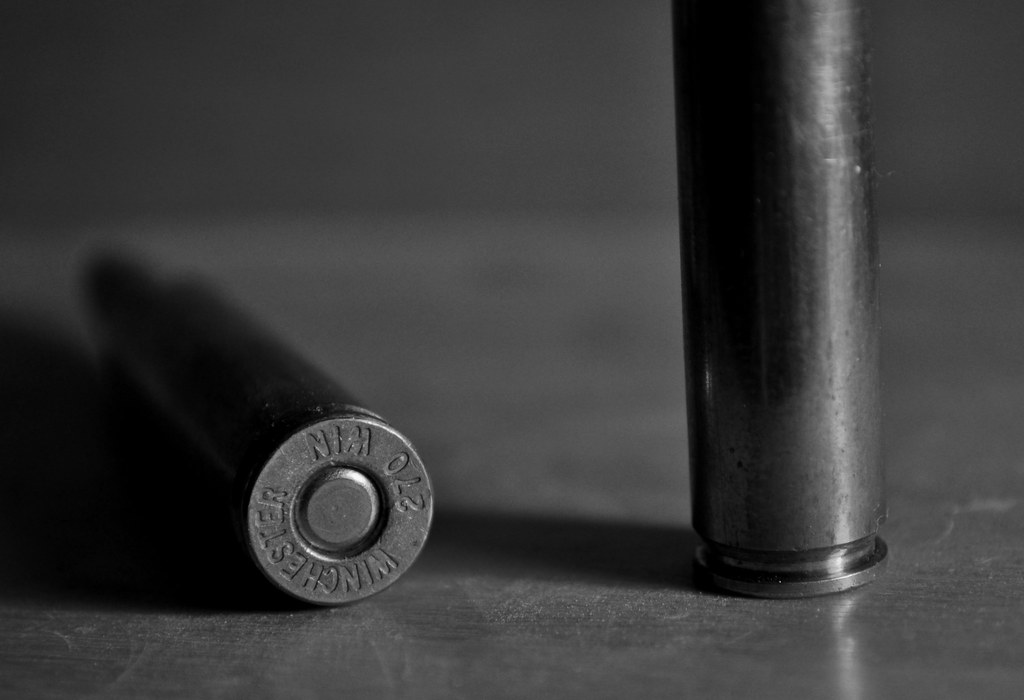
The .270 Winchester delivers dependable performance at short ranges with proper bullet choice. Its velocity requires controlled-expansion bullets to prevent excessive meat damage. Accuracy is excellent, and recoil is manageable for most hunters. Rifles chambered in .270 are common and well-balanced. While often associated with longer shots, it performs reliably in wooded settings when shot placement is precise. Its versatility and availability keep it relevant for hunters who want one rifle for varied terrain.
13. 6.5 Creedmoor
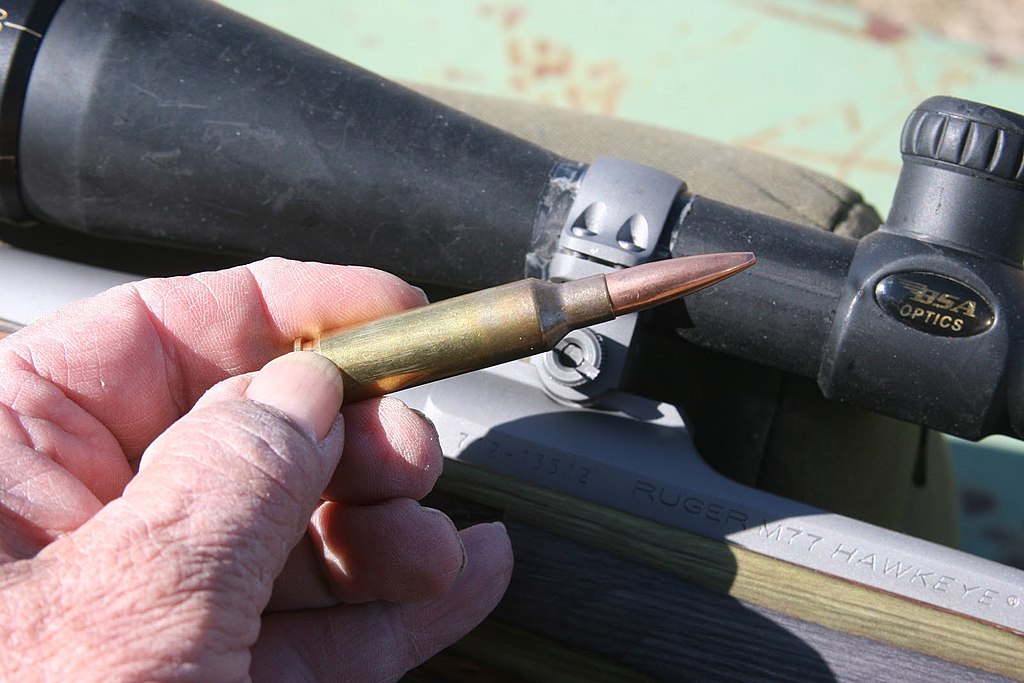
At short ranges, the 6.5 Creedmoor delivers controlled, predictable performance when paired with proper deer-specific bullets. Although it is widely praised for long-range efficiency, its real advantage in close cover is mild recoil and excellent shootability. That reduced recoil allows hunters to maintain sight picture, break clean shots, and place bullets precisely under pressure. Modern soft-point and bonded bullets expand reliably at woods velocities, creating clean wound channels without excessive meat loss. Penetration is more than adequate for broadside and lightly quartering shots on mature whitetails. Compact rifles chambered in 6.5 Creedmoor handle well in tight terrain, making it a calm, forgiving option for hunters who value precision and confidence over raw impact.
14. .223 Remington
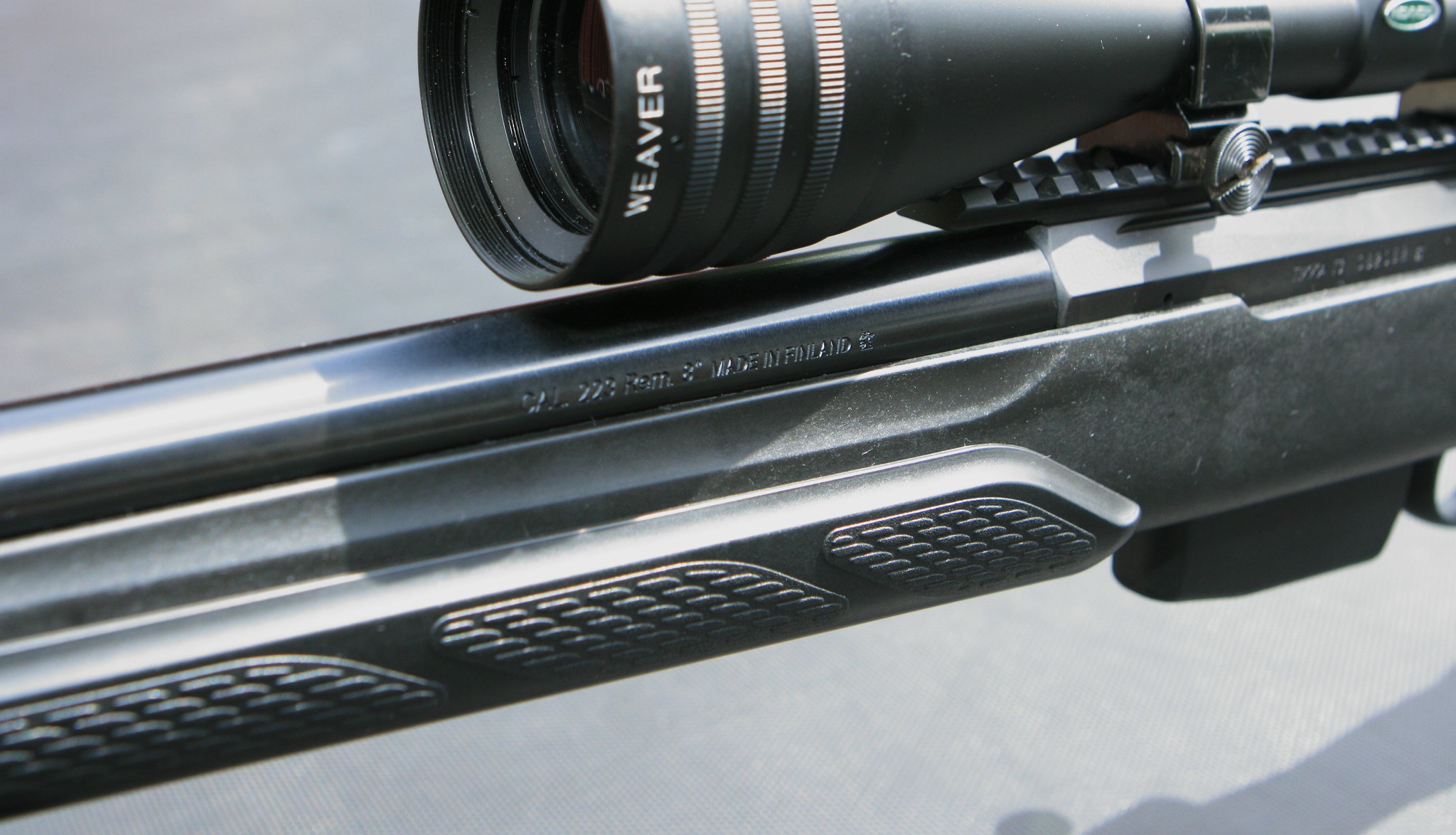
When legal for deer, the .223 Remington can be effective at short range, but it demands discipline and correct ammunition. With modern bonded or controlled-expansion bullets, penetration improves dramatically compared to older varmint loads. Recoil is extremely light, helping hunters maintain accuracy during fast encounters in thick woods. Shot placement is critical, as the caliber performs best on clean broadside shots within limited distances. Lightweight rifles and fast handling make it easy to maneuver in brush or tree stands. While it offers little margin for error, skilled hunters who understand its limitations can achieve ethical results when conditions are ideal.
15. 7.62×39

The 7.62×39 is well-suited to short-range whitetail hunting when loaded with proper soft-point or modern hunting bullets. Its moderate velocity allows consistent expansion without excessive fragmentation, producing reliable penetration through vital organs. Recoil is manageable, making it comfortable for extended hunts and quick follow-up shots. Rifles chambered in this caliber are often compact and easy to handle in dense cover. While trajectory limits its usefulness beyond woods distances, that drawback is irrelevant in thick terrain. With correct ammunition and thoughtful shot placement, the 7.62×39 offers dependable performance that many hunters underestimate.
16. .224 Valkyrie
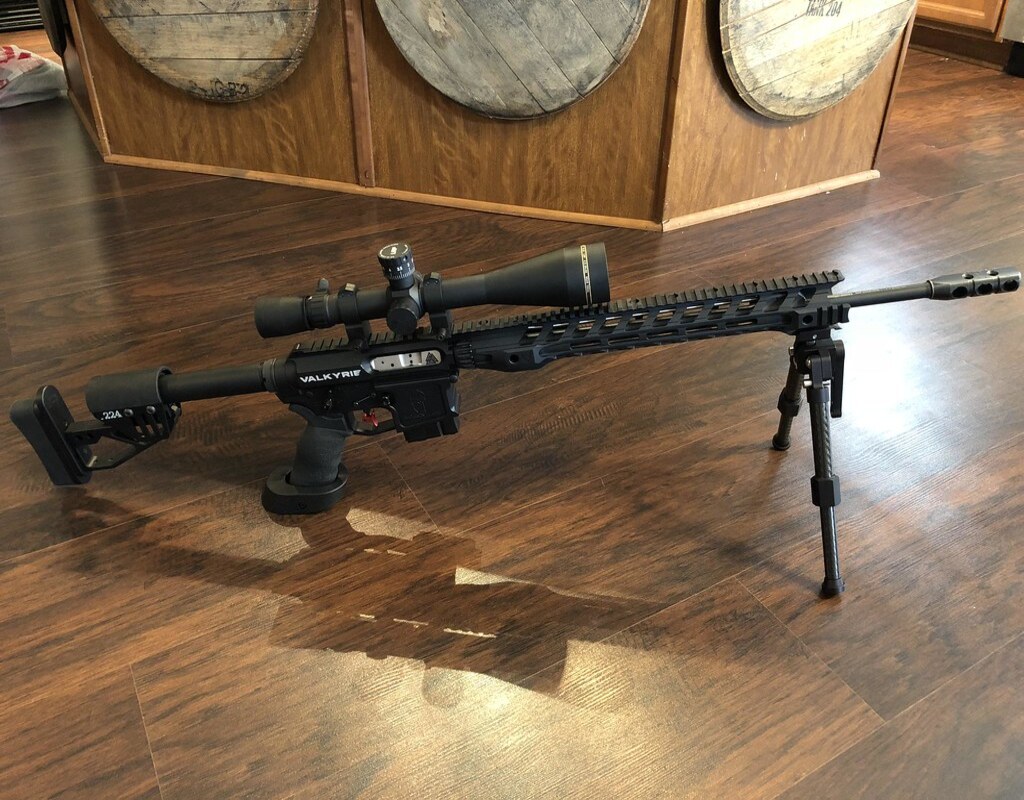
The .224 Valkyrie can serve as a short-range deer cartridge only when used carefully and with purpose-built bullets. Accuracy is excellent, and recoil remains very low, which supports precise shooting under pressure. However, terminal performance depends heavily on bullet construction, as lighter projectiles can under-penetrate if poorly chosen. At close distances, controlled-expansion bullets improve reliability and limit excessive fragmentation. The caliber performs best on broadside shots where vital organs are easily accessed. While not ideal for general woods hunting, disciplined shooters can make it work within narrow ethical limits.
17. .224 Ruger
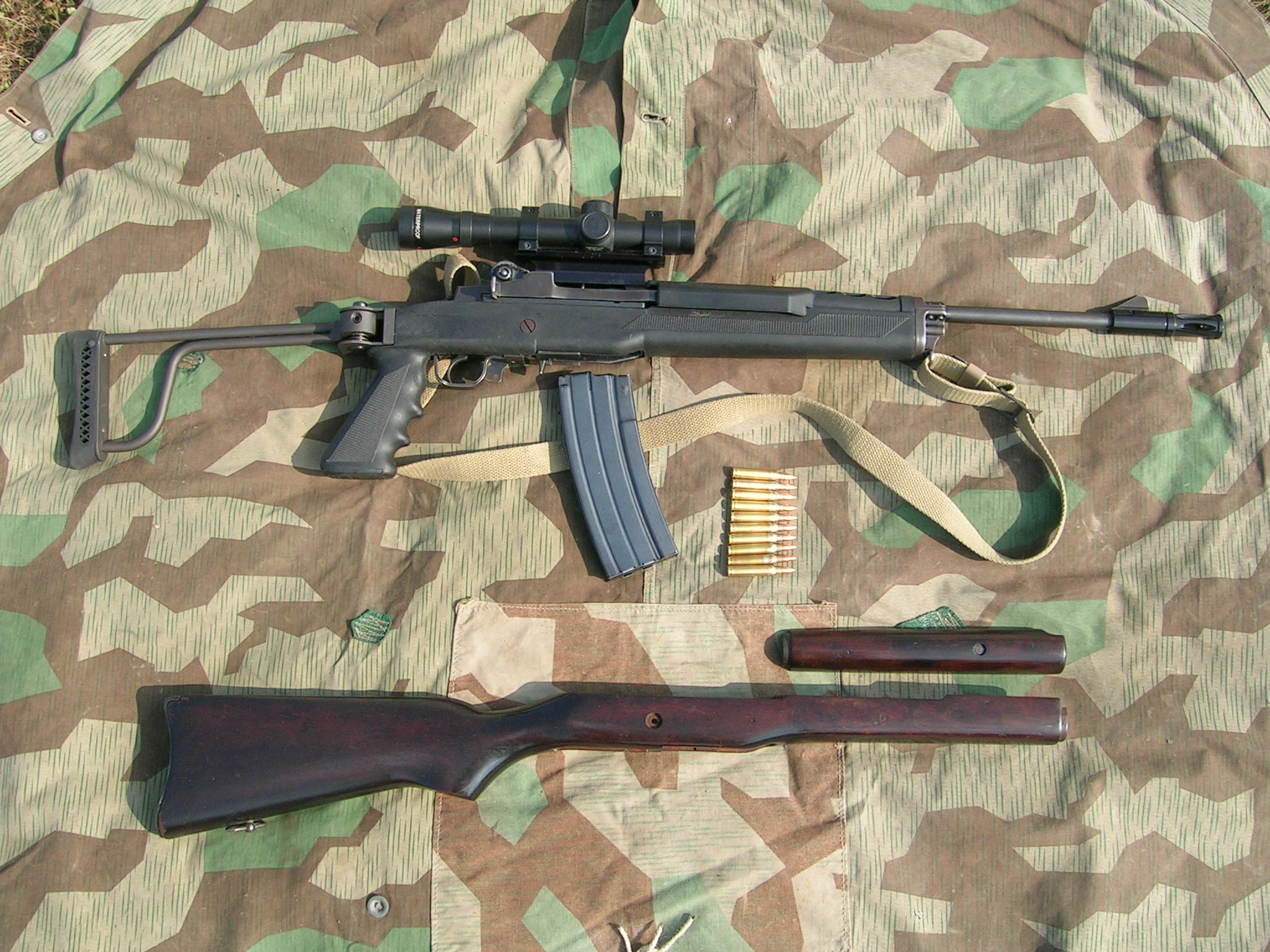
The .224 Ruger offers impressive velocity and accuracy, but short-range deer hunting requires careful ammunition selection. High speeds can cause rapid bullet breakup unless controlled-expansion designs are used. When matched with appropriate bullets, it can deliver sufficient penetration on smaller-bodied whitetails. Recoil is light, and rifles are easy to shoot well. Shot placement remains critical, as the caliber lacks mass to compensate for errors. While not a traditional choice for wooded environments, it can be effective for hunters who prioritize precision and understand its narrow performance window.
18. .220 Swift
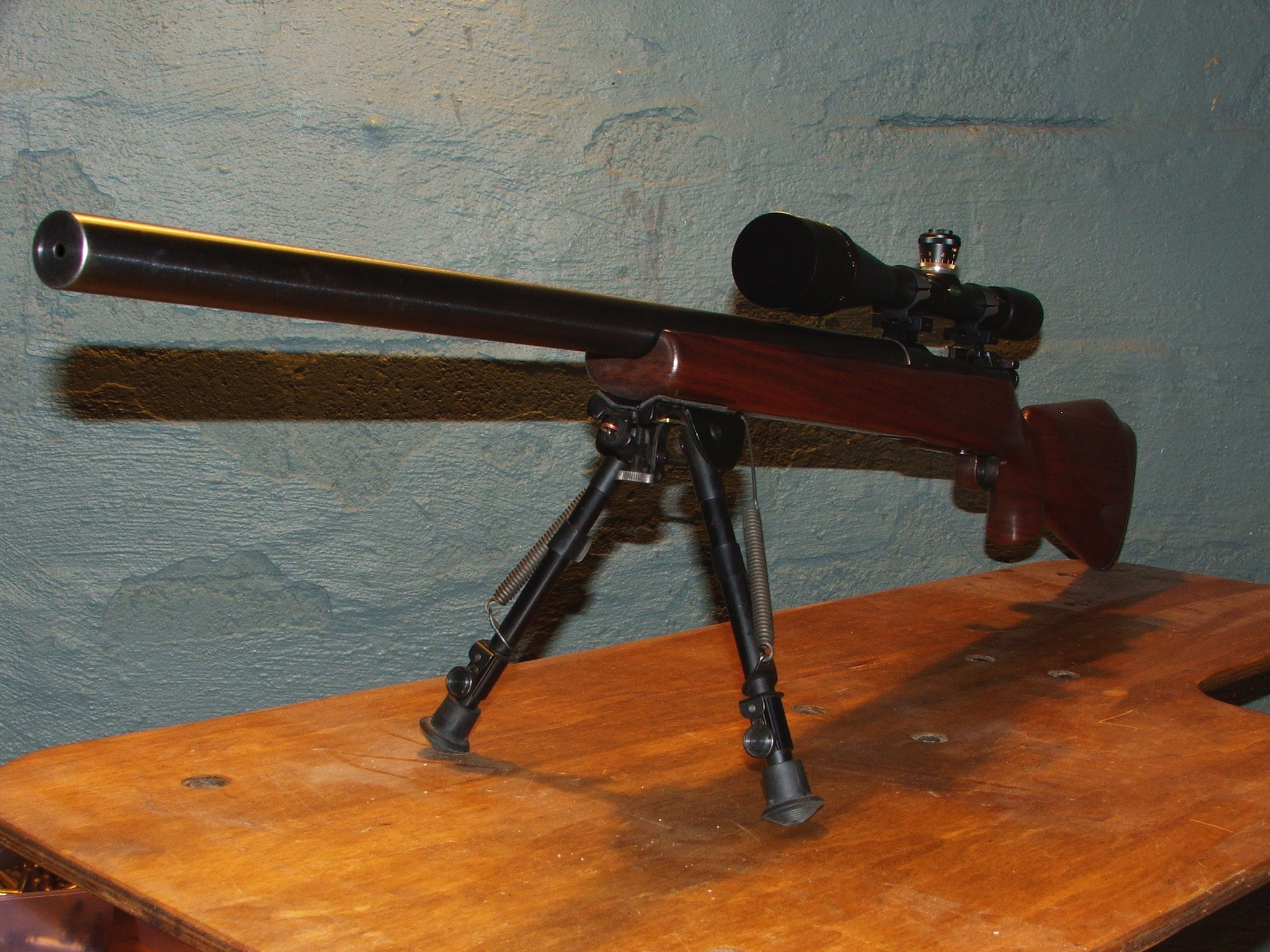
The .220 Swift’s extreme velocity makes it challenging for short-range whitetail hunting. Without proper bullets, expansion can be overly aggressive, leading to shallow penetration. When loaded with controlled-expansion designs, it becomes more predictable, though still unforgiving. Accuracy is outstanding, and recoil is minimal, encouraging precise shot placement. The caliber demands restraint and careful shot selection, favoring broadside presentations only. While capable in skilled hands, it offers little flexibility and leaves minimal room for error compared to more traditional wood calibers.
19. .204 Ruger
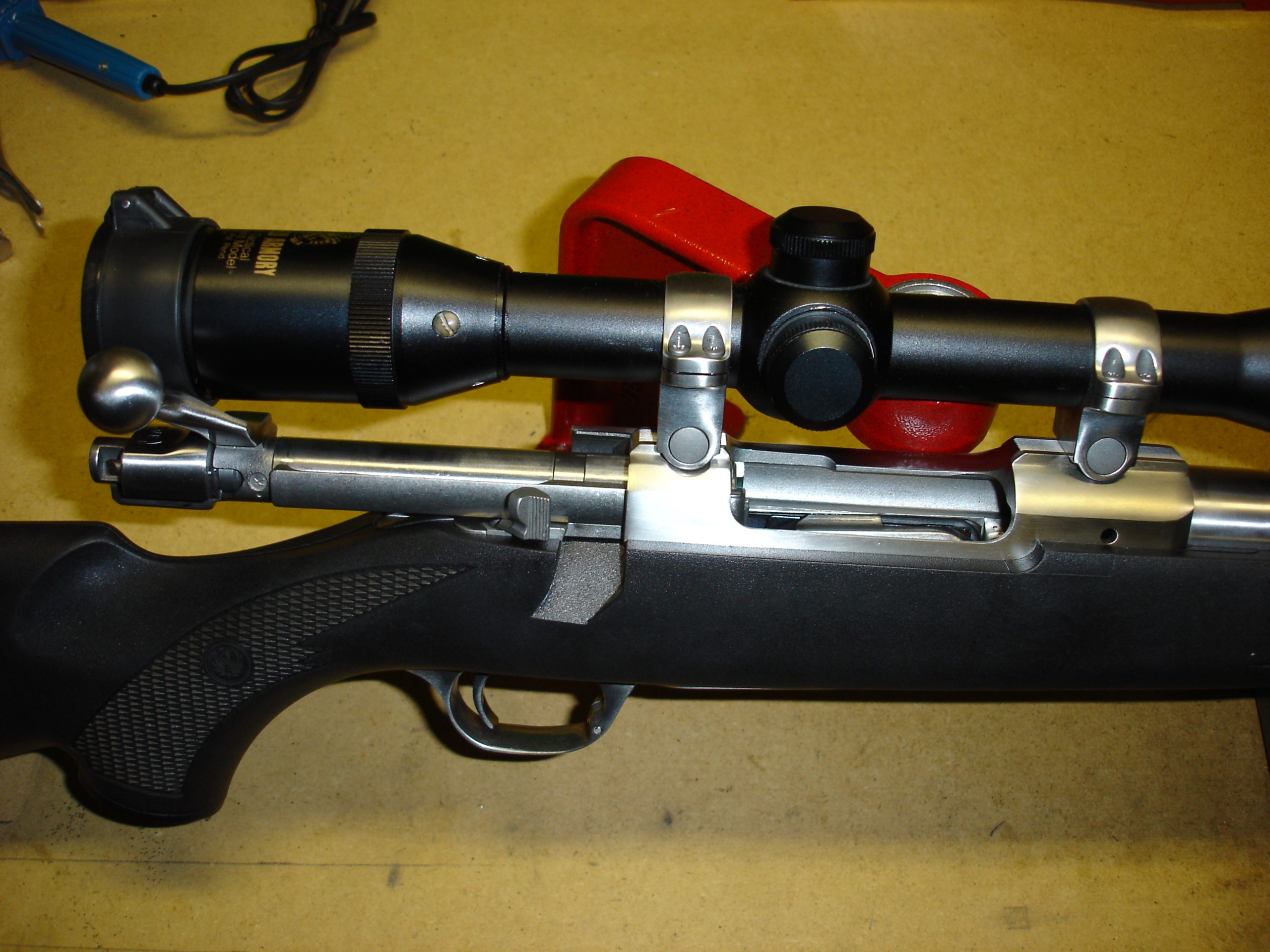
The .204 Ruger sits near the edge of ethical suitability for whitetail deer at short ranges. Bullet weight and construction limit penetration, even with modern designs. Accuracy is exceptional, and recoil is nearly nonexistent, but terminal performance remains marginal. Only perfect shot placement within close distances can produce reliable results. The caliber offers no forgiveness for poor angles or heavy bone. While technically capable under ideal conditions, it is poorly suited for real-world woods hunting where variables are unpredictable.
20. .17 Remington
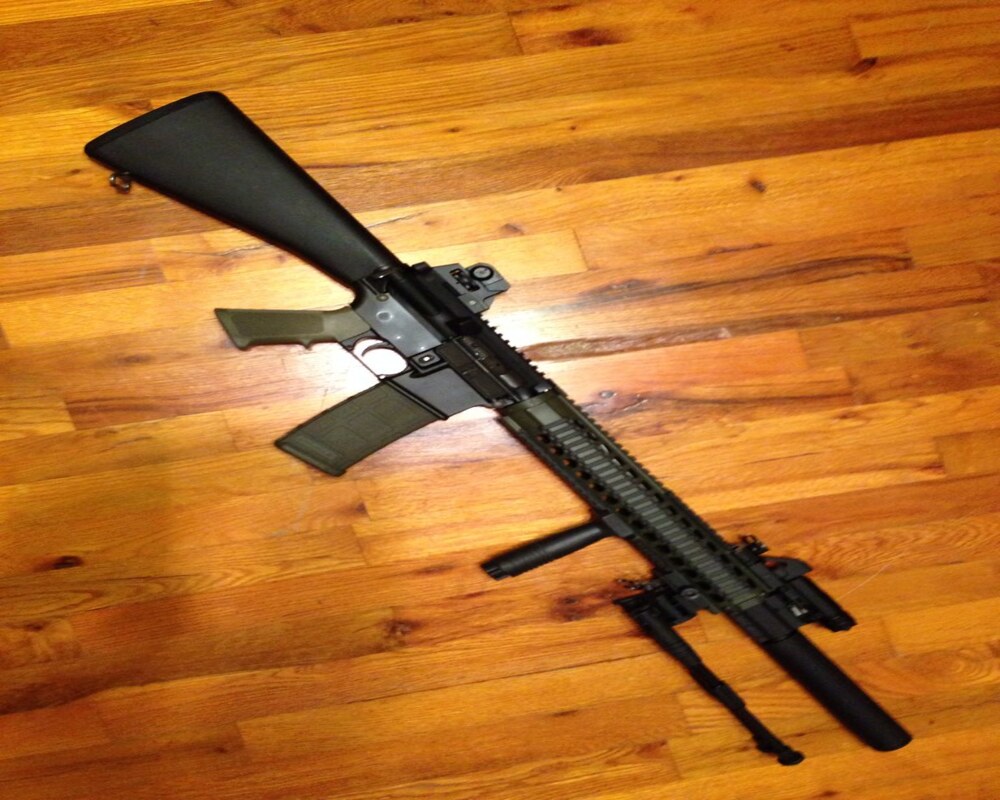
The .17 Remington ranks lowest due to its very light bullet weight and limited penetration on whitetail deer. Although extremely accurate and easy to shoot, it lacks the mass needed for consistent vital-organ damage. Expansion is rapid and shallow, increasing the risk of inadequate penetration. Ethical use requires flawless shot placement and controlled conditions that are rare in wooded terrain. The caliber provides almost no margin for error and is best reserved for small game or specialized applications rather than routine deer hunting.