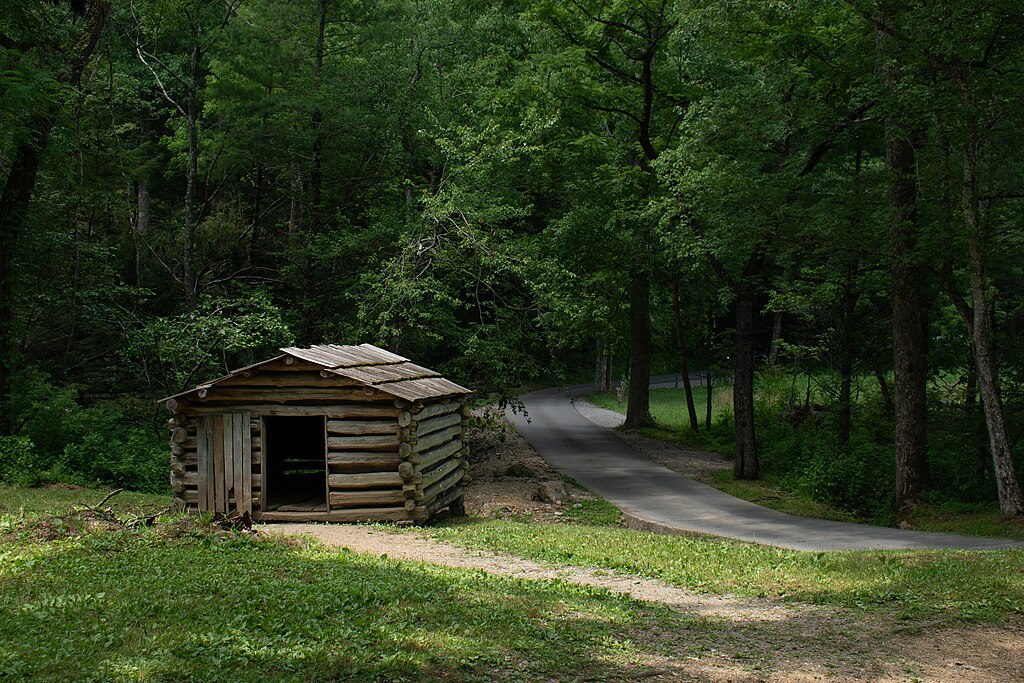
The Great Smoky Mountains aren’t just a scenic escape; they’re a living sanctuary for an astonishing range of wildlife and ecosystems. Stretching across Tennessee and North Carolina, this national park is a paradise where misty ridges, ancient forests, and crystal-clear streams converge. For wildlife lovers, every trail, overlook, and hidden valley offers the chance to witness nature’s raw beauty and intricate balance. Here’s why the Smokies deserve a top spot on your adventure list.
1. Home to Black Bears
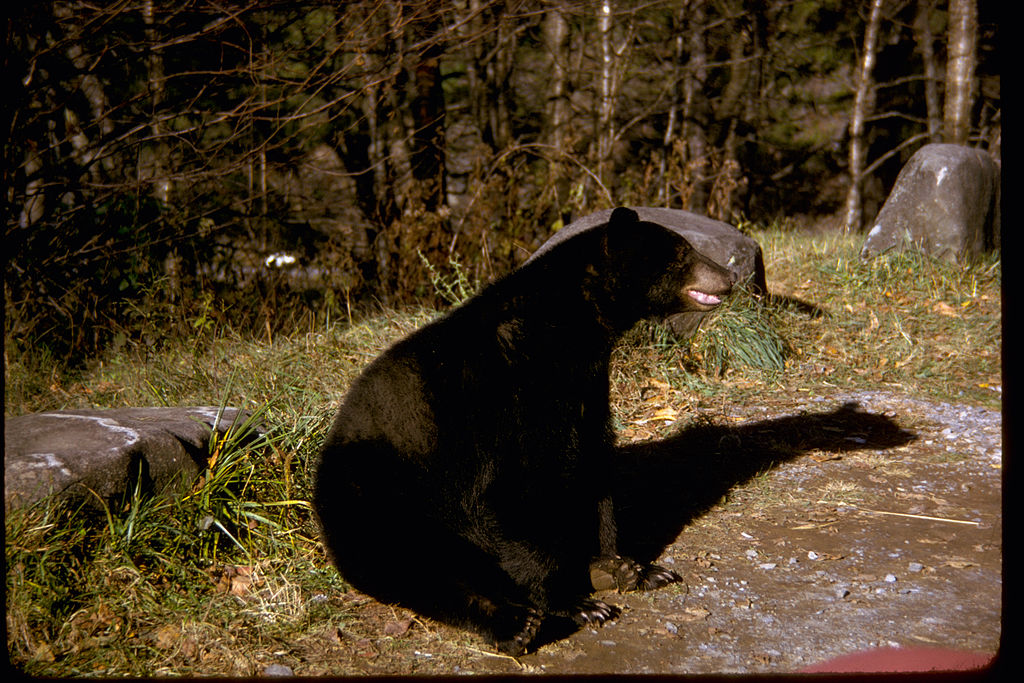
The Smoky Mountains are one of the best places in the U.S. to spot wild black bears in their natural habitat. With over 1,500 bears roaming the park, encounters at a safe distance are common. Visitors often glimpse them foraging for berries or crossing quiet forest trails. These sightings remind us how healthy the ecosystem remains, with a perfect blend of predator-prey balance thriving within these protected woods.
2. Diverse Bird Population
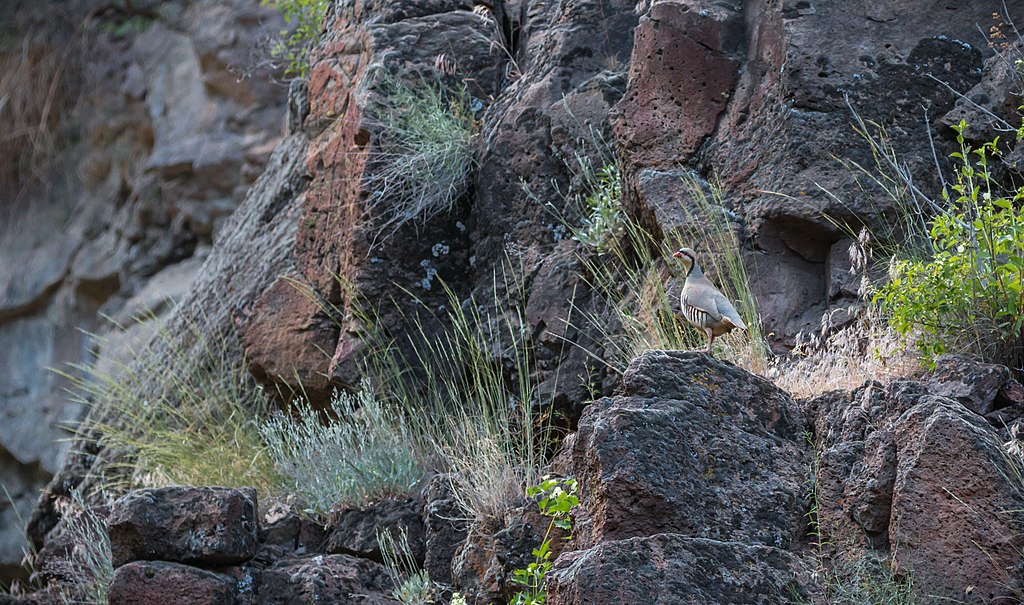
Birdwatchers flock to the Smokies for good reason; over 240 bird species call this park home. From soaring peregrine falcons to delicate warblers migrating through dense canopies, every hike becomes a symphony of calls and songs. Early mornings on high ridges often reward visitors with glimpses of rare species, revealing the park’s role as a vital stopover along major migratory routes.
3. Ancient Forest Ecosystems
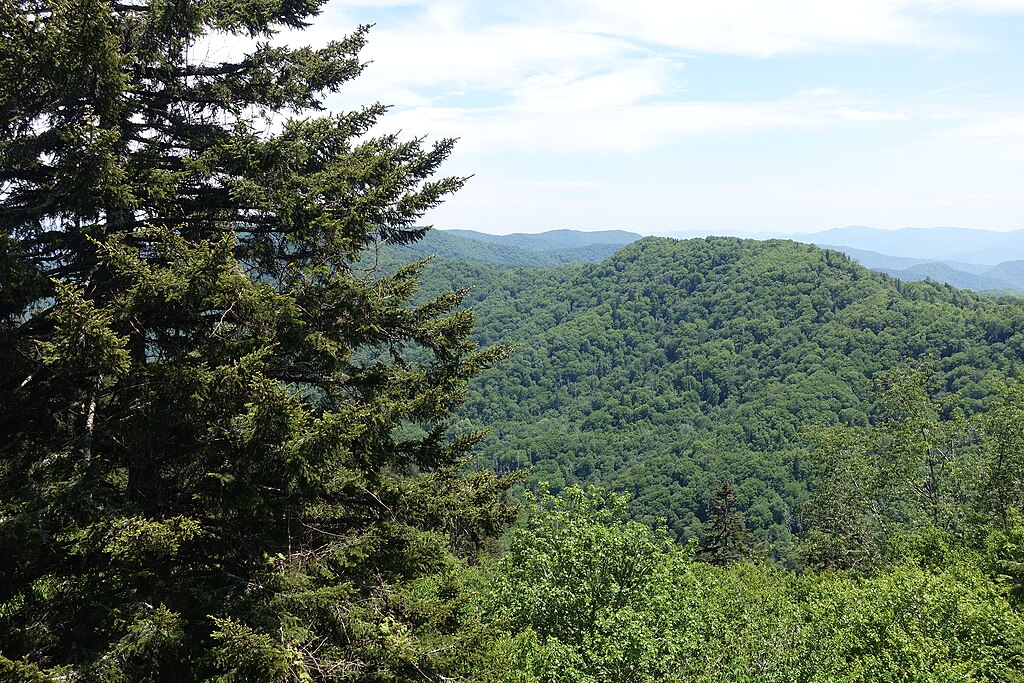
The park’s old-growth forests date back centuries, sheltering rare plant and animal species that rely on undisturbed habitats. Moss-draped hemlocks, towering oaks, and soft ferns create a lush environment teeming with hidden life. Exploring these ancient woods feels like stepping back in time, where fallen logs nurture new growth and every rustle hints at a secret world beneath the canopy.
4. Elk in Cataloochee Valley
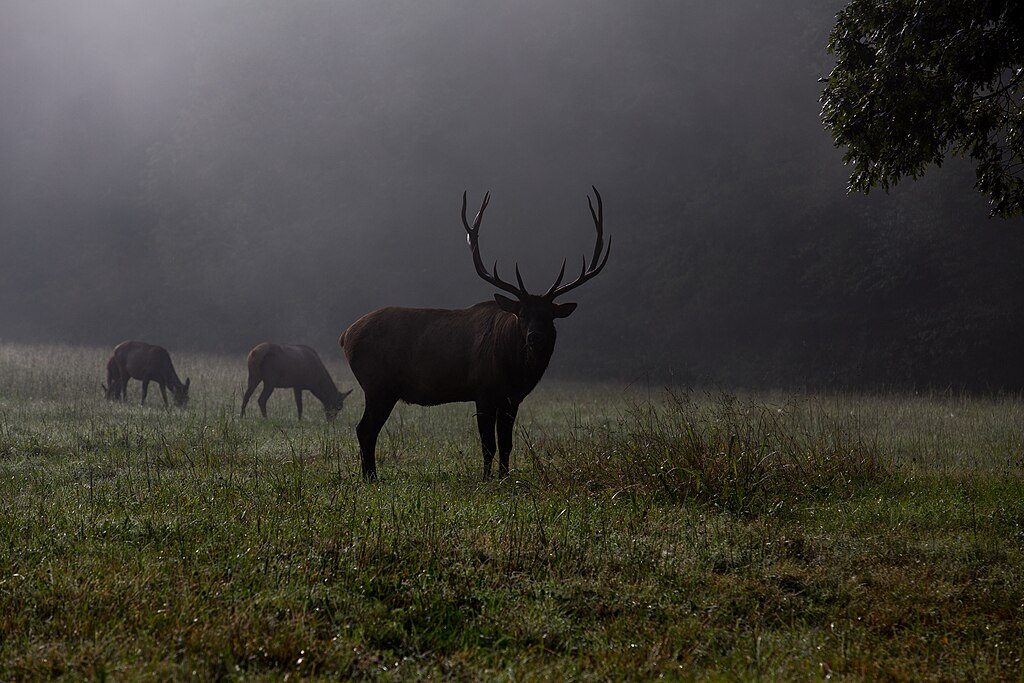
Reintroduced in the early 2000s, elk now roam freely through Cataloochee Valley, one of the park’s most breathtaking wildlife viewing areas. Visitors often spot these majestic animals grazing at dawn or dusk, their haunting bugles echoing through the misty valleys. The successful elk restoration program symbolizes the park’s commitment to restoring native species and maintaining natural balance.
5. Salamander Capital of the World
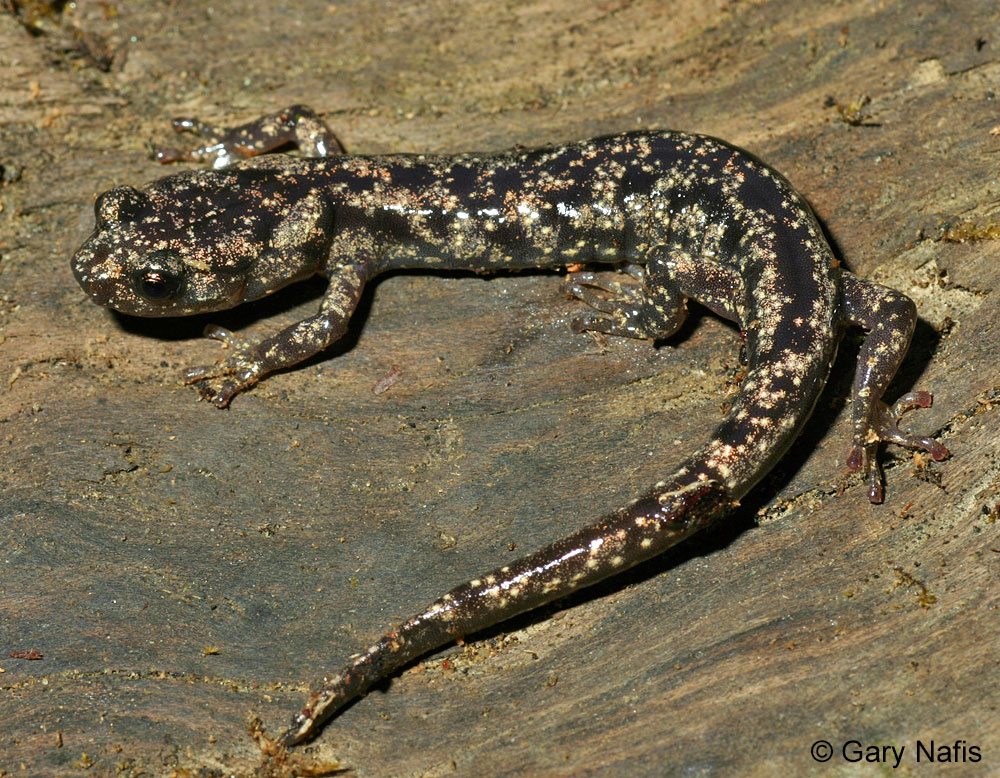
With more than 30 species of salamanders, the Smoky Mountains have earned their nickname as the world’s salamander capital. These small, vibrant creatures thrive in the park’s moist, shaded forests and clear streams. Their abundance reflects exceptional water quality and ecological health, making them a fascinating part of the park’s biodiversity for nature enthusiasts to observe and study.
6. Fireflies’ Synchronized Light Shows
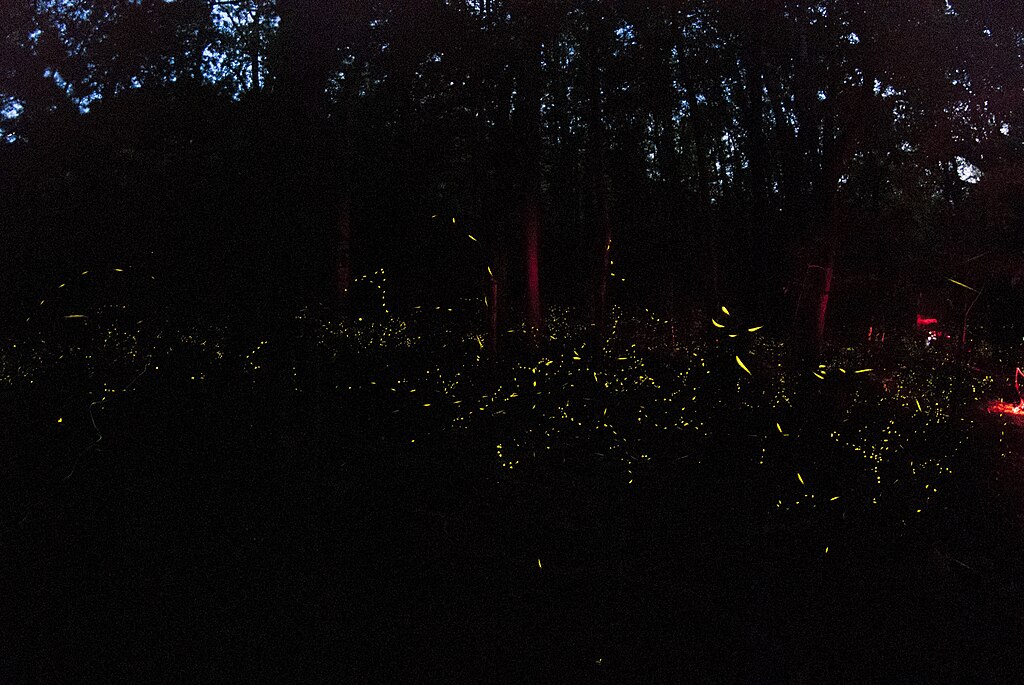
Each summer, the Smokies host an extraordinary natural phenomenon, synchronous fireflies. For a few magical nights, thousands of fireflies flash in perfect unison, illuminating the forest floor like a living constellation. This rare display draws visitors from across the globe, showcasing one of the most enchanting displays of bioluminescence found anywhere in North America.
7. Rich Biodiversity Hotspot
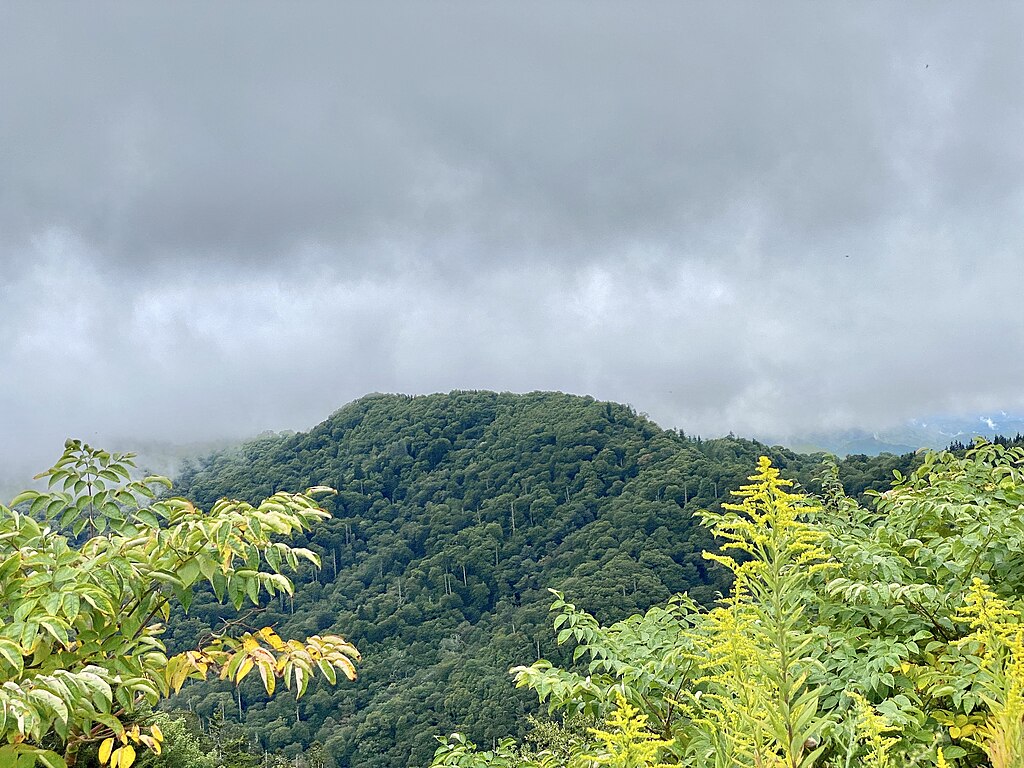
The Great Smoky Mountains National Park is one of the most biologically diverse regions in the world. Scientists estimate over 19,000 documented species live here, with many more yet to be discovered. From fungi to foxes, each organism plays a unique role in sustaining the ecosystem. It’s a living laboratory where biodiversity flourishes across every elevation and season.
8. Butterflies and Pollinators Galore

Colorful butterflies, bees, and hummingbirds fill the Smoky Mountains each spring and summer, drawn by blooming wildflowers. Monarchs, swallowtails, and fritillaries add a vibrant splash of movement across meadows and trails. Their presence underscores the importance of pollinators in keeping ecosystems thriving, a reminder of the delicate web that connects all living things
9. Crystal Clear Streams and Rivers
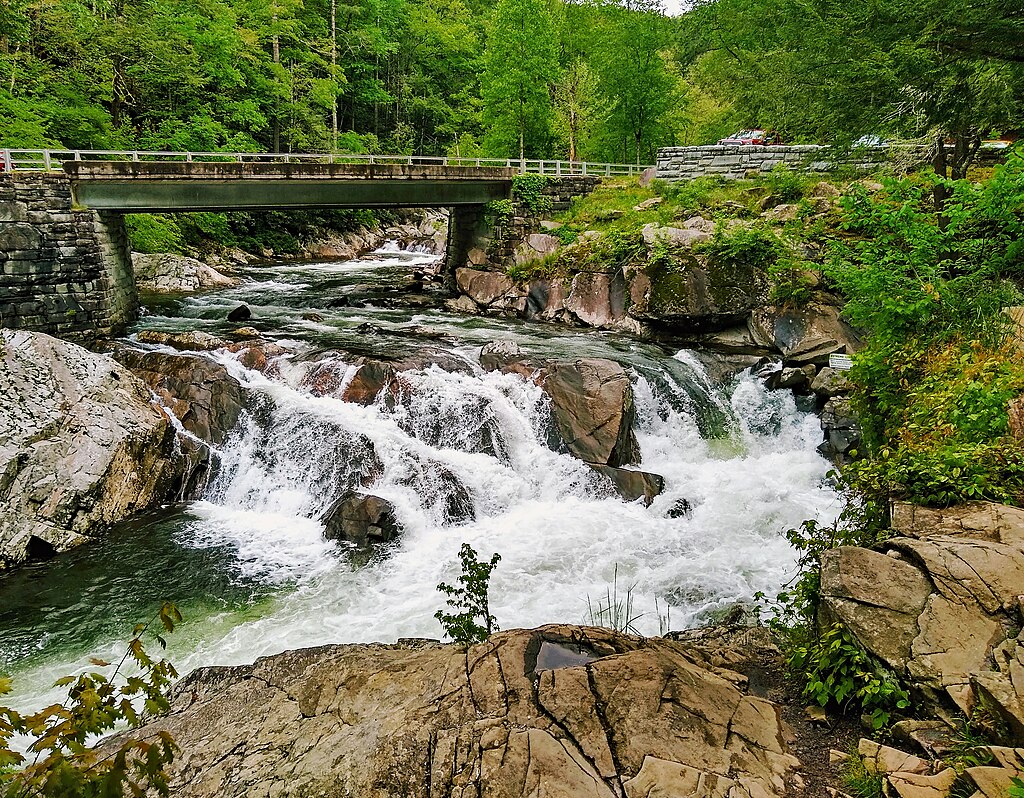
The Smokies’ waterways, like Little River and Abrams Creek, are lifelines for countless species. Trout swim through icy currents, otters play along rocky banks, and deer come to drink from clear pools. These pristine streams also offer peaceful moments for visitors, whether they’re fishing, wading, or simply listening to the steady rhythm of flowing mountain water.
10. Seasonal Wildlife Changes
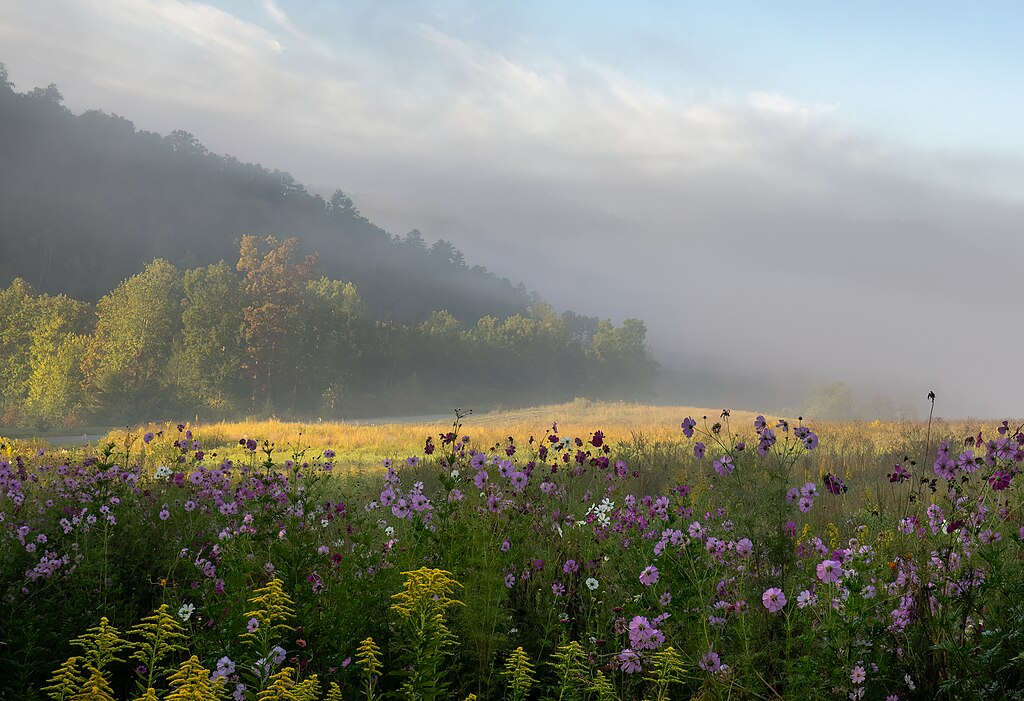
Every season transforms the Smoky Mountains’ wildlife scene. Spring brings wildflower blooms and black bear cubs; summer hums with insects and birdlife; fall fills valleys with elk bugles; and winter reveals tracks of foxes in fresh snow. Each visit offers a new perspective, proving that the Smokies are a year-round treasure for observing nature’s cycle.
11. Educational Ranger Programs

The park’s rangers and volunteers run guided walks, wildlife talks, and educational workshops that deepen visitors’ understanding of the natural world. Whether learning to identify animal tracks or understanding black bear safety, these programs foster respect and awareness. They ensure every guest leaves not only inspired but also informed about preserving the Smokies’ fragile beauty.
12. Accessible Wildlife Viewing Areas

The Smoky Mountains make wildlife watching easy and safe, with dedicated areas like Cades Cove and Oconaluftee. These scenic spots offer panoramic views and frequent animal activity without needing long hikes. Families and casual visitors can experience memorable encounters while respecting wildlife boundaries, reinforcing the park’s inclusive approach to conservation and exploration.
13. Rare Plant Species
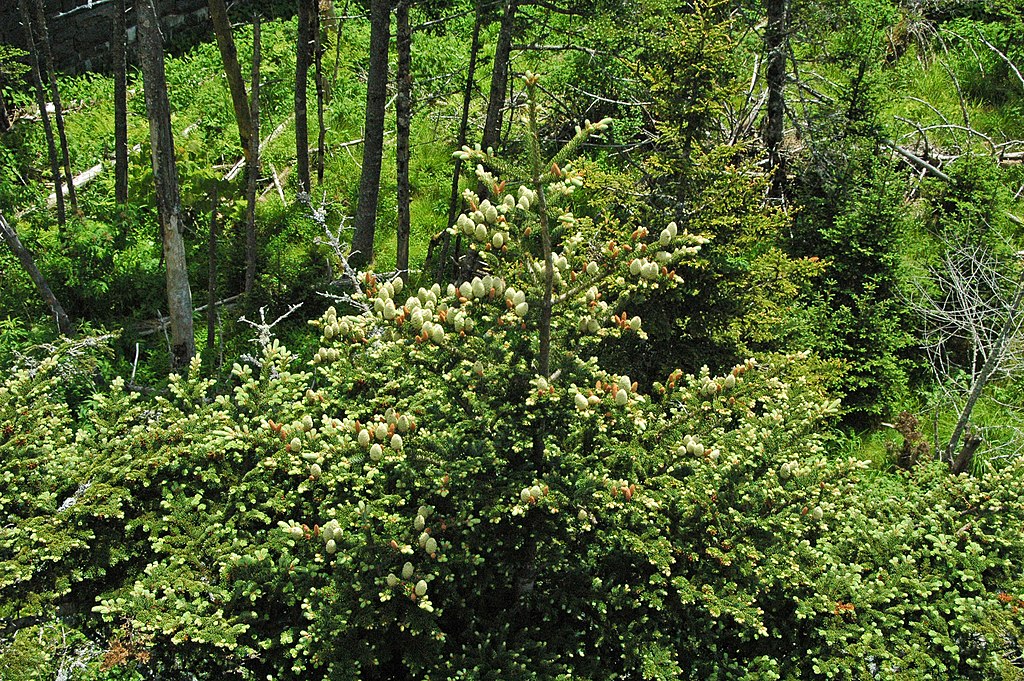
Beyond animals, the Smokies shelter over 1,500 kinds of flowering plants. Some species, like the Smoky Mountain trillium, grow nowhere else on Earth. Seasonal blooms transform the hillsides into vivid displays, drawing photographers and botanists alike. This botanical diversity not only feeds pollinators but also anchors entire ecosystems, emphasizing the park’s role as a living museum of plant life.
14. Hidden Waterfalls and Wetlands
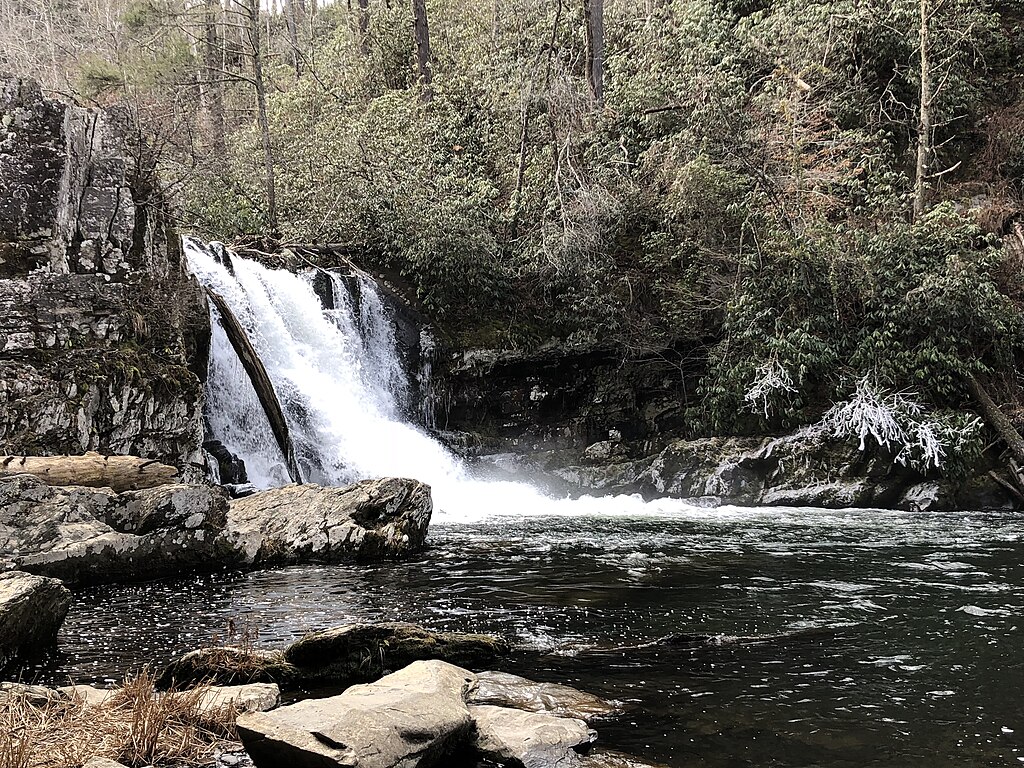
Dozens of waterfalls and wetland areas provide refuge for amphibians, insects, and aquatic birds. These hidden pockets support rare species that depend on moisture and shaded microclimates. Exploring spots like Grotto Falls or Greenbrier reveals a quieter, softer side of the Smokies, one where water nurtures life in its purest, most delicate form.
15. Nightlife in the Forest
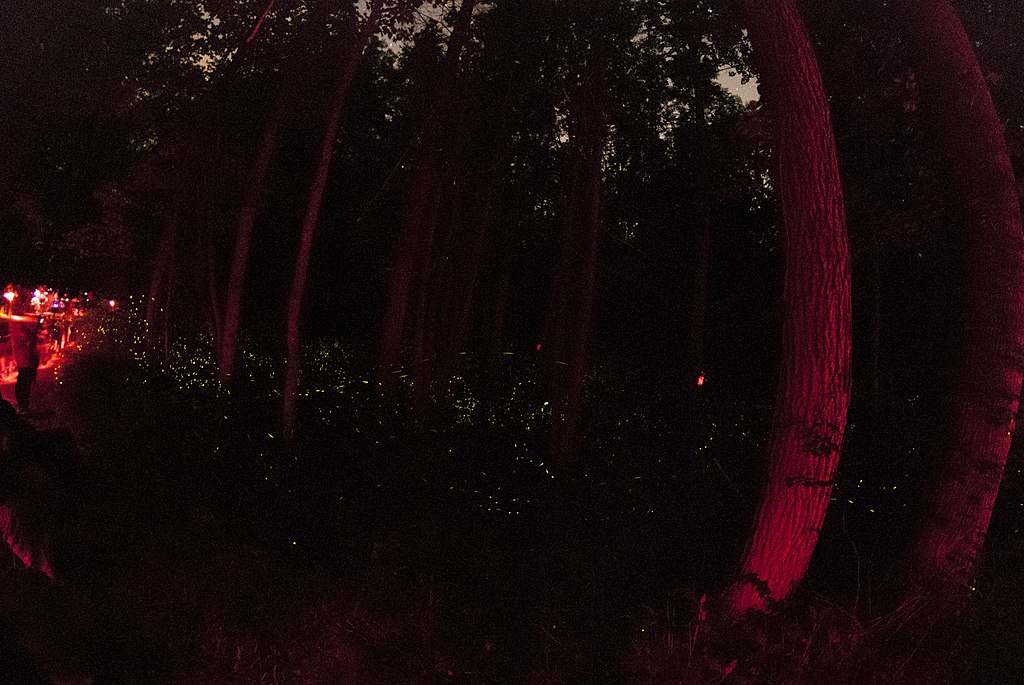
When darkness falls, the Smokies come alive with nocturnal creatures. Owls call from treetops, bats sweep through the air, and the faint glow of fireflies dances in open meadows. The forest’s night soundscape offers a different kind of wildlife experience, mysterious, immersive, and humbling, reminding visitors that nature never truly sleeps.
16. Conservation Success Stories
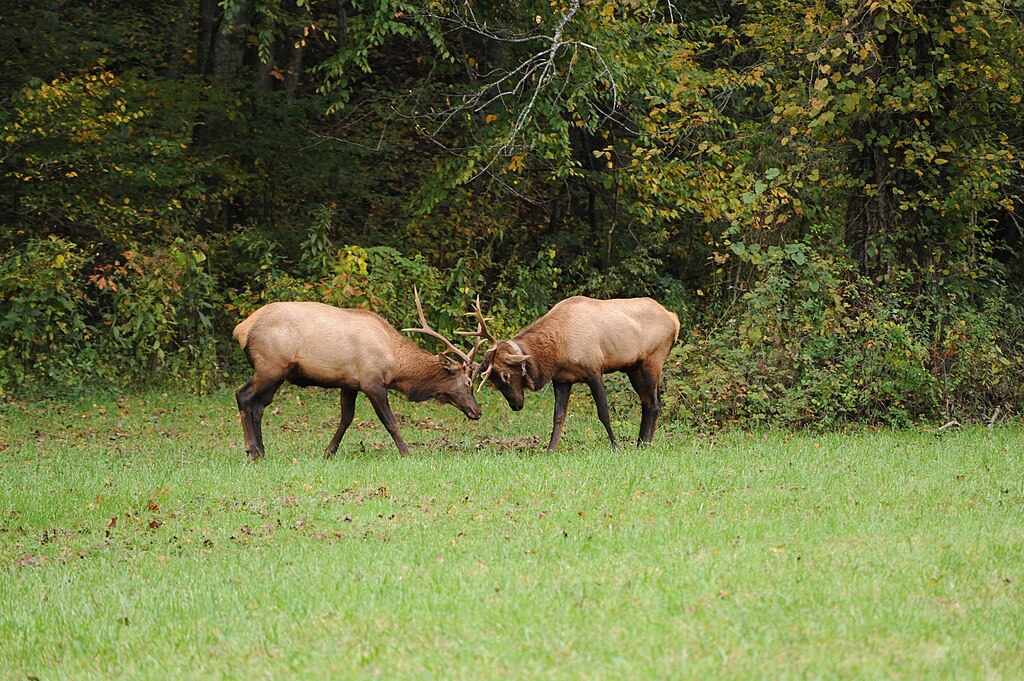
The park stands as a model for wildlife restoration and habitat preservation. From reintroducing elk to protecting threatened species like the Indiana bat, the Smokies showcase how conservation works when people commit long-term. Visitors witness firsthand how stewardship and science can heal landscapes once at risk from logging and overuse.
17. Scenic Drives with Wildlife Views
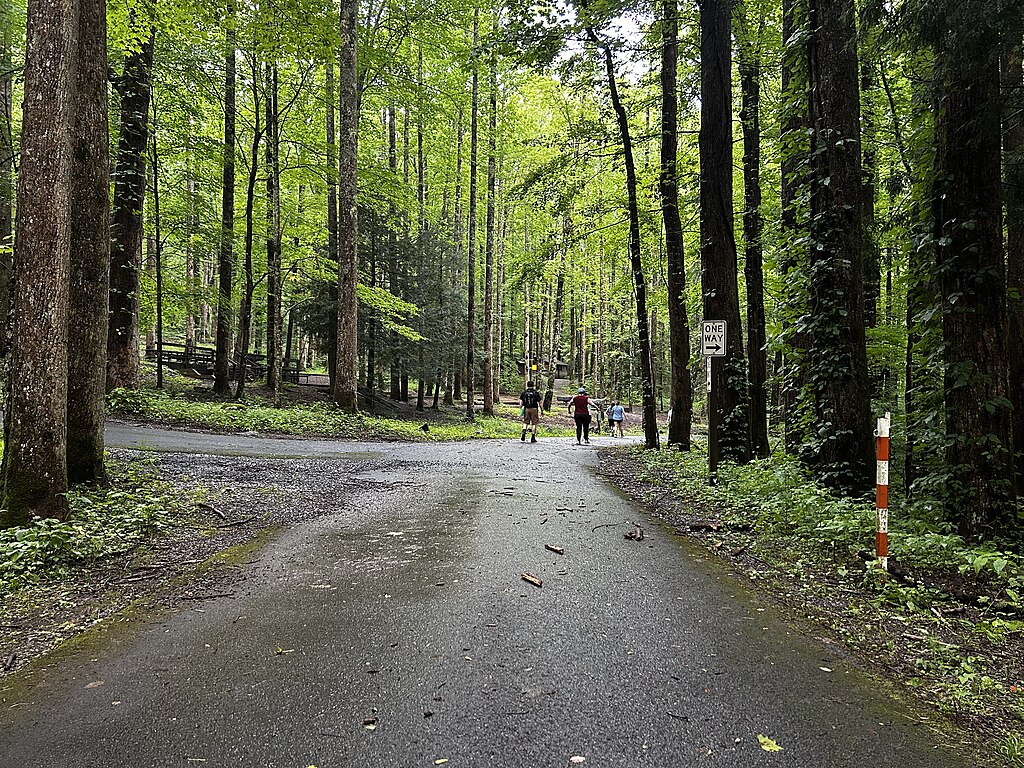
Routes like Newfound Gap Road and Roaring Fork Motor Nature Trail allow easy access to prime wildlife viewing areas. Drivers often encounter deer, turkeys, or even black bears crossing the road. These drives let visitors enjoy the park’s diverse wildlife safely and comfortably, making nature observation accessible to all levels of adventure.
18. Mist and Microclimates
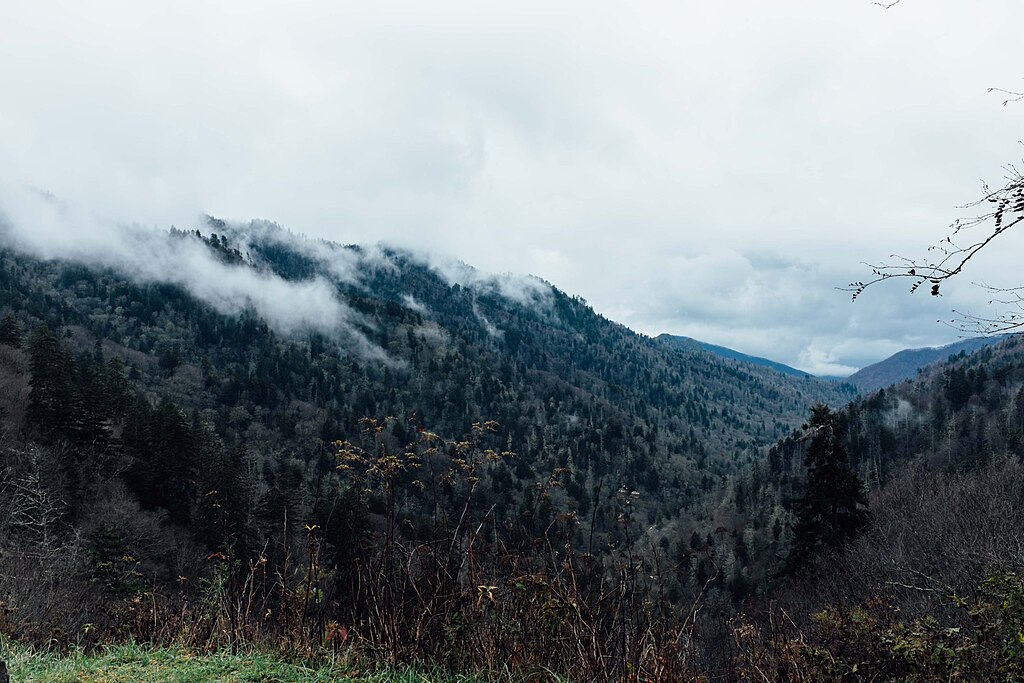
The park’s famous mist isn’t just for show; it creates dozens of microclimates that support unique plant and animal life. Moist air nurtures mosses, lichens, and amphibians that thrive only in damp conditions. This natural humidity gives the Smokies their mystical appearance while sustaining a range of species adapted to its ever-changing atmosphere.
19. Historical and Cultural Connections

Wildlife in the Smokies has long intertwined with human history. Indigenous peoples, settlers, and conservationists each shaped how nature was viewed and protected here. Learning about these cultural layers helps visitors appreciate not just the park’s animals but also the generations who understood and lived alongside them with respect and balance.
20. Endless Opportunities for Discovery

No matter how many times you visit, the Smoky Mountains always reveal something new: a hidden trail, a rare bird, or a quiet stream teeming with life. This constant sense of discovery keeps wildlife lovers returning again and again. The Smokies aren’t just a destination; they’re a lifelong classroom of wonder, reflection, and connection to the natural world.