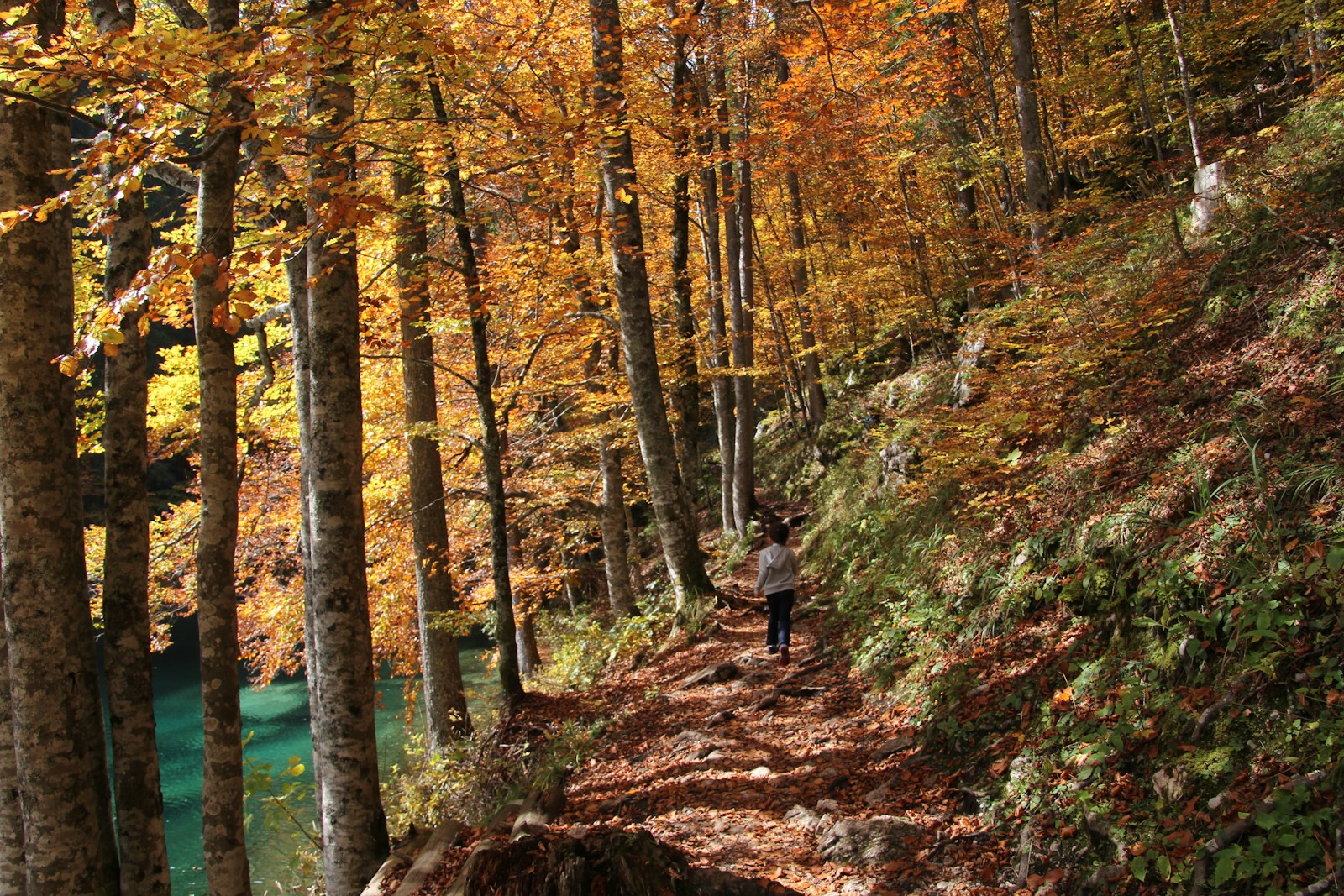
Hiking is one of the most rewarding ways to experience the beauty of nature, but some trails test far more than endurance. Across the globe, certain routes demand courage, skill, and preparation, with dangers ranging from sheer cliffs to unpredictable weather. For thrill-seekers, these trails offer breathtaking views at a high cost of risk. Each one tells its own story of challenge and awe, reminding hikers that nature, while stunning, is also unforgiving. Here are twenty of the most dangerous hiking trails in the world.
Huashan Trail, China
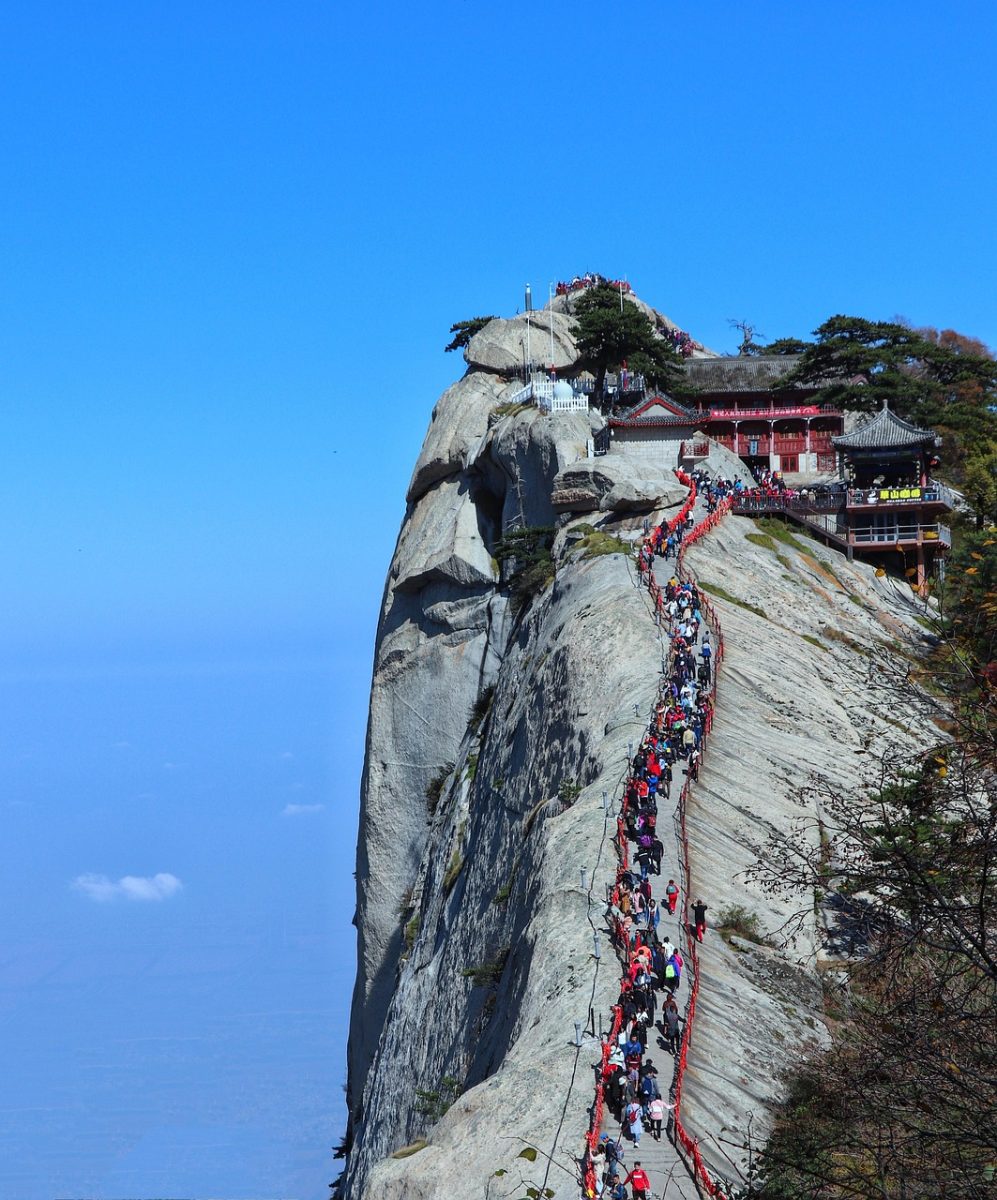
The Huashan Trail is famous for its “plank walk in the sky,” where hikers cross wooden planks bolted into a sheer cliff face. Safety harnesses are required today, but the dizzying drops remain as terrifying as ever. The views over Mount Huashan are unforgettable, making it a popular yet heart-pounding climb.
El Caminito del Rey, Spain
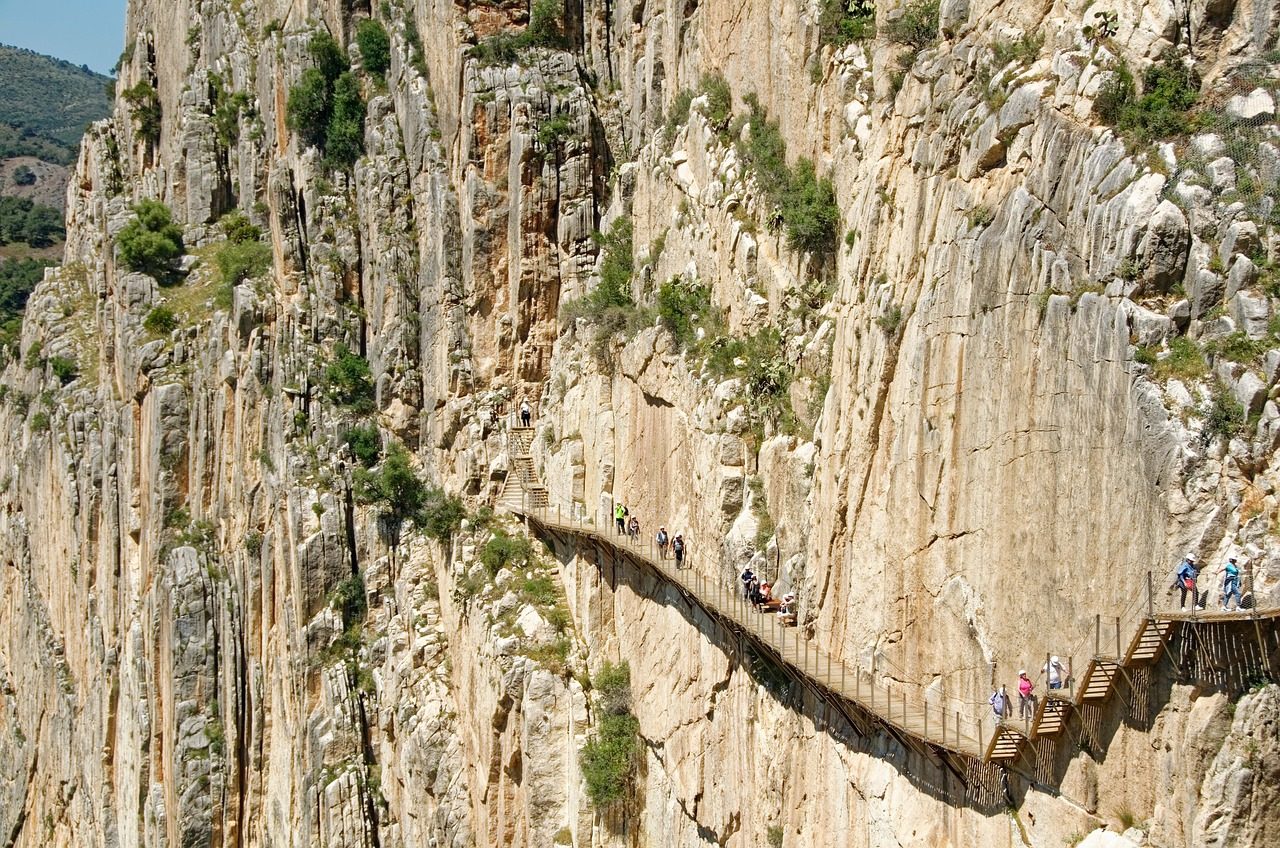
Once called the most dangerous path in the world, El Caminito del Rey hugs the walls of a narrow gorge. Originally built for workers, the decaying walkway claimed lives before renovations added safety features. Despite improvements, the sheer cliffs and narrow ledges still deliver a thrilling experience.
Kalalau Trail, Hawaii
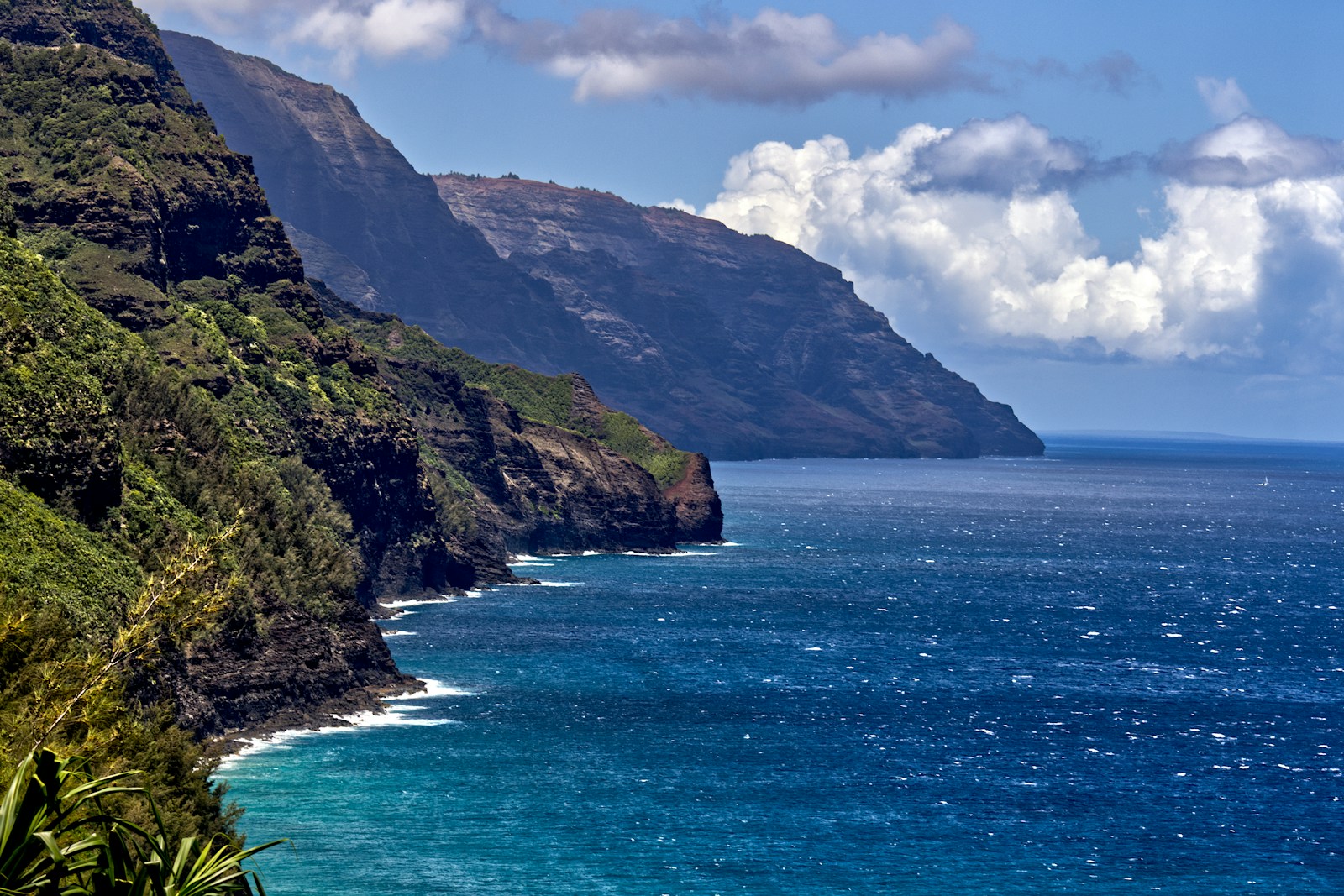
The Kalalau Trail on Kauai’s Na Pali Coast offers unmatched tropical beauty with hidden danger. The path is narrow and often slick with mud, hugging cliffs that drop to the ocean below. Flash floods and unpredictable weather add to the risks along this 11-mile journey.
Half Dome, Yosemite, USA
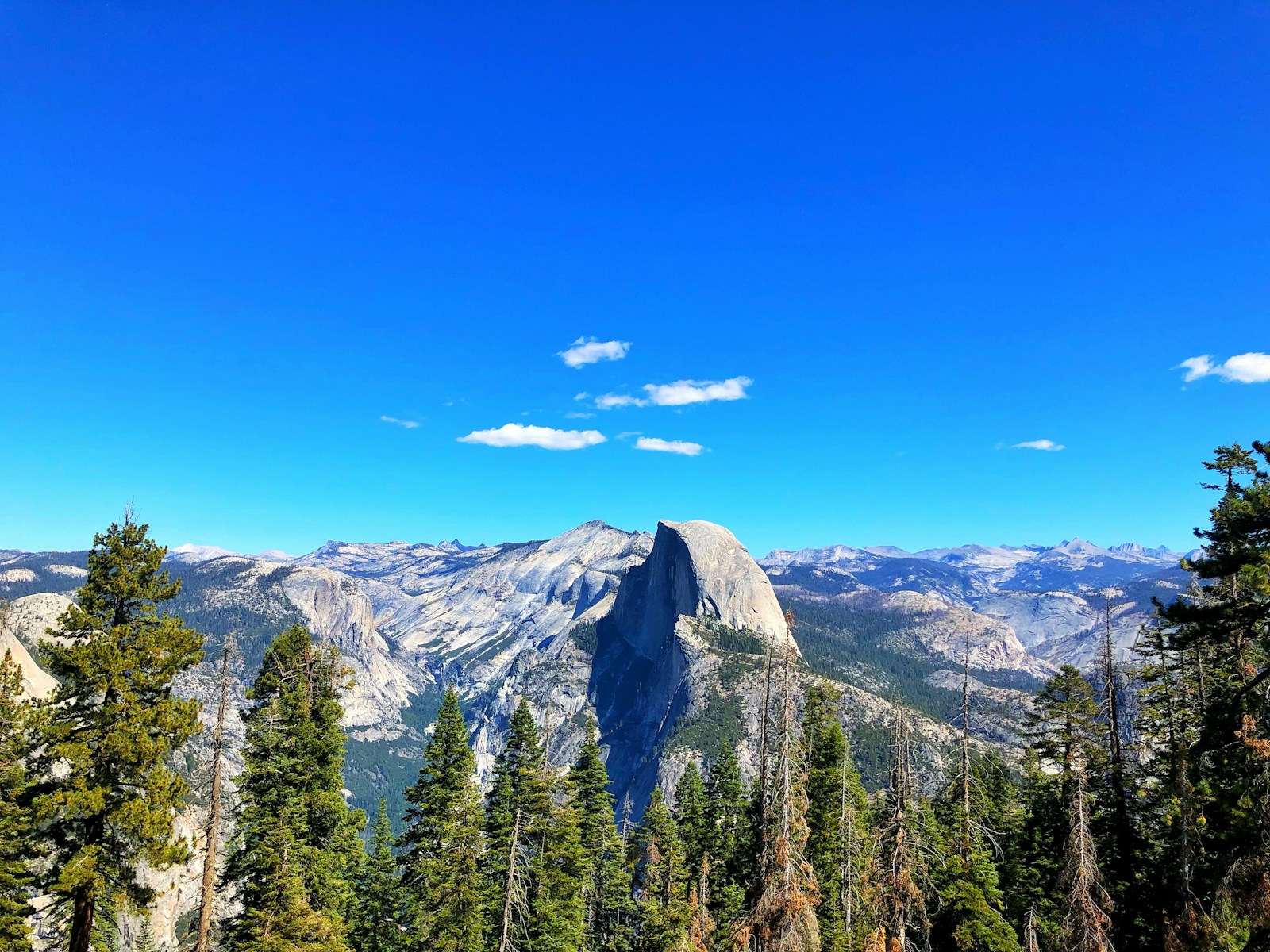
Half Dome’s iconic cables route challenges thousands of hikers every year. The steep climb requires pulling yourself up smooth granite while holding onto metal cables. Rain can turn the rock dangerously slippery, making this climb both spectacular and treacherous.
Mount Hua’s Chang Kong Cliff Road, China
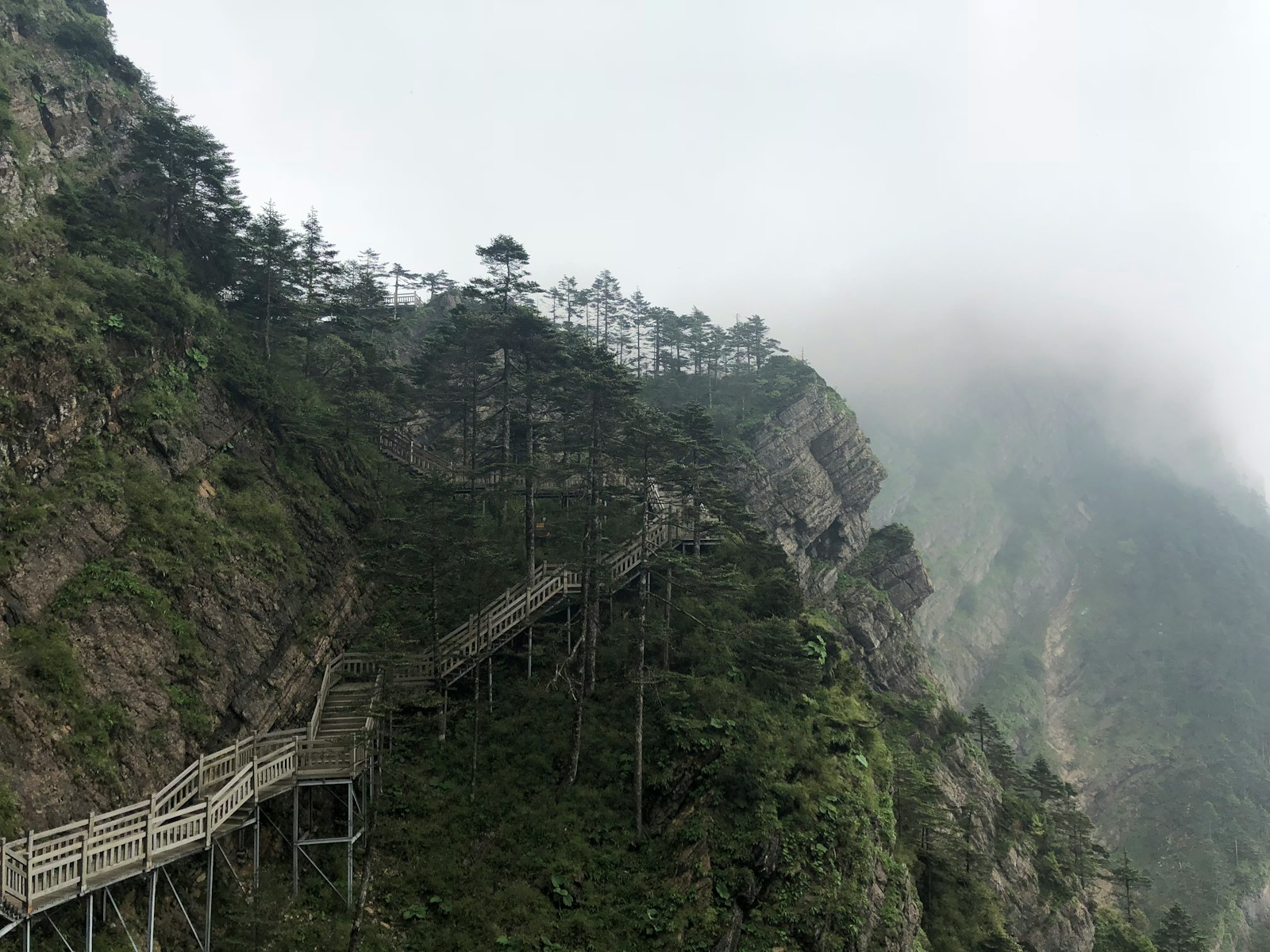
This lesser-known section of Mount Hua pushes fear to the extreme. Narrow wooden boards cling to cliffs thousands of feet high, with only a chain to hold onto. The trail was originally created by monks and remains one of the most perilous walks in the world.
Aonach Eagach Ridge, Scotland
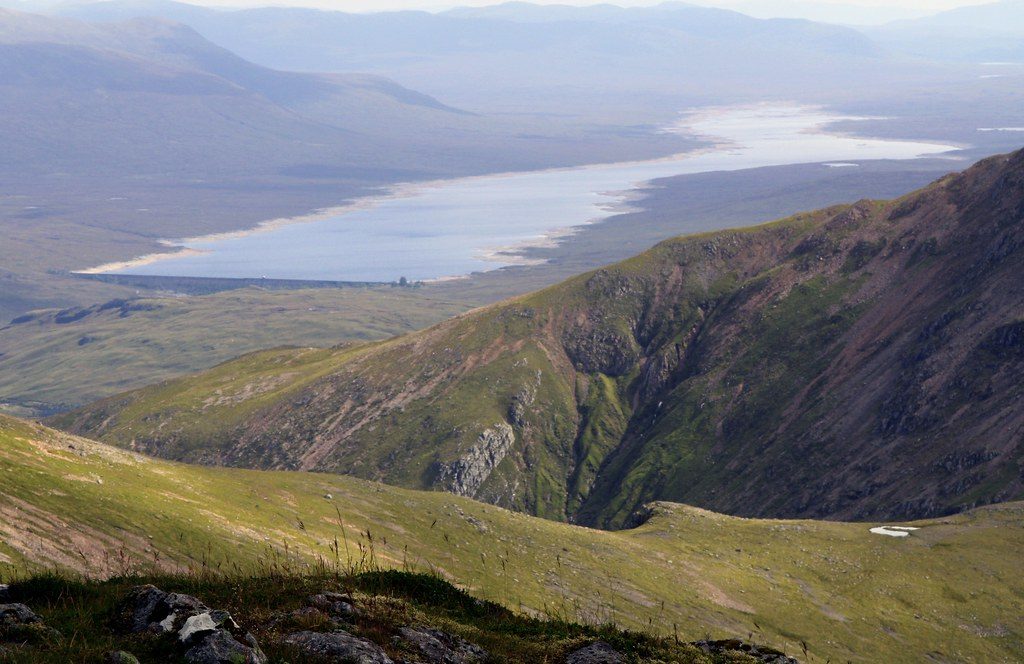
The Aonach Eagach Ridge in the Scottish Highlands is narrow, exposed, and unforgiving. With sheer drops on both sides, scrambling skills are essential. Strong winds and unpredictable weather often turn this hike into a dangerous test of nerve.
Angels Landing, Zion National Park, USA
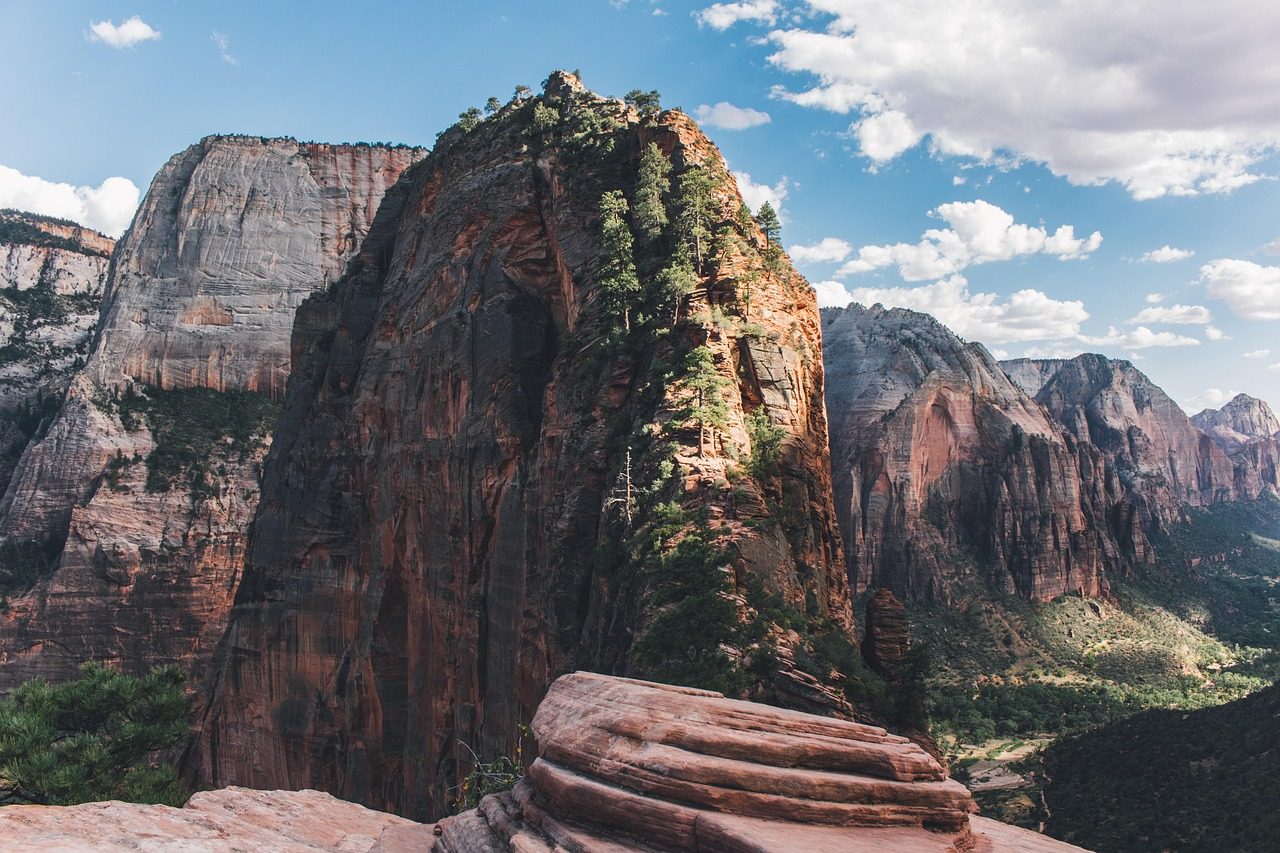
Angels Landing is both breathtaking and nerve-wracking, with chains bolted into the rock to guide hikers across exposed ridges. The drop-offs on either side are sheer and unforgiving. The final stretch rewards hikers with one of the most stunning views in Utah.
Kokoda Track, Papua New Guinea
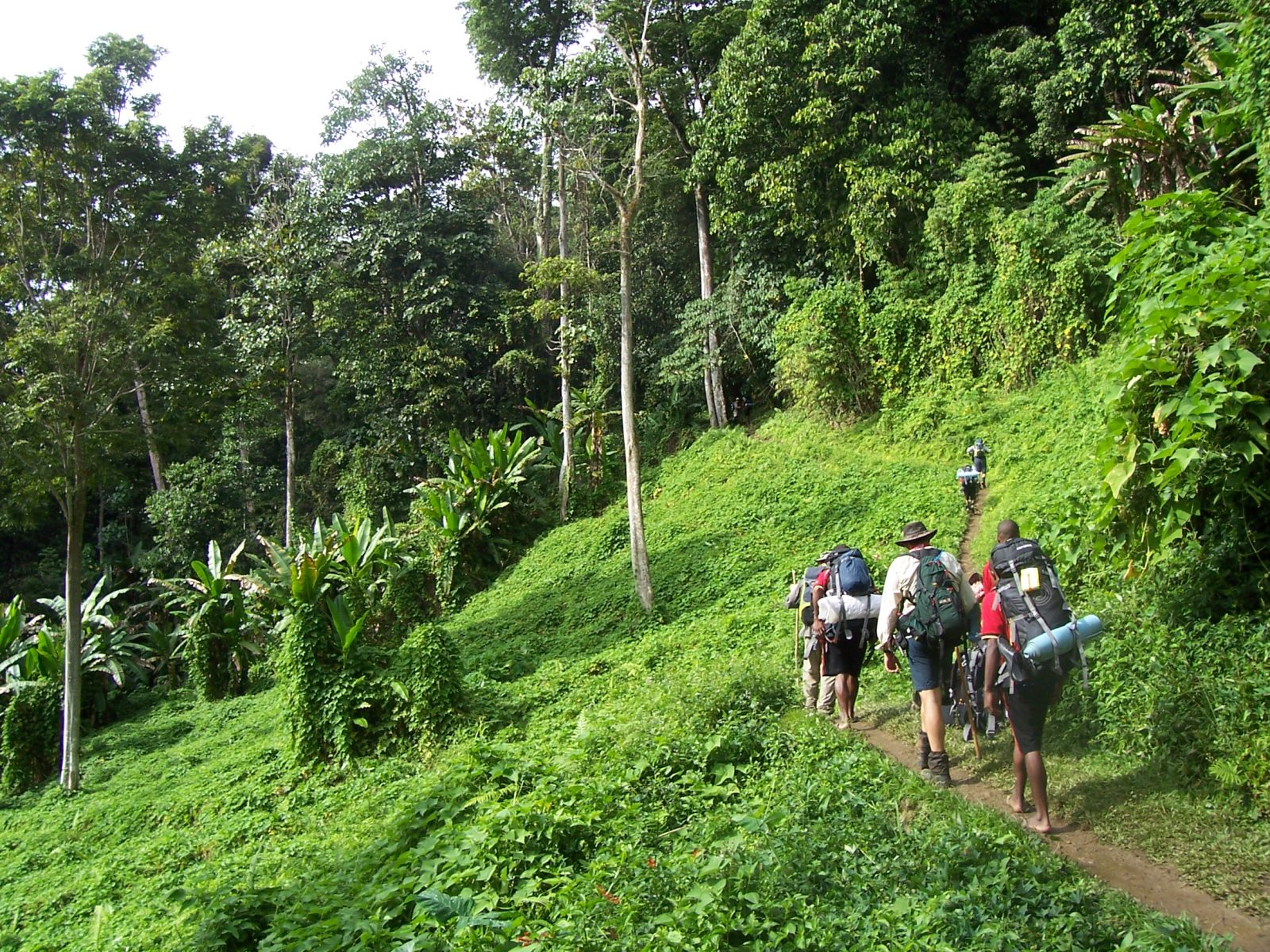
The Kokoda Track is steeped in history and known for its brutal conditions. Stretching through dense jungle, it is plagued by humidity, steep climbs, and sudden storms. Physical endurance and mental grit are both necessary to complete this demanding trail.
Drakensberg Traverse, South Africa
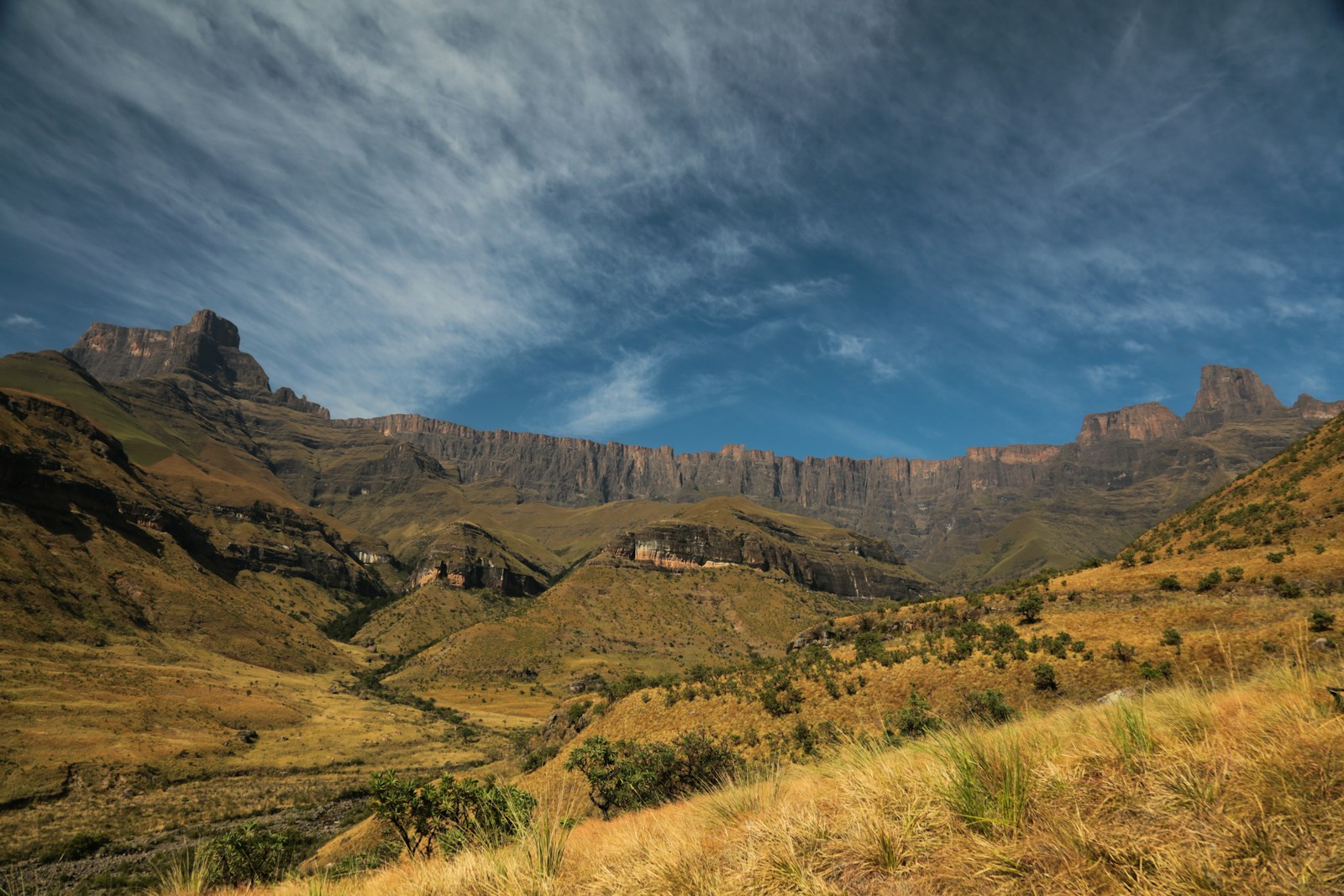
This high-altitude trek in South Africa combines natural beauty with significant danger. Hikers ascend chain ladders up vertical cliffs and traverse exposed ridgelines. Changing weather and isolated conditions add to the risks of this remarkable adventure.
Mount Washington, New Hampshire, USA
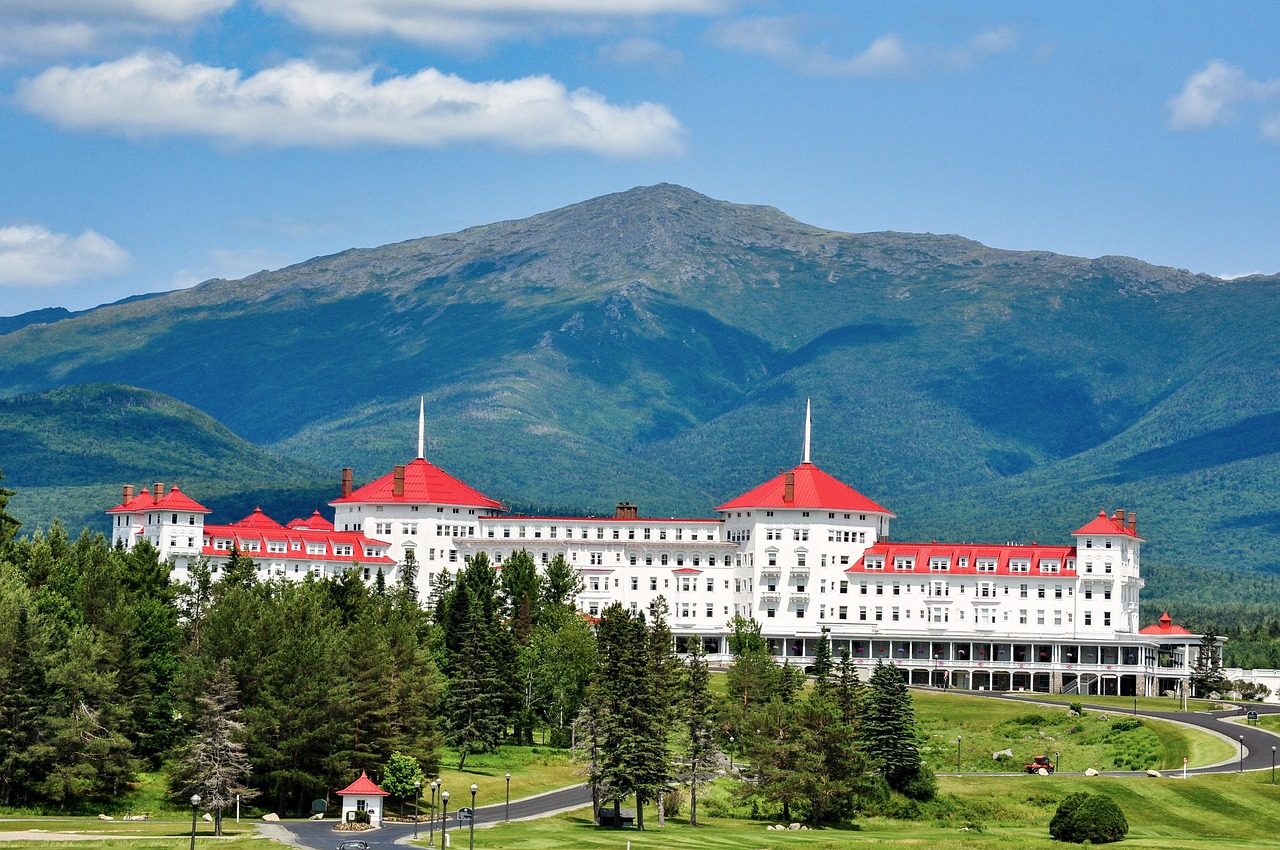
Mount Washington is infamous for some of the harshest weather in the world. Fierce winds, icy trails, and sudden storms create deadly conditions despite the mountain’s modest height. Many experienced hikers have underestimated it, with tragic consequences.
Pacaya Volcano, Guatemala
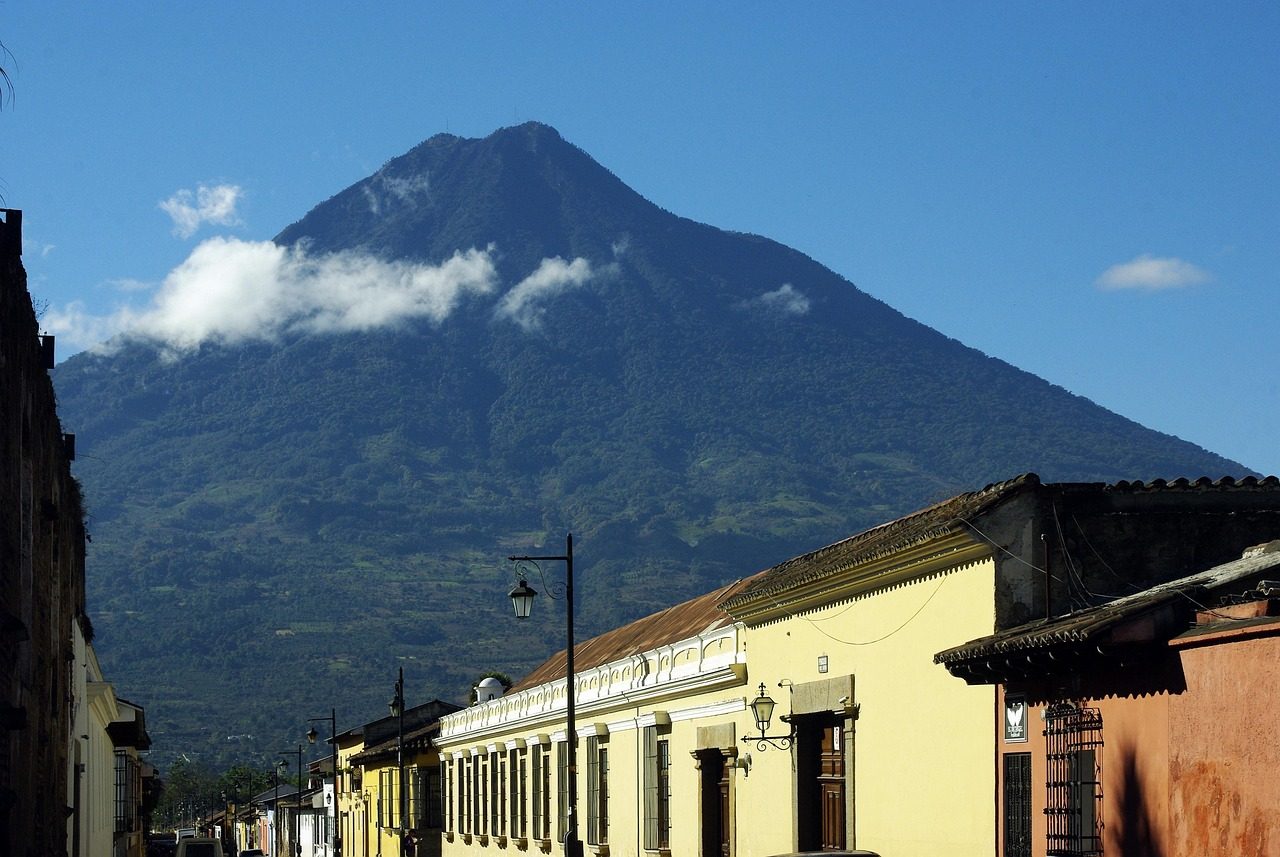
Hiking Pacaya means walking on an active volcano, with lava flows and dangerous gases always a possibility. While guides lead the way, the shifting landscape presents constant risk. The thrill of standing near molten rock draws adventurers despite the hazards.
Wendenstöcke, Switzerland
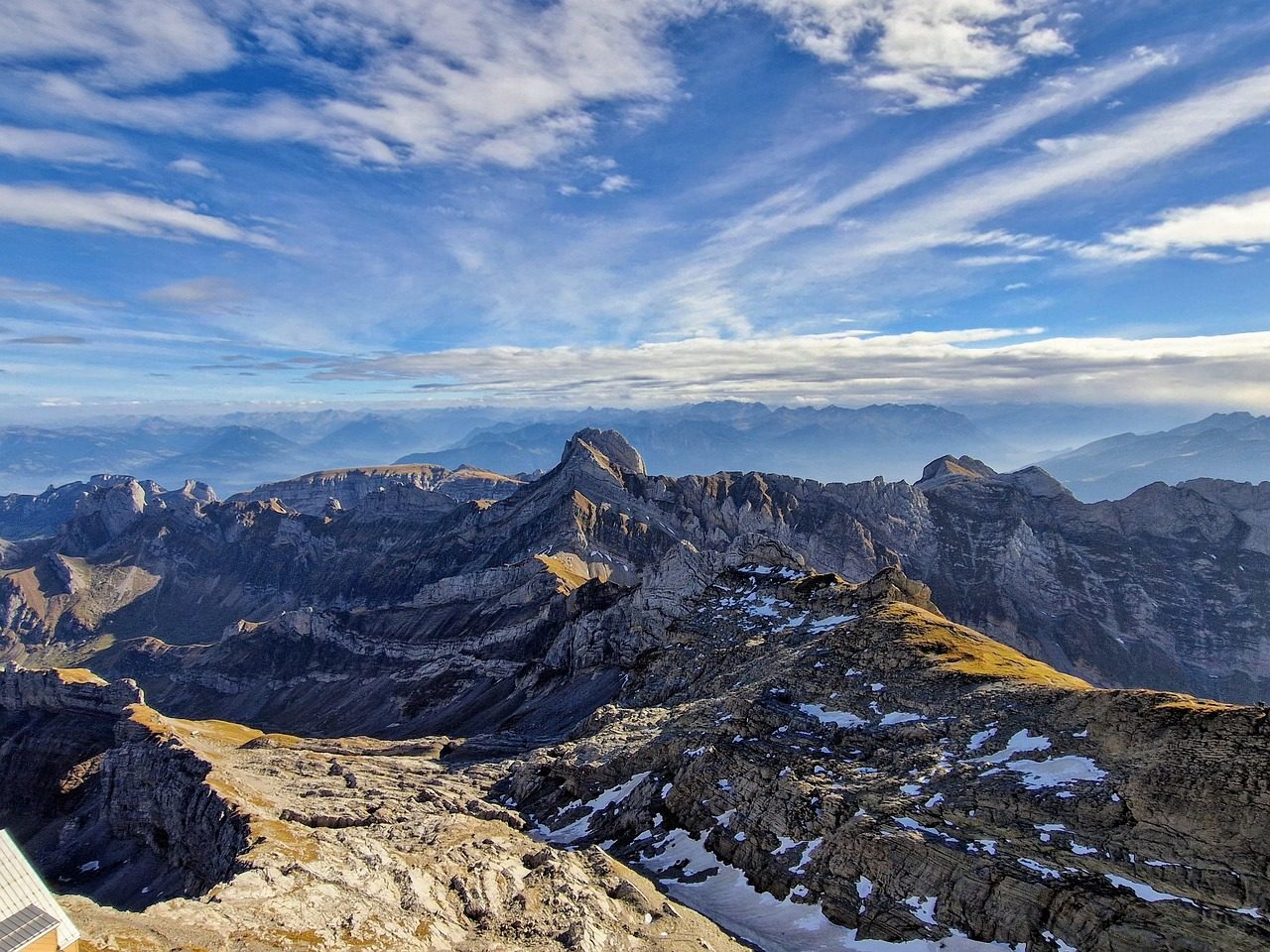
The Wendenstöcke is a remote alpine trail in Switzerland known for its challenging terrain. Loose rock, steep cliffs, and sudden storms make it treacherous even for experts. It is a hike that demands a full alpine experience and careful planning.
West Coast Trail, Canada

The West Coast Trail on Vancouver Island challenges hikers with muddy paths, rope ladders, and unpredictable tides. Originally built as a rescue route, it remains one of the toughest long-distance hikes in North America. Preparation is vital to handle its rugged conditions.
Maze District, Canyonlands, USA
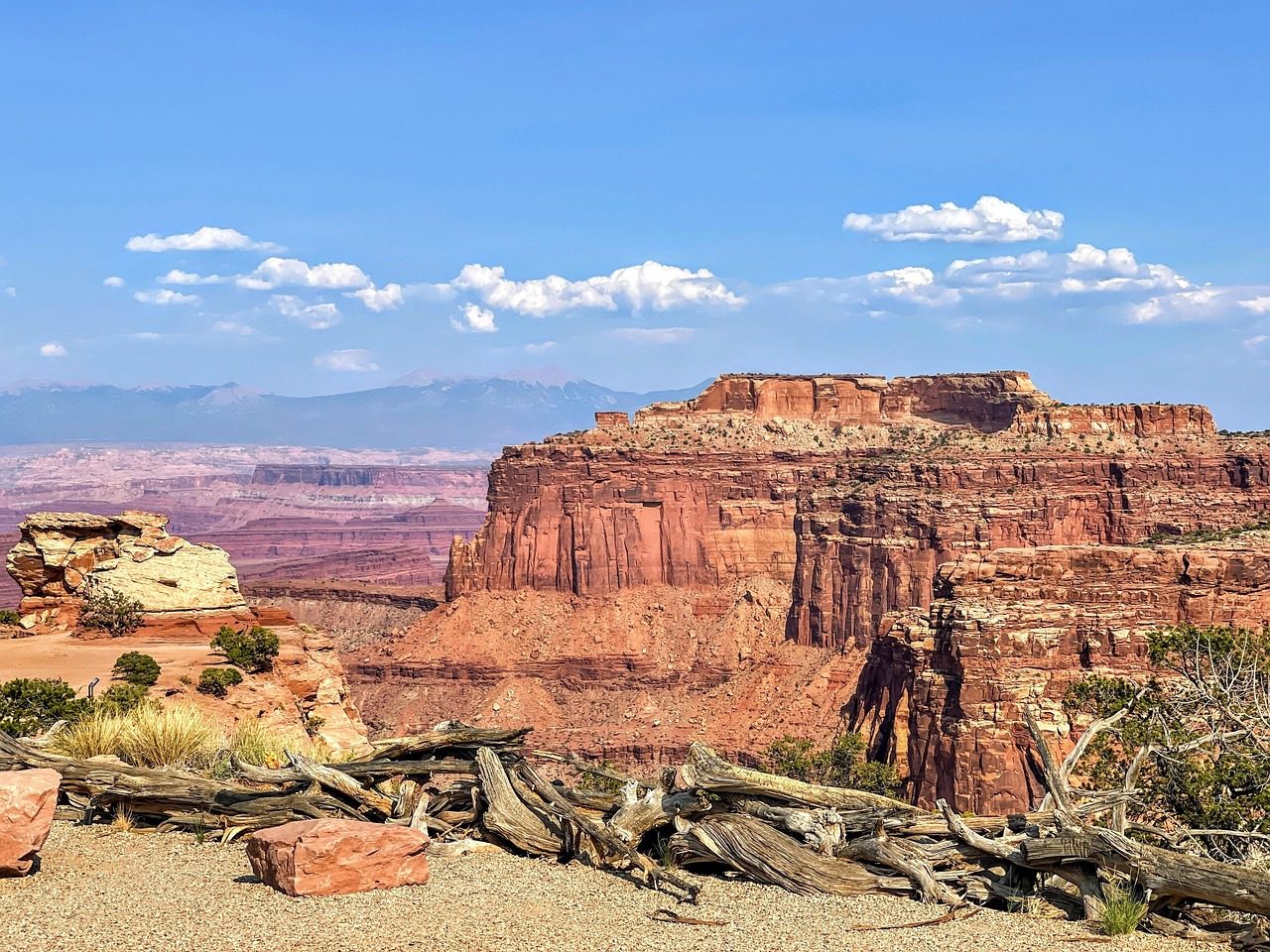
The Maze District lives up to its name, with confusing routes through a labyrinth of canyons. Few water sources, extreme heat, and limited rescue options make it one of the most dangerous trails in the United States. Only highly experienced hikers attempt this remote challenge.
Striding Edge, England
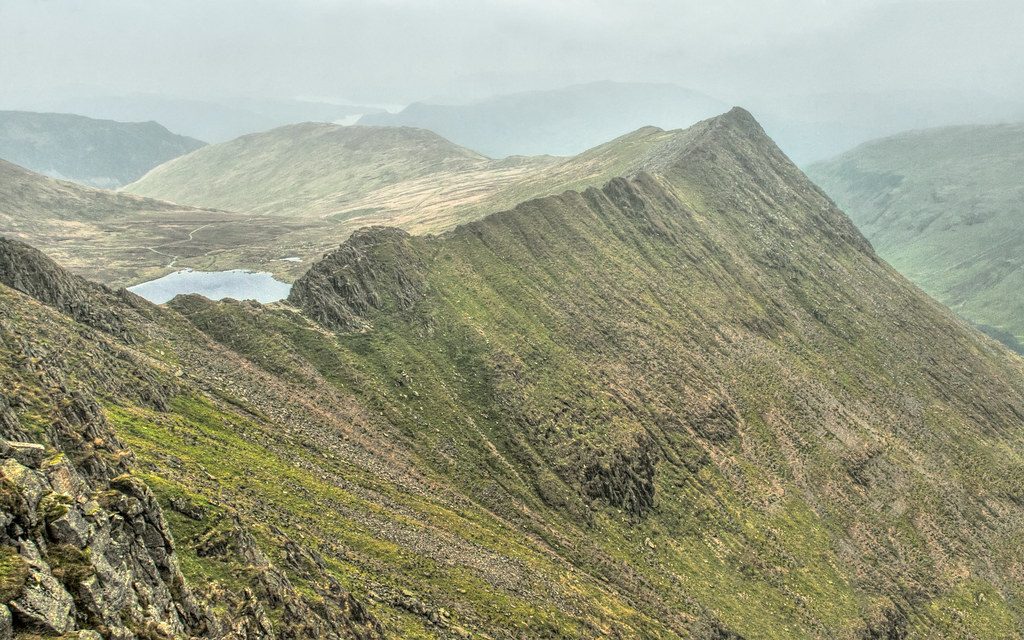
Striding Edge in the Lake District is deceptively dangerous. The knife-like ridge demands balance and careful steps, with steep drops on both sides. Strong winds and slippery rocks often catch hikers off guard on this iconic trail.
GR20, Corsica, France
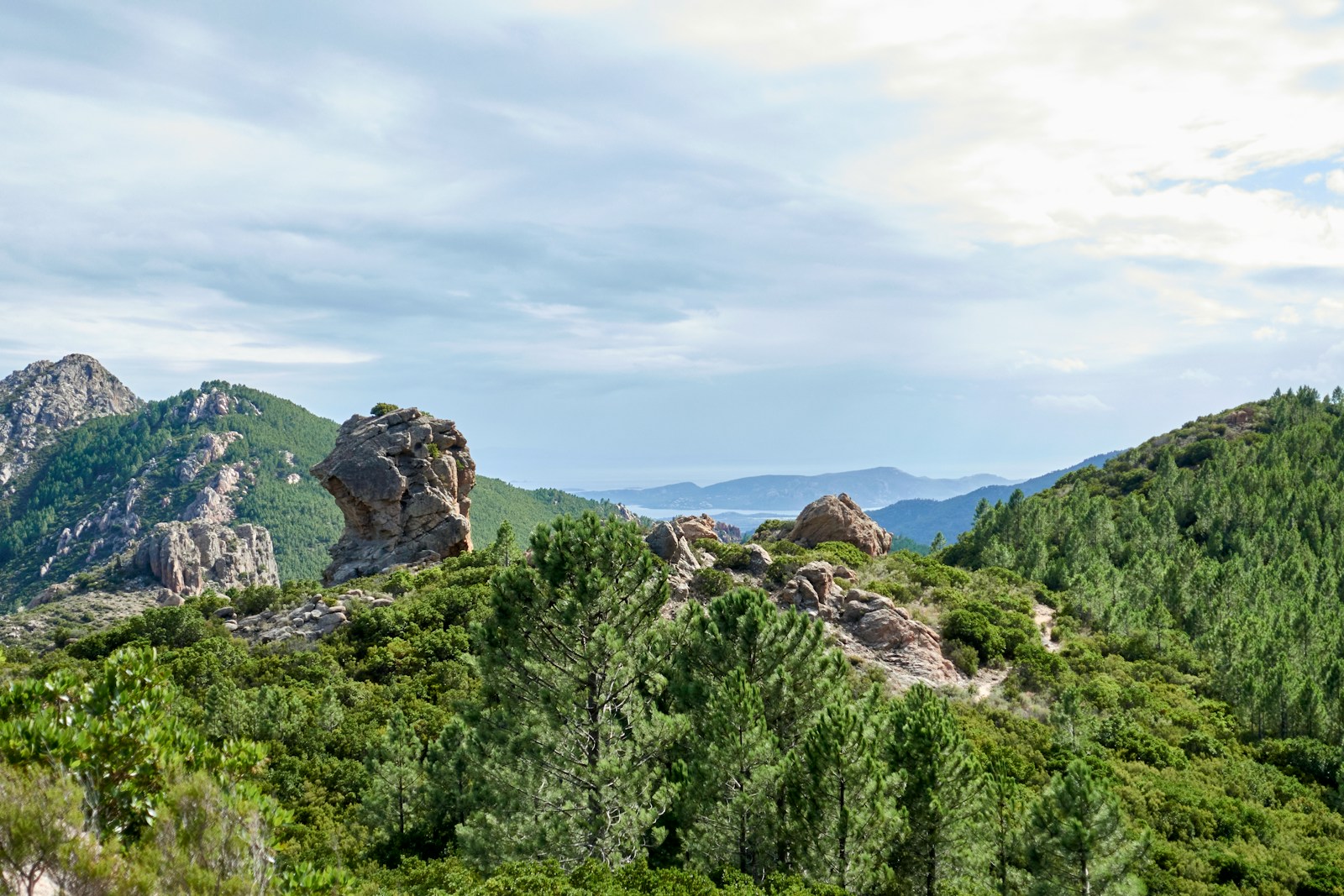
The GR20 is considered Europe’s toughest long-distance trail. It crosses rugged mountains, involves technical scrambling, and often exposes hikers to high winds. Its beauty is undeniable, but its length and challenges require serious endurance and preparation.
Mount Huayna Picchu, Peru
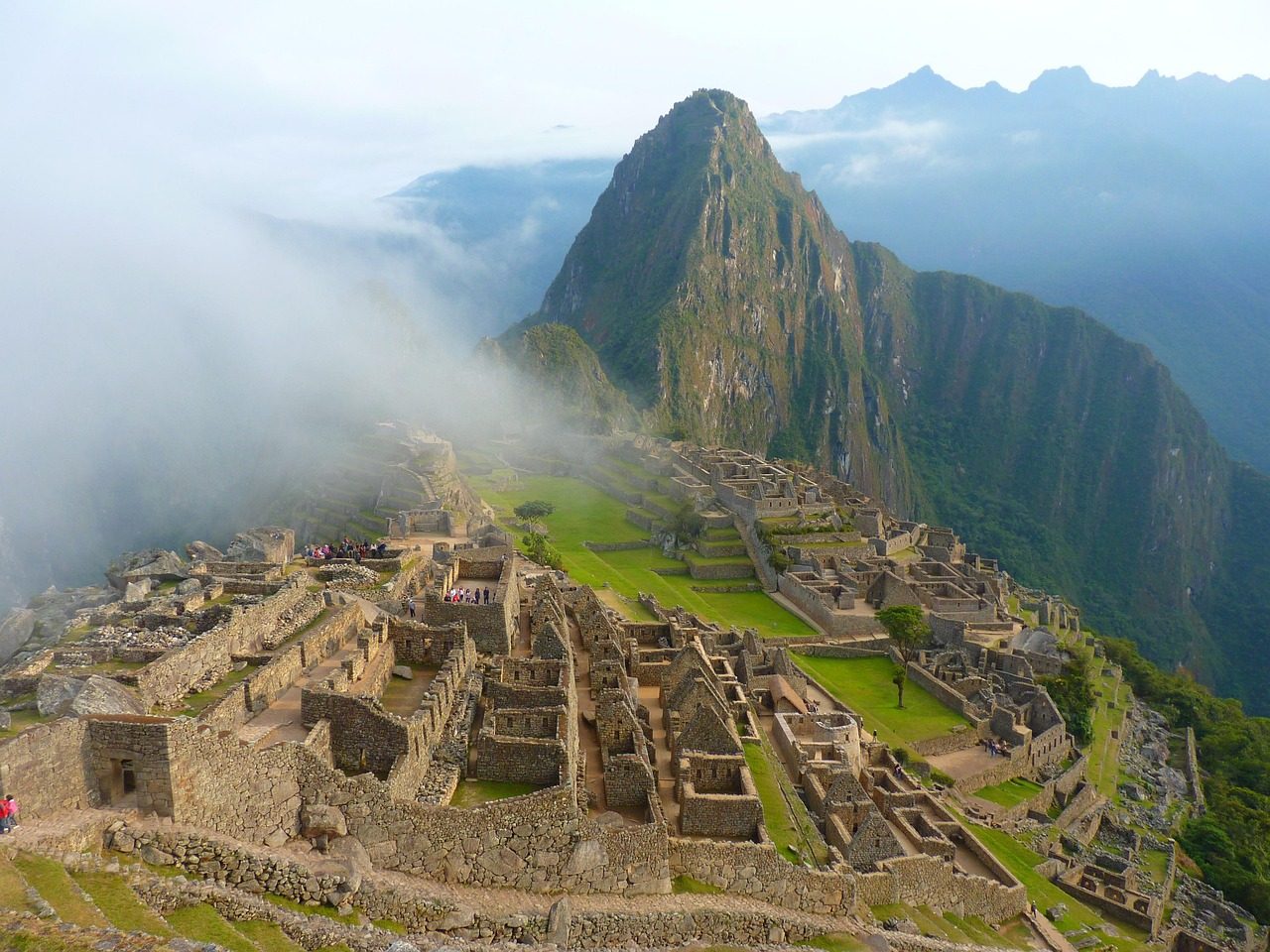
Overlooking Machu Picchu, Huayna Picchu’s trail climbs steep stone steps carved into the mountainside. Narrow paths cling to the edge, and wet conditions make them slippery. The panoramic view is stunning, but the climb itself is not for the faint-hearted.
Bright Angel Trail, Grand Canyon, USA
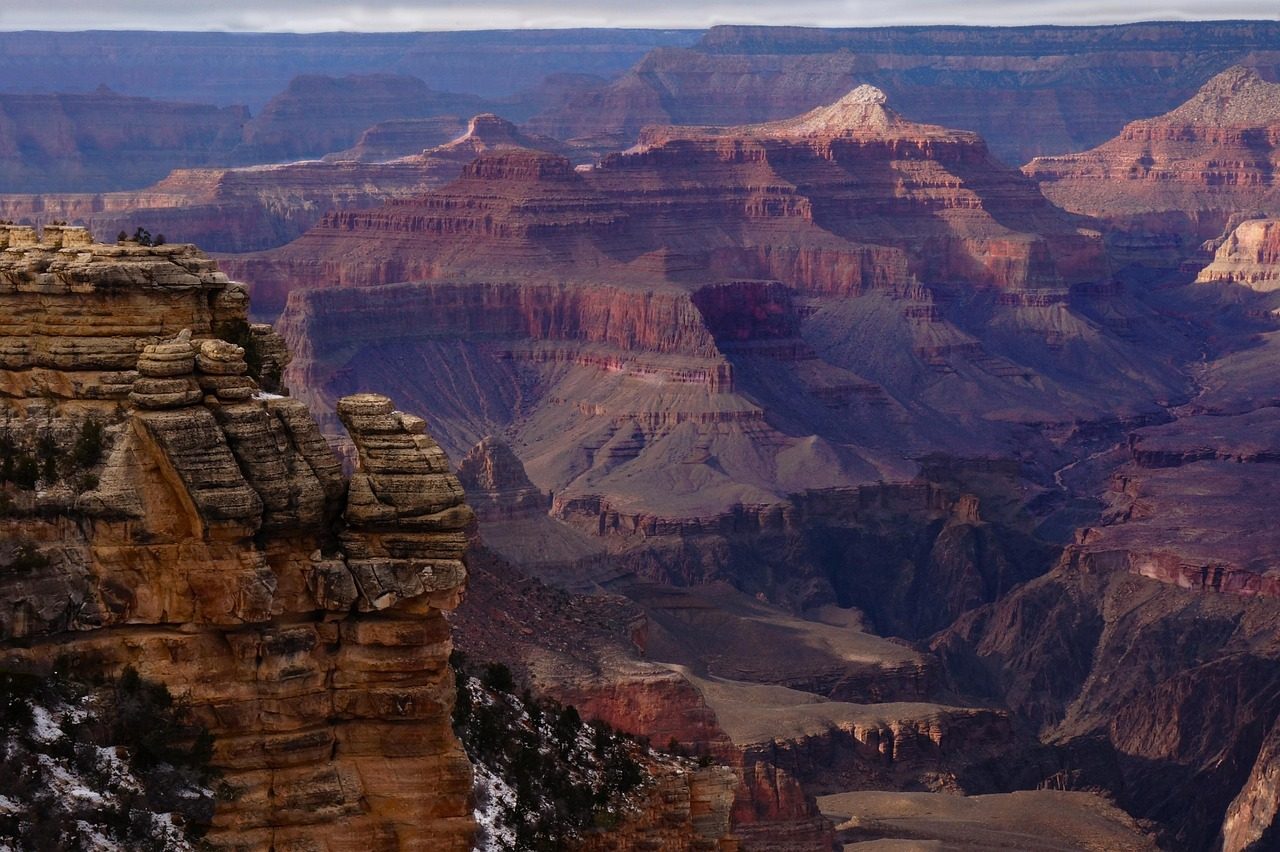
The Bright Angel Trail is one of the most popular routes in the Grand Canyon, but its dangers are often underestimated. Extreme heat, steep elevation changes, and lack of water make it treacherous for unprepared hikers. Many rescues occur here each year.
Via Ferrata, Italy and Austria
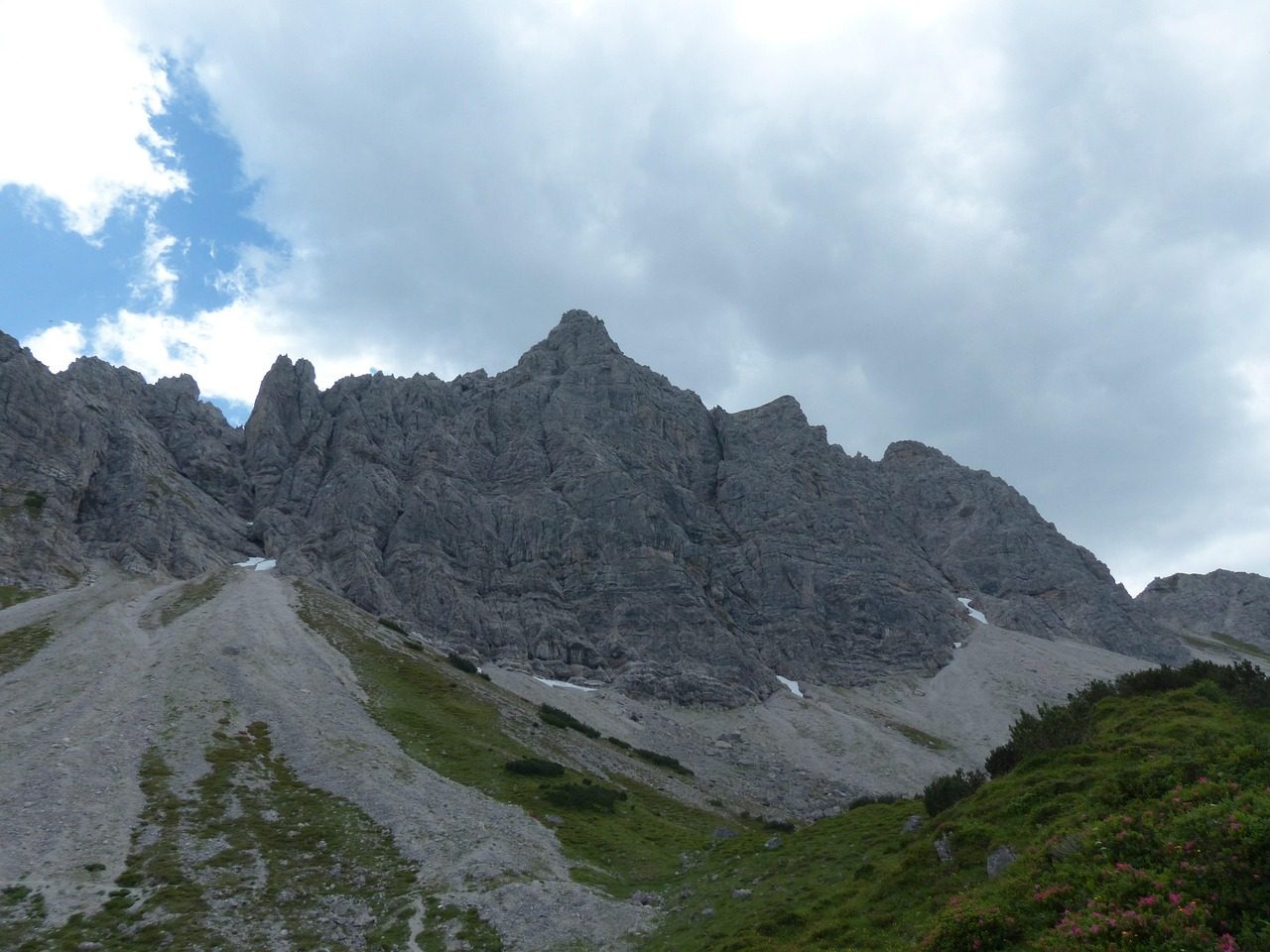
Via Ferrata routes combine hiking and climbing along cliffs equipped with iron cables and ladders. While designed for safety, exposure and steep drops make them intimidating. Mistakes or poor weather can quickly turn them deadly despite the protective gear.
Huayna Potosí, Bolivia
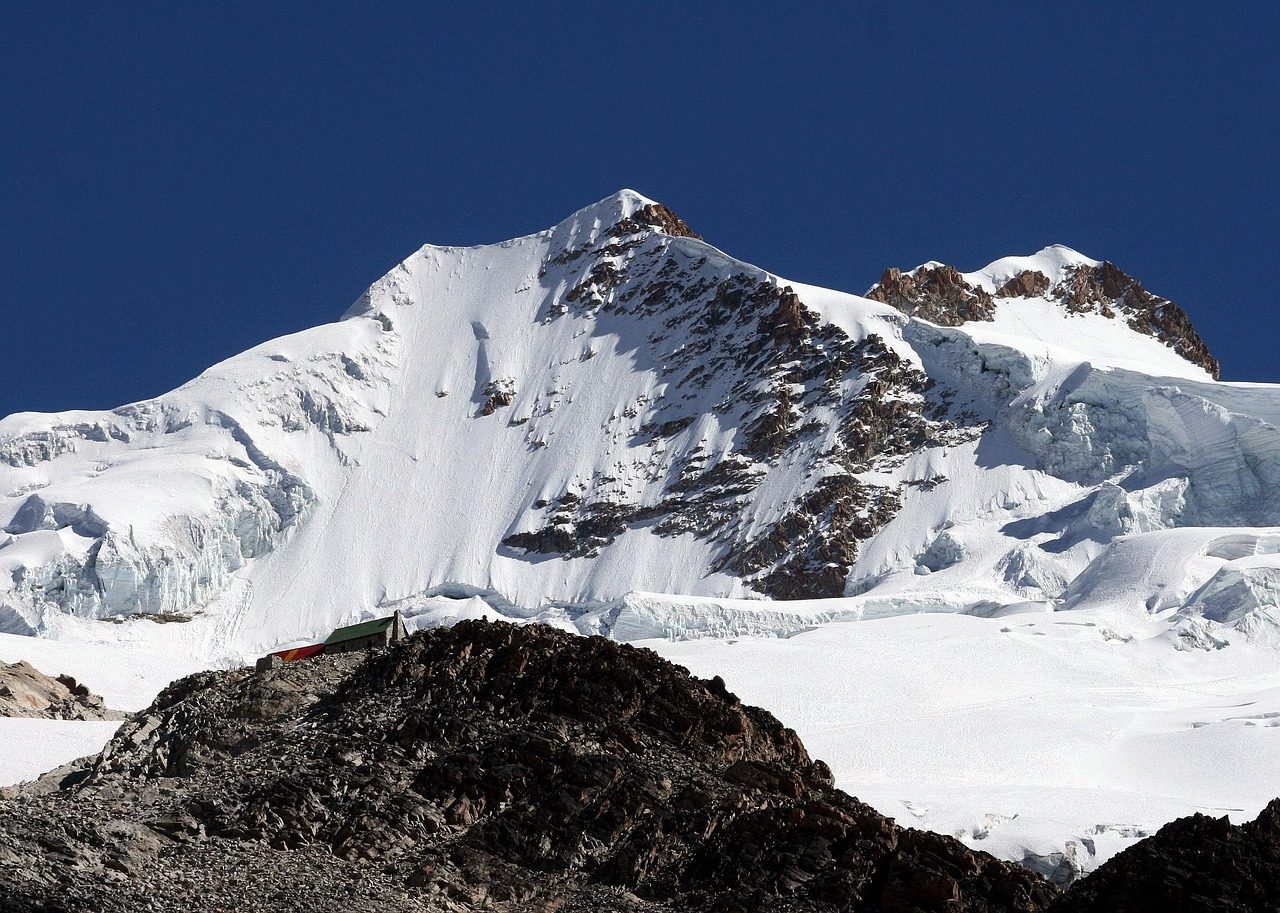
Huayna Potosí near La Paz is a 19,974-foot mountain that tempts many hikers because it is considered “easy” for its height. In reality, its glaciers, altitude, and weather make it extremely dangerous. Many underestimate the climb, making it one of the deadliest in South America.