Cold-weather hunts challenge even the most prepared hunters because dropping temperatures expose weaknesses in gear that performs flawlessly in milder conditions. Frigid air affects batteries, stiffens fabrics, thickens lubricants, and changes how metals respond to repeated movement. These shifts create conditions where certain equipment fails more frequently than expected, especially during long sits, deep-snow hikes, or high-wind days. Understanding which items struggle most in harsh weather helps hunters anticipate problems before they arise and adjust packing lists accordingly. While high-quality gear improves reliability, no item is immune to the effects of extreme cold. Recognizing these vulnerabilities allows hunters to make smarter choices, reduce frustration, and stay safe when temperatures fall well below freezing during demanding winter outings, particularly when storms intensify suddenly and visibility drops across challenging terrain requiring heightened awareness and careful planning.
Electronic Rangefinders
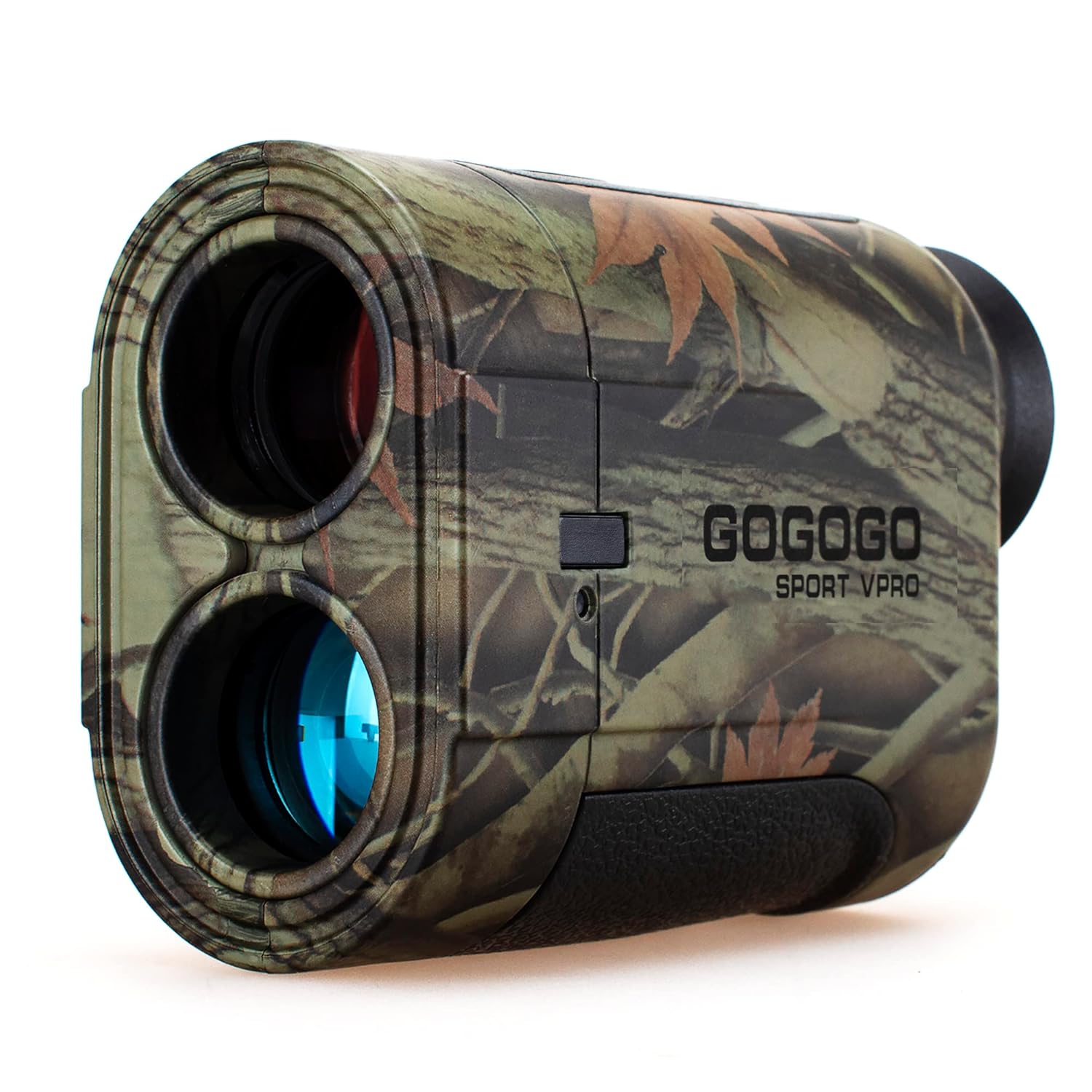
Electronic rangefinders often falter in extreme cold because batteries drain quickly and internal displays become sluggish. LCD screens may darken or respond slowly, making it harder to confirm distance readings during brief windows of opportunity. Moisture from breath or snowfall can fog lenses, while plastic housings shrink slightly and create button resistance. In frigid environments, rangefinders require careful storage to maintain responsiveness and battery life throughout the hunt. Additional challenges arise when rapid temperature changes cause internal condensation that affects circuitry and leads to inconsistent readings, forcing hunters to rely more heavily on visual estimation or alternative tools.
Headlamps
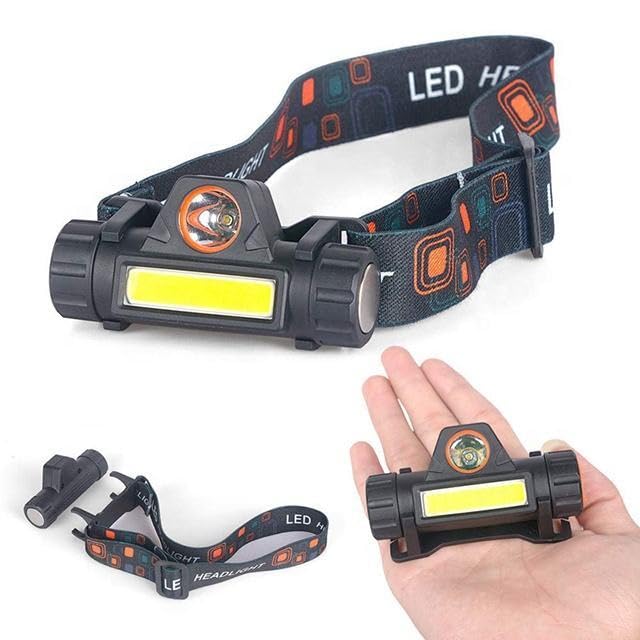
Headlamps frequently fail during cold-weather hunts because batteries lose voltage rapidly and rubberized buttons stiffen. Elastic straps harden, making adjustments difficult when wearing gloves or face coverings. Condensation can also collect inside the lens, reducing brightness. Cold temperatures highlight the limitations of inexpensive models, leading many hunters to carry backups, store headlamps inside layers, or switch to lithium batteries designed for winter performance. Even rugged headlamps degrade when exposed to repeated freeze-thaw cycles, causing brittle plastic housing and diminished reliability during extended nighttime hunts in unforgiving conditions where illumination becomes essential.
Smartphone Mapping Apps
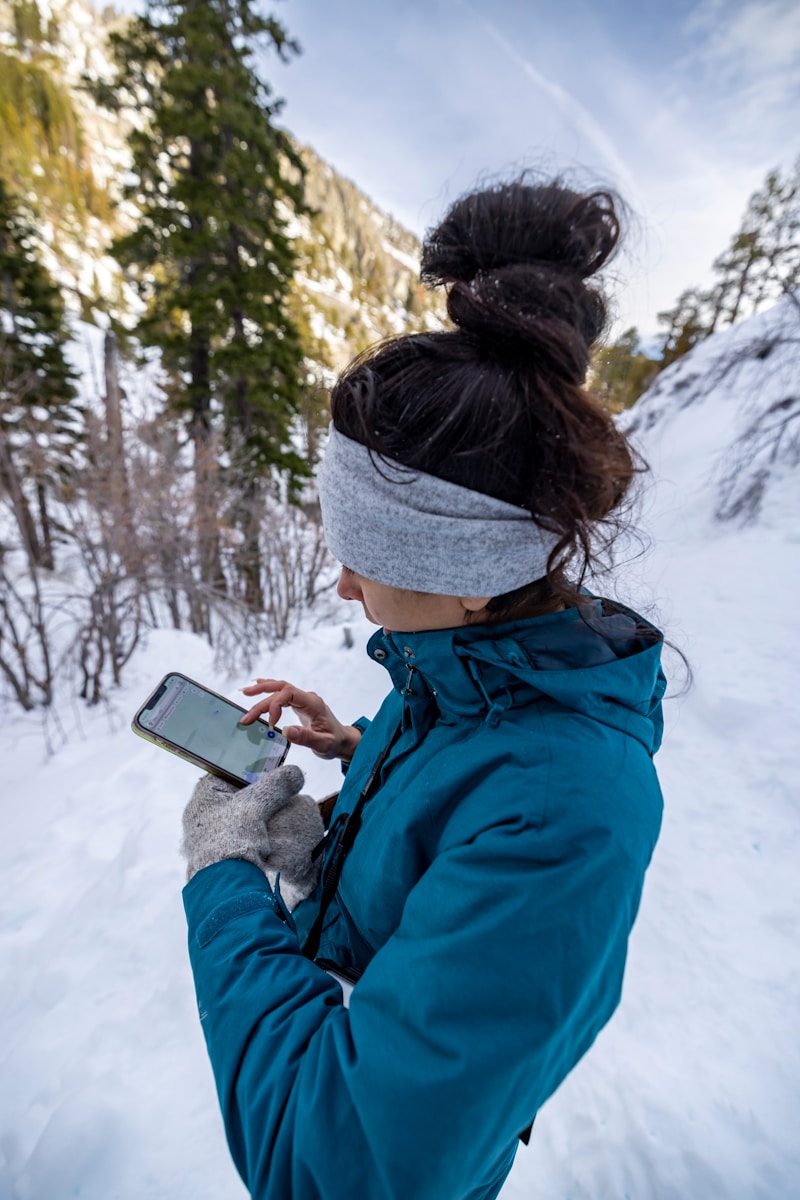
Smartphone mapping apps become unreliable when batteries drain rapidly in freezing temperatures, often shutting down without warning. Touchscreens may lag or stop responding when moisture accumulates or when fingers become too cold for accurate interaction. Phones also struggle to maintain GPS accuracy when internal components cool too quickly. These limitations make smartphones a poor sole navigation tool in winter, requiring hunters to carry maps or dedicated GPS units for backup. Snow glare, windchill exposure, and weakened cellular signals further complicate navigation, increasing the risk of disorientation during long treks through unfamiliar terrain blanketed in deep snow.
Bolt-Action Rifle Lubrication
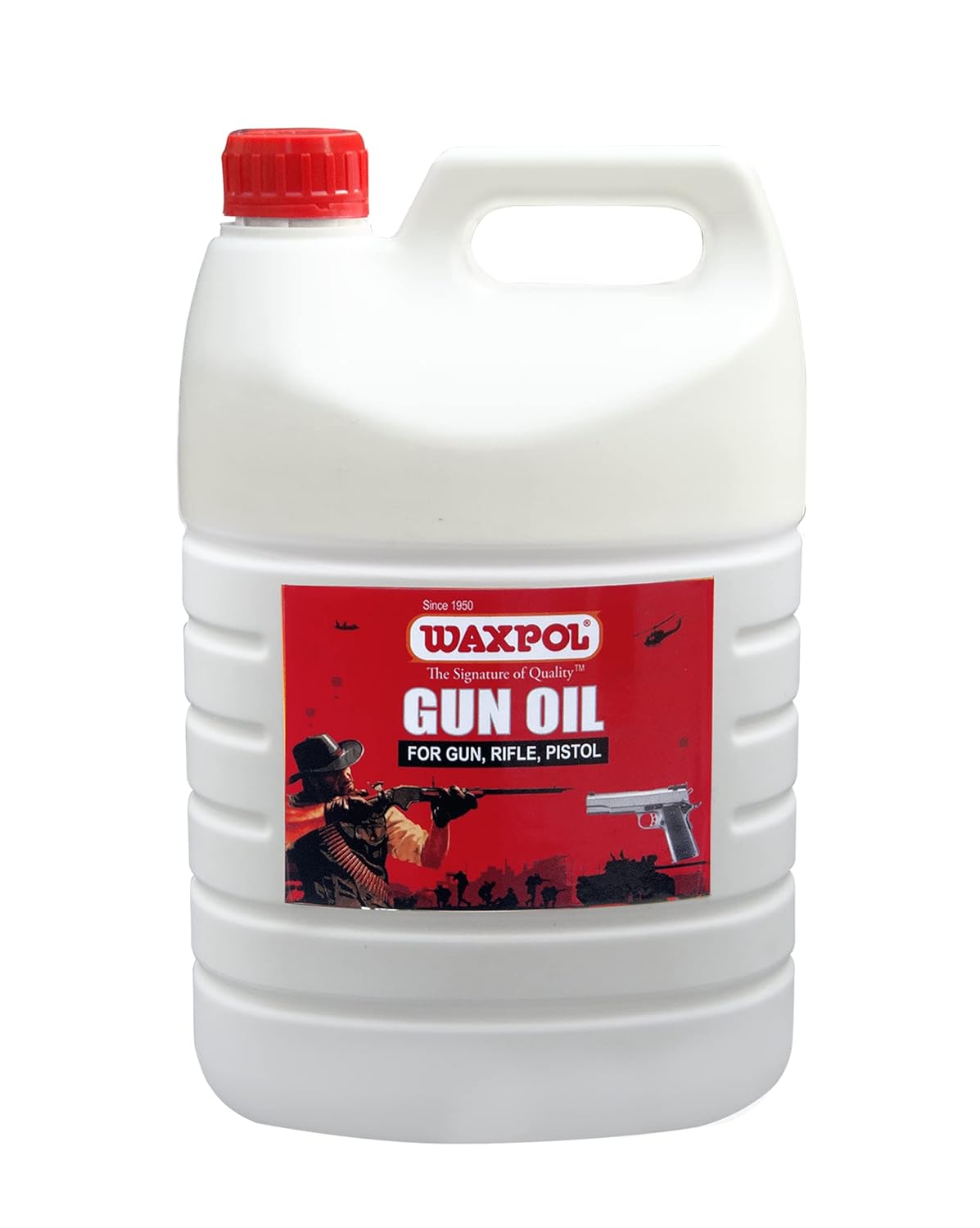
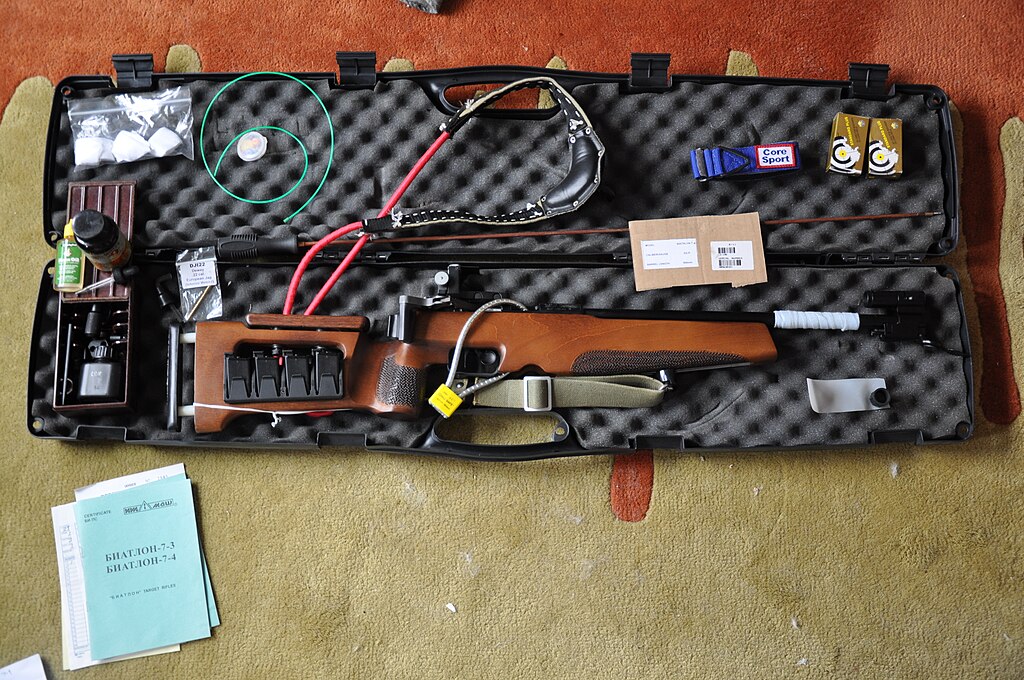
Cold temperatures thicken rifle lubricants, slowing bolt cycling and restricting firing-pin movement. Even small amounts of grease harden into a drag-inducing layer that interferes with reliability. Hunters may notice sluggish bolt lift, stiff chambering, or light primer strikes. Choosing cold-weather oils minimizes resistance, but improper lubrication remains one of the most common causes of firearm malfunction during winter hunts. As temperatures fluctuate throughout the day, lubrication can thicken unpredictably, creating inconsistent performance that undermines confidence and complicates shot opportunities in challenging cold-weather conditions requiring dependable firearm operation.
Ammunition Performance
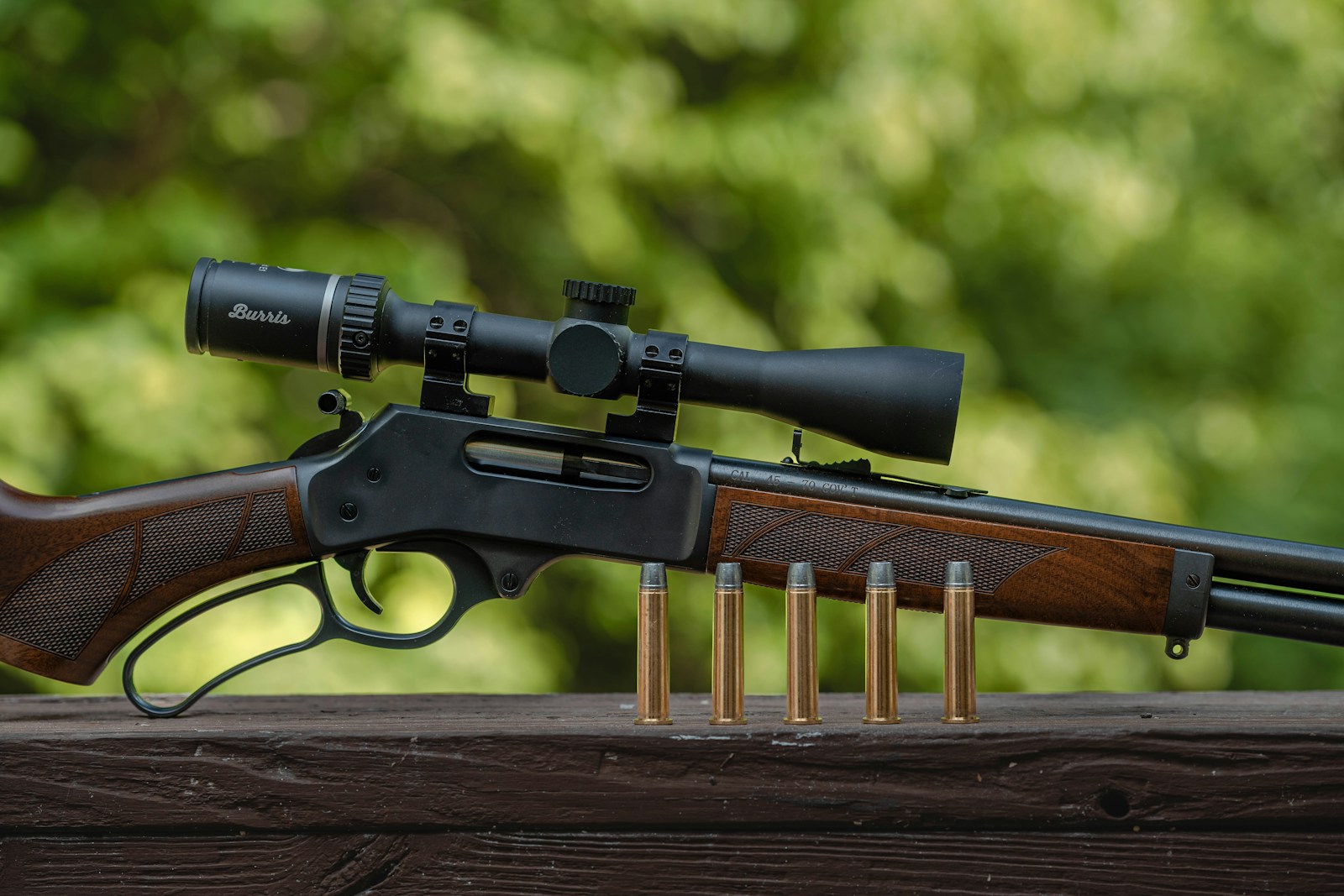
Ammunition performance changes significantly in severe cold as powder burns less efficiently and internal pressures drop. This decrease affects muzzle velocity, point of impact, and terminal performance. Cartridge brass also becomes more brittle, increasing the risk of cracked necks. Hunters relying on precise shot placement must re-zero rifles for winter conditions to avoid unexpected ballistic shifts when temperatures fall sharply. Cold air can also affect bullet expansion, reducing reliability and emphasizing the importance of choosing ammunition specifically engineered for consistent performance in harsh and unpredictable winter hunting environments. These challenges demand careful preparation to ensure accuracy remains dependable throughout demanding late-season hunts.
Rubber Boots
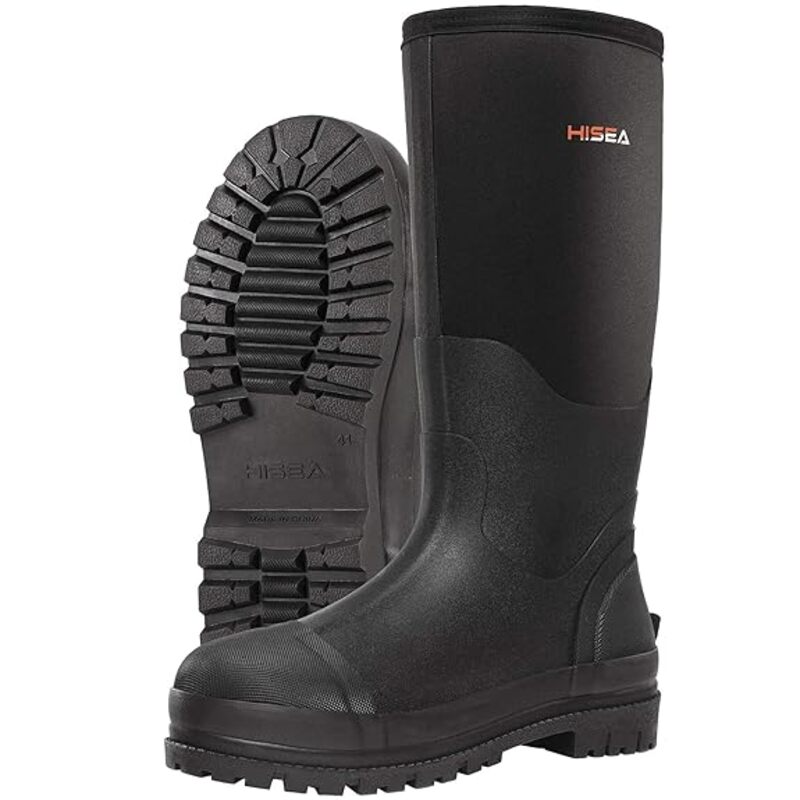
Rubber boots lose flexibility in subfreezing temperatures, becoming stiff, uncomfortable, and prone to cracking. Insulation compresses over time, reducing warmth during long sits. Cold rubber transmits exterior temperatures quickly, increasing the risk of cold feet or frostbite. While rubber boots excel in wet terrain, extreme cold exposes their limitations and encourages hunters to consider insulated leather or synthetic alternatives. Prolonged exposure to ice and uneven ground may worsen structural weaknesses, making dependable winter footwear especially important during extended hunts in challenging frozen landscapes. Reliable traction also becomes vital when icy surfaces increase the risk of slipping.
Mechanical Broadheads

Mechanical broadheads can fail in extreme cold when O-rings and tension bands stiffen, reducing the reliability of blade deployment. Ice buildup, debris, or frozen lubricants may interfere with expansion. Hunters often switch to fixed-blade designs for winter seasons because they avoid temperature-related malfunctions that compromise penetration and accuracy on hard-earned winter shots. Even high-quality broadheads struggle when frigid temperatures limit movement, reinforcing why many archers prefer simpler equipment during late-season hunts requiring maximum dependability. Consistent blade function becomes even more crucial when opportunities are rare and conditions demanding.
GPS Handheld Units
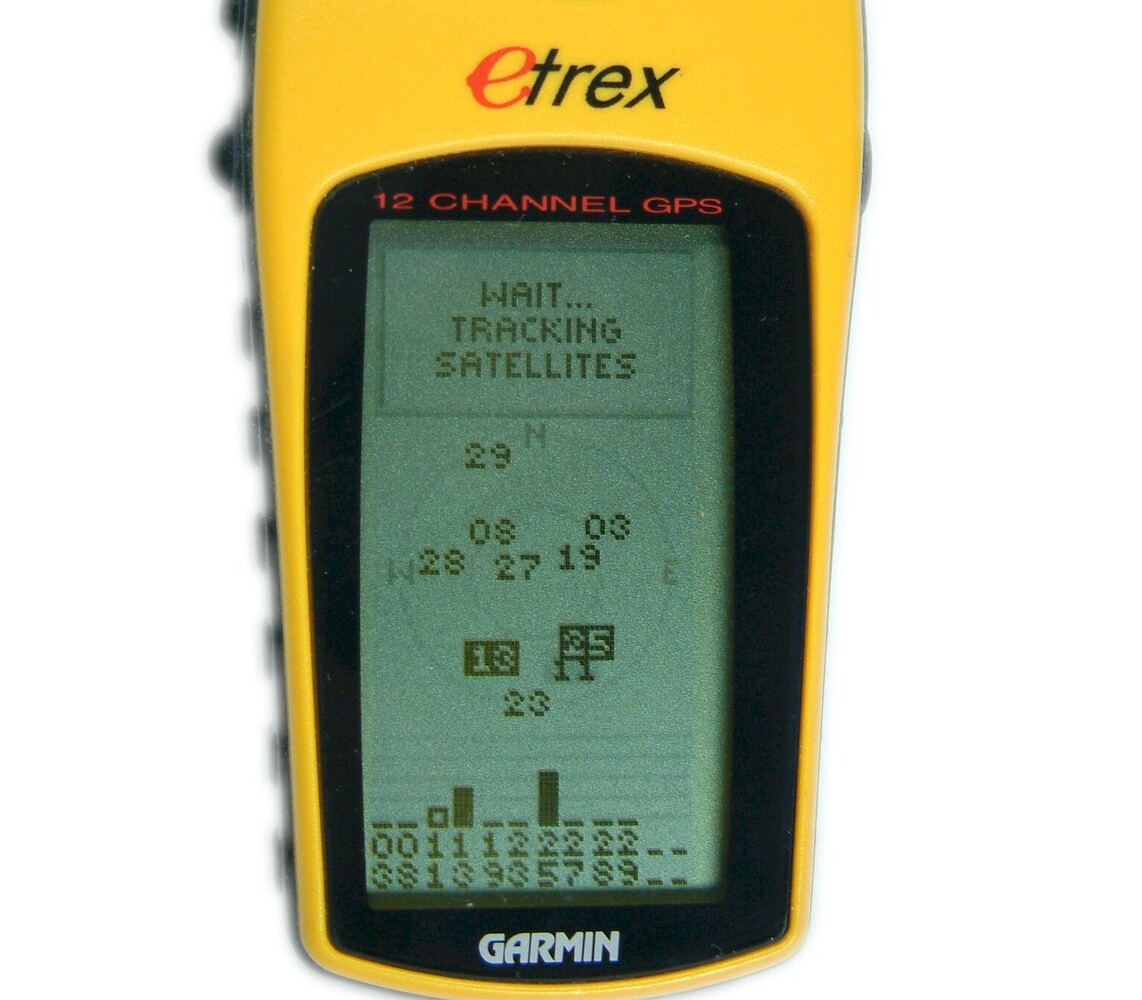
GPS handheld units slow down or freeze in harsh weather, especially when older screens struggle to refresh in low temperatures. Battery life remains the most common failure point, with alkaline types draining far faster than expected. Buttons stiffen, glove contact becomes difficult, and satellite locks take longer during heavy snowfall. Hunters often insulate devices or store them inside pockets to maintain performance. Windchill and persistent moisture can also weaken internal components, creating inconsistent readings that complicate winter navigation. These reliability issues highlight the importance of carrying backup tools for safe travel.
Synthetic Gloves
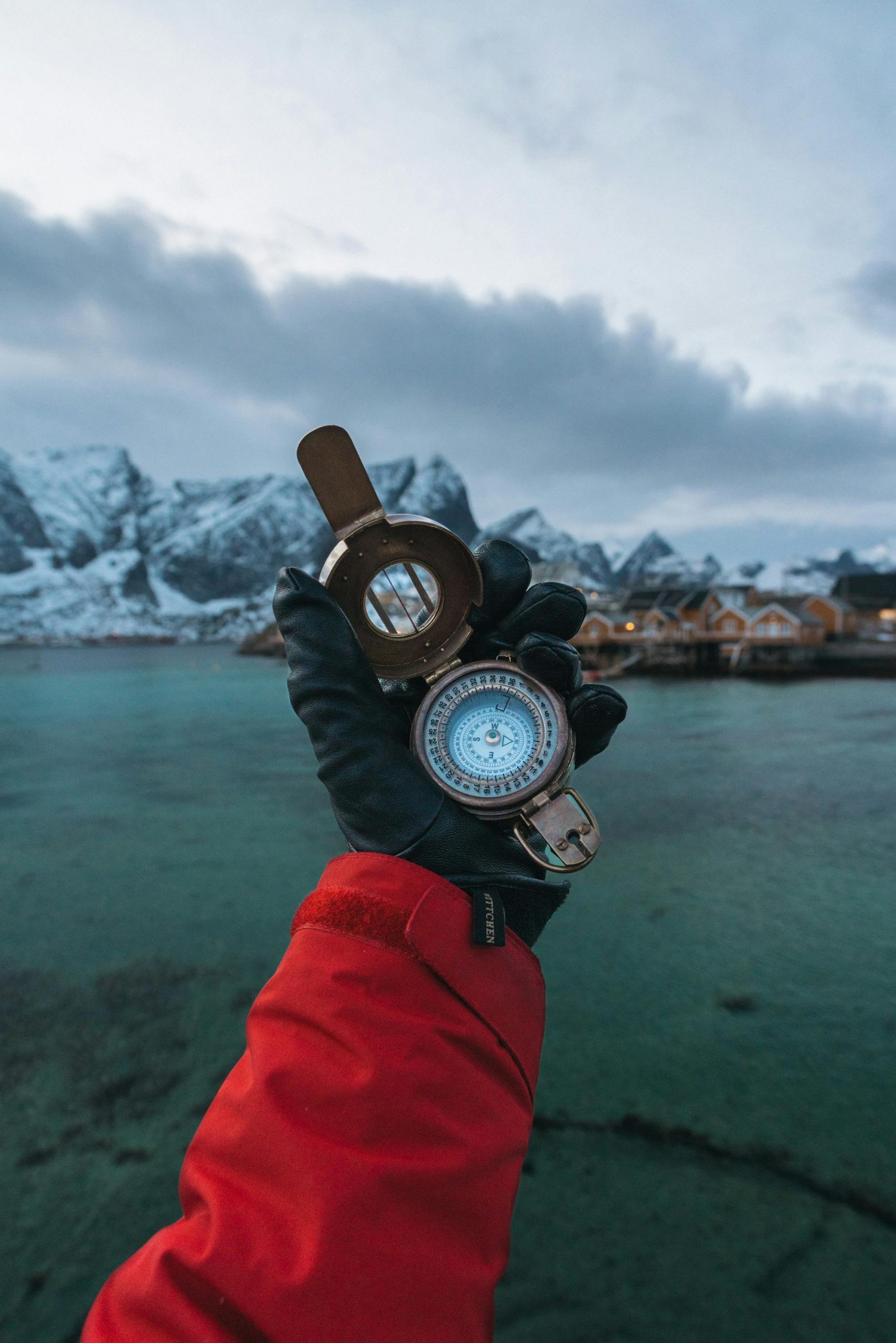
Synthetic gloves lose dexterity and warmth when moisture freezes inside fibers or when insulation stiffens. Touchscreen fingertips stop responding, and seams may split under pressure from cold-hardened fabric. Hunters struggle with tasks requiring fine motor skills, such as loading rounds or adjusting optics. Layering systems help, but many gloves simply cannot maintain performance during deep cold stretches. Frozen perspiration inside glove linings may worsen discomfort, making reliable hand protection essential for safe and effective winter hunts. Proper glove selection, therefore, plays a major role in overall comfort and safety.
Backpack Zippers

Backpack zippers seize up in freezing temperatures as metal teeth contract and fabric stiffens. Ice accumulation from snow or sweat makes zippers nearly impossible to open without force, which risks damage. Cold plastic pulls become brittle and snap easily. Hunters relying on quick access to layers, first-aid kits, or gear often find winter zippers to be a consistent failure point. Temperature swings worsen stiffness, increasing frustration and reminding hunters to test zipper reliability before heading into unpredictable winter weather conditions. These challenges can slow essential tasks, emphasizing the importance of durable zipper construction during harsh outings.
Water Bottles and Hydration Bladders
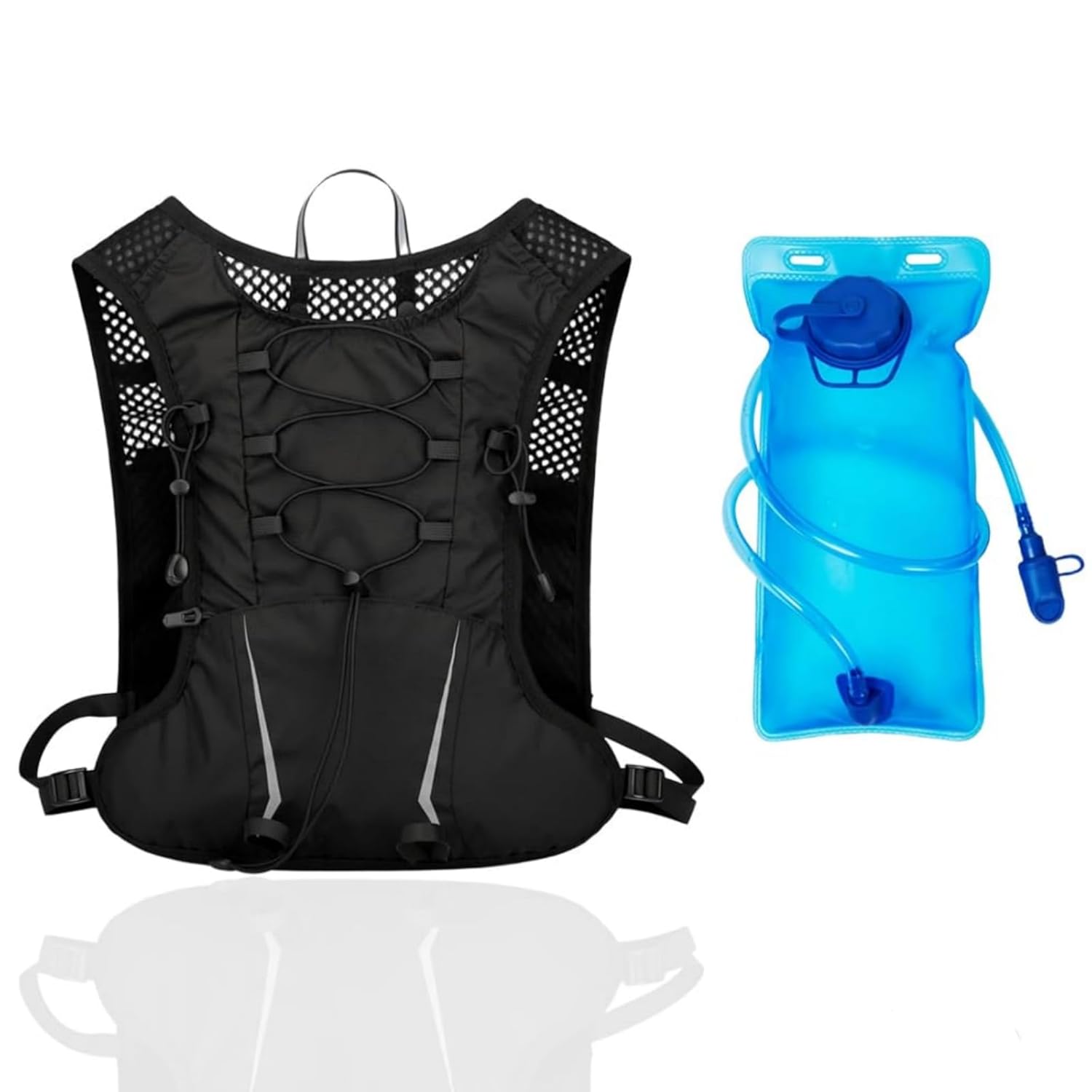
Water bottles crack when frozen solid, while hydration bladders fail as hoses stiffen and bite valves freeze shut. Even insulated covers cannot always prevent icing during long, cold hunts. Many hunters switch to wide-mouth insulated bottles or store liquids close to their bodies. Hydration remains critical, yet cold temperatures frequently compromise the reliability of winter water systems. Rapid temperature changes can worsen icing, making constant monitoring essential for maintaining adequate hydration during challenging hunts. These failures highlight the need for dependable, winter-ready hydration solutions during extended cold-weather expeditions.
Binocular Eyecups
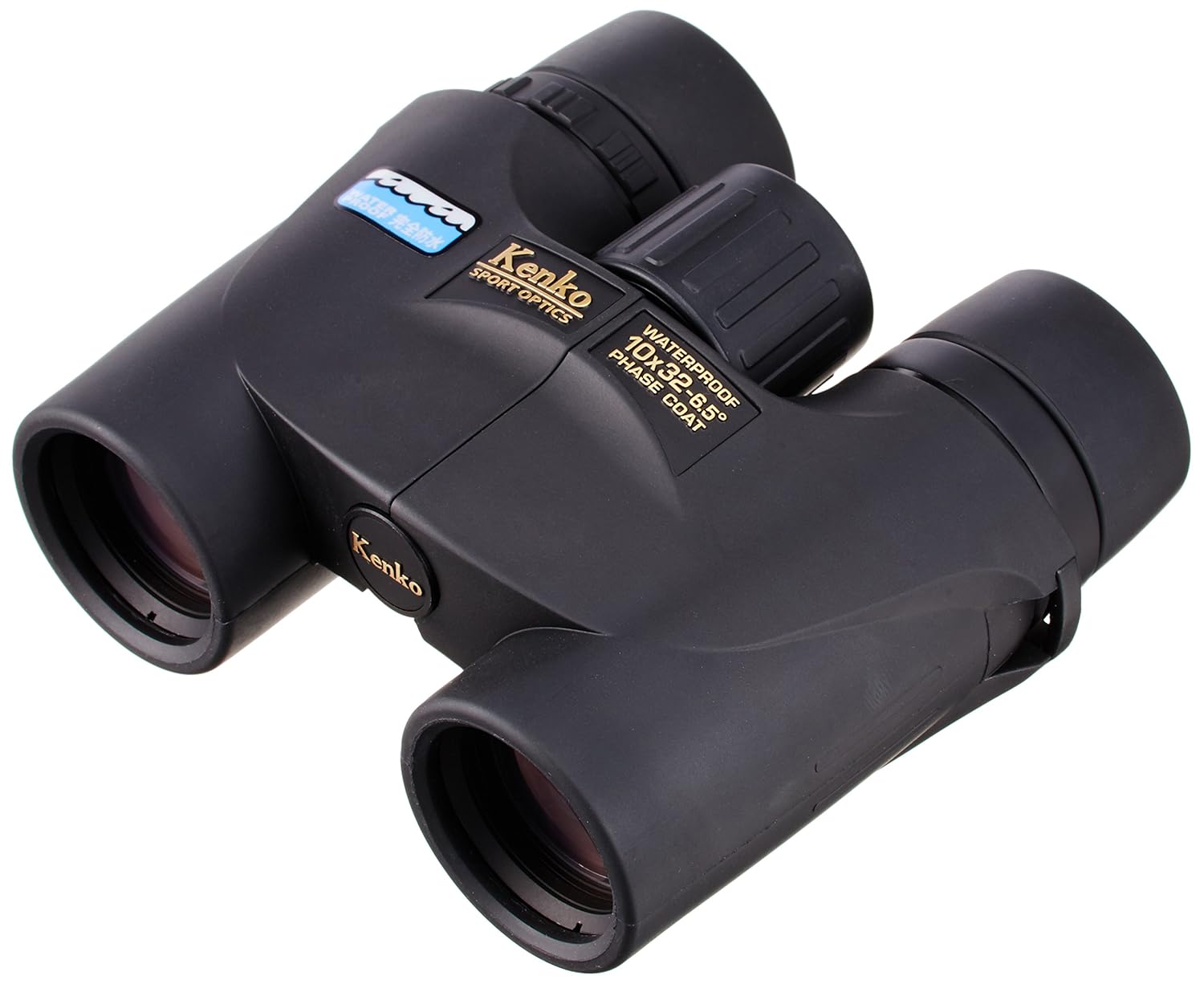
Binocular eyecups harden and lose flexibility in extreme cold, making them uncomfortable against the face and difficult to adjust. Moisture freezes on lenses, reducing clarity and causing persistent fogging. Mechanical focus wheels may stiffen or stop turning altogether. These issues require hunters to wear binoculars inside layers or keep lens cloths handy for constant maintenance. Cold air also increases condensation, forcing frequent cleaning and reducing efficiency during extended glassing sessions in demanding winter conditions. Such limitations make reliable optics protection essential for preserving visibility in harsh climates.
Trail Cameras
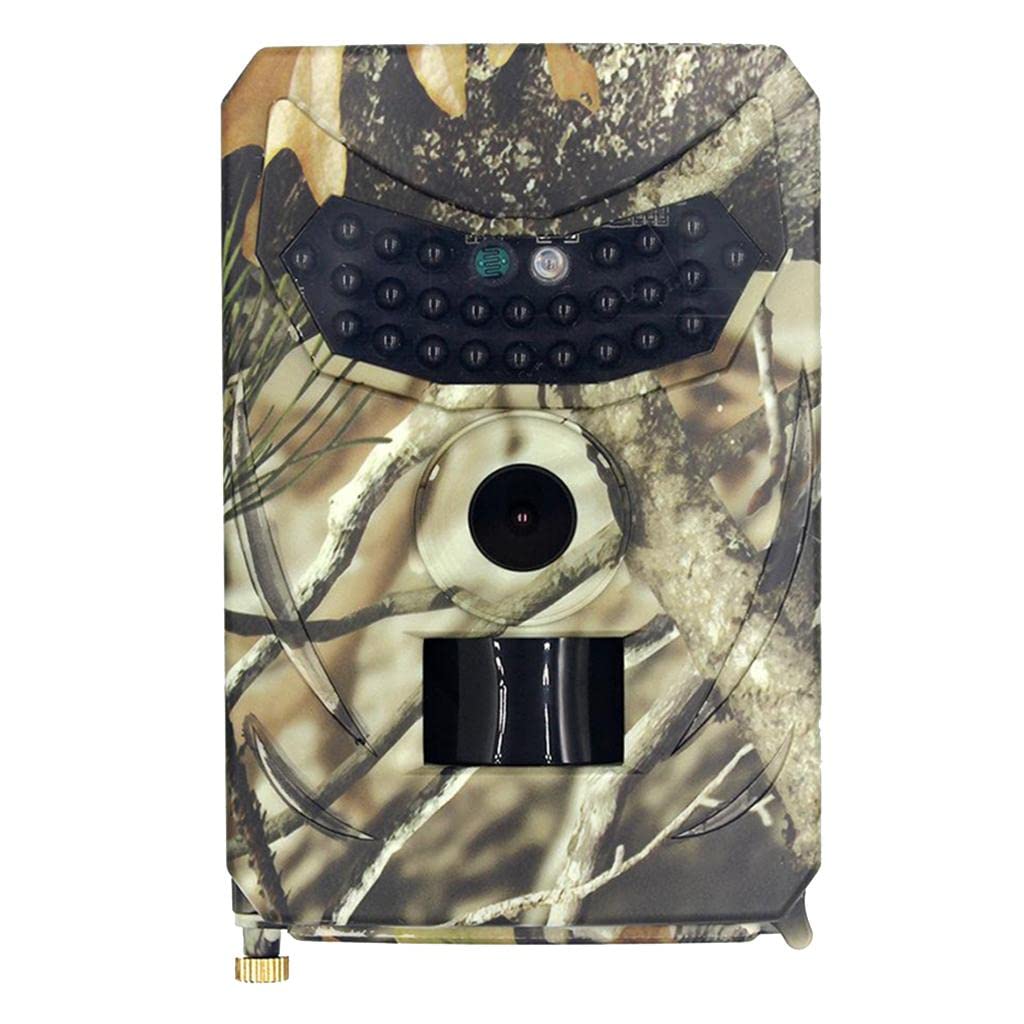
Trail cameras often fail in winter when batteries drain faster than solar panels can recharge them. Motion sensors become less sensitive, nighttime flash range decreases, and LCD screens slow down. Some cameras stop saving images once internal components cool beyond operating thresholds. Winter scouting becomes difficult when cameras cannot perform reliably in prolonged low-temperature environments. Snow accumulation further obstructs sensors, creating gaps in wildlife activity data during crucial late-season periods. These setbacks complicate planning efforts and reduce the effectiveness of winter monitoring strategies for hunters.
Tripods
Tripods stiffen as joints freeze and aluminum legs contract, making adjustments nearly impossible. Twist-locks lose grip when internal lubricants harden, while snap-locks crack under pressure. Carbon fiber fares better but still becomes brittle in extreme cold. Hunters relying on spotting scopes or long-range shooting platforms frequently encounter tripod issues during winter hunts. Even minor temperature drops can alter stability, complicating precise aiming or prolonged glassing efforts on rugged terrain. These limitations emphasize choosing equipment specifically rated for severe cold-weather performance.
Box Calls
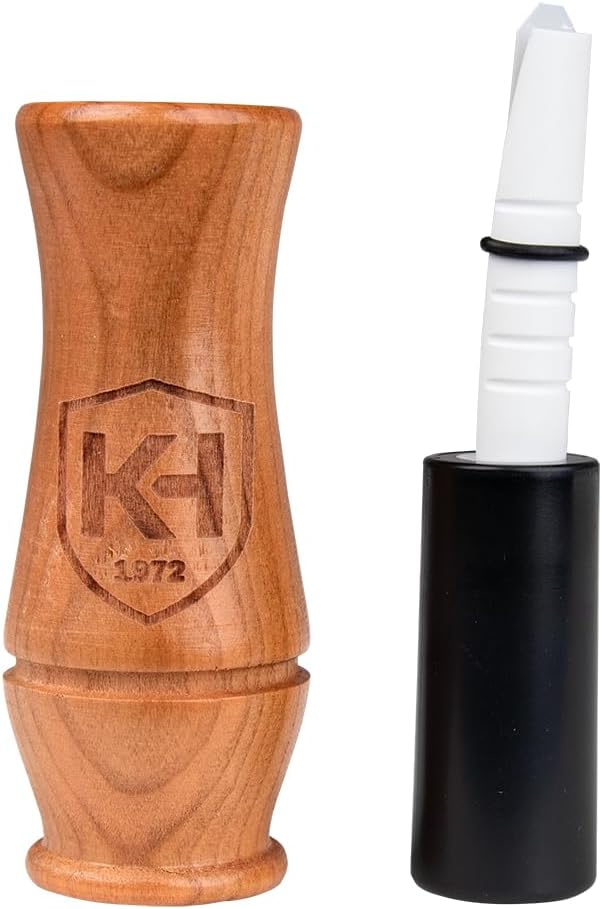
Box calls for turkey hunting suffer in cold weather when wood absorbs moisture, and sound quality deteriorates. Chalk wears off faster, friction decreases, and humidity changes tone consistency. Frozen fingers also reduce control, making realistic calling difficult. Winter hunts often demand alternate call types that withstand temperature swings without losing effectiveness. Cold air also alters resonance, increasing inconsistency and requiring hunters to adapt techniques when seeking dependable sound production in challenging conditions. Hunters often compensate by carrying backups that maintain consistent sound quality despite extreme cold conditions.
Bowstrings

Bowstrings contract and stiffen in cold weather, altering brace height and affecting accuracy. Wax hardens, making fibers more prone to abrasion or separation. Combined with brittle limbs and stiff cams, cold conditions increase the likelihood of mechanical issues. Archers often carry warming packs or store bows inside vehicles to maintain performance. Repeated temperature fluctuations worsen wear, making winter maintenance essential for reliability during demanding late-season archery hunts. Such issues demand vigilance to ensure equipment remains dependable during extended hunts in severe cold.
Rangefinder Batteries
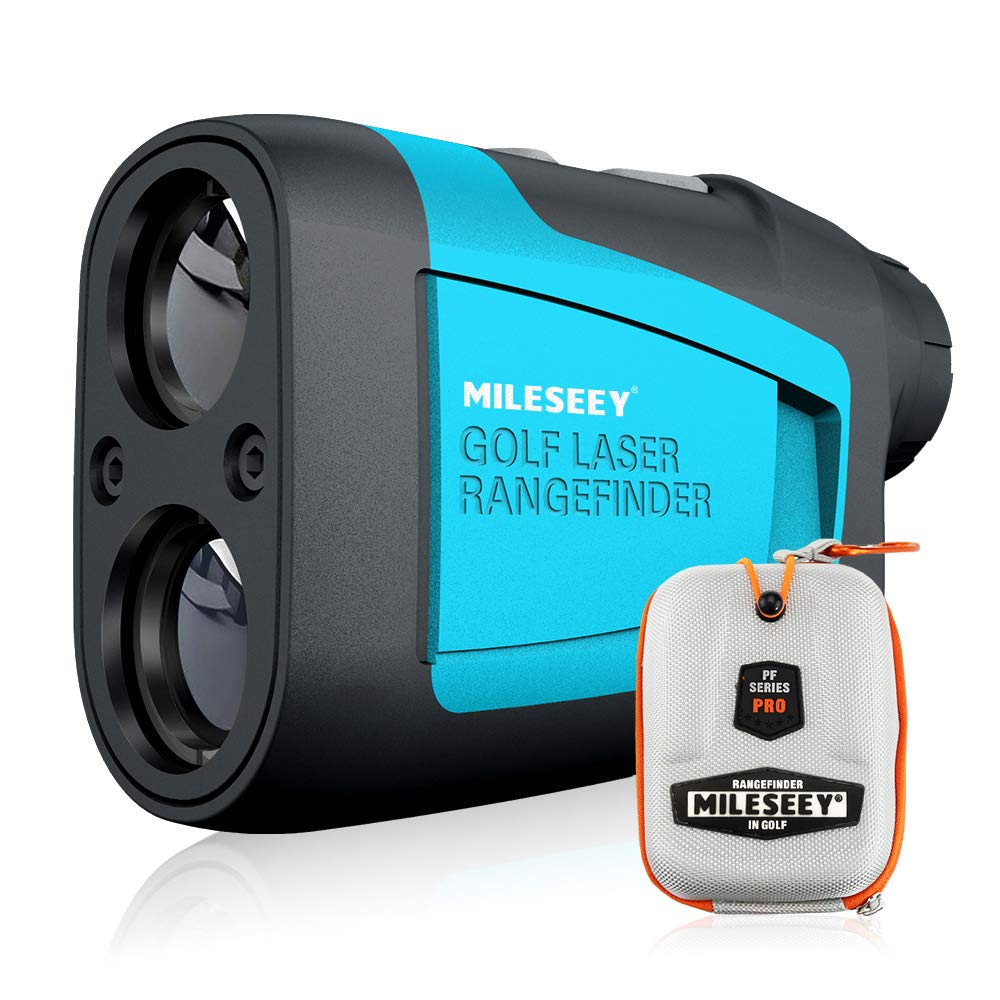
Rangefinder batteries consistently fail during winter hunts because chemical reactions slow dramatically in freezing conditions. Even fresh batteries can drain after minutes of exposure, leaving hunters without reliable distance measurement. Storing rangefinders inside pockets or upgrading to lithium batteries helps, but cold remains one of the most frequent causes of rangefinder malfunction. Rapid windchill and condensation further accelerate battery loss, requiring careful management throughout extended hunts. Hunters frequently carry spares to prevent losing crucial functionality during unexpectedly harsh winter conditions outdoors.
Rifle Slings
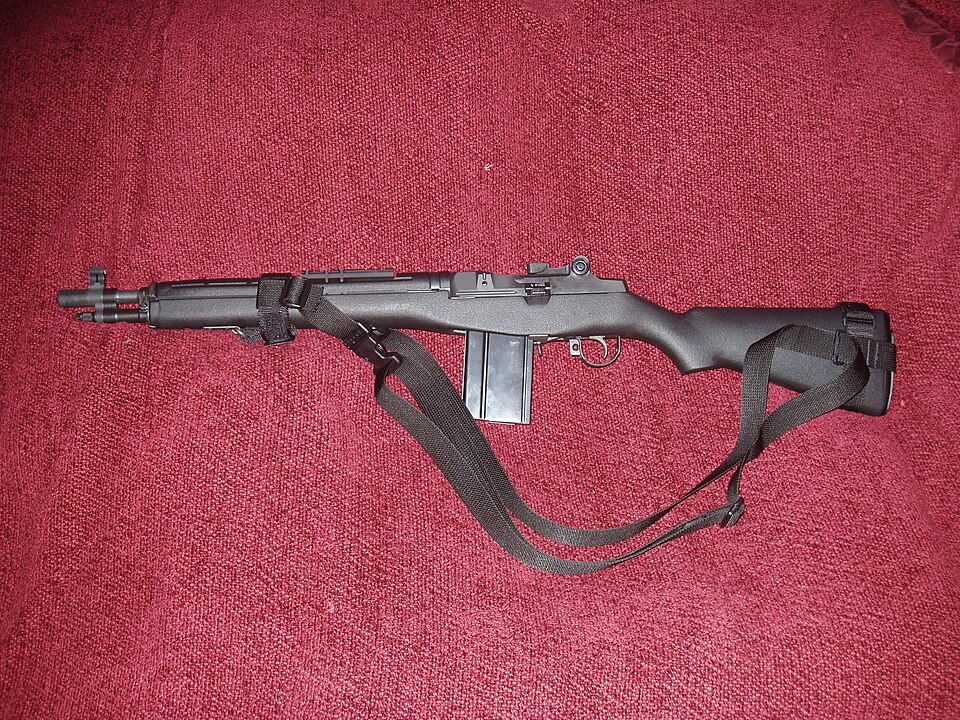
Rifle slings stiffen when synthetic materials freeze, making adjustments difficult and reducing comfort during long hikes. Cold air also weakens stitching and causes swivels to creak or seize. Leather slings absorb moisture that later freezes, turning them rigid. These failures complicate safe rifle handling and make winter carry methods less dependable. Sudden storms or shifting temperatures worsen material fatigue, increasing the need for durable winter-specific sling designs. Proper preparation helps reduce difficulties encountered when sling materials fail unexpectedly during freezing hunts outdoors.
Fletchings

Arrow fletchings become brittle in extreme cold, increasing the risk of cracking, peeling, or losing adhesion. Glue stiffens, rotation changes, and vanes may warp or break during transport. These issues affect arrow flight and can compromise accuracy. Winter archers often switch to more rigid vane materials designed for harsh temperatures. Even minor impacts during cold hikes can worsen damage, making careful equipment storage essential for maintaining dependable performance. These challenges emphasize selecting durable vanes capable of maintaining stability even in extremely cold temperatures.