Wet forest states present unique challenges for firearm reliability and longevity. Persistent moisture, frequent rain, dense vegetation, and temperature swings increase corrosion risk and complicate handling. Firearms used in these regions must resist rust, function smoothly when damp, and remain controllable in slippery conditions. Hunters, recreational shooters, and rural homeowners all face similar environmental pressures. Thoughtful feature selection matters more than brand prestige. This article examines twenty firearm features that prove especially important in wet forest states, focusing on durability, materials, ergonomics, and practical performance rather than aesthetics or trend driven design choices common in drier climates nationwide.
Corrosion Resistant Finishes
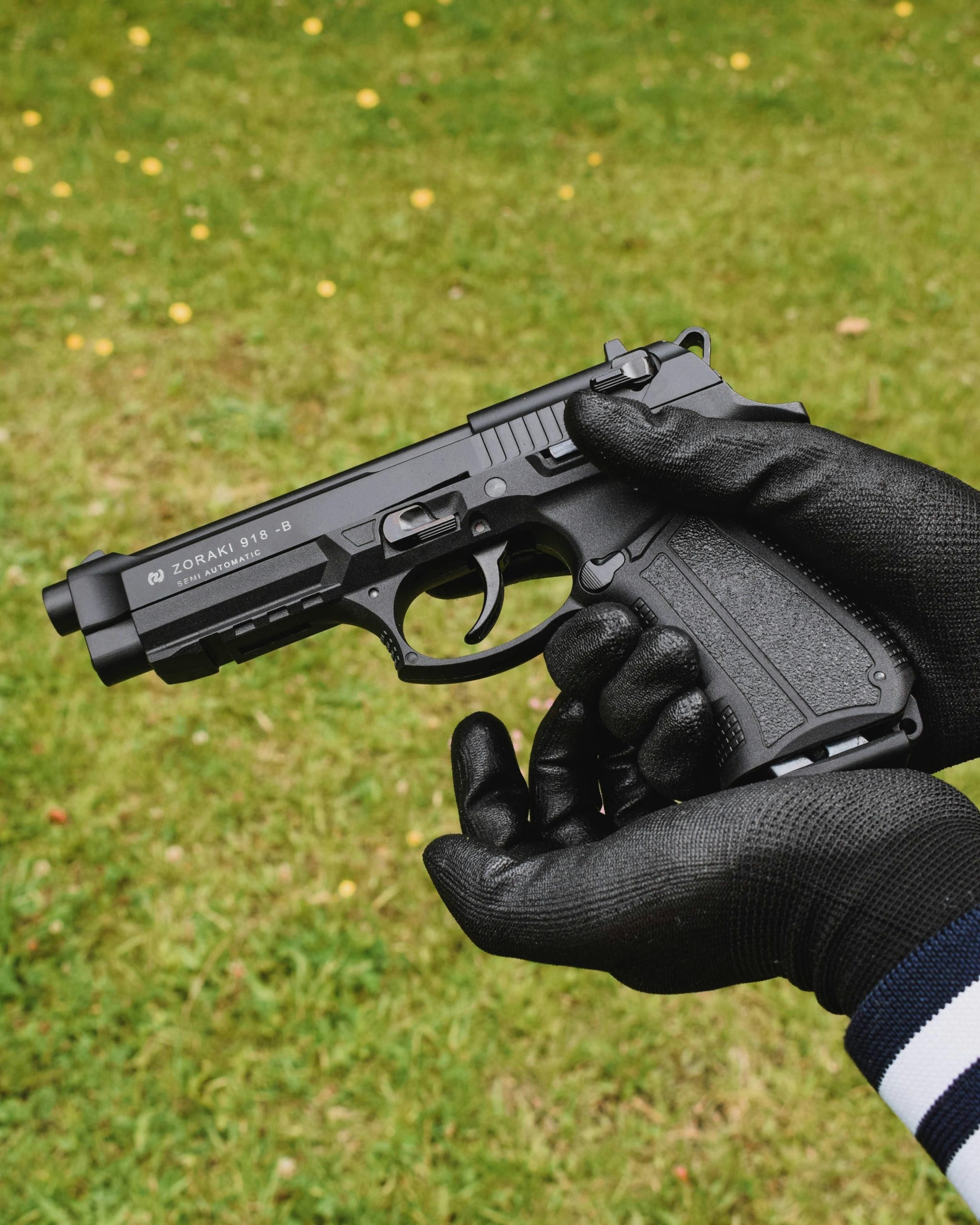
Corrosion resistant finishes protect firearms from constant moisture exposure. Rain, fog, and humidity accelerate rust formation on untreated steel. Finishes such as stainless steel, Cerakote, nitride, and parkerizing slow oxidation effectively. These coatings create barriers that reduce maintenance demands. In wet forest states, firearms often encounter damp storage conditions and sudden weather changes. A durable finish preserves function and appearance over time. Scratches still require attention, but protection reduces damage severity. Hunters benefit from reliability during extended outings. Choosing corrosion resistant finishes supports long term durability, consistent performance, and reduced downtime caused by rust related failures in challenging outdoor environments.
Stainless Steel Components

Stainless steel components resist rust better than traditional carbon steel. Barrels, bolts, and internal parts benefit most from this material choice. In wet forest states, water exposure occurs frequently through rain, condensation, and wet foliage. Stainless steel slows corrosion even when maintenance lapses briefly. It also tolerates temperature swings without rapid degradation. While not completely rust proof, stainless steel offers valuable resilience. Firearms using stainless internals maintain smoother operation over time. This feature proves especially helpful for hunters covering long distances in damp terrain. Stainless components reduce long term wear, ensuring reliability where moisture remains a constant presence throughout seasons.
Synthetic Stocks
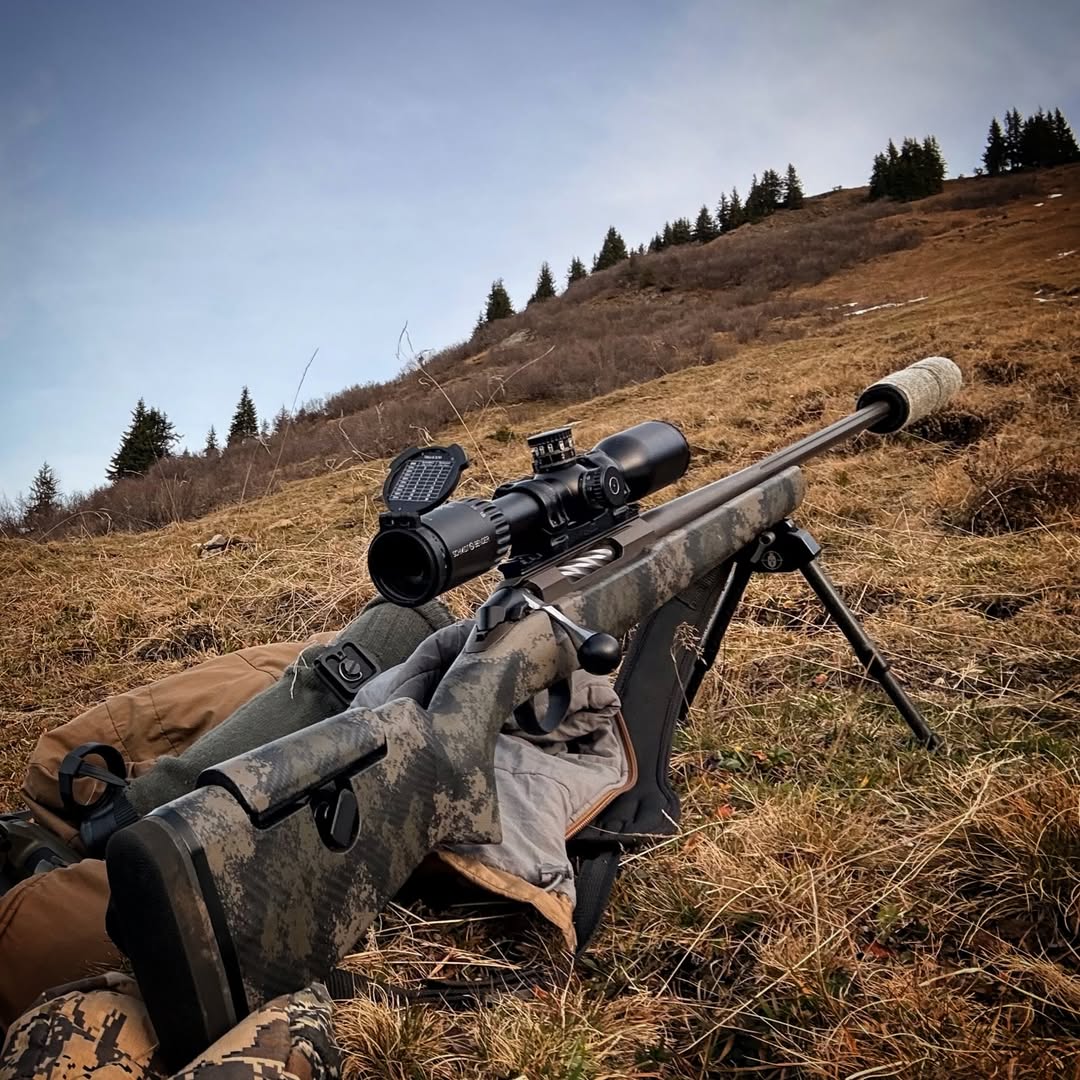
Synthetic stocks outperform wood in wet forest environments. Rain and humidity cause wood to swell, warp, or crack over time. Synthetic materials resist moisture absorption and maintain consistent dimensions. This stability preserves accuracy and fit. Synthetic stocks also dry quickly and clean easily after exposure to mud and rain. Textured surfaces improve grip when hands become wet. In dense forests, firearms frequently contact vegetation and ground moisture. Synthetic stocks tolerate abrasion and impacts better. This durability reduces maintenance concerns. For shooters operating in consistently damp climates, synthetic stocks provide dependable performance, lighter weight, and resilience that traditional wood struggles to match under prolonged moisture exposure.
Sealed Actions
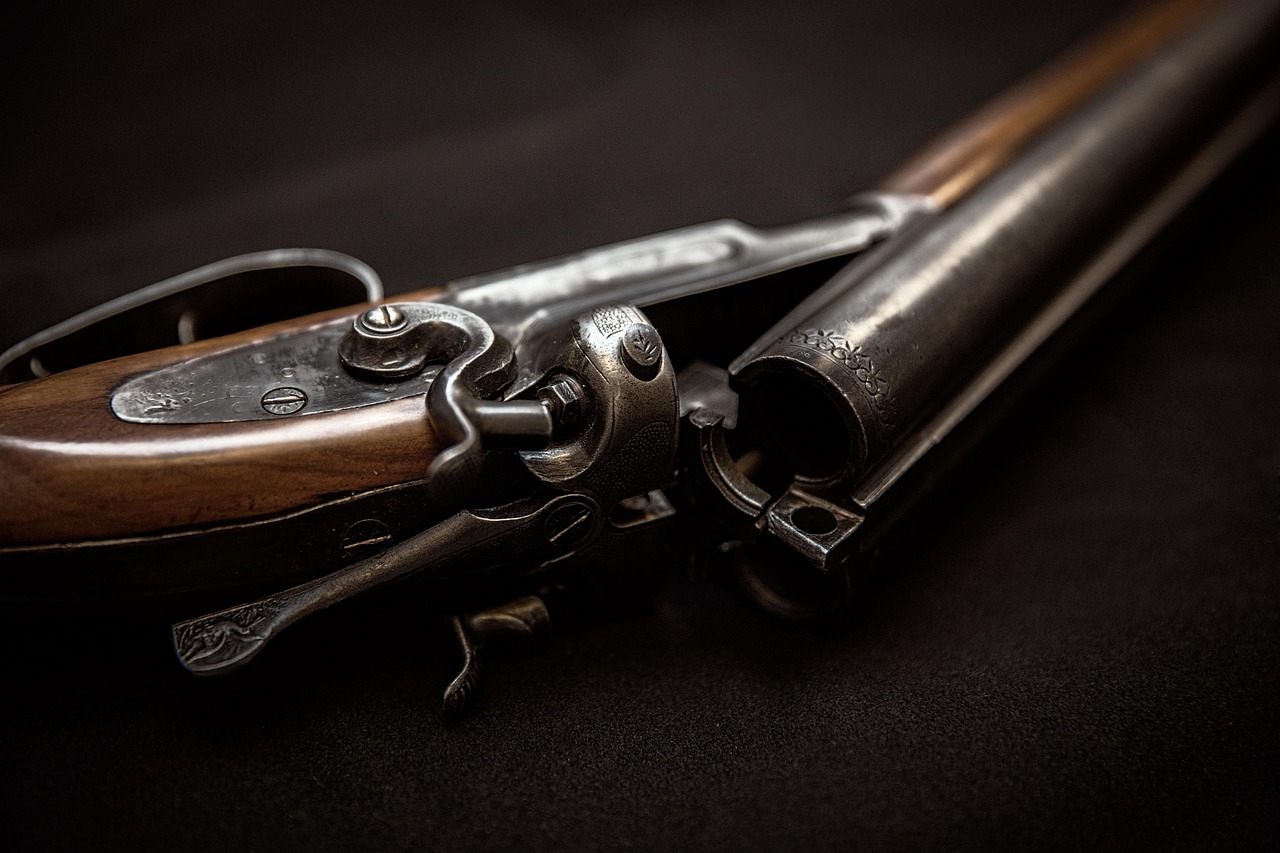
Sealed actions limit water intrusion into critical components. Wet forest conditions expose firearms to rain, splashes, and condensation. Open designs allow moisture and debris to enter, increasing malfunction risk. Sealed or tightly fitted actions protect internal parts from corrosion and fouling. This feature improves reliability during extended outdoor use. Hunters benefit when sudden storms arrive far from shelter. Reduced moisture entry also simplifies cleaning afterward. While no firearm remains completely waterproof, sealed actions slow damage progression. This design consideration matters greatly where dampness persists. Firearms with well sealed actions maintain smoother cycling and dependable performance across unpredictable weather patterns common in forested regions.
Chrome Lined Barrels
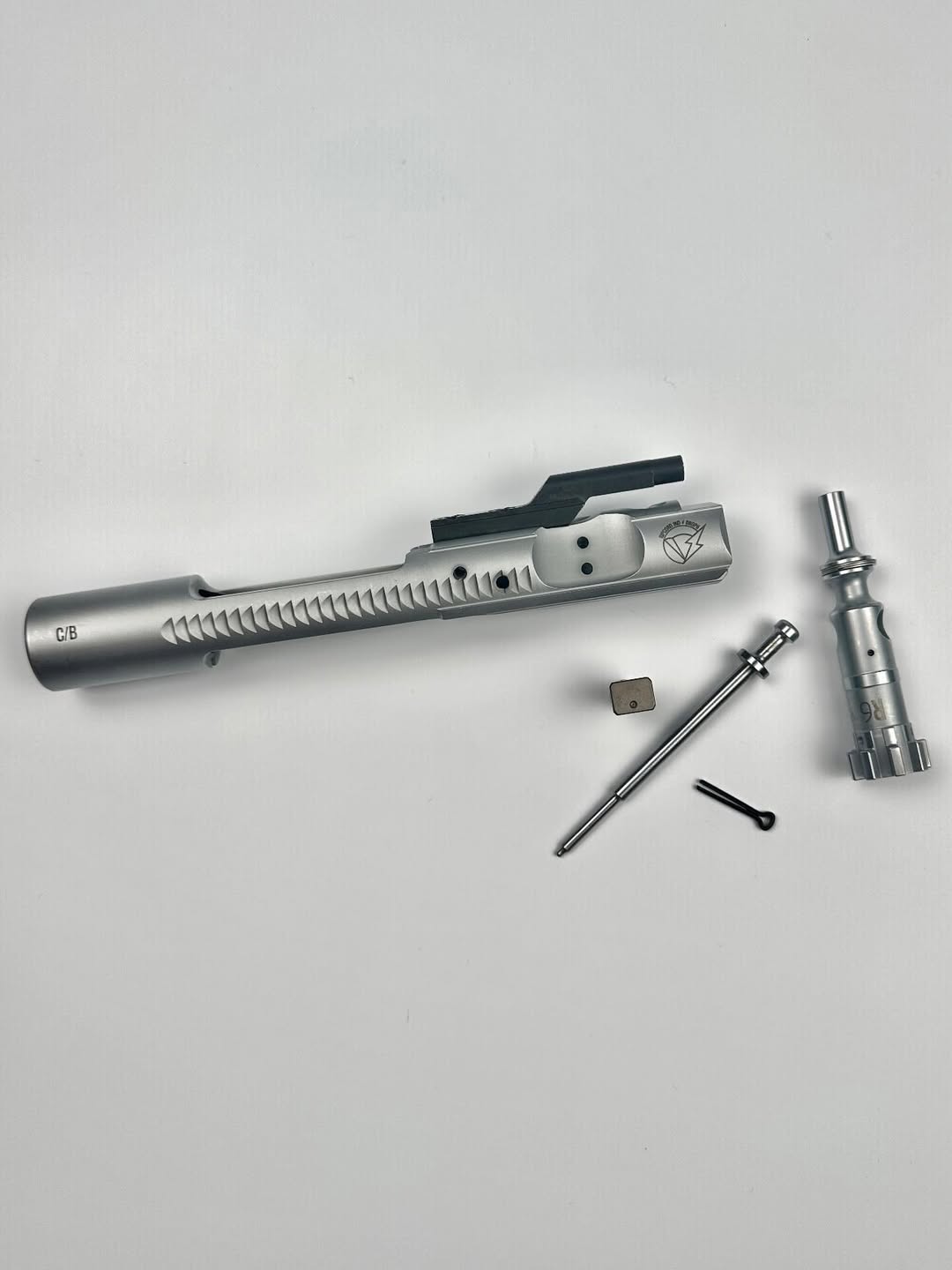
Chrome lined barrels resist corrosion and wear caused by moisture. In wet forest states, barrels encounter humidity, rain, and condensation regularly. Chrome lining creates a protective interior surface that prevents rust formation. It also simplifies cleaning after exposure. This feature extends barrel life and preserves accuracy. Military designs popularized chrome lining for durability in harsh environments. While some precision shooters prefer untreated barrels, the tradeoff favors longevity in damp climates. Chrome lined barrels tolerate neglect better than bare steel. For users frequently outdoors, this feature provides peace of mind, consistent performance, and reduced maintenance demands when weather conditions turn persistently wet.
Weather Resistant Optics Mounts
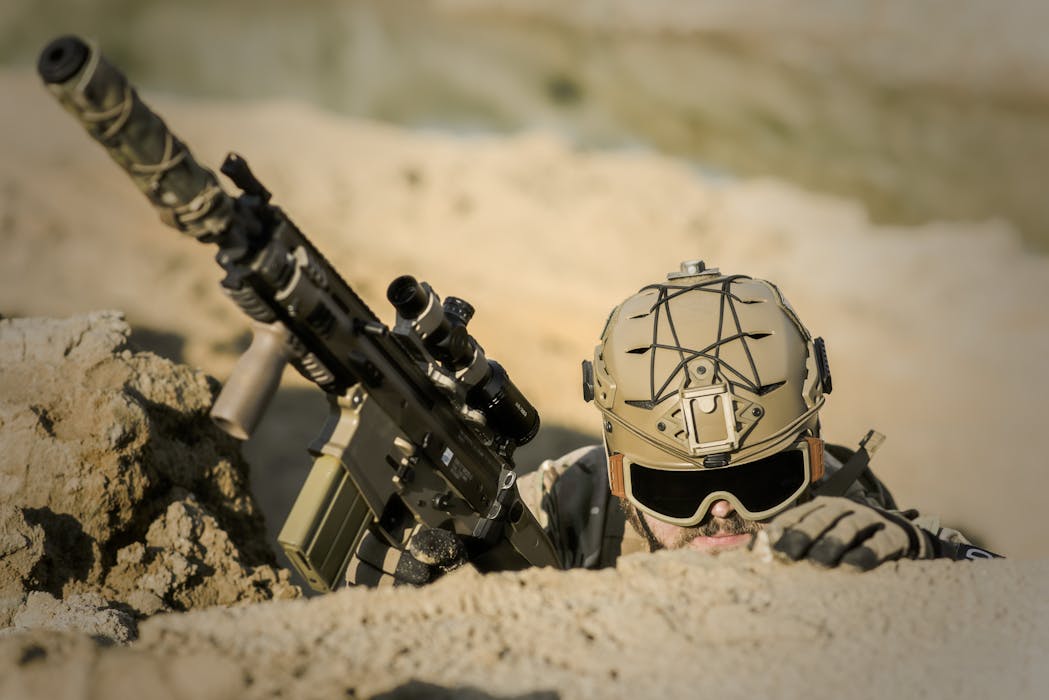
Weather resistant optics mounts maintain zero in wet conditions. Moisture causes untreated mounts to corrode, loosen, or seize. Proper coatings and materials prevent degradation. Secure mounting remains critical in forests where visibility demands optics reliability. Rain and humidity affect metal expansion and contraction. Quality mounts compensate through robust design. This feature protects accuracy during long seasons. Hunters navigating dense terrain depend on consistent optic alignment. Weather resistant mounts reduce failures caused by rusted screws or weakened clamps. Choosing mounts built for moisture ensures firearms remain accurate and dependable, even when exposed to repeated rainfall, fog, and temperature changes typical of forested environments.
Non Slip Grip Textures
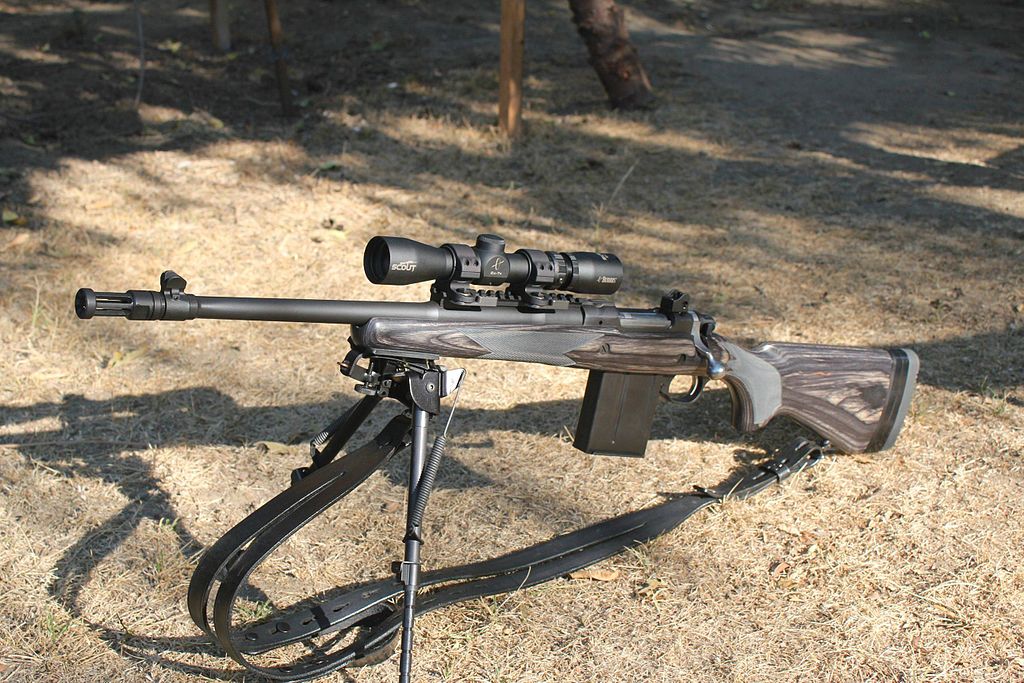
Non slip grip textures improve control in wet conditions. Rain, sweat, and cold reduce hand traction significantly. Smooth grips become hazardous when moisture accumulates. Textured polymer, rubberized panels, or stippling enhance stability. This feature supports safe handling and accurate shooting. In forest states, gloves often remain damp, increasing slip risk. Reliable grip texture reduces dropped firearms and improves trigger control. Hunters moving through brush benefit from secure handling. Non slip grips also reduce fatigue by minimizing grip tension. This ergonomic consideration becomes critical where weather rarely stays dry. Firearms designed with effective grip textures perform better and safer in consistently wet outdoor environments.
Ambidextrous Controls
Ambidextrous controls enhance adaptability in forest conditions. Wet weather may force shooters to adjust hand positions or shooting sides. Slippery terrain and obstacles require flexibility. Ambidextrous safeties, magazine releases, and charging handles improve access. This feature reduces fumbling during critical moments. Gloves worn in cold, wet weather complicate control manipulation. Ambidextrous designs simplify operation under stress. In dense forests, awkward shooting angles occur frequently. Firearms accommodating both hands improve safety and efficiency. This feature benefits left handed shooters and right handed shooters equally. In wet forest states, adaptable controls support consistent performance when conditions demand rapid adjustment and reliable access regardless of grip orientation.
Enhanced Trigger Protection
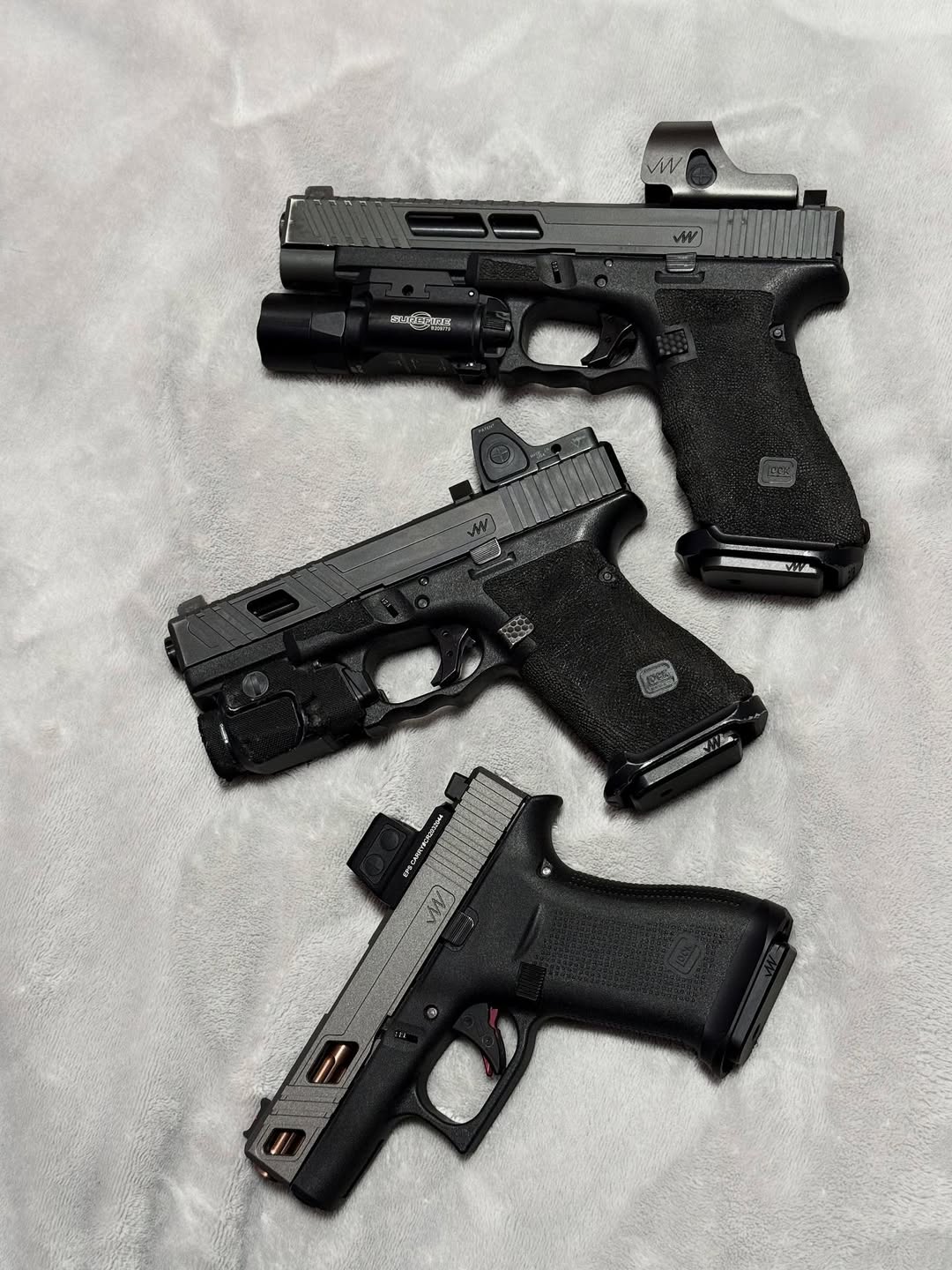
Enhanced trigger protection prevents accidental discharge in wet forests. Moisture, gloves, and debris increase trigger interference risk. Enlarged trigger guards accommodate gloved fingers safely. Debris shedding designs prevent sticks or mud from entering. This feature supports safe handling during movement through dense brush. Cold weather gloves common in wet regions reduce tactile sensitivity. Adequate trigger clearance maintains control. Hunters navigating slippery slopes benefit from additional safety margins. Enhanced protection reduces negligent discharge risk when balance shifts unexpectedly. In forested states where footing varies constantly, trigger protection matters greatly. Firearms designed with environmental realities in mind promote safer operation and confidence during adverse weather conditions.
Protective Coated Springs
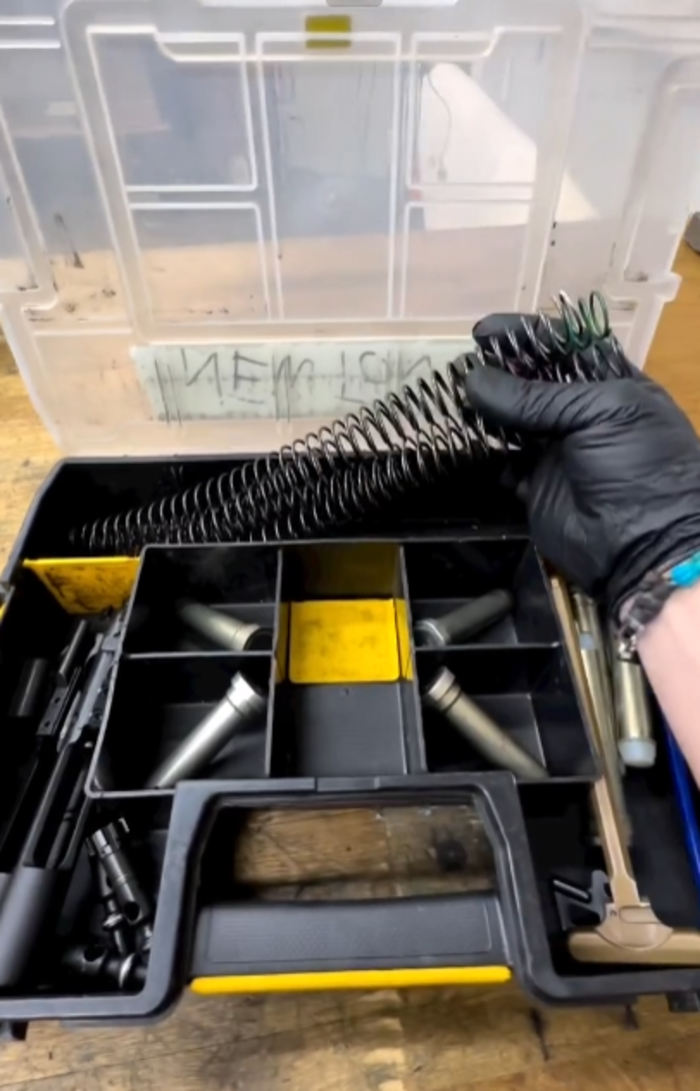
Protective coated springs resist rust and fatigue. Springs drive firearm reliability, controlling feeding, firing, and extraction. Moisture corrodes unprotected springs quickly. Coatings such as phosphate or polymer treatments extend service life. In wet forest states, firearms encounter frequent damp storage and exposure. Spring failure often causes malfunctions. Protective coatings reduce this risk significantly. Maintenance intervals extend, benefiting users with limited access to drying conditions. Hunters carrying firearms for days rely on internal resilience. Coated springs maintain consistent tension and cycling. This feature often goes unnoticed until failure occurs. Selecting firearms with protected springs ensures dependable operation where moisture threatens internal components persistently.
Water Resistant Magazines
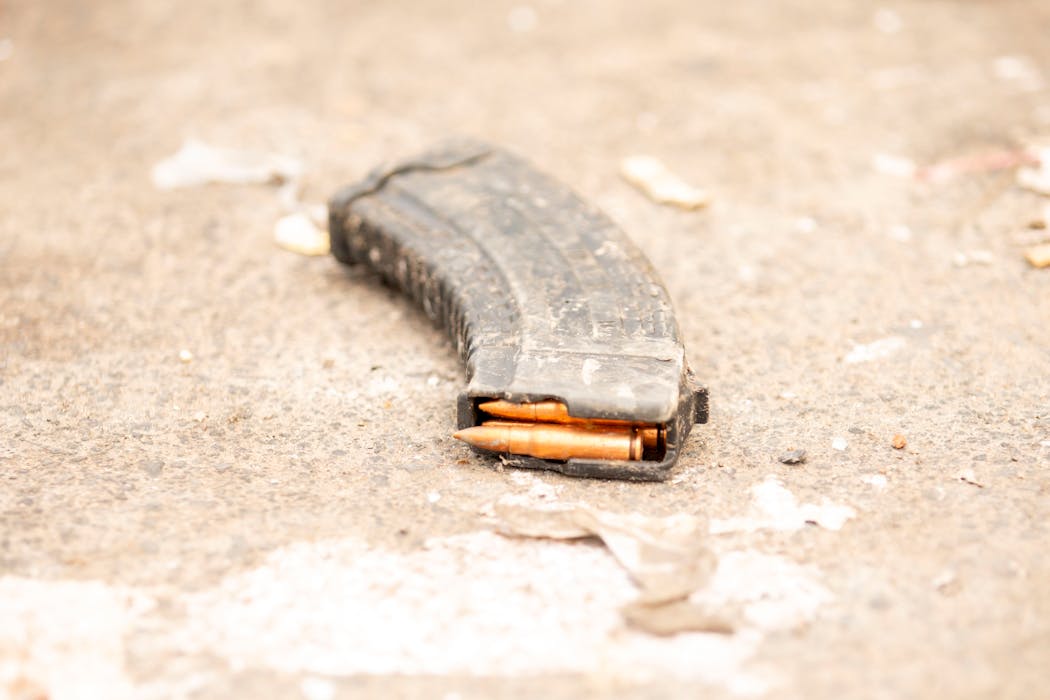
Water resistant magazines maintain feeding reliability in wet environments. Rain and mud easily infiltrate magazines during forest travel. Corrosion inside magazine bodies causes feeding failures. Coated metals and polymer designs resist moisture damage. Drainage features allow water to escape. This improves reliability after exposure. Hunters crawling through brush or crossing streams benefit greatly. Magazine springs and followers remain functional longer. Water resistant magazines also simplify cleaning. In wet forest states, magazines often spend hours exposed. Reliability depends on internal cleanliness. Choosing water resistant designs reduces malfunctions, supports consistent feeding, and enhances confidence during extended outdoor use where environmental exposure remains unavoidable throughout seasons.
Sling Attachment Durability
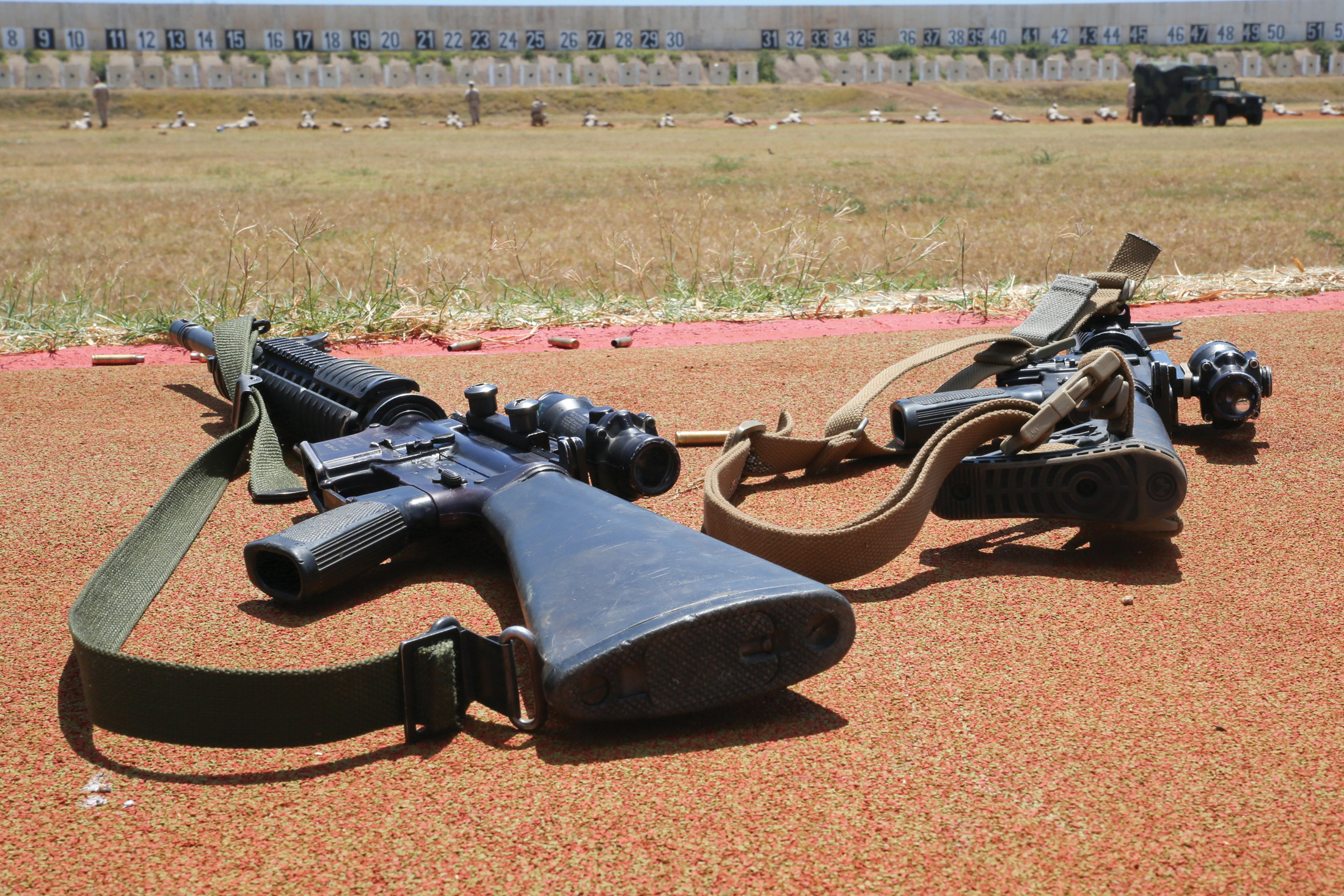
Durable sling attachments matter in wet forests. Firearms often remain slung while navigating rough terrain. Moisture weakens untreated metal hardware. Rusted swivels fail under load. Reinforced attachment points and corrosion resistant materials prevent accidents. Dense vegetation snags slings frequently. Strong attachments withstand stress. This feature supports safe carry and weapon retention. Hunters covering long distances rely on slings for comfort. A failed attachment risks firearm damage or injury. Wet conditions accelerate wear. Choosing firearms with robust sling mounting hardware improves reliability. Durable attachments maintain function despite rain, mud, and repeated movement, making them essential for safe carry in forested regions.
Sealed Ammunition Compatibility
Sealed ammunition compatibility supports reliability in damp climates. Firearms must cycle ammunition designed with sealed primers and case mouths. Moisture penetrates unsealed cartridges easily. Reliable ignition depends on dry primers. In wet forest states, ammunition often experiences prolonged exposure. Firearms feeding sealed ammunition reduce misfire risk. Chamber dimensions and feed ramps must accommodate such rounds smoothly. This feature supports hunters during extended outings. Combined with proper storage, sealed ammunition improves confidence. Firearms functioning well with weather resistant ammunition provide greater reliability. Considering compatibility ensures consistent performance when moisture threatens ignition reliability during prolonged exposure in rainy, humid forest environments common across many northern and coastal states.
Drainage Design
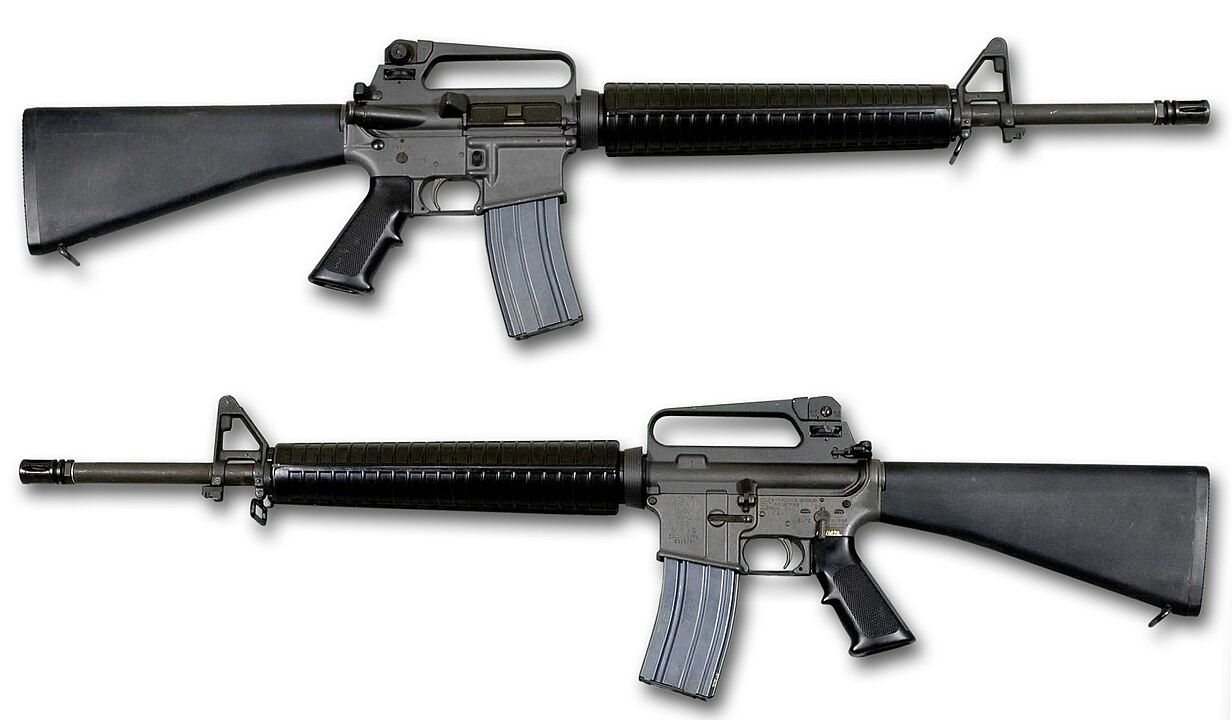
Drainage design allows water to escape firearm components. Trapped moisture accelerates corrosion and freezing risks. Drain holes in stocks, grips, and receivers reduce accumulation. This feature proves valuable after rain or water crossings. In forest terrain, sudden exposure occurs frequently. Proper drainage prevents internal pooling. Firearms dry faster and function sooner. This design consideration often appears subtle but matters greatly. Users benefit from reduced maintenance burden. Drainage features improve longevity and reliability. Firearms built with environmental awareness perform better under wet conditions. Effective drainage supports continuous use without extended drying time, ensuring readiness when conditions remain persistently damp throughout outdoor activities.
Robust Extractors
Robust extractors ensure reliable cycling when moisture increases friction. Wet chambers and dirty cases challenge extraction. Strong extractor claws and springs overcome resistance. In forest states, ammunition may encounter moisture before firing. Residue builds faster. A weak extractor increases malfunction risk. Robust designs maintain reliability despite adverse conditions. Hunters benefit during follow up shots. Extractor failure in wet environments often ends hunts prematurely. Quality materials and geometry matter. This feature supports confidence during extended exposure. Firearms with durable extractors maintain function despite mud, water, and residue. In damp forests where cleaning opportunities remain limited, extractor strength becomes critical for dependable performance.
Protective Storage Options
Protective storage options support firearm longevity in wet states. Firearms stored in damp cabins, vehicles, or campsites face constant humidity. Cases with moisture barriers reduce exposure. Firearms compatible with protective storage designs remain safer. Rust inhibitors and desiccant compatibility matter. Storage solutions prevent unseen corrosion. This feature extends beyond the firearm itself but remains relevant. Designs accommodating storage plugs or seals improve protection. Hunters frequently transport firearms through rain. Proper storage compatibility prevents long term damage. Firearms built with practical storage considerations perform better over time. In wet forest states, storage becomes part of reliability, making compatibility with protective solutions essential.
Maintenance Friendly Design

Maintenance friendly design simplifies cleaning after wet exposure. Tool less disassembly and accessible components reduce downtime. In forest states, firearms often need frequent drying and lubrication. Complicated designs discourage proper care. Easy access encourages routine maintenance. This feature improves reliability long term. Hunters returning from wet outings benefit from quick breakdown. Designs allowing water drainage and fast drying perform better. Maintenance friendly firearms tolerate harsh environments longer. This feature reduces corrosion risk. Practical design matters where moisture exposure remains frequent. Firearms intended for wet forests should prioritize ease of maintenance, ensuring users can respond promptly to environmental challenges without specialized tools or extended effort.
Durable Finishing On Small Parts
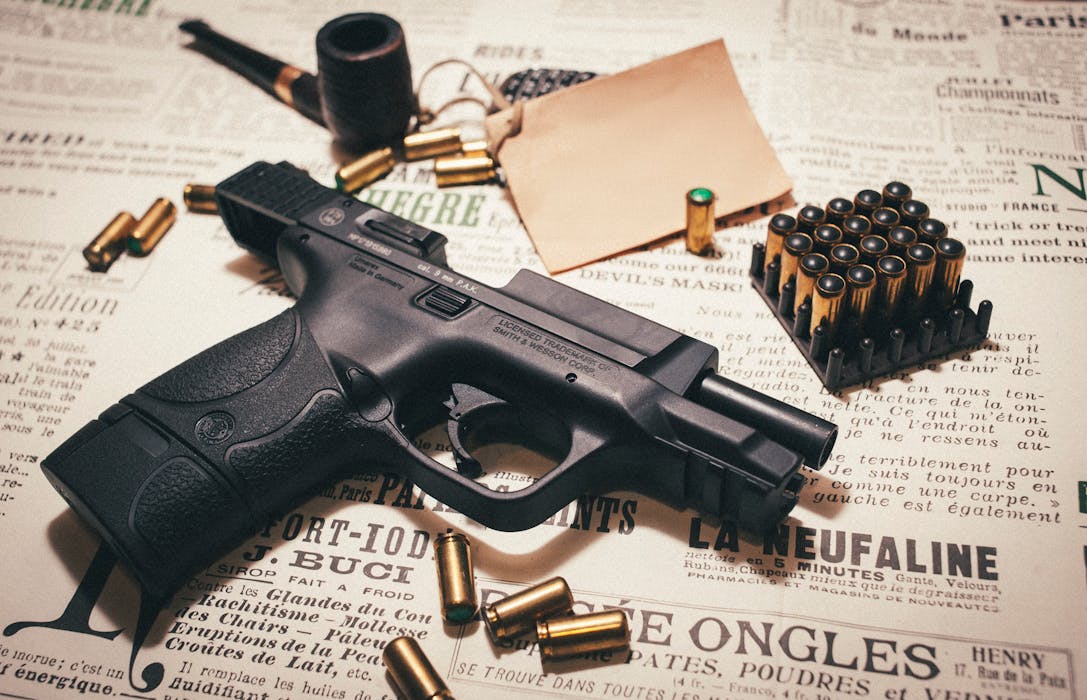
Durable finishing on small parts prevents overlooked corrosion. Pins, screws, and controls rust quickly when untreated. Moisture exposure affects these components first. Protective finishes maintain function. Small part failure compromises operation. In wet forests, rain and condensation reach every surface. Quality finishing extends service life. Hunters rely on consistent function across seasons. Durable coatings reduce seized screws and stuck pins. This feature simplifies maintenance and disassembly. Firearms designed for damp climates address all components equally. Ignoring small parts creates weak points. Comprehensive finishing ensures reliability, supporting consistent performance where environmental exposure remains unavoidable throughout frequent outdoor use in forested regions.
Reliable Manual Safeties
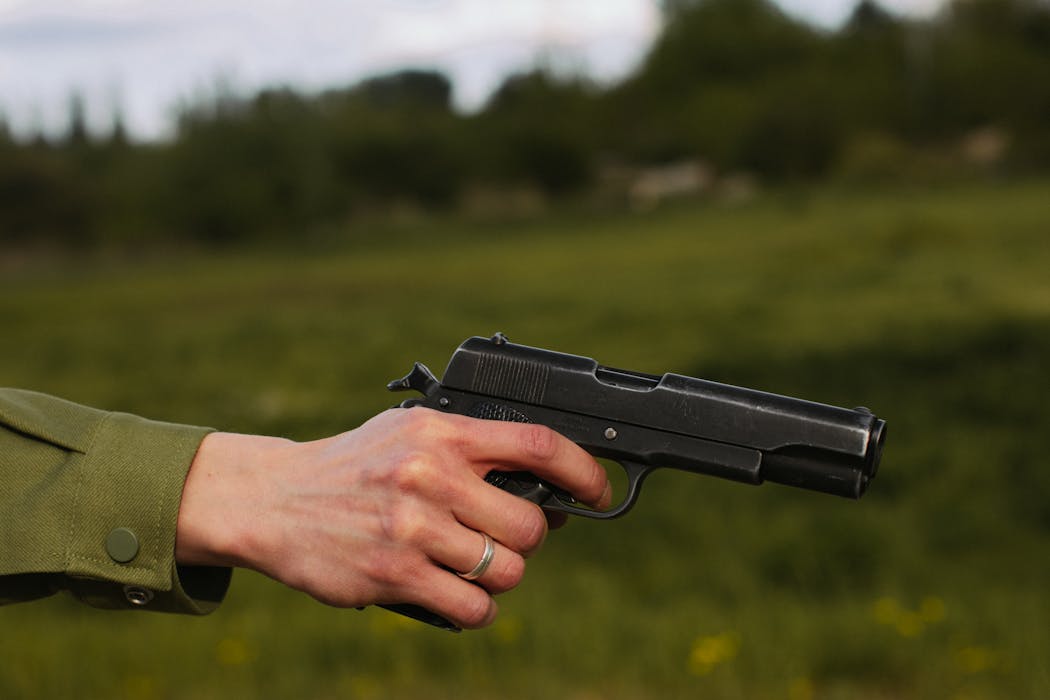
Reliable manual safeties matter in wet forest environments. Moisture increases slip risk during handling. Positive engagement prevents unintended discharge. Safeties must operate smoothly when wet or gloved. Corrosion resistant materials preserve function. Hunters navigating uneven terrain benefit from dependable controls. A compromised safety creates serious hazards. Clear tactile feedback matters in low visibility. Firearms with robust safeties support safe carry and movement. Wet conditions test mechanical reliability. Designs resisting moisture infiltration perform better. Reliable safeties reduce stress during difficult conditions. In forest states where rain and mud persist, dependable safety mechanisms remain essential for responsible firearm use during hunting, transport, and daily handling activities.
Consistent Accuracy In Damp Conditions
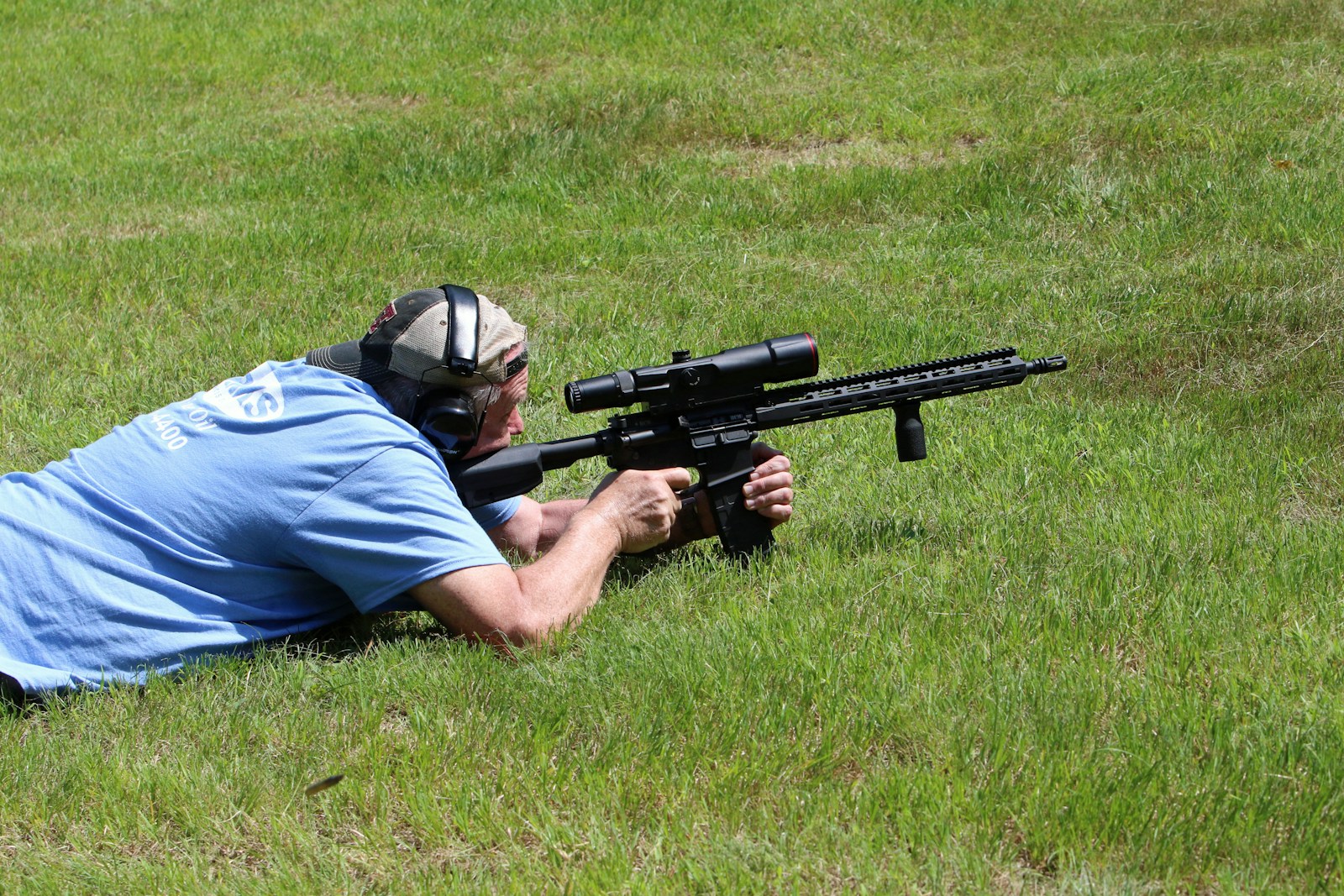
Consistent accuracy in damp conditions defines reliable firearms. Moisture affects barrel harmonics, optics, and ammunition. Firearms designed to maintain accuracy despite humidity perform better. Stable stocks and bedding prevent shift. Corrosion resistant barrels preserve precision. In forest states, fog and rain persist. Hunters rely on predictable point of impact. Accuracy degradation reduces ethical shot placement. Firearms maintaining consistency support confidence. This feature results from combined design choices. Attention to materials and construction matters. Reliable accuracy ensures effectiveness despite weather. In wet forests, firearms that maintain performance under moisture stress prove far more valuable than those optimized only for ideal conditions.