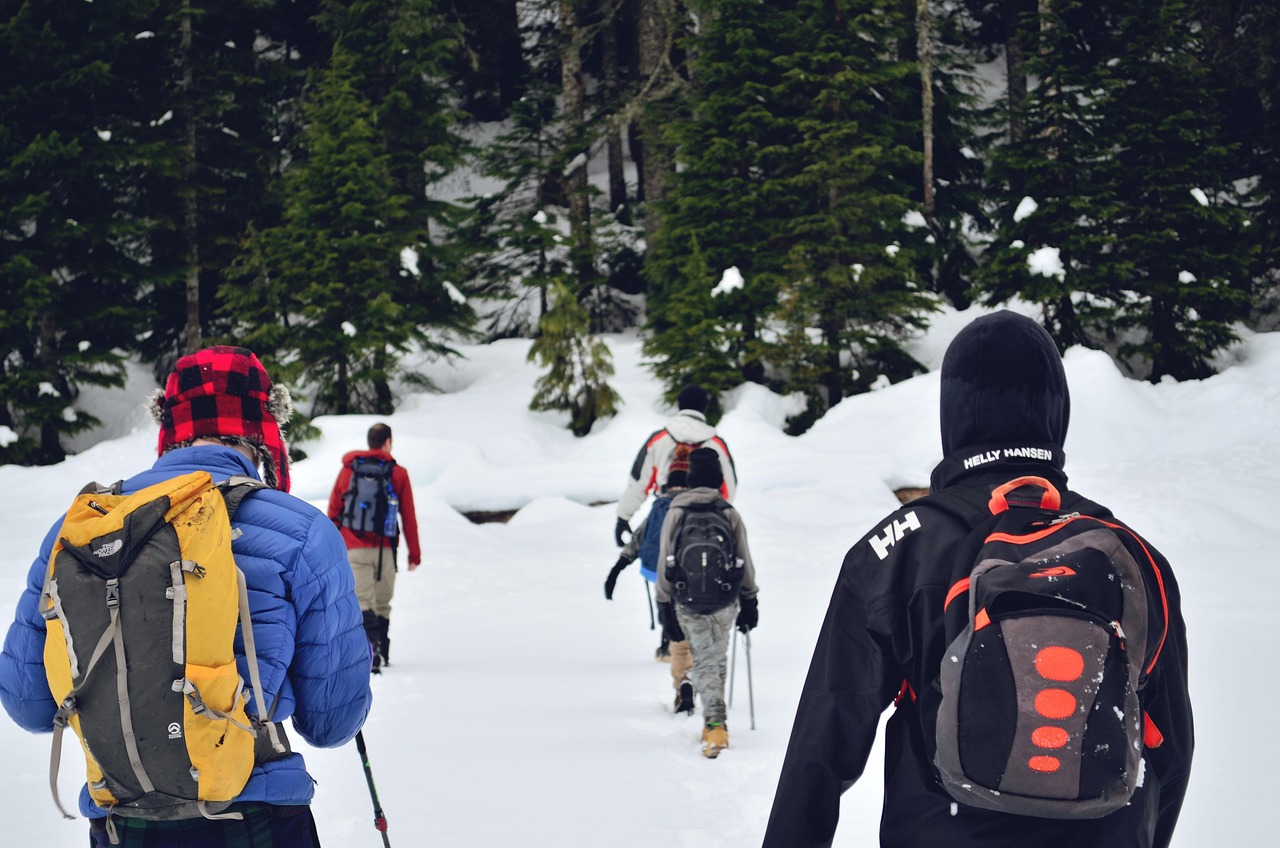
Camping meals do not always require a stove, fuel, or elaborate preparation to keep energy levels steady throughout the day. Many experienced campers rely on no-cook foods that offer convenience, portability, and reliable nutrition, especially during hot weather, long hikes, or minimalist trips. These foods reduce setup time, limit cleanup, and remove concerns about fire restrictions or unpredictable weather conditions. When selected carefully, no-cook options can deliver carbohydrates for quick energy, healthy fats for endurance, and protein for muscle support. Shelf stability and durability also matter when food must withstand heat, movement, and extended storage inside packs. From classic trail staples to overlooked pantry items, a wide range of foods meet these needs without sacrificing satisfaction or morale. Understanding which foods travel well and provide lasting energy allows campers to stay fueled and focused while spending more time enjoying the outdoors rather than preparing meals or managing cookware.
Peanut Butter
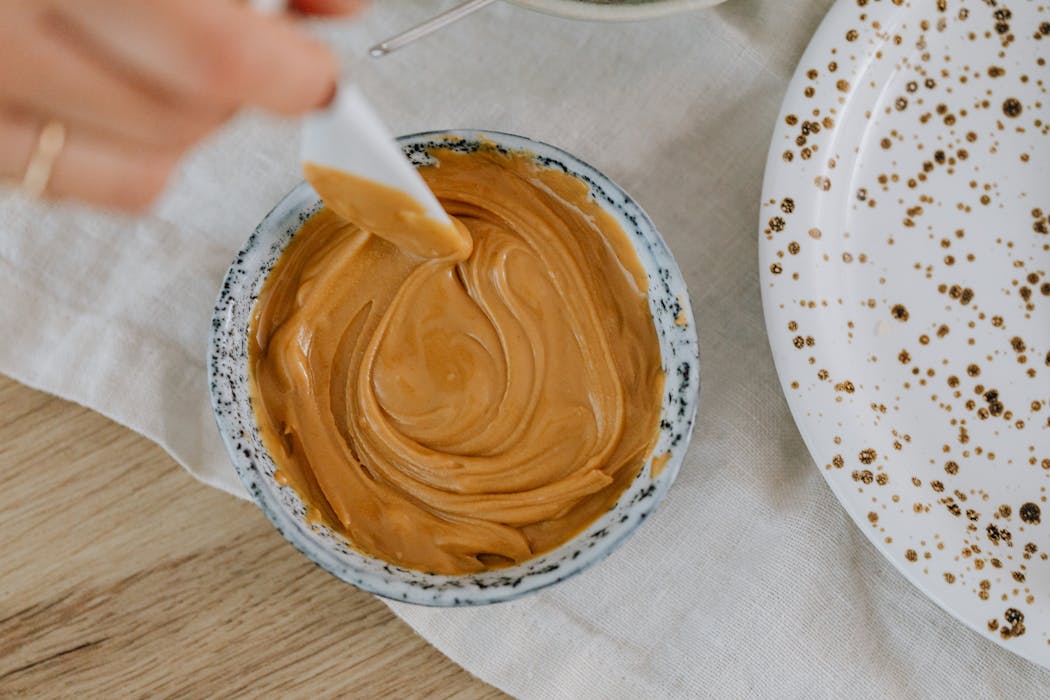
Peanut butter remains one of the most reliable no-cook camping foods because it delivers high energy density in a compact form that travels easily. It contains healthy fats, protein, and carbohydrates that support sustained physical activity throughout the day. The thick texture helps slow digestion, providing longer-lasting fullness compared to sugary snacks that spike energy briefly. Peanut butter stores well without refrigeration and tolerates heat better than many spreads commonly used at home. It pairs easily with bread, crackers, tortillas, or fruit, adding versatility to simple meals. Single-serve packets reduce mess and portioning issues while keeping packs organized and lightweight. This combination of nutrition, shelf stability, affordability, and adaptability makes peanut butter a dependable energy source for campers seeking efficient fuel without cooking or cleanup.
Trail Mix
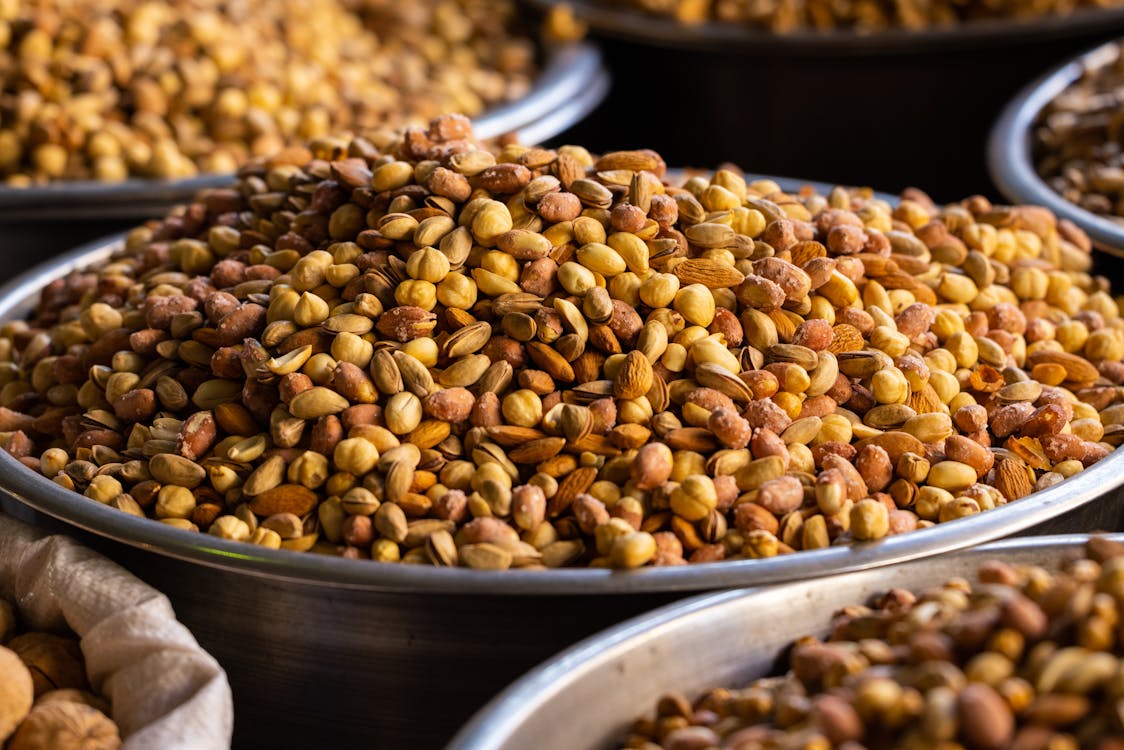
Trail mix offers a balanced blend of carbohydrates, fats, and protein that supports both quick bursts of energy and long-term endurance during outdoor activity. Nuts provide healthy fats and protein, dried fruits contribute natural sugars, and seeds add micronutrients that support metabolism. The variety of textures and flavors helps prevent snack fatigue during extended trips when appetite may fluctuate. Trail mix stores easily in resealable bags and withstands temperature changes without spoiling or leaking. It requires no preparation and can be eaten on the move, making it ideal for hiking days with limited stopping time. Portion control allows steady energy intake without overeating. This versatility, durability, and nutritional balance explain why trail mix remains a cornerstone of no-cook camping food strategies across climates and trip styles.
Beef Jerky
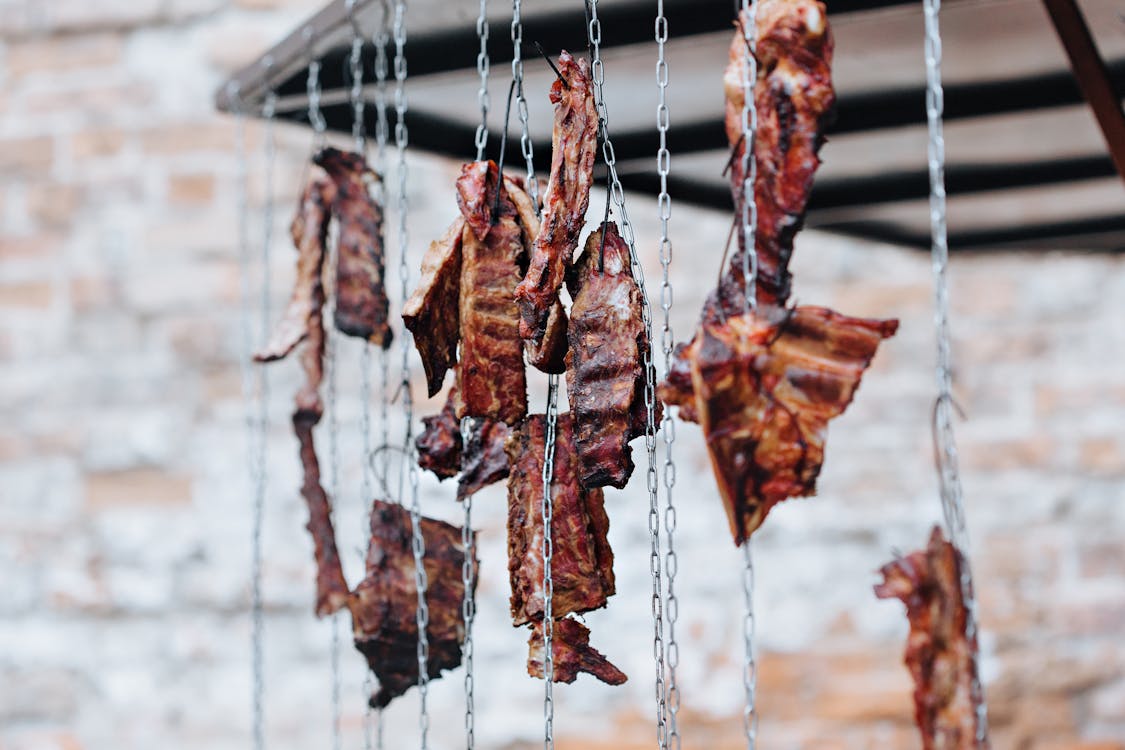
Beef jerky delivers concentrated protein that supports muscle recovery and sustained strength during long, physically demanding camping days. The drying process removes moisture, extending shelf life and reducing overall weight carried in packs. Jerky resists spoilage in warm conditions and requires no refrigeration or special handling. Its chewy texture encourages slower eating, which promotes satiety and mindful pacing during breaks. Sodium content helps replenish electrolytes lost through sweat, especially in warm environments. Jerky pairs well with carbohydrates such as crackers or dried fruit to create balanced snacks. Compact packaging makes it easy to stash in packs or pockets. These qualities make beef jerky a practical and energizing food for campers, avoiding cooking while still prioritizing nutrition and durability.
Granola Bars
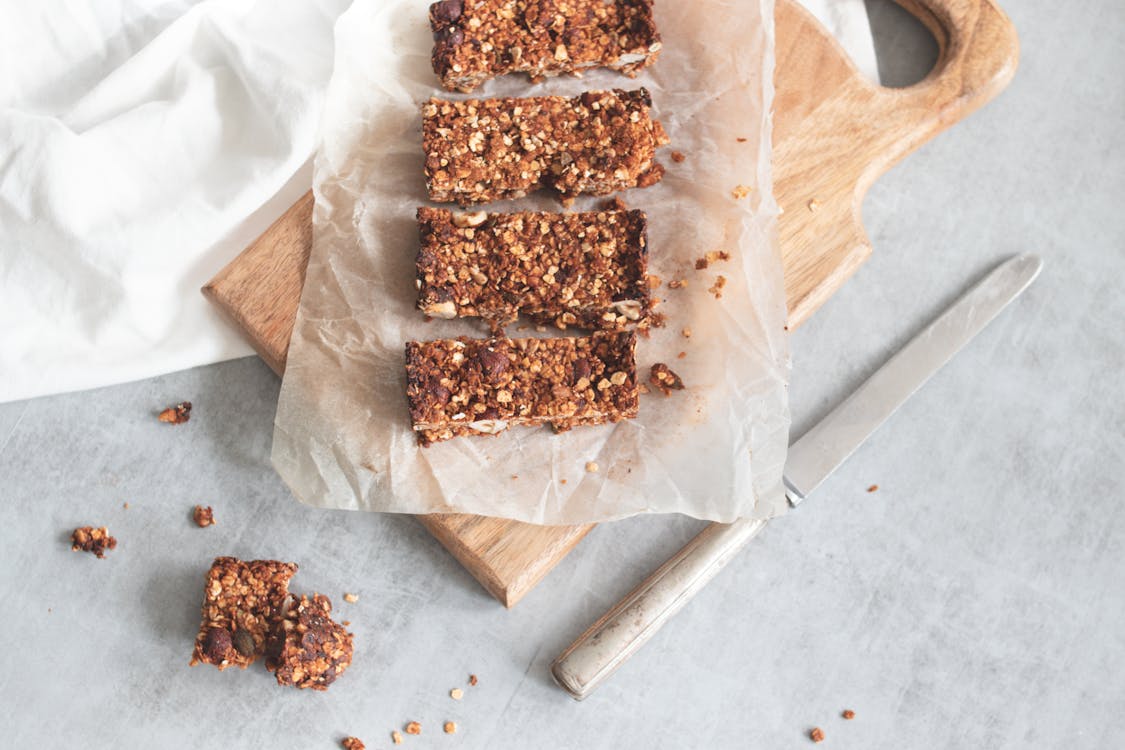
Granola bars provide quick, portable energy through a mix of grains, sugars, and fats that support steady movement throughout the day. Wide varieties include oats, nuts, and seeds that offer longer-lasting fuel than candy-based snacks. Bars are individually wrapped, protecting them from moisture, dirt, and accidental crushing inside packs. They require no utensils and create minimal waste, which simplifies campsite organization. Granola bars tolerate heat reasonably well and maintain texture better than chocolate-heavy foods. Their compact size allows easy rationing across long hiking days. While not a full meal replacement, they serve as effective supplements between larger food items. For no-cook camping, granola bars offer consistency, predictability, and convenience in all weather conditions.
Tortillas
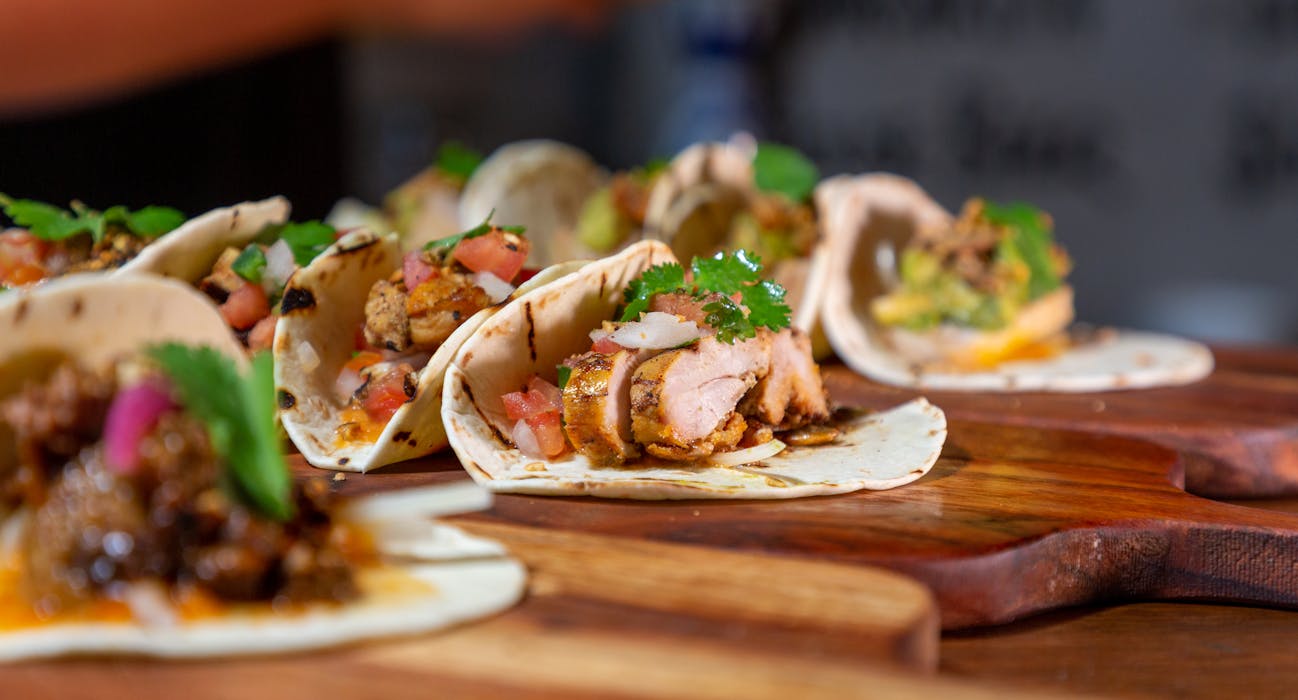
Tortillas serve as a versatile no-cook base that replaces bread while resisting crushing, drying out, or molding quickly during multi-day trips. They wrap easily around spreads, cured meats, cheese alternatives, or vegetables without falling apart or becoming soggy. Tortillas store well at room temperature and tolerate heat and movement better than sliced bread, even when packed tightly. Their carbohydrate content provides quick energy, while pairing options add protein and fats for balance. Tortillas fold flat, saving pack space and reducing waste from bulky packaging. This adaptability allows simple meal assembly anywhere along the trail, even during short breaks. Campers value tortillas for their durability, flexibility, neutral flavor, and ability to support creative no-cook combinations across multiple days without sacrificing convenience.
Hard Cheese
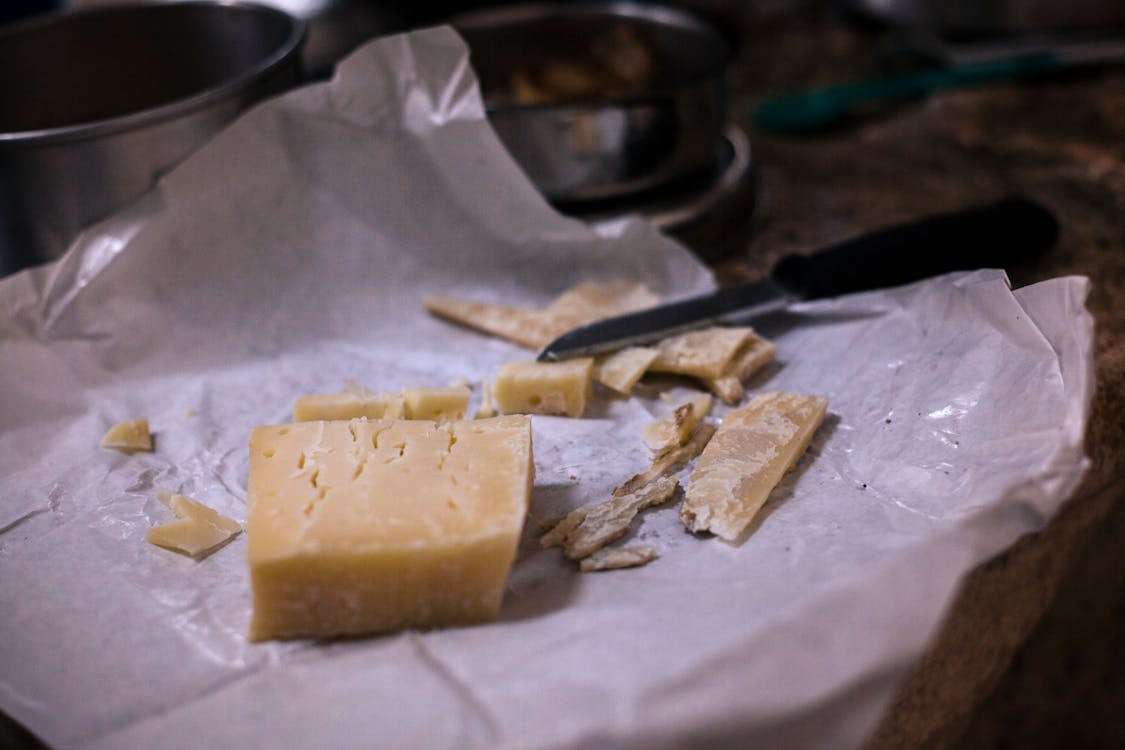
Hard cheeses such as cheddar or parmesan store well without refrigeration for limited periods and provide concentrated calories in small, efficient portions. These cheeses contain fats and protein that support long-lasting energy and satiety during physically active days. Firm textures resist melting and spoilage better than soft varieties, especially when wrapped properly in breathable material. Cheese pairs easily with crackers, tortillas, or dried meats to form satisfying no-cook meals. Small portions deliver significant nutrition, reducing pack weight while maintaining calorie density. Hard cheese also adds flavor variety, improving morale on longer trips. When stored carefully, it remains safe and enjoyable for several days. This balance of taste, nutrition, stability, and versatility makes hard cheese a valued no-cook camping food.
Crackers
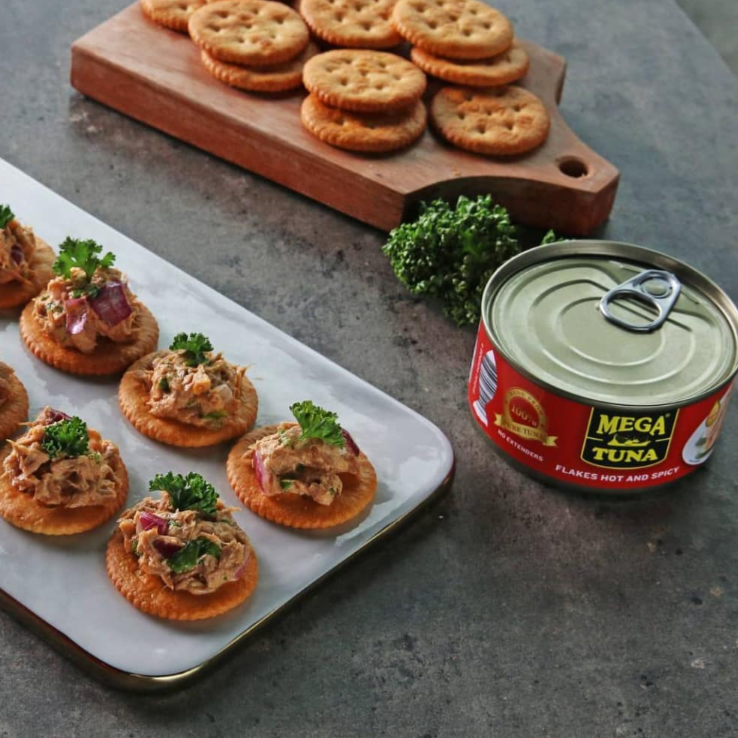
Crackers provide quick carbohydrates that fuel movement, decision-making, and mental focus during outdoor activities and long hiking days. They store easily and resist crushing when packed carefully among softer items in a backpack. Crackers pair well with spreads, cheese, jerky, or tuna to create balanced snacks or simple meals without preparation. Their low moisture content extends shelf life without refrigeration or special packaging. Crackers offer a neutral base that complements both savory and sweet foods, making them adaptable. Portion control helps manage energy intake steadily throughout the day. Lightweight, affordable, and widely available, crackers remain a dependable option for campers building simple meals without cooking equipment or cleanup demands.
Dried Fruit
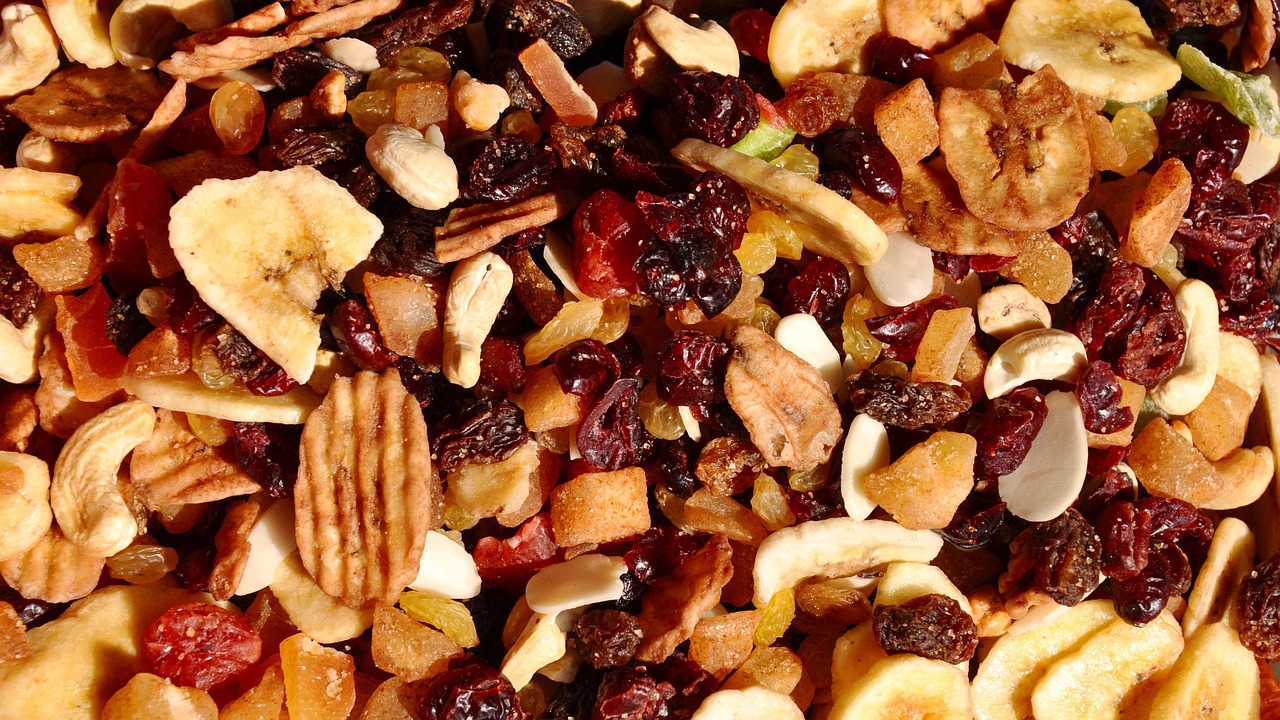
Dried fruit delivers natural sugars that provide rapid energy while remaining lightweight and shelf-stable in changing outdoor conditions. Fruits such as raisins, apricots, cranberries, and mango retain fiber and key micronutrients after drying. Their sweetness helps counterbalance salty foods and boosts morale during long hiking days or hot afternoons. Dried fruit stores well in resealable bags and tolerates heat without spoiling or leaking. It pairs effectively with nuts or jerky to create balanced snacks that combine quick and sustained energy. Chewing dried fruit also stimulates appetite when fatigue reduces hunger. These characteristics make dried fruit a valuable no-cook energy source for campers of all experience levels.
Energy Gels
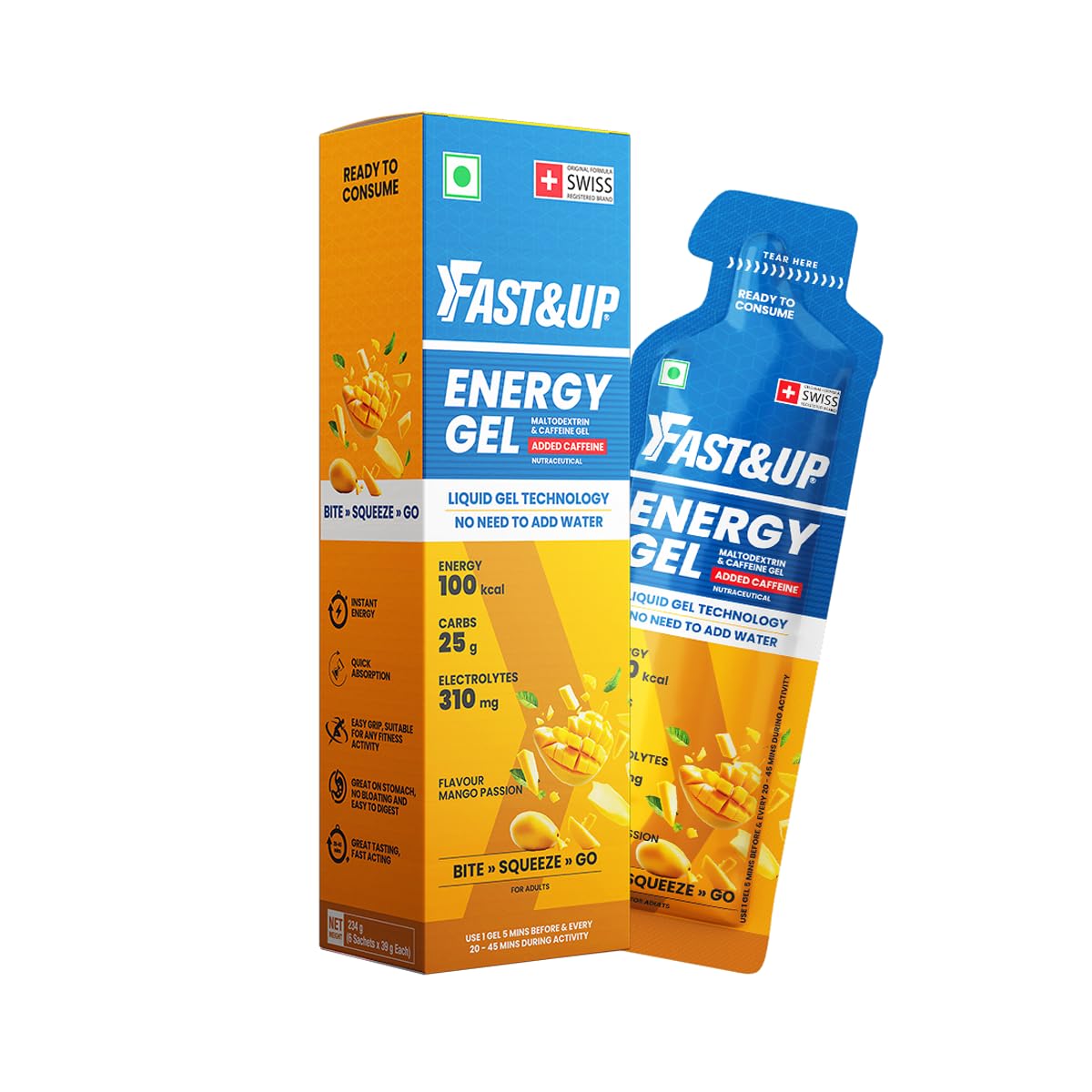
Energy gels offer fast-absorbing carbohydrates designed specifically for sustained physical exertion during demanding activity and endurance-focused outings. They require no preparation and fit easily into pockets or hip belts for quick access. Gels deliver immediate fuel during steep climbs, long mileage days, or moments of sudden fatigue. Their compact size reduces pack weight while providing targeted energy exactly when needed. Many gels include electrolytes that support hydration balance and muscle function. While not intended as meal replacements, they complement other no-cook foods effectively. Campers appreciate gels for their efficiency during high-output activities when stopping to eat solid food feels impractical or disruptive.
Nut Butter Packets
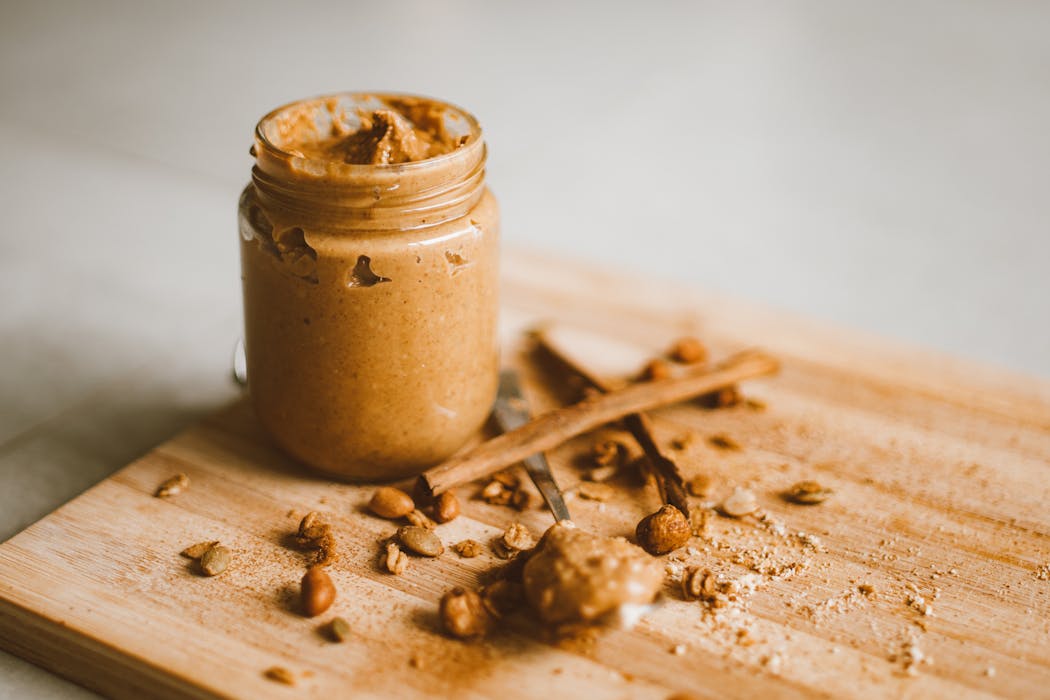
Nut butter packets extend the benefits of peanut or almond butter with added convenience and precise portion control. Single-serve packaging prevents mess and simplifies calorie tracking during trips of varying intensity. Nut butters provide fats and protein that sustain energy levels and reduce hunger between meals. They store well without refrigeration and tolerate heat exposure better than many dairy-based options. Packets pair easily with crackers, tortillas, or fruit for quick meals. Their compact form suits minimalist packing strategies. Nut butter packets support consistent fueling without cooking, utensils, or cleanup, making them especially useful during long travel days or fast-paced itineraries.
Canned Tuna Pouches
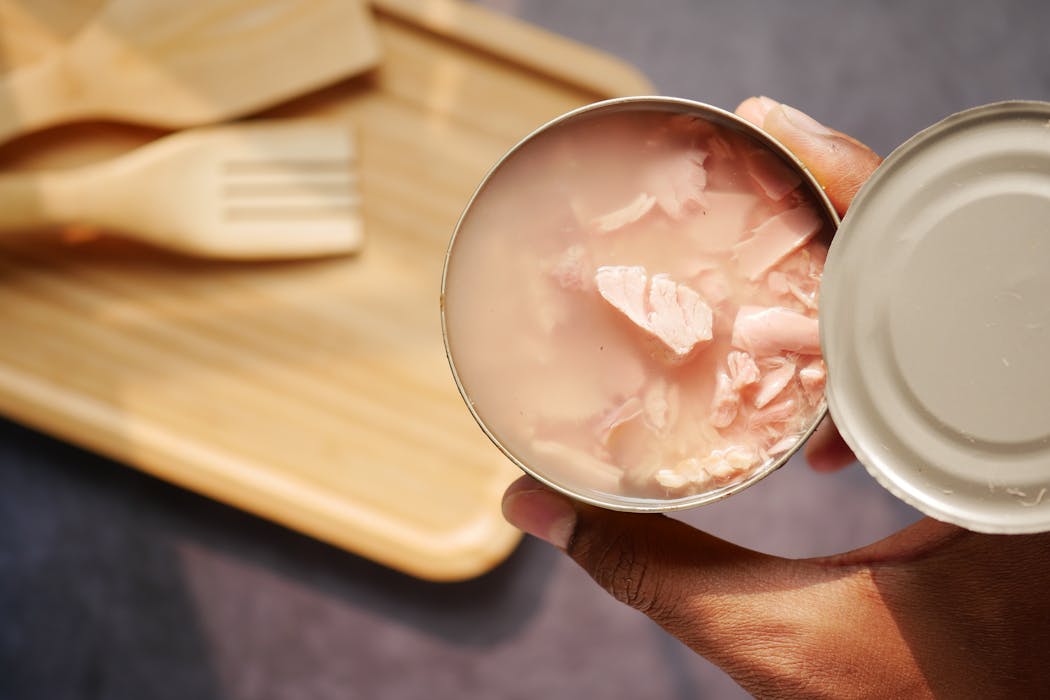
Tuna pouches provide lean protein without requiring draining, refrigeration, or additional preparation at camp. Lightweight packaging reduces pack weight compared to traditional cans while improving portability and reducing waste. Tuna supports muscle recovery and helps maintain satiety during physically demanding trips. Pouches open easily and mix with crackers, tortillas, or shelf-stable condiments for quick meals. Shelf stability allows long storage periods without spoilage concerns. Low preparation effort makes tuna pouches practical for no-cook meals during short breaks. These qualities make them popular among campers seeking protein without cooking or bulky equipment.
Protein Bars
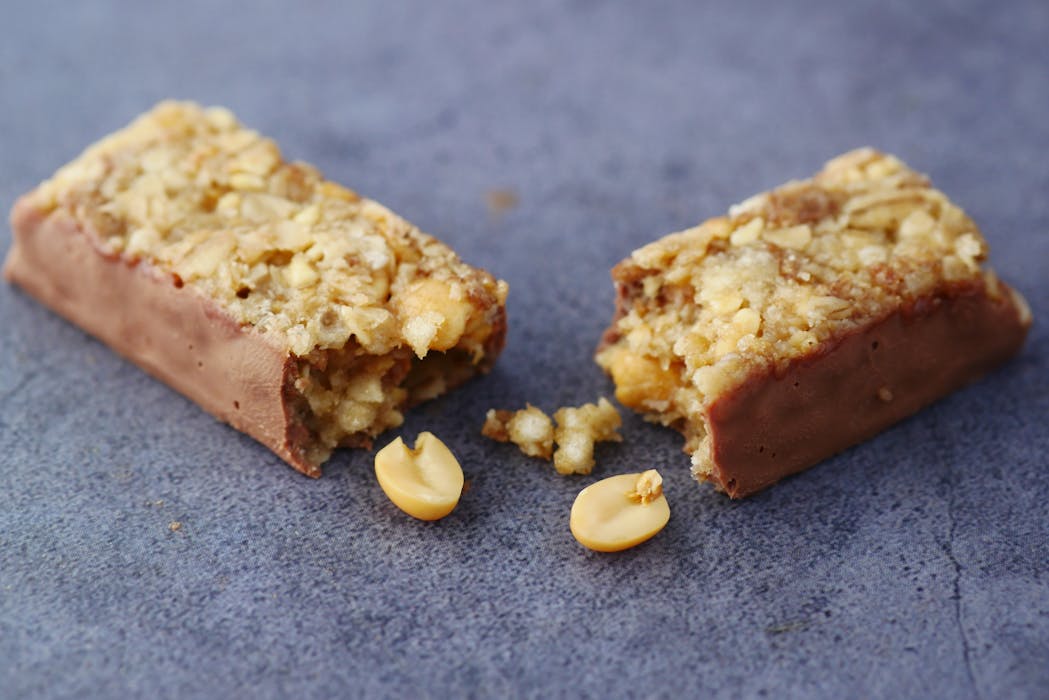
Protein bars combine carbohydrates and protein to support sustained energy and muscle recovery throughout active days outdoors. They offer a more filling option than standard snack bars, especially during long hikes or busy travel days when meals feel rushed. Bars store well and resist spoilage across a wide range of temperatures and conditions. Their dense nutrition supports endurance without requiring large portions or frequent eating breaks. Protein bars require no utensils and produce minimal waste, which simplifies camp routines. They help maintain strength and recovery during extended trips with limited food variety. For no-cook camping, protein bars provide dependable fuel that bridges the gap between snacks and full meals while supporting consistent energy output across demanding terrain.
Roasted Chickpeas
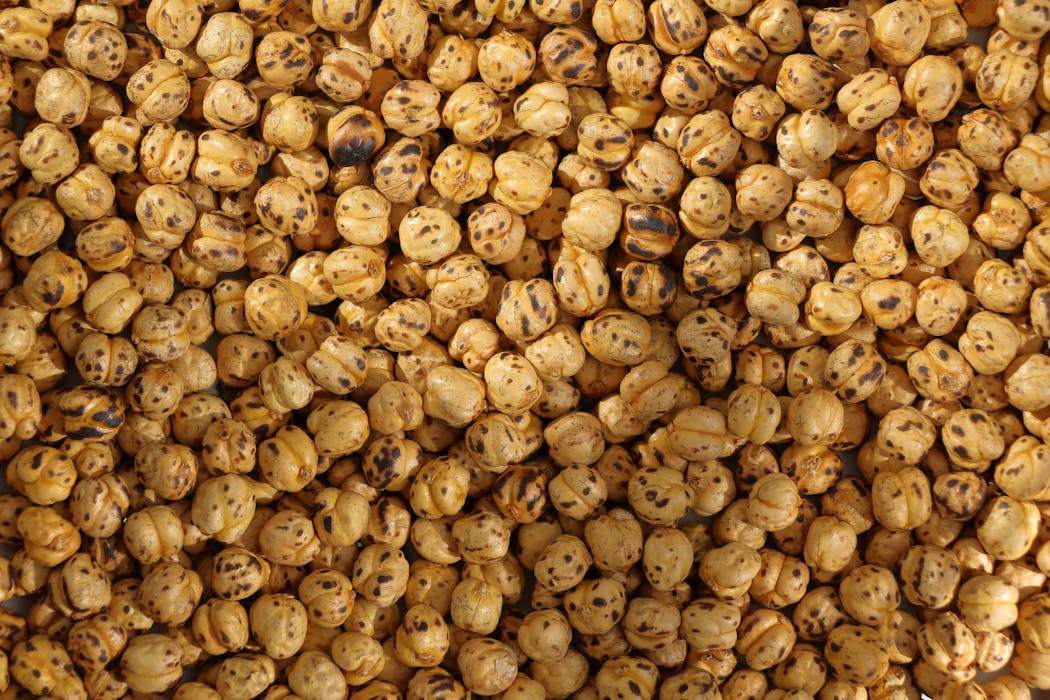
Roasted chickpeas deliver plant-based protein and carbohydrates in a crunchy, shelf-stable form that travels well in packs during long trips. They store easily and resist crushing when packed in sturdy containers or sealed bags. Chickpeas provide fiber that supports digestion and prolonged fullness during active days. Their savory flavor balances sweeter snacks and reduces flavor fatigue over time. Roasted chickpeas tolerate heat and movement without becoming soggy or stale. They offer nutritional variety for campers, limiting animal products. This balance of protein, fiber, flavor, and durability makes roasted chickpeas an effective no-cook energy option for extended outdoor trips where food reliability matters.
Apples
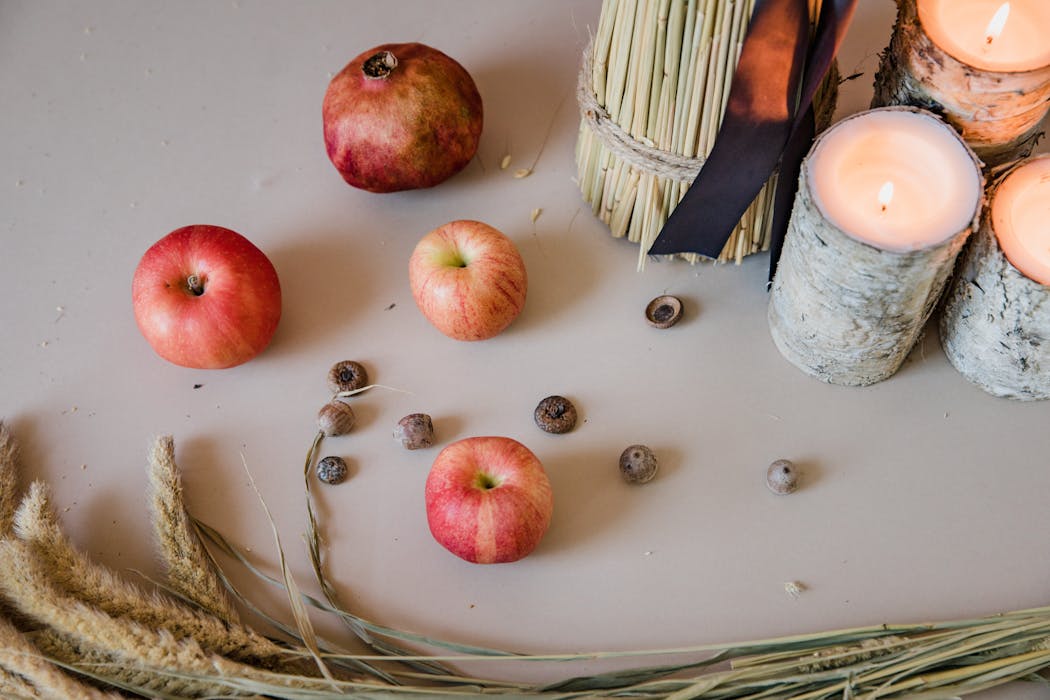
Apples provide hydration, carbohydrates, and fiber without any preparation or packaging requirements on the trail. Thick skins protect the fruit during transport and reduce bruising inside backpacks. Apples resist spoilage better than many softer fruits and remain edible for several days. Natural sugars support quick energy while fiber moderates digestion and prevents energy crashes. Apples store well without refrigeration in cool conditions. Their refreshing crunch boosts morale during hot or tiring days. Apples remain a simple and effective no-cook camping food that balances nutrition, durability, hydration, and convenience while offering a familiar taste that feels grounding in outdoor settings.
Bananas

Bananas deliver carbohydrates and potassium that support muscle function, hydration balance, and steady energy regulation. They require no preparation and are easy to eat during short breaks or rest stops. Bananas provide quick energy that supports uphill movement or recovery after exertion. Their soft texture aids digestion when appetite feels low due to fatigue or heat. While less durable than apples, careful packing extends usability. Bananas offer natural sweetness and moisture. These qualities make them a useful short-term camping food, particularly for the first days of a trip before softer items begin to bruise or spoil.
Shelf-Stable Hummus
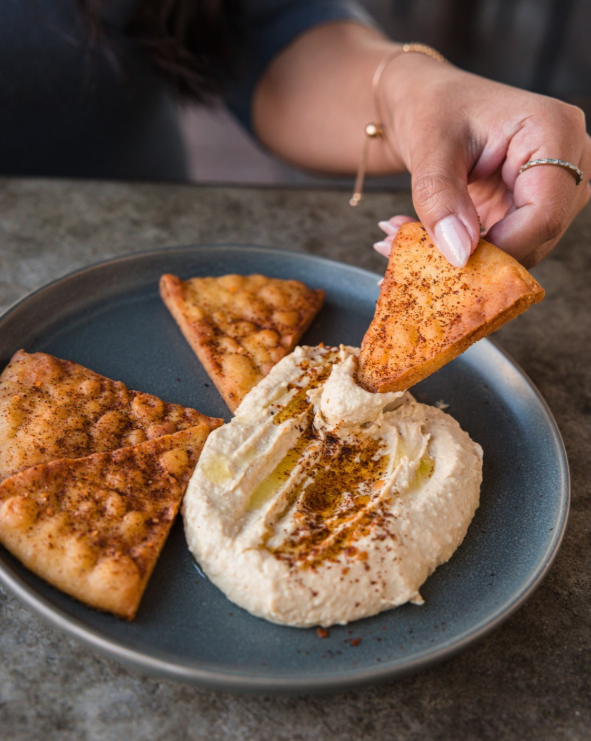
Shelf-stable hummus provides plant-based protein and healthy fats without requiring refrigeration during trips. It pairs well with crackers, tortillas, or vegetables for balanced no-cook meals. Packaging allows room-temperature storage and reduces spoilage risk in warm conditions. Hummus adds flavor variety that improves meal satisfaction on longer trips. Its nutrient profile supports steady energy rather than quick spikes. Single-serve options reduce waste and contamination. This versatility makes shelf-stable hummus a strong no-cook choice for campers seeking savory, filling alternatives to sweet snacks while maintaining nutritional balance.
Energy Chews
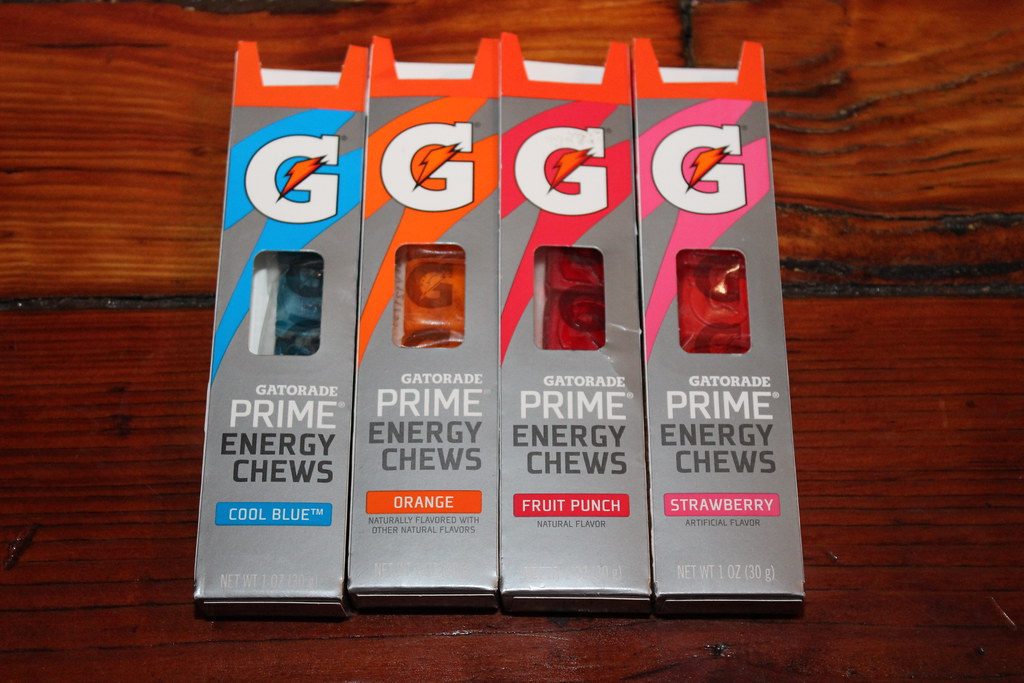
Energy chews deliver fast carbohydrates in a chewable form that is easy to portion throughout the day. They provide controlled amounts of sugar and electrolytes that support sustained activity and hydration. Chews store easily and resist melting in warm conditions better than many alternatives. They suit high-output activities requiring quick fuel without stopping movement. Energy chews complement longer-lasting foods by filling short energy gaps. Their convenience supports steady performance during physically demanding days without cooking, preparation, or cleanup, especially when solid food feels impractical during intense exertion.
Oatmeal Bars
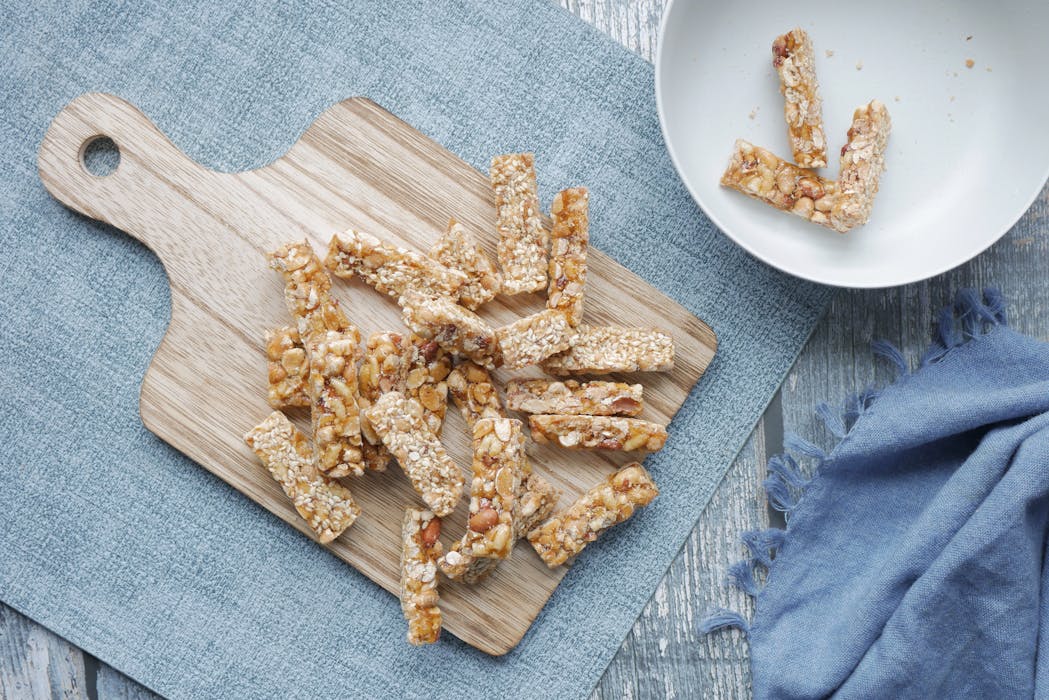
Oatmeal bars offer slow-digesting carbohydrates that support endurance and steady energy release over time. Oats provide fiber that prolongs fullness and stabilizes blood sugar during sustained activity. Bars store well and tolerate temperature changes without melting or crumbling. They offer a filling option without preparation or utensils. Oatmeal bars pair well with nut butter for added calories and balance. Their nutrition profile supports consistent fueling throughout the day during extended hiking or travel when long-term stamina matters more than short bursts of energy. Campers appreciate their reliability during unpredictable weather, long mileage days, and limited resupply situations outdoors.
Shelf-Stable Milk Boxes
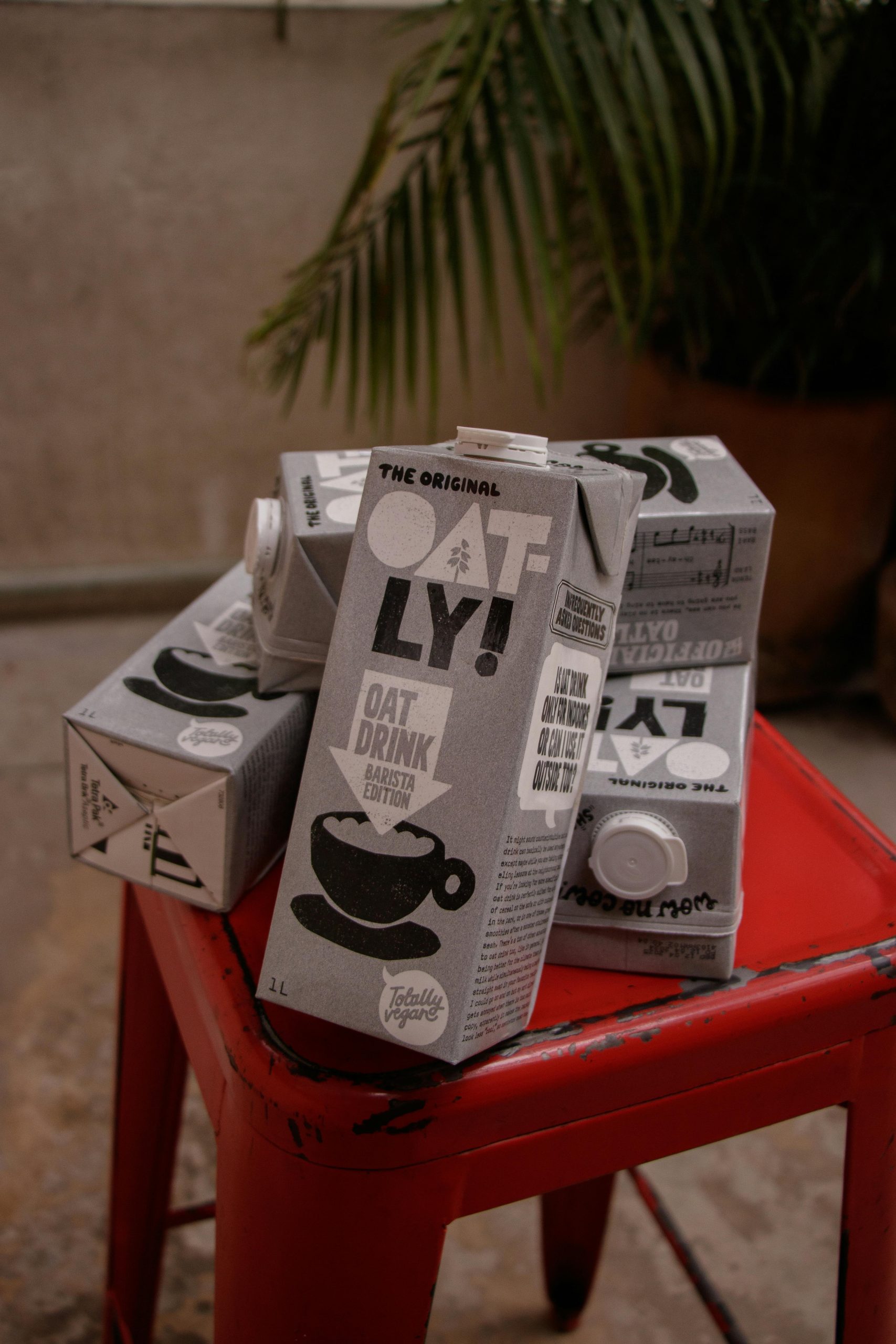
Shelf-stable milk boxes provide protein, carbohydrates, and hydration without requiring refrigeration. Packaging allows room-temperature storage and resists crushing during transport. Milk supports recovery and energy balance during long days of activity. Boxes pair well with bars, cereal snacks, or oatmeal bars. Single servings simplify packing and portioning. This option adds nutritional variety and familiar comfort without cooking or cleanup requirements, helping campers maintain balanced nutrition even when traditional meals are unavailable. Many campers value the familiar taste during remote trips when morale and appetite decline unexpectedly.
Dark Chocolate
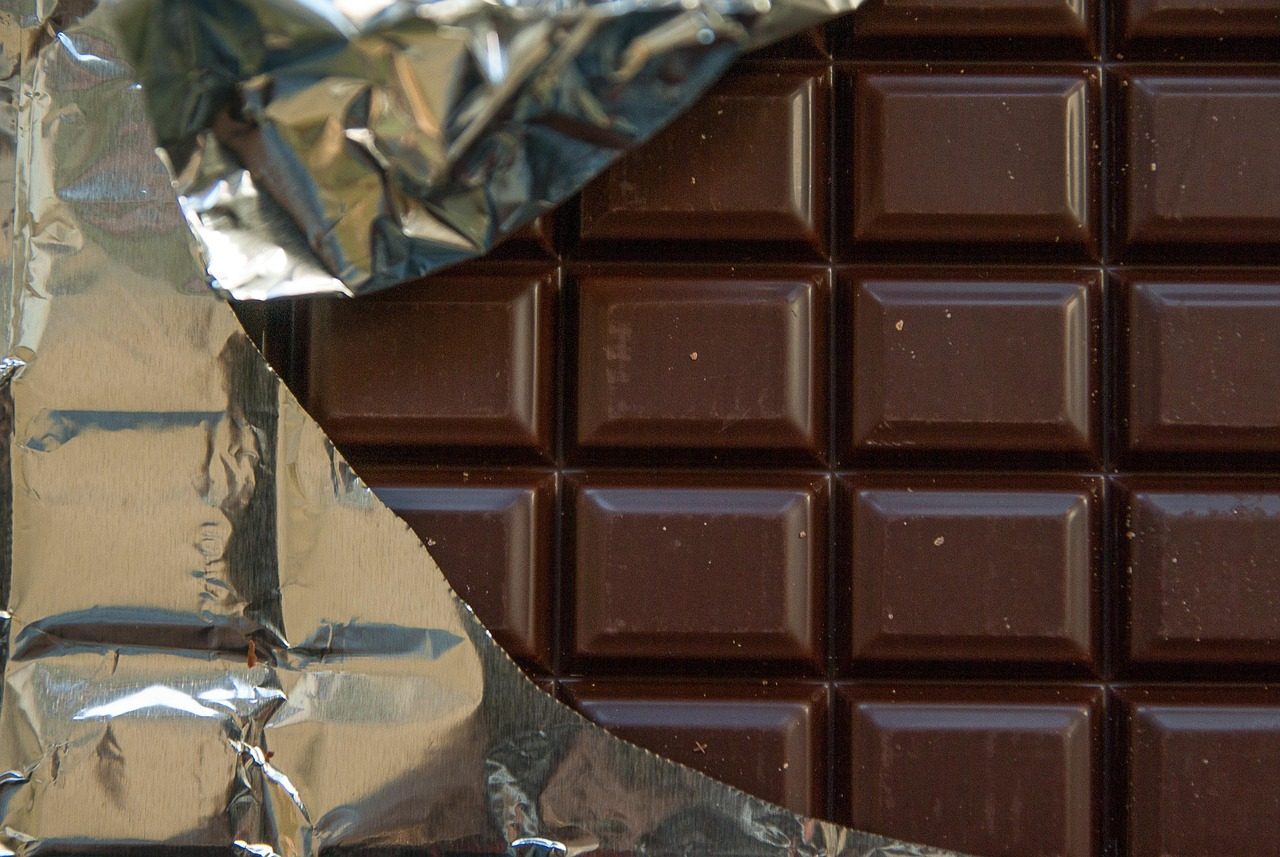
Dark chocolate delivers quick energy and healthy fats while improving morale during long outdoor trips. It stores better than milk chocolate in moderate temperatures and resists melting more effectively. Chocolate boosts satisfaction and provides a mental lift during challenging days. Small portions provide noticeable calories without excessive weight. Dark chocolate pairs well with nuts or fruit for balanced snacks. Its compact form makes it easy to carry. This indulgent option still supports energy needs without cooking or preparation, offering both fuel and comfort in demanding environments. It also serves as a small reward that encourages perseverance during cold, wet, exhausting conditions.